Tag: healing

  • The difference between being wanted and being valued.

    A personal reflection on love, attraction, emotional depth, and genuine care. 

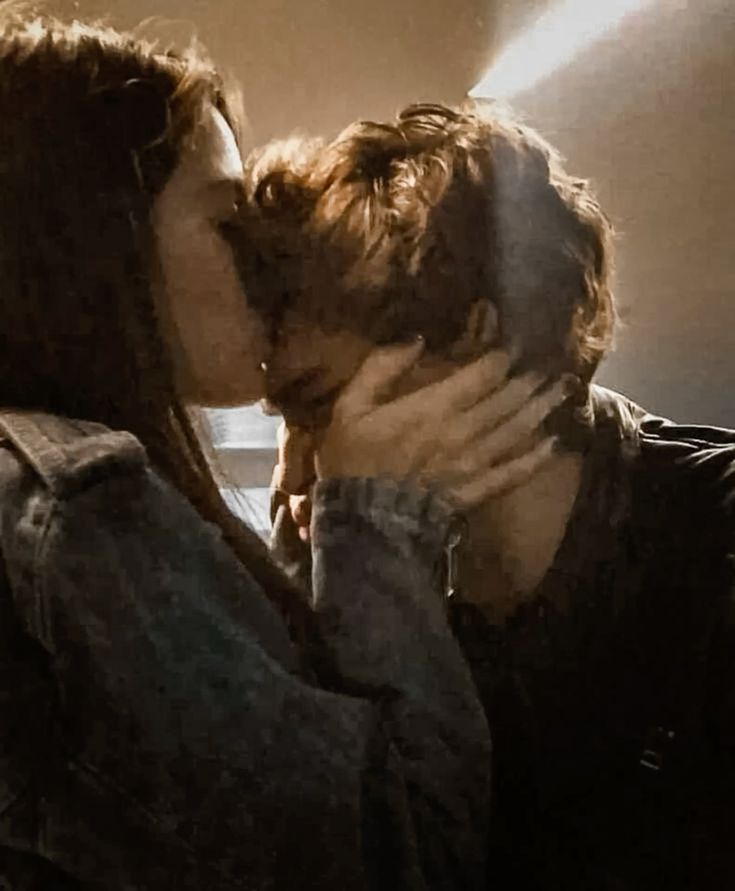
    I recently was watching a Turkish Show called “Sen Çal Kapımı”, and I fell in love with Serkan, he became my favourite thing on the show. Yes, the show followed a typical TV series trope from enemies to lovers, second change romance and memory loss, but I was still hooked. I knew it was stupid, but I was hooked. Because of Serkan. 

    Now his character was not the brightest, he had flaws a lot of them, but I loved how he redeemed himself, (and let’s be honest, I was in love with Kerem more). And that show made me reflect on myself and what I want. 

    Too deep.

    I know.

    But, I had a conversation with myself about what I want in my life, the kind of partner (if I ever get one) I would want to spend my life with. And I came to a realisation that I gravitate towards similar types of men. Emotionally available, intense, intelligent, intentional, sharp , witty and masculine men. Which is why characters like Serkan hit me so much.

    I like being valued more than being wanted. I want someone to respect me more than desire me. I want to be considered rather than just be attractive to someone. I refuse to be looked at like an object.

    I want the intensity, but I want respect too.

    I want to be desired, but I want to be considered too.

    I want attraction, but I want attentiveness too.

    There’s a huge difference between being wanted and being valued, yet people constantly confuse the two. Personally, I would choose being valued every single time. Being wanted may feel exciting, passionate, and validating in the moment, but being valued is what creates trust, stability, and genuine connection. 

    Being wanted is often tied to desire, attraction, loneliness, fantasy, or emotional need. It is connected to how someone feels around you and what you provide for them emotionally or physically. Being valued, however, goes deeper than attraction. It is about being respected, considered, appreciated, and treated with care. 

    A person can desire you deeply and still fail to treat you properly. That is the difference many people overlook.

    ✨ What Is Want?

    Want is emotional or physical desire toward someone. People are often drawn to others because they feel exciting, comforting, validating, attractive, or emotionally fulfilling. Attraction and desire are completely natural parts of human connection, and there is nothing inherently wrong with wanting someone.

    However, desire alone does not automatically create healthy love. Sometimes people become attached to the feeling another person gives them rather than genuinely appreciating who that person is. They may love the attention, comfort, validation, or emotional escape they receive without truly understanding or respecting the individual behind it.

    Want can feel intense and consuming, but intensity by itself is not proof of emotional depth. 

    🌿 What Is Value?

    Value is recognizing someone’s worth beyond what they can offer you emotionally or physically. It means appreciating them as a whole person, respecting their individuality, caring about their feelings, and treating them with thoughtfulness and consistency.

    Unlike desire, value is reflected through behavior. Someone who values you communicates honestly, respects your boundaries, supports you during difficult moments, and considers how their actions affect you. Their care is not dependent only on convenience, attraction, or emotional highs.

    While desire may draw people together, value is often what helps relationships survive beyond the initial excitement. 

    💭 Why Do People Crave Being Wanted More Than Being Valued?

    Being wanted feels emotionally powerful. It can make people feel attractive, chosen, important, and desired. That intensity creates excitement and instant emotional gratification, which is why so many people chase it.

    Society also glamorizes passionate pursuit far more than emotional stability. Movies, social media, and modern dating culture often portray obsession, jealousy, and constant longing as signs of deep love. Meanwhile, consistency, emotional maturity, and healthy communication are sometimes treated as boring simply because they feel calmer.

    The problem is that emotional intensity and emotional depth are not always the same thing. Someone can strongly desire you and still fail to respect you, prioritize you, or care for you properly. That is why desire alone is never enough. Without respect and consideration, intensity eventually becomes draining instead of fulfilling. 

    🌸 Why Should Value Matter More?

    Value matters more because it is revealed through actions rather than temporary emotions. Attraction changes. Feelings shift. Excitement naturally rises and falls over time. But the way someone consistently treats you says far more about the health of a relationship than emotional intensity ever could.

    Someone who truly values you listens to you, respects your boundaries, considers your feelings, and shows up even when things are difficult or inconvenient. They see you as a person, not just as a source of validation, comfort, or desire.

    Being wanted may give you butterflies, but being valued gives you peace, trust, and emotional security. 

    🌱 How Can People Learn to Value Respect Over Desire?

    Many people chase being wanted because they connect it to self-worth. Attention and attraction can feel validating, especially in a world where desirability is constantly tied to confidence, beauty, and social value. But eventually, people begin to realize that attention means very little when it comes without care or consistency.

    One of the healthiest mindset shifts is learning to focus less on how intensely someone feels about you and more on how they treat you daily. Instead of only asking:

    “Do they want me?”
    people should also ask:
    “Do they respect me?”
    “Do they support me?”
    “Do I feel safe, heard, and considered around them?”

    Building self-worth plays a huge role here too. People who value themselves are less likely to settle for relationships built only on attraction or emotional highs. They begin to understand that real love is not just about being desired, but about being genuinely appreciated and cared for as a whole person. 

    🚩 Choosing Better Partners

    Choosing better partners often comes down to paying attention to behavior rather than getting lost in chemistry or emotional intensity. Attraction can be powerful, but it should never be the only foundation of a relationship.

    Someone may know exactly how to make you feel wanted, but their actions will always reveal their true character over time. Do they communicate honestly? Do they respect boundaries? Are they emotionally reliable? Do their actions consistently match their words?

    Healthy relationships should bring clarity, trust, peace, and emotional stability instead of constant confusion, mixed signals, anxiety, or emotional chaos. Sometimes people mistake instability for passion simply because it feels intense. 

    Choosing better partners means prioritizing emotional maturity, communication, consistency, and mutual respect over temporary excitement or obsession.

    🤍 Conclusion

    In the end, being wanted and being valued are not the same thing. Desire may create attraction and excitement, but value is what creates trust, respect, and lasting emotional connection.

    Healthy relationships need both passion and care. There is nothing wrong with wanting or being wanted. But personally, if I had to choose between intense desire and genuine value, I would choose value every time. Because while attraction may pull people together, it is respect, consideration, and emotional care that make love last. 


  • Women Are Not Lonely. They’re Tired.

    Lately, I’ve been seeing more and more conversations online about the so-called “female loneliness epidemic.”

    Usually, the argument goes something like this:

    Women chose independence over relationships.
    Women rejected traditional roles.
    Women focused too much on careers.
    And now they’re supposedly ending up lonely, bitter, and emotionally unfulfilled.

    A lot of red pill content especially loves this narrative. It gets framed almost like a warning:
    “This is what happens when women become too independent.”

    But honestly, I think people are misdiagnosing the problem entirely. I was having this same discussion about my friends and wanted to know their inputs as well.

    One of my friends said:
    “It’s a bit general but also different in females, they can literally do anything but crave connection/companionship, even if we don’t like to admit it, it’s true up to a certain extent, it’s mainly our internal fears, avoidance or neglected feelings that we sometimes don’t know how to handle, maybe it’s different for others but I feel core in context of human psychological is, yes all the things we do to make ourselves better definitely help and shapes us but we cannot neglect the fact that we crave connection deep down”

    And my other friend said:
    “I think it’s just an experience but not real.. like if we change our mindset about loneliness we can change our life. I have worked on this in previous days and based on my experience, society has taught us to chase things. And chasing brings negligence to our own needs as our attention is directed towards chasing and if we don’t get that we feel lonely or broken, instead we should focus on our needs and goals, it literally kills loneliness”

    I kind of agree with it as well.

    Most women are not sitting alone in empty apartments desperately starved for human connection.

    They’re exhausted.

    And those are not the same thing.

    There’s a Difference Between Isolation and Exhaustion

    Male loneliness and female emotional exhaustion are often treated like identical social problems, but they operate very differently.

    A lot of lonely men genuinely lack connection.
    Many struggle with:

    • emotional intimacy
    • close friendships
    • physical affection
    • dating opportunities
    • emotional support systems

    For some men, loneliness is literal isolation.

    But when many women say they’re “tired,” the issue often isn’t lack of people.

    It’s the opposite.

    Too many demands.
    Too many expectations.
    Too much emotional output.
    Too much pressure to perform multiple roles perfectly at the same time.

    Women are often expected to:

    • succeed professionally
    • maintain relationships
    • emotionally support others
    • stay attractive
    • remain emotionally available
    • manage households
    • maintain social connections
    • care for family members
    • regulate conflict
    • keep everything functioning smoothly

    And somehow do all of this while appearing calm, grateful, and emotionally composed.

    That’s not loneliness.

    That’s overload.


    The Internet Keeps Mislabeling Burnout as Loneliness

    This is where I think online discourse gets lazy.

    Every emotional struggle gets flattened into the word “loneliness” because it’s dramatic, clickable, and emotionally charged.

    But emotional exhaustion is not always loneliness.

    A woman can:

    • have friends
    • have a partner
    • have coworkers
    • have family around her
    • have people texting her constantly

    …and still feel emotionally drained to the point of numbness.

    Not because nobody loves her.
    Not because she has no social life.
    But because she’s constantly giving.

    That’s a very different emotional reality from true social isolation.

    And honestly, calling every exhausted woman “lonely” oversimplifies what many women are actually experiencing.

    The Emotional Labour Problem Nobody Wants to Fully Address

    One thing I do think women experience heavily is emotional over-responsibility.

    A lot of women are socially conditioned to become emotional managers without even realizing it.

    They remember birthdays.
    They check in first.
    They smooth over tension.
    They notice emotional shifts.
    They keep conversations emotionally alive.
    They carry relational maintenance quietly in the background.

    Over time, this creates a dynamic where women are constantly emotionally “on.”

    And eventually, many become deeply tired of carrying emotional weight for everyone while suppressing their own needs to keep things functioning.

    Again, that’s not necessarily loneliness.

    It’s emotional fatigue.


    Red Pill Conversations Get One Thing Wrong

    A lot of red pill content interprets female exhaustion as regret.

    That’s the mistake.

    When women talk about being tired, overwhelmed, emotionally burnt out, or disconnected from themselves, some people immediately translate that into:
    “See? Women were happier in traditional roles.”

    But many women are not exhausted because they have too much freedom.

    They’re exhausted because modern society often expects them to do everything.

    Be independent, but still nurturing.
    Build a career, but still prioritize everyone emotionally.
    Be confident, but not intimidating.
    Be attractive, but effortless.
    Be emotionally intelligent, but never emotionally difficult.

    Women are expected to evolve professionally while still carrying many traditional emotional expectations at the same time.

    That combination creates pressure, not necessarily loneliness.


    Social Media Makes the Problem Worse

    Social media also adds another layer of exhaustion that people underestimate.

    Women are constantly consuming:

    • beauty standards
    • productivity culture
    • relationship content
    • self-improvement messaging
    • “perfect life” aesthetics

    Every scroll subtly sends the message:
    You should be doing more.
    Looking better.
    Healing faster.
    Achieving more.
    Balancing life better.

    Eventually, even rest starts feeling unproductive.

    And when people are emotionally overstimulated for long enough, they often mistake burnout for emptiness.


    Women Don’t Always Need More People. Sometimes They Need Relief.

    I think this is the part many conversations completely miss.

    Not every emotionally struggling woman needs:

    • more dating
    • more socializing
    • more attention
    • more people around her

    Sometimes she needs:

    • less pressure
    • less emotional responsibility
    • more reciprocity
    • actual rest
    • healthier boundaries
    • relationships where she doesn’t have to constantly perform strength

    There’s a huge difference between:
    “I have nobody”
    and
    “I’m tired of carrying everything.”

    One is isolation.
    The other is depletion.


    The Problem With Romanticizing “The Strong Woman”

    Modern culture praises women for being endlessly resilient.

    The woman who handles everything.
    The woman who never breaks down.
    The woman who supports everyone else.
    The woman who keeps going no matter how exhausted she feels.

    But strength without support eventually becomes self-erasure.

    A lot of women aren’t collapsing because they’re incapable.
    They’re collapsing because they’ve been emotionally functioning at unsustainable levels for years.

    And ironically, the more capable a woman appears, the less people often check if she’s okay.


    Conclusion

    I’m not saying female loneliness doesn’t exist. Of course it does.

    But I do think the internet is increasingly misusing the word “loneliness” to describe forms of emotional exhaustion that are actually rooted in pressure, burnout, emotional labour, and overstimulation.

    Many women are not emotionally starving because they have nobody.

    They’re emotionally drained because they’re expected to be everything.

    And maybe the conversation needs to become less about:
    “Why are women lonely?”

    And more about:
    “Why are women carrying so much?”


  • A Quiet Year That Changed Me : What I learned when nothing went as planned

    If I had to describe 2025 in one line, I’d say this: it opened my eyes and forced me to reflect. Not in a dramatic, life-altering way, but in a slow, honest way. The kind that stays with you even when nothing big seems to be happening.

    At the beginning of the year, I thought love and a promotion would be part of my story. They weren’t. And oddly enough, I’m not sad about that. I didn’t feel robbed or behind. I just felt… okay. Like maybe life was asking me to focus on something else instead of chasing timelines that weren’t mine.

    One of the biggest decisions I made this year was writing my first short story. It wasn’t a loud announcement or a sudden burst of confidence. It was quiet and personal. I just decided to do it. That choice mattered to me because it reminded me that I don’t have to wait for the perfect moment or validation to start something I care about.

    What really exhausted me in 2025 was a pattern. The kind you don’t notice until you’ve repeated it enough times to feel tired of yourself. Once I saw it clearly, I couldn’t ignore it anymore. And once I couldn’t ignore it, I knew it had to change.

    I’m quietly proud of how much more at peace I feel now. I’m clearer. I don’t feel as pulled in different directions. I’ve started letting go of expectations, especially the ones that weren’t even mine to carry. I also became more aware of my habits, the good ones and the ones that were holding me back without me realizing it.

    This year also taught me something very real about work, money, and ambition. Wanting more means working harder. There’s no escaping that. No shortcuts that don’t eventually catch up to you. If I want a different life, I have to be willing to put in consistent effort, even when it feels slow and invisible.

    Being single this year didn’t make me feel lonely or lacking. It taught me that I don’t have to be sad about it. I’m becoming my best self in my own time. Love doesn’t need to arrive right now for my life to still feel meaningful. Everyone has their own timing, and mine just isn’t here yet.

    One belief I finally let go of in 2025 is the idea that I’m useless. I’m not. I’m hardworking. I show up. I try, even when things don’t immediately work out. I’m content in ways I didn’t expect, and that matters more than I used to admit.

    As I step into 2026, I’m carrying my confidence and clarity with me. I’m leaving behind unnecessary doubt and habits that don’t serve the person I’m becoming. 2025 didn’t give me everything I thought I wanted, but it gave me something solid. And for the first time in a while, that feels enough.

    Happy New Year !!! 🎊🎉🩷🙏🏻

    What do you think your 2025 went? Let me know your thoughts below 👇🏻💕


  • What skills or lessons have you learned recently?

    Lately, I’ve realized that the biggest lessons I’ve learned didn’t come from books, advice, or big moments. They came quietly, through exhaustion. I’ve learned that my energy drains much faster now when I’m in places or around people who don’t match my vibe. Earlier, I would stay longer, try harder, tell myself I was being too sensitive. Now I feel the discomfort early, and I don’t argue with it. That awareness has become a skill in itself.

    I’ve also learned how to walk away without explaining myself. This didn’t come from confidence; it came from fatigue. Conversations that irritate or anger me don’t get my time anymore. I no longer feel the need to clarify, justify, or soften my exit. I learned to set up boundaries and telling no more firmly. I leave because staying costs me more than leaving ever did. It’s not dramatic. It’s just self-respect in action.

    Over time, I’ve become very good at spotting people who aren’t real. Especially those who are overly sweet with everyone. That kind of kindness used to confuse me, and I always thought there is something wrong with me to not like someone who is loved by everyone. Now I recognize it as performative. I’ve learned to trust my discomfort around people who charm easily but lack depth. This hasn’t made me cynical…. it’s made me selective. I don’t want access to everyone, and I don’t want everyone to have access to me.

    When something disappoints me deeply, my response has changed. I withdraw first. I need space to process things on my own, without noise or opinions. And then, once I’ve absorbed it, I push through. I don’t fall apart the way I once feared I might. I keep going. That combination of withdrawal and endurance is something I didn’t consciously develop, but it’s there now. Quiet. Reliable.

    One thing I genuinely respect about myself these days is my ability to walk away from what doesn’t serve me and stand my ground on what I believe in. Even when it’s uncomfortable. Even when it costs me closeness. I didn’t always have that kind of loyalty to myself. I learned it slowly, by choosing my peace over being understood.

    A harder lesson I’ve learned is to stop expecting help and understanding from people. This one still stings. Not because people are cruel, but because they’re often unable to meet you where you are. Letting go of that expectation forced me to rely on myself more than I ever thought I could. It wasn’t empowering at first. It was lonely. But it made me stronger in a very quiet way.

    Emotionally, I’ve changed too. I’m no longer scared to acknowledge my own feelings. I may not share them openly, but I don’t deny them anymore. I know what I feel. I accept it. That internal honesty has been one of the most important shifts for me. Even if no one else sees it, I do.

    For a long time, I thought I hadn’t handled anything significant because there were no obvious markers of growth. No applause. No visible breakthroughs. But looking back, I see years of silent work. I carried my mental and emotional struggles without letting people in. I kept showing up. I kept becoming more myself. That invisible endurance is something I never planned to learn, but it’s shaped who I am now more than anything else.

    Let me know your thoughts below 👇🏻💕


  • Too Pretty to Be Powerful? The Truth About Pink

    Pink Is Not the Enemy: Reclaiming a Color, Rewriting a Narrative

    When I was a child, I absolutely hated the color pink. I thought it was too girly. I grew up a tomboy, so the aversion was always there.

    But things shifted for me in the last couple of years—specifically after Greta Gerwig’s Barbie.

    I started liking the color pink. And since then, I’ve absolutely fallen in love with it.

    That got me thinking: why do little girls start hating pink as they grow up? Where does the backlash against a color even come from?

    What does pink means?

    The color pink is basically the visual equivalent of a deep exhale and a soft hug — it’s sweet, emotional, and low-key loaded with symbolism.

    🌸 At its core, pink represents:

    Love (especially gentle, romantic love — not the chaotic “crying in the club” kind)

    Femininity (thanks to years of cultural programming and Barbie-core influence)

    Compassion & Nurture (think motherly energy, soft touches, tenderness)

    Innocence (bubblegum, baby cheeks, first crush type vibe)

    Hope & Calm (pale pink especially has a calming, almost therapeutic quality)

    🧠 Psychologically speaking:

    Pink reduces aggression (Fun fact: some prisons in Switzerland are painted pastel pink to calm inmates. It’s called “Cool Down Pink.”)

    It often feels safe, familiar, comforting, like childhood nostalgia.

    But too much of it can also be seen as naive, overly soft, or performative.

    ⚡ In Gen Z & pop culture:

    Pink has been reclaimed. It’s not just “girly” — it’s powerful, punk, and political (hi, Barbie movie, breast cancer awareness, and Mean Girls).

    Pink is now a weapon and a vibe. It’s giving “I will cry and ruin your life.”

    When did people started hating and stereotyping Pink?

    People started hating on pink around the mid-20th century, when it got aggressively gender-coded as “feminine” — and being feminine became something to mock, limit, or rebel against.

    Let’s break it down by timeline and drama:

    👶 Early 1900s: Pink Was for Boys?!

    Yep, back in the day, pink was considered a strong, masculine color because it was a “light red.” Blue, on the other hand, was seen as delicate and dainty — perfect for girls. Wild, right?

    > “The generally accepted rule is pink for the boys, and blue for the girls.” — Earnshaw’s Infants’ Department, 1918

    💄 1950s: Pink Becomes Femme AF

    Enter post-WWII marketing and gender essentialism. Department stores, advertisers, and toy companies decided to double down on rigid gender roles — women = domestic, soft, nurturing = PINK. Think: Barbie, baby clothes, kitchen appliances. The “pink for girls” agenda took over like a pastel-colored plague.

    🧠 1970s–1980s: Feminist Backlash

    Second-wave feminism hits and suddenly, pink becomes political. To many women, rejecting pink was rejecting the idea that their only value was in being pretty, passive, and decorative. Pink = the patriarchy’s favorite color. So people stopped trusting it.

    📉 1990s–2000s: “Not Like Other Girls” Era

    Cue the era of internalized misogyny. Tomboys and “cool girls” distanced themselves from pink to seem serious or smart. The rise of media tropes (like the girly airhead vs. the edgy brunette) only added fuel. Liking pink? That was basic. Lame. Shallow.

    💅 2010s–Now: Pink Makes a Comeback… with Baggage

    Thanks to movements like #WomenInSTEM, Gen Z feminism, and brands reclaiming “girliness,” pink made a return — but it’s complicated. People now love hot pink ironically, use it in protest (think: the pussyhat), or wear it in ways that subvert gender norms. But the old hate still lingers, especially from people who grew up associating it with powerlessness or forced femininity.

    The Pink Stigma Is Real 💅

    Somewhere along the way, pink stopped being a color and became a character. And not exactly a flattering one.

    Love pink? You must be…

    👛 The “Girly Girl”

    You’re delicate, dainty, and probably spend your days organizing your makeup drawers and journaling about your dream wedding. Your hobbies? Shopping, sipping overpriced lattes, and saying “OMG” too often. Bonus points if your handwriting is suspiciously perfect.

    🧠 The Airhead

    Let me guess — pink is your favorite color because you don’t have enough brain cells to pick a deeper one? 🙄
    This stereotype hits especially hard thanks to movies and media that equate femininity with frivolity. (Thankfully, Elle Woods came along and said, “What, like it’s hard?” and crushed that narrative.)

    💅 The High-Maintenance Diva

    You like pink? Then you must also like drama. You’re high-strung, expensive, demanding, and can’t possibly handle a rough day without smudging your manicure or calling your boyfriend in tears.

    🎀 The Infantilized Woman

    This one’s subtle, but insidious: the idea that women who love pink are immature. Stuck in their childhoods. Obsessed with glitter and unicorns and unable to handle “adult” things like taxes, heartbreak, or ambition.

    🫦 The Flirt

    On the opposite end, pink becomes sexualized. The femme fatale who uses her softness as a weapon. A walking contradiction — desirable, but never respected.

    The Hate for Pink by Little girls :

    Little girls might hate pink growing up not because they actually dislike the color — but because of everything the world attaches to it.

    Here’s the real tea:

    🚫 1. Forced Femininity = Rebellion Starter Pack

    From birth, girls are bombarded with pink: clothes, toys, room decor, even diapers. It’s often not a choice — it’s an expectation. And when you’re a kid trying to figure out who you are, being boxed into “pink = girl” feels like a trap. So rejecting pink becomes a tiny rebellion against being told who you’re supposed to be.

    > “You’re a girl, so here’s a pink tutu.”
    “No thanks, I’ll take the dinosaur tee and a Nerf gun.”

    👧🏼 2. “Pink Means You’re a Girly Girl”

    And being a “girly girl”? Often used as an insult. Kids (and adults) can be brutal with gender-coded labels. If a girl likes sports, climbing trees, or gets told she’s “not like other girls,” she may distance herself from pink just to protect her identity.

    > Internalized message: “If I like pink, people won’t take me seriously. Or worse, they’ll lump me in with the girls they tease.”

    🎀 3. It Was Used to Limit Them

    For many girls, pink = the things they were allowed to be. Pretty. Quiet. Sweet. Delicate.
    But not loud, smart, wild, messy, athletic, or bossy — because those weren’t “feminine” traits. So rejecting pink becomes a way to say, “I’m more than what you want me to be.”

    🎮 4. It Wasn’t Cool

    Pop culture, schoolyard dynamics, even early YouTube — all subtly (or loudly) told us that “cool girls” wore black, were chill, liked blue, and didn’t fuss over pink sparkly stuff. Liking pink was coded as basic. So girls who wanted to be “different” or “cool” ditched the color entirely.

    🧠 5. Associating It With Weakness

    This one cuts deep. In a world where masculinity is praised and femininity is devalued, anything seen as “too girly” gets tied to weakness. So pink — the ultimate girly symbol — becomes the thing to avoid if you want to be taken seriously.

    > “I’m not like those girls.”
    “Pink is for babies.”
    “I’m tough — I wear navy.”

    Spoiler: all of that is internalized misogyny.

    🤷‍♀️ 6. They Just… Didn’t Like It

    Also, sometimes it’s not that deep. Maybe they genuinely didn’t vibe with the color. Not every girl has to love soft pastels or bubblegum neon. Personal taste exists! And that’s valid too.

    Wait… Why Are We Still Doing This?

    Let’s pause here and ask: Why does a color carry this much baggage?

    Newsflash: Pink used to be a boy’s color. Back in the early 1900s, it was seen as a bolder, more “decisive” version of red — appropriate for young boys. Blue? That was soft, serene, and suited to girls.

    People are still hating on the color pink because — surprise! — we’ve attached a whole bunch of outdated, gendered baggage to it. Pink hasn’t just been a color for decades now; it’s been a symbol of everything society deems “feminine,” and unfortunately, that often comes with a side of disrespect.

    Here’s the breakdown:

    💅 1. Femininity is Still Devalued

    Let’s be honest — we live in a world where “girly” is still used as an insult. Pink, as a color, got coded as feminine over time (it wasn’t always — fun fact: it was once considered a boy color). But now? It represents softness, sweetness, delicacy — and all the things patriarchy told us were “less than.” So when people hate on pink, what they’re really doing is reacting to how we’ve historically disrespected femininity.

    🧠 2. Internalized Misogyny is Real

    Some women and girls reject pink not because they truly hate the hue, but because they’ve been taught that being “too feminine” makes you weak, shallow, or less intelligent. Hating pink becomes a way to prove you’re not like other girls — which is just another way patriarchy divides and conquers.

    🎯 3. Marketing Overkill

    Let’s not ignore how aggressively pink has been pushed on girls. The “pink aisle” in toy stores? Everything from bikes to LEGOs to baby wipes unnecessarily bathed in fuchsia? That overexposure creates resistance — like, why do we only get ONE color? Pink ends up symbolizing forced gender roles rather than just… being a color.

    🫠 4. Stereotyping & Infantilization

    Pink is often linked with childishness — think Barbie, princesses, bubblegum. That can make people want to reject it to be taken seriously. Especially women in male-dominated spaces. You wear hot pink to a boardroom, and suddenly you’re seen as unserious or “extra.”

    ✊🏽 5. It’s Also a Form of Rebellion

    Rejecting pink has become an act of resistance for some — especially those in queer, feminist, or alternative subcultures. Saying “I don’t do pink” is often a shortcut to say “I don’t conform to your narrow version of womanhood.”

    When the girls started liking Pink again!!

    When a girl starts liking the color pink again — after rejecting it — it often means she’s reclaiming her power, femininity, and identity on her own terms. It’s not just “oh, I like pretty things now.” It’s deeper than that. It’s unlearning shame. It’s rebellion in lipstick.

    Here’s what it can really mean:

    💖 1. Healing Her Inner Child

    She’s letting go of shame around girly things and embracing what once felt forced or off-limits.

    💅 2. Rejecting the Male Gaze

    She’s no longer dressing to be “cool” or desirable — pink is now for her.

    🎀 3. Redefining Femininity

    Soft doesn’t mean weak. Pink is power in pastels.

    🧠 4. Unlearning Misogyny

    She no longer sees liking pink as anti-feminist — she knows femininity isn’t the enemy.

    💼 5. Owning Her Narrative

    Wearing pink says: “Underestimate me — and watch me win.”

    So when a woman starts liking pink again, it’s often not about the color — it’s about liberation.

    It means she’s not afraid to be seen, be soft, or be stereotyped — because she knows who she is, and she doesn’t need to apologize for it.

    🎀 The Bottom Line: Pink ≠ Shallow

    Pink is softness and strength. It’s bold. It’s rebellious. It’s the shade of breast cancer awareness, of “On Wednesdays We Wear Pink,” of lipstick stains on spreadsheets and protest signs.

    Loving pink doesn’t mean you’re a stereotype. It means you’re secure enough to enjoy what you love — without apologizing for it.

    So no, pink isn’t a phase. Pink is a reclamation.

    It means: I’m not afraid to be seen.

    Let me know your thoughts below 👇🏻💕