
Tag: health

  • The difference between being wanted and being valued.

    A personal reflection on love, attraction, emotional depth, and genuine care. 

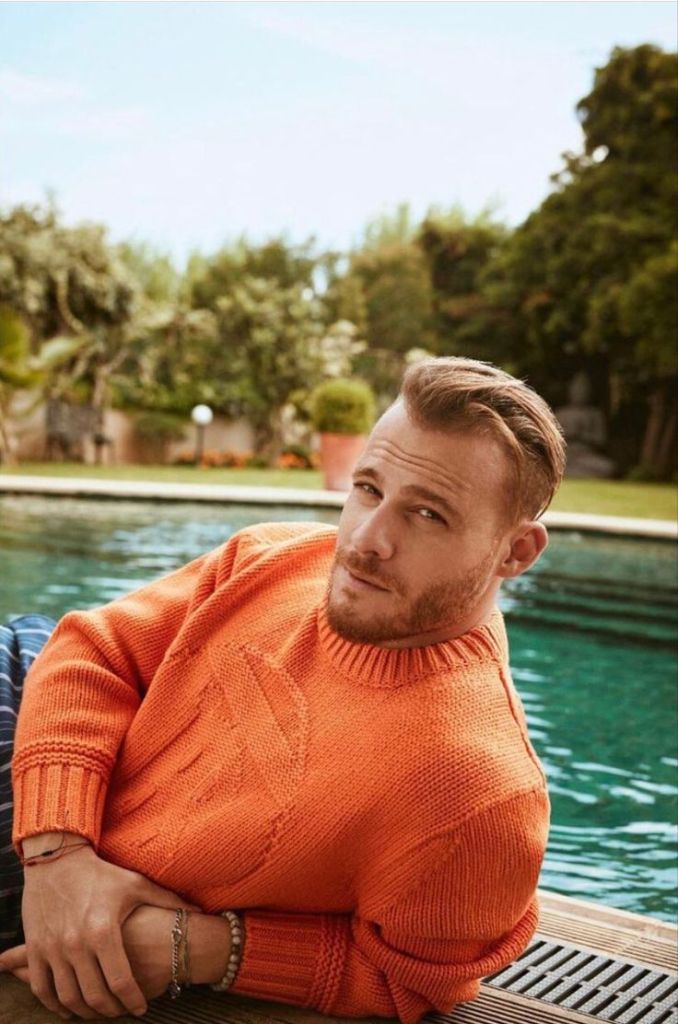
    I recently was watching a Turkish Show called “Sen Çal Kapımı”, and I fell in love with Serkan, he became my favourite thing on the show. Yes, the show followed a typical TV series trope from enemies to lovers, second change romance and memory loss, but I was still hooked. I knew it was stupid, but I was hooked. Because of Serkan. 

    Now his character was not the brightest, he had flaws a lot of them, but I loved how he redeemed himself, (and let’s be honest, I was in love with Kerem more). And that show made me reflect on myself and what I want. 

    Too deep.

    I know.

    But, I had a conversation with myself about what I want in my life, the kind of partner (if I ever get one) I would want to spend my life with. And I came to a realisation that I gravitate towards similar types of men. Emotionally available, intense, intelligent, intentional, sharp , witty and masculine men. Which is why characters like Serkan hit me so much.

    I like being valued more than being wanted. I want someone to respect me more than desire me. I want to be considered rather than just be attractive to someone. I refuse to be looked at like an object.

    I want the intensity, but I want respect too.

    I want to be desired, but I want to be considered too.

    I want attraction, but I want attentiveness too.

    There’s a huge difference between being wanted and being valued, yet people constantly confuse the two. Personally, I would choose being valued every single time. Being wanted may feel exciting, passionate, and validating in the moment, but being valued is what creates trust, stability, and genuine connection. 

    Being wanted is often tied to desire, attraction, loneliness, fantasy, or emotional need. It is connected to how someone feels around you and what you provide for them emotionally or physically. Being valued, however, goes deeper than attraction. It is about being respected, considered, appreciated, and treated with care. 

    A person can desire you deeply and still fail to treat you properly. That is the difference many people overlook.

    ✨ What Is Want?

    Want is emotional or physical desire toward someone. People are often drawn to others because they feel exciting, comforting, validating, attractive, or emotionally fulfilling. Attraction and desire are completely natural parts of human connection, and there is nothing inherently wrong with wanting someone.

    However, desire alone does not automatically create healthy love. Sometimes people become attached to the feeling another person gives them rather than genuinely appreciating who that person is. They may love the attention, comfort, validation, or emotional escape they receive without truly understanding or respecting the individual behind it.

    Want can feel intense and consuming, but intensity by itself is not proof of emotional depth. 

    🌿 What Is Value?

    Value is recognizing someone’s worth beyond what they can offer you emotionally or physically. It means appreciating them as a whole person, respecting their individuality, caring about their feelings, and treating them with thoughtfulness and consistency.

    Unlike desire, value is reflected through behavior. Someone who values you communicates honestly, respects your boundaries, supports you during difficult moments, and considers how their actions affect you. Their care is not dependent only on convenience, attraction, or emotional highs.

    While desire may draw people together, value is often what helps relationships survive beyond the initial excitement. 

    💭 Why Do People Crave Being Wanted More Than Being Valued?

    Being wanted feels emotionally powerful. It can make people feel attractive, chosen, important, and desired. That intensity creates excitement and instant emotional gratification, which is why so many people chase it.

    Society also glamorizes passionate pursuit far more than emotional stability. Movies, social media, and modern dating culture often portray obsession, jealousy, and constant longing as signs of deep love. Meanwhile, consistency, emotional maturity, and healthy communication are sometimes treated as boring simply because they feel calmer.

    The problem is that emotional intensity and emotional depth are not always the same thing. Someone can strongly desire you and still fail to respect you, prioritize you, or care for you properly. That is why desire alone is never enough. Without respect and consideration, intensity eventually becomes draining instead of fulfilling. 

    🌸 Why Should Value Matter More?

    Value matters more because it is revealed through actions rather than temporary emotions. Attraction changes. Feelings shift. Excitement naturally rises and falls over time. But the way someone consistently treats you says far more about the health of a relationship than emotional intensity ever could.

    Someone who truly values you listens to you, respects your boundaries, considers your feelings, and shows up even when things are difficult or inconvenient. They see you as a person, not just as a source of validation, comfort, or desire.

    Being wanted may give you butterflies, but being valued gives you peace, trust, and emotional security. 

    🌱 How Can People Learn to Value Respect Over Desire?

    Many people chase being wanted because they connect it to self-worth. Attention and attraction can feel validating, especially in a world where desirability is constantly tied to confidence, beauty, and social value. But eventually, people begin to realize that attention means very little when it comes without care or consistency.

    One of the healthiest mindset shifts is learning to focus less on how intensely someone feels about you and more on how they treat you daily. Instead of only asking:

    “Do they want me?”
    people should also ask:
    “Do they respect me?”
    “Do they support me?”
    “Do I feel safe, heard, and considered around them?”

    Building self-worth plays a huge role here too. People who value themselves are less likely to settle for relationships built only on attraction or emotional highs. They begin to understand that real love is not just about being desired, but about being genuinely appreciated and cared for as a whole person. 

    🚩 Choosing Better Partners

    Choosing better partners often comes down to paying attention to behavior rather than getting lost in chemistry or emotional intensity. Attraction can be powerful, but it should never be the only foundation of a relationship.

    Someone may know exactly how to make you feel wanted, but their actions will always reveal their true character over time. Do they communicate honestly? Do they respect boundaries? Are they emotionally reliable? Do their actions consistently match their words?

    Healthy relationships should bring clarity, trust, peace, and emotional stability instead of constant confusion, mixed signals, anxiety, or emotional chaos. Sometimes people mistake instability for passion simply because it feels intense. 

    Choosing better partners means prioritizing emotional maturity, communication, consistency, and mutual respect over temporary excitement or obsession.

    🤍 Conclusion

    In the end, being wanted and being valued are not the same thing. Desire may create attraction and excitement, but value is what creates trust, respect, and lasting emotional connection.

    Healthy relationships need both passion and care. There is nothing wrong with wanting or being wanted. But personally, if I had to choose between intense desire and genuine value, I would choose value every time. Because while attraction may pull people together, it is respect, consideration, and emotional care that make love last. 


  • Selfish, Stubborn, and Damn Proud: Why Main Character Energy Isn’t a Crime!

    Why Society Fears a Woman Who Loves Herself. And Why You Should Love Yourself Even Louder

    I’ve been called selfish. Stubborn. Full of myself.
    And honestly? They’re right—and I’m damn proud of it.

    I put myself first. I say no without guilt. I choose my peace over people-pleasing. Somewhere along the way, that became a crime, especially for women. But here’s the thing: loving yourself isn’t narcissism—it’s resistance. It’s survival. It’s the plot twist no one saw coming.

    I’ve always thought self-love was important—necessary, even. I love myself. I treat myself well. I take care of my body, my peace, my boundaries, and my dreams. But the moment I started choosing myself, people around me started calling me self-obsessed.

    Apparently, putting yourself first is still a sin—if you’re a woman.

    And look, I’m stubborn (Capricorn Sun, what else do you expect?). I didn’t see it as a bad thing. But the constant criticism made me pause and wonder:
    Why does society hate women who love themselves?
    Why does it feel like prioritizing your own joy, goals, and mental health suddenly makes you “too much”?

    Let’s get into it. Buckle up.

    What Is Self-Love, Actually?

    Self-love isn’t posting selfies with captions like “self-love era” (although that can be part of it, and we support that too, queen). It’s much deeper.

    Self-love is a concept rooted in psychology—it means treating yourself with the same kindness, compassion, and respect you’d give to someone you deeply care about. It’s recognizing your own worth even when no one else claps for you. It’s accepting your flaws, honoring your boundaries, and refusing to apologize for your joy.

    Let’s break it down:

    Acceptance: Acknowledging your imperfections without shame or self-hate.

    Compassion: Being soft with yourself in tough moments instead of ripping yourself apart.

    Prioritizing Needs: Choosing what’s best for you, even when others expect you to shrink.

    Self-Respect: Not tolerating disrespect, toxicity, or situations that drain your soul.

    Forgiveness: Letting go of your past mistakes and giving yourself room to grow.

    Honesty: Facing your truth, even when it’s uncomfortable.

    Self-Worth: Knowing your value isn’t tied to your productivity, appearance, or relationship status.

    Why Is Self-Love Crucial for Women?

    Let’s get real: for women, self-love is radical. Society has trained us to be selfless to the point of self-erasure. We’re expected to nurture, accommodate, soften our tone, and serve. So when a woman says “No” or “I come first,” people flinch.

    Here’s why self-love matters even more for women:

    1. It Builds Real Confidence

    It’s not fake-it-till-you-make-it energy. It’s the kind of quiet power that says, “I know who I am.”

    You stop waiting for validation. You give it to yourself.

    2. It Improves Mental Health

    Loving yourself helps reduce anxiety, perfectionism, and self-loathing.

    It builds resilience—so when life throws punches, you bounce back faster.

    3. It Creates Healthier Relationships

    When you respect yourself, you attract people who do the same.

    You learn to say “no” without guilt and “yes” without fear.

    4. It Allows Authentic Living

    You stop performing and start living in alignment with who you actually are.

    You make decisions based on truth—not approval.

    5. It Encourages Self-Care

    You nourish your mind, body, and spirit because you know you’re worth it.

    Whether it’s therapy, journaling, dance classes, or just sleeping 8 hours—you show up for you.

    So… Why Does Society Hate That?

    Short answer? Control.

    Long answer? Well—

    1. It Challenges Patriarchal Norms

    Women are expected to serve others before themselves. A woman choosing her own path? She’s a threat. She’s “not feminine enough.” She’s “too ambitious.” But really—she’s just free.

    > Example: A woman turning down a marriage proposal to focus on her career is seen as selfish. But a man doing the same? Admirable.

    2. It Disrupts Power Dynamics

    A self-loving woman doesn’t settle. Not in relationships. Not in jobs. Not in society’s BS. That kind of independence is dangerous—to people who benefit from your silence.

    > Think of how often confident women in media are called “bossy,” “difficult,” or “too much.”

    3. It Triggers Internalized Misogyny

    Other women—conditioned to please, to play small—might see your confidence as arrogance. Why? Because we were all raised to believe we’re only lovable when we’re less.

    > You shine? Someone will try to dim it. That says more about them than you.

    4. It Exposes Double Standards

    Men with high self-worth are “leaders.” Women? “Narcissists.”
    Men are allowed to prioritize themselves. Women are expected to sacrifice and smile while doing it.

    > Reminder: Self-respect isn’t arrogance. And loving yourself doesn’t mean you hate others.

    Let’s Talk About the “Threat” Thing

    Some people genuinely see self-loving women as a threat. Let’s dissect that.

    You challenge outdated roles: You aren’t a quiet caretaker. You’re a force.

    You inspire others: Your confidence might wake up something powerful in another woman. That scares people.

    You disrupt entitlement: Especially in relationships. You won’t tolerate breadcrumbs. You want a feast.

    You call out BS: Misogyny, manipulation, performative allyship—you see it and name it. Loudly.

    Are you actually a threat?

    No. You’re progress. You’re the future. You’re healing generations of women who were told they weren’t enough unless they were suffering for someone else.

    So What Can You Do?

    Here’s how to love yourself loudly in a world that wants you to whisper:

    🧠 Build a Support System

    Find your people. Your sisterhood. Your soft space. The ones who don’t flinch when you shine.

    🌱 Practice Daily Self-Care

    Not just bubble baths—real care. Say no. Speak up. Sleep. Eat. Journal. Move. Heal.

    🗣️ Use Your Voice

    Write. Create. Dance. Speak. Stop asking for permission to exist loudly.

    🧘🏽‍♀️ Be Compassionate With Yourself

    Talk to yourself like you would your best friend. Kind. Loving. Real. Let your inner voice be your softest home.

    🔥 Be Unapologetic

    Take up space. Laugh loudly. Cry loudly. Exist as you are, not as they expect.

    Conclusion: Love Yourself Louder

    Here’s the truth:
    The world will always have a problem with a woman who knows her worth. But that doesn’t mean you should lower your volume.

    Your self-love is not a rebellion—it’s your birthright.
    Your joy is not selfish—it’s sacred.
    Your boundaries are not rude—they’re revolutionary.

    So if they call you “too much,” smile and say—“I wasn’t made to be less.”

    Because a woman who loves herself is unstoppable.
    And that scares them.
    Let it.

    Let me know what do you think about self love? And how do you practice it below! 👇🏻 💕


  • Love, Likes & Lies: The Hidden Impact of Social Media on Self-Worth

    How Social Media is Messing with Our Self-Love and Relationships—And What to Do About It

    Remember when social media was just about sharing pictures with friends? Today, it’s much more than that—it’s a lifestyle, a business, and for some, an addiction.

    When I think of social media, I see it as a way to connect with the world around me. That’s how I viewed it as a child, having Facebook to connect with friends, sharing pictures and tagging people to share the experience. It was nice.

    However, nowadays, social media has not only evolved but changed entirely. It’s now one of the important parts of our lives. Many people now depend on social media for their lives and livelihoods.

    We live in a world where social media is a huge part of our daily lives. Whether it’s waking up to check Instagram, scrolling through TikTok during lunch, or winding down with YouTube at night, it’s hard to escape the influence of these platforms. While social media has its perks, helping us stay connected, inspired, and entertained, it also has a darker side, especially when it comes to self-love and relationships.

    Have you ever felt like you’re not doing enough after seeing someone else’s seemingly perfect life online? Or maybe you’ve caught yourself wondering why your relationship doesn’t look as exciting as the ones you see on Instagram? That’s the silent impact of social media, shaping our perceptions in ways we don’t always realize.

    Let’s break down how this plays out for both women and men.

    For Women : the constant Pressure to Be “Perfect”

    For many women, scrolling through social media can feel like an unspoken competition. It’s not just about keeping up—it’s about standing out. The pressure to be effortlessly beautiful, successful, and in the perfect relationship is relentless.

    1. Unrealistic Beauty Standards

    Filters, FaceTune, AI-generated beauty—it’s everywhere. Social media has created a world where flawless skin, snatched waists, and perfectly contoured faces are the norm. The problem? It’s not real. But when you see it every day, it starts to feel like the standard you need to reach.

    Even influencers and celebrities struggle with this pressure. Many of them edit their pictures, use professional lighting, and pose in ways that highlight their best features. But when you don’t see the behind-the-scenes, you might start to feel like you’re falling short.

    This pressure doesn’t just affect self-esteem—it also fuels unhealthy behaviors. From excessive spending on beauty treatments to crash diets and cosmetic procedures, many women go to extreme lengths to fit an impossible mold.

    2. The Comparison Trap

    You could be having a great day, feeling confident and happy—until you open Instagram and see someone on a luxurious vacation, looking flawless in a bikini, with the caption: “Just a casual weekend getaway!”

    Suddenly, your day doesn’t seem so great anymore. Your vacation last year wasn’t as fancy. Your body doesn’t look as toned. Your life feels… less exciting.

    This is the comparison trap—and it’s dangerous. We forget that social media is a highlight reel. We see people’s best moments, not their struggles, insecurities, or everyday routines.

    3. Validation Through Likes and Comments

    Ever posted a picture and kept checking your phone to see how many likes it got? If it didn’t perform well, did you start questioning your appearance or self-worth?

    Many women unknowingly tie their confidence to social media validation. When likes and comments flood in, it feels like approval. But when engagement is low, it can feel like rejection. This cycle can make self-love feel conditional—only present when others validate it.

    4. Toxic Relationship Expectations

    Social media has romanticized relationships to an unrealistic degree. From extravagant proposals to daily love notes, everything looks like a fairytale. But what we don’t see are the arguments, the compromises, or the quiet, unglamorous moments that make real relationships work.

    Many women end up questioning their relationships, thinking, “Why isn’t my partner doing all these things?” But love isn’t about constant grand gestures—it’s about consistency, respect, and real emotional connection, things that don’t always make it to Instagram.

    5. The Hypersexualization Problem

    Let’s talk about the elephant in the room: the way social media rewards certain kinds of content.

    It’s no secret that the more revealing the post, the more engagement it gets. Whether it’s celebrities, influencers, or everyday users, many women feel pressured to present themselves in a way that’s desirable rather than authentic.

    While there’s nothing wrong with embracing confidence and body positivity, the issue arises when self-worth becomes tied to external validation. If engagement drops, does that mean you’re less attractive? Less valuable? Of course not—but social media can make it feel that way.

    It’s not just women, we also need to talk about the negative effects that social media have on men.

    For Men, the Pressure to “Have It All”

    While women face beauty and relationship pressures, men deal with their own struggles—ones that social media often reinforces.

    1. Toxic Masculinity Pressures

    Social media has a way of telling men what they should be. Strong. Dominant. Emotionally detached. The idea that men must always be providers, never show weakness, and always be in control is everywhere.

    This can be incredibly damaging. When men grow up believing that emotions are a sign of weakness, they suppress them. They struggle to express themselves in relationships. They bottle up stress instead of seeking support.

    But true self-love means embracing all parts of yourself—including vulnerability.

    2. The “Success = Self-Worth” Mentality

    Ever noticed how many male influencers preach about “grinding” and “hustling” 24/7? There’s this idea that unless you’re driving a luxury car, running a six-figure business, or hitting the gym religiously, you’re not enough.

    This mindset can make men feel like failures if they don’t measure up. Instead of valuing themselves for their character, kindness, or personal growth, they start to believe that their worth is based on how much they achieve.

    3. Unrealistic Relationship Expectations

    Just like women see romanticized love stories online, men are bombarded with an equally unrealistic narrative: that women should always look perfect, never complain, and be “low-maintenance.”

    This can lead to unhealthy expectations, where men feel disappointed when their real-life partner doesn’t match the fantasy version social media has conditioned them to expect.

    So, What Can We Do About It?

    We all know social media isn’t going anywhere, but we can change how we engage with it. Here are some ways to protect your self-love and relationships:

    1. Curate Your Feed Intentionally

    Unfollow accounts that make you feel insecure. Instead, follow people who promote authenticity, self-acceptance, and realistic portrayals of life and relationships.

    2. Take Social Media Breaks

    A weekend detox or even limiting your daily screen time can help reset your mindset.

    3. Remind Yourself: Social Media Is Not Real Life

    Behind every perfect post is effort, editing, and sometimes even complete fabrication. Keep that in mind next time you feel less than.

    4. Build Self-Worth Offline

    Your value doesn’t come from likes, followers, or social media engagement. It comes from who you are in real life—the way you treat people, your kindness, your personal growth.

    5. Redefine Relationships on Your Own Terms

    Love isn’t about Instagrammable moments—it’s about mutual respect, deep connection, and real-life effort. Instead of comparing, focus on what makes your relationship strong.

    At the end of the day, self-love isn’t about meeting social media’s standards, it’s about setting your own.

    And when it comes to relationships? The best ones happen in the moments that never make it to the feed.

    So, let’s take control of how we engage with it. What’s one step you’ll take today?

    Have you ever felt like social media affected your self-esteem or relationships?

    Let’s talk in the comments!


  • Lullabies for the Heart: Nurturing Wellness Through Melody

    Music as Therapy: The Healing Power of Sound

    Ever since I was a child, I loved music. Even today I listen to music all the time, especially when traveling.Taylor Swift, BTS, Kendrick Lamar, Nicki Minaj, Arijit Singh, Beyoncé, Celine Dion, etc. are some of my favourite artits to listen too.

    The lyrics for me is what I look for when I listen to music. I want to connect to the artist by their lyrics. Over the years, I have listened to a lot of artist, and for me personally, the lyricism of R.M (Kim Namjoon), Suga (Min Yoongi), J Hope (Jung Ho-seok) and Taylor Swift have played a huge role in my life. Specially how I view myself and my life. It always feels like they are singing about my life to me.

    Music for me has always been about the stories.

    However, Music isn’t just entertainment—it’s a universal language that transcends barriers, speaks to the soul, and has a profound impact on our emotional and physical well-being. For centuries, people have turned to music in times of joy, sorrow, and healing. Today, music therapy has emerged as a recognized and powerful tool in healthcare and personal growth.

    But why is music so therapeutic?

    Let’s dive into the science and the emotional connection behind it.

    Listening to music activates multiple areas of the brain, including those responsible for emotions, memory, and motor control. Studies have shown that music can release dopamine, the “feel-good” hormone, which enhances mood and reduces stress. In fact, just listening to your favorite song can instantly uplift your spirits and calm your mind during tough or anxious situations.

    Music also impacts the brain’s limbic system, which processes emotions. This is why certain songs can trigger memories or feelings.

    Whether it’s the nostalgic tune of a childhood lullaby or an upbeat track that makes you want to dance, music has a unique ability to connect deeply with our inner world.

    Sometimes, words fail to express what we feel and it can be difficult to express onself. Music, however, can bridge that gap.

    A soothing melody or heartfelt lyrics can articulate emotions we struggle to put into words. It provides an outlet to process feelings like grief, anger, or joy, making it a therapeutic tool for emotional release.

    For people struggling with anxiety or depression, creating or listening to music offers a safe space to explore their emotions without judgment. It can act as a mirror, reflecting their internal struggles while simultaneously offering comfort.

    Life can be stressful, but music has the power to offer refuge. Slow, calming music—such as classical or instrumental—has been shown to lower heart rates, reduce cortisol levels (the stress hormone), and induce relaxation. Listening to calming music before bed can improve sleep quality, while upbeat music can energize and motivate us for the day ahead.

    Music therapy is particularly effective in helping people manage anxiety. Techniques like guided imagery with music allow individuals to visualize peaceful scenarios while listening to soothing tunes, helping them relax and reset.

    Music isn’t just good for the mind; it’s also a powerful tool for healing the body. In hospitals, music therapy is used to reduce pain perception, improve recovery times, and support physical rehabilitation. Rhythmic patterns in music can enhance motor skills, making it an effective tool for patients recovering from strokes or physical injuries.

    For individuals with chronic illnesses, listening to music can distract from pain and foster a sense of calm. The rhythmic patterns and harmonies can even help regulate breathing, heart rate, and blood pressure.

    Music has a way of bringing people together. Singing in a choir, attending a concert, or even sharing a playlist with a friend creates a sense of belonging and connection. For those feeling isolated or lonely, music offers a way to connect with others and feel part of something larger than themselves.

    Group music therapy sessions often promote social interaction, teamwork, and communication, which are crucial for mental health and personal growth.

    Music is a powerful tool for memory. It’s why you can remember the lyrics to a childhood song but not what you had for breakfast last week. For individuals with Alzheimer’s or dementia, music therapy has shown remarkable benefits in recalling memories and improving cognitive function.

    Familiar songs can stimulate the brain and evoke emotions, helping patients connect with their loved ones and surroundings.

    One of the most beautiful aspects of music therapy is its adaptability. Everyone’s relationship with music is unique. Some might find solace in the calming notes of a piano, while others might feel empowered by a rock anthem. Music therapy allows individuals to explore what resonates with them, creating a personalized healing journey.

    Music is more than a collection of sounds—it’s a powerful force that can heal, connect, and transform lives. Whether it’s through listening, creating, or simply experiencing, music has the ability to touch the deepest parts of our being and bring about positive change.

    So, the next time you feel overwhelmed, sad, or even joyful, let music be your guide. Put on a song that speaks to you, and let its therapeutic power work its magic. Because sometimes, all we need is a melody to remind us that healing is possible.

    What does music mean to you?

    Also who are some of your favourite artist to listen to?

    Let me know in the comments!