
Tag: New blog

  • The Art of Returning

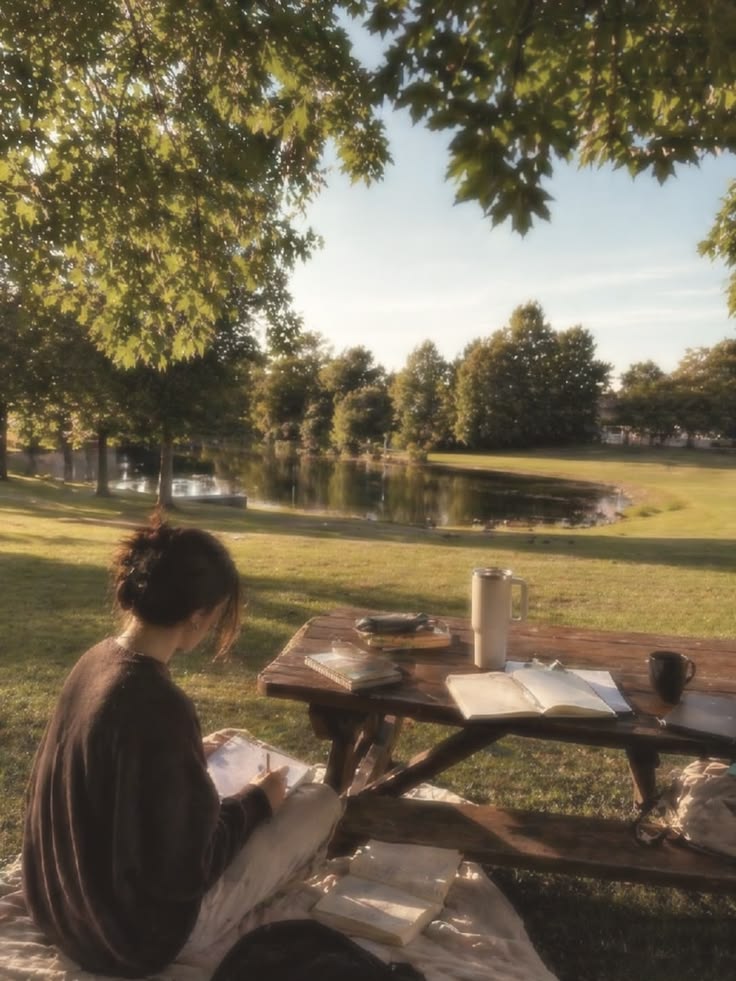
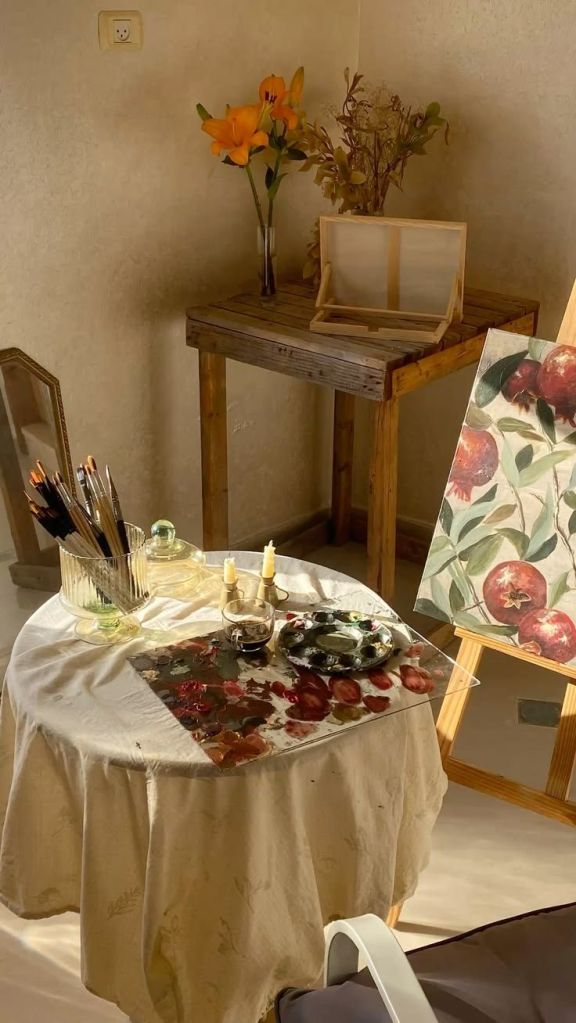
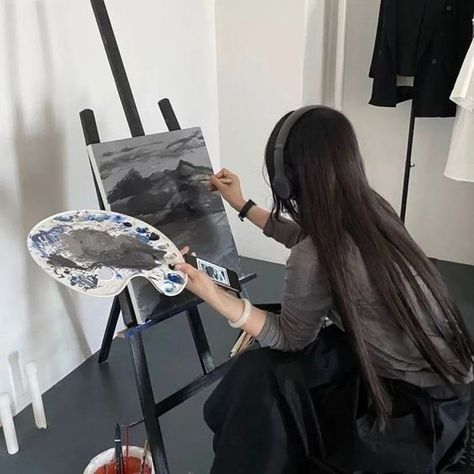
    Returning to old passions is sometimes the first step toward finding yourself again.

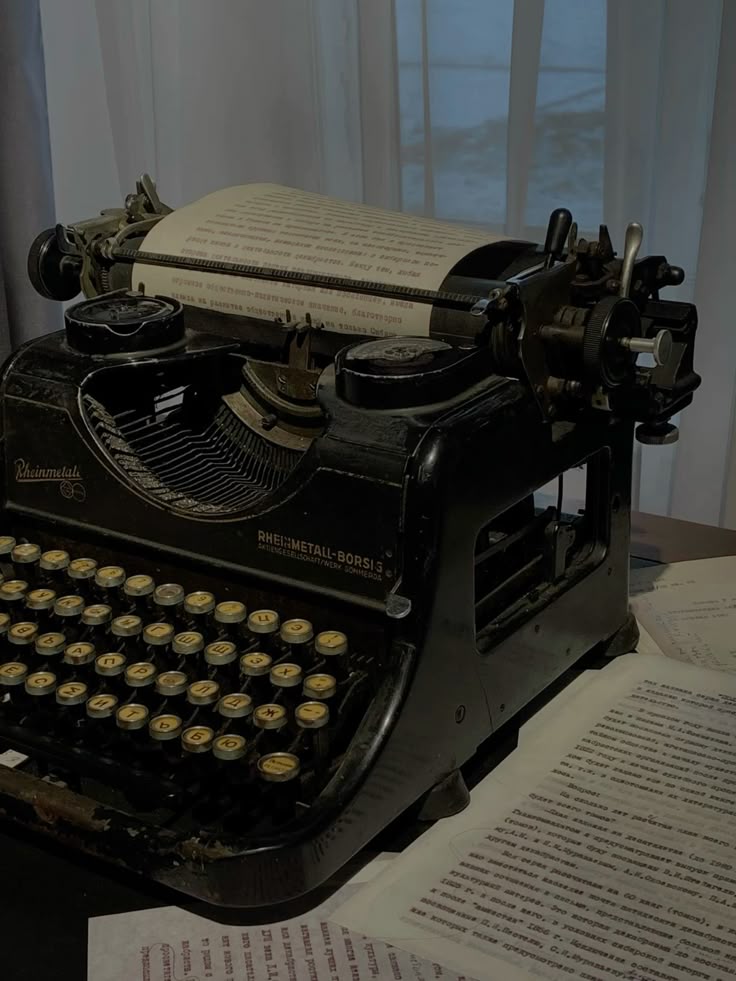
    I recently started thinking about how much I love writing and all the years I had lost not being able to do it.

    I was just having a conversation with my friend, well kind of asking her about this. She used to draw, but unfortunately due to growing up and responsibilities she had to leave that behind. But recently while speaking to her, I sort of asked her if she draws and she said “Sounds really rejuvenating”.

    This got me thinking, when I was a child I used to write my thoughts, quotes or poems in a notebook as a child and then I absolutely left that due to my studies and being a teenager.

    For years, I did not touch a pen to write my thoughts, until this one time when I was 24 and I met someone. This guy was working in my office and would do freelance writing. He seemed quite intellectual, but that was not a meeting I ever want to remember, that’s a story for maybe a few years… (my mom reads my blog, so I don’t want to talk about boys here….. Not for now.)

    Anyways, I thought it was so cool to be able to do what you love while carrying responsibility.
    And it stuck in my head, why couldn’t I do it?

    And then in 2022, I completely changed my life… I left my job and found a better company, enrolled for my master’s degree in literature, and I also got a home with my sister. 2022 was a pivotal year for me.

    So, I got back into writing in 2024, and started the blog and worked on my books.

    I questioned, what would my life look like today if I had never returned to writing?

    It would be dead actually, it would be boring with me doing absolutely nothing productive. My writing has not only helped me to write, but it in a way shaped my thoughts and discipline in life. So, I would have been a completely different person without it.

    Why do people slowly abandon the things they once loved?

    People slowly abandon the things they once loved due to natural psychological shifts, including the evolution of personal identity, diminishing returns (habituation), and the accumulation of negative associations or pressure.

    Over time, priorities naturally change, and what once brought joy may no longer align with a person’s current lifestyle or values.

    Psychologists and behavioral scientists point to a few core reasons for this drift:

    The Novelty Wears Off (Habituation):
    The human brain is wired to adapt to recurring stimuli. The intense dopamine rush experienced when first engaging in a new hobby or passion naturally levels out, making the activity feel routine or less exciting over time.

    Identity Shifts:
    As people grow, their sense of self evolves. An activity that defined a person in their teens or twenties might no longer fit who they are, causing them to naturally outgrow it.

    The “Value vs. Effort” Equation:
    Hobbies can start to feel like chores. If the mental, physical, or financial effort required to maintain a passion begins to outweigh the joy it brings, people slowly disengage.

    Performance Pressure:
    Turning a beloved hobby into a side hustle or comparing oneself to experts can introduce stress and anxiety, stripping the activity of its original recreational value.

    Competing Priorities:
    Life stages change. New responsibilities—such as careers, family, or other life events—limit available time, forcing individuals to consciously or subconsciously reallocate their attention.

    Ultimately, abandoning a past interest is rarely a sudden rejection; rather, it is usually a gradual fading of interest as new habits and phases of life take precedence.
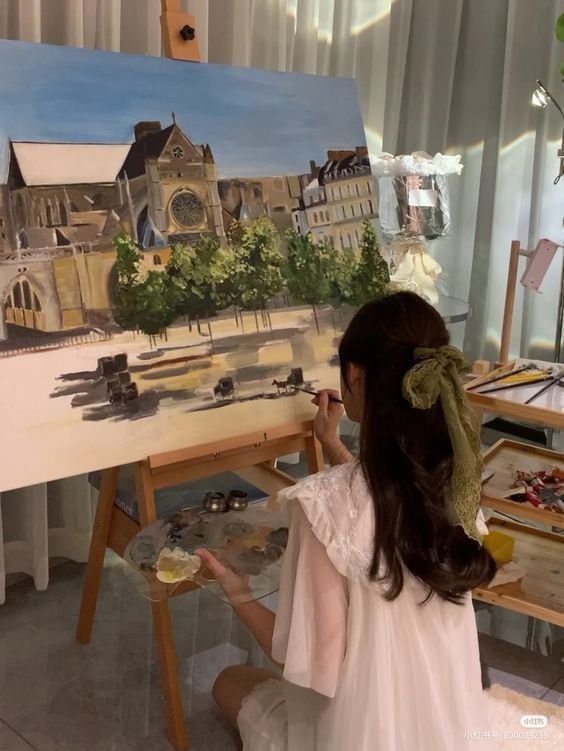
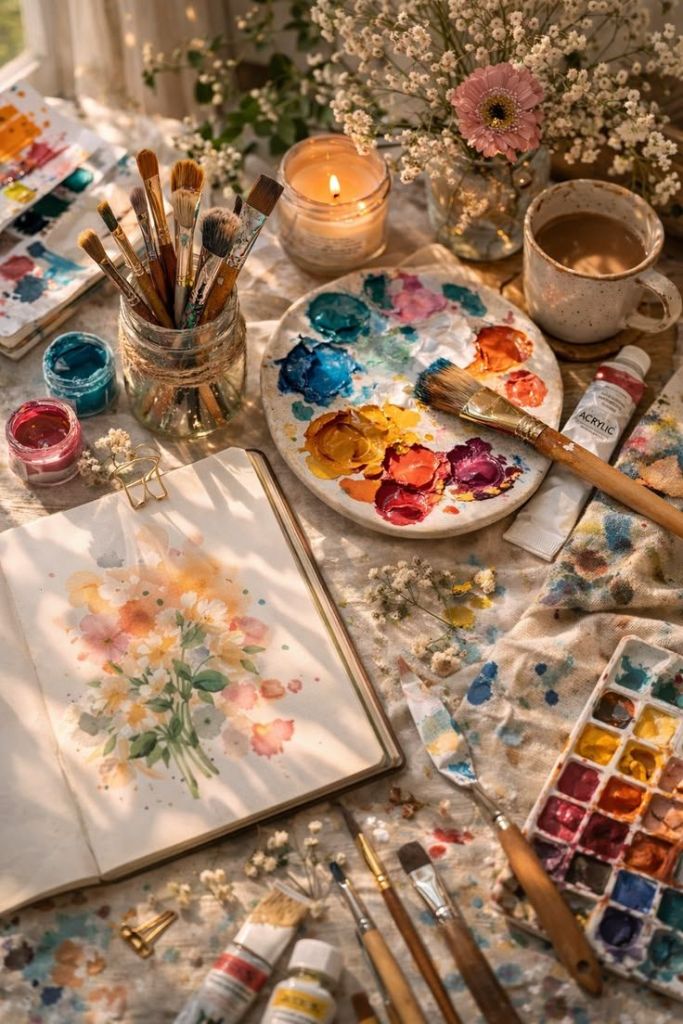
    What changes when someone starts doing an old hobby again? Is it the hobby itself, or something deeper?

    When someone returns to an old hobby, the activity itself rarely changes. Instead, the transformation is entirely internal.
    Reigniting a past passion alters your psychological relationship with the activity, reflecting deep changes in your personal growth and mindset.

    What Actually Changes

    A Shift in Motivation:
    People usually return to hobbies for therapeutic reasons rather than achievement. The initial drive to master a skill is replaced by a desire for stress relief, nostalgia, or mental clarity.

    Lowered Stakes:
    The pressure to perform or compete typically vanishes. Adults returning to childhood hobbies care less about perfection and more about pure enjoyment.

    New Perspectives:
    Years of life experience give you a different lens. A book read a decade ago reveals new meanings; a sport played with a mature body requires new strategies.

    Dopamine Reset:
    The brain is no longer chasing the frantic high of novelty. Instead, it experiences the grounding comfort of predictability and familiarity.

    The Deeper Psychological Shift

    Returning to a hobby is often an act of self-reclamation. It signifies a desire to reconnect with a version of yourself that existed before life became consumed by career, family, or societal pressures. It is an intentional choice to prioritize personal joy over productivity, marking a transition from survival mode back into self-care.
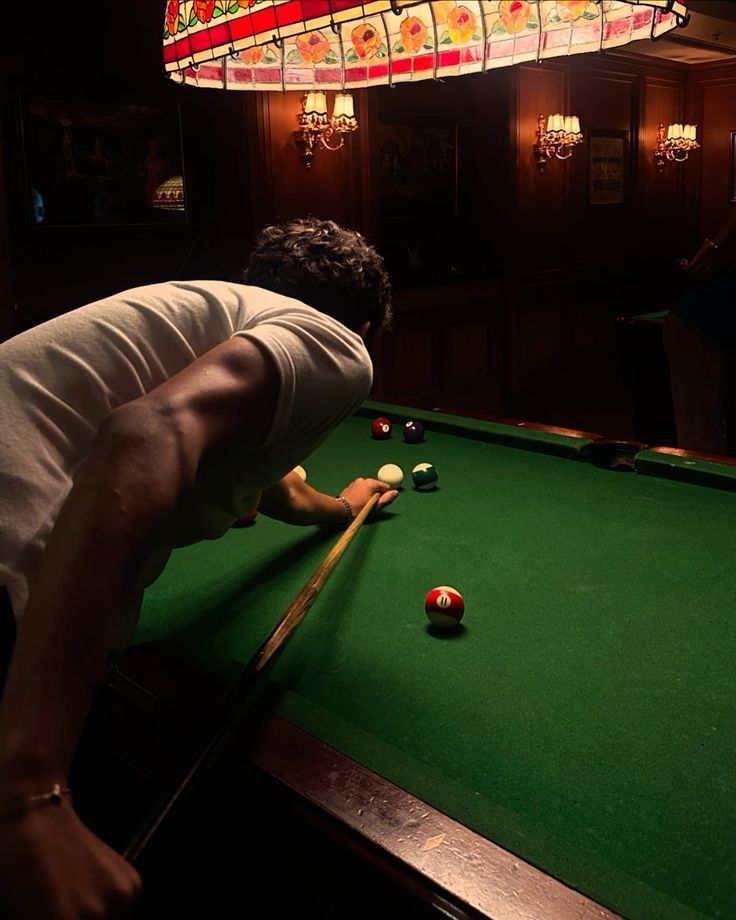
    What do we lose when we stop creating, exploring, or playing just because we’re adults?

    When we stop creating, exploring, and playing in adulthood, we lose essential cognitive, emotional, and social benefits. Abandoning these activities diminishes our natural adaptability, restricts our ability to relieve stress, and stifles the creative problem-solving skills necessary for navigating a complex world.

    Here is a breakdown of what we miss out on when we lose touch with these vital human drives:
    1. The Cost of Not Creating

    Suppressed Emotional Processing: Making art or building things provides a healthy outlet to process complex feelings, leading to lower anxiety and better mood regulation.

    Stifled Innovation: Creativity isn’t just for artists; it is the foundation of innovation. Without it, we lose the drive to challenge the status quo and find novel solutions in our careers and personal lives.

    Diminished Sense of Agency: Creating reminds us that we can shape our environment. When we stop, we transition from active participants in our lives to passive consumers.

    1. The Cost of Not Exploring

    Reduced Neuroplasticity: Exploring new hobbies, places, or ideas forces the brain to form new neural pathways. Without this stimulation, our minds become rigid, making it harder to learn new skills.

    Eroded Curiosity: The world is full of nuance. When we stop exploring, we settle for surface-level assumptions and lose the childlike wonder that keeps life engaging.

    Stagnant Personal Growth: Stepping out of our comfort zone builds resilience. Without exploration, we risk becoming complacent and overly comfortable with monotony.

    1. The Cost of Not Playing

    Higher Stress and Burnout: Play is a primary way the nervous system resets. Adults who don’t play are more susceptible to chronic stress and emotional exhaustion.

    Poor Interpersonal Connection: Shared play builds trust and deepens relationships. A lack of it can lead to isolation and more rigid, transactional interactions with friends, family, and colleagues.

    Loss of Adaptive Thinking: Play allows us to experiment, fail, and try again without high stakes. Without it, we become terrified of making mistakes, which heavily limits our willingness to take healthy risks.

    Psychologists and researchers emphasize that play and creativity are not luxuries; they are biological imperatives that keep our brains healthy and our spirits vibrant. Engaging in these activities releases endorphins, boosts immune function, and fosters a lifelong enthusiasm for living.


    Conclusion

    Maybe growing up was never supposed to mean leaving behind the things that once made us feel alive. Somewhere between deadlines, responsibilities, and the constant pressure to be productive, many of us quietly set aside the hobbies that once brought us joy.

    But the beautiful thing about passion is that it doesn’t disappear. It waits.

    Whether it’s writing, drawing, dancing, painting, playing an instrument, or something only you know, it’s never too late to return to it. You don’t have to be as good as you once were. You don’t have to turn it into a career or a side hustle. You don’t even have to share it with anyone.

    Just begin again.

    So today, I want to leave you with one question: What is one thing you loved doing that you’ve quietly left behind?

    Maybe it’s time to dust it off, give yourself permission to be a beginner again, and rediscover a part of yourself you thought was gone.

    Do let me know which hobbies you want to get in touch with below! 👇🏻💕


  • Hyper-Independence: When Strength Becomes a Survival Mechanism

    Understanding why some people find it easier to carry every burden alone than to ask for support.

    I am a hyper-independent woman myself. All my life I thought I really didn’t need anyone else.
    Don’t need to ask for help, in fact offering others my help without even looking for anything in return.
    I always thought it’s badass that I am so independent and don’t need others at all, and I can do things by myself.
    But turns out, it’s a trauma!! 🎉
    You are telling me that I am traumatised to the point I don’t ask for anything from people?
    Well that kinda checks out…
    I was recently thinking about a chat I had with my best friends, where I in a way very proudly said, “I don’t really ask people for anything at all, I cannot ask people for help. I don’t think I need it much. I can’t even ask my own mother for money, even if I need it.” My friends had a really valid concern on their faces.
    At that time, I didn’t think it was such a huge deal, and then I came across a psychologist on Instagram, who was talking about how hyper-independence in people is a trauma response.
    And I decided to dig deep…
    I did a lot of research and all I found out was that I have issues. A lot of issues that need to be addressed someday.
    So, I am gonna do it one at a time. 😀

    What is hyper-independence?
    It’s definitely not a personality trait. It’s not good either.
    According to Google: “It is an extreme, unwavering insistence on self-reliance where a person is unable or unwilling to depend on others, even in times of dire need. Far from just being highly capable, it is a psychological defense mechanism where doing everything alone feels like the only way to stay safe.”

    And that made me question:

    Why do people develop Hyper-independence?
    Why does one’s brain choose this path as a survival instinct?
    Here are some major reasons, with enough depth to build a blog or research from.
    1. Childhood Emotional Neglect
    One of the most common causes.
    A child doesn’t necessarily need to be physically neglected. Emotional neglect happens when their feelings, fears, or needs are consistently ignored, dismissed, or minimized.
    Examples:
    “Stop crying.”
    “You’re too sensitive.”
    “Deal with it yourself.”
    Over time, the child learns that no one is coming to help me. I have to handle everything on my own. As an adult, asking for help can feel uncomfortable or even shameful.

    1. Parentification (Growing Up Too Fast)
    Some children become caregivers long before they’re emotionally ready.
    They may:
    Take care of younger siblings.
    Mediate fights between parents.
    Become their mother’s emotional support.
    Manage household responsibilities.
    Worry about finances.
    Instead of being cared for, they become the caretaker. As adults, they often feel responsible for everyone else’s well-being while neglecting their own.

    1. Growing Up in an Unpredictable or Unsafe Environment
    If home life was chaotic because of conflict, addiction, abuse, frequent criticism, or instability, children often learn that depending on others is risky.
    Hyper-independence becomes a way to create control.
    The mindset becomes:
    “If I rely on no one, no one can disappoint or hurt me.”

    1. Repeated Betrayal or Broken Trust
    Sometimes hyper-independence develops later in life.
    Experiences such as:
    Being cheated on.
    Friends abandoning them.
    Family members breaking promises.
    Being repeatedly let down.
    can create the belief that trusting people only leads to pain. Instead of risking disappointment again, they decide to rely only on themselves.

    1. Being Rewarded for Being “The Strong One”
    Many children receive praise not for expressing emotions but for suppressing them.
    People say:
    “You’re so mature.”
    “You’re the responsible one.”
    “You’re the strong child.”
    While these sound like compliments, they can teach someone that their value comes from being capable rather than being cared for.
    Eventually, vulnerability feels like failure.

    1. Cultural and Gender Expectations
    Many societies encourage girls to be self-sacrificing, emotionally responsible, and resilient. At the same time, asking for help may be interpreted as:
    Weakness.
    Failure.
    Being a burden.
    In other contexts, boys may be taught that expressing vulnerability is unmanly. Although the expectations differ, both can contribute to hyper-independence.
    The result is people who struggle to receive support, even when they desperately need it.

    1. Fear of Being a Burden
    Some people grow up believing their needs inconvenience others.
    They may have heard:
    “Don’t trouble people.”
    “Handle it yourself.”
    “Everyone has their own problems.”
    As adults, they apologize for needing help and often stay silent even when they’re overwhelmed.

    1. Perfectionism
    Hyper-independence often goes hand in hand with perfectionism.
    People may think:
    “No one can do it as well as I can.”
    “If I want it done right, I’ll do it myself.”
    While this can lead to high achievement, it also creates chronic stress, exhaustion, and difficulty delegating.

    1. Fear of Rejection or Vulnerability
    Accepting help requires trust. For someone who fears rejection, asking for help can feel like exposing themselves to possible criticism or abandonment. It’s emotionally safer to struggle alone than risk hearing:
    “No.”

    1. Trauma
    Whether from childhood or adulthood, traumatic experiences can change how someone views the world. Hyper-independence can become a survival strategy because it creates an illusion of safety.
    The belief becomes:
    “If I control everything myself, I won’t be hurt again.”

    1. Low Self-Worth
    Some people don’t believe they deserve care.
    They may think:
    “Other people deserve help more than I do.”
    “I should be able to handle this.”
    “My problems aren’t important.”
    They freely support others but deny themselves the same compassion.

    1. Confusing Independence with Self-Worth
    Many people grow up equating independence with success. Being independent is healthy. Believing you must never need anyone is not.
    Healthy independence says:
    I can take care of myself, and I can ask for help when I need it.
    Hyper-independence says:
    If I need help, I’ve failed.

    Hyper-Independence might look like freedom, but it slowly becomes a cage built for protection.

    How Do People Develop Hyper-Independence?
    1. They Learn That Their Needs Won’t Be Met
    Hyper-independence often begins when someone repeatedly reaches out for comfort, support, or reassurance and doesn’t receive it.
    Instead of learning that it’s safe to depend on others, they begin to expect disappointment. Over time, they stop expressing their needs altogether, convincing themselves that relying on others only leads to frustration or hurt.
    The belief becomes:
    “If no one is going to help me, I need to learn to do everything myself.”

    1. They Start Solving Problems Alone
    Once people stop expecting support, they begin handling every challenge independently. Whether it’s emotional pain, financial struggles, schoolwork, or family responsibilities, they teach themselves to cope without asking for assistance.
    At first, this feels empowering. Over time, it becomes their default way of functioning. Eventually, asking for help feels unfamiliar, uncomfortable, or even impossible.

    1. Self-Reliance Gets Reinforced
    Every time they successfully manage a difficult situation alone, their brain receives confirmation that independence is the safest option.
    They begin associating self-reliance with survival. The more they cope alone, the harder it becomes to imagine depending on anyone else.

    1. They Build Emotional Walls
    As disappointment accumulates, people often protect themselves by becoming emotionally guarded. They stop sharing vulnerable thoughts, avoid discussing their struggles, and become uncomfortable with emotional dependence.
    This isn’t because they don’t want connection. It’s because emotional distance feels safer than risking rejection or disappointment.

    1. Independence Becomes Part of Their Identity
    Eventually, hyper-independence stops being a coping strategy and becomes part of how they see themselves.
    They begin describing themselves as:
    “I’m just very independent.”
    “I don’t need anyone.”
    “I’ve always handled things on my own.”
    What started as a survival response gradually becomes a core part of their identity.

    1. They Mistake Isolation for Strength
    Because they have survived by relying on themselves, they may begin to believe that needing others is a sign of weakness.
    They pride themselves on carrying everything alone, even when it comes at the cost of their mental health, relationships, or well-being.
    Strength becomes measured by how much they can endure in silence.

    1. They Feel Guilty When Others Help Them
    Over time, receiving support can feel more uncomfortable than giving it.
    They may:
    Minimize their own struggles.
    Decline offers of help.
    Feel indebted when someone does something for them.
    Rush to “repay” kindness immediately.
    Instead of experiencing support as comforting, they experience it as something they have to earn or compensate for.

    1. The Cycle Becomes Self-Perpetuating
    Because they rarely ask for help, people assume they don’t need it.
    As a result, others stop offering support, which reinforces their belief that they can only rely on themselves.
    Without realizing it, they create a cycle where their independence keeps confirming the very belief that caused it in the first place.

    How does one heal from it?
    1. Redefine What Strength Means
    Many hyper-independent people equate strength with handling everything alone. Healing begins by challenging that definition.
    True strength isn’t measured by how much you can carry by yourself. It’s measured by your ability to recognize when you need support, adapt to challenges, and build healthy interdependence.
    Instead of asking,
    “Can I do this alone?”
    Ask,
    “Do I have to?”

    1. Learn to Receive Without Feeling Guilty
    Giving often feels natural. Receiving can feel uncomfortable. Practice accepting small acts of kindness without immediately trying to repay them.
    For example:
    Let someone buy you coffee.
    Accept a compliment with a simple “Thank you.”
    Let a friend help you move or run an errand.
    Receiving support isn’t taking advantage of people. It’s allowing relationships to be mutual rather than one-sided.

    1. Build Trust Gradually
    Healing doesn’t require trusting everyone overnight.
    Start by identifying people who have consistently shown reliability, honesty, and respect.
    Share something small before sharing something deeply personal.
    Trust is built through repeated positive experiences, not blind faith.

    1. Practice Asking for Small Favors
    If asking for help feels overwhelming, start with low-stakes requests.
    Examples:
    Ask someone for advice.
    Request feedback on your work.
    Let a colleague explain something instead of figuring it out alone.
    Each positive experience teaches your nervous system that asking for help doesn’t always lead to rejection or disappointment.

    1. Separate Independence From Isolation
    Being independent doesn’t mean refusing connection.
    Healthy independence allows you to:
    Make your own decisions.
    Support yourself financially or emotionally.
    Maintain your identity.

    Healthy connection allows you to:
    Lean on others during difficult times.
    Share responsibilities.
    Experience mutual care.

    The goal isn’t dependence. It’s balance.

    1. Become Aware of Your Automatic Responses
    Hyper-independence often operates on autopilot. Notice the moments when you instantly think:
    “I’ll just do it myself.”
    “It’s easier if I don’t ask.”
    “I don’t want to bother anyone.”
    Pause before acting.
    Ask yourself:
    “Am I choosing this because it’s genuinely the best option, or because it’s my default response?”
    Awareness creates room for different choices.

    1. Allow Yourself to Be Seen
    Many hyper-independent people let others see their achievements but hide their struggles.
    Healing involves letting trusted people witness not only your successes but also your fears, uncertainties, and moments of vulnerability. Connection deepens when people know the real you, not just the capable version of you.

    1. Stop Treating Rest as Something You Have to Earn
    People who are used to carrying everything often believe they deserve rest only after they’ve finished every task.
    But there will always be another task.
    Recovery isn’t a reward for productivity. It’s a basic human need that protects your physical and emotional well-being.

    1. Accept That Interdependence Is Healthy
    Psychologists often distinguish between dependence, independence, and interdependence.
    Dependence means relying entirely on others.
    Hyper-independence means relying only on yourself.
    Interdependence is the healthy middle ground, where people remain capable while also giving and receiving support.
    Most healthy relationships thrive in this middle ground.

    1. Be Patient With Yourself
    Hyper-independence often develops over many years. It won’t disappear after a few vulnerable conversations. There may be moments when asking for help still feels uncomfortable or exposing.
    That doesn’t mean you’re failing.
    Healing is less about becoming a different person and more about expanding your comfort zone, one small step at a time.

    🍁Conclusion.
    It is not a disease that needs to be cured, nor is it a problem that needs fixing.
    Hyper-independence may look like confidence from the outside, but for many people, it is a survival strategy born from experiences that taught them they could only rely on themselves. While being independent is a valuable quality, believing you must carry every burden alone can leave you emotionally exhausted and disconnected from the very support that helps us thrive. Healing doesn’t mean giving up your independence or becoming dependent on others. It means learning that strength and vulnerability can coexist. It’s about allowing yourself to trust, accept help, set healthy boundaries, and recognize that your worth has never been measured by how much you can endure in silence. You deserve relationships where care is mutual, support is freely given, and you don’t have to prove your strength by facing every challenge alone.

    I know now why I am like this and honestly, I am working on it. I hope you have found the reason too!!

    Let me know your thoughts below! 👇🏻💕


  • What have you been putting off doing? Why

    Ohh….. A lot of things. The first is my second book. I have 2 ideas about 2 books, I am unable to choose which one I want to proceed with for now. I also don’t know where I want to put those books on. So I don’t know how I feel about all of this. Inspite of the fact that I have ideas, I am still unable to put it to practice. So I am stuck here…..

    And the other thing is my poem book, again I have ideas for all the 20 poems, but because I also have a job, I am unable to start on this too. It’s like, I have the ideas, but I don’t know how to execute it. Am I the only one why feel like this? Or does anyone else also feels like it?

    I feel like I have absolute no purpose right now, and I’m stuck in a loop, I don’t know how to get out of. I havebeen listening to BTS Sabrina Carpenter and Taylor’s new album, and that’s all I am doing. Working and listening to BTS, Taylor and Sabrina.

    But I will surely start something this Saturday on my week off.

    WISH ME LUCK!! 🤞🏻💕


  • What was the hardest personal goal you’ve set for yourself?

    Sometimes I wonder if I’m a writer or just a professional overthinker with good sentence structure 😭. Every time I sit down to write, it feels like a wrestling match between my brain, my self-doubt, and my coffee mug. I start with a fire in my chest and end up spiraling into “does anyone even care what I’m saying?” territory. Classic, right?

    Writing is the one thing that makes me feel alive — and also completely lost. It’s wild how something so personal can feel like both purpose and punishment. I want to create, I want to be read, I want to build something that matters — but half the time I feel like I’m just screaming into the void and hoping it echoes back 🌀.

    The truth is, this isn’t just about writing. It’s about identity. It’s about proving to myself that I’m capable of building something real from my thoughts. I work a corporate job, I do all the adulting, but this? Writing is the one thing that’s mine. No deadlines, no manager, no “as per our discussion.” Just me and the page — and sometimes that’s scarier than any meetings.

    I used to think the problem was time. “I’ll write when I have a free evening.” “I’ll start that story when work slows down.” Spoiler: it never slows down. The truth is, I wasn’t short on time — I was short on courage. Because writing means facing your own thoughts head-on, and that’s not always cute or convenient.

    Every now and then, I think about giving up. Packing it in. Pretending I never had this dream in the first place. But then I’ll read a line — from Austen, or JK Rowling (controversial…. I know), or even something I wrote months ago — and it hits me. That spark is still there. Faint, maybe. But real! And it deserves to be fed.

    So yes, I’m still at the starting point. Still figuring out my rhythm, my voice, my process. Still fighting that itch to edit mid-sentence like a control freak. But I’ve stopped calling it failure. It’s just the messy middle. And honestly, everyone romanticizes the beginning and the ending — no one talks about the slog in between.

    Changing habits and environments hasn’t been easy either. I’ve to make time for my hobby, and change my entire routine to manage my job and writing. I’ve had to build boundaries around my energy. Say no to things that drain me, make space for things that fill me. That’s not discipline; that’s survival. And if I want to write the way I dream of, I can’t keep pouring from an empty cup ☕.

    The hardest part? Believing that my words are worth reading. That’s it. Not the grammar, not the structure — the belief. Because when you write without validation, it’s like shouting into a storm. You have to be your own echo until someone else hears it.

    And here’s the thing — I don’t just want to write. I want to matter. I want to be remembered the way Austen is — not for her fame, but for her precision. Her truth. The quiet confidence that comes from knowing exactly who she was and writing anyway, even when the world wasn’t ready. That’s what I want. Not approval — impact.

    So, no, I’m not there yet. But I’m not quitting either. My hardest personal goal is still in motion, one word at a time. Maybe one day someone will read this and think, “Damn, she really did it.” Until then, I’ll keep showing up — messy bun, caffeine buzz, and all ✍️✨.

    Because even if no one’s reading yet, I am. And that’s enough for now.