When I think about it, the fictional characters have some seriously incredible homes, and honestly, some of them are more tempting than the actual plot.
There are so many homes I wanted to live in. And now I get to talk about it 😁
My Dream Fictional Homes
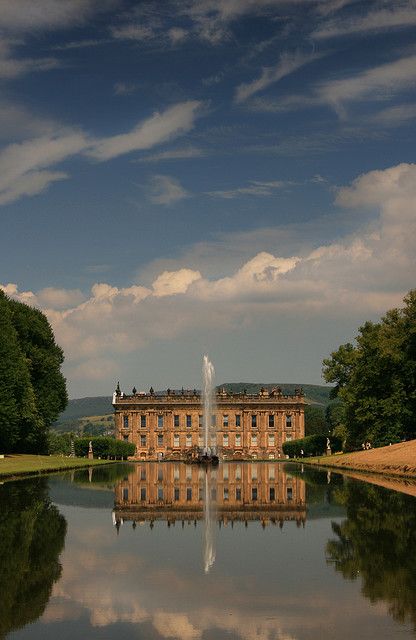
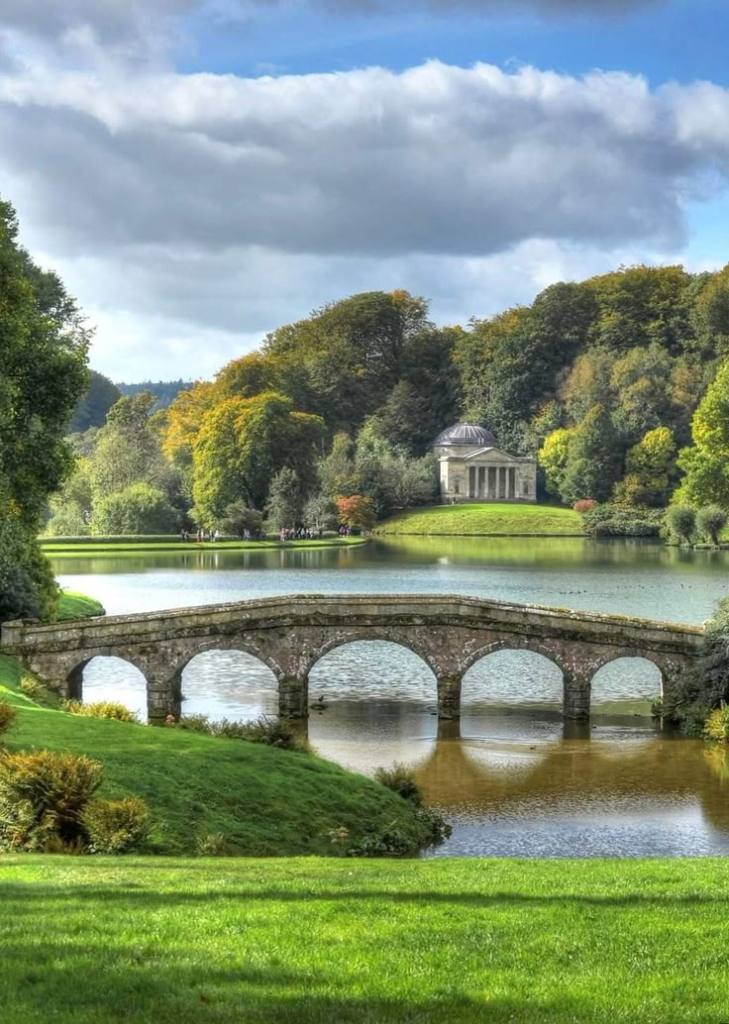
1. Pemberley + Mr Darcy’s Estate Yes obviously, it’s gonna be here. The estate was talked about in Pride and Prejudice .
Why I’d Move In Just look at the god damn place? It’s so huge. There is The Dining Parlour, The Saloon, The Picture Gallery, The Tasteful Decor, The Exterior Grounds. So much more. Why wouldn’t I want to live there?
The Catch The biggest downside would have been Lady Catherine de Bourgh. I wouldn’t have wanted her to visit me at all.
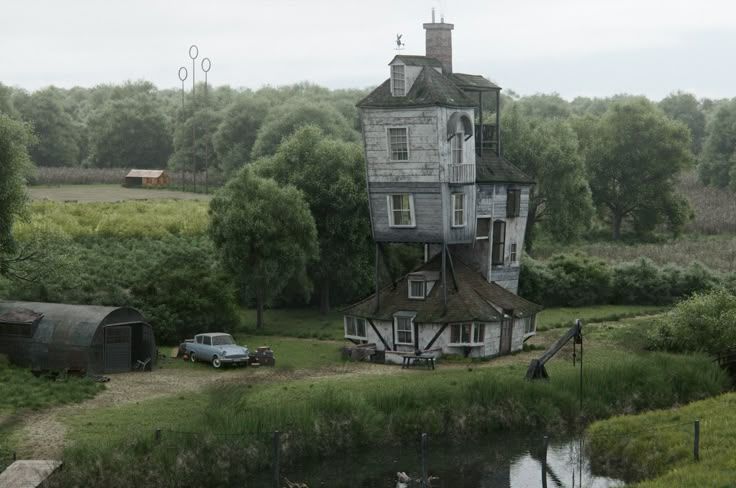
2. The Burrow + Home Of The Weasley Family
Yes I would move here too, if I am looking for a crowd to be honest. The estate was talked about in Pride and Prejudice .
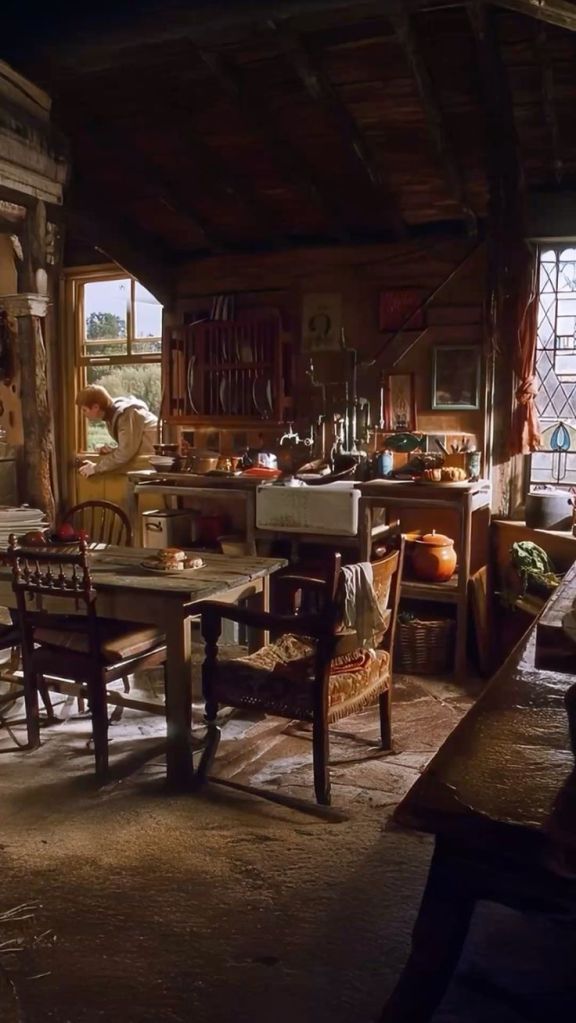
Why I’d Move In The place was old, but pretty. There was The Kitchen, The Magical Clock, Self-Washing Dishes (I mean who wouldn’t want that) and The Orchard/Garden.
The Catch The biggest downside would have been me being over-stimulated and them being too loud. It would have been too crowded for me
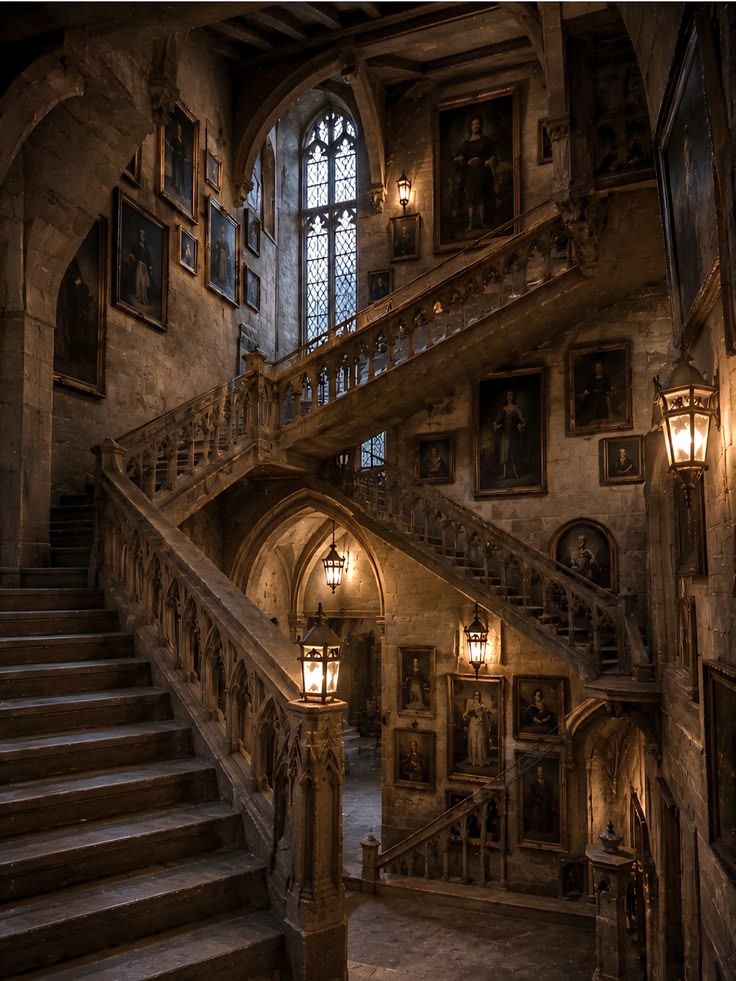
3. Hogwarts Castle
I mean are we really going to ask why? I always wanted Hagrid to show up at my home and tell me that “You are a wizard”.
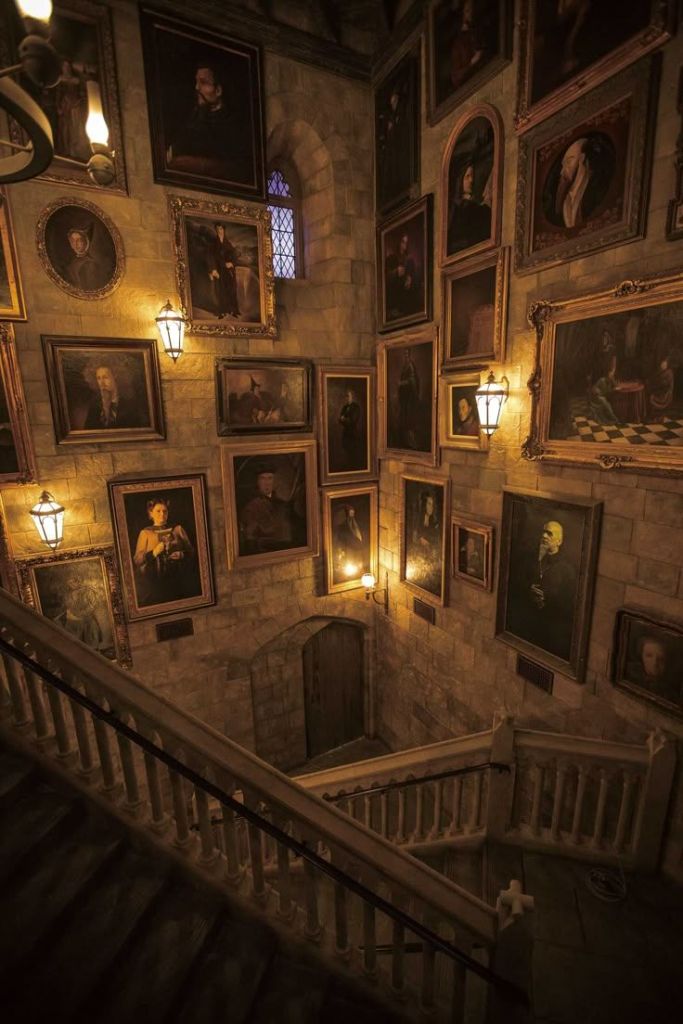
Why I’d Move In OMG, it would have been magical. And imagine the amount of adventure there would be every day. There is The Moving Staircases, The Great Hall, The Room of Requirement, The Chamber of Secrets and Enchanted Classrooms and Dungeons.
The Catch The biggest downside is Voldemort. 😶
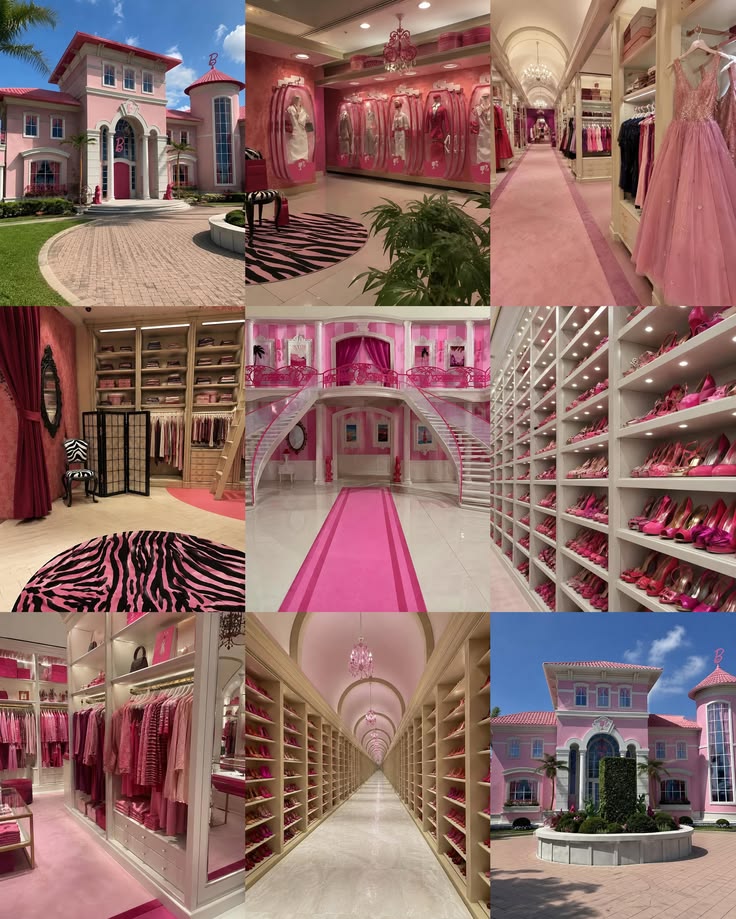
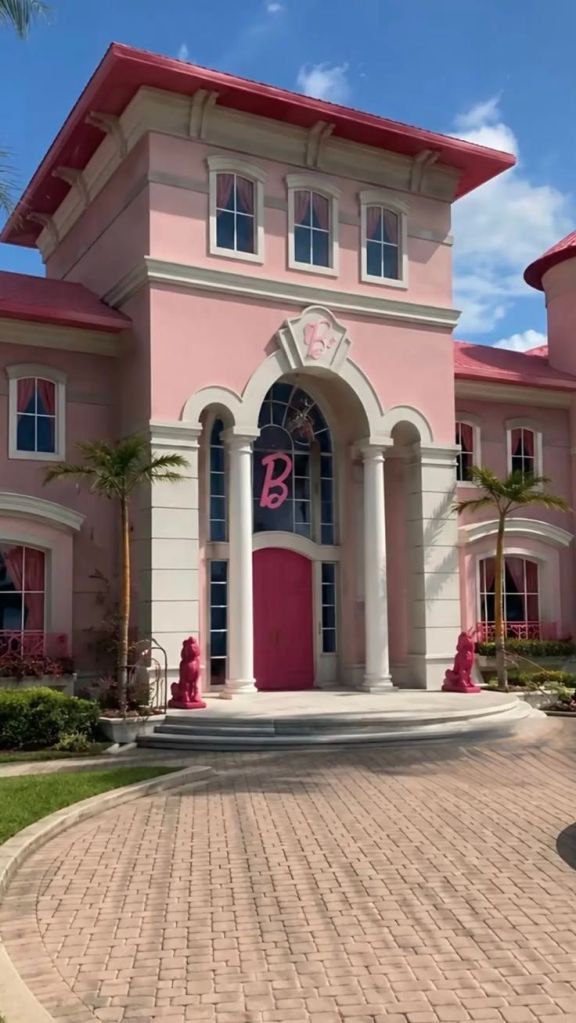
4. Barbie’s Dreamhouse + Barbie’s Home
Specifically, the 1990s one. I want to live in that mansion even now as a grown adult. It was a cultural movement.
Why I’d Move In As I told you, it was a cultural movement for a lot of girls. It had everything in it. Things you can’t even imagine were also there. There was The 3-Story Spiral Slide, Interactive Smart Furniture, The Pet Paradise, Wheelchair-Accessible Elevators.
The Catch I don’t think there is any downside to living there. It would have been perfect and magical.
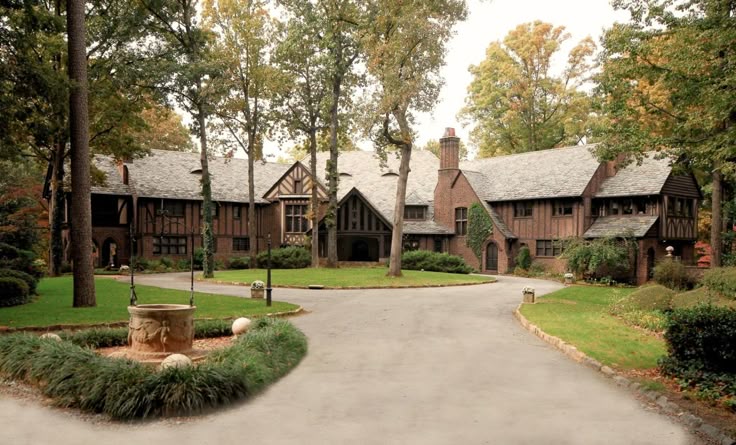
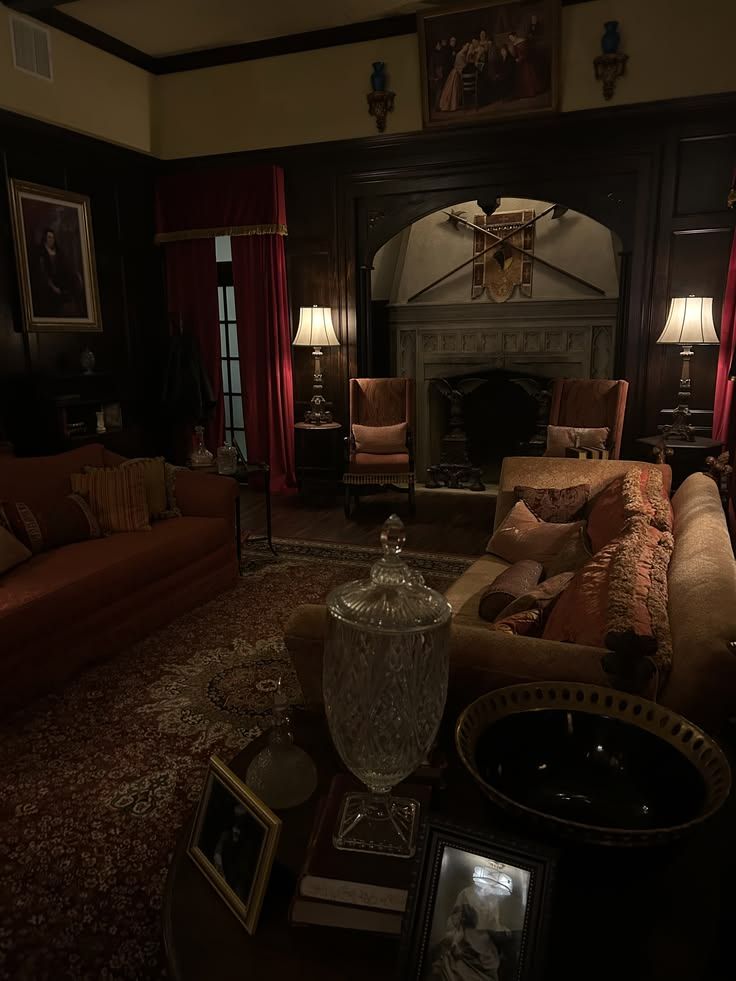
5. The Salvatore Boarding House + The Salvatore brother’s home
It’s from The Vampire Diaries…. That’s it, that should be enough to tell you about it. It was a really beautiful house. Old, yes, but so pretty. When I get a bigger hours for myself, you best believe this is going to be my inspiration.
Why I’d Move In Moving into the Salvatore Boarding House comes with massive advantages, specifically regarding unmatched security, historic luxury, and supernatural resources. The Living Room, The Cellar, Damon’s Bedroom, and The Salvatore Library which was packed with centuries-old books, journals detailing family history, and hidden compartments storing weapons, stakes, and vervain.
The Catch Oh I just know this, the biggest downside is the stupid and unwanted encounters with vampires, witches, werewolves and god knows what super nature being. But Damon would protect me.
Final Thoughts
Honestly, fictional homes just hit differently. Maybe it’s the magic, the impossible architecture, or the fact that they come with stories attached to every room. Sure, some of these places might also come with villains, vampires, ghosts, family drama, or the occasional world-ending crisis, but I’m still willing to pack my bags. I just know I would love it.
Which fictional home would you move into without thinking twice?
Hmm… I am tired, really tired. My life, my adult life, is so boring. To be honest, it is repetitive. Wake up, work, back home, sleep. Rinse and repeat. It’s almost the same on weekends as well, I don’t really do much on weekends, I just read a book, or watch some podcasts. I can’t even watch a show anymore, I start getting bored. I stopped exercising as well, which wasn’t fun. But I am working on a better routine, and to get back to things I have missed due to my pessimism.
I am at a place, when I don’t want to go to work, nor do I want to stay at home. I need a third place. I don’t have one, which is why on my week offs, I just stay in my room and journal my thoughts. Which aren’t productive either.
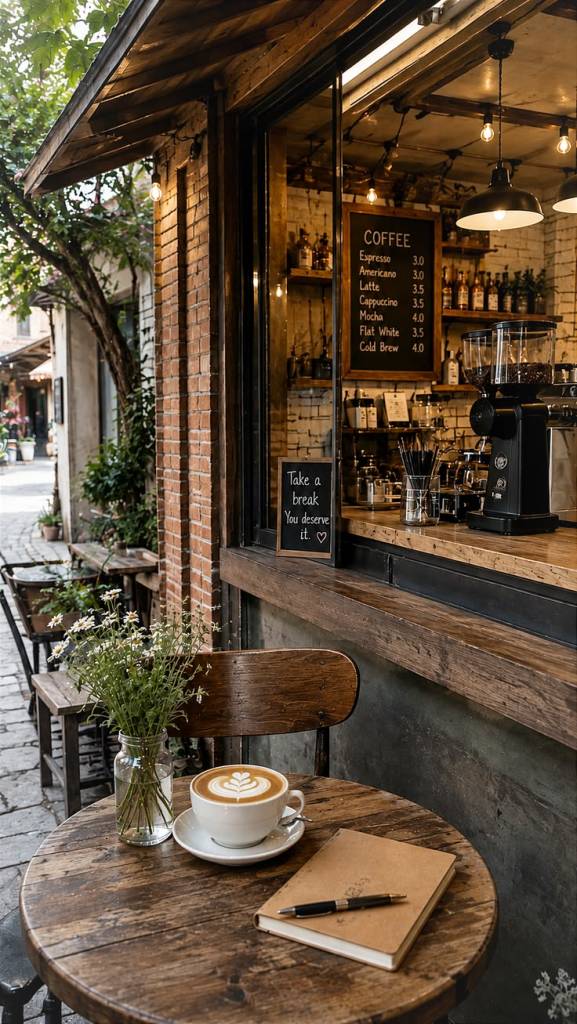
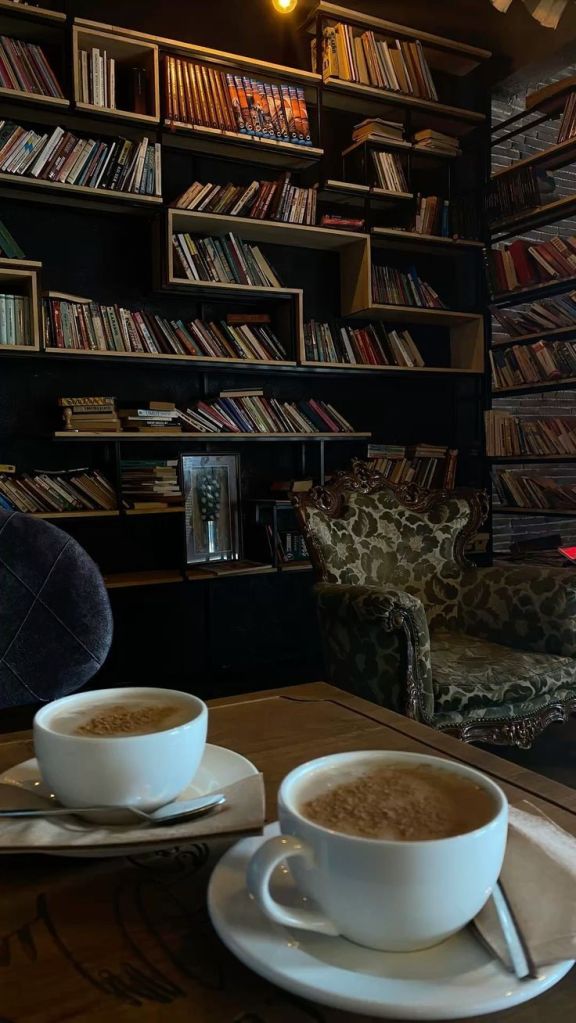
I think I need a third place for myself, that is not home nor work. A cafe? A library? A store? A Market? A gym (I did join it, but it was small and they were forcing me for a private session so I left and started exercising at home)? Maybe a hobby group? A park (Wait, there aren’t any near my place)? Something. I asked my friends to start a book club, but you know that never happened. I really need something for myself to do on my weekends to get out of my mundane life.
What Exactly Is a Third Place?
The concept of a third place is built on the idea that human well-being requires a distinct space outside of home and work to cultivate community and unwind.
Sociologist Ray Oldenburg introduced this concept to highlight spaces where you can gather informally, meet new people, and experience a sense of belonging without financial or social pressure.
A third place is a social environment separate from your home (the first place) and your workplace or school (the second place). Coined by sociologist Ray Oldenburg, these public or semi-public spaces foster regular, voluntary, and informal gathering, helping people connect with their communities and feel a sense of belonging.
The first place represents your domestic environment. It is the foundation of your daily life, offering private shelter and security away from public scrutiny.
The second place represents your productive environment. It is the structured setting where you spend a significant portion of your day dedicated to labor, education, and economic survival.
Why Adults Lose Their Third Places
There are many reasons why adults lose or can’t find their third place. Some of those reason are :
Growing work hours and exhaustion : We usually work 9-5 or more working hours, that takes most of our time.
Friendships becoming harder to maintain : The more we grow, the more responsibilities we have and those responsibilities make it harder to maintain any friendships.
Everything becomes expensive : Capitalism sucks, and we all are a part of it. And this makes it harder for people to do regular visits to a cafe, or any spaces because it costs money, and not everyone can afford it.
Socialising increasingly moving online : With the internet, it is much easier to keep in touch with your friends or social communities online, so people have started avoiding getting together.
The pressure to make every outing productive, useful, or worth the money : I have felt this too, me and my friends used to have so many things planned for one outing and it would make it overwhelming for us.
Moving cities and losing familiar communities : A lot of times, people move from their homes to different places for better opportunities which results in loss of your third place or communities.
The Loneliness Nobody Talks About
You can be surrounded by people yet still feel lonely if your interactions lack deep emotional connection or vulnerability. Coworkers and social media followers often provide superficial, role-based, or performative contact rather than genuine intimacy. If you cannot share your true thoughts and feelings with the people around you, you remain isolated inside your own experience.
Additionally, family and friend dynamics can sometimes feel more draining than supportive due to unmet expectations or a lack of mutual understanding. Social media complicates this by fostering comparison, leaving you feeling left out even while digitally connected. True belonging requires being seen and accepted for who you are, which a large quantity of shallow relationships simply cannot provide.
Adults often need connection without having to schedule a formal dinner three weeks in advance. The lives we live as an adult require scheduling and managing more than we sometimes think. I have to plan my offs weeks in advance in order to get them approved if I have to go anywhere. And that is not something I look forward to.
Also, sometimes people just need to be around other humans without performing, networking, dating, or explaining themselves. I love when me and my friends go somewhere and all we do is talk, that’s all. Our thoughts, our lives, our wishes, we talk about everything. And thise are some of my favourite types of outings.
Third Places Give Us Something Home and Work Can’t
I don’t know what it is, but I desperately need a sense of belonging outside family roles and professional identity. I have been stuck at home for 3 weeks now, and I feel like I am suffocating. And that has made me realise how important it is to have a life outside home and work. Or at least a place I can just go to, to get peace of mind.
We all need it. A space where you’re not someone’s employee, parent, child, partner, or caregiver. You can simply be a regular. Just get your journal, walk in a park or go to a cafe, and sit down with your favourite drink, and just let your shoulders relax. The comfort of familiar faces, routines, and casual conversations is like a dream.
Why This Matters More Now
Remote work and hybrid work have blurred the boundaries between home and work. Especially for me, I work from home for 4 days and 1 day at the office. So for me, my room has the same vibe as the office and I dread it so much. I hate waking up, showing up and sitting down at my desk to start working and I stay there for 9hours… That is not normal.
Many people spend more time online but feel less connected in real life. We are all glued to our phones, but it is still lonely somehow. Communities have become harder to build organically now. It is harder to meet new people every day and start a conversation. I don’t even talk to my co-workers on my work from home days. If it’s not a meeting, we are not talking.
And then adult friendships often require too much planning and effort. I start planning months in advance just to meet my friends once in a month. That is so unreal. I don’t know what I am doing, and this is definitely not the life I wanted for myself.
It Doesn’t Have to Be a Fancy Café
So, I have decided to find a third place, where I can go whenever I want. I am on a hunt to find a place that doesn’t cost me money.
Like… Libraries: I love books, this makes sense.
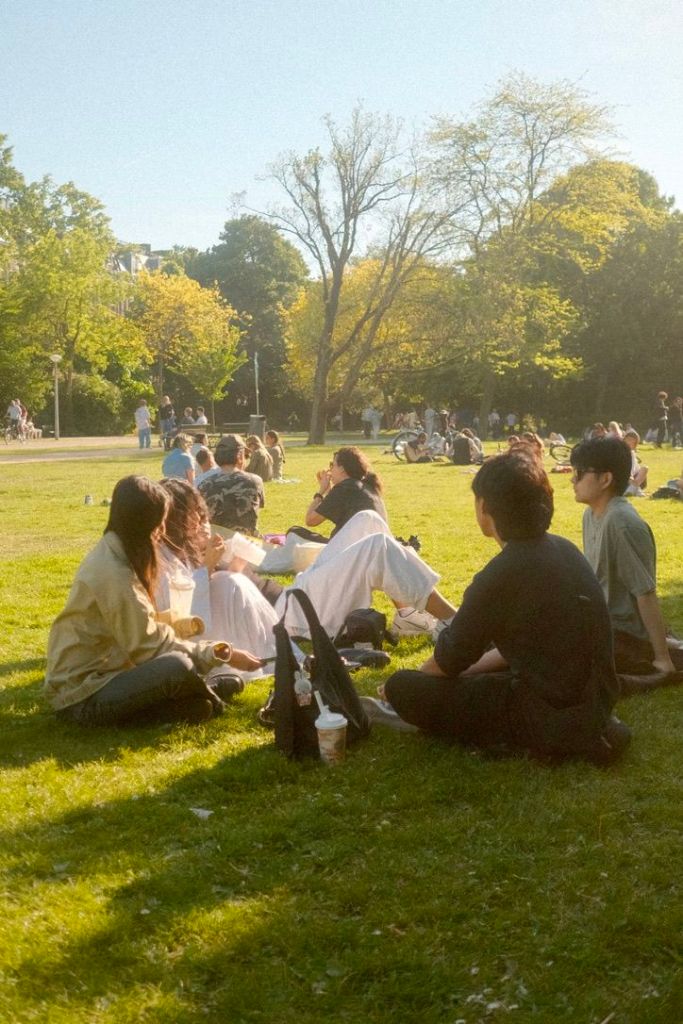
Parks: There really aren’t any near me, but if you have parks, go for it.
Walking groups: You know, a lot of uncles and aunties have walking groups. My mother has one too. I didn’t realise it before, but I do now.
Religious/community centres: This can be really good for someone who is religious. And for someone who loves to have big communities.
Hobby clubs: A group of people who do golf together, painting, reading, music, it can be anything. Any hobby that you or your friends, or even a stranger you have common ideas.
There are so many more like: Public events, gyms, and local classes can all become third places for us. The important thing is consistency and connection.
The Awkward Part: You Have to Keep Showing Up
I understand, building a third place doesn’t happen after one visit. You have to give it time, visit more often. Get to know locals / regulars there. Then, you become familiar by returning.
Relationships often grow through repeated small interactions, not dramatic friendship moments. Try to talk to people more, yes, it can be hard for people, but we can push ourselves just a little bit more for it. If you can’t that is fine too, third places don’t need to be with a community or friends.
It is especially important for adults who feel like everyone already has their friend group. People who find it hard to fit in, in already established groups / communities.
Maybe We’re Not Bad at Making Friends. Maybe We Lost the Spaces That Make Friendship Possible
Like, in school, it’s so much easier to make friends, because we are all on the same level of intelligence and on the same wave length. Kids are quite great at making friends and having groups. Friendships used to form naturally through repeated proximity.
As adults, we often expect friendship to happen instantly, while rarely putting ourselves in spaces where we repeatedly see the same people. I have like 4-5 friends in the office, and we don’t talk when working from home. My friends ask to make plans, but to be honest, I don’t like going out with anyone other than my 3 besties.
Conclusion: Adults Don’t Just Need More Friends. They Need More Places to Belong
Maybe adults don’t just need more friends. Maybe we need more places where friendship has the chance to happen.
A third place isn’t about constantly socialising or surrounding yourself with people. It’s about having somewhere outside of home and work where you can simply exist. Somewhere you don’t need an invitation to enter. Somewhere your presence feels familiar. Somewhere, over time, people might notice when you haven’t shown up.
Because sometimes loneliness isn’t about having no one in your life. Sometimes it’s about having nowhere to go where you feel like you belong.
And maybe that’s what so many of us are desperately looking for: not another person to fill our lives, but a place that slowly starts to feel like it has a space for us in it.
Where is your third place, and if you don’t have one, when did you stop having one?
You know that weird feeling when you’re doing something completely legal, socially acceptable, and morally harmless, but your brain is convinced you’re about to get arrested?
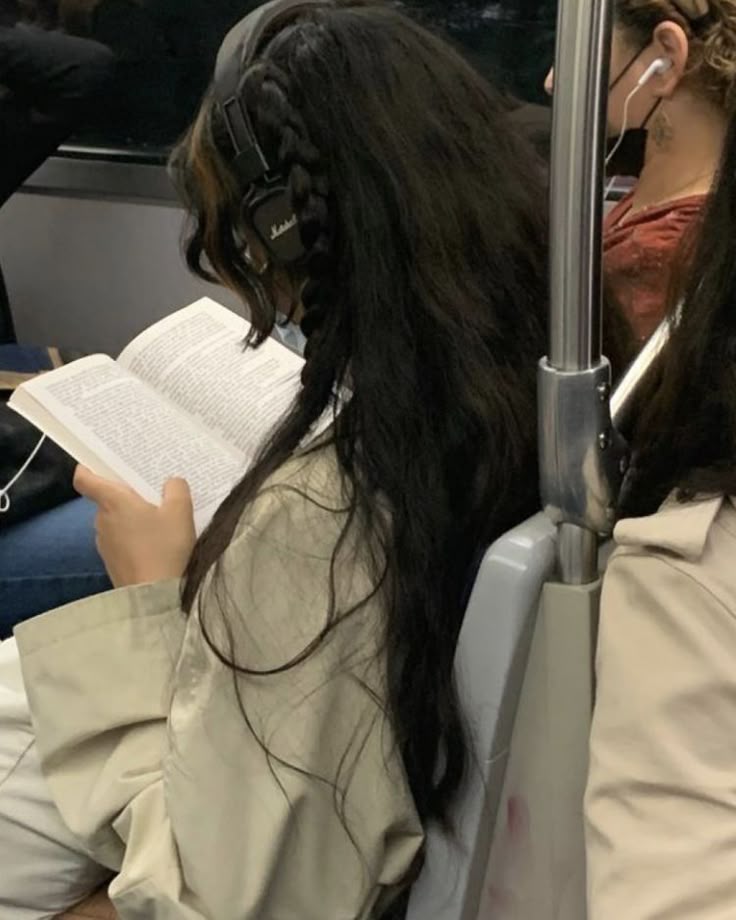
That’s how I’ve started feeling about reading in public lately. I recently came across a reel of a woman reading How to Kill a Man and Get Away with It on public transport, and a man posted it hating on the woman saying she is working on becoming a criminal, without even knowing what is inside the book.
Then Instagram started suggesting similar content to me… People saying how they think reading in public is performative and the people are just posing to get posted on instagram and feel different.
Which is a very stupid take, I don’t think anyone who reads in public is performing, how did we even come to that conclusion.
That got me thinking about all the completely normal things we do that somehow feel illegal.
The Main List
Some of these things include:
Everyday Life
Walking out of a shop without buying anything
Leaving a store after only looking around
Taking extra ketchup packets
Using a café bathroom, without ordering
Walking into a hotel lobby when you’re not staying there
Returning something after trying it on at home
Workplace
Leaving work exactly on time
Taking your full lunch break
Logging off without checking messages one last time
Taking a sick day when you’re genuinely sick
Ignoring work messages after office hours
Actually using your paid leaves
Public Places
Reading in public.
Walking into a building you’re unfamiliar with
Being the last customer in a store before closing
Sitting somewhere without buying anything
Crossing an empty road
Going into a restaurant just to look at the menu
Social Media and Social Situations
Replying to someone’s message hours later
Unfollowing someone without blocking them
Watching someone’s story immediately after they post it
Accidentally liking an old photo while stalking their profile
Leaving a group chat without making an announcement
Reading a message and forgetting to reply
Why Do These Things Feel Illegal?
I think we’re overly aware of people watching or judging us, and always assuming the worst of us. We’ve been conditioned to always be polite and avoid inconveniencing others.We’re often taught to be polite, fit in, and avoid inconveniencing others before we’re taught to simply take up space as ourselves. Sometimes we feel like we need permission to simply exist in public spaces, which is not true. The world is as much ours as it is anyone else’s.
Our brains love creating unnecessary worst-case scenarios in our heads. Like what if someone is saying something bad about us, what if they think we are mean, what if they don’t like how we are dressed, and so many more. Social anxiety can turn completely normal behaviour into a dramatic internal crime scene.
As an introvert myself, every time I go out I feel like people are watching me. I am a confident person, but that doesn’t mean I am not screaming internally every time a stranger looks at me a second longer than necessary. And you know what the worst part is, The stranger is probably going through the same scenarios in their own minds.
Conclusion
Maybe we’re not actually doing anything suspicious. Maybe society has simply convinced us that existing in public requires a valid reason, a receipt, permission from management, and possibly three witnesses.
I don’t know if we can do anything to stop it, all I know is, we can work on ourselves and our social anxiety. We can try and stop giving af about people around us and just keep living and winning in our own lives.
What’s something completely legal that makes you feel like you’re committing a crime?
An honest track-by-track review of Ariana Grande’s newest album after five full listens.
Album Overview
Artist: Ariana Grande
Album: Petal
Release Date: 31 July 2026
Genre: pop album
Number of Tracks: 12
Length: 36:00 minutes
Before I Pressed Play
The last time I reviewed an album was “You seem pretty sad for a girl so in love” and I was really surprised. She is not my favourite artist, but the album was too good. I have been listening to her since then.
And this makes me so excited about Ariana’s new album, because I absolutely love her.
Her last album “Eternal Sunshine” was so good, I have loved all of her albums. She is a great singer, and I have very high hopes.
I had the album “Petal” pre-saved, but didn’t had time to sit down and listen to it, as much as I wanted to.
So, I am doing it today, but rather than at 4 in the morning (or night, I don’t know), I am doing it at 18:55, so in the evening, while my Mother and brother are in the other room watching a new series on TV. 🙂
The reason I decided to listen to this album is because I love Ari. She is one of my favourite singers. Her voice is angelic. I love everything she ever did, no skips so far.
So here I am 😁
I am gonna read about each song, what their stories are and everything to try and understand this album as much as I can. Although, I do keep up with my girlie.
She did say she wrote the album with rage, so I am expecting some really angry songs (I don’t know maybe like a Cypher of her own, which reminds me, I hope BTS makes Cypher 5….. And YES I AM TALKING ABOUT BTS AGAIN. WHAT IS IT TO YOU?)
Anyways, here I go with my headphones 🎧 on, let’s keep our hands crossed and hopes high (I don’t know, I am actually scared)….😶
Track 1: [Kiss Me]
First Listen
It was a nice song, I liked it. It’s a good opener, letting the listener into her album.
She did already reveal it on her tour I think. I just love Ariana’s voice so much.
This has me bopping honestly. It’s catchy and growing on me. I loved how the song faded in the end.
Lyrics
Okay the lyrics do talk about a relationship, but also talks about society
“Society desperate for remedy Empathy, fix this reality You know I don’t believe I“
The lyrics express an awareness that a relationship is coming to an end. There’s desperation and hope for something from the partner, so that the outcome could be different.
Production
It sets a soft, synth-heavy, and cinematic mood for the rest of the album.
I liked how it started out slow and then faded in the end.
Standout Moment
The climatic bridge into the final chorus, where the song’s soft synth production completely drops out, leaving only a haunting acapella vocal chain.
Ari’s voice herself is a standout.
Replay Value
I am not sure if I would willingly come back to it, but if the song plays I will not skip it.
Rating
⭐ 7/10
Track 2: [Hate that I made you love me]
First Listen
Okay, so I already heard the song when it first came out, and I loved it. (Which is, duh I love her. Very given🙂)
But when I talked to my friend about it, she didn’t like it. She said she didn’t find the song that appealing. A lot of people have mixed reactions about this.
But I loved it the first time, and I love it now too. I loved the music video with it.
This song is definitely a message to her fans, because of how much they love her, but hate everything she does too.
And I could hear it as well, she goes through a lot of scrutiny every other day for anything she does, from her weight to her relationships, everything is scrutinised by the public. So this song makes sense.
Lyrics
There is a lyric “I’ve held your projections when you’ve felt so insecure”
“Tell me, why is it this way? Why you so hate to see women endure?”
This is so relatable to me, being a woman myself.
Production
The track blends elements of downtempo synth-pop, R&B, and contemporary trap rhythms.
And I of course have been grooving to it for a long time.
Standout Moment
The ultimate standout moment of “hate that i made you love me” for me is the transition from the bridge into the final chorus, specifically on the line “like flowers from a tomb.”
This is one of my top 5.
Replay Value
It is in my playlist. I have been playing it since release, I won’t say it’s her best. But it is still good.
Rating
⭐9 /10
Track 3: [Petal]
First Listen
Oh this is angry Ariana. This has rage in it. This is the energy I was waiting for. 😲
It is a raw, self-reflective anthem about reclaiming her independence, refusing to play the victim, and finding the inner strength to heal from external chaos and public judgment.
I love the music video too, she is showing how showbiz is, how it changes you, and then doesn’t accept you because you changed.
It shows the hypocrisy of the industry. At the end she refuses it, and ends up reclaiming herself.
Lyrics
“It’s such a fucked situation Petal in the pavement Just as long as she keeps getting it right Heartbreak won’t bite here in paradise This is such a convenient conflation This record in rotation Long as she gets the ovation each night Heartbreak won’t bite, this is paradisе“
The chorus focuses on the central image of a “petal in the pavement”. As Ariana explained during her album release, the song uses the lotus flower concept—a delicate organism capable of breaking through rigid, cold concrete to bloom—as a direct metaphor for thriving through intense psychological and public pressure.
Production
The song was produced, written, and arranged by Ariana Grande, Max Martin, and Ilya Salmanzadeh.
I enjoyed it a lot.
Standout Moment
For me, the lyrics of this song are the standout.
“Tеll me who’s to blame, is it the people or myself? Yep But this time feels so very different”
And the music video too, I was angry watching the music video, but when she killed those men, I was so happy. 😂
Like, who even are you judging the girlies, and then pointing out their insecurities and then rejecting them when they move away from it? Hello?
Ari is such a good actress. You have to love her.
Replay Value
Another top 5 Ari, you did it again my girl!!!
I have been dancing on this.
This is worth checking out.
Rating
⭐ 9.5/10
Track 4: [Stay]
First Listen
Oh wait… this is a shift from other songs.
Girl you have to stop falling for men. 🧍
Get up…
Good song, but I am not really a fan of this one. There is life missing from this song.
Lyrics
It’s fine. I don’t find the lyrics that outstanding. It’s fine. Nothing too much.
Production
The production was good, the production is what saved the song. The lyrics are just mediocre..
Standout Moment
It’s quite slow, it could grow on me. But I am not holding my hand out for it.
Replay Value
I actually would not play this. This is a skip for me.
Rating
⭐ 5.5/10
Track 5: [Oh Well]
First Listen
Hmm at first listen, I can tell this song is more about liberation.
Like realizing she is no longer responsible for a toxic partner’s feelings, and definitively letting go of an ex without wishing them well.
Good for her…..
But I have mixed feelings about this one. I don’t like the song, the lyrics are sub-par.
Lyrics
Corus was probably the only good part for me.
“Good things can replace dysfunction, obsession Friends I used to need, but now The bad guys all go to Hell Good things can replace dysfunction, obsession Thanks, but I’ll see you right out Good luck on your way to Hell Oh well”
Production
It has a moody, organic counterpoint to the synthetic garage beats by layering live violin, viola, and cello arrangements into the background.
The production carried the song more than the lyrics.
Standout Moment
There aren’t really many standout parts for me. It is a fine song, not too crazy about it.
Replay Value
I would not play it, I might skip it. Maybe it’s a grower, but the initial response, not a fav.
Rating
⭐ 5/10
Track 6: [Big Feeling]
First Listen
It is a playful, witty, and slightly provocative track about navigating an unbalanced relationship where a guy is significantly more emotionally invested in her than she is in him.
Again… not feeling it that much. I don’t know why but I am not vibing with these songs much.
I don’t know what happened to her. I am kind of disappointed.
She had provocative lyrics before, and I love songs like 34-35, side to side, nasty, love me harder, everyday… I love these songs. But this is not it.
Lyrics
No, absolutely not. I didn’t like the song or the lyrics.
Production
The production was the only saving grace.
I kinda feel like the production is what carrying these songs.
Standout Moment
Nothing much stood out here. I don’t like the song.
Replay Value
No replay value. I would skip.
Rating
⭐5 /10
Track 7: [Freak]
First Listen
Okay, a decent song, thank god.
It is a moody, mid-tempo ballad about the exhaustion of falling in love under intense public scrutiny and a fierce declaration of autonomy against someone trying to control her.
Lyrics
I loved the lyrics of this one a lot.
“Someday, all the seeds will open All of the life I’ve been denied of Will bloom all around, unfrozen How will it feel? How will it feel?” Beautiful.
Production
The song moves at a heavy, deliberate, mid-tempo pace.
I can appreciate this, so far the production is carrying this album.
Standout Moment
The song is pretty actually, Of course what stands out for me the most are the lyrics (writer’s brain).
“I don’t wanna go, let me go (I don’t want to go) Can you do it now? Please, let me go now Na-na-na-na What can you give me now?”
Replay Value
Yes, I would replay it, the lyrics were good, and I liked the song.
Rating
⭐ 7.5/10
Track 8: [Warning Signs (interlude)]
First Listen
This is an interlude. So like a minute long, It divides the album into a new direction.
I really liked how it started right where Freak ended, it creates a perfect bridge between freak and warning songs.
It serves as the crucial emotional turning point of the album, shifting from initial romantic infatuation to the painful realization of manipulation and red flags.
Lyrics
It’s an interlude, so it’s not really a typical song. But we all know interludes / the shortest Ariana songs are the best.
My favourite lyrics are “My pain is music, do you hear me everywhere? Wear me like your new tattoos And yet your favorite muse just simply disappears.”
Production
The production is good. The track’s primary instrumental foundation is a direct copy-paste of the moody synth-loop and bassline from the previous track, “freak”.
This production choice makes the two tracks sound like one continuous musical chapter, showing how a safe space can turn into a hostile one.
Standout Moment
The song is mesmerising. I could say one of the top 5.
The standout are the lyrics of course for me.
Replay Value
Yes, replaying it. Instant save for me.
Rating
⭐ 9.5/10
Track 9: [Like I do]
First Listen
Ummm… What the hell?
This starts as if it is a horror song.
I like how it is a sensual, explicit alternative R&B track. And I freaking love R&B.
It’s a passionate, magnetic physical connection while setting a firm boundary to keep things strictly casual.
Okay Ariana I see you. Girl this is you. What were those other songs? 😭
Lyrics
“I’m making friends with my consequence (Ah, ah, ah, ah) Way up high like my consciousness (Ah, ah, ah, ah) Keep my heels tall, my ego small But I’m still Grande” Chef’s kiss 🤌🏻
I see what you did there gir.
Production
The production on the album is immaculate. It breaks away from the delicate pop tones found in the previous songs on the album.
Standout Moment
It’s very sexy, the song is another great one, finally something I really like.
Replay Value
Yes, it has replay value, I will be playing it again. This one’s staying in my rotation.
Definitely recommend this one.
Rating
⭐ 10/10
Track 10: [Never get over me]
First Listen
Why are these songs starting like those horror movie sounds? 🤣
Honestly. I liked it. That’s it. It’s not too good, but it’s not bad.
This song is basically Ariana telling someone they’ll never get over her, since being intimate with her…
Okay… But why would I wanna know that?
Lyrics
It’s good, I am not that much a fan of this as much as I would have loved to be.
I don’t care that people have intimacy with her and can’t get over her… I can’t take this seriously 💀
Production
This gives me quite a late-’90s and early-2000s R&B vibe, which is great.
No wonder it sounds a bit nostalgic.
Standout Moment
There is none. It’s mid. I am not a fan. I am actually starting to be disappointed.
Replay Value
Won’t be playing it again. But I don’t think I’ll skip it. If it does come
Rating
⭐ 5/10
Track 11: [Bad thing (bunny hop)]
First Listen
Okay, why is this here?
It is a catchy, lighthearted song, which fans and media have heavily tied to her real-life 2026 romance reunion with ex-boyfriend Ricky Alvarez. (and it’s none of our business to be honest)
But, it’s not really getting to me. This is another fine track, there is nothing special about it at all.
The lyrics are good, but there is something missing in this album. Sometimes, the lyrics are good but the production is subpar, and when the production is good the lyrics are mediocre at best.
I am not feeling any of these songs.
Lyrics
Nothing too out there.
I like the chorus “Oh, baby, you’re a real nightmare And it’s super unfair how much This is a bad thing This is a bad, bad thing”.
Production
The production on this one is cute, it’s playful.
But it does not hit me like any of her other songs.
Standout Moment
There are none actually. But if I really have to, I would say the production. It is the playful instrumental breakdown. And vocal giggles during the final 30 seconds of the song. Very Ariana.
Replay Value
Not really, I won’t willingly play it. But I won’t skip it either.
Rating
⭐ 5/10
Track 12: [Nowhere, Nobody]
First Listen
The last track of the album. 🙍🏻
I am tired. I can’t do this anymore.
Nowhere, Nobody is the ultimate emotional resolution to the album.
Man I don’t know if there is something wrong with the album, or something wrong with me. I don’t know what I expected, but it’s not this.
I am not a fan of this album at all. I am starting to get sick of this.
What is going on with 2026 Music?
Lyrics
I find the lyrics quite healing actually.
“Voices in my head been trying to swallow me But I don’t bite (I don’t bite) Yeah, I’m alright, I’ve Been holding hands with so much complexity (Ooh) Since I was five, mm But we’ve done alright”.
Production
It is an 80s inspired song. This goes well with the lyrics, I have realised she is really inspired by Pop-rock a lot in her songs.
Standout Moment
Definitely the Corus “So, deep breaths, honey There’s no more running And there’s nowhere with nobody else that I’d rather be I’m taking you Deep breaths, honey We’ve at least ’til morning Then there’s nowhere, nobody else that I’d rather be with.”
Replay Value
Sure, I would be replaying it. But it doesn’t really stand out like a great song. But it’s better than other songs.
Rating
⭐ 6.5/10
Final Thoughts
I have listened to this album 5 times…. And none of my thoughts changed.
Man, I am so not happy, and I feel so disappointed. This is not it, this album is (For me) the weakest album so far.
After thinking about it, I realised why this album didn’t connect with me. Ariana has always balanced vulnerability with unforgettable melodies. On Petal, I found plenty of vulnerability, but not enough songs that stayed with me after they ended. Everything sounded beautiful, but very few tracks made me want to immediately hit replay.
I was actually bored listening to this album, which never happened to me with an Ariana album before. I just wanted to hit pause, close and never come back.
2026 has been a strange year for me musically. Very few albums have truly stayed with me.
2 albums are the only decent albums this year for me. Unfortunately, Petal isn’t one of them.
Best Track: Petal or Hate that I made you love me (I can’t decide) 💕
Most Underrated: Warning signs (Interlude) (as of my initial listen I would say this one)🥰
Strongest Lyrics: Petal
Best Production: I think the entire album production is good and it is really cohesive. But not her best work
Biggest Surprise: Warning signs (Interlude)
Favorite Three Tracks: Petal, Hate that I made you love me and Like I do
Skip (if any): Right now, maybe “Never get over me” 🙃
Overall Rating: ⭐7.0/10
Would I Recommend It?: Sure, not her greatest album to be honest!!🎧
Who would enjoy this album?: My best friend (But i don’t think she would like it)
Would I Listen to This Album Again From Start to Finish?: Not sure, not feeling it at all. Ari had some really great albums. This one kinda seems flat in comparison.
Not every day needs to be life-changing to be a good day. Sometimes all it takes is one tiny moment that reminds you life isn’t so bad after all. The smell of rain, a stranger holding the door open, finding money in an old jacket, or hearing your favorite song at the perfect moment. These little things won’t solve your problems, but they can make today feel a little lighter.
For me, there are days where I wake up with a bad or a headache, and then the entire day is ruined. But then there is that one thing that makes things better for me.
Here are some tiny moments that somehow make an ordinary day a whole lot better : The List
Instead of one long list, I came up with certain things in the entire days that makes it better for me.
☀️ Morning Wins Waking up before your alarm feeling rested : This is actually quite good. It makes me feel better about myself actually. 😀
The first sip of lemon with chia seed water : As soon as I wake up, one of the first things I do is drink a full glass of water with lemon and chia seeds. And it makes me feel awake.
A really good hair day : As a curly hair girly, it is really hard for me to have a good hair day, especially in summers, so when I do, it is a good day for me.
Exercising / meditation : Now, I know that exercising is not for everyone, but I personally am getting into it. So, every day I exercise, it is an automatic good day for me.
🍰 Tiny Everyday Joys Finding money in an old bag : I do know I have money lying around all the time, but when I don’t remember that I have money saved somewhere and I find it, it is such a good feeling.
Your online order arriving early : This is my favourite. I order stuff all the time. So when I do get my orders early then remember, I get so excited to open them. Just on Saturday, I got my order of journals delivered to me, which was supposed to come on Sunday. So this was a win! 😂
Crossing something off your to-do list : I have so many things I want to do, but don’t have much time. So when I cross off something I did it feels good.
Finding a forgotten snack : Very rare, but when it happens, it feels so good.
🌿 Nature’s Magic The smell after rain : I love rain, it is one of the most beautiful and romantic weather. And the smell it leaves behind is so nice.
A cool breeze on a hot day : It’s summer, so everytime I am out, the air is usually hot. But when the weather is a little better, the cold air hits so hard.
Seeing stars at night : I love watching stars at night. It is such a stunning view.
📚 Cozy Comforts Starting a book you instantly love : Oh this have to be my favourite thing. When I go into a book knowing nothing and ends up falling in love with it.
A warm blanket : In cold weather, a warm blanket is such a delightful feeling.
Lighting your favorite candle : I don’t know about favourite, but I do love scented candles. It’s a pity that I can’t use it in the summer.
Watching your comfort show : I have watched TVD and Friends millions of times, and I still watch it. I love those shows.
💛 Human Moments A genuine conversation : When I am with my people and we have genuine conversations. It has to be one of my favourite things to do.
Receiving an unexpected text / call : A friend or someone I used to know calls to check in is lovely.
Helping a stranger : It does feel nice when a stranger comes to you for help. Kinda makes me feel useful. 😁
💤 Night Moments Journaling : My favourite thing in the entire days is journaling, and writing every thought and every thing that happened in the entire day.
Gentle stretching : I do stretching before sleeping. I work from home on a desk everyday. So stretching helps a lot and makes my body feel relaxed. Listening to music : I listen to music before I sleep. It calms my mind.
🐈 The Little Unexpected Things Seeing a cat on your walk : I absolutely love cats. So when I see cats out and about, I just keep looking at them, and want to pet them, all the time. It’s a joyful feeling.
Catching every green light : I hate travelling, and hate traffic, so the green lights just make my mood better. At least I don’t have to sit around in a car longer than required.
Finding the cold side of the pillow : This only a summer thing (I think ) because in winters I would hate it.
Your phone charging faster than expected : I have a samsung, so it does charge faster.
Your pen writing perfectly the first time : I love a good pen, which is why ink pens are my favourite.
Bubble wrap : This is nostalgia. I did that as a kid, and I still do it today.
Your food looking exactly like the menu picture : Oh god, every time I go to a new cafe or restaurant and the food is not good, that’s like a heartbreak and disappointment.
Conclusion We spend so much time waiting for vacations, promotions, birthdays, and big milestones that we forget how much happiness fits into an ordinary Tuesday. Maybe a good day isn’t made by one extraordinary event. Maybe it’s built from a hundred tiny moments that quietly remind us life is still beautiful.



 Ladyink with love