The new chapter of my new story is out now!!!
You can find it on Wattpad!!


A personal reflection on love, attraction, emotional depth, and genuine care.
I recently was watching a Turkish Show called “Sen Çal Kapımı”, and I fell in love with Serkan, he became my favourite thing on the show. Yes, the show followed a typical TV series trope from enemies to lovers, second change romance and memory loss, but I was still hooked. I knew it was stupid, but I was hooked. Because of Serkan.


Now his character was not the brightest, he had flaws a lot of them, but I loved how he redeemed himself, (and let’s be honest, I was in love with Kerem more). And that show made me reflect on myself and what I want.
Too deep.
I know.
But, I had a conversation with myself about what I want in my life, the kind of partner (if I ever get one) I would want to spend my life with. And I came to a realisation that I gravitate towards similar types of men. Emotionally available, intense, intelligent, intentional, sharp , witty and masculine men. Which is why characters like Serkan hit me so much.
I like being valued more than being wanted. I want someone to respect me more than desire me. I want to be considered rather than just be attractive to someone. I refuse to be looked at like an object.
I want the intensity, but I want respect too.
I want to be desired, but I want to be considered too.
I want attraction, but I want attentiveness too.
There’s a huge difference between being wanted and being valued, yet people constantly confuse the two. Personally, I would choose being valued every single time. Being wanted may feel exciting, passionate, and validating in the moment, but being valued is what creates trust, stability, and genuine connection.
Being wanted is often tied to desire, attraction, loneliness, fantasy, or emotional need. It is connected to how someone feels around you and what you provide for them emotionally or physically. Being valued, however, goes deeper than attraction. It is about being respected, considered, appreciated, and treated with care.
A person can desire you deeply and still fail to treat you properly. That is the difference many people overlook.


✨ What Is Want?
Want is emotional or physical desire toward someone. People are often drawn to others because they feel exciting, comforting, validating, attractive, or emotionally fulfilling. Attraction and desire are completely natural parts of human connection, and there is nothing inherently wrong with wanting someone.
However, desire alone does not automatically create healthy love. Sometimes people become attached to the feeling another person gives them rather than genuinely appreciating who that person is. They may love the attention, comfort, validation, or emotional escape they receive without truly understanding or respecting the individual behind it.
Want can feel intense and consuming, but intensity by itself is not proof of emotional depth.


🌿 What Is Value?
Value is recognizing someone’s worth beyond what they can offer you emotionally or physically. It means appreciating them as a whole person, respecting their individuality, caring about their feelings, and treating them with thoughtfulness and consistency.
Unlike desire, value is reflected through behavior. Someone who values you communicates honestly, respects your boundaries, supports you during difficult moments, and considers how their actions affect you. Their care is not dependent only on convenience, attraction, or emotional highs.
While desire may draw people together, value is often what helps relationships survive beyond the initial excitement.


💭 Why Do People Crave Being Wanted More Than Being Valued?
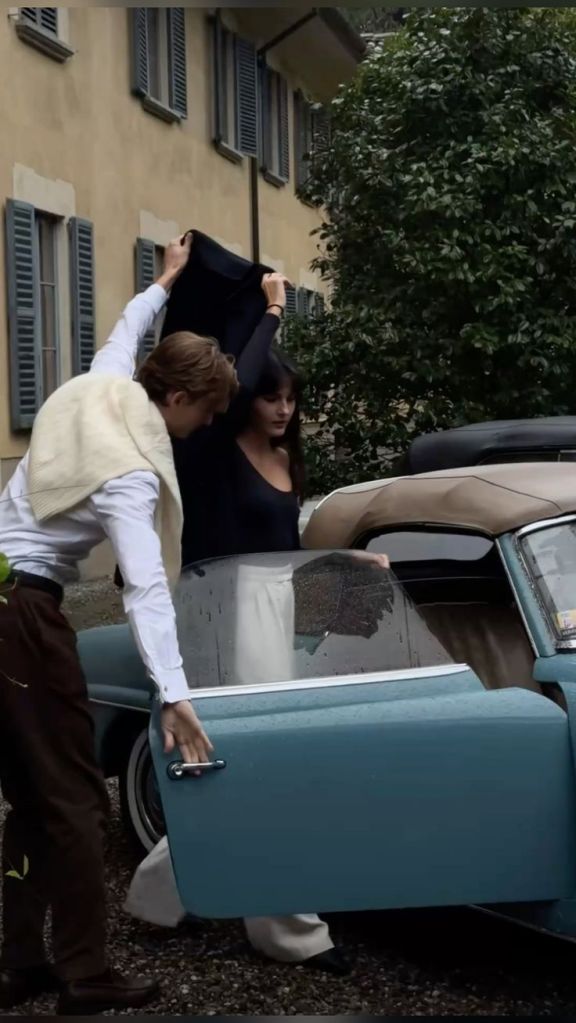
Being wanted feels emotionally powerful. It can make people feel attractive, chosen, important, and desired. That intensity creates excitement and instant emotional gratification, which is why so many people chase it.
Society also glamorizes passionate pursuit far more than emotional stability. Movies, social media, and modern dating culture often portray obsession, jealousy, and constant longing as signs of deep love. Meanwhile, consistency, emotional maturity, and healthy communication are sometimes treated as boring simply because they feel calmer.
The problem is that emotional intensity and emotional depth are not always the same thing. Someone can strongly desire you and still fail to respect you, prioritize you, or care for you properly. That is why desire alone is never enough. Without respect and consideration, intensity eventually becomes draining instead of fulfilling.


🌸 Why Should Value Matter More?
Value matters more because it is revealed through actions rather than temporary emotions. Attraction changes. Feelings shift. Excitement naturally rises and falls over time. But the way someone consistently treats you says far more about the health of a relationship than emotional intensity ever could.
Someone who truly values you listens to you, respects your boundaries, considers your feelings, and shows up even when things are difficult or inconvenient. They see you as a person, not just as a source of validation, comfort, or desire.
Being wanted may give you butterflies, but being valued gives you peace, trust, and emotional security.


🌱 How Can People Learn to Value Respect Over Desire?
Many people chase being wanted because they connect it to self-worth. Attention and attraction can feel validating, especially in a world where desirability is constantly tied to confidence, beauty, and social value. But eventually, people begin to realize that attention means very little when it comes without care or consistency.
One of the healthiest mindset shifts is learning to focus less on how intensely someone feels about you and more on how they treat you daily. Instead of only asking:
“Do they want me?”
people should also ask:
“Do they respect me?”
“Do they support me?”
“Do I feel safe, heard, and considered around them?”
Building self-worth plays a huge role here too. People who value themselves are less likely to settle for relationships built only on attraction or emotional highs. They begin to understand that real love is not just about being desired, but about being genuinely appreciated and cared for as a whole person.


🚩 Choosing Better Partners
Choosing better partners often comes down to paying attention to behavior rather than getting lost in chemistry or emotional intensity. Attraction can be powerful, but it should never be the only foundation of a relationship.
Someone may know exactly how to make you feel wanted, but their actions will always reveal their true character over time. Do they communicate honestly? Do they respect boundaries? Are they emotionally reliable? Do their actions consistently match their words?
Healthy relationships should bring clarity, trust, peace, and emotional stability instead of constant confusion, mixed signals, anxiety, or emotional chaos. Sometimes people mistake instability for passion simply because it feels intense.
Choosing better partners means prioritizing emotional maturity, communication, consistency, and mutual respect over temporary excitement or obsession.


🤍 Conclusion
In the end, being wanted and being valued are not the same thing. Desire may create attraction and excitement, but value is what creates trust, respect, and lasting emotional connection.
Healthy relationships need both passion and care. There is nothing wrong with wanting or being wanted. But personally, if I had to choose between intense desire and genuine value, I would choose value every time. Because while attraction may pull people together, it is respect, consideration, and emotional care that make love last.


Lately, I’ve been seeing more and more conversations online about the so-called “female loneliness epidemic.”
Usually, the argument goes something like this:
Women chose independence over relationships.
Women rejected traditional roles.
Women focused too much on careers.
And now they’re supposedly ending up lonely, bitter, and emotionally unfulfilled.
A lot of red pill content especially loves this narrative. It gets framed almost like a warning:
“This is what happens when women become too independent.”
But honestly, I think people are misdiagnosing the problem entirely. I was having this same discussion about my friends and wanted to know their inputs as well.
One of my friends said:
“It’s a bit general but also different in females, they can literally do anything but crave connection/companionship, even if we don’t like to admit it, it’s true up to a certain extent, it’s mainly our internal fears, avoidance or neglected feelings that we sometimes don’t know how to handle, maybe it’s different for others but I feel core in context of human psychological is, yes all the things we do to make ourselves better definitely help and shapes us but we cannot neglect the fact that we crave connection deep down”
And my other friend said:
“I think it’s just an experience but not real.. like if we change our mindset about loneliness we can change our life. I have worked on this in previous days and based on my experience, society has taught us to chase things. And chasing brings negligence to our own needs as our attention is directed towards chasing and if we don’t get that we feel lonely or broken, instead we should focus on our needs and goals, it literally kills loneliness”
I kind of agree with it as well.
Most women are not sitting alone in empty apartments desperately starved for human connection.
They’re exhausted.
And those are not the same thing.
Male loneliness and female emotional exhaustion are often treated like identical social problems, but they operate very differently.
A lot of lonely men genuinely lack connection.
Many struggle with:
For some men, loneliness is literal isolation.
But when many women say they’re “tired,” the issue often isn’t lack of people.
It’s the opposite.
Too many demands.
Too many expectations.
Too much emotional output.
Too much pressure to perform multiple roles perfectly at the same time.
Women are often expected to:
And somehow do all of this while appearing calm, grateful, and emotionally composed.
That’s not loneliness.
That’s overload.
This is where I think online discourse gets lazy.
Every emotional struggle gets flattened into the word “loneliness” because it’s dramatic, clickable, and emotionally charged.
But emotional exhaustion is not always loneliness.
A woman can:
…and still feel emotionally drained to the point of numbness.
Not because nobody loves her.
Not because she has no social life.
But because she’s constantly giving.
That’s a very different emotional reality from true social isolation.
And honestly, calling every exhausted woman “lonely” oversimplifies what many women are actually experiencing.
One thing I do think women experience heavily is emotional over-responsibility.
A lot of women are socially conditioned to become emotional managers without even realizing it.
They remember birthdays.
They check in first.
They smooth over tension.
They notice emotional shifts.
They keep conversations emotionally alive.
They carry relational maintenance quietly in the background.
Over time, this creates a dynamic where women are constantly emotionally “on.”
And eventually, many become deeply tired of carrying emotional weight for everyone while suppressing their own needs to keep things functioning.
Again, that’s not necessarily loneliness.
It’s emotional fatigue.
Red Pill Conversations Get One Thing Wrong
A lot of red pill content interprets female exhaustion as regret.
That’s the mistake.
When women talk about being tired, overwhelmed, emotionally burnt out, or disconnected from themselves, some people immediately translate that into:
“See? Women were happier in traditional roles.”
But many women are not exhausted because they have too much freedom.
They’re exhausted because modern society often expects them to do everything.
Be independent, but still nurturing.
Build a career, but still prioritize everyone emotionally.
Be confident, but not intimidating.
Be attractive, but effortless.
Be emotionally intelligent, but never emotionally difficult.
Women are expected to evolve professionally while still carrying many traditional emotional expectations at the same time.
That combination creates pressure, not necessarily loneliness.
Social media also adds another layer of exhaustion that people underestimate.
Women are constantly consuming:
Every scroll subtly sends the message:
You should be doing more.
Looking better.
Healing faster.
Achieving more.
Balancing life better.
Eventually, even rest starts feeling unproductive.
And when people are emotionally overstimulated for long enough, they often mistake burnout for emptiness.
I think this is the part many conversations completely miss.
Not every emotionally struggling woman needs:
Sometimes she needs:
There’s a huge difference between:
“I have nobody”
and
“I’m tired of carrying everything.”
One is isolation.
The other is depletion.
Modern culture praises women for being endlessly resilient.
The woman who handles everything.
The woman who never breaks down.
The woman who supports everyone else.
The woman who keeps going no matter how exhausted she feels.
But strength without support eventually becomes self-erasure.
A lot of women aren’t collapsing because they’re incapable.
They’re collapsing because they’ve been emotionally functioning at unsustainable levels for years.
And ironically, the more capable a woman appears, the less people often check if she’s okay.
I’m not saying female loneliness doesn’t exist. Of course it does.
But I do think the internet is increasingly misusing the word “loneliness” to describe forms of emotional exhaustion that are actually rooted in pressure, burnout, emotional labour, and overstimulation.
Many women are not emotionally starving because they have nobody.
They’re emotionally drained because they’re expected to be everything.
And maybe the conversation needs to become less about:
“Why are women lonely?”
And more about:
“Why are women carrying so much?”


Inferno to Love Island: The Messy Magic of Reality Dating🔥🩷
Why We’re All Low-Key Obsessed With Dating Shows 💘📺
I was recently minding my own business (like always 👀), when suddenly everyone around me was talking about Love Island. I thought, okay fine, let me see what the hype is about. And let me tell you — it was highly entertaining.
The last dating show I watched before that was Single’s Inferno, that spicy little Korean reality show on Netflix. Watching both made me realize: wow, Korean dating shows and Western dating shows are two completely different worlds. Same premise, totally different flavors.


Love Island UK 🇬🇧🌴
Love Island UK is the most famous of them all — basically a cultural reset since it relaunched in 2015. Here’s the setup:
A bunch of singles, aka islanders, live in a luxury villa in Mallorca (sometimes South Africa for the winter edition).
They couple up from the jump — based on attraction, vibes, or just not wanting to be the awkward leftover.
New people arrive constantly (bombshells 💣), shaking things up. Islanders can ditch their partners and “re-couple” if they want.
The public gets to vote on who stays, who goes, and who wins. The last couple standing takes home £50,000.
The show thrives on drama: love triangles, messy loyalty tests, over-the-top challenges, and of course the iconic Casa Amor twist (where half the villa gets shipped off and tempted with new people).
But here’s the thing — Love Island isn’t just about love. It’s about rivalries, friendships, and how people handle pressure when the entire country is watching. Plus, it gave us iconic slang like “mugged off” and “it is what it is” — and launched a small army of influencers into the wild.


Single’s Inferno 🇰🇷🔥
Now, switch gears to South Korea. Single’s Inferno is like Love Island’s quieter, mysterious cousin. Same idea: hot singles, stuck together, trying to find romance. But the execution? Totally different.
Here’s the twist:
Contestants live on a remote island called Inferno with very basic living conditions. No phones, limited food, and yes — they have to cook for themselves. 🍳
The only way to escape is to “couple up” and earn a ticket to Paradise — a luxury hotel with buffets, spa time, and privacy.
Oh, and one big rule: no one can reveal their age or job until they’re in Paradise. Suspense much? 👀
The fun is in the contrast. Inferno = survival, sweat, and awkward tension. Paradise = five-star getaway. And because it’s Korean reality TV, the drama isn’t loud fights or chaos — it’s shy confessions, jealous glances, and subtle power plays.
This slower, more mysterious approach is why Single’s Inferno exploded globally. It feels fresh, romantic, and less… chaotic than its Western counterparts.


Okay, But What Even Is a Dating Show? 💡
Simple: it’s reality TV where people look for love, a fling, or just attention. The formats differ, but the common denominator is romance + drama.
Some examples:
Elimination style (The Bachelor) – one person chooses from a group.
Competition-based (Love Island) – couples compete together.
Experiment-style (Love Is Blind, Married at First Sight) – wild concepts like dating without seeing each other.
Casual setups – speed dates, short flings, fun chaos.
Basically, they take the messiness of dating, turn the volume up, and put it on TV.


Korean vs Western Dating Shows: The Real Differences 🥢 vs 🍷
Dating shows across cultures look similar on the surface, but they feel very different. Here’s why:
1. Tone & Atmosphere
Korean: soft, suspenseful, subtle. Even sitting next to someone feels like a plot twist.
Western: bold, flashy, drama-packed. Fights, PDA, and shock twists are the norm.
2. Relationship Development
Korean: no fast hookups, just slow emotional build-up.
Western: attraction first, drama second, feelings… maybe later.
3. Rules & Mystique
Korean: restrictions (like hiding age/profession) add intrigue.
Western: rules exist, but chaos reigns — producers want maximum unpredictability.
4. Cultural Values
Korean: politeness, respect, indirect communication. Even rejection is gentle.
Western: loud, bold, confrontational. Tears and fights = entertainment.
5. Editing Style
Korean: cinematic, emotional music, panelists commenting like fans.
Western: cheeky narrators, fast cuts, cliffhangers.
6. End Goals
Korean: just two people choosing each other is enough.
Western: money, fame, brand deals — love is half the prize, clout is the other half.
So really:
✨ Korean shows = tension, yearning, emotional buildup.
🔥 Western shows = chaos, attraction, and drama.


Why Young Women Lean Toward Korean Dating Shows 💅
Here’s the tea: young women around the world often prefer Korean shows, and the reasons make perfect sense.
1. The pace feels real – no instant hook-ups, just slow burn crush vibes.
2. The mystery is addictive – not knowing someone’s job or age keeps it spicy.
3. Respect matters – no screaming matches or public humiliation.
4. The way desire is shown – care and attention, not just bikinis and snogging contests.
5. Safe escapism – dreamy romance without trashy chaos.
6. K-culture power – if you already love K-pop or K-dramas, these shows feel like the natural next step.
Bottom line: Korean shows sell the kind of romance many young women wish dating looked like.


The Unrealistic Side 🌈 vs 🧨
Of course, both styles set up expectations that don’t match reality:
Korean shows – everyone looks perfect, romance feels like a K-drama, conflict barely exists. Real life? Not so polished.
Western shows – dating happens at hyper-speed, cheating is normalized, and love is treated like a competition. Real life? Much slower, messier, and not always Instagram-ready.
Both glamorize dating in ways that can be fun to watch but tricky if you take it too literally.


Why We Still Watch (And Love It) 🤷♀️
Unrealistic or not, dating shows work. Here’s why:
1. Escapism – live vicariously through people hotter and messier than us.
2. Drama Without Consequences – we get the tea without the heartbreak.
3. Relatable Emotions – awkward flirting, jealousy, rejection — we’ve all been there.
4. Social Currency – memes, debates, “who should’ve picked who” convos.
5. Hope & Fantasy – dreamy romance (Korea) or messy chaos (West) — pick your flavor.
That’s the magic combo: escape, drama, relatability, community, and fantasy.


Conclusion ✨
Dating shows — whether Korean or Western — aren’t about showing us what real love looks like. They’re about keeping us hooked. They exaggerate, dramatize, and polish reality until it feels binge-worthy. And honestly? That’s why we love them.
Viewers, especially young women, aren’t watching because they believe it’s real. They’re watching because these shows deliver what actual dating rarely does: drama without risk, romance without awkwardness, and a safe space to dream about love in all its forms.
So yeah — enjoy them. Scream at the screen. Pick your faves. But remember: your love life doesn’t need a villa, a bombshell, or dramatic theme music to be real. 💖
Let me know your thoughts below 👇🏻💕


A personal reflection on losing the spark, finding growth, and raising the bar for love stories.
💓When Romance Stops Feeling Romantic
Recently, after a long break, I picked up a romance novel again—Before I Let Go by Kennedy Ryan. It’s a second-chance story about a divorced couple co-parenting while slowly finding their way back to each other. It was beautifully written. I even found myself tearing up in places.
But when I finished the last page, something surprised me: I felt… nothing. I closed the book, set it aside, and moved on with my day. For most of my life, that would have been unthinkable. Normally, I fall into books so deeply that I carry them with me for days. The characters linger in my head. Scenes replay in my imagination. I walk around half in their world, half in mine. This time, the spell didn’t hold.
And it’s not just this one book. Lately, whenever I pick up a romance novel or turn on a romantic show, I catch myself brushing it off. What once felt immersive and thrilling now feels flat. Which made me stop and ask: have I lost interest in romance altogether—or am I simply growing into a new version of myself?


🤔Why Romance Has Always Been So Magnetic?
Romance, especially for women, has always carried more weight than just “a love story.” It’s a place to imagine connection, safety, and joy in ways that daily life doesn’t always provide.
Hope and connection: At its core, romance offers the dream of unconditional love and emotional intimacy. Even when real life is messy, romance novels whisper that love can win.
Emotional validation: These stories center women’s feelings, desires, and struggles. They say: your inner world matters.
Reciprocity: Romance often models relationships where both people share the emotional labor equally—a fantasy when reality sometimes tilts heavily.
Escapism and fantasy: They give you permission to step out of stress and responsibility into a world where you’re chosen and cherished.
Community and representation: Romance has created a global sisterhood. Readers connect over shared swoons, debates about tropes, and characters who reflect their own experiences.
At its best, romance is a form of care. It softens reality and reminds you that tenderness is possible.


🥰Why Romance Novels Feel So Appealing?
Part of the charm of the genre is its structure. Romance promises emotional payoff. Even if the couple fights, even if there are twists and heartbreaks, you know the story will carry you to resolution. That certainty is soothing in a world where nothing else feels guaranteed.
Romance also offers:
Escapism with stakes: The tension always revolves around love. No serial killers or world-ending disasters—just intimacy on the line.
Relatability: Everyone has known desire, heartbreak, or longing. Reading it on the page feels personal.
Fantasy and hope: A good romance novel makes love feel magical and possible, even when real life has taught you otherwise.
Compared to thrillers that chase adrenaline, or fantasy that builds entire universes, romance dives straight into the most universal need: to be seen, wanted, and loved.


👎🏻Why It Doesn’t Hit the Same Anymore?
So why does romance, once irresistible, feel flat now? A few reasons come to mind:
1. I’ve changed, but the stories haven’t. The tropes that thrilled me years ago now feel recycled. The “bad boy with a hidden heart of gold,” the “will-they-won’t-they misunderstandings”—I’ve seen them play out too many times.
2. My emotional bandwidth is different. Work, friendships, family, responsibilities—real life takes up the space I once reserved for living through fictional couples. My mind craves new forms of stimulation, maybe more growth or depth than escape.
3. My definition of romance has matured. I used to melt at grand gestures and dramatic confessions. Now? Consistency, emotional safety, and quiet gestures feel more romantic. Fiction hasn’t always caught up to that shift.
4. I might just be saturated. Years of devouring romance novels built a kind of tolerance. The formulas that once worked magic now feel predictable.
5. I’m craving different narratives. My imagination wants new food. Psychological dramas, memoirs, literary fiction—stories that stretch me in ways romance used to.
Losing interest doesn’t mean I’m less romantic. It means I’ve grown.


👀Reality vs. Novel Romance
Part of the disconnect is this: romance in fiction and romance in life don’t look the same.
First encounters: In novels, sparks fly instantly. In real life, it’s often awkward small talk that deepens slowly.
Conflict: Fiction thrives on dramatic misunderstandings. Real life? It’s mismatched schedules, stress, or someone forgetting to text back.
Gestures: Novels love airport chases and confessions in the rain. Real love is showing up with soup when you’re sick.
Timing: In books, love always finds a way. In reality, the right person can arrive at the wrong time, and people don’t always wait.
Resolutions: Novels promise happily-ever-after. Real life is sometimes happily-for-now—or endings, even when love exists.
Intensity: Fiction burns hot all the time. Real love has ebbs and flows.
Growth: Novels show characters “saved” by love. In reality, you have to do your own work before love can thrive.


🙅🏻♀️The Problem With Romanticizing Abuse
One thing that definitely no longer appeals to me are the darker tropes I grew up seeing in Wattpad stories: mafia “romance,” kidnapping plots, trafficking dressed up as passion. Back then, I didn’t question it. Now, I can’t ignore how harmful it is.
They glamorize abuse, making control or violence look sexy.
They erase real trauma, ignoring the suffering of actual victims.
They normalize toxic power dynamics, presenting dominance as love.
They desensitize audiences, turning crime into just another spicy plot device.
There’s nothing wrong with dark fiction when it’s clearly labeled as thriller or fantasy. But calling it “romance” is dishonest. Romance should mean choice, respect, and mutual desire. Anything else isn’t love—it’s abuse dressed up in pretty language.


❤️Where I Am Now
What I see clearly now is that my changing relationship with romance isn’t an ending—it’s growth. The books and shows that once swept me away don’t resonate because I’ve outgrown them. I no longer want shallow butterflies or fantasies built on control. I want honesty. Nuance. Stories that reflect the kind of love I now understand: imperfect, sometimes ordinary, but rooted in trust and choice.
That’s why toxic tropes not only bore me, they feel wrong. They clash with what I now know love should be. So maybe this shift isn’t about falling out of love with romance at all—it’s about raising the standard. Refusing to settle for hollow stories.
Losing interest doesn’t mean the romantic in me has died. It means she’s evolved. I’m no longer chasing someone else’s fantasy. I’m holding out for something real.
Let me know your thoughts below 👇🏻💕