Tag: Dating

  • The difference between being wanted and being valued.

    A personal reflection on love, attraction, emotional depth, and genuine care. 

    I recently was watching a Turkish Show called “Sen Çal Kapımı”, and I fell in love with Serkan, he became my favourite thing on the show. Yes, the show followed a typical TV series trope from enemies to lovers, second change romance and memory loss, but I was still hooked. I knew it was stupid, but I was hooked. Because of Serkan. 

    Now his character was not the brightest, he had flaws a lot of them, but I loved how he redeemed himself, (and let’s be honest, I was in love with Kerem more). And that show made me reflect on myself and what I want. 

    Too deep.

    I know.

    But, I had a conversation with myself about what I want in my life, the kind of partner (if I ever get one) I would want to spend my life with. And I came to a realisation that I gravitate towards similar types of men. Emotionally available, intense, intelligent, intentional, sharp , witty and masculine men. Which is why characters like Serkan hit me so much.

    I like being valued more than being wanted. I want someone to respect me more than desire me. I want to be considered rather than just be attractive to someone. I refuse to be looked at like an object.

    I want the intensity, but I want respect too.

    I want to be desired, but I want to be considered too.

    I want attraction, but I want attentiveness too.

    There’s a huge difference between being wanted and being valued, yet people constantly confuse the two. Personally, I would choose being valued every single time. Being wanted may feel exciting, passionate, and validating in the moment, but being valued is what creates trust, stability, and genuine connection. 

    Being wanted is often tied to desire, attraction, loneliness, fantasy, or emotional need. It is connected to how someone feels around you and what you provide for them emotionally or physically. Being valued, however, goes deeper than attraction. It is about being respected, considered, appreciated, and treated with care. 

    A person can desire you deeply and still fail to treat you properly. That is the difference many people overlook.
    ✨ What Is Want?

    Want is emotional or physical desire toward someone. People are often drawn to others because they feel exciting, comforting, validating, attractive, or emotionally fulfilling. Attraction and desire are completely natural parts of human connection, and there is nothing inherently wrong with wanting someone.

    However, desire alone does not automatically create healthy love. Sometimes people become attached to the feeling another person gives them rather than genuinely appreciating who that person is. They may love the attention, comfort, validation, or emotional escape they receive without truly understanding or respecting the individual behind it.

    Want can feel intense and consuming, but intensity by itself is not proof of emotional depth. 
    🌿 What Is Value?

    Value is recognizing someone’s worth beyond what they can offer you emotionally or physically. It means appreciating them as a whole person, respecting their individuality, caring about their feelings, and treating them with thoughtfulness and consistency.

    Unlike desire, value is reflected through behavior. Someone who values you communicates honestly, respects your boundaries, supports you during difficult moments, and considers how their actions affect you. Their care is not dependent only on convenience, attraction, or emotional highs.

    While desire may draw people together, value is often what helps relationships survive beyond the initial excitement. 
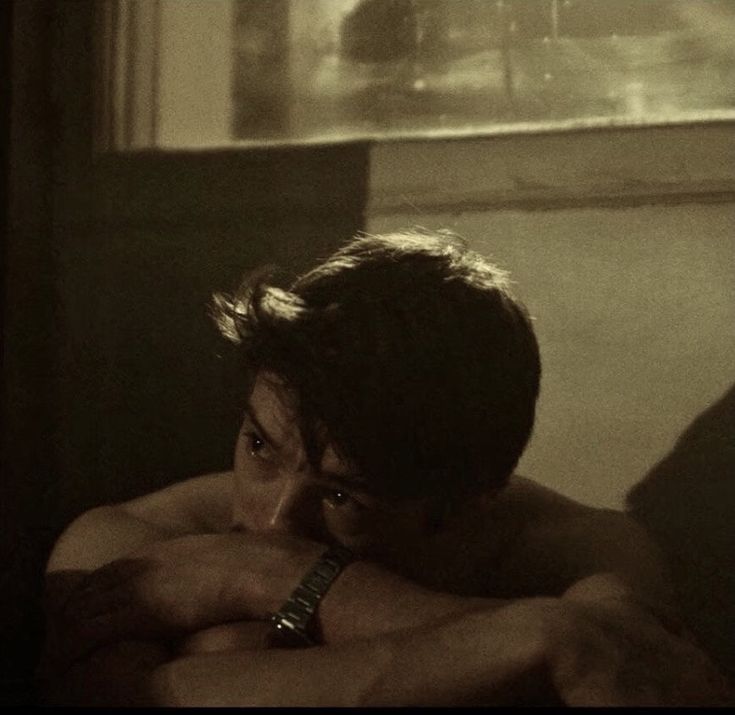
    💭 Why Do People Crave Being Wanted More Than Being Valued?

    Being wanted feels emotionally powerful. It can make people feel attractive, chosen, important, and desired. That intensity creates excitement and instant emotional gratification, which is why so many people chase it.

    Society also glamorizes passionate pursuit far more than emotional stability. Movies, social media, and modern dating culture often portray obsession, jealousy, and constant longing as signs of deep love. Meanwhile, consistency, emotional maturity, and healthy communication are sometimes treated as boring simply because they feel calmer.

    The problem is that emotional intensity and emotional depth are not always the same thing. Someone can strongly desire you and still fail to respect you, prioritize you, or care for you properly. That is why desire alone is never enough. Without respect and consideration, intensity eventually becomes draining instead of fulfilling. 
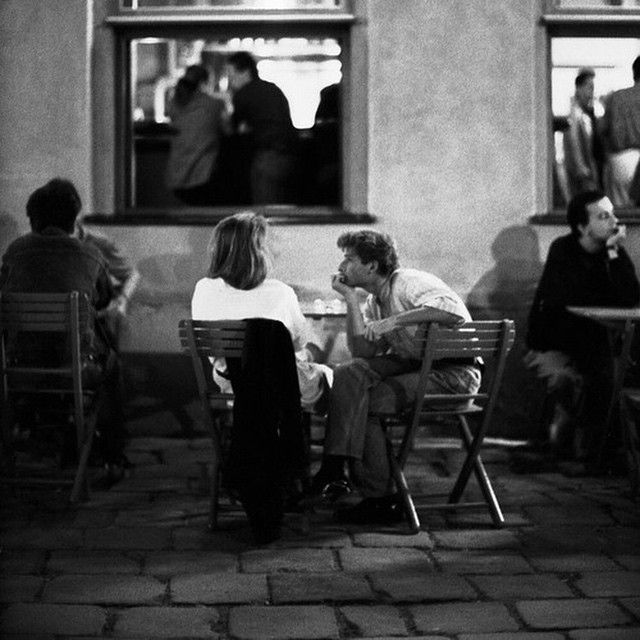
    🌸 Why Should Value Matter More?

    Value matters more because it is revealed through actions rather than temporary emotions. Attraction changes. Feelings shift. Excitement naturally rises and falls over time. But the way someone consistently treats you says far more about the health of a relationship than emotional intensity ever could.

    Someone who truly values you listens to you, respects your boundaries, considers your feelings, and shows up even when things are difficult or inconvenient. They see you as a person, not just as a source of validation, comfort, or desire.

    Being wanted may give you butterflies, but being valued gives you peace, trust, and emotional security. 
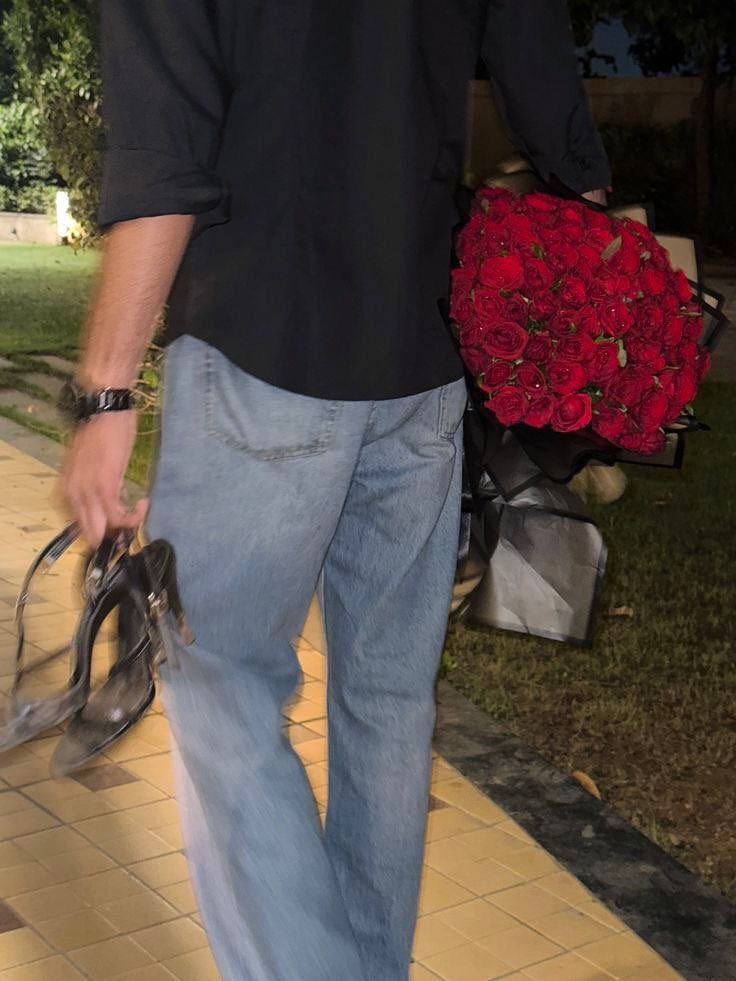
    🌱 How Can People Learn to Value Respect Over Desire?

    Many people chase being wanted because they connect it to self-worth. Attention and attraction can feel validating, especially in a world where desirability is constantly tied to confidence, beauty, and social value. But eventually, people begin to realize that attention means very little when it comes without care or consistency.

    One of the healthiest mindset shifts is learning to focus less on how intensely someone feels about you and more on how they treat you daily. Instead of only asking:

    “Do they want me?”
    people should also ask:
    “Do they respect me?”
    “Do they support me?”
    “Do I feel safe, heard, and considered around them?”

    Building self-worth plays a huge role here too. People who value themselves are less likely to settle for relationships built only on attraction or emotional highs. They begin to understand that real love is not just about being desired, but about being genuinely appreciated and cared for as a whole person. 
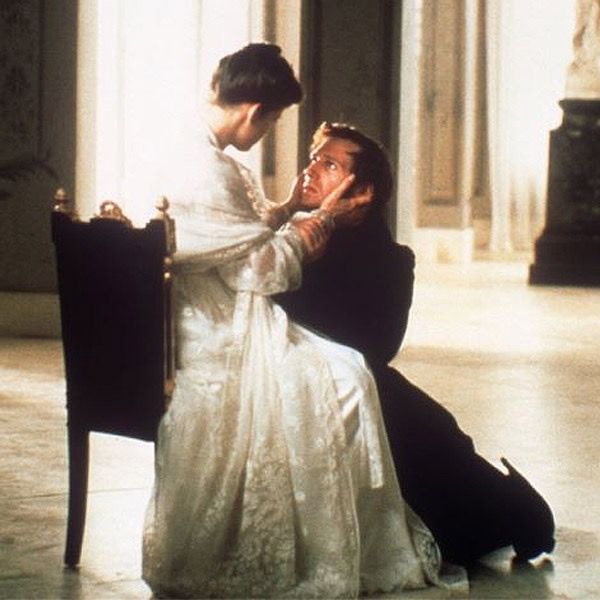
    🚩 Choosing Better Partners

    Choosing better partners often comes down to paying attention to behavior rather than getting lost in chemistry or emotional intensity. Attraction can be powerful, but it should never be the only foundation of a relationship.

    Someone may know exactly how to make you feel wanted, but their actions will always reveal their true character over time. Do they communicate honestly? Do they respect boundaries? Are they emotionally reliable? Do their actions consistently match their words?

    Healthy relationships should bring clarity, trust, peace, and emotional stability instead of constant confusion, mixed signals, anxiety, or emotional chaos. Sometimes people mistake instability for passion simply because it feels intense. 

    Choosing better partners means prioritizing emotional maturity, communication, consistency, and mutual respect over temporary excitement or obsession.
    🤍 Conclusion

    In the end, being wanted and being valued are not the same thing. Desire may create attraction and excitement, but value is what creates trust, respect, and lasting emotional connection.

    Healthy relationships need both passion and care. There is nothing wrong with wanting or being wanted. But personally, if I had to choose between intense desire and genuine value, I would choose value every time. Because while attraction may pull people together, it is respect, consideration, and emotional care that make love last. 

  • Love, Lies, and Luxury Villas: Why We Can’t Quit Dating Shows. 💔🏖️

    Inferno to Love Island: The Messy Magic of Reality Dating🔥🩷

    Why We’re All Low-Key Obsessed With Dating Shows 💘📺

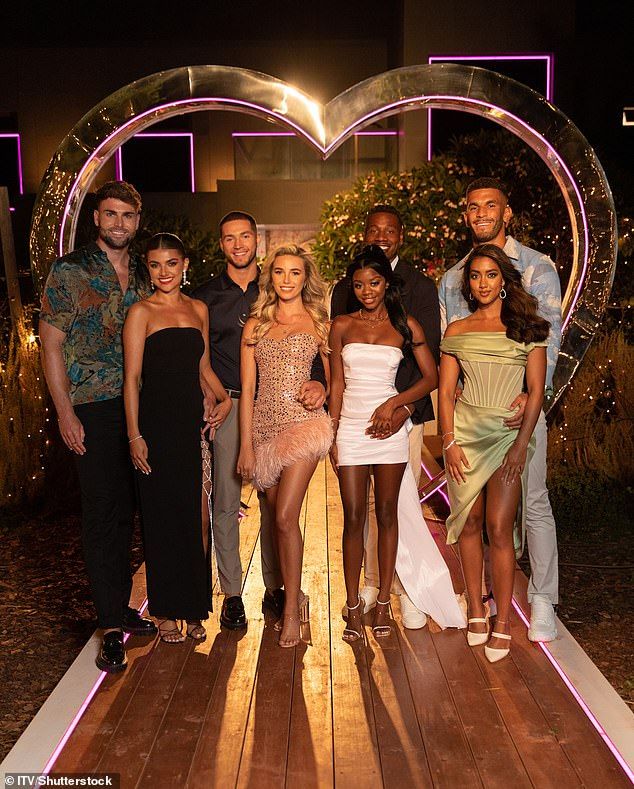
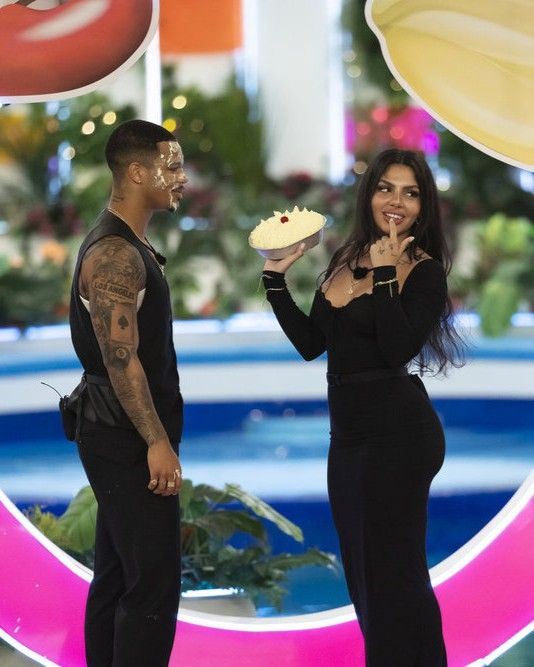
    I was recently minding my own business (like always 👀), when suddenly everyone around me was talking about Love Island. I thought, okay fine, let me see what the hype is about. And let me tell you — it was highly entertaining.

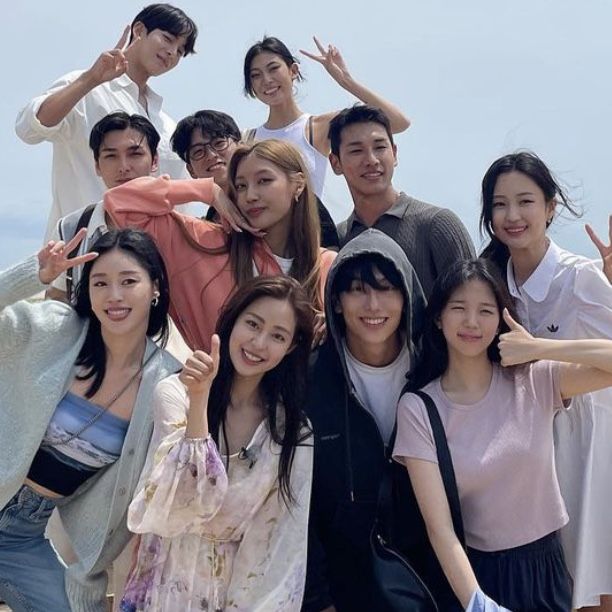
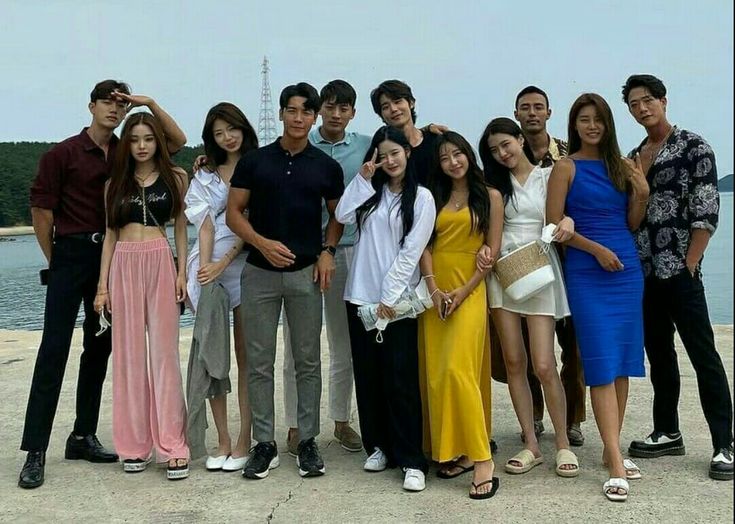
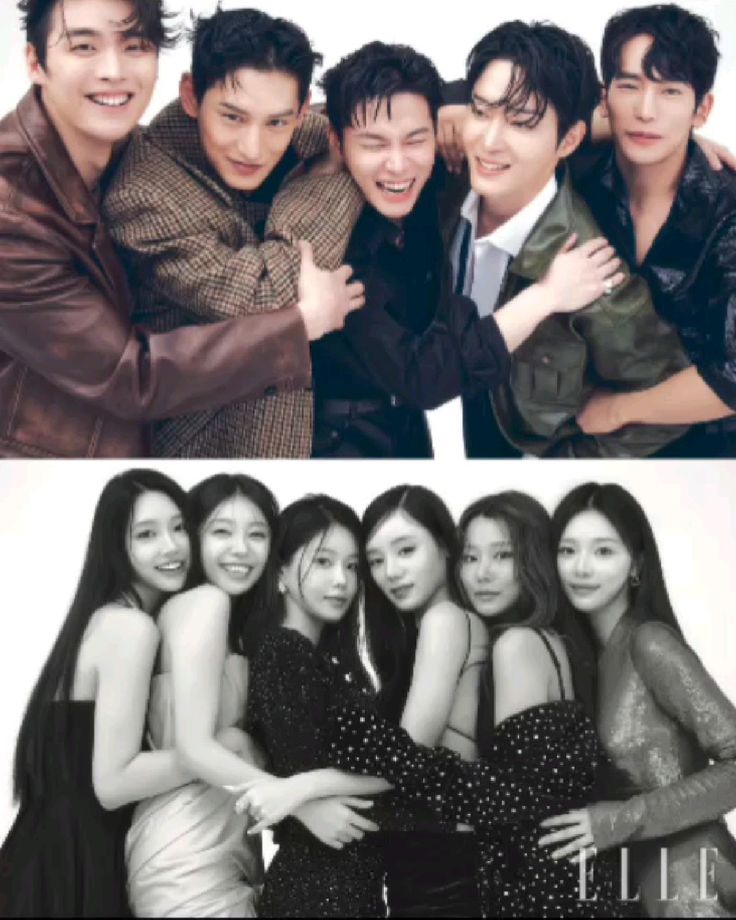
    The last dating show I watched before that was Single’s Inferno, that spicy little Korean reality show on Netflix. Watching both made me realize: wow, Korean dating shows and Western dating shows are two completely different worlds. Same premise, totally different flavors.

    Love Island UK 🇬🇧🌴

    Love Island UK is the most famous of them all — basically a cultural reset since it relaunched in 2015. Here’s the setup:

    A bunch of singles, aka islanders, live in a luxury villa in Mallorca (sometimes South Africa for the winter edition).

    They couple up from the jump — based on attraction, vibes, or just not wanting to be the awkward leftover.

    New people arrive constantly (bombshells 💣), shaking things up. Islanders can ditch their partners and “re-couple” if they want.

    The public gets to vote on who stays, who goes, and who wins. The last couple standing takes home £50,000.

    The show thrives on drama: love triangles, messy loyalty tests, over-the-top challenges, and of course the iconic Casa Amor twist (where half the villa gets shipped off and tempted with new people).

    But here’s the thing — Love Island isn’t just about love. It’s about rivalries, friendships, and how people handle pressure when the entire country is watching. Plus, it gave us iconic slang like “mugged off” and “it is what it is” — and launched a small army of influencers into the wild.

    Single’s Inferno 🇰🇷🔥

    Now, switch gears to South Korea. Single’s Inferno is like Love Island’s quieter, mysterious cousin. Same idea: hot singles, stuck together, trying to find romance. But the execution? Totally different.

    Here’s the twist:

    Contestants live on a remote island called Inferno with very basic living conditions. No phones, limited food, and yes — they have to cook for themselves. 🍳

    The only way to escape is to “couple up” and earn a ticket to Paradise — a luxury hotel with buffets, spa time, and privacy.

    Oh, and one big rule: no one can reveal their age or job until they’re in Paradise. Suspense much? 👀

    The fun is in the contrast. Inferno = survival, sweat, and awkward tension. Paradise = five-star getaway. And because it’s Korean reality TV, the drama isn’t loud fights or chaos — it’s shy confessions, jealous glances, and subtle power plays.

    This slower, more mysterious approach is why Single’s Inferno exploded globally. It feels fresh, romantic, and less… chaotic than its Western counterparts.

    Okay, But What Even Is a Dating Show? 💡

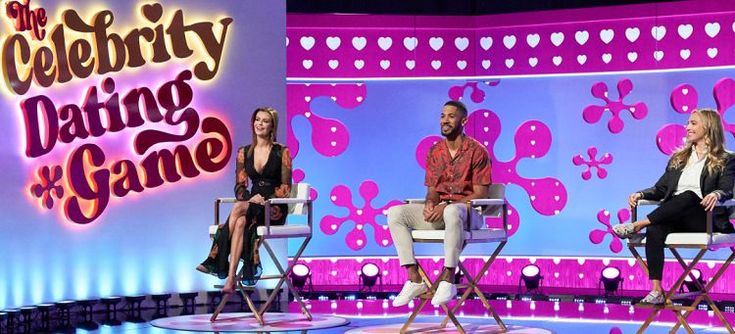
    Simple: it’s reality TV where people look for love, a fling, or just attention. The formats differ, but the common denominator is romance + drama.

    Some examples:

    Elimination style (The Bachelor) – one person chooses from a group.

    Competition-based (Love Island) – couples compete together.

    Experiment-style (Love Is Blind, Married at First Sight) – wild concepts like dating without seeing each other.

    Casual setups – speed dates, short flings, fun chaos.

    Basically, they take the messiness of dating, turn the volume up, and put it on TV.

    Korean vs Western Dating Shows: The Real Differences 🥢 vs 🍷

    Dating shows across cultures look similar on the surface, but they feel very different. Here’s why:

    1. Tone & Atmosphere

    Korean: soft, suspenseful, subtle. Even sitting next to someone feels like a plot twist.

    Western: bold, flashy, drama-packed. Fights, PDA, and shock twists are the norm.

    2. Relationship Development

    Korean: no fast hookups, just slow emotional build-up.

    Western: attraction first, drama second, feelings… maybe later.

    3. Rules & Mystique

    Korean: restrictions (like hiding age/profession) add intrigue.

    Western: rules exist, but chaos reigns — producers want maximum unpredictability.

    4. Cultural Values

    Korean: politeness, respect, indirect communication. Even rejection is gentle.

    Western: loud, bold, confrontational. Tears and fights = entertainment.

    5. Editing Style

    Korean: cinematic, emotional music, panelists commenting like fans.

    Western: cheeky narrators, fast cuts, cliffhangers.

    6. End Goals

    Korean: just two people choosing each other is enough.

    Western: money, fame, brand deals — love is half the prize, clout is the other half.

    So really:
    ✨ Korean shows = tension, yearning, emotional buildup.
    🔥 Western shows = chaos, attraction, and drama.

    Why Young Women Lean Toward Korean Dating Shows 💅

    Here’s the tea: young women around the world often prefer Korean shows, and the reasons make perfect sense.

    1. The pace feels real – no instant hook-ups, just slow burn crush vibes.

    2. The mystery is addictive – not knowing someone’s job or age keeps it spicy.

    3. Respect matters – no screaming matches or public humiliation.

    4. The way desire is shown – care and attention, not just bikinis and snogging contests.

    5. Safe escapism – dreamy romance without trashy chaos.

    6. K-culture power – if you already love K-pop or K-dramas, these shows feel like the natural next step.

    Bottom line: Korean shows sell the kind of romance many young women wish dating looked like.

    The Unrealistic Side 🌈 vs 🧨

    Of course, both styles set up expectations that don’t match reality:

    Korean shows – everyone looks perfect, romance feels like a K-drama, conflict barely exists. Real life? Not so polished.

    Western shows – dating happens at hyper-speed, cheating is normalized, and love is treated like a competition. Real life? Much slower, messier, and not always Instagram-ready.

    Both glamorize dating in ways that can be fun to watch but tricky if you take it too literally.

    Why We Still Watch (And Love It) 🤷‍♀️

    Unrealistic or not, dating shows work. Here’s why:

    1. Escapism – live vicariously through people hotter and messier than us.

    2. Drama Without Consequences – we get the tea without the heartbreak.

    3. Relatable Emotions – awkward flirting, jealousy, rejection — we’ve all been there.

    4. Social Currency – memes, debates, “who should’ve picked who” convos.

    5. Hope & Fantasy – dreamy romance (Korea) or messy chaos (West) — pick your flavor.

    That’s the magic combo: escape, drama, relatability, community, and fantasy.

    Conclusion ✨

    Dating shows — whether Korean or Western — aren’t about showing us what real love looks like. They’re about keeping us hooked. They exaggerate, dramatize, and polish reality until it feels binge-worthy. And honestly? That’s why we love them.

    Viewers, especially young women, aren’t watching because they believe it’s real. They’re watching because these shows deliver what actual dating rarely does: drama without risk, romance without awkwardness, and a safe space to dream about love in all its forms.

    So yeah — enjoy them. Scream at the screen. Pick your faves. But remember: your love life doesn’t need a villa, a bombshell, or dramatic theme music to be real. 💖

    Let me know your thoughts below 👇🏻💕


  • If Commitment Were a Sport, I’d Be Watching From the Sidelines. : Why Dating Feels So Hard in Your Late 20s – And How I’m Learning to Cope

    Maybe My Soulmate Died in a Car Crash—Who Knows?

    When I was a little girl, I used to believe that by the time I turned 25, I’d have it all figured out. I imagined myself married, maybe with a kid or two, living in a cozy home, building a life with someone who loved me deeply. Back then, 25 felt like this magical age where adulthood would somehow feel…complete.

    But here I am, in my late 20s, single, and if I’m being honest—more confused about love and dating than I’ve ever been.

    It’s not that I haven’t tried. I’ve gone on dates. I’ve downloaded the apps. I’ve kept an open heart. But somewhere along the way, dating has started to feel more like a draining task than an exciting adventure. The older I get, the harder it becomes to meet new people, let alone connect deeply with someone. And casual relationships? I just don’t have the emotional bandwidth for that anymore.

    I’m in a place in my life where I don’t know what I want, maybe I crave something real—something that feels safe, supportive, and emotionally mature. But that seems increasingly rare. Most men around me—whether my age or older—aren’t really looking for that kind of connection. Some don’t want commitment. Some just want attention. And some are still healing from their pasts, unsure of what they’re even looking for.

    Sometimes, it feels like everyone is either emotionally unavailable or not quite ready for the kind of love I want. And honestly? That can get lonely.

    Why Is Dating So Hard Today?

    Dating in today’s world feels like a completely different ballgame from what our parents or even older siblings experienced. There are so many layers to why things feel harder now—and it’s not just in my head.

    According to a BBC article titled “Why it could be harder to find love nowadays,” researchers believe that finding and keeping love today is harder than ever before in human history. Why? Because we now have so many different ideas of what love and relationships should look like. Monogamy, polyamory, situationships, long-distance, friends with benefits, living together, living apart—the options are endless. And that variety, while freeing, can also make it really hard to find someone whose relationship goals align with yours.

    But that’s just the beginning. Let me break down some of the other challenges that make modern dating feel so exhausting.

    1. The Endless Scroll of Options

    With dating apps, we’re constantly surrounded by new people—new profiles, new bios, new faces. In theory, that should make it easier to find love. But in reality, it often leads to decision fatigue and a fear of settling. You start to wonder, What if there’s someone better just one more swipe away?

    I’ve experienced this firsthand. I’ll match with someone, we’ll talk for a few days, maybe even meet once—but then it fizzles out. Not because anything went wrong, but because it’s too easy to start over with someone new. We’ve become disposable to each other.

    2. Changing Social Norms and Unrealistic Expectations

    Social media has blurred the line between reality and fantasy. We see these perfect couples on Instagram—traveling the world, buying homes, getting engaged with fairy-tale proposals—and we can’t help but compare. We start to believe that anything less than that isn’t good enough.

    At the same time, the societal rules around dating have become more fluid. While that’s a good thing in many ways, it can also lead to confusion. What does a “real” relationship even look like anymore? What’s the timeline? Who should initiate? Who pays? What does commitment mean?

    Sometimes I find myself missing the simplicity of old-school love stories—where people met, fell in love, and figured things out together without overthinking every move.

    3. Emotional Baggage and Fear of Vulnerability

    Let’s be real—many of us are carrying emotional scars. Whether it’s from past heartbreaks, toxic relationships, abandonment, or even childhood trauma, these wounds don’t just disappear. They shape how we show up in relationships.

    Personally, I’ve had to work through my own insecurities. There were times I questioned if I was too much or not enough. Times I closed myself off out of fear of being hurt again. And vulnerability? That’s still hard. Opening up to someone and not knowing if they’ll hold your heart with care—that takes courage.

    But if we’re all afraid, if we’re all guarded, how do we ever really connect?

    4. Mental Health and Dating Fatigue

    Dating while dealing with anxiety, stress, or low self-esteem is like running a marathon with weights on your ankles. Sometimes I find myself swiping not because I want to meet someone, but because I feel supposed to be trying. And when dates don’t work out, I take it personally, even if I know I shouldn’t.

    There’s a term called “dating burnout”—and I think many of us are quietly experiencing it. The constant cycle of hope and disappointment wears you down. After a while, it becomes easier to just stay single and protect your peace.

    5. Technology vs. True Connection

    Online dating can be great, but it often emphasizes looks over substance. We’re reduced to pictures and taglines, judged within seconds. I’ve had some great conversations online, but rarely do they translate into meaningful, in-person connection.

    And then there’s ghosting—the silent epidemic of modern dating. One day you’re texting regularly, laughing at each other’s memes, maybe even planning a date—and then suddenly, nothing. No explanation. Just silence.

    It’s disheartening. It makes you question your worth, even when logically you know it’s not about you.

    So What Can We Do About It?

    Even though I sometimes feel hopeless, I also know that giving up on love isn’t the answer. I still believe that real connection is possible—it just takes more intention, more patience, and a whole lot more self-awareness than it used to.

    Here’s what I’m trying to focus on lately, and maybe it’ll help you too:

    1. Be Clear on What You Want

    Know your relationship goals and don’t compromise on your core values. If you want something serious, it’s okay to say so. Let people self-select out early.

    2. Set Boundaries and Stick to Them

    Protect your energy. If someone is inconsistent, confusing, or not meeting your emotional needs—let them go.

    3. Prioritize Your Well-Being

    Dating is just one part of your life. Fill your days with things that bring you joy, help you grow, and remind you of your worth, with or without a partner.

    4. Be Open, But Not Desperate

    Stay open to love, but don’t chase it. Love that’s right for you won’t need to be forced or begged for.

    5. Celebrate Your Singlehood

    You’re not “behind” for being single. This season of life is still meaningful, still worthy of joy and celebration. Use it to deepen your relationship with yourself.

    In Conclusion

    Dating in your late 20s can feel like an emotional minefield—especially when you’re surrounded by people who don’t want the same things you do. It’s easy to feel disheartened, even cynical. But beneath all the chaos and confusion, I still believe in love. I still believe there’s someone out there who wants to grow, laugh, and build something real with me.

    And until then? I’m learning to love myself better, trust my timing, and live a life that feels full and beautiful—partner or not.

    To be honest, I hope I can actually take my own advice. Some days I feel like my case is too far gone 🤪. But hey, stranger things have happened—maybe the universe still has a plot twist for me (I hope it’s not the plot of You tho, because that will just be a criminal case 😂).

    What about you? Have you felt these things too?

    Let me know your thoughts—I’d love to hear your story below 👇🏻