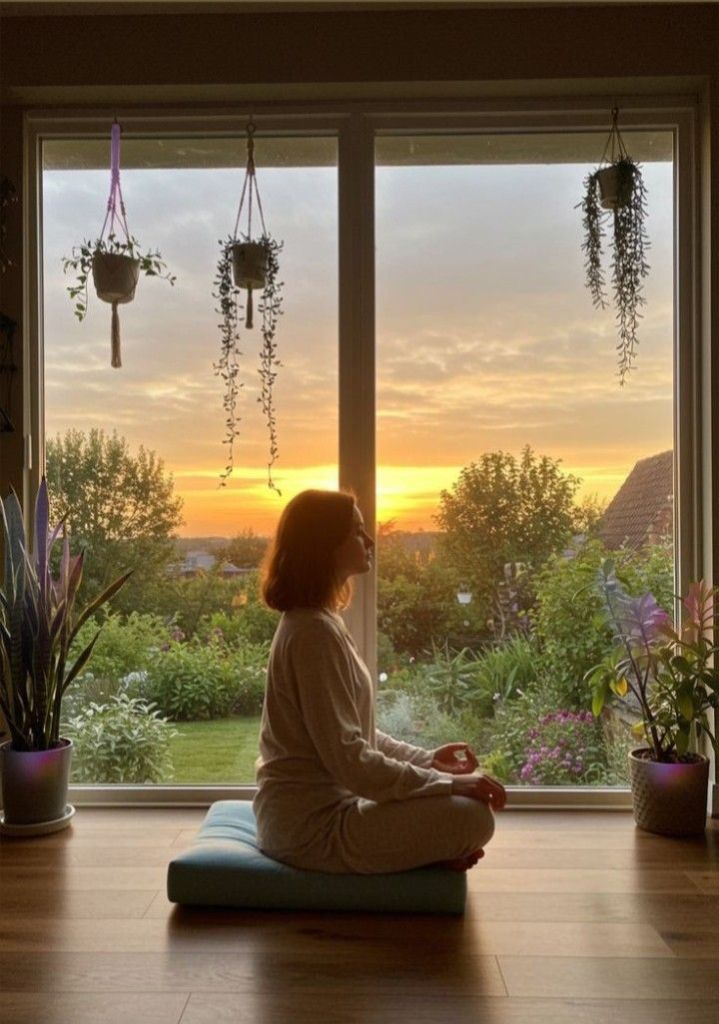


The most important milestones in our lives are often the ones no one else sees.
We celebrate promotions.
We celebrate weddings.
We celebrate graduations.
But nobody congratulates you for finally sleeping through the night without thinking about someone who broke your heart.
I myself have been through things in my life and it took me 5years to heal myself and get out of that head space. There is so much trauma we all go through, some get it together easily and for some it takes time.
But one thing I have learned is, no one can heal you, you have to heal yourself. You have to take that step yourself.
What healing actually looks like?
Talk about how healing isn’t dramatic. Healing isn’t a straight line and doesn’t mean forgetting the past. Instead, it looks like pausing before reacting, setting boundaries instead of people-pleasing, and bouncing back faster from bad days. It’s about integrating your experiences so they don’t dominate your present.
True recovery manifests in a few subtle but profound ways:
A quieter nervous system: You feel physically safer, experiencing fewer stress-related headaches or muscle tension.Mindful responses: Instead of instantly spiraling or snapping, you can take a breath and name your emotions (e.g., “I feel overwhelmed”).
Reclaiming your energy: The past no longer monopolizes your mental space. You can engage with past triggers without being hijacked by them.
Practicing self-compassion: You allow yourself to feel grief, make mistakes, and say “no” without judging yourself.
Is Healing ment to be seen?
Healing is absolutely meant to be seen, both by you and by the world around you. This realization is often a major turning point because it shifts your perspective from hiding your pain to honoring your growth.
When healing becomes visible, it shows up in clear, tangible changes:
In Your Body and Presence
• Open posture: Unclenching your jaw, dropping your shoulders, and making steady eye contact.
• Calmer voice: Speaking with a grounded, unhurried pace because you feel safe being heard.
• Brighter energy: Carrying less physical heaviness, which naturally makes you look lighter and more present.
In Your Daily Choices
• Visible boundaries: Saying a clear “no” out loud without over-explaining or apologizing.
• Active self-care: Leaving a stressful environment or choosing to rest without hiding it as a secret guilt.
• Openly seeking joy: Actively participating in hobbies, laughing freely, and accepting compliments.
In Your Connections
• Authentic sharing: Speaking about your past struggles in the past tense, without shame or emotional spirals.
• Healthy vulnerability: Letting safe people see your imperfections instead of masking them behind a perfect facade.
• Deepening relationships: Attracting people who respect your growth and phase out those who only liked your old, people-pleasing habits.
Conclusion
We often think healing ends with a grand moment. A dramatic realization. A version of ourselves that no longer hurts.
But healing rarely announces its arrival.
It quietly slips into the ordinary moments. The day you stop replaying the conversation in your head. The moment you choose peace instead of proving a point. The first time you laugh without guilt. The day you realize you no longer recognize the person who once carried so much pain.
Maybe no one will ever know how many nights you spent putting yourself back together. They won’t see the boundaries you fought to build, the habits you had to unlearn, or the courage it took to choose yourself over what was familiar.
And that’s okay.
Because healing was never a performance. It was never about convincing the world that you’re doing better. It was about creating a life where you no longer have to survive every single day.
No one may clap for your healing.
But one day, you’ll wake up and realize you don’t need them to.
The peace you’ve built for yourself will always be louder than the applause you never received.
Let me know your thoughts below 👇🏻💕
 Ladyink with love
Leave a comment