
Tag: Blogging tips

  • Hyper-Independence: When Strength Becomes a Survival Mechanism

    Understanding why some people find it easier to carry every burden alone than to ask for support.

    I am a hyper-independent woman myself. All my life I thought I really didn’t need anyone else.
    Don’t need to ask for help, in fact offering others my help without even looking for anything in return.
    I always thought it’s badass that I am so independent and don’t need others at all, and I can do things by myself.
    But turns out, it’s a trauma!! 🎉
    You are telling me that I am traumatised to the point I don’t ask for anything from people?
    Well that kinda checks out…
    I was recently thinking about a chat I had with my best friends, where I in a way very proudly said, “I don’t really ask people for anything at all, I cannot ask people for help. I don’t think I need it much. I can’t even ask my own mother for money, even if I need it.” My friends had a really valid concern on their faces.
    At that time, I didn’t think it was such a huge deal, and then I came across a psychologist on Instagram, who was talking about how hyper-independence in people is a trauma response.
    And I decided to dig deep…
    I did a lot of research and all I found out was that I have issues. A lot of issues that need to be addressed someday.
    So, I am gonna do it one at a time. 😀

    What is hyper-independence?
    It’s definitely not a personality trait. It’s not good either.
    According to Google: “It is an extreme, unwavering insistence on self-reliance where a person is unable or unwilling to depend on others, even in times of dire need. Far from just being highly capable, it is a psychological defense mechanism where doing everything alone feels like the only way to stay safe.”

    And that made me question:

    Why do people develop Hyper-independence?
    Why does one’s brain choose this path as a survival instinct?
    Here are some major reasons, with enough depth to build a blog or research from.
    1. Childhood Emotional Neglect
    One of the most common causes.
    A child doesn’t necessarily need to be physically neglected. Emotional neglect happens when their feelings, fears, or needs are consistently ignored, dismissed, or minimized.
    Examples:
    “Stop crying.”
    “You’re too sensitive.”
    “Deal with it yourself.”
    Over time, the child learns that no one is coming to help me. I have to handle everything on my own. As an adult, asking for help can feel uncomfortable or even shameful.

    1. Parentification (Growing Up Too Fast)
    Some children become caregivers long before they’re emotionally ready.
    They may:
    Take care of younger siblings.
    Mediate fights between parents.
    Become their mother’s emotional support.
    Manage household responsibilities.
    Worry about finances.
    Instead of being cared for, they become the caretaker. As adults, they often feel responsible for everyone else’s well-being while neglecting their own.

    1. Growing Up in an Unpredictable or Unsafe Environment
    If home life was chaotic because of conflict, addiction, abuse, frequent criticism, or instability, children often learn that depending on others is risky.
    Hyper-independence becomes a way to create control.
    The mindset becomes:
    “If I rely on no one, no one can disappoint or hurt me.”

    1. Repeated Betrayal or Broken Trust
    Sometimes hyper-independence develops later in life.
    Experiences such as:
    Being cheated on.
    Friends abandoning them.
    Family members breaking promises.
    Being repeatedly let down.
    can create the belief that trusting people only leads to pain. Instead of risking disappointment again, they decide to rely only on themselves.

    1. Being Rewarded for Being “The Strong One”
    Many children receive praise not for expressing emotions but for suppressing them.
    People say:
    “You’re so mature.”
    “You’re the responsible one.”
    “You’re the strong child.”
    While these sound like compliments, they can teach someone that their value comes from being capable rather than being cared for.
    Eventually, vulnerability feels like failure.

    1. Cultural and Gender Expectations
    Many societies encourage girls to be self-sacrificing, emotionally responsible, and resilient. At the same time, asking for help may be interpreted as:
    Weakness.
    Failure.
    Being a burden.
    In other contexts, boys may be taught that expressing vulnerability is unmanly. Although the expectations differ, both can contribute to hyper-independence.
    The result is people who struggle to receive support, even when they desperately need it.

    1. Fear of Being a Burden
    Some people grow up believing their needs inconvenience others.
    They may have heard:
    “Don’t trouble people.”
    “Handle it yourself.”
    “Everyone has their own problems.”
    As adults, they apologize for needing help and often stay silent even when they’re overwhelmed.

    1. Perfectionism
    Hyper-independence often goes hand in hand with perfectionism.
    People may think:
    “No one can do it as well as I can.”
    “If I want it done right, I’ll do it myself.”
    While this can lead to high achievement, it also creates chronic stress, exhaustion, and difficulty delegating.

    1. Fear of Rejection or Vulnerability
    Accepting help requires trust. For someone who fears rejection, asking for help can feel like exposing themselves to possible criticism or abandonment. It’s emotionally safer to struggle alone than risk hearing:
    “No.”

    1. Trauma
    Whether from childhood or adulthood, traumatic experiences can change how someone views the world. Hyper-independence can become a survival strategy because it creates an illusion of safety.
    The belief becomes:
    “If I control everything myself, I won’t be hurt again.”

    1. Low Self-Worth
    Some people don’t believe they deserve care.
    They may think:
    “Other people deserve help more than I do.”
    “I should be able to handle this.”
    “My problems aren’t important.”
    They freely support others but deny themselves the same compassion.

    1. Confusing Independence with Self-Worth
    Many people grow up equating independence with success. Being independent is healthy. Believing you must never need anyone is not.
    Healthy independence says:
    I can take care of myself, and I can ask for help when I need it.
    Hyper-independence says:
    If I need help, I’ve failed.

    Hyper-Independence might look like freedom, but it slowly becomes a cage built for protection.

    How Do People Develop Hyper-Independence?
    1. They Learn That Their Needs Won’t Be Met
    Hyper-independence often begins when someone repeatedly reaches out for comfort, support, or reassurance and doesn’t receive it.
    Instead of learning that it’s safe to depend on others, they begin to expect disappointment. Over time, they stop expressing their needs altogether, convincing themselves that relying on others only leads to frustration or hurt.
    The belief becomes:
    “If no one is going to help me, I need to learn to do everything myself.”

    1. They Start Solving Problems Alone
    Once people stop expecting support, they begin handling every challenge independently. Whether it’s emotional pain, financial struggles, schoolwork, or family responsibilities, they teach themselves to cope without asking for assistance.
    At first, this feels empowering. Over time, it becomes their default way of functioning. Eventually, asking for help feels unfamiliar, uncomfortable, or even impossible.

    1. Self-Reliance Gets Reinforced
    Every time they successfully manage a difficult situation alone, their brain receives confirmation that independence is the safest option.
    They begin associating self-reliance with survival. The more they cope alone, the harder it becomes to imagine depending on anyone else.

    1. They Build Emotional Walls
    As disappointment accumulates, people often protect themselves by becoming emotionally guarded. They stop sharing vulnerable thoughts, avoid discussing their struggles, and become uncomfortable with emotional dependence.
    This isn’t because they don’t want connection. It’s because emotional distance feels safer than risking rejection or disappointment.

    1. Independence Becomes Part of Their Identity
    Eventually, hyper-independence stops being a coping strategy and becomes part of how they see themselves.
    They begin describing themselves as:
    “I’m just very independent.”
    “I don’t need anyone.”
    “I’ve always handled things on my own.”
    What started as a survival response gradually becomes a core part of their identity.

    1. They Mistake Isolation for Strength
    Because they have survived by relying on themselves, they may begin to believe that needing others is a sign of weakness.
    They pride themselves on carrying everything alone, even when it comes at the cost of their mental health, relationships, or well-being.
    Strength becomes measured by how much they can endure in silence.

    1. They Feel Guilty When Others Help Them
    Over time, receiving support can feel more uncomfortable than giving it.
    They may:
    Minimize their own struggles.
    Decline offers of help.
    Feel indebted when someone does something for them.
    Rush to “repay” kindness immediately.
    Instead of experiencing support as comforting, they experience it as something they have to earn or compensate for.

    1. The Cycle Becomes Self-Perpetuating
    Because they rarely ask for help, people assume they don’t need it.
    As a result, others stop offering support, which reinforces their belief that they can only rely on themselves.
    Without realizing it, they create a cycle where their independence keeps confirming the very belief that caused it in the first place.

    How does one heal from it?
    1. Redefine What Strength Means
    Many hyper-independent people equate strength with handling everything alone. Healing begins by challenging that definition.
    True strength isn’t measured by how much you can carry by yourself. It’s measured by your ability to recognize when you need support, adapt to challenges, and build healthy interdependence.
    Instead of asking,
    “Can I do this alone?”
    Ask,
    “Do I have to?”

    1. Learn to Receive Without Feeling Guilty
    Giving often feels natural. Receiving can feel uncomfortable. Practice accepting small acts of kindness without immediately trying to repay them.
    For example:
    Let someone buy you coffee.
    Accept a compliment with a simple “Thank you.”
    Let a friend help you move or run an errand.
    Receiving support isn’t taking advantage of people. It’s allowing relationships to be mutual rather than one-sided.

    1. Build Trust Gradually
    Healing doesn’t require trusting everyone overnight.
    Start by identifying people who have consistently shown reliability, honesty, and respect.
    Share something small before sharing something deeply personal.
    Trust is built through repeated positive experiences, not blind faith.

    1. Practice Asking for Small Favors
    If asking for help feels overwhelming, start with low-stakes requests.
    Examples:
    Ask someone for advice.
    Request feedback on your work.
    Let a colleague explain something instead of figuring it out alone.
    Each positive experience teaches your nervous system that asking for help doesn’t always lead to rejection or disappointment.

    1. Separate Independence From Isolation
    Being independent doesn’t mean refusing connection.
    Healthy independence allows you to:
    Make your own decisions.
    Support yourself financially or emotionally.
    Maintain your identity.

    Healthy connection allows you to:
    Lean on others during difficult times.
    Share responsibilities.
    Experience mutual care.

    The goal isn’t dependence. It’s balance.

    1. Become Aware of Your Automatic Responses
    Hyper-independence often operates on autopilot. Notice the moments when you instantly think:
    “I’ll just do it myself.”
    “It’s easier if I don’t ask.”
    “I don’t want to bother anyone.”
    Pause before acting.
    Ask yourself:
    “Am I choosing this because it’s genuinely the best option, or because it’s my default response?”
    Awareness creates room for different choices.

    1. Allow Yourself to Be Seen
    Many hyper-independent people let others see their achievements but hide their struggles.
    Healing involves letting trusted people witness not only your successes but also your fears, uncertainties, and moments of vulnerability. Connection deepens when people know the real you, not just the capable version of you.

    1. Stop Treating Rest as Something You Have to Earn
    People who are used to carrying everything often believe they deserve rest only after they’ve finished every task.
    But there will always be another task.
    Recovery isn’t a reward for productivity. It’s a basic human need that protects your physical and emotional well-being.

    1. Accept That Interdependence Is Healthy
    Psychologists often distinguish between dependence, independence, and interdependence.
    Dependence means relying entirely on others.
    Hyper-independence means relying only on yourself.
    Interdependence is the healthy middle ground, where people remain capable while also giving and receiving support.
    Most healthy relationships thrive in this middle ground.

    1. Be Patient With Yourself
    Hyper-independence often develops over many years. It won’t disappear after a few vulnerable conversations. There may be moments when asking for help still feels uncomfortable or exposing.
    That doesn’t mean you’re failing.
    Healing is less about becoming a different person and more about expanding your comfort zone, one small step at a time.

    🍁Conclusion.
    It is not a disease that needs to be cured, nor is it a problem that needs fixing.
    Hyper-independence may look like confidence from the outside, but for many people, it is a survival strategy born from experiences that taught them they could only rely on themselves. While being independent is a valuable quality, believing you must carry every burden alone can leave you emotionally exhausted and disconnected from the very support that helps us thrive. Healing doesn’t mean giving up your independence or becoming dependent on others. It means learning that strength and vulnerability can coexist. It’s about allowing yourself to trust, accept help, set healthy boundaries, and recognize that your worth has never been measured by how much you can endure in silence. You deserve relationships where care is mutual, support is freely given, and you don’t have to prove your strength by facing every challenge alone.

    I know now why I am like this and honestly, I am working on it. I hope you have found the reason too!!

    Let me know your thoughts below! 👇🏻💕

  • Lullabies for the Heart: Nurturing Wellness Through Melody

    Music as Therapy: The Healing Power of Sound

    Ever since I was a child, I loved music. Even today I listen to music all the time, especially when traveling.Taylor Swift, BTS, Kendrick Lamar, Nicki Minaj, Arijit Singh, Beyoncé, Celine Dion, etc. are some of my favourite artits to listen too.

    The lyrics for me is what I look for when I listen to music. I want to connect to the artist by their lyrics. Over the years, I have listened to a lot of artist, and for me personally, the lyricism of R.M (Kim Namjoon), Suga (Min Yoongi), J Hope (Jung Ho-seok) and Taylor Swift have played a huge role in my life. Specially how I view myself and my life. It always feels like they are singing about my life to me.

    Music for me has always been about the stories.

    However, Music isn’t just entertainment—it’s a universal language that transcends barriers, speaks to the soul, and has a profound impact on our emotional and physical well-being. For centuries, people have turned to music in times of joy, sorrow, and healing. Today, music therapy has emerged as a recognized and powerful tool in healthcare and personal growth.

    But why is music so therapeutic?

    Let’s dive into the science and the emotional connection behind it.

    Listening to music activates multiple areas of the brain, including those responsible for emotions, memory, and motor control. Studies have shown that music can release dopamine, the “feel-good” hormone, which enhances mood and reduces stress. In fact, just listening to your favorite song can instantly uplift your spirits and calm your mind during tough or anxious situations.

    Music also impacts the brain’s limbic system, which processes emotions. This is why certain songs can trigger memories or feelings.

    Whether it’s the nostalgic tune of a childhood lullaby or an upbeat track that makes you want to dance, music has a unique ability to connect deeply with our inner world.

    Sometimes, words fail to express what we feel and it can be difficult to express onself. Music, however, can bridge that gap.

    A soothing melody or heartfelt lyrics can articulate emotions we struggle to put into words. It provides an outlet to process feelings like grief, anger, or joy, making it a therapeutic tool for emotional release.

    For people struggling with anxiety or depression, creating or listening to music offers a safe space to explore their emotions without judgment. It can act as a mirror, reflecting their internal struggles while simultaneously offering comfort.

    Life can be stressful, but music has the power to offer refuge. Slow, calming music—such as classical or instrumental—has been shown to lower heart rates, reduce cortisol levels (the stress hormone), and induce relaxation. Listening to calming music before bed can improve sleep quality, while upbeat music can energize and motivate us for the day ahead.

    Music therapy is particularly effective in helping people manage anxiety. Techniques like guided imagery with music allow individuals to visualize peaceful scenarios while listening to soothing tunes, helping them relax and reset.

    Music isn’t just good for the mind; it’s also a powerful tool for healing the body. In hospitals, music therapy is used to reduce pain perception, improve recovery times, and support physical rehabilitation. Rhythmic patterns in music can enhance motor skills, making it an effective tool for patients recovering from strokes or physical injuries.

    For individuals with chronic illnesses, listening to music can distract from pain and foster a sense of calm. The rhythmic patterns and harmonies can even help regulate breathing, heart rate, and blood pressure.

    Music has a way of bringing people together. Singing in a choir, attending a concert, or even sharing a playlist with a friend creates a sense of belonging and connection. For those feeling isolated or lonely, music offers a way to connect with others and feel part of something larger than themselves.

    Group music therapy sessions often promote social interaction, teamwork, and communication, which are crucial for mental health and personal growth.

    Music is a powerful tool for memory. It’s why you can remember the lyrics to a childhood song but not what you had for breakfast last week. For individuals with Alzheimer’s or dementia, music therapy has shown remarkable benefits in recalling memories and improving cognitive function.

    Familiar songs can stimulate the brain and evoke emotions, helping patients connect with their loved ones and surroundings.

    One of the most beautiful aspects of music therapy is its adaptability. Everyone’s relationship with music is unique. Some might find solace in the calming notes of a piano, while others might feel empowered by a rock anthem. Music therapy allows individuals to explore what resonates with them, creating a personalized healing journey.

    Music is more than a collection of sounds—it’s a powerful force that can heal, connect, and transform lives. Whether it’s through listening, creating, or simply experiencing, music has the ability to touch the deepest parts of our being and bring about positive change.

    So, the next time you feel overwhelmed, sad, or even joyful, let music be your guide. Put on a song that speaks to you, and let its therapeutic power work its magic. Because sometimes, all we need is a melody to remind us that healing is possible.

    What does music mean to you?

    Also who are some of your favourite artist to listen to?

    Let me know in the comments!


  • Korean Skincare or Skincare: The Global Obsession That’s Emptying Your Wallet!

    What is skincare?

    Skincare is the practice of maintaining and improving the health and appearance of the skin, primarily on the face, but also on other parts of the body.

    It involves cleansing, moisturizing, protecting, and addressing specific skin concerns like acne, aging, or dryness. Skincare routines can vary widely depending on individual skin types, concerns, and cultural influences.

    This is the definition of skincare when you Google it.

    But for me personally, it just is a means of taking care of myself. Everytime I do the whole skincare routine, it makes me feel good. It makes me feel like I’m taking care of myself.

    With the recent surgence of Korean culture, we all were introduced to the Korean skincare and makeup. And people have been obsessed with the intensive skincare routine we all see online.

    Have you ever been mesmerized by radiant, poreless skin on Instagram and wondered if it’s magic or a 10-step Korean skincare routine?

    Wondering if it’s genetics, filters, or the magic of a 10-step Korean skincare routine?

    In a world where ‘a dewy, smooth complexion that’s so flawless it looks almost like glass’ is dominating the beauty market, skincare has become more than just being about self-care. It’s a cultural phenomenon!!

    But what is driving this obsession? And is it all as flawless as it seems?

    I think the obsession with Korean skincare or skincare in general reflects a positive shift toward self-care and prioritizing health. Skincare routines can be empowering, giving people a sense of control over their appearance and well-being. Korean skincare, in particular, has become popular because of its innovative products. Focusing more on hydration and barrier care, and ritualistic approach that feels luxurious and effective.

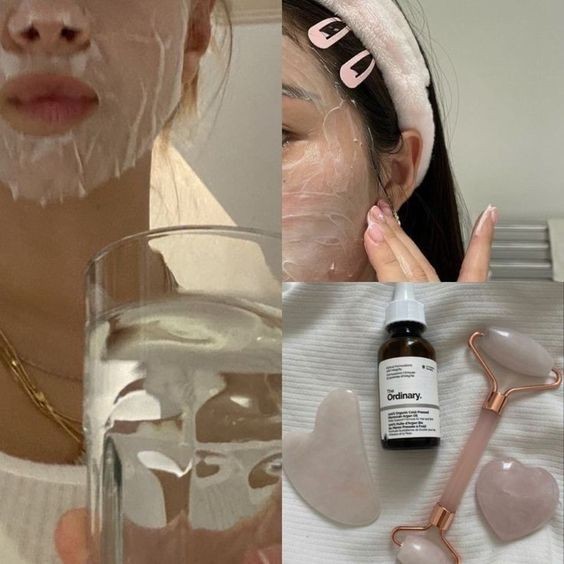
    Skincare routines can act as a form of mindfulness because they require you to focus on the present moment. When you apply products like a cleanser or moisturizer, you’re engaging your senses and feeling the textures, inhaling subtle scents, and noticing how your skin responds to the products.
    This sensory awareness can ground you, pulling your attention away from the stress of the day.

    For many, it’s not just about achieving better skin but creating a moment of calm amidst a busy schedule, like a daily act of self-love and care.

    A good skincare regimen goes beyond just surface of your skin. A good skincare isn’t just about making your skin look good, it’s also about investing in its long-term health and resilience. By addressing immediate concerns and offering protection, you’re essentially creating a shield for your skin while supporting its natural function and renewal process.

    When your skin looks healthy and glowing, it can have a direct impact on how you feel about yourself. Skin is often one of the first things others notice, and when it’s clear, smooth, and radiant, it can enhance your overall appearance. But beyond the surface, the way your skin looks can significantly influence your self-esteem and confidence.

    Korean skincare has played a huge transformative role in shaping the global beauty industry, especially by introducing innovative ingredients and methods that were once unfamiliar to many outside of Korea. These groundbreaking elements have not only changed the way we approach skincare but have also broadened the market by appealing to a wide range of consumers with diverse needs and interests.

    Some of these are :

    Snail mucin
    Fermented extracts
    Centella Asiatica
    Double Cleansing
    10-step routine

    And so much more.

    Focusing on hydration, sunscreen, and gentle ingredients in skincare can have a profound impact on preventing future skin issues, as these elements directly support the skin’s natural barrier, protect it from environmental stressors, and maintain its overall health.

    In short, adopting a skincare routine that emphasizes hydration, protection from the sun, and gentle care can lay a strong foundation for long-term skin health, helping you maintain smooth, clear, and youthful skin for years to come. It boosts confidence and makes once feel better.

    However, there are some cons about the skincare routine, that people religiously follow, like :

    Overconsumption:
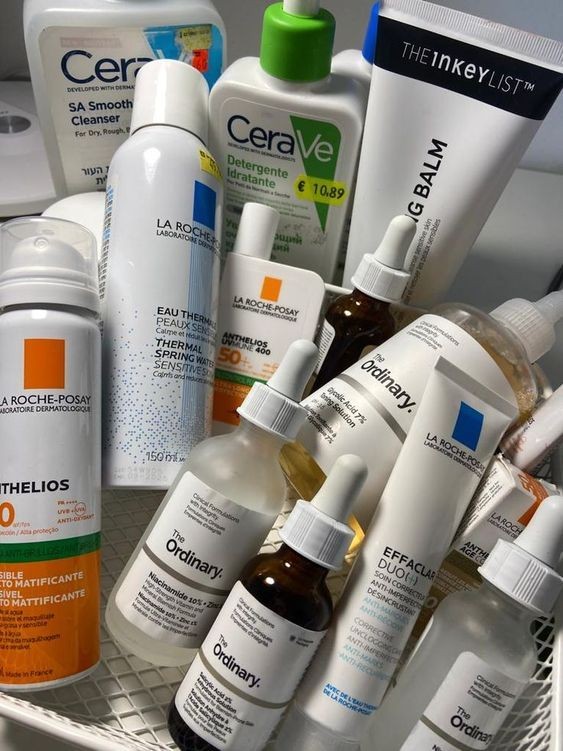
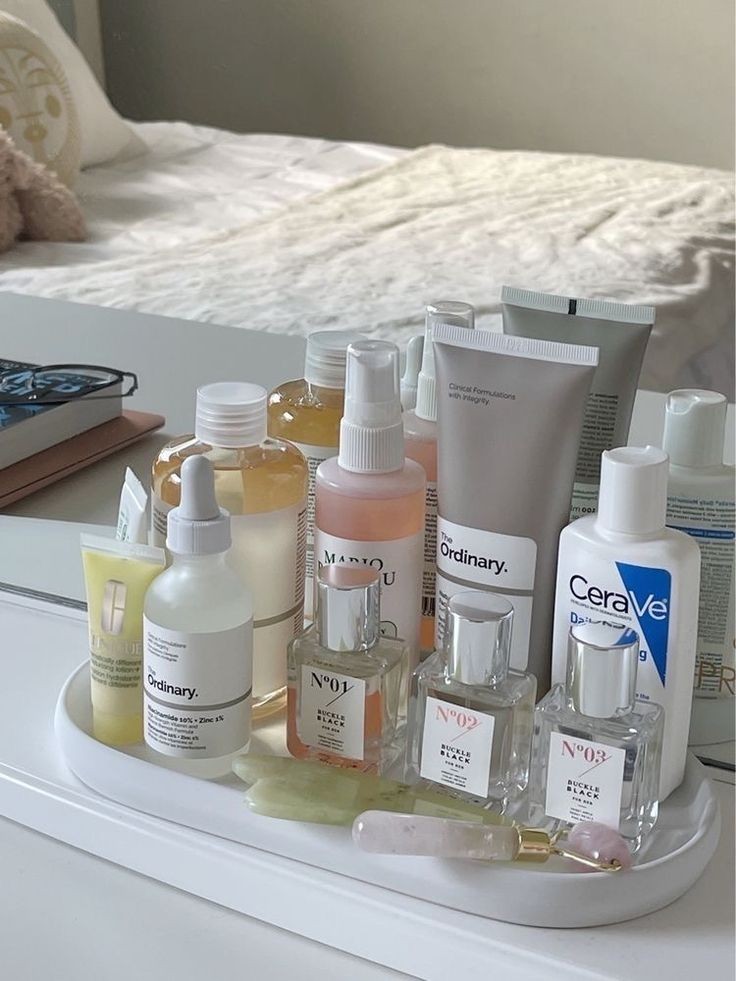
    The obsession with Korean skincare can lead to overconsumption—buying too many products, spending unnecessarily, or damaging your skin with overuse. While Korean skincare routines are often touted as being highly effective, with their multi-step processes and variety of products, this can sometimes lead to unnecessary spending and a cluttered skincare shelf.

    Here’s how overconsumption can manifest in Korean skincare:

    1. Excessive Product Collection
    2. Overuse of Products
    3. Misleading Marketing and Trends
    4. Not Tailored to Individual Needs
    5. Wasting Products

    While Korean skincare offers a wide variety of innovative and effective products, overconsumption can lead to unnecessary spending, skin irritation, and wasted resources. A balanced, well-considered approach will allow you to enjoy the benefits of K-beauty without going overboard.

    The 10-step skin care routine can be very complex. Some skincare routines are overwhelming (10+ steps!) and not practical for everyone.
    People do not have the energy or time to do a 10-step skin care routine every day.

    And overuse of active ingredients or constantly trying new products can harm the skin instead of helping it.

    There is an unrealistic expectations that is seen within people when it comes to skincare and beauty. Marketing and social media can create pressure to achieve “perfect” skin, which isn’t always attainable. It also creates insecurities among people who do not have the ‘korean glass kin’ or does not fit the mould.

    The beauty industry, particularly with the rise of trends like single-use products and excessive packaging, has become a significant contributor to environmental waste. While these products are convenient and often marketed as part of a self-care or indulgence routine, they have long-term environmental implications. Here’s how they contribute to waste:

    1. Single-Use Products (like Sheet Masks)
    2. Excessive Packaging in Beauty Products
    3. Formulation and Product Waste
    4. Trends and Fast Beauty
    5. Overpriced

    While the beauty industry offers many conveniences and innovative products, it also generates a significant amount of waste. Single-use items like sheet masks and over-packaged products contribute to environmental pollution, and with the rise of fast beauty, consumers are often encouraged to purchase more than they need. Being mindful of our consumption habits and choosing products with minimal, recyclable, or reusable packaging can help mitigate the environmental impact and promote a more sustainable approach to beauty.

    At the end of the day, skincare isn’t about following a perfect 10-step routine or using the latest trends.
    It’s about what makes you feel confident and cared for. Whether it’s a simple two-step process or a more elaborate regimen, the most important thing is finding what works for your skin and makes you feel good.
    Skincare is a tool for self-love, a moment to nurture yourself, and ultimately, confidence starts from within.

    Remember, you don’t need to overcomplicate it—just do what feels right for you, and that’s enough.

    What’s your take on this?

    Do you follow a strict skincare routine or keep it simple? I’d love to hear how you approach skincare in the comments below!

    If you enjoyed this post, please subscribe to my blog for more updates as I share my blogging journey. Or, leave a comment below to tell me what tips you have for a new blogger like me!

    Good Day Lovelies!! 💞