Hmm… I am tired, really tired. My life, my adult life, is so boring. To be honest, it is repetitive. Wake up, work, back home, sleep. Rinse and repeat. It’s almost the same on weekends as well, I don’t really do much on weekends, I just read a book, or watch some podcasts. I can’t even watch a show anymore, I start getting bored. I stopped exercising as well, which wasn’t fun. But I am working on a better routine, and to get back to things I have missed due to my pessimism.
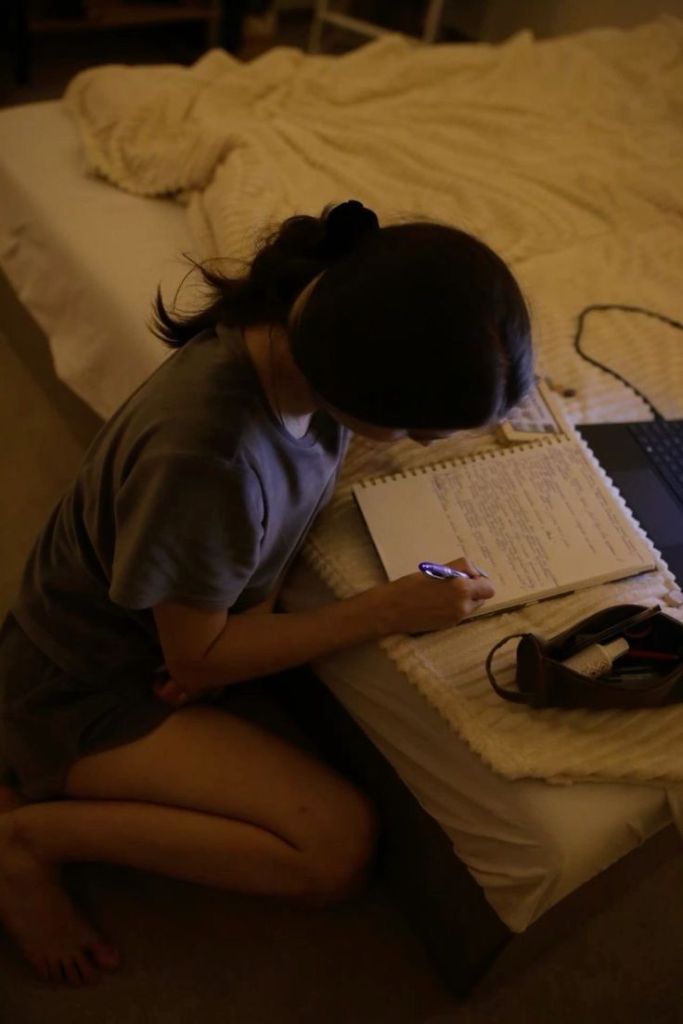
I am at a place, when I don’t want to go to work, nor do I want to stay at home. I need a third place. I don’t have one, which is why on my week offs, I just stay in my room and journal my thoughts. Which aren’t productive either.
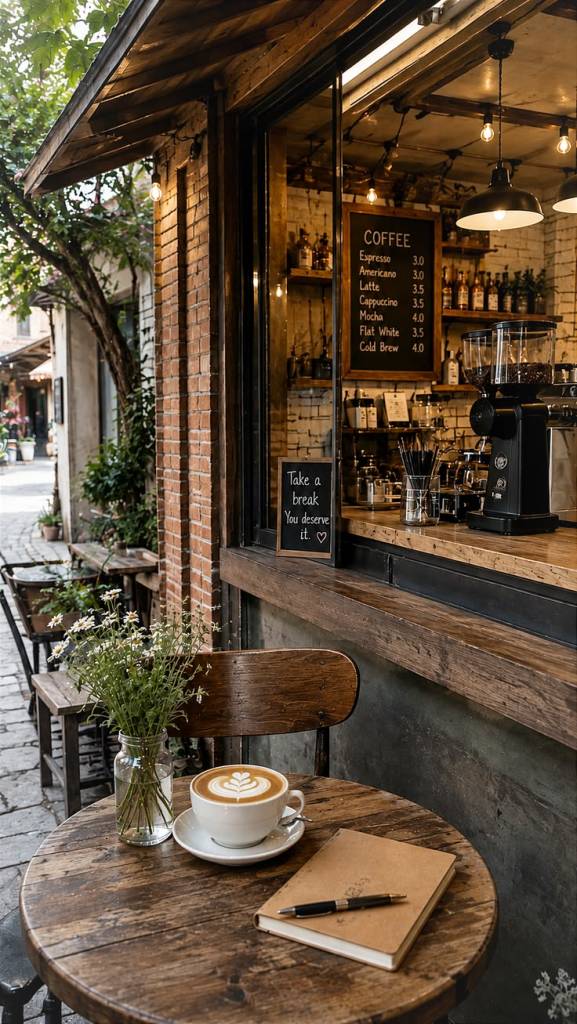
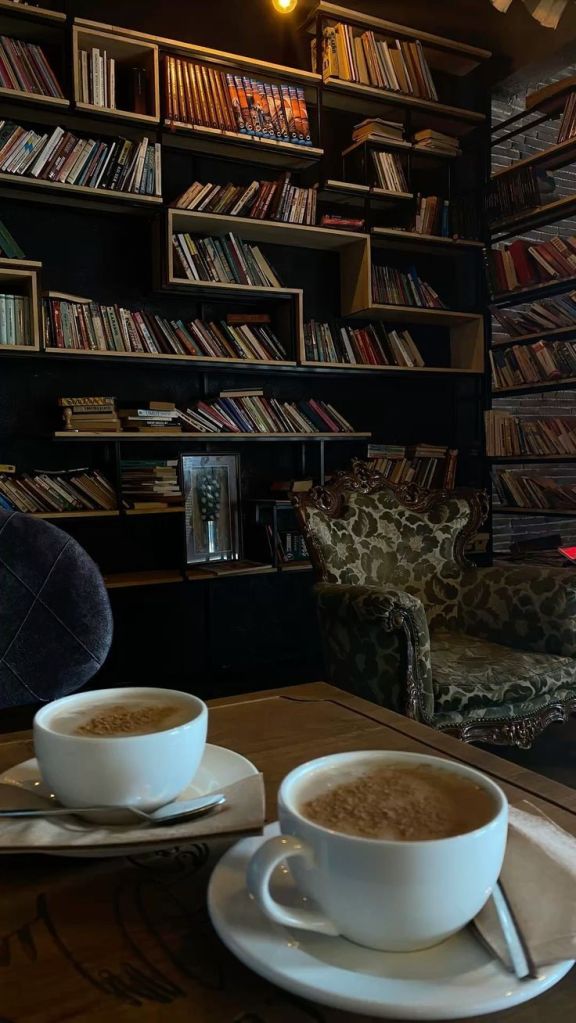
I think I need a third place for myself, that is not home nor work. A cafe? A library? A store? A Market? A gym (I did join it, but it was small and they were forcing me for a private session so I left and started exercising at home)? Maybe a hobby group? A park (Wait, there aren’t any near my place)? Something. I asked my friends to start a book club, but you know that never happened. I really need something for myself to do on my weekends to get out of my mundane life.
What Exactly Is a Third Place?
The concept of a third place is built on the idea that human well-being requires a distinct space outside of home and work to cultivate community and unwind.
Sociologist Ray Oldenburg introduced this concept to highlight spaces where you can gather informally, meet new people, and experience a sense of belonging without financial or social pressure.
A third place is a social environment separate from your home (the first place) and your workplace or school (the second place). Coined by sociologist Ray Oldenburg, these public or semi-public spaces foster regular, voluntary, and informal gathering, helping people connect with their communities and feel a sense of belonging.
The first place represents your domestic environment. It is the foundation of your daily life, offering private shelter and security away from public scrutiny.
The second place represents your productive environment. It is the structured setting where you spend a significant portion of your day dedicated to labor, education, and economic survival.
Why Adults Lose Their Third Places
There are many reasons why adults lose or can’t find their third place. Some of those reason are :
- Growing work hours and exhaustion : We usually work 9-5 or more working hours, that takes most of our time.
- Friendships becoming harder to maintain : The more we grow, the more responsibilities we have and those responsibilities make it harder to maintain any friendships.
- Everything becomes expensive : Capitalism sucks, and we all are a part of it. And this makes it harder for people to do regular visits to a cafe, or any spaces because it costs money, and not everyone can afford it.
- Socialising increasingly moving online : With the internet, it is much easier to keep in touch with your friends or social communities online, so people have started avoiding getting together.
- The pressure to make every outing productive, useful, or worth the money : I have felt this too, me and my friends used to have so many things planned for one outing and it would make it overwhelming for us.
- Moving cities and losing familiar communities : A lot of times, people move from their homes to different places for better opportunities which results in loss of your third place or communities.
The Loneliness Nobody Talks About
You can be surrounded by people yet still feel lonely if your interactions lack deep emotional connection or vulnerability. Coworkers and social media followers often provide superficial, role-based, or performative contact rather than genuine intimacy. If you cannot share your true thoughts and feelings with the people around you, you remain isolated inside your own experience.
Additionally, family and friend dynamics can sometimes feel more draining than supportive due to unmet expectations or a lack of mutual understanding. Social media complicates this by fostering comparison, leaving you feeling left out even while digitally connected. True belonging requires being seen and accepted for who you are, which a large quantity of shallow relationships simply cannot provide.
Adults often need connection without having to schedule a formal dinner three weeks in advance. The lives we live as an adult require scheduling and managing more than we sometimes think. I have to plan my offs weeks in advance in order to get them approved if I have to go anywhere. And that is not something I look forward to.
Also, sometimes people just need to be around other humans without performing, networking, dating, or explaining themselves. I love when me and my friends go somewhere and all we do is talk, that’s all. Our thoughts, our lives, our wishes, we talk about everything. And thise are some of my favourite types of outings.
Third Places Give Us Something Home and Work Can’t
I don’t know what it is, but I desperately need a sense of belonging outside family roles and professional identity. I have been stuck at home for 3 weeks now, and I feel like I am suffocating. And that has made me realise how important it is to have a life outside home and work. Or at least a place I can just go to, to get peace of mind.
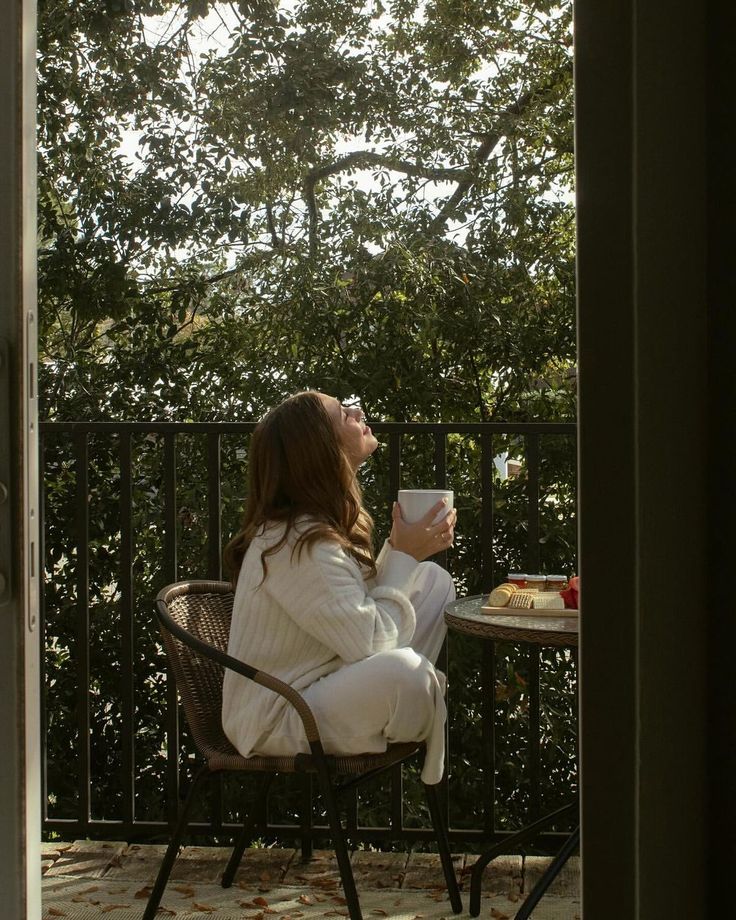
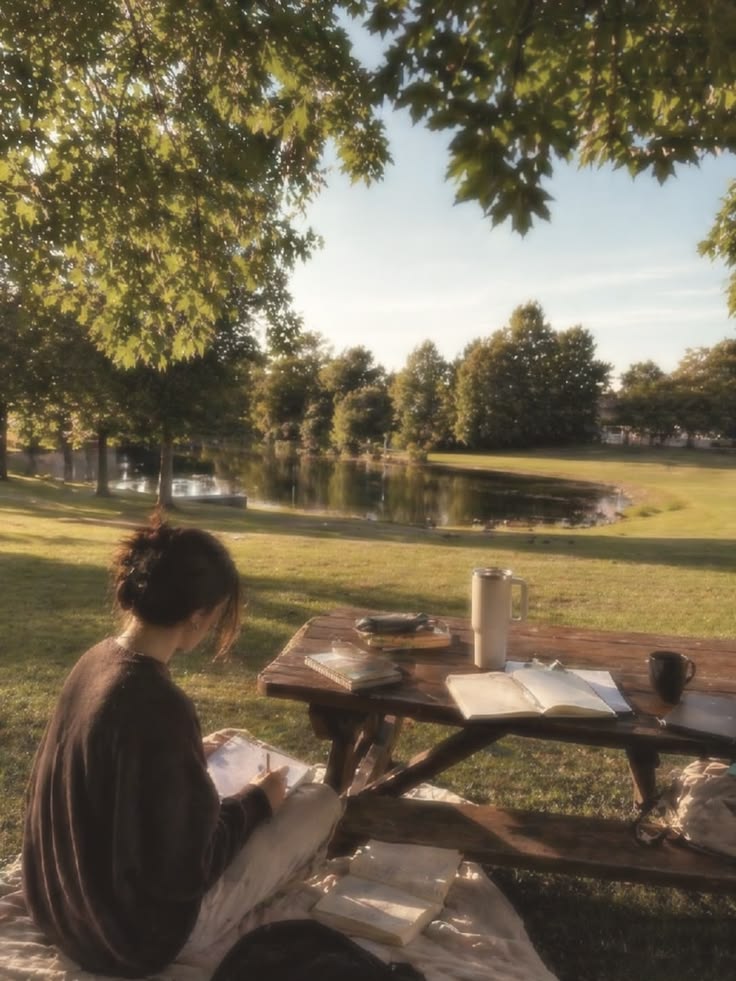
We all need it. A space where you’re not someone’s employee, parent, child, partner, or caregiver. You can simply be a regular. Just get your journal, walk in a park or go to a cafe, and sit down with your favourite drink, and just let your shoulders relax. The comfort of familiar faces, routines, and casual conversations is like a dream.
Why This Matters More Now
Remote work and hybrid work have blurred the boundaries between home and work. Especially for me, I work from home for 4 days and 1 day at the office. So for me, my room has the same vibe as the office and I dread it so much. I hate waking up, showing up and sitting down at my desk to start working and I stay there for 9hours… That is not normal.
Many people spend more time online but feel less connected in real life. We are all glued to our phones, but it is still lonely somehow. Communities have become harder to build organically now. It is harder to meet new people every day and start a conversation. I don’t even talk to my co-workers on my work from home days. If it’s not a meeting, we are not talking.
And then adult friendships often require too much planning and effort. I start planning months in advance just to meet my friends once in a month. That is so unreal. I don’t know what I am doing, and this is definitely not the life I wanted for myself.
It Doesn’t Have to Be a Fancy Café
So, I have decided to find a third place, where I can go whenever I want. I am on a hunt to find a place that doesn’t cost me money.
Like… Libraries: I love books, this makes sense.
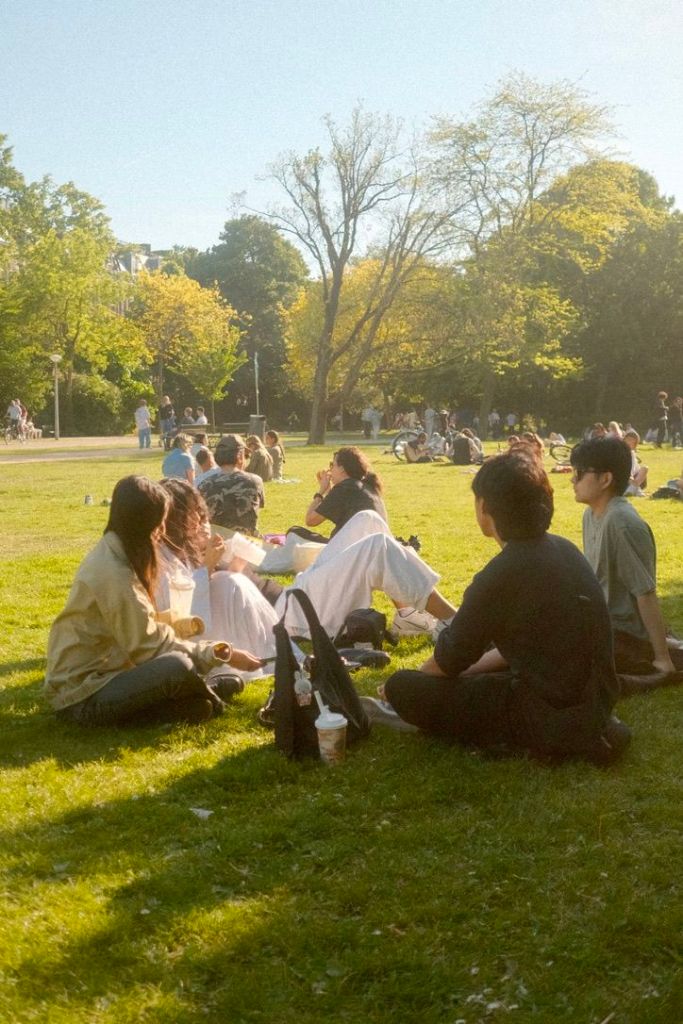
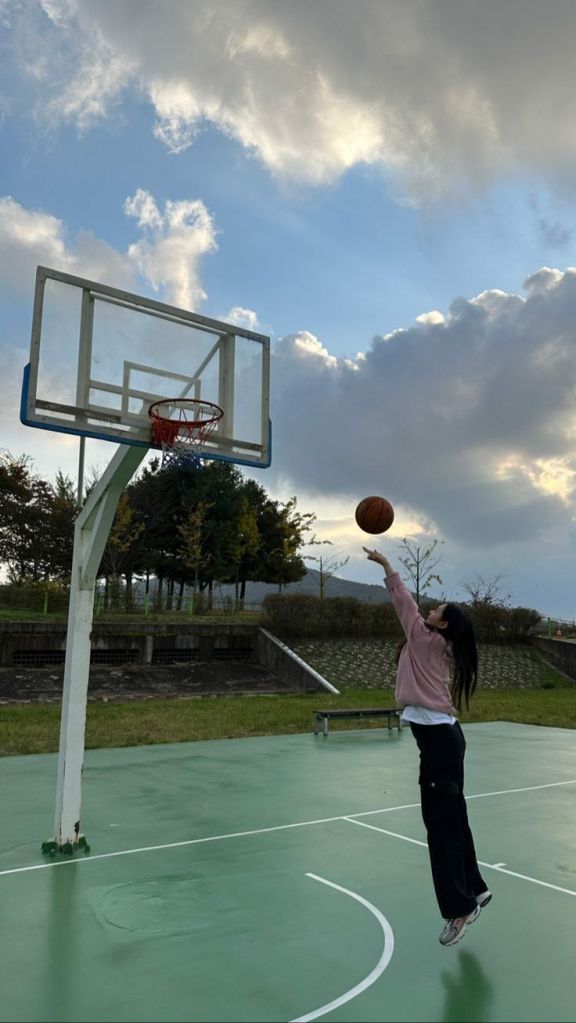
Parks: There really aren’t any near me, but if you have parks, go for it.
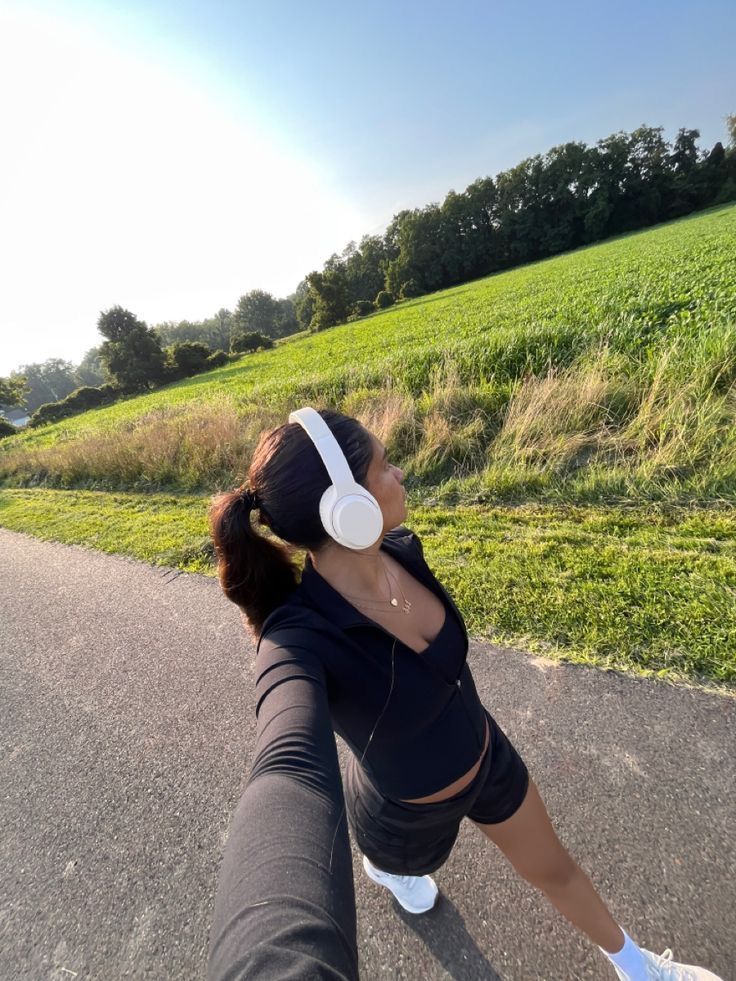
Walking groups: You know, a lot of uncles and aunties have walking groups. My mother has one too. I didn’t realise it before, but I do now.
Religious/community centres: This can be really good for someone who is religious. And for someone who loves to have big communities.
Hobby clubs: A group of people who do golf together, painting, reading, music, it can be anything. Any hobby that you or your friends, or even a stranger you have common ideas.
There are so many more like: Public events, gyms, and local classes can all become third places for us. The important thing is consistency and connection.
The Awkward Part: You Have to Keep Showing Up
I understand, building a third place doesn’t happen after one visit. You have to give it time, visit more often. Get to know locals / regulars there. Then, you become familiar by returning.
Relationships often grow through repeated small interactions, not dramatic friendship moments. Try to talk to people more, yes, it can be hard for people, but we can push ourselves just a little bit more for it. If you can’t that is fine too, third places don’t need to be with a community or friends.
It is especially important for adults who feel like everyone already has their friend group. People who find it hard to fit in, in already established groups / communities.
Maybe We’re Not Bad at Making Friends. Maybe We Lost the Spaces That Make Friendship Possible
Like, in school, it’s so much easier to make friends, because we are all on the same level of intelligence and on the same wave length. Kids are quite great at making friends and having groups. Friendships used to form naturally through repeated proximity.
As adults, we often expect friendship to happen instantly, while rarely putting ourselves in spaces where we repeatedly see the same people. I have like 4-5 friends in the office, and we don’t talk when working from home. My friends ask to make plans, but to be honest, I don’t like going out with anyone other than my 3 besties.
Conclusion: Adults Don’t Just Need More Friends. They Need More Places to Belong
Maybe adults don’t just need more friends. Maybe we need more places where friendship has the chance to happen.
A third place isn’t about constantly socialising or surrounding yourself with people. It’s about having somewhere outside of home and work where you can simply exist. Somewhere you don’t need an invitation to enter. Somewhere your presence feels familiar. Somewhere, over time, people might notice when you haven’t shown up.
Because sometimes loneliness isn’t about having no one in your life. Sometimes it’s about having nowhere to go where you feel like you belong.
And maybe that’s what so many of us are desperately looking for: not another person to fill our lives, but a place that slowly starts to feel like it has a space for us in it.
Where is your third place, and if you don’t have one, when did you stop having one?




































 Ladyink with love