Tag: relationships

  • Why Adults Need Third Places More Than Ever

    Hmm… I am tired, really tired. My life, my adult life, is so boring. To be honest, it is repetitive. Wake up, work, back home, sleep. Rinse and repeat. It’s almost the same on weekends as well, I don’t really do much on weekends, I just read a book, or watch some podcasts. I can’t even watch a show anymore, I start getting bored. I stopped exercising as well, which wasn’t fun. But I am working on a better routine, and to get back to things I have missed due to my pessimism. 

    I am at a place, when I don’t want to go to work, nor do I want to stay at home. I need a third place. I don’t have one, which is why on my week offs, I just stay in my room and journal my thoughts. Which aren’t productive either. 

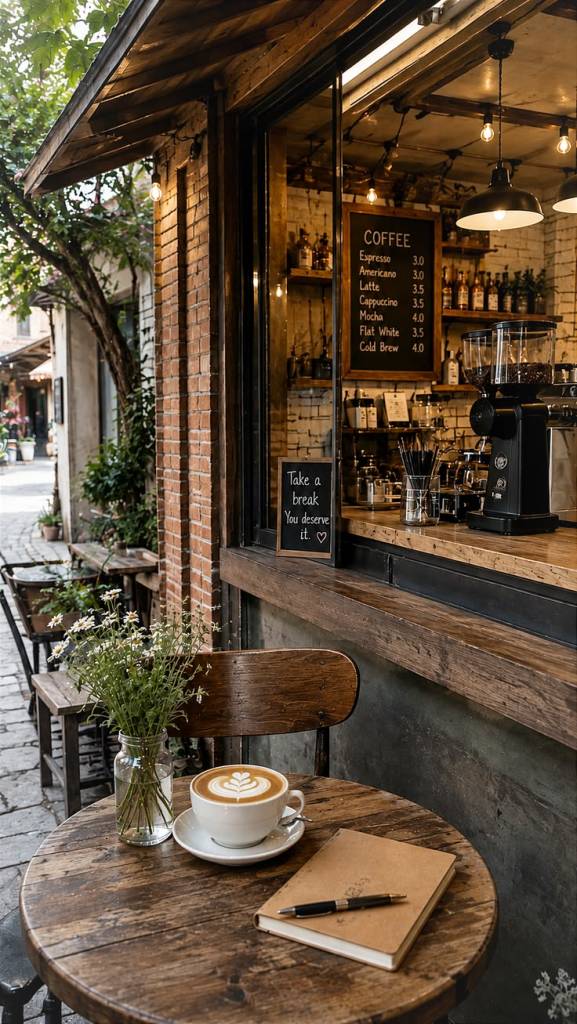
    I think I need a third place for myself, that is not home nor work. A cafe? A library? A store? A Market? A gym (I did join it, but it was small and they were forcing me for a private session so I left and started exercising at home)? Maybe a hobby group? A park (Wait, there aren’t any near my place)? Something. I asked my friends to start a book club, but you know that never happened. I really need something for myself to do on my weekends to get out of my mundane life. 

    What Exactly Is a Third Place?

    The concept of a third place is built on the idea that human well-being requires a distinct space outside of home and work to cultivate community and unwind.

    Sociologist Ray Oldenburg introduced this concept to highlight spaces where you can gather informally, meet new people, and experience a sense of belonging without financial or social pressure.

    A third place is a social environment separate from your home (the first place) and your workplace or school (the second place). Coined by sociologist Ray Oldenburg, these public or semi-public spaces foster regular, voluntary, and informal gathering, helping people connect with their communities and feel a sense of belonging.

    The first place represents your domestic environment. It is the foundation of your daily life, offering private shelter and security away from public scrutiny.

    The second place represents your productive environment. It is the structured setting where you spend a significant portion of your day dedicated to labor, education, and economic survival.

    Why Adults Lose Their Third Places

    There are many reasons why adults lose or can’t find their third place. Some of those reason are : 

    • Growing work hours and exhaustion : We usually work 9-5 or more working hours, that takes most of our time.
    • Friendships becoming harder to maintain : The more we grow, the more responsibilities we have and those responsibilities make it harder to maintain any friendships.
       
    • Everything becomes expensive : Capitalism sucks, and we all are a part of it. And this makes it harder for people to do regular visits to a cafe, or any spaces because it costs money, and not everyone can afford it.
    • Socialising increasingly moving online : With the internet, it is much easier to keep in touch with your friends or social communities online, so people have started avoiding getting together.
    • The pressure to make every outing productive, useful, or worth the money : I have felt this too, me and my friends used to have so many things planned for one outing and it would make it overwhelming for us.
    • Moving cities and losing familiar communities : A lot of times, people move from their homes to different places for better opportunities which results in loss of your third place or communities.

    The Loneliness Nobody Talks About

    You can be surrounded by people yet still feel lonely if your interactions lack deep emotional connection or vulnerability. Coworkers and social media followers often provide superficial, role-based, or performative contact rather than genuine intimacy. If you cannot share your true thoughts and feelings with the people around you, you remain isolated inside your own experience.

    Additionally, family and friend dynamics can sometimes feel more draining than supportive due to unmet expectations or a lack of mutual understanding. Social media complicates this by fostering comparison, leaving you feeling left out even while digitally connected. True belonging requires being seen and accepted for who you are, which a large quantity of shallow relationships simply cannot provide.

    Adults often need connection without having to schedule a formal dinner three weeks in advance. The lives we live as an adult require scheduling and managing more than we sometimes think. I have to plan my offs weeks in advance in order to get them approved if I have to go anywhere. And that is not something I look forward to.

    Also, sometimes people just need to be around other humans without performing, networking, dating, or explaining themselves. I love when me and my friends go somewhere and all we do is talk, that’s all. Our thoughts, our lives, our wishes, we talk about everything. And thise are some of my favourite types of outings.

    Third Places Give Us Something Home and Work Can’t

    I don’t know what it is, but I desperately need a sense of belonging outside family roles and professional identity. I have been stuck at home for 3 weeks now, and I feel like I am suffocating. And that has made me realise how important it is to have a life outside home and work. Or at least a place I can just go to, to get peace of mind. 

    We all need it. A space where you’re not someone’s employee, parent, child, partner, or caregiver. You can simply be a regular. Just get your journal, walk in a park or go to a cafe, and sit down with your favourite drink, and just let your shoulders relax. The comfort of familiar faces, routines, and casual conversations is like a dream.

    Why This Matters More Now

    Remote work and hybrid work have blurred the boundaries between home and work. Especially for me, I work from home for 4 days and 1 day at the office. So for me, my room has the same vibe as the office and I dread it so much. I hate waking up, showing up and sitting down at my desk to start working and I stay there for 9hours… That is not normal.

    Many people spend more time online but feel less connected in real life. We are all glued to our phones, but it is still lonely somehow. Communities have become harder to build organically now. It is harder to meet new people every day and start a conversation. I don’t even talk to my co-workers on my work from home days. If it’s not a meeting, we are not talking. 

    And then adult friendships often require too much planning and effort. I start planning months in advance just to meet my friends once in a month. That is so unreal. I don’t know what I am doing, and this is definitely not the life I wanted for myself.

    It Doesn’t Have to Be a Fancy Café

    So, I have decided to find a third place, where I can go whenever I want. I am on a hunt to find a place that doesn’t cost me money. 

    Like… Libraries: I love books, this makes sense. 

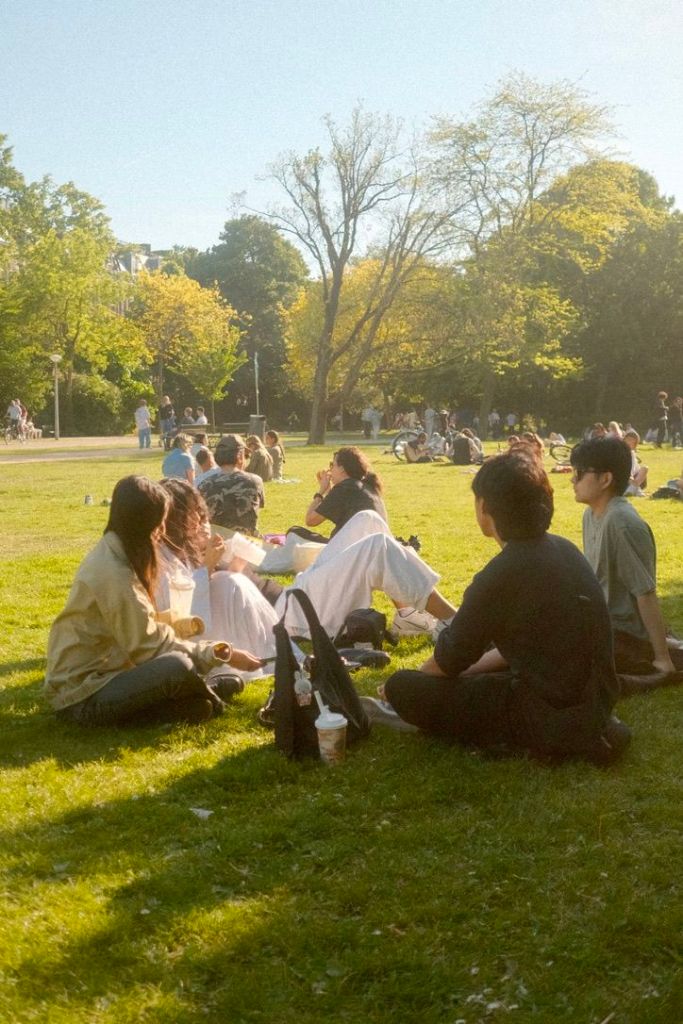
    Parks: There really aren’t any near me, but if you have parks, go for it. 

    Walking groups: You know, a lot of uncles and aunties have walking groups. My mother has one too. I didn’t realise it before, but I do now. 

    Religious/community centres: This can be really good for someone who is religious. And for someone who loves to have big communities.

    Hobby clubs: A group of people who do golf together, painting, reading, music, it can be anything. Any hobby that you or your friends, or even a stranger you have common ideas.

    There are so many more like: Public events, gyms, and local classes can all become third places for us. The important thing is consistency and connection.

    The Awkward Part: You Have to Keep Showing Up

    I understand, building a third place doesn’t happen after one visit. You have to give it time, visit more often. Get to know locals / regulars there. Then, you become familiar by returning.

    Relationships often grow through repeated small interactions, not dramatic friendship moments. Try to talk to people more, yes, it can be hard for people, but we can push ourselves just a little bit more for it. If you can’t that is fine too, third places don’t need to be with a community or friends.

    It is especially important for adults who feel like everyone already has their friend group. People who find it hard to fit in, in already established groups / communities. 

    Maybe We’re Not Bad at Making Friends. Maybe We Lost the Spaces That Make Friendship Possible

    Like, in school, it’s so much easier to make friends, because we are all on the same level of intelligence and on the same wave length. Kids are quite great at making friends and having groups. Friendships used to form naturally through repeated proximity.

    As adults, we often expect friendship to happen instantly, while rarely putting ourselves in spaces where we repeatedly see the same people. I have like 4-5 friends in the office, and we don’t talk when working from home. My friends ask to make plans, but to be honest, I don’t like going out with anyone other than my 3 besties. 

    Conclusion: Adults Don’t Just Need More Friends. They Need More Places to Belong

    Maybe adults don’t just need more friends. Maybe we need more places where friendship has the chance to happen.

    A third place isn’t about constantly socialising or surrounding yourself with people. It’s about having somewhere outside of home and work where you can simply exist. Somewhere you don’t need an invitation to enter. Somewhere your presence feels familiar. Somewhere, over time, people might notice when you haven’t shown up.

    Because sometimes loneliness isn’t about having no one in your life. Sometimes it’s about having nowhere to go where you feel like you belong.

    And maybe that’s what so many of us are desperately looking for: not another person to fill our lives, but a place that slowly starts to feel like it has a space for us in it.

    Where is your third place, and if you don’t have one, when did you stop having one?
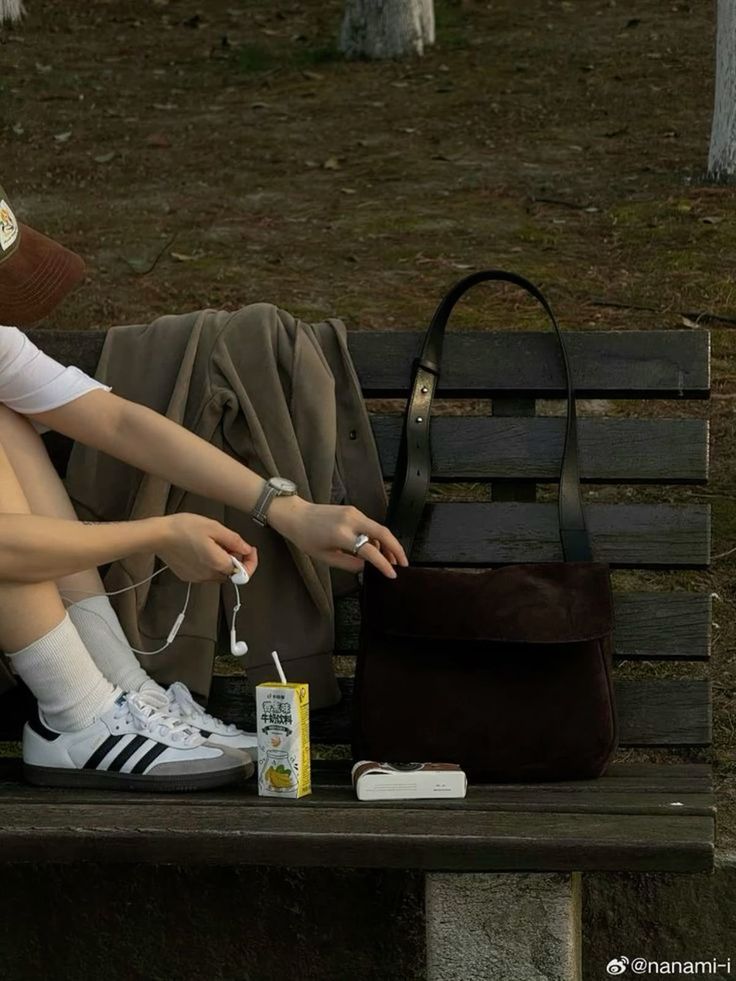

  • Things That Feel Illegal but Aren’t

    The Universal Fake-Crime Experience

    You know that weird feeling when you’re doing something completely legal, socially acceptable, and morally harmless, but your brain is convinced you’re about to get arrested?

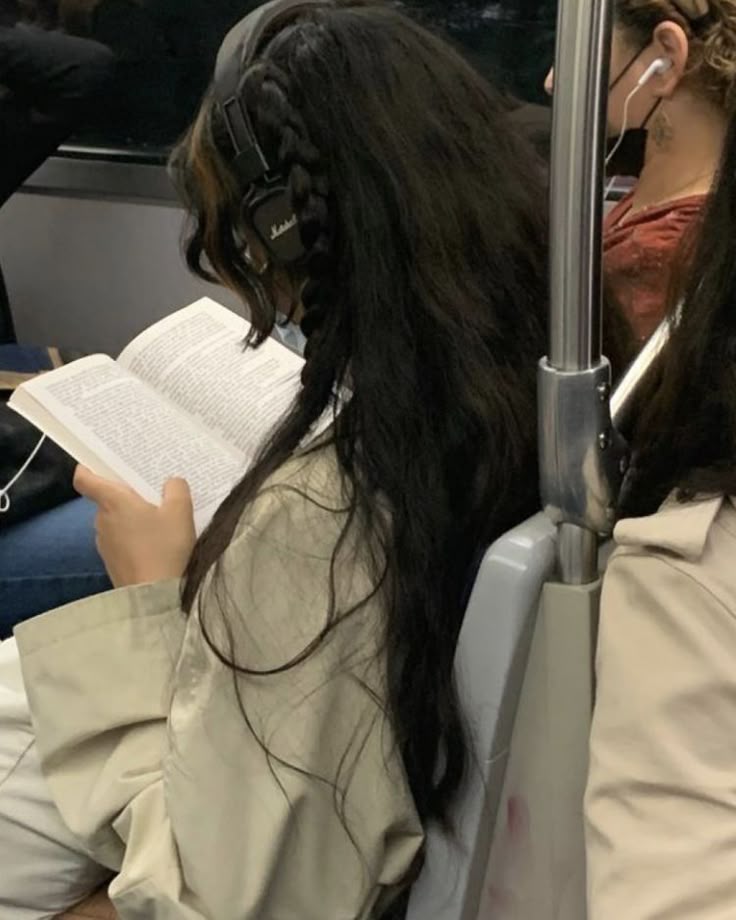
    That’s how I’ve started feeling about reading in public lately. I recently came across a reel of a woman reading How to Kill a Man and Get Away with It on public transport, and a man posted it hating on the woman saying she is working on becoming a criminal, without even knowing what is inside the book.

    Then Instagram started suggesting similar content to me… People saying how they think reading in public is performative and the people are just posing to get posted on instagram and feel different.

    Which is a very stupid take, I don’t think anyone who reads in public is performing, how did we even come to that conclusion.

    That got me thinking about all the completely normal things we do that somehow feel illegal. 

    The Main List

    Some of these things include: 

    Everyday Life

    • Walking out of a shop without buying anything
    • Leaving a store after only looking around
    • Taking extra ketchup packets
    • Using a café bathroom, without ordering
    • Walking into a hotel lobby when you’re not staying there
    • Returning something after trying it on at home

    Workplace

    • Leaving work exactly on time
    • Taking your full lunch break
    • Logging off without checking messages one last time
    • Taking a sick day when you’re genuinely sick
    • Ignoring work messages after office hours
    • Actually using your paid leaves

    Public Places

    • Reading in public.
    • Walking into a building you’re unfamiliar with
    • Being the last customer in a store before closing
    • Sitting somewhere without buying anything
    • Crossing an empty road
    • Going into a restaurant just to look at the menu

    Social Media and Social Situations

    • Replying to someone’s message hours later
    • Unfollowing someone without blocking them
    • Watching someone’s story immediately after they post it
    • Accidentally liking an old photo while stalking their profile
    • Leaving a group chat without making an announcement
    • Reading a message and forgetting to reply

    Why Do These Things Feel Illegal?

    I think we’re overly aware of people watching or judging us, and always assuming the worst of us. We’ve been conditioned to always be polite and avoid inconveniencing others.We’re often taught to be polite, fit in, and avoid inconveniencing others before we’re taught to simply take up space as ourselves. Sometimes we feel like we need permission to simply exist in public spaces, which is not true. The world is as much ours as it is anyone else’s.  

    Our brains love creating unnecessary worst-case scenarios in our heads. Like what if someone is saying something bad about us, what if they think we are mean, what if they don’t like how we are dressed, and so many more. Social anxiety can turn completely normal behaviour into a dramatic internal crime scene.

    As an introvert myself, every time I go out I feel like people are watching me. I am a confident person, but that doesn’t mean I am not screaming internally every time a stranger looks at me a second longer than necessary. And you know what the worst part is, The stranger is probably going through the same scenarios in their own minds. 

    Conclusion

    Maybe we’re not actually doing anything suspicious. Maybe society has simply convinced us that existing in public requires a valid reason, a receipt, permission from management, and possibly three witnesses.

    I don’t know if we can do anything to stop it, all I know is, we can work on ourselves and our social anxiety. We can try and stop giving af about people around us and just keep living and winning in our own lives. 

    What’s something completely legal that makes you feel like you’re committing a crime?

    Let me know your thoughts below 


  • Hyper-Independence: When Strength Becomes a Survival Mechanism

    Understanding why some people find it easier to carry every burden alone than to ask for support.

    I am a hyper-independent woman myself. All my life I thought I really didn’t need anyone else.
    Don’t need to ask for help, in fact offering others my help without even looking for anything in return.
    I always thought it’s badass that I am so independent and don’t need others at all, and I can do things by myself.
    But turns out, it’s a trauma!! 🎉
    You are telling me that I am traumatised to the point I don’t ask for anything from people?
    Well that kinda checks out…
    I was recently thinking about a chat I had with my best friends, where I in a way very proudly said, “I don’t really ask people for anything at all, I cannot ask people for help. I don’t think I need it much. I can’t even ask my own mother for money, even if I need it.” My friends had a really valid concern on their faces.
    At that time, I didn’t think it was such a huge deal, and then I came across a psychologist on Instagram, who was talking about how hyper-independence in people is a trauma response.
    And I decided to dig deep…
    I did a lot of research and all I found out was that I have issues. A lot of issues that need to be addressed someday.
    So, I am gonna do it one at a time. 😀

    What is hyper-independence?
    It’s definitely not a personality trait. It’s not good either.
    According to Google: “It is an extreme, unwavering insistence on self-reliance where a person is unable or unwilling to depend on others, even in times of dire need. Far from just being highly capable, it is a psychological defense mechanism where doing everything alone feels like the only way to stay safe.”

    And that made me question:

    Why do people develop Hyper-independence?
    Why does one’s brain choose this path as a survival instinct?
    Here are some major reasons, with enough depth to build a blog or research from.
    1. Childhood Emotional Neglect
    One of the most common causes.
    A child doesn’t necessarily need to be physically neglected. Emotional neglect happens when their feelings, fears, or needs are consistently ignored, dismissed, or minimized.
    Examples:
    “Stop crying.”
    “You’re too sensitive.”
    “Deal with it yourself.”
    Over time, the child learns that no one is coming to help me. I have to handle everything on my own. As an adult, asking for help can feel uncomfortable or even shameful.

    1. Parentification (Growing Up Too Fast)
    Some children become caregivers long before they’re emotionally ready.
    They may:
    Take care of younger siblings.
    Mediate fights between parents.
    Become their mother’s emotional support.
    Manage household responsibilities.
    Worry about finances.
    Instead of being cared for, they become the caretaker. As adults, they often feel responsible for everyone else’s well-being while neglecting their own.

    1. Growing Up in an Unpredictable or Unsafe Environment
    If home life was chaotic because of conflict, addiction, abuse, frequent criticism, or instability, children often learn that depending on others is risky.
    Hyper-independence becomes a way to create control.
    The mindset becomes:
    “If I rely on no one, no one can disappoint or hurt me.”

    1. Repeated Betrayal or Broken Trust
    Sometimes hyper-independence develops later in life.
    Experiences such as:
    Being cheated on.
    Friends abandoning them.
    Family members breaking promises.
    Being repeatedly let down.
    can create the belief that trusting people only leads to pain. Instead of risking disappointment again, they decide to rely only on themselves.

    1. Being Rewarded for Being “The Strong One”
    Many children receive praise not for expressing emotions but for suppressing them.
    People say:
    “You’re so mature.”
    “You’re the responsible one.”
    “You’re the strong child.”
    While these sound like compliments, they can teach someone that their value comes from being capable rather than being cared for.
    Eventually, vulnerability feels like failure.

    1. Cultural and Gender Expectations
    Many societies encourage girls to be self-sacrificing, emotionally responsible, and resilient. At the same time, asking for help may be interpreted as:
    Weakness.
    Failure.
    Being a burden.
    In other contexts, boys may be taught that expressing vulnerability is unmanly. Although the expectations differ, both can contribute to hyper-independence.
    The result is people who struggle to receive support, even when they desperately need it.

    1. Fear of Being a Burden
    Some people grow up believing their needs inconvenience others.
    They may have heard:
    “Don’t trouble people.”
    “Handle it yourself.”
    “Everyone has their own problems.”
    As adults, they apologize for needing help and often stay silent even when they’re overwhelmed.

    1. Perfectionism
    Hyper-independence often goes hand in hand with perfectionism.
    People may think:
    “No one can do it as well as I can.”
    “If I want it done right, I’ll do it myself.”
    While this can lead to high achievement, it also creates chronic stress, exhaustion, and difficulty delegating.

    1. Fear of Rejection or Vulnerability
    Accepting help requires trust. For someone who fears rejection, asking for help can feel like exposing themselves to possible criticism or abandonment. It’s emotionally safer to struggle alone than risk hearing:
    “No.”

    1. Trauma
    Whether from childhood or adulthood, traumatic experiences can change how someone views the world. Hyper-independence can become a survival strategy because it creates an illusion of safety.
    The belief becomes:
    “If I control everything myself, I won’t be hurt again.”

    1. Low Self-Worth
    Some people don’t believe they deserve care.
    They may think:
    “Other people deserve help more than I do.”
    “I should be able to handle this.”
    “My problems aren’t important.”
    They freely support others but deny themselves the same compassion.

    1. Confusing Independence with Self-Worth
    Many people grow up equating independence with success. Being independent is healthy. Believing you must never need anyone is not.
    Healthy independence says:
    I can take care of myself, and I can ask for help when I need it.
    Hyper-independence says:
    If I need help, I’ve failed.

    Hyper-Independence might look like freedom, but it slowly becomes a cage built for protection.

    How Do People Develop Hyper-Independence?
    1. They Learn That Their Needs Won’t Be Met
    Hyper-independence often begins when someone repeatedly reaches out for comfort, support, or reassurance and doesn’t receive it.
    Instead of learning that it’s safe to depend on others, they begin to expect disappointment. Over time, they stop expressing their needs altogether, convincing themselves that relying on others only leads to frustration or hurt.
    The belief becomes:
    “If no one is going to help me, I need to learn to do everything myself.”

    1. They Start Solving Problems Alone
    Once people stop expecting support, they begin handling every challenge independently. Whether it’s emotional pain, financial struggles, schoolwork, or family responsibilities, they teach themselves to cope without asking for assistance.
    At first, this feels empowering. Over time, it becomes their default way of functioning. Eventually, asking for help feels unfamiliar, uncomfortable, or even impossible.

    1. Self-Reliance Gets Reinforced
    Every time they successfully manage a difficult situation alone, their brain receives confirmation that independence is the safest option.
    They begin associating self-reliance with survival. The more they cope alone, the harder it becomes to imagine depending on anyone else.

    1. They Build Emotional Walls
    As disappointment accumulates, people often protect themselves by becoming emotionally guarded. They stop sharing vulnerable thoughts, avoid discussing their struggles, and become uncomfortable with emotional dependence.
    This isn’t because they don’t want connection. It’s because emotional distance feels safer than risking rejection or disappointment.

    1. Independence Becomes Part of Their Identity
    Eventually, hyper-independence stops being a coping strategy and becomes part of how they see themselves.
    They begin describing themselves as:
    “I’m just very independent.”
    “I don’t need anyone.”
    “I’ve always handled things on my own.”
    What started as a survival response gradually becomes a core part of their identity.

    1. They Mistake Isolation for Strength
    Because they have survived by relying on themselves, they may begin to believe that needing others is a sign of weakness.
    They pride themselves on carrying everything alone, even when it comes at the cost of their mental health, relationships, or well-being.
    Strength becomes measured by how much they can endure in silence.

    1. They Feel Guilty When Others Help Them
    Over time, receiving support can feel more uncomfortable than giving it.
    They may:
    Minimize their own struggles.
    Decline offers of help.
    Feel indebted when someone does something for them.
    Rush to “repay” kindness immediately.
    Instead of experiencing support as comforting, they experience it as something they have to earn or compensate for.

    1. The Cycle Becomes Self-Perpetuating
    Because they rarely ask for help, people assume they don’t need it.
    As a result, others stop offering support, which reinforces their belief that they can only rely on themselves.
    Without realizing it, they create a cycle where their independence keeps confirming the very belief that caused it in the first place.

    How does one heal from it?
    1. Redefine What Strength Means
    Many hyper-independent people equate strength with handling everything alone. Healing begins by challenging that definition.
    True strength isn’t measured by how much you can carry by yourself. It’s measured by your ability to recognize when you need support, adapt to challenges, and build healthy interdependence.
    Instead of asking,
    “Can I do this alone?”
    Ask,
    “Do I have to?”

    1. Learn to Receive Without Feeling Guilty
    Giving often feels natural. Receiving can feel uncomfortable. Practice accepting small acts of kindness without immediately trying to repay them.
    For example:
    Let someone buy you coffee.
    Accept a compliment with a simple “Thank you.”
    Let a friend help you move or run an errand.
    Receiving support isn’t taking advantage of people. It’s allowing relationships to be mutual rather than one-sided.

    1. Build Trust Gradually
    Healing doesn’t require trusting everyone overnight.
    Start by identifying people who have consistently shown reliability, honesty, and respect.
    Share something small before sharing something deeply personal.
    Trust is built through repeated positive experiences, not blind faith.

    1. Practice Asking for Small Favors
    If asking for help feels overwhelming, start with low-stakes requests.
    Examples:
    Ask someone for advice.
    Request feedback on your work.
    Let a colleague explain something instead of figuring it out alone.
    Each positive experience teaches your nervous system that asking for help doesn’t always lead to rejection or disappointment.

    1. Separate Independence From Isolation
    Being independent doesn’t mean refusing connection.
    Healthy independence allows you to:
    Make your own decisions.
    Support yourself financially or emotionally.
    Maintain your identity.

    Healthy connection allows you to:
    Lean on others during difficult times.
    Share responsibilities.
    Experience mutual care.

    The goal isn’t dependence. It’s balance.

    1. Become Aware of Your Automatic Responses
    Hyper-independence often operates on autopilot. Notice the moments when you instantly think:
    “I’ll just do it myself.”
    “It’s easier if I don’t ask.”
    “I don’t want to bother anyone.”
    Pause before acting.
    Ask yourself:
    “Am I choosing this because it’s genuinely the best option, or because it’s my default response?”
    Awareness creates room for different choices.

    1. Allow Yourself to Be Seen
    Many hyper-independent people let others see their achievements but hide their struggles.
    Healing involves letting trusted people witness not only your successes but also your fears, uncertainties, and moments of vulnerability. Connection deepens when people know the real you, not just the capable version of you.

    1. Stop Treating Rest as Something You Have to Earn
    People who are used to carrying everything often believe they deserve rest only after they’ve finished every task.
    But there will always be another task.
    Recovery isn’t a reward for productivity. It’s a basic human need that protects your physical and emotional well-being.

    1. Accept That Interdependence Is Healthy
    Psychologists often distinguish between dependence, independence, and interdependence.
    Dependence means relying entirely on others.
    Hyper-independence means relying only on yourself.
    Interdependence is the healthy middle ground, where people remain capable while also giving and receiving support.
    Most healthy relationships thrive in this middle ground.

    1. Be Patient With Yourself
    Hyper-independence often develops over many years. It won’t disappear after a few vulnerable conversations. There may be moments when asking for help still feels uncomfortable or exposing.
    That doesn’t mean you’re failing.
    Healing is less about becoming a different person and more about expanding your comfort zone, one small step at a time.

    🍁Conclusion.
    It is not a disease that needs to be cured, nor is it a problem that needs fixing.
    Hyper-independence may look like confidence from the outside, but for many people, it is a survival strategy born from experiences that taught them they could only rely on themselves. While being independent is a valuable quality, believing you must carry every burden alone can leave you emotionally exhausted and disconnected from the very support that helps us thrive. Healing doesn’t mean giving up your independence or becoming dependent on others. It means learning that strength and vulnerability can coexist. It’s about allowing yourself to trust, accept help, set healthy boundaries, and recognize that your worth has never been measured by how much you can endure in silence. You deserve relationships where care is mutual, support is freely given, and you don’t have to prove your strength by facing every challenge alone.

    I know now why I am like this and honestly, I am working on it. I hope you have found the reason too!!

    Let me know your thoughts below! 👇🏻💕


  • The difference between being wanted and being valued.

    A personal reflection on love, attraction, emotional depth, and genuine care. 

    I recently was watching a Turkish Show called “Sen Çal Kapımı”, and I fell in love with Serkan, he became my favourite thing on the show. Yes, the show followed a typical TV series trope from enemies to lovers, second change romance and memory loss, but I was still hooked. I knew it was stupid, but I was hooked. Because of Serkan. 

    Now his character was not the brightest, he had flaws a lot of them, but I loved how he redeemed himself, (and let’s be honest, I was in love with Kerem more). And that show made me reflect on myself and what I want. 

    Too deep.

    I know.

    But, I had a conversation with myself about what I want in my life, the kind of partner (if I ever get one) I would want to spend my life with. And I came to a realisation that I gravitate towards similar types of men. Emotionally available, intense, intelligent, intentional, sharp , witty and masculine men. Which is why characters like Serkan hit me so much.

    I like being valued more than being wanted. I want someone to respect me more than desire me. I want to be considered rather than just be attractive to someone. I refuse to be looked at like an object.

    I want the intensity, but I want respect too.

    I want to be desired, but I want to be considered too.

    I want attraction, but I want attentiveness too.

    There’s a huge difference between being wanted and being valued, yet people constantly confuse the two. Personally, I would choose being valued every single time. Being wanted may feel exciting, passionate, and validating in the moment, but being valued is what creates trust, stability, and genuine connection. 

    Being wanted is often tied to desire, attraction, loneliness, fantasy, or emotional need. It is connected to how someone feels around you and what you provide for them emotionally or physically. Being valued, however, goes deeper than attraction. It is about being respected, considered, appreciated, and treated with care. 

    A person can desire you deeply and still fail to treat you properly. That is the difference many people overlook.

    ✨ What Is Want?

    Want is emotional or physical desire toward someone. People are often drawn to others because they feel exciting, comforting, validating, attractive, or emotionally fulfilling. Attraction and desire are completely natural parts of human connection, and there is nothing inherently wrong with wanting someone.

    However, desire alone does not automatically create healthy love. Sometimes people become attached to the feeling another person gives them rather than genuinely appreciating who that person is. They may love the attention, comfort, validation, or emotional escape they receive without truly understanding or respecting the individual behind it.

    Want can feel intense and consuming, but intensity by itself is not proof of emotional depth. 

    🌿 What Is Value?

    Value is recognizing someone’s worth beyond what they can offer you emotionally or physically. It means appreciating them as a whole person, respecting their individuality, caring about their feelings, and treating them with thoughtfulness and consistency.

    Unlike desire, value is reflected through behavior. Someone who values you communicates honestly, respects your boundaries, supports you during difficult moments, and considers how their actions affect you. Their care is not dependent only on convenience, attraction, or emotional highs.

    While desire may draw people together, value is often what helps relationships survive beyond the initial excitement. 

    💭 Why Do People Crave Being Wanted More Than Being Valued?

    Being wanted feels emotionally powerful. It can make people feel attractive, chosen, important, and desired. That intensity creates excitement and instant emotional gratification, which is why so many people chase it.

    Society also glamorizes passionate pursuit far more than emotional stability. Movies, social media, and modern dating culture often portray obsession, jealousy, and constant longing as signs of deep love. Meanwhile, consistency, emotional maturity, and healthy communication are sometimes treated as boring simply because they feel calmer.

    The problem is that emotional intensity and emotional depth are not always the same thing. Someone can strongly desire you and still fail to respect you, prioritize you, or care for you properly. That is why desire alone is never enough. Without respect and consideration, intensity eventually becomes draining instead of fulfilling. 

    🌸 Why Should Value Matter More?

    Value matters more because it is revealed through actions rather than temporary emotions. Attraction changes. Feelings shift. Excitement naturally rises and falls over time. But the way someone consistently treats you says far more about the health of a relationship than emotional intensity ever could.

    Someone who truly values you listens to you, respects your boundaries, considers your feelings, and shows up even when things are difficult or inconvenient. They see you as a person, not just as a source of validation, comfort, or desire.

    Being wanted may give you butterflies, but being valued gives you peace, trust, and emotional security. 

    🌱 How Can People Learn to Value Respect Over Desire?

    Many people chase being wanted because they connect it to self-worth. Attention and attraction can feel validating, especially in a world where desirability is constantly tied to confidence, beauty, and social value. But eventually, people begin to realize that attention means very little when it comes without care or consistency.

    One of the healthiest mindset shifts is learning to focus less on how intensely someone feels about you and more on how they treat you daily. Instead of only asking:

    “Do they want me?”
    people should also ask:
    “Do they respect me?”
    “Do they support me?”
    “Do I feel safe, heard, and considered around them?”

    Building self-worth plays a huge role here too. People who value themselves are less likely to settle for relationships built only on attraction or emotional highs. They begin to understand that real love is not just about being desired, but about being genuinely appreciated and cared for as a whole person. 

    🚩 Choosing Better Partners

    Choosing better partners often comes down to paying attention to behavior rather than getting lost in chemistry or emotional intensity. Attraction can be powerful, but it should never be the only foundation of a relationship.

    Someone may know exactly how to make you feel wanted, but their actions will always reveal their true character over time. Do they communicate honestly? Do they respect boundaries? Are they emotionally reliable? Do their actions consistently match their words?

    Healthy relationships should bring clarity, trust, peace, and emotional stability instead of constant confusion, mixed signals, anxiety, or emotional chaos. Sometimes people mistake instability for passion simply because it feels intense. 

    Choosing better partners means prioritizing emotional maturity, communication, consistency, and mutual respect over temporary excitement or obsession.

    🤍 Conclusion

    In the end, being wanted and being valued are not the same thing. Desire may create attraction and excitement, but value is what creates trust, respect, and lasting emotional connection.

    Healthy relationships need both passion and care. There is nothing wrong with wanting or being wanted. But personally, if I had to choose between intense desire and genuine value, I would choose value every time. Because while attraction may pull people together, it is respect, consideration, and emotional care that make love last.