Tag: dailyprompt-1815

  • Why Adults Need Third Places More Than Ever

    Hmm… I am tired, really tired. My life, my adult life, is so boring. To be honest, it is repetitive. Wake up, work, back home, sleep. Rinse and repeat. It’s almost the same on weekends as well, I don’t really do much on weekends, I just read a book, or watch some podcasts. I can’t even watch a show anymore, I start getting bored. I stopped exercising as well, which wasn’t fun. But I am working on a better routine, and to get back to things I have missed due to my pessimism. 

    I am at a place, when I don’t want to go to work, nor do I want to stay at home. I need a third place. I don’t have one, which is why on my week offs, I just stay in my room and journal my thoughts. Which aren’t productive either. 

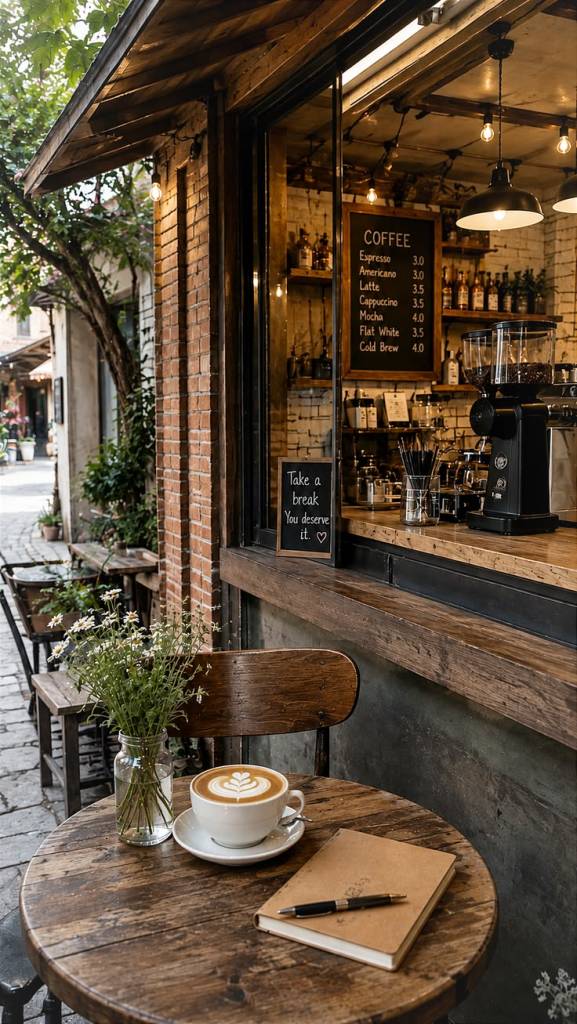
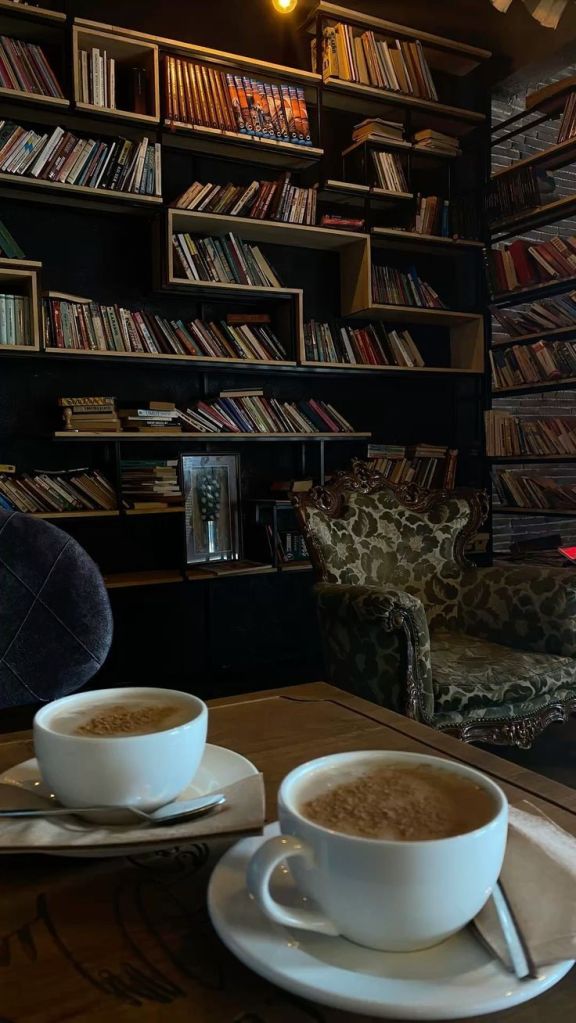
    I think I need a third place for myself, that is not home nor work. A cafe? A library? A store? A Market? A gym (I did join it, but it was small and they were forcing me for a private session so I left and started exercising at home)? Maybe a hobby group? A park (Wait, there aren’t any near my place)? Something. I asked my friends to start a book club, but you know that never happened. I really need something for myself to do on my weekends to get out of my mundane life. 

    What Exactly Is a Third Place?

    The concept of a third place is built on the idea that human well-being requires a distinct space outside of home and work to cultivate community and unwind.

    Sociologist Ray Oldenburg introduced this concept to highlight spaces where you can gather informally, meet new people, and experience a sense of belonging without financial or social pressure.

    A third place is a social environment separate from your home (the first place) and your workplace or school (the second place). Coined by sociologist Ray Oldenburg, these public or semi-public spaces foster regular, voluntary, and informal gathering, helping people connect with their communities and feel a sense of belonging.

    The first place represents your domestic environment. It is the foundation of your daily life, offering private shelter and security away from public scrutiny.

    The second place represents your productive environment. It is the structured setting where you spend a significant portion of your day dedicated to labor, education, and economic survival.

    Why Adults Lose Their Third Places

    There are many reasons why adults lose or can’t find their third place. Some of those reason are : 

    • Growing work hours and exhaustion : We usually work 9-5 or more working hours, that takes most of our time.
    • Friendships becoming harder to maintain : The more we grow, the more responsibilities we have and those responsibilities make it harder to maintain any friendships.
       
    • Everything becomes expensive : Capitalism sucks, and we all are a part of it. And this makes it harder for people to do regular visits to a cafe, or any spaces because it costs money, and not everyone can afford it.
    • Socialising increasingly moving online : With the internet, it is much easier to keep in touch with your friends or social communities online, so people have started avoiding getting together.
    • The pressure to make every outing productive, useful, or worth the money : I have felt this too, me and my friends used to have so many things planned for one outing and it would make it overwhelming for us.
    • Moving cities and losing familiar communities : A lot of times, people move from their homes to different places for better opportunities which results in loss of your third place or communities.

    The Loneliness Nobody Talks About

    You can be surrounded by people yet still feel lonely if your interactions lack deep emotional connection or vulnerability. Coworkers and social media followers often provide superficial, role-based, or performative contact rather than genuine intimacy. If you cannot share your true thoughts and feelings with the people around you, you remain isolated inside your own experience.

    Additionally, family and friend dynamics can sometimes feel more draining than supportive due to unmet expectations or a lack of mutual understanding. Social media complicates this by fostering comparison, leaving you feeling left out even while digitally connected. True belonging requires being seen and accepted for who you are, which a large quantity of shallow relationships simply cannot provide.

    Adults often need connection without having to schedule a formal dinner three weeks in advance. The lives we live as an adult require scheduling and managing more than we sometimes think. I have to plan my offs weeks in advance in order to get them approved if I have to go anywhere. And that is not something I look forward to.

    Also, sometimes people just need to be around other humans without performing, networking, dating, or explaining themselves. I love when me and my friends go somewhere and all we do is talk, that’s all. Our thoughts, our lives, our wishes, we talk about everything. And thise are some of my favourite types of outings.

    Third Places Give Us Something Home and Work Can’t

    I don’t know what it is, but I desperately need a sense of belonging outside family roles and professional identity. I have been stuck at home for 3 weeks now, and I feel like I am suffocating. And that has made me realise how important it is to have a life outside home and work. Or at least a place I can just go to, to get peace of mind. 

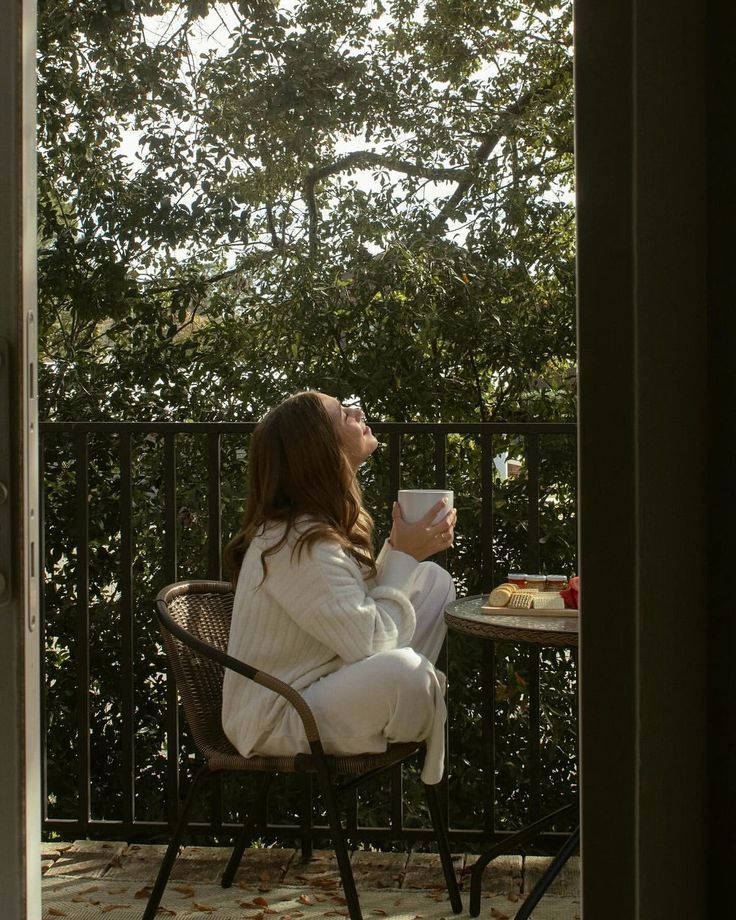
    We all need it. A space where you’re not someone’s employee, parent, child, partner, or caregiver. You can simply be a regular. Just get your journal, walk in a park or go to a cafe, and sit down with your favourite drink, and just let your shoulders relax. The comfort of familiar faces, routines, and casual conversations is like a dream.

    Why This Matters More Now

    Remote work and hybrid work have blurred the boundaries between home and work. Especially for me, I work from home for 4 days and 1 day at the office. So for me, my room has the same vibe as the office and I dread it so much. I hate waking up, showing up and sitting down at my desk to start working and I stay there for 9hours… That is not normal.

    Many people spend more time online but feel less connected in real life. We are all glued to our phones, but it is still lonely somehow. Communities have become harder to build organically now. It is harder to meet new people every day and start a conversation. I don’t even talk to my co-workers on my work from home days. If it’s not a meeting, we are not talking. 

    And then adult friendships often require too much planning and effort. I start planning months in advance just to meet my friends once in a month. That is so unreal. I don’t know what I am doing, and this is definitely not the life I wanted for myself.

    It Doesn’t Have to Be a Fancy Café

    So, I have decided to find a third place, where I can go whenever I want. I am on a hunt to find a place that doesn’t cost me money. 

    Like… Libraries: I love books, this makes sense. 

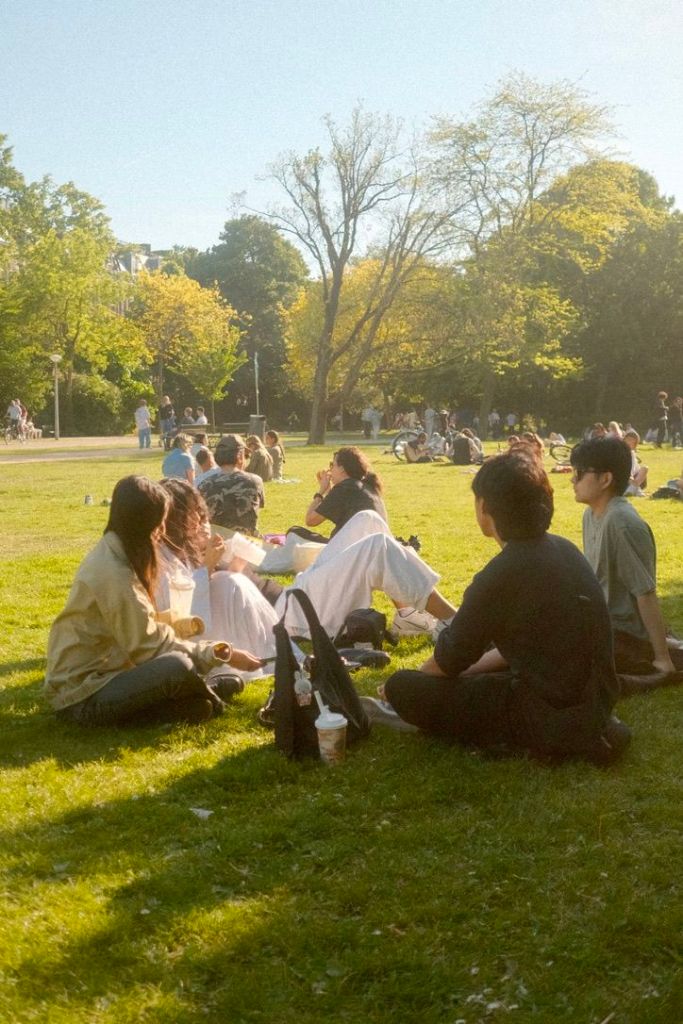
    Parks: There really aren’t any near me, but if you have parks, go for it. 

    Walking groups: You know, a lot of uncles and aunties have walking groups. My mother has one too. I didn’t realise it before, but I do now. 

    Religious/community centres: This can be really good for someone who is religious. And for someone who loves to have big communities.

    Hobby clubs: A group of people who do golf together, painting, reading, music, it can be anything. Any hobby that you or your friends, or even a stranger you have common ideas.

    There are so many more like: Public events, gyms, and local classes can all become third places for us. The important thing is consistency and connection.

    The Awkward Part: You Have to Keep Showing Up

    I understand, building a third place doesn’t happen after one visit. You have to give it time, visit more often. Get to know locals / regulars there. Then, you become familiar by returning.

    Relationships often grow through repeated small interactions, not dramatic friendship moments. Try to talk to people more, yes, it can be hard for people, but we can push ourselves just a little bit more for it. If you can’t that is fine too, third places don’t need to be with a community or friends.

    It is especially important for adults who feel like everyone already has their friend group. People who find it hard to fit in, in already established groups / communities. 

    Maybe We’re Not Bad at Making Friends. Maybe We Lost the Spaces That Make Friendship Possible

    Like, in school, it’s so much easier to make friends, because we are all on the same level of intelligence and on the same wave length. Kids are quite great at making friends and having groups. Friendships used to form naturally through repeated proximity.

    As adults, we often expect friendship to happen instantly, while rarely putting ourselves in spaces where we repeatedly see the same people. I have like 4-5 friends in the office, and we don’t talk when working from home. My friends ask to make plans, but to be honest, I don’t like going out with anyone other than my 3 besties. 

    Conclusion: Adults Don’t Just Need More Friends. They Need More Places to Belong

    Maybe adults don’t just need more friends. Maybe we need more places where friendship has the chance to happen.

    A third place isn’t about constantly socialising or surrounding yourself with people. It’s about having somewhere outside of home and work where you can simply exist. Somewhere you don’t need an invitation to enter. Somewhere your presence feels familiar. Somewhere, over time, people might notice when you haven’t shown up.

    Because sometimes loneliness isn’t about having no one in your life. Sometimes it’s about having nowhere to go where you feel like you belong.

    And maybe that’s what so many of us are desperately looking for: not another person to fill our lives, but a place that slowly starts to feel like it has a space for us in it.

    Where is your third place, and if you don’t have one, when did you stop having one?

  • Things That Feel Illegal but Aren’t

    The Universal Fake-Crime Experience

    You know that weird feeling when you’re doing something completely legal, socially acceptable, and morally harmless, but your brain is convinced you’re about to get arrested?

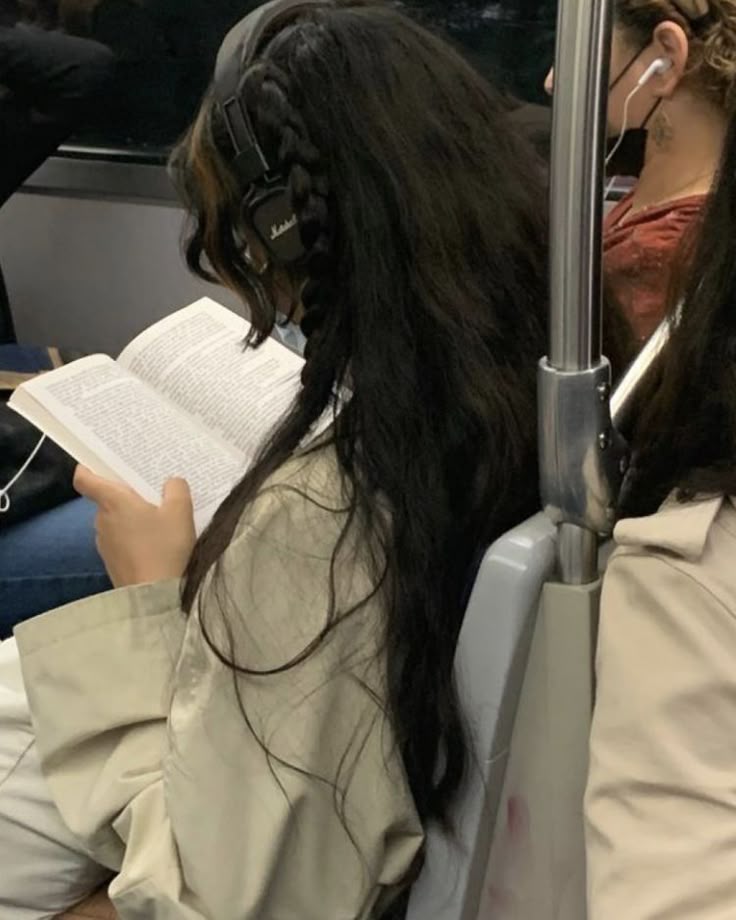
    That’s how I’ve started feeling about reading in public lately. I recently came across a reel of a woman reading How to Kill a Man and Get Away with It on public transport, and a man posted it hating on the woman saying she is working on becoming a criminal, without even knowing what is inside the book.

    Then Instagram started suggesting similar content to me… People saying how they think reading in public is performative and the people are just posing to get posted on instagram and feel different.

    Which is a very stupid take, I don’t think anyone who reads in public is performing, how did we even come to that conclusion.

    That got me thinking about all the completely normal things we do that somehow feel illegal. 

    The Main List

    Some of these things include: 

    Everyday Life

    • Walking out of a shop without buying anything
    • Leaving a store after only looking around
    • Taking extra ketchup packets
    • Using a café bathroom, without ordering
    • Walking into a hotel lobby when you’re not staying there
    • Returning something after trying it on at home

    Workplace

    • Leaving work exactly on time
    • Taking your full lunch break
    • Logging off without checking messages one last time
    • Taking a sick day when you’re genuinely sick
    • Ignoring work messages after office hours
    • Actually using your paid leaves

    Public Places

    • Reading in public.
    • Walking into a building you’re unfamiliar with
    • Being the last customer in a store before closing
    • Sitting somewhere without buying anything
    • Crossing an empty road
    • Going into a restaurant just to look at the menu

    Social Media and Social Situations

    • Replying to someone’s message hours later
    • Unfollowing someone without blocking them
    • Watching someone’s story immediately after they post it
    • Accidentally liking an old photo while stalking their profile
    • Leaving a group chat without making an announcement
    • Reading a message and forgetting to reply

    Why Do These Things Feel Illegal?

    I think we’re overly aware of people watching or judging us, and always assuming the worst of us. We’ve been conditioned to always be polite and avoid inconveniencing others.We’re often taught to be polite, fit in, and avoid inconveniencing others before we’re taught to simply take up space as ourselves. Sometimes we feel like we need permission to simply exist in public spaces, which is not true. The world is as much ours as it is anyone else’s.  

    Our brains love creating unnecessary worst-case scenarios in our heads. Like what if someone is saying something bad about us, what if they think we are mean, what if they don’t like how we are dressed, and so many more. Social anxiety can turn completely normal behaviour into a dramatic internal crime scene.

    As an introvert myself, every time I go out I feel like people are watching me. I am a confident person, but that doesn’t mean I am not screaming internally every time a stranger looks at me a second longer than necessary. And you know what the worst part is, The stranger is probably going through the same scenarios in their own minds. 

    Conclusion

    Maybe we’re not actually doing anything suspicious. Maybe society has simply convinced us that existing in public requires a valid reason, a receipt, permission from management, and possibly three witnesses.

    I don’t know if we can do anything to stop it, all I know is, we can work on ourselves and our social anxiety. We can try and stop giving af about people around us and just keep living and winning in our own lives. 

    What’s something completely legal that makes you feel like you’re committing a crime?

    Let me know your thoughts below 


  • Things That Instantly Make a Day Better

    Let’s be honest, not every day is amazing.

    Not every day needs to be life-changing to be a good day. Sometimes all it takes is one tiny moment that reminds you life isn’t so bad after all. The smell of rain, a stranger holding the door open, finding money in an old jacket, or hearing your favorite song at the perfect moment. These little things won’t solve your problems, but they can make today feel a little lighter.

    For me, there are days where I wake up with a bad or a headache, and then the entire day is ruined. But then there is that one thing that makes things better for me. 

    Here are some tiny moments that somehow make an ordinary day a whole lot better : 
    The List

    Instead of one long list, I came up with certain things in the entire days that makes it better for me.

    ☀️ Morning Wins
    Waking up before your alarm feeling rested : This is actually quite good. It makes me feel better about myself actually. 😀

    The first sip of lemon with chia seed water : As soon as I wake up, one of the first things I do is drink a full glass of water with lemon and chia seeds. And it makes me feel awake.

    A really good hair day : As a curly hair girly, it is really hard for me to have a good hair day, especially in summers, so when I do, it is a good day for me.

    Exercising / meditation : Now, I know that exercising is not for everyone, but I personally am getting into it. So, every day I exercise, it is an automatic good day for me.

    🍰 Tiny Everyday Joys
    Finding money in an old bag : I do know I have money lying around all the time, but when I don’t remember that I have money saved somewhere and I find it, it is such a good feeling.

    Your online order arriving early : This is my favourite. I order stuff all the time. So when I do get my orders early then remember, I get so excited to open them. Just on Saturday, I got my order of journals delivered to me, which was supposed to come on Sunday. So this was a win! 😂

    Crossing something off your to-do list : I have so many things I want to do, but don’t have much time. So when I cross off something I did it feels good.

    Finding a forgotten snack : Very rare, but when it happens, it feels so good. 

    🌿 Nature’s Magic
    The smell after rain : I love rain, it is one of the most beautiful and romantic weather. And the smell it leaves behind is so nice.

    A cool breeze on a hot day : It’s summer, so everytime I am out, the air is usually hot. But when the weather is a little better, the cold air hits so hard.

    Seeing stars at night : I love watching stars at night. It is such a stunning view. 

    📚 Cozy Comforts
    Starting a book you instantly love : Oh this have to be my favourite thing. When I go into a book knowing nothing and ends up falling in love with it.

    A warm blanket : In cold weather, a warm blanket is such a delightful feeling.

    Lighting your favorite candle : I don’t know about favourite, but I do love scented candles. It’s a pity that I can’t use it in the summer.

    Watching your comfort show : I have watched TVD and Friends millions of times, and I still watch it. I love those shows. 

    💛 Human Moments
    A genuine conversation : When I am with my people and we have genuine conversations. It has to be one of my favourite things to do.

    Receiving an unexpected text / call : A friend or someone I used to know calls to check in is lovely.

    Helping a stranger : It does feel nice when a stranger comes to you for help. Kinda makes me feel useful. 😁

    💤 Night Moments
    Journaling : My favourite thing in the entire days is journaling, and writing every thought and every thing that happened in the entire day.

    Gentle stretching : I do stretching before sleeping. I work from home on a desk everyday. So stretching helps a lot and makes my body feel relaxed. Listening to music : I listen to music before I sleep. It calms my mind. 

    🐈 The Little Unexpected Things
    Seeing a cat on your walk : I absolutely love cats. So when I see cats out and about, I just keep looking at them, and want to pet them, all the time. It’s a joyful feeling.

    Catching every green light : I hate travelling, and hate traffic, so the green lights just make my mood better. At least I don’t have to sit around in a car longer than required.

    Finding the cold side of the pillow : This only a summer thing (I think 﫢) because in winters I would hate it.

    Your phone charging faster than expected : I have a samsung, so it does charge faster.

    Your pen writing perfectly the first time : I love a good pen, which is why ink pens are my favourite.

    Bubble wrap : This is nostalgia. I did that as a kid, and I still do it today.

    Your food looking exactly like the menu picture : Oh god, every time I go to a new cafe or restaurant and the food is not good, that’s like a heartbreak and disappointment.   

    Conclusion
    We spend so much time waiting for vacations, promotions, birthdays, and big milestones that we forget how much happiness fits into an ordinary Tuesday. Maybe a good day isn’t made by one extraordinary event. Maybe it’s built from a hundred tiny moments that quietly remind us life is still beautiful.


  • What Happens When Every Memory Becomes Content?

    We document every meal, every vacation, every milestone. But are we preserving our lives or slowly replacing the experience with the performance of it?

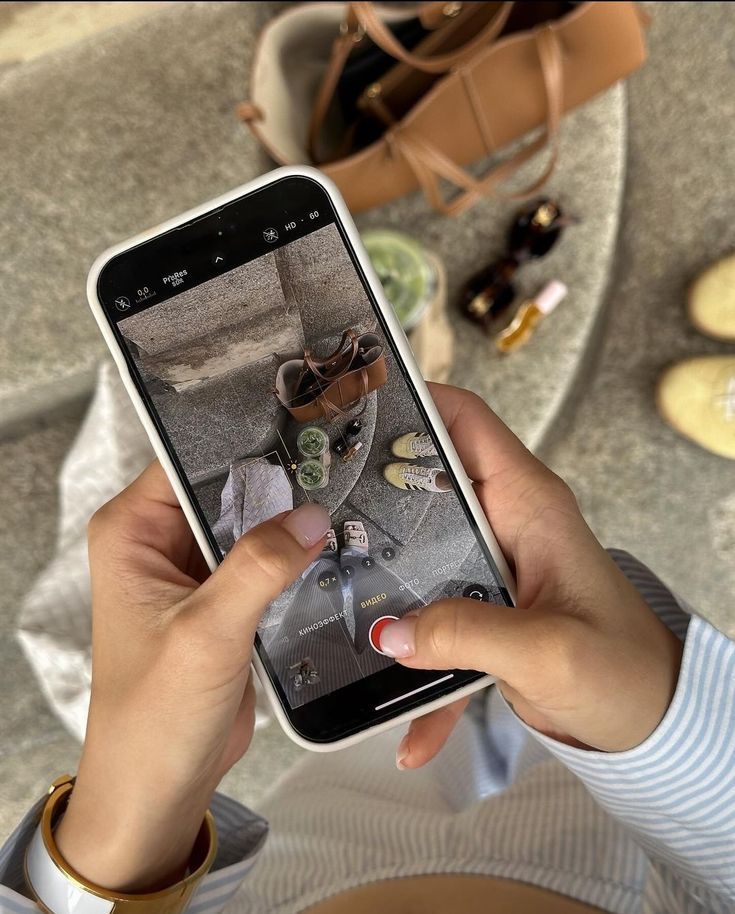
    Everytime we go anywhere, do anything, we always have to film it.

    Before eating, we photograph the food.
    Before watching the sunset, we record it.
    Before laughing with friends, someone says, “Wait, let me film this.”

    Whenever I go out with my friends, we take so many pictures all the time. Of every single thing, while getting ready, while on the way, after arriving, food, our picture, multiple videos of the places and people around it. It’s like we have forgotten to live in the moment.

    When did living become something we needed proof of?

    We’ve Always Wanted to Remember

    The desire to hold on to memories isn’t new. Humans have been doing it for centuries.

    Long before social media, people wrote diaries, saved letters, filled photo albums, made scrapbooks, and recorded home videos. They kept ticket stubs, postcards, pressed flowers, birthday cards, and little reminders of ordinary days that meant something to them.

    We remember because memory is part of who we are.

    It helps us make sense of our lives. It reminds us of where we’ve been, who we’ve loved, and how we’ve changed. Memories connect our past with our present, and they become the stories we tell ourselves about who we are.

    For thousands of years, memories were deeply personal. Even when they were shared, they were shared with family and friends, not with thousands of strangers.

    That’s the biggest difference today.

    The goal wasn’t an audience.

    It was remembrance.

    Today, many memories are created with the expectation that someone else will eventually see them.

    From Remembering to Performing

    Somewhere along the way, something changed.

    Experiences stopped being just experiences.

    They became content.

    Going out isn’t simply about spending time with people anymore. It’s also about finding good lighting, taking enough pictures, filming a few videos, choosing the right music, writing a caption, and deciding the best time to post.

    It almost feels like every experience happens twice.

    First, you live it.

    Then, you package it.

    It makes me wonder: would this moment still feel just as meaningful if nobody else ever saw it?

    Social media hasn’t just changed how we share our lives. It has changed how we design them.

    Restaurants are built with photo-worthy interiors. Cafés create drinks that look better than they taste. Tourist attractions have designated photo spots where people line up to recreate the exact same picture they’ve already seen online.

    Even the way we travel has changed.

    Instead of wandering through a city because we’re curious, we often chase locations we’ve already seen on Instagram. Sometimes we spend more time looking for the perfect angle than actually looking at the place itself.

    Without realizing it, we stop asking ourselves, Am I enjoying this?

    Instead, we ask, Will this make a good post?

    That’s the moment our experiences stop belonging entirely to us.

    They become performances for an invisible audience.

    Why Do We Feel the Need to Capture Everything?

    Of course, this doesn’t happen because people are shallow.

    There are real reasons behind it.

    We don’t want to forget.

    We don’t want to feel left out.

    We want to remember birthdays, vacations, concerts, and quiet afternoons with people we love.

    Social media adds another layer to that.

    Every like, comment, and view tells our brain that sharing is rewarding. Over time, posting becomes less of a choice and more of a habit.

    Slowly, our phones become external memory banks.

    We trust them to remember everything for us.

    Nothing really disappears anymore.

    Every photo, every video, every story sits somewhere in the cloud, waiting to be revisited.

    But that raises another question.

    If our phones are remembering everything for us, are we remembering any of it ourselves?

    Are We Actually Remembering More?

    You’d think that taking more pictures would help us remember more.

    Ironically, research suggests the opposite can happen.

    Psychologists call it the photo-taking impairment effect. When we know our phone is recording a moment, our brains sometimes become less invested in storing it. We trust the camera to remember for us.

    Instead of remembering how cold the breeze felt, how loud everyone laughed, or how excited we were, we remember the picture.

    We remember the angle.

    The filter.

    The caption.

    Our phones have become external hard drives for our memories, and while that’s incredibly convenient, it can also make us less present.

    Have you ever come home from a concert with dozens of videos you’ll probably never watch again?

    Or realized you spent an entire sunset looking at it through your screen instead of with your own eyes?

    Sometimes we’re so focused on preserving the moment that we forget to experience it.

    When Relationships Become Content

    It’s not just places and experiences anymore.

    It’s people.

    Relationships have quietly become one of the internet’s favourite forms of content.

    Couples vlog their dates. Friends post photo dumps after every outing. Pregnancy announcements become elaborate productions. Even breakups sometimes become public statements before they’ve been privately processed.

    None of this is necessarily wrong.

    Sharing joy has always been part of being human.

    But it does make me wonder:

    Does every meaningful relationship really need an audience?

    Some of the strongest friendships I’ve had aren’t defined by photos. They’re defined by conversations I’ll never be able to capture. The stupid inside jokes no one else would understand. The moments that mattered because they belonged only to us.

    Not every memory becomes more valuable once it’s shared.

    Sometimes it becomes less personal.

    Children are another example. Many now have thousands of photos online before they’re old enough to understand what it means to have a digital footprint. Their childhood becomes part of someone else’s online story long before they can choose whether they want it to be.

    It’s worth asking where we draw the line between preserving memories and publishing lives.

    When Your Life Becomes Your Brand

    The more we post, the easier it becomes to confuse who we are with how we’re perceived.

    Without realizing it, we start curating our lives.

    We choose what gets photographed.

    What gets posted.

    What gets remembered.

    Slowly, we begin editing our lives the same way we edit our feeds, keeping the polished moments and quietly hiding everything else.

    The messy days.

    The boring days.

    The lonely days.

    But those moments are just as much a part of our lives as the beautiful ones.

    The danger isn’t that we become dishonest.

    It’s that we start believing our edited version is the complete story.

    We’re no longer just documenting our lives.

    We’re writing an autobiography in real time, one post at a time.

    What We Lose

    Not everything needs to be documented.

    Some memories become more meaningful precisely because they were never recorded.

    A conversation that lasts until 2 a.m.

    A road trip where nobody thought to take a picture.

    A joke that only two people remember.

    A sunset you watched without reaching for your phone.

    Those moments don’t become less real because they weren’t posted online.

    If anything, they often become more special.

    Private joy has a different kind of beauty.

    It doesn’t need likes to prove it mattered.

    Maybe that’s what we’re slowly losing.

    Not our ability to take photos.

    But our ability to let a moment exist without feeling responsible for turning it into content.

    Conclusion

    Maybe the question isn’t whether we should stop taking pictures.

    I don’t think that’s the answer.

    Photographs have always helped us remember the people we love, the places we’ve been, and the lives we’ve lived. They preserve pieces of history that would otherwise fade with time.

    The real question is why we’re taking them.

    Is it because we genuinely want to remember this moment?

    Or because we want other people to know we were here?

    There’s nothing wrong with documenting our lives. The problem begins when documenting the moment becomes more important than living it.

    Not every sunset needs a time-lapse.

    Not every meal needs a photograph.

    Not every conversation needs an audience.

    And not every beautiful moment needs proof that it happened.

    Some memories are meant to stay exactly where they were created—in the hearts of the people who lived them.

    Maybe the richest memories aren’t the ones sitting in our camera rolls.

    Maybe they’re the ones that made us forget our phones were even there.

    Let me know your thoughts below 👇🏻💕


  • The Internet Killed Boredom. Did It Kill Imagination Too?

    What happens when every quiet moment is replaced with a scroll? 

    I don’t remember the last time I was bored. I’ve always found a way to fill every empty moment. It’s either a show, movie, a video or just random doom scrolling. 

    I just cannot sit in silence.

    That made me question if we really just killed boredom or also killed imagination with it.

    Honestly, I don’t think so, because I am still the same imaginative person that I was as a child. So, as much as I don’t believe in this argument, I want to see it from both sides of the coin.

    What boredom looked like before the internet?

    Before the internet took over, boredom meant so many things like, staring out of the car window, waiting at doctor’s clinics, lying on the terrace watching clouds, making random stories in your head, doodling in notebooks or reading shampoo bottles in the bathroom 😂

    Boredom wasn’t empty. It was waiting for your brain to create something. 

    Anything.

    And I miss it.

    I miss being able to just sit in my pitch black room and just being in my thoughts. Creating random stories with stupid scenarios. Or think of myself as the lead in a movie and just narrate all the things I would have done. Pretend to be a singer and win an award (Let’s be fair we all have done this 😂).

    Today, boredom lasts about five seconds

    Every pause gets filled with the internet. No one wants to just be in the movement. 

    I mean we have done it, standing in line → Instagram, elevator → phone, sitting alone → YouTube, bathroom → scrolling, waiting for food → Reels. 

    This is our daily life now. 

    Even I do this, I could be out with my friends, and if we stop talking for 5 minutes, all of us whip our phones out and start scrolling. We don’t really talk anymore, just spend our days sharing reels. 

    When was the last time your brain had nothing to do?

    I don’t remember this… Do you?

    What constant stimulation changes

    Creativity

    I would like to think I am quite a creative person, I have a lot of ideas. Not just about writing or reading, but about art too. I am working on my drawing and painting skills, because I want to be able to draw. It seems so fun. 

    So, why is there such a lack of creativity today?

    When I tried to learn about it more, a few things stood out to me 

    Lack of original ideas : Ideas need quiet. If every empty moment is filled, your brain never wanders.

    True innovation happens when the mind is under-stimulated and forced to connect disparate concepts. Constant input fills that void with other people’s ideas, leading to derivative thinking. 

    Surface-level problem solving: The brain defaults to quick, algorithmic solutions found online rather than enduring the mental friction required to invent unique solutions.


    Fear of the blank page: Because the brain is unused to emptiness, starting a creative project from scratch feels overwhelming and anxiety-inducing rather than exciting.

    Reading

    Oh my god, this has to be my favourite thing ever. I love reading.

    I’ve loved reading since I was a child. I started out with children’s books, expanding to Fanfictions and then to actual published books. 

    I just love reading.

    Even though I do see people online talk a lot more about reading now (Well, this could just be my Instagram feed for all I know.. 😌), I still think people are still unaware. 

    And when I did a little digging why that could be, I found out a few things 

    Loss of deep linear focus: Continuous scrolling trains the eye to skim text vertically for keywords rather than tracking lines horizontally. This makes reading long-form books feel physically exhausting.

    Eroded narrative patience: Dense world-building and slow-developing plots feel boring because the brain expects immediate narrative payoffs every few seconds.

    Weakened visualization: Books ask you to imagine. Videos imagine for you. When screens instantly provide vivid images, the mental muscle used to construct characters, settings, and scenes from plain text atrophies.

    Hobbies

    Instead of making things, we consume other people making things. We look at the videos or lifestyle the other people are living, instead of doing things ourselves to get to where we want to be. 

    The more I looked into it, the more I realized it wasn’t just me 

    Abandonment of slow-skill tracking: Hobbies with steep learning curves (like woodworking, knitting, or learning an instrument) are often dropped because they do not offer immediate digital gratification. And some of the factors could be : 

    Performative engagement: Hobbies shift from private acts of joy to content creation, where the value of the activity is measured by views or likes rather than the process itself.

    Micro-niche burnout: Constant exposure to hyper-optimized, expert-level hobbyists online creates intimidation, causing beginners to quit before they build competence.

    Daydreaming

    This is something I have mastered a lot actually. 

    I daydream even when I am watching something, like a video, a show or a movie, or even reading a book. All I do is pause it for a minute, imagine what I would have done, daydream about it for a while and then get back to it. (Yes, I know it can sound weird for a 29-year-old 🙄)

    Those moments disappear when attention is constantly occupied. It turns out there’s actually a psychological explanation for this. 

    Extinction of the Default Mode Network: Daydreaming requires the brain to drop into a resting state to process memories and identity. Constant stimulation overrides this, completely eliminating idle thought.

    Loss of internal narrative: Instead of reflecting on personal experiences or imagining future scenarios, the mind’s inner monologue is replaced by a loop of recently consumed audio, memes, and videos.

    Decreased self-awareness: Without the quiet space of a daydream to untangle emotions, people become less connected to their own underlying feelings and motivations.

    Is boredom actually a skill?

    You know what, maybe boredom isn’t a problem. Maybe it’s a muscle we’ve stopped using.

    Children naturally invent games. Adults immediately unlock their phones.

    Boredom itself is not a skill, but tolerating and utilizing boredom is a critical psychological skill called “boredom tolerance.”

    In a world engineered for instant gratification, the ability to sit with emptiness without reaching for a distraction is a modern superpower that must be practiced and maintained.

    When you actively build this skill, it unlocks advanced cognitive abilities like deep focus, emotional regulation, and original creativity. A bored mind is forced to activate its “default mode network,” the brain state responsible for daydreaming, processing memories, and making unique creative connections. Without this necessary friction, the brain never learns to entertain itself, leading to short attention spans and a low tolerance for real-world delays.

    You can practice and rebuild this skill through small, daily moments of intentional emptiness. Try leaving your phone in your pocket while waiting in lines, washing the dishes without background audio, or commuting in complete silence. Choosing to endure these minor gaps of under-stimulation trains your brain to handle low-input environments, transforming boredom from an uncomfortable emotion into a powerful tool for mental clarity. 

    The irony

    We have more entertainment than any generation before us.

    Yet people constantly say

    “I don’t know what to do.”

    That’s a fascinating contradiction.

    This paradox is driven by choice overload, where an abundance of options leads directly to anxiety and indecision. 

    Before the digital age, people chose from just a few books, three TV channels, or a handful of physical games. 

    Today, opening a streaming service means browsing tens of thousands of titles, triggering a constant fear of making the wrong choice. This mental fatigue makes the act of selecting a task feel exhausting, causing people to scroll aimlessly for hours and ultimately conclude that there is nothing worth doing.

    When I try to open Netflix or Amazon, I just get so confused on what to watch. I have a lot of shows I was looking forward to watching, but then I just get so overwhelmed that I just stop, and exit and end up just doom scrolling instead.

    At the same time, instant digital entertainment has turned us into passive consumers rather than active creators. When stimulation is always available at the push of a button, the brain stops practicing the skill of initiation, which is the mental effort required to start a hobby, read a book, or invent a game. When faced with free time outside of a screen, the mind feels temporarily paralyzed because it has forgotten how to bridge the gap between emptiness and action without a digital prompt.

    Finally, continuous exposure to fast-paced content keeps the brain’s dopamine baseline unnaturally high, desensitizing our reward pathways. This constant hyper-stimulation raises the threshold for what we perceive as interesting, making traditional activities like cooking, practicing an instrument, or taking a walk feel incredibly dull. The exclamation that someone does not know what to do really means that nothing in their immediate physical environment can compete with the effortless dopamine rush of a smartphone.

    Conclusion

    Now, I won’t tell you to delete Instagram.

    Social media isn’t inherently bad. It helps us stay connected, learn new things, discover communities, and even find inspiration. The problem isn’t that these platforms exist. The problem is that they’ve become our default response to every empty moment.

    But wandering isn’t wasted time. It’s where ideas collide. 

    It’s where memories resurface. It’s where questions become stories, problems find solutions, and creativity quietly begins to grow. Some of your best thoughts will never compete with a feed that’s constantly demanding your attention.

    So, instead of reaching for your phone the next time you have ten spare minutes, try doing nothing.

    Look out the window.

    Watch people walk by.

    Let your thoughts drift wherever they want to go.

    It might feel strange at first. Maybe even uncomfortable. That’s okay. 

    You’re not failing at being productive. You’re simply making space for your own mind again.

    Because creativity rarely arrives when we’re consuming. It often arrives in the pauses between everything else.

    What if the next good idea you’re waiting for is hiding inside ten minutes of silence?

    What if the answer to a problem you’ve been trying to solve isn’t another video, another post, or another podcast, but a conversation with your own thoughts?

    Maybe boredom was never something to escape.

    Maybe it was the doorway to curiosity.

    Maybe it was the quiet place where your mind could finally hear itself.

    And maybe imagination was never gone.

    It was just waiting for you to stop scrolling long enough to find it again.

    Let me know your thoughts below 👇🏻💕