Tag: Female friendships

  • Women Are Not Lonely. They’re Tired.

    Lately, I’ve been seeing more and more conversations online about the so-called “female loneliness epidemic.”

    Usually, the argument goes something like this:

    Women chose independence over relationships.
    Women rejected traditional roles.
    Women focused too much on careers.
    And now they’re supposedly ending up lonely, bitter, and emotionally unfulfilled.

    A lot of red pill content especially loves this narrative. It gets framed almost like a warning:
    “This is what happens when women become too independent.”

    But honestly, I think people are misdiagnosing the problem entirely. I was having this same discussion about my friends and wanted to know their inputs as well.

    One of my friends said:
    “It’s a bit general but also different in females, they can literally do anything but crave connection/companionship, even if we don’t like to admit it, it’s true up to a certain extent, it’s mainly our internal fears, avoidance or neglected feelings that we sometimes don’t know how to handle, maybe it’s different for others but I feel core in context of human psychological is, yes all the things we do to make ourselves better definitely help and shapes us but we cannot neglect the fact that we crave connection deep down”

    And my other friend said:
    “I think it’s just an experience but not real.. like if we change our mindset about loneliness we can change our life. I have worked on this in previous days and based on my experience, society has taught us to chase things. And chasing brings negligence to our own needs as our attention is directed towards chasing and if we don’t get that we feel lonely or broken, instead we should focus on our needs and goals, it literally kills loneliness”

    I kind of agree with it as well.

    Most women are not sitting alone in empty apartments desperately starved for human connection.

    They’re exhausted.

    And those are not the same thing.

    There’s a Difference Between Isolation and Exhaustion

    Male loneliness and female emotional exhaustion are often treated like identical social problems, but they operate very differently.

    A lot of lonely men genuinely lack connection.
    Many struggle with:

    • emotional intimacy
    • close friendships
    • physical affection
    • dating opportunities
    • emotional support systems

    For some men, loneliness is literal isolation.

    But when many women say they’re “tired,” the issue often isn’t lack of people.

    It’s the opposite.

    Too many demands.
    Too many expectations.
    Too much emotional output.
    Too much pressure to perform multiple roles perfectly at the same time.

    Women are often expected to:

    • succeed professionally
    • maintain relationships
    • emotionally support others
    • stay attractive
    • remain emotionally available
    • manage households
    • maintain social connections
    • care for family members
    • regulate conflict
    • keep everything functioning smoothly

    And somehow do all of this while appearing calm, grateful, and emotionally composed.

    That’s not loneliness.

    That’s overload.


    The Internet Keeps Mislabeling Burnout as Loneliness

    This is where I think online discourse gets lazy.

    Every emotional struggle gets flattened into the word “loneliness” because it’s dramatic, clickable, and emotionally charged.

    But emotional exhaustion is not always loneliness.

    A woman can:

    • have friends
    • have a partner
    • have coworkers
    • have family around her
    • have people texting her constantly

    …and still feel emotionally drained to the point of numbness.

    Not because nobody loves her.
    Not because she has no social life.
    But because she’s constantly giving.

    That’s a very different emotional reality from true social isolation.

    And honestly, calling every exhausted woman “lonely” oversimplifies what many women are actually experiencing.

    The Emotional Labour Problem Nobody Wants to Fully Address

    One thing I do think women experience heavily is emotional over-responsibility.

    A lot of women are socially conditioned to become emotional managers without even realizing it.

    They remember birthdays.
    They check in first.
    They smooth over tension.
    They notice emotional shifts.
    They keep conversations emotionally alive.
    They carry relational maintenance quietly in the background.

    Over time, this creates a dynamic where women are constantly emotionally “on.”

    And eventually, many become deeply tired of carrying emotional weight for everyone while suppressing their own needs to keep things functioning.

    Again, that’s not necessarily loneliness.

    It’s emotional fatigue.


    Red Pill Conversations Get One Thing Wrong

    A lot of red pill content interprets female exhaustion as regret.

    That’s the mistake.

    When women talk about being tired, overwhelmed, emotionally burnt out, or disconnected from themselves, some people immediately translate that into:
    “See? Women were happier in traditional roles.”

    But many women are not exhausted because they have too much freedom.

    They’re exhausted because modern society often expects them to do everything.

    Be independent, but still nurturing.
    Build a career, but still prioritize everyone emotionally.
    Be confident, but not intimidating.
    Be attractive, but effortless.
    Be emotionally intelligent, but never emotionally difficult.

    Women are expected to evolve professionally while still carrying many traditional emotional expectations at the same time.

    That combination creates pressure, not necessarily loneliness.


    Social Media Makes the Problem Worse

    Social media also adds another layer of exhaustion that people underestimate.

    Women are constantly consuming:

    • beauty standards
    • productivity culture
    • relationship content
    • self-improvement messaging
    • “perfect life” aesthetics

    Every scroll subtly sends the message:
    You should be doing more.
    Looking better.
    Healing faster.
    Achieving more.
    Balancing life better.

    Eventually, even rest starts feeling unproductive.

    And when people are emotionally overstimulated for long enough, they often mistake burnout for emptiness.


    Women Don’t Always Need More People. Sometimes They Need Relief.

    I think this is the part many conversations completely miss.

    Not every emotionally struggling woman needs:

    • more dating
    • more socializing
    • more attention
    • more people around her

    Sometimes she needs:

    • less pressure
    • less emotional responsibility
    • more reciprocity
    • actual rest
    • healthier boundaries
    • relationships where she doesn’t have to constantly perform strength

    There’s a huge difference between:
    “I have nobody”
    and
    “I’m tired of carrying everything.”

    One is isolation.
    The other is depletion.


    The Problem With Romanticizing “The Strong Woman”

    Modern culture praises women for being endlessly resilient.

    The woman who handles everything.
    The woman who never breaks down.
    The woman who supports everyone else.
    The woman who keeps going no matter how exhausted she feels.

    But strength without support eventually becomes self-erasure.

    A lot of women aren’t collapsing because they’re incapable.
    They’re collapsing because they’ve been emotionally functioning at unsustainable levels for years.

    And ironically, the more capable a woman appears, the less people often check if she’s okay.


    Conclusion

    I’m not saying female loneliness doesn’t exist. Of course it does.

    But I do think the internet is increasingly misusing the word “loneliness” to describe forms of emotional exhaustion that are actually rooted in pressure, burnout, emotional labour, and overstimulation.

    Many women are not emotionally starving because they have nobody.

    They’re emotionally drained because they’re expected to be everything.

    And maybe the conversation needs to become less about:
    “Why are women lonely?”

    And more about:
    “Why are women carrying so much?”

  • A Very Chaotic Trip to Rishikesh (But Worth It)

    The “We Need a Break” Phase

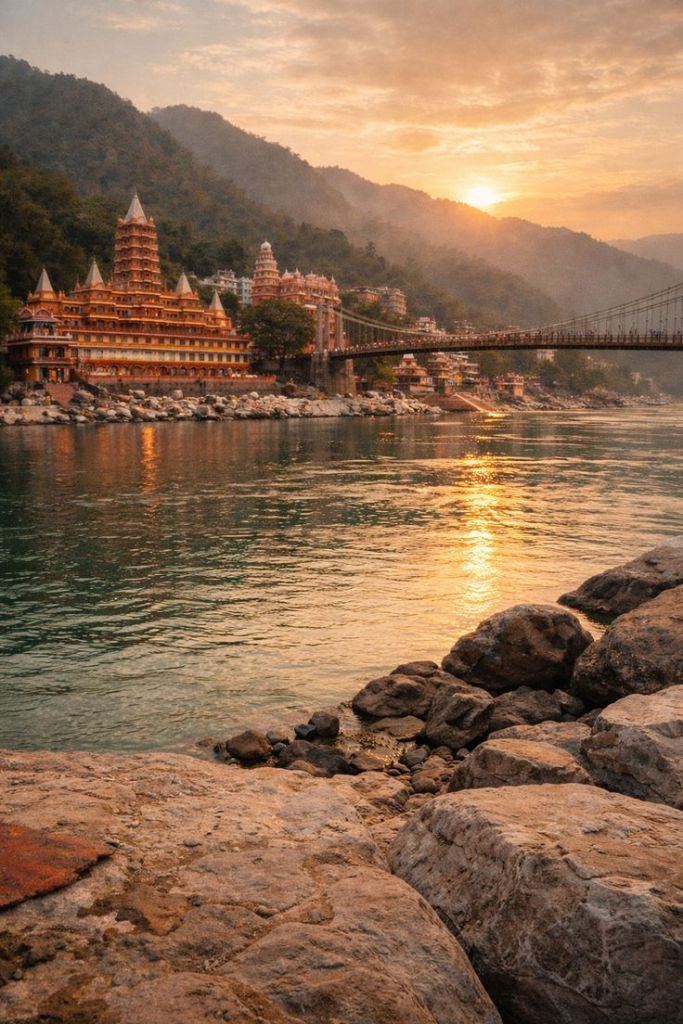
    I have been so done with work lately. Not the dramatic burnout kind, just that constant irritation where everything feels repetitive and exhausting. So I decided I needed a break. And I actually took one—with my friends—and we went to Rishikesh.

    An absolutely chaotic trip, like always. 😂

    Initially, I wanted to go to Dehradun. But after discussing it with my besties, we settled on Rishikesh. The plan was simple… at least in theory.

    The Planning That Wasn’t Really Planning

    We had train tickets booked. Of course, they didn’t get confirmed.

    Classic. 🙃

    So on the 10th, one day before the trip, we booked bus tickets instead. Very last minute, very on brand for us.

    I went to my friend’s place that night so we could leave together in the morning. We barely slept. Just talked, laughed, and somehow made everything louder than it needed to be.

    The Journey That Took Forever

    We woke up at 5:00 am, got ready, and left for our 6:00 am bus.

    We were excited. Like genuinely happy to just get out of our routine.

    The plan was to reach it in 4 hours.

    We reached at 2 pm.

    I don’t even want to explain how.

    And then it took us hours to get to our hotel. By that point, we were exhausted, irritated, and honestly questioning our life choices.

    The Café Disaster

    Before going to the hotel, we decided to sit at a café and eat something.

    Bad decision.

    The place looked decent, but the drinks? Literal water. No taste. Nothing. And we spent 700+ on that.

    I was this close🤏🏻 to crying.

    The only redeeming part of that entire experience was a cat that came and quietly sat under my chair. I love cats. That moment alone made me slightly less angry.

    Day One: Not Our Day

    We finally reached the hotel around 5 pm, completely drained. Took a bath, thinking maybe things would get better.

    And then… I got my period. 👏🏻

    Perfect timing, obviously.

    At that point, I had officially given up on the idea of a “peaceful, relaxing trip.” April 11th was just not our day.

    The Calm We Didn’t Expect

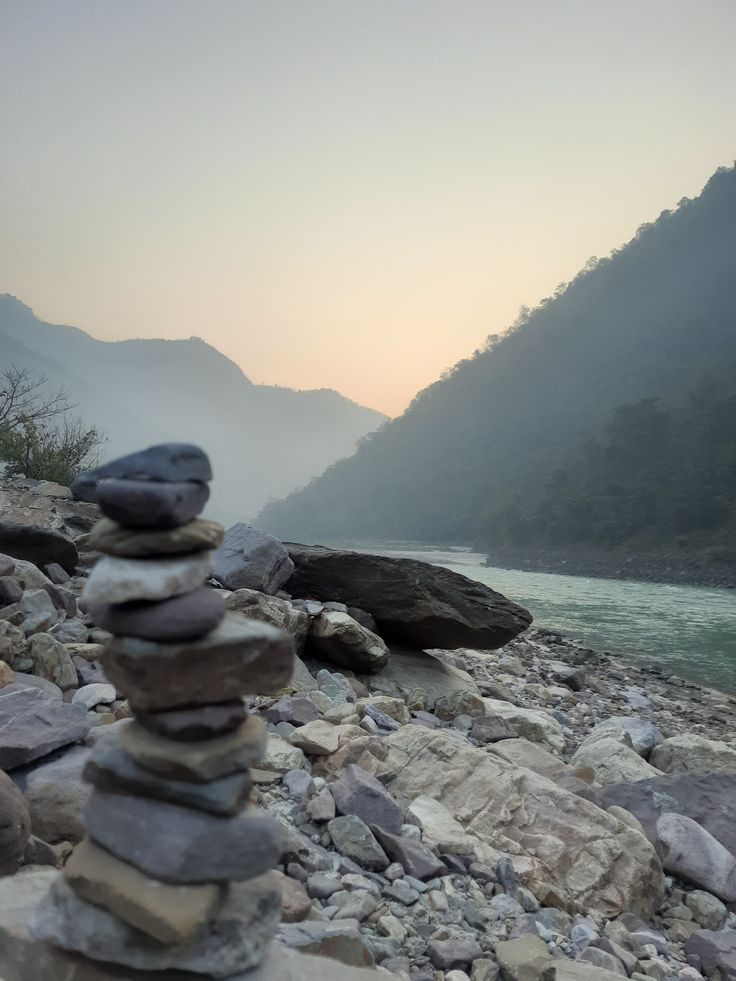
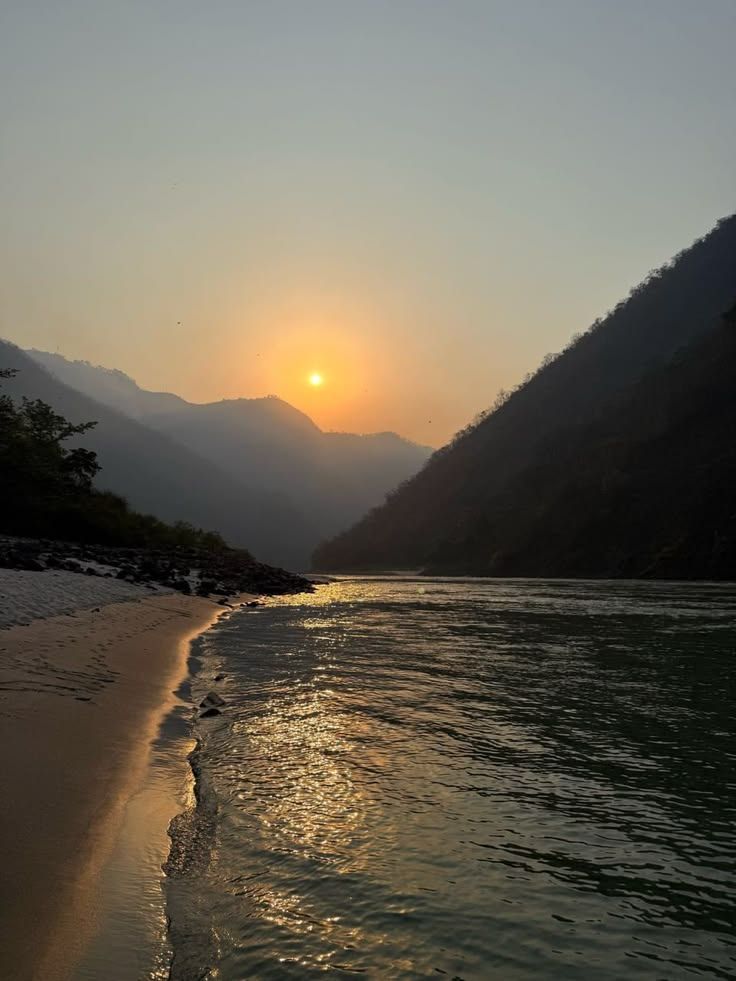
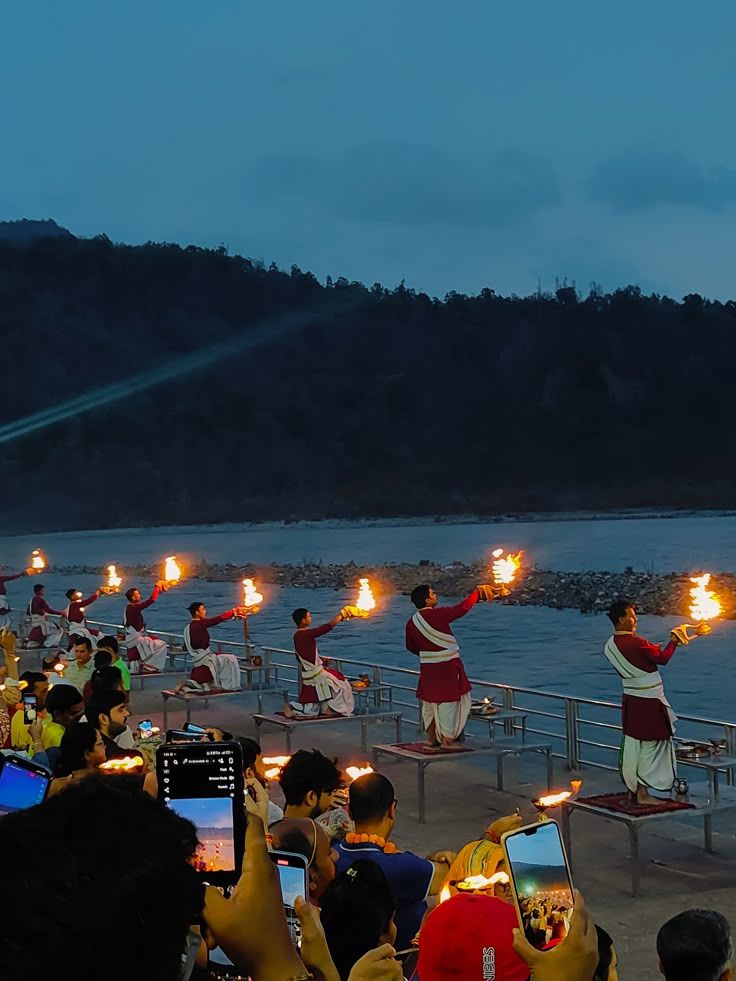
    We wanted to attend Ganga Aarti that evening, but we were late. So instead, we just sat on the steps near the Ganga. 🌊

    And weirdly, that turned out to be one of the best parts of the day.

    It was calm. Quiet. No chaos. Just us sitting there, doing nothing for once. We made silent wishes, watched the water, noticed small things like fish swimming by.

    It felt… grounding.

    We had dinner after that and went back to the hotel. Somehow, despite everything, the night turned fun. We danced, took pictures, and made videos. The day started terribly, but we still found a way to end it well.

    Day Two: Finally Feels Like a Trip

    We woke up early, around 6–7 am, and went for breakfast. After that, we got ready and decided to explore.

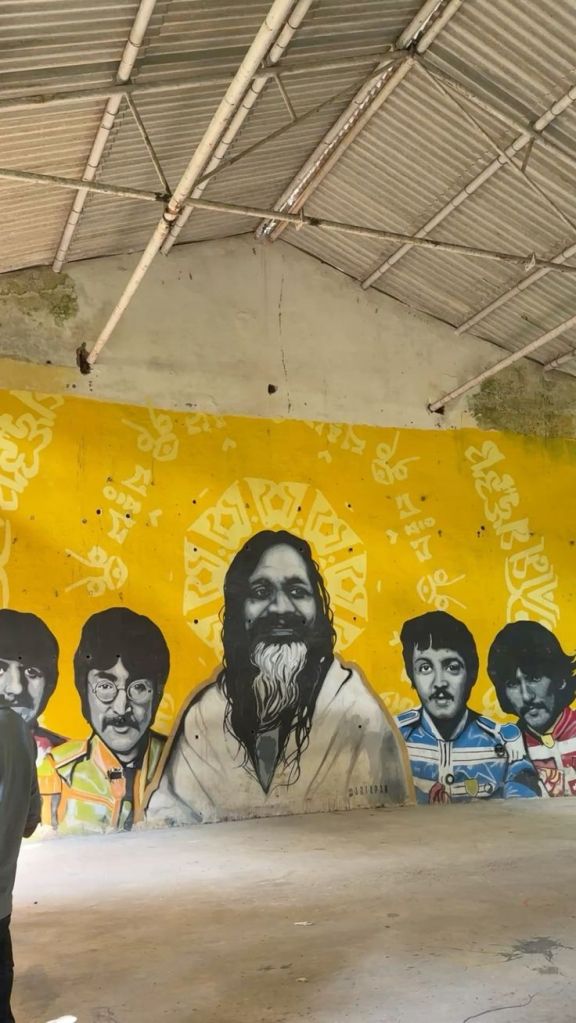
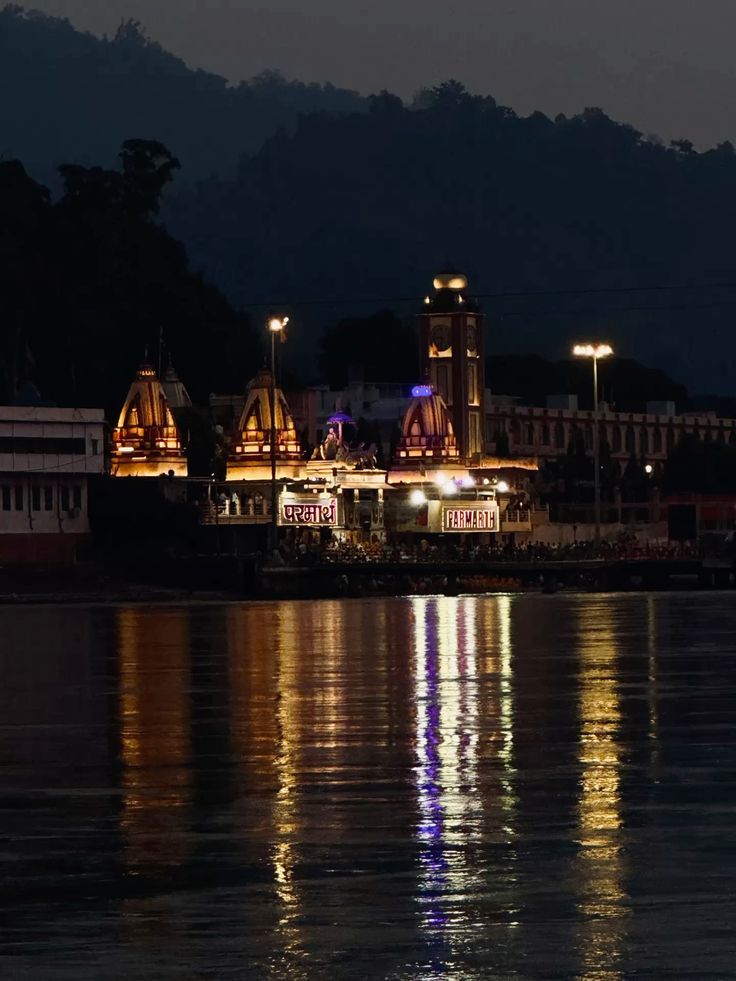
    We wanted to go to Neelkanth Temple, but it was too far. So we went to Parmarth Niketan Ashram instead.

    And honestly, that place was beautiful.

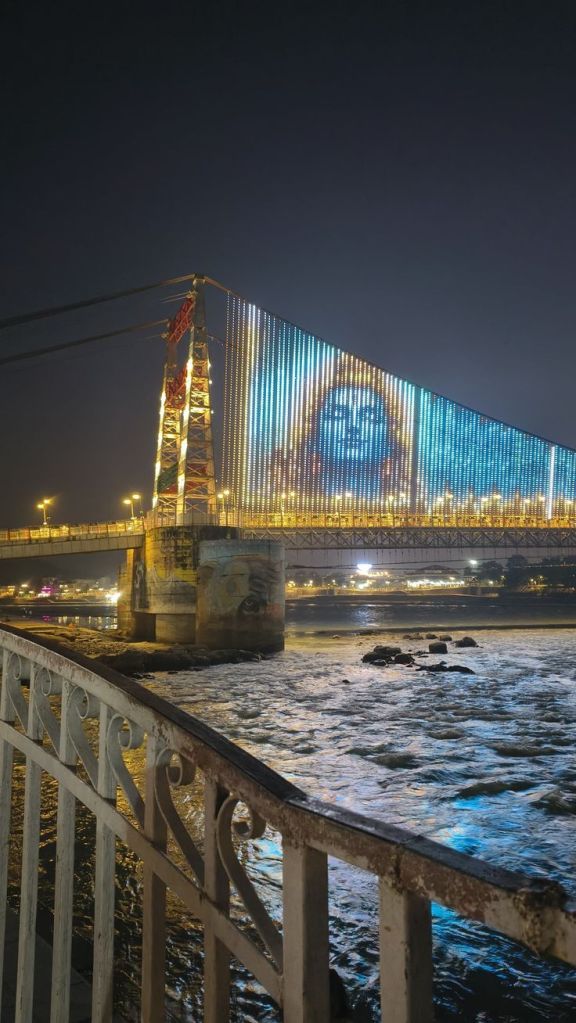
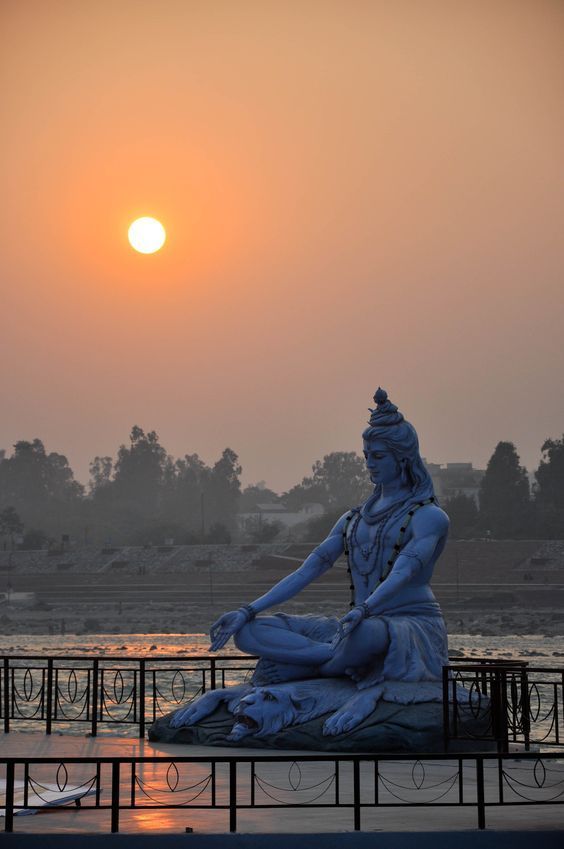
    There was a sense of peace there that you don’t really find easily. Temples, idols, everything felt calm and structured. And then we saw the Shiv ji murti in the middle of the Ganga.

    It was stunning.

    I even FaceTimed my mom just to show her.

    My friend R went all in and actually got into the Ganga. Me and B stayed out—me because I literally can’t, and her because she just didn’t want to.

    River Rafting (The Highlight)

    After that, we decided to go river rafting.

    Me and R were in. B was not.

    So she went off on her own little exploration while we went for rafting.

    The journey there was long, the wait time was annoying, and the place was crowded. Rishikesh was packed.

    But rafting?

    Completely worth it.

    It was one of those moments where you stop thinking about everything else. Just the river, the mountains, the cold water, the rush.

    I honestly didn’t want it to end.

    The only downside? The random group of boys we were paired with. Completely mannerless. Ruined the vibe a bit, but thankfully not enough to ruin the experience.

    I wanted to jump into the water so badly… but I don’t know how to swim, so that dream stayed a dream.

    A Slower Evening

    After rafting, we were soaked and tired. So we grabbed something to eat and went back to the hotel to freshen up.

    Dinner was simple—South Indian food because we needed something light after the chaos of the day.

    Then chai, of course.

    We wanted to do something fun that night since it was our last one, but honestly, we were too tired. Took a few pictures, made a couple of videos, and just slept.

    No energy left.

    The Early Goodbye

    The next morning, we woke up at 5:00 am, got ready, and left for home.

    No drama. No chaos. Just quiet.

    The Kind of Trip It Was

    Overall, it was a great trip. We weren’t able to see a lot, as it was too crowded and there was a lot of wait time, and wasted hours, due to traffic.

    Messy, unplanned, slightly frustrating—but still great.

    We didn’t plan properly. Things went wrong. We were tired half the time.

    But we also laughed a lot, experienced new things, and had moments that actually felt peaceful and real.

    And somehow, that balance made it worth it.

    Next trip: Dehradun. 😁

    This time… we’re definitely planning better.

    (Or at least pretending we will.)

    Let me know your thoughts below! 👇💕

    P.S. Currently, I am working on a new story, will be updating the first chapter in a few hours.

    I hope you all like it. 😊


  • What was the last thing you did for play or fun?

    Everytime someone asks me these kind of questions, I don’t know what to say, I freeze, and I didn’t answer right away. Not because I didn’t know, but because my mind tried to dress the answer up into something impressive. Something productive. That hesitation told me more than the question itself.

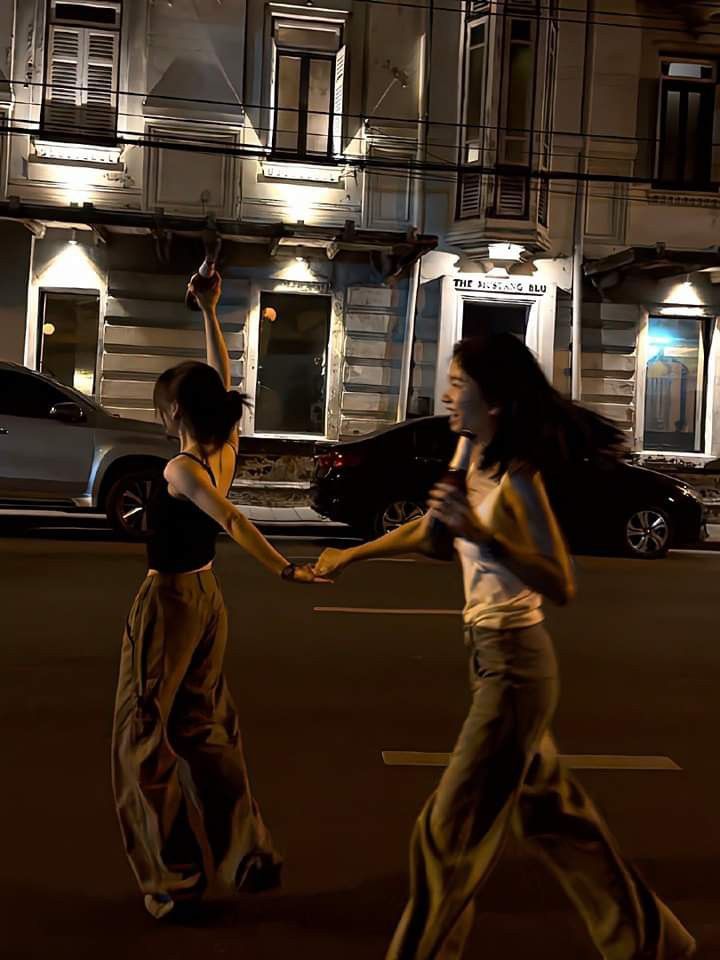
    When I answered honestly, it was simple. The last time I truly lost track of time was a night out dancing with friends on my best friend’s birthday. Music loud, body moving, phone forgotten. I wasn’t trying to document it or make it mean anything. I was just there. And I remember how light I felt afterward.

    That made me realize something uncomfortable. Most of what I call “fun” lately is just recovery. Scrolling when I’m drained. Watching something because I’m too tired to think. It passes the time, but it doesn’t feed me.

    When I pay attention, real play shows up the same way every time for me. Dancing, because it pulls me back into my body. Writing, because it lets me disappear into my own thoughts. Both make time dissolve. Both leave me more energized than when I started. Neither needs an audience to count.

    Somewhere along the way, I started treating play like a reward. Something I save for birthdays, weekends, or when everything else is handled. Even the things I love, reading, watching a show I know I’ll enjoy, I keep pushing to later, as if joy needs to be earned.

    So I’m asking myself this now, and maybe you should too: when was the last time you did something purely for play or fun? Not to cope. Not to be productive. Just because it made you feel alive. If the answer feels far away, that’s not a failure. It’s an invitation.

    Let me know your thoughts below 👇🏻💕


  • Fewer Friends, Fuller Heart: Late 20s Friendship Is Different — And Better

    From Group Chats to Quiet Check-Ins: What Growing Up Does to Friendship

    When I was younger, I was always surrounded by a big group of girlfriends. We’d hang out constantly — birthday parties, secret hangouts, sharing secrets, fighting over silly things, and making up just as quickly. It was chaotic, loud, and kind of beautiful.

    But then life happened. I changed schools, some of my closest friends drifted, and despite years of being inseparable, there were fallouts, secrets, and so much unspoken negativity. Some of the girls I thought would be around forever? We don’t even follow each other anymore, let alone talk.

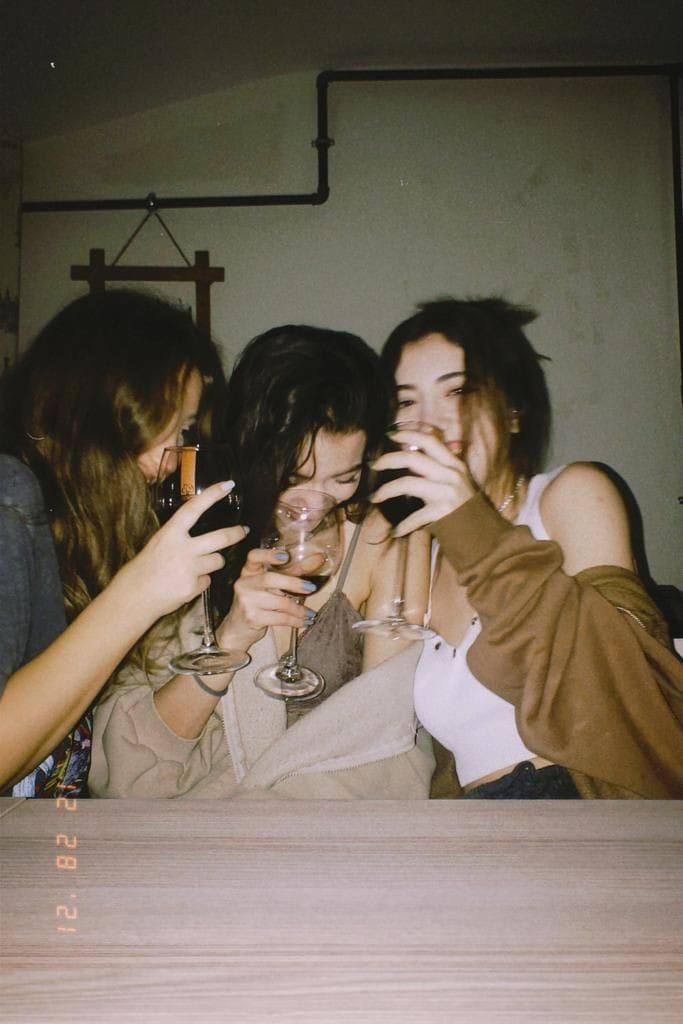
    And yet — in the middle of that chaos, a few rare friendships quietly held on. I made two best friends who are still with me to this day. We don’t fight much, we understand each other’s moods, and even when we argue (because hello, we’re human), it’s never destructive. We support each other like a little three-woman wolfpack. And honestly? That taught me everything I needed to know about real, adult friendships.

    Now, in my late 20s, I’ve realized that the way we connect with people — especially women — transforms completely. But instead of mourning that change, I’ve learned to embrace it.

    Why Do Friendships Change in Your Late 20s?

    Friendships don’t just disappear — they evolve. Your 20s are the emotional rollercoaster of adulthood: career moves, heartbreaks, identity crises, glow-ups, therapy, moving cities, and reevaluating everything you thought you knew.

    And all of that impacts how, when, and who you connect with.

    👣 Diverging Life Paths

    One of your besties might be getting married and buying a house. Another is in Bali starting a YouTube channel. You? You’re grinding a 9-to-5 and wondering if Mercury is in retrograde. Everyone’s on a different track — and that can stretch friendships.

    🧠 Increased Individual Focus

    Late 20s are the era of the inner glow-up. People are healing, switching careers, learning to budget — life gets busier. There’s less time for spontaneous brunches and endless texting.

    🔄 Shifting Priorities

    Friendships that once revolved around gossip and clubbing now crave depth. You want to talk about mental health, finances, and existential dread — not just who’s dating who.

    💔 Emotional Heaviness

    Real life gets heavier. Friends lose parents. Someone gets laid off. Someone else moves abroad. Friendships need emotional bandwidth — and not all survive that demand.

    📅 You Have to Schedule Everything

    Gone are the days of spontaneous hangouts. Making plans now feels like syncing calendars for a NASA launch.

    🌱 New Friendships Bloom

    And yet, new bonds form — with coworkers, gym buddies, or neighbors. They’re not “replacements.” They’re a reflection of the person you’re becoming.

    So… Is That a Bad Thing?

    Not at all. Shifting friendships = personal evolution. You’re learning what energizes you, what drains you, and who deserves your time.

    Why a Strong Girl Group Is ESSENTIAL in Your Late 20s

    Not 15-person brunch squads. Not flaky party friends. I’m talking about your ride-or-die, hype women, emotional support crew, and mirror-holders.

    💬 Shared Struggles, Real Talk

    Everyone gets the career anxiety, the dating dread, the “am I falling behind?” spiral. You talk. Cry. Laugh. Together.
    💗 Support Without Judgment

    They hype you up on your best days and hold space on the worst. No competition. Just love.

    💪 They Keep You Accountable

    They push you to apply for that job, remind you not to text your ex, and celebrate your wins like it’s Met Gala night.

    💅 Confidence Boosters

    Real queens fix each other’s crowns — and your late-20s girl group? They’re the whole royal council.

    🤝 Community = Survival

    Adulting is lonely. A tight circle makes the chaos bearable and the joy way more real.

    Why Is Friendship in Your Late 20s Important?

    Your 20s are when the plot really thickens. And when it does? You want friends who get it.

    1. Sanity Check Squad – The ones who remind you social media isn’t real life.

    2. Emotional Grounding – Better than your therapist knowing your coffee order? Your bestie who knows both.

    3. Life GPS – Helping you navigate job chaos, dating trauma, identity shifts, and everything in between.

    4. Mutual Growth Vibes – Real ones call you out and cheer you on.

    5. They’re Your Anchor – When life’s loud, they bring you back to yourself.

    Is It Possible to Survive Without Close Friendships?

    Technically? Yes.
    But spiritually? Emotionally? Energetically? Not really.

    You don’t need a whole village. Just one or two people who see you, get you, and stay.

    In Conclusion: Let It Change, But Don’t Let It Die

    Friendship in your teens is about quantity. Friendship in your late 20s? Pure quality.

    It’s not about who you talk to daily — it’s about who’s still there when life gets messy. Your circle might shrink. Your priorities might shift. But your need for connection? That never fades.

    So check in. Reconnect. Let go of what’s expired. And pour love into what still feels right.

    Because growing up doesn’t mean giving up on friendship. It just means learning how to carry it — more gently, more intentionally, and more beautifully.

    Let me know your thoughts below 👇🏻💕


  • Women Supporting Women: The Strength of Female Friendships

    The Importance of Female Friendships: A Lifelong Source of Strength and Joy.

    Growing up I had a big group of friends, but the more the time passed the more we drifted away and the less friends I was left with.

    I now have a very small group of friends, but we are all super close.

    However, if there is something that has helped me the most, it my female friends. They have helped me grow into a better person.

    They are kind, generous and nice people, who have been there for me at a my hardest time. They have shaped me into a better version of myself.

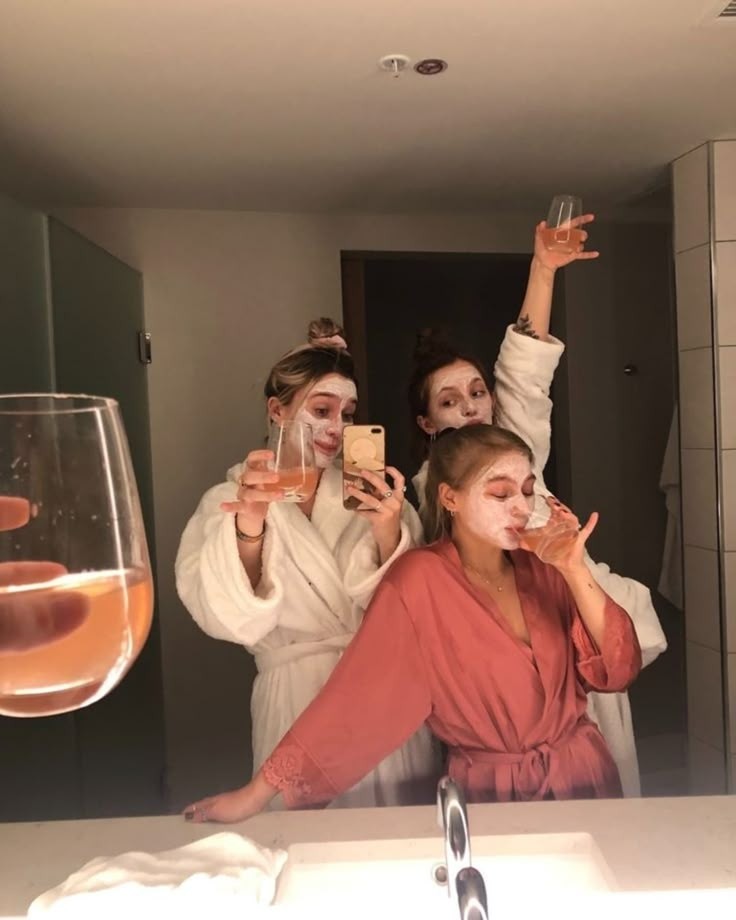
    Female friendships are one of the most beautiful, complex, and enriching relationships in life. They provide emotional support, deep understanding, and an irreplaceable sense of sisterhood. Whether formed in childhood, school, work, or later stages of life, these connections are often powerful and transformative.

    Here’s why female friendships are so important and why they should be cherished :

    1. Emotional Support Like No Other

    There is something unique about the way women support each other emotionally. Whether it’s listening to a friend vent about a tough day, celebrating victories together, or simply being there in silence when words fail, female friendships offer a depth of emotional care that is hard to match. Women tend to communicate openly, validate each other’s feelings, and create a safe space for vulnerability, making these friendships an invaluable source of strength.

    2. A Judgment-Free Zone

    Life can be chaotic, and having a group of women who truly understand you without judgment is priceless. Female friends allow each other to express their thoughts freely, embrace their quirks, and make mistakes without fear of criticism. These friendships provide a sanctuary where honesty thrives, allowing women to be their authentic selves.

    3. Unwavering Encouragement and Empowerment

    Women lifting each other up is a powerful force. Female friendships often come with an unspoken pact of encouragement—cheering each other on through career aspirations, personal goals, and even the smallest daily achievements. In a world that often pits women against each other, these bonds remind us that empowerment is strongest when shared.

    4. The Joy of Shared Experiences

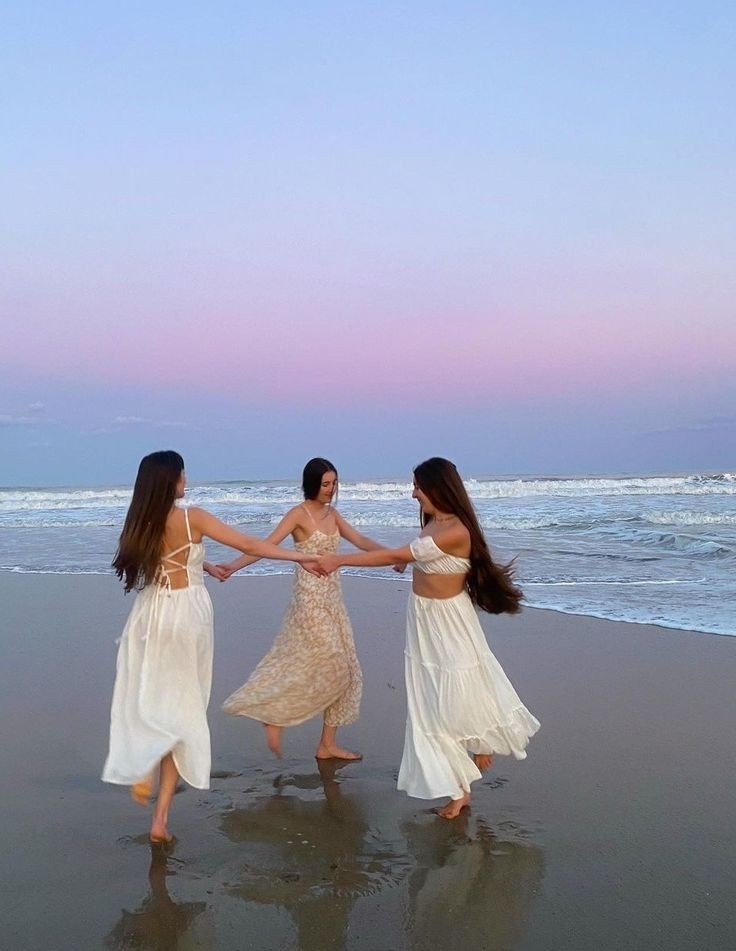
    From spontaneous road trips to late-night heart-to-hearts, female friendships are full of shared experiences that create lifelong memories. There’s something magical about laughing until you cry, dancing together like nobody’s watching, or reminiscing about old times. These moments bring an unspoken understanding that, no matter what happens in life, there will always be people who just get you.

    5. Healing Through Connection

    Heartbreaks, setbacks, and difficult times are inevitable, but female friendships have a way of making hardships more bearable. A simple conversation with a close friend can feel like therapy, and knowing that someone genuinely cares about your well-being can make a world of difference. The power of empathy and shared experiences can heal wounds in ways nothing else can.

    6. Growing Together Through Life’s Phases

    From teenage struggles to navigating careers, relationships, motherhood, and aging, female friendships evolve and grow with us. The ability to witness each other’s transformations and support one another through every stage of life is truly special. These friendships remind us that while life changes, genuine connections remain a constant source of comfort and companionship.

    7. A Lifelong Sisterhood

    Unlike many relationships that come and go, female friendships often last a lifetime. They are built on trust, love, and shared experiences that withstand the test of time. This sisterhood extends beyond blood relations, proving that family isn’t always about genetics—it’s about those who stand by your side through thick and thin.

    In the end, in a world that can sometimes feel overwhelming, female friendships offer light, love, and resilience. They teach us the beauty of connection, the strength in vulnerability, and the joy of unwavering support. Cherish these friendships, invest in them, and celebrate the women who make your life brighter. After all, life is better when shared with the ones who truly understand and uplift you.

    Female friendships are incredibly beneficial for women, though not strictly necessary in a universal sense—everyone’s needs for connection vary. However, they provide unique emotional, psychological, and social benefits that can be hard to find elsewhere.

    Why Female Friendships Matter:

    1. Emotional Support:

    Women often connect deeply through shared experiences, offering empathy and understanding that can be healing.

    2. Sense of Belonging:

    Having a circle of women who “get you” fosters a sense of security and acceptance.
    3. Encouragement & Growth:

    Female friendships often push each other to grow, whether in careers, personal development, or relationships.

    4. Stress Relief & Joy:

    Laughter, shared memories, and fun experiences provide emotional balance and happiness.

    5. Navigating Life’s Stages:

    From teenage years to motherhood, career changes, and aging, female friendships offer invaluable guidance and solidarity.

    While not every woman needs female friendships, those who have them often find a unique kind of support and love that enriches life in countless ways.

    Would you say your own female friendships have made a big impact on your life?

    Let me know in the comments!