You know that weird feeling when you’re doing something completely legal, socially acceptable, and morally harmless, but your brain is convinced you’re about to get arrested?
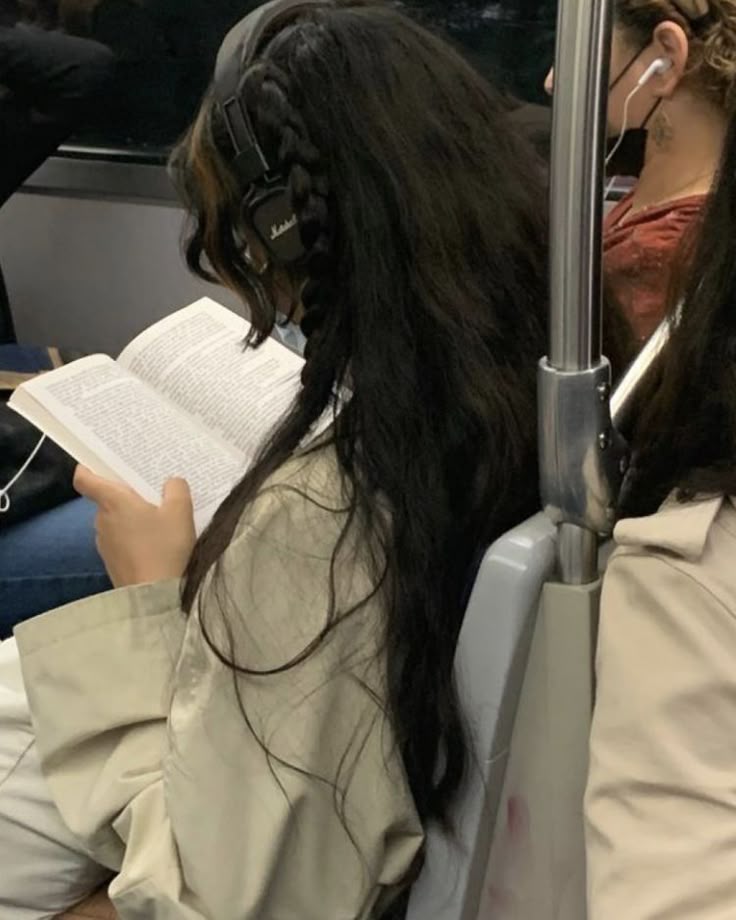
That’s how I’ve started feeling about reading in public lately. I recently came across a reel of a woman reading How to Kill a Man and Get Away with It on public transport, and a man posted it hating on the woman saying she is working on becoming a criminal, without even knowing what is inside the book.
Then Instagram started suggesting similar content to me… People saying how they think reading in public is performative and the people are just posing to get posted on instagram and feel different.
Which is a very stupid take, I don’t think anyone who reads in public is performing, how did we even come to that conclusion.
That got me thinking about all the completely normal things we do that somehow feel illegal.
The Main List
Some of these things include:
Everyday Life
Walking out of a shop without buying anything
Leaving a store after only looking around
Taking extra ketchup packets
Using a café bathroom, without ordering
Walking into a hotel lobby when you’re not staying there
Returning something after trying it on at home
Workplace
Leaving work exactly on time
Taking your full lunch break
Logging off without checking messages one last time
Taking a sick day when you’re genuinely sick
Ignoring work messages after office hours
Actually using your paid leaves
Public Places
Reading in public.
Walking into a building you’re unfamiliar with
Being the last customer in a store before closing
Sitting somewhere without buying anything
Crossing an empty road
Going into a restaurant just to look at the menu
Social Media and Social Situations
Replying to someone’s message hours later
Unfollowing someone without blocking them
Watching someone’s story immediately after they post it
Accidentally liking an old photo while stalking their profile
Leaving a group chat without making an announcement
Reading a message and forgetting to reply
Why Do These Things Feel Illegal?
I think we’re overly aware of people watching or judging us, and always assuming the worst of us. We’ve been conditioned to always be polite and avoid inconveniencing others.We’re often taught to be polite, fit in, and avoid inconveniencing others before we’re taught to simply take up space as ourselves. Sometimes we feel like we need permission to simply exist in public spaces, which is not true. The world is as much ours as it is anyone else’s.
Our brains love creating unnecessary worst-case scenarios in our heads. Like what if someone is saying something bad about us, what if they think we are mean, what if they don’t like how we are dressed, and so many more. Social anxiety can turn completely normal behaviour into a dramatic internal crime scene.
As an introvert myself, every time I go out I feel like people are watching me. I am a confident person, but that doesn’t mean I am not screaming internally every time a stranger looks at me a second longer than necessary. And you know what the worst part is, The stranger is probably going through the same scenarios in their own minds.
Conclusion
Maybe we’re not actually doing anything suspicious. Maybe society has simply convinced us that existing in public requires a valid reason, a receipt, permission from management, and possibly three witnesses.
I don’t know if we can do anything to stop it, all I know is, we can work on ourselves and our social anxiety. We can try and stop giving af about people around us and just keep living and winning in our own lives.
What’s something completely legal that makes you feel like you’re committing a crime?
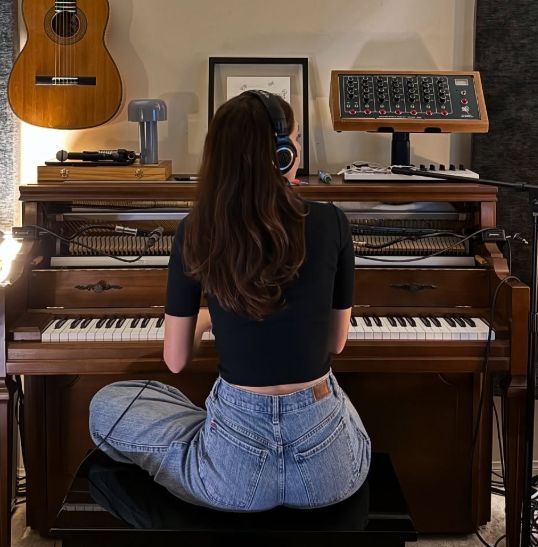
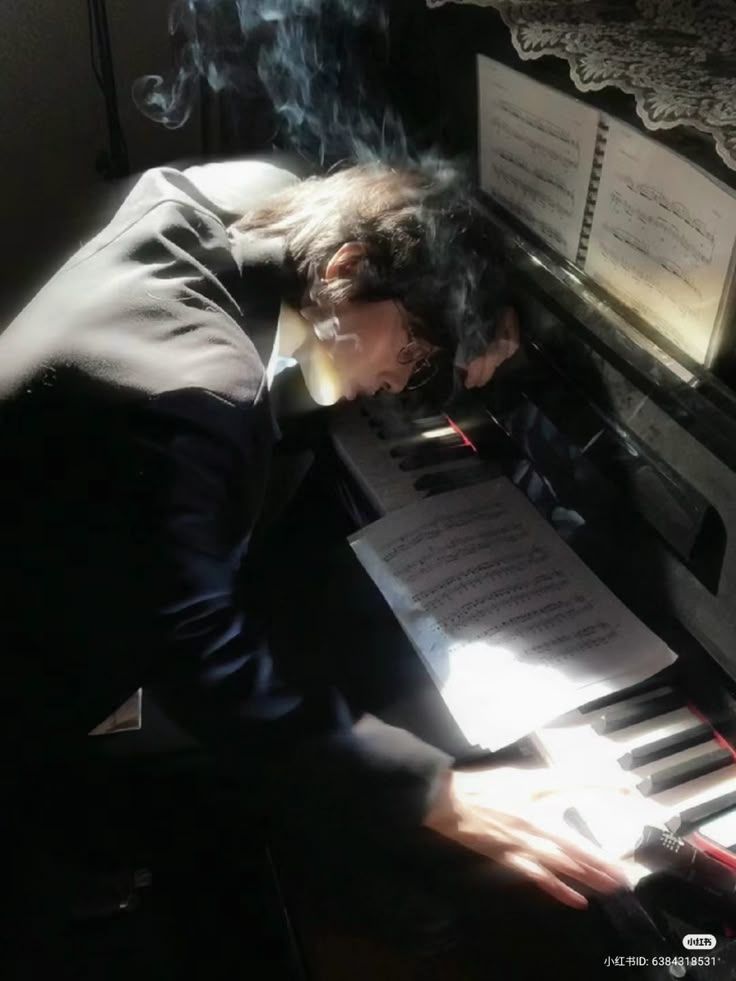
Returning to old passions is sometimes the first step toward finding yourself again.
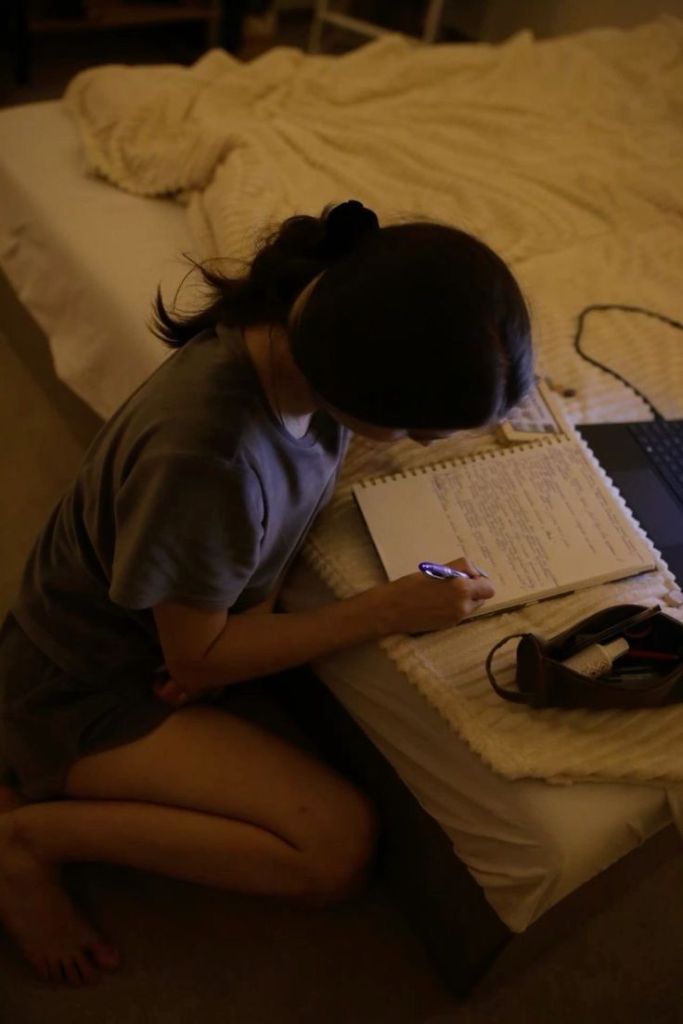
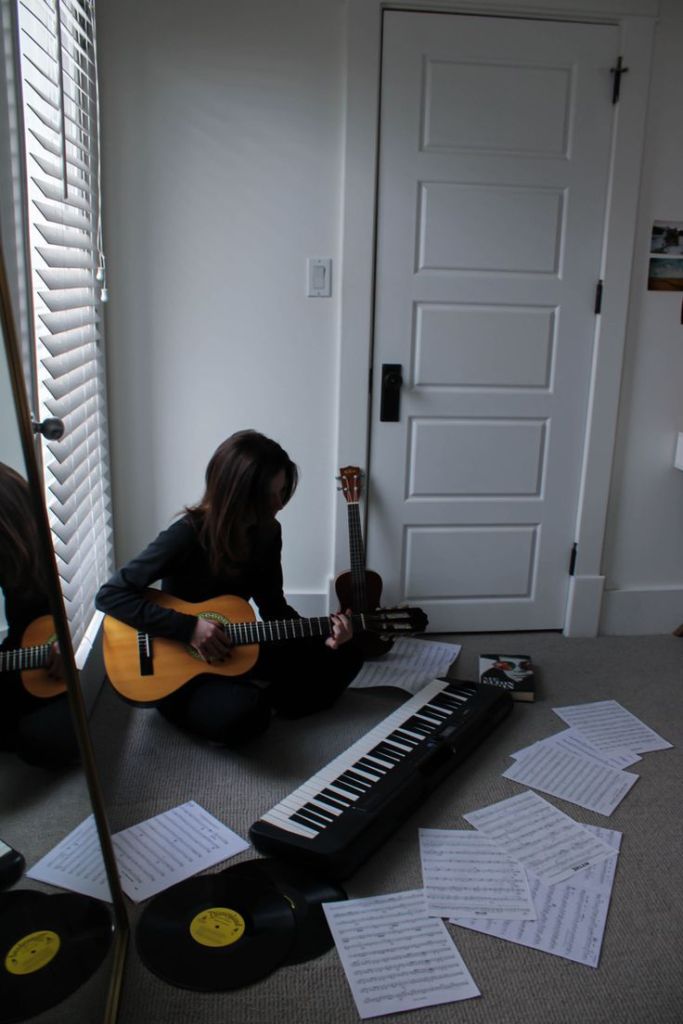
I recently started thinking about how much I love writing and all the years I had lost not being able to do it.
I was just having a conversation with my friend, well kind of asking her about this. She used to draw, but unfortunately due to growing up and responsibilities she had to leave that behind. But recently while speaking to her, I sort of asked her if she draws and she said “Sounds really rejuvenating”.
This got me thinking, when I was a child I used to write my thoughts, quotes or poems in a notebook as a child and then I absolutely left that due to my studies and being a teenager.
For years, I did not touch a pen to write my thoughts, until this one time when I was 24 and I met someone. This guy was working in my office and would do freelance writing. He seemed quite intellectual, but that was not a meeting I ever want to remember, that’s a story for maybe a few years… (my mom reads my blog, so I don’t want to talk about boys here….. Not for now.)
Anyways, I thought it was so cool to be able to do what you love while carrying responsibility.
And it stuck in my head, why couldn’t I do it?
And then in 2022, I completely changed my life… I left my job and found a better company, enrolled for my master’s degree in literature, and I also got a home with my sister. 2022 was a pivotal year for me.
So, I got back into writing in 2024, and started the blog and worked on my books.
I questioned, what would my life look like today if I had never returned to writing?
It would be dead actually, it would be boring with me doing absolutely nothing productive. My writing has not only helped me to write, but it in a way shaped my thoughts and discipline in life. So, I would have been a completely different person without it.
Why do people slowly abandon the things they once loved?
People slowly abandon the things they once loved due to natural psychological shifts, including the evolution of personal identity, diminishing returns (habituation), and the accumulation of negative associations or pressure.
Over time, priorities naturally change, and what once brought joy may no longer align with a person’s current lifestyle or values.
Psychologists and behavioral scientists point to a few core reasons for this drift:
The Novelty Wears Off (Habituation): The human brain is wired to adapt to recurring stimuli. The intense dopamine rush experienced when first engaging in a new hobby or passion naturally levels out, making the activity feel routine or less exciting over time.
Identity Shifts: As people grow, their sense of self evolves. An activity that defined a person in their teens or twenties might no longer fit who they are, causing them to naturally outgrow it.
The “Value vs. Effort” Equation: Hobbies can start to feel like chores. If the mental, physical, or financial effort required to maintain a passion begins to outweigh the joy it brings, people slowly disengage.
Performance Pressure: Turning a beloved hobby into a side hustle or comparing oneself to experts can introduce stress and anxiety, stripping the activity of its original recreational value.
Competing Priorities: Life stages change. New responsibilities—such as careers, family, or other life events—limit available time, forcing individuals to consciously or subconsciously reallocate their attention.
Ultimately, abandoning a past interest is rarely a sudden rejection; rather, it is usually a gradual fading of interest as new habits and phases of life take precedence.
What changes when someone starts doing an old hobby again? Is it the hobby itself, or something deeper?
When someone returns to an old hobby, the activity itself rarely changes. Instead, the transformation is entirely internal. Reigniting a past passion alters your psychological relationship with the activity, reflecting deep changes in your personal growth and mindset.
What Actually Changes
A Shift in Motivation: People usually return to hobbies for therapeutic reasons rather than achievement. The initial drive to master a skill is replaced by a desire for stress relief, nostalgia, or mental clarity.
Lowered Stakes: The pressure to perform or compete typically vanishes. Adults returning to childhood hobbies care less about perfection and more about pure enjoyment.
New Perspectives: Years of life experience give you a different lens. A book read a decade ago reveals new meanings; a sport played with a mature body requires new strategies.
Dopamine Reset: The brain is no longer chasing the frantic high of novelty. Instead, it experiences the grounding comfort of predictability and familiarity.
The Deeper Psychological Shift
Returning to a hobby is often an act of self-reclamation. It signifies a desire to reconnect with a version of yourself that existed before life became consumed by career, family, or societal pressures. It is an intentional choice to prioritize personal joy over productivity, marking a transition from survival mode back into self-care.
What do we lose when we stop creating, exploring, or playing just because we’re adults?
When we stop creating, exploring, and playing in adulthood, we lose essential cognitive, emotional, and social benefits. Abandoning these activities diminishes our natural adaptability, restricts our ability to relieve stress, and stifles the creative problem-solving skills necessary for navigating a complex world.
Here is a breakdown of what we miss out on when we lose touch with these vital human drives: 1. The Cost of Not Creating
Suppressed Emotional Processing: Making art or building things provides a healthy outlet to process complex feelings, leading to lower anxiety and better mood regulation.
Stifled Innovation: Creativity isn’t just for artists; it is the foundation of innovation. Without it, we lose the drive to challenge the status quo and find novel solutions in our careers and personal lives.
Diminished Sense of Agency: Creating reminds us that we can shape our environment. When we stop, we transition from active participants in our lives to passive consumers.
1. The Cost of Not Exploring
Reduced Neuroplasticity: Exploring new hobbies, places, or ideas forces the brain to form new neural pathways. Without this stimulation, our minds become rigid, making it harder to learn new skills.
Eroded Curiosity: The world is full of nuance. When we stop exploring, we settle for surface-level assumptions and lose the childlike wonder that keeps life engaging.
Stagnant Personal Growth: Stepping out of our comfort zone builds resilience. Without exploration, we risk becoming complacent and overly comfortable with monotony.
1. The Cost of Not Playing
Higher Stress and Burnout: Play is a primary way the nervous system resets. Adults who don’t play are more susceptible to chronic stress and emotional exhaustion.
Poor Interpersonal Connection: Shared play builds trust and deepens relationships. A lack of it can lead to isolation and more rigid, transactional interactions with friends, family, and colleagues.
Loss of Adaptive Thinking: Play allows us to experiment, fail, and try again without high stakes. Without it, we become terrified of making mistakes, which heavily limits our willingness to take healthy risks.
Psychologists and researchers emphasize that play and creativity are not luxuries; they are biological imperatives that keep our brains healthy and our spirits vibrant. Engaging in these activities releases endorphins, boosts immune function, and fosters a lifelong enthusiasm for living.
Conclusion
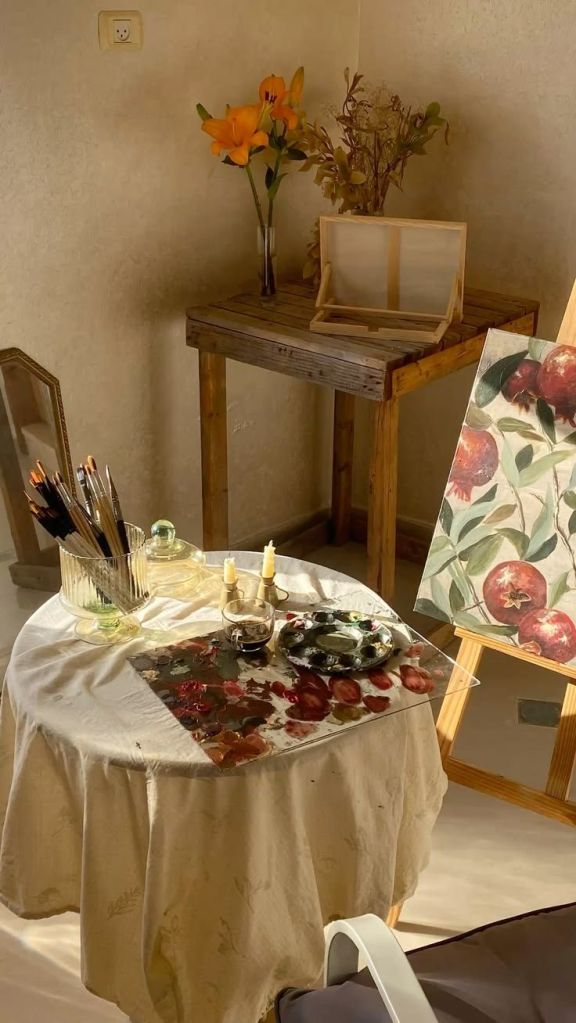
Maybe growing up was never supposed to mean leaving behind the things that once made us feel alive. Somewhere between deadlines, responsibilities, and the constant pressure to be productive, many of us quietly set aside the hobbies that once brought us joy.
But the beautiful thing about passion is that it doesn’t disappear. It waits.
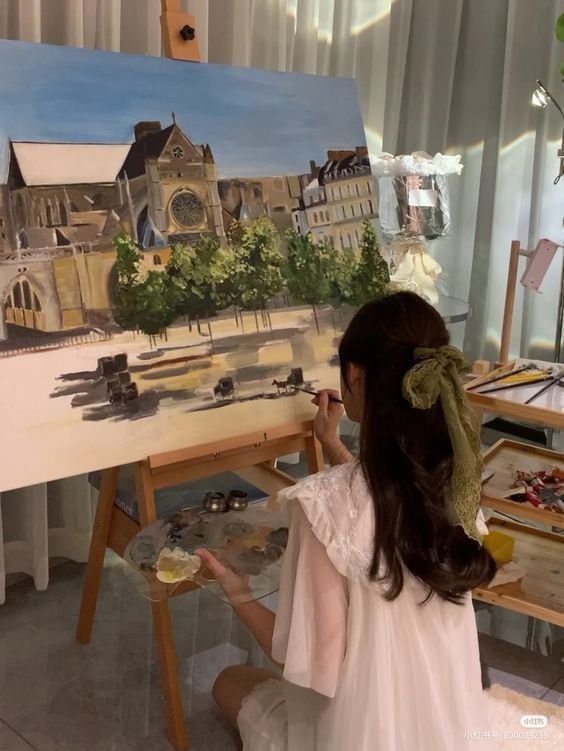
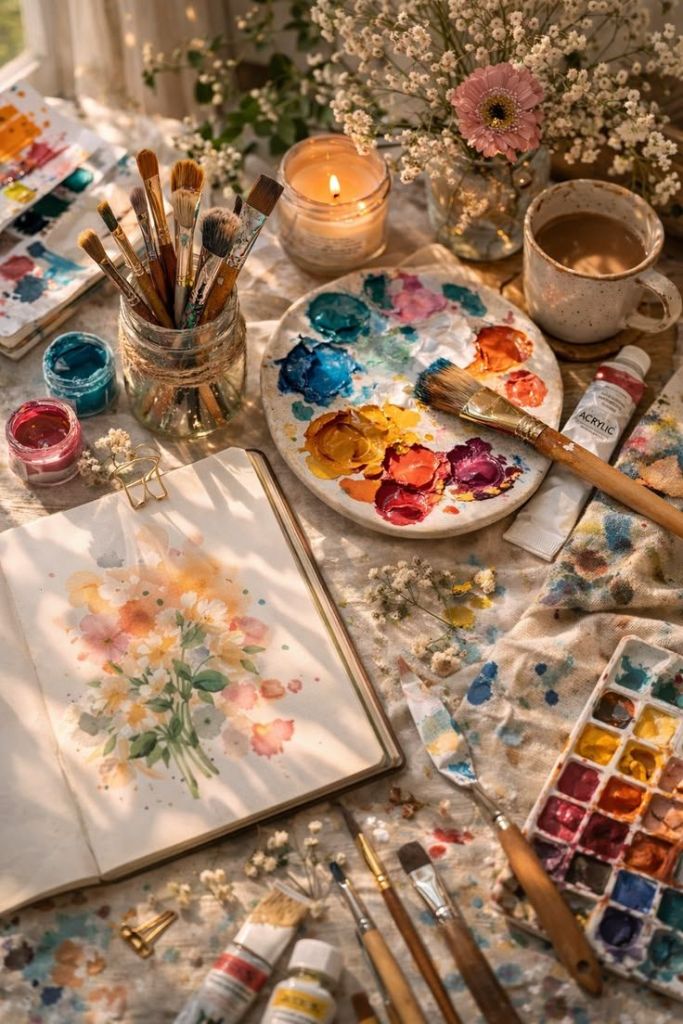
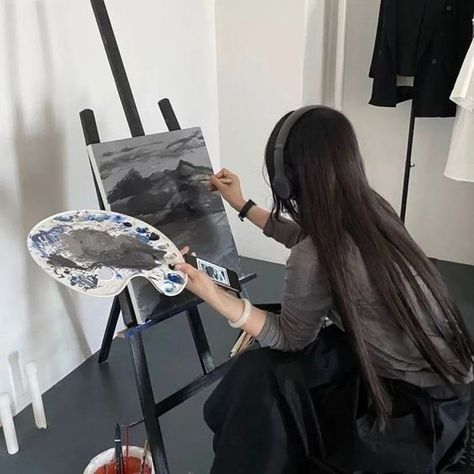
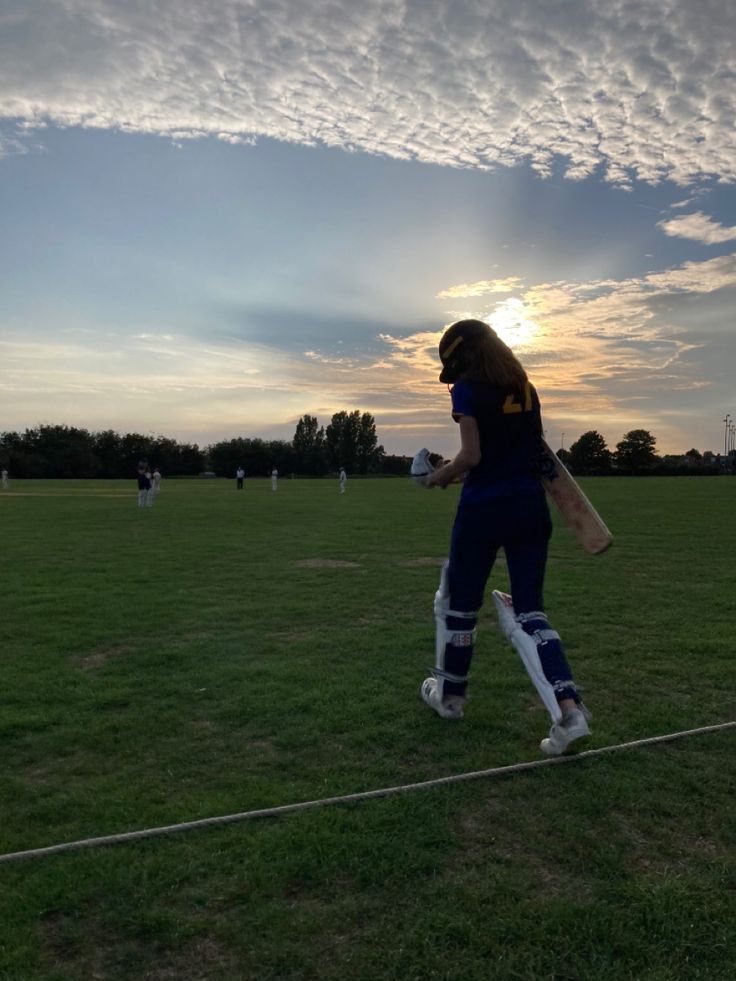
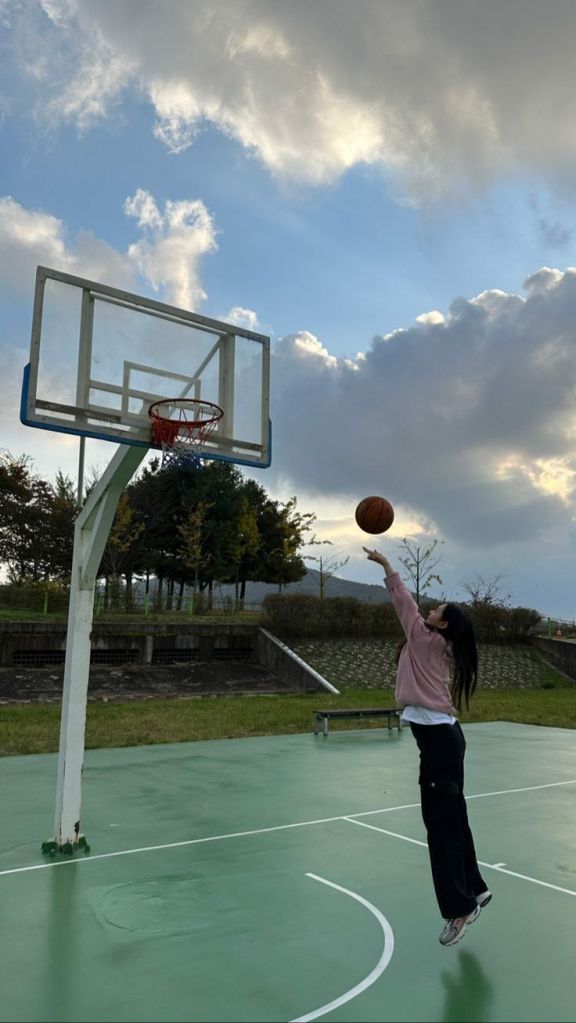
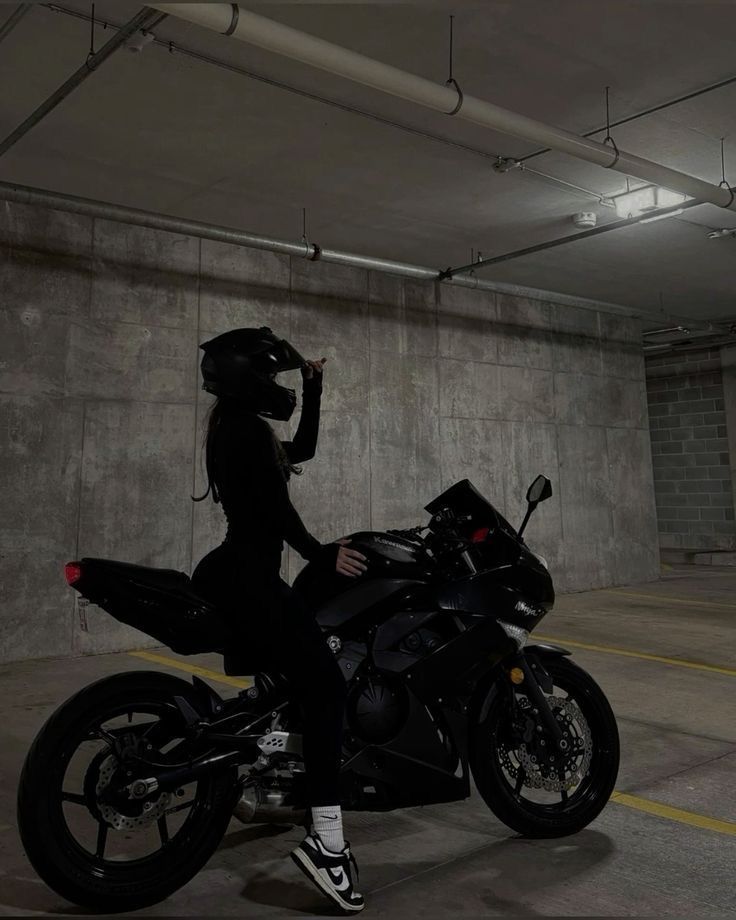
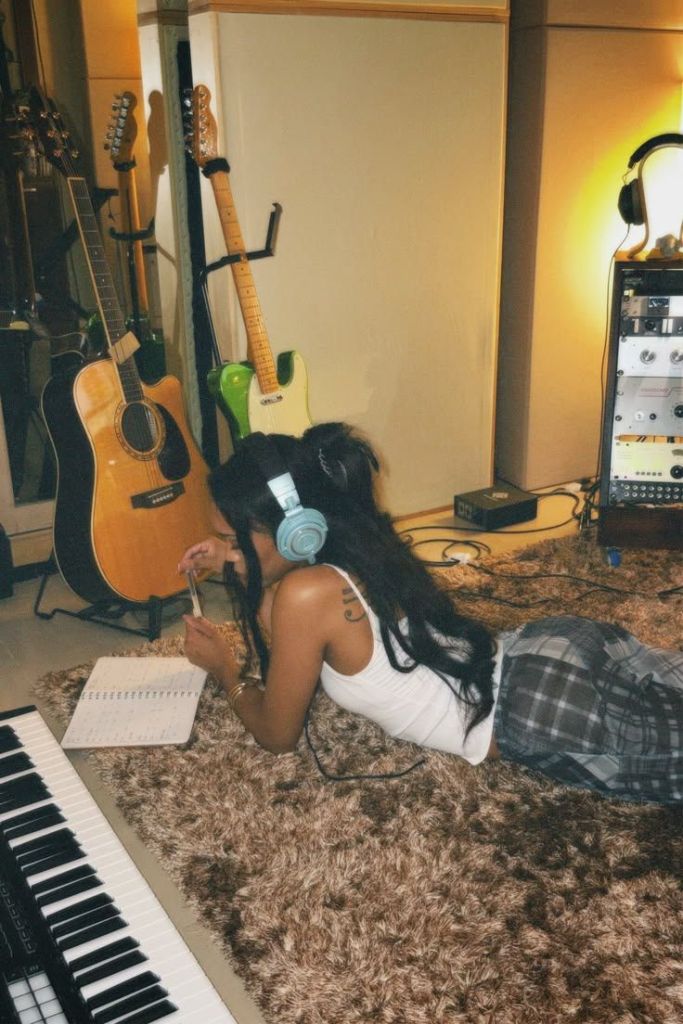
Whether it’s writing, drawing, dancing, painting, playing an instrument, or something only you know, it’s never too late to return to it. You don’t have to be as good as you once were. You don’t have to turn it into a career or a side hustle. You don’t even have to share it with anyone.
Just begin again.
So today, I want to leave you with one question: What is one thing you loved doing that you’ve quietly left behind?
Maybe it’s time to dust it off, give yourself permission to be a beginner again, and rediscover a part of yourself you thought was gone.
Do let me know which hobbies you want to get in touch with below! 👇🏻💕



 Ladyink with love