
Tag: Balance

  • The Art of Returning

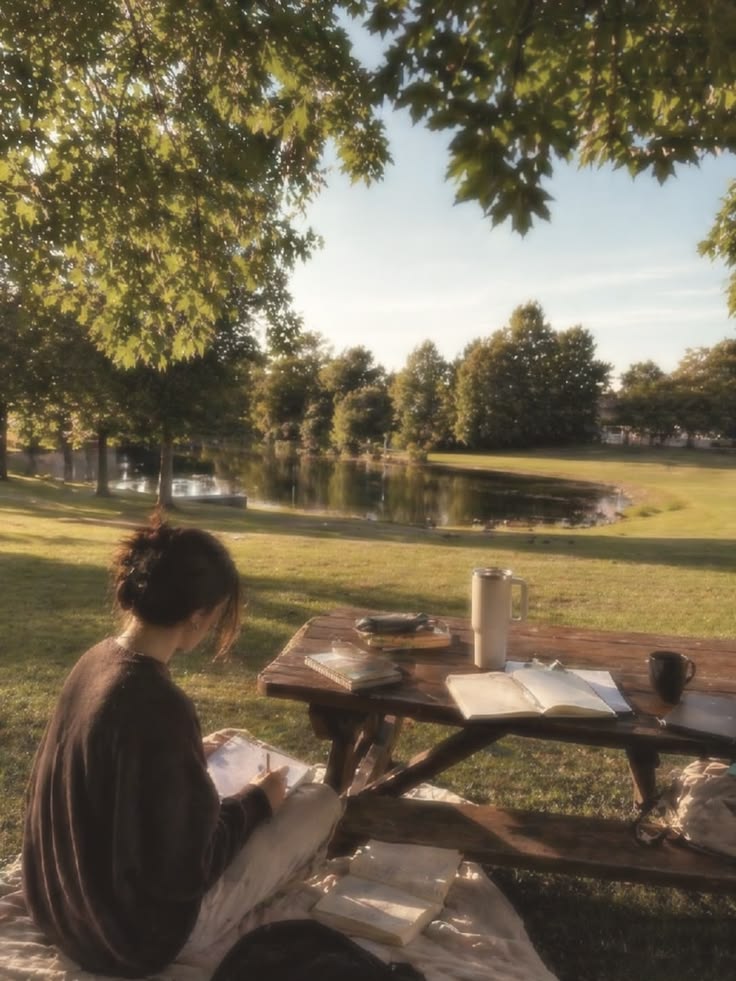
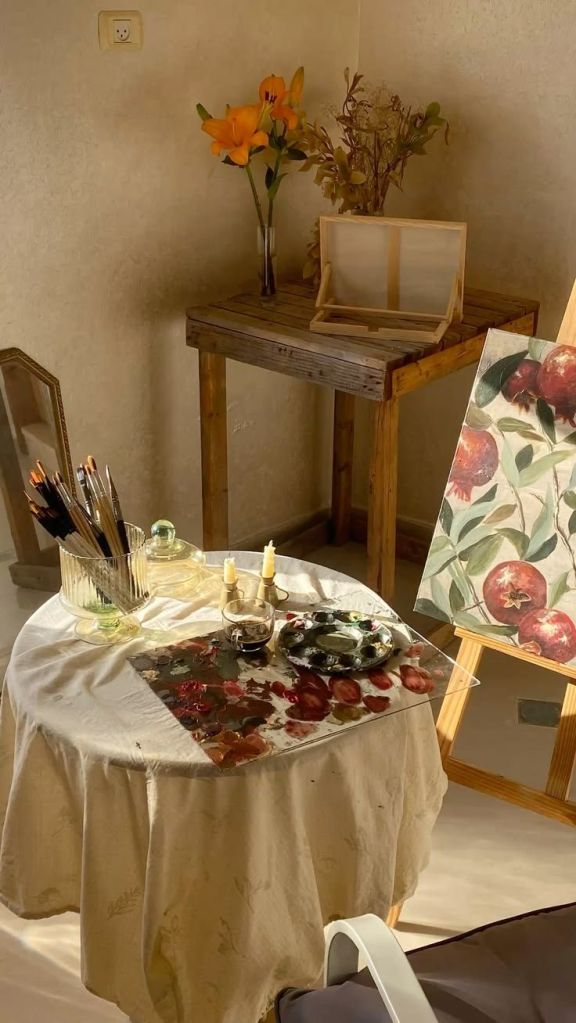
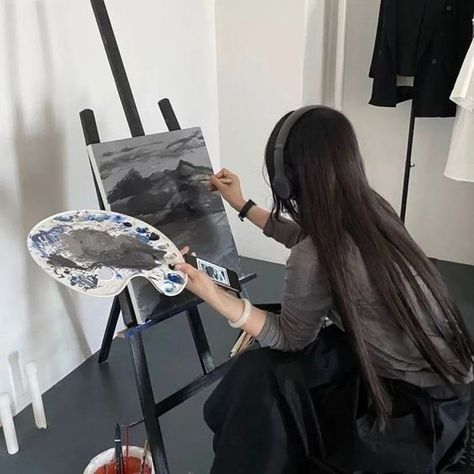
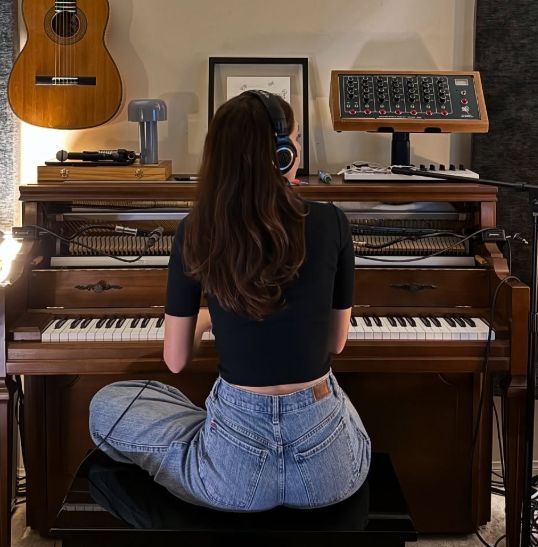
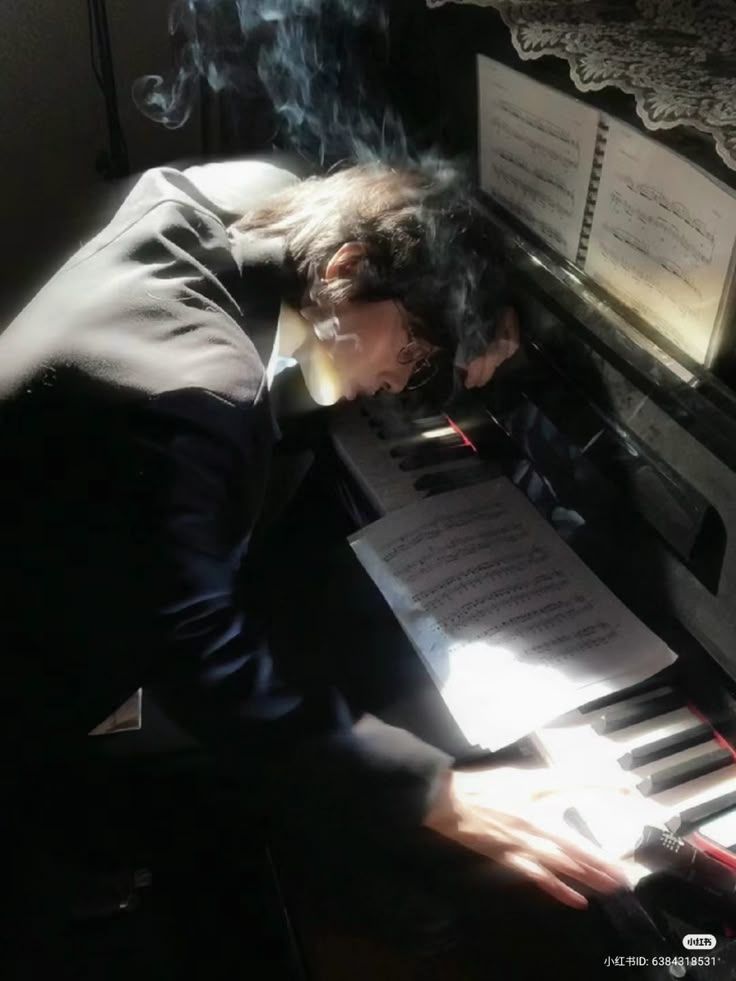
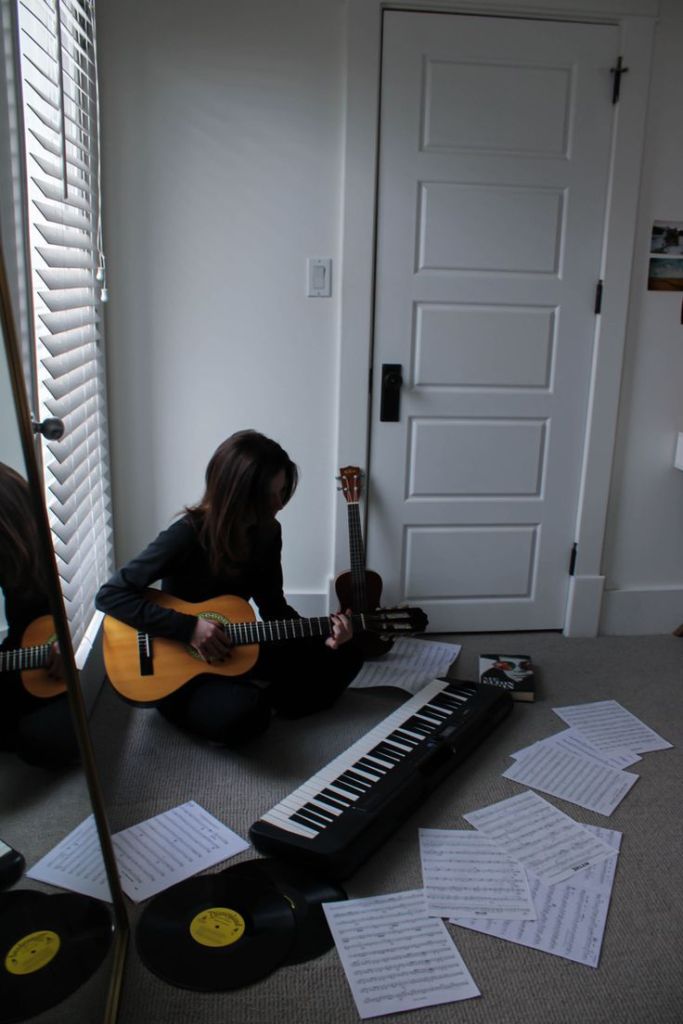
    Returning to old passions is sometimes the first step toward finding yourself again.

    I recently started thinking about how much I love writing and all the years I had lost not being able to do it.

    I was just having a conversation with my friend, well kind of asking her about this. She used to draw, but unfortunately due to growing up and responsibilities she had to leave that behind. But recently while speaking to her, I sort of asked her if she draws and she said “Sounds really rejuvenating”.

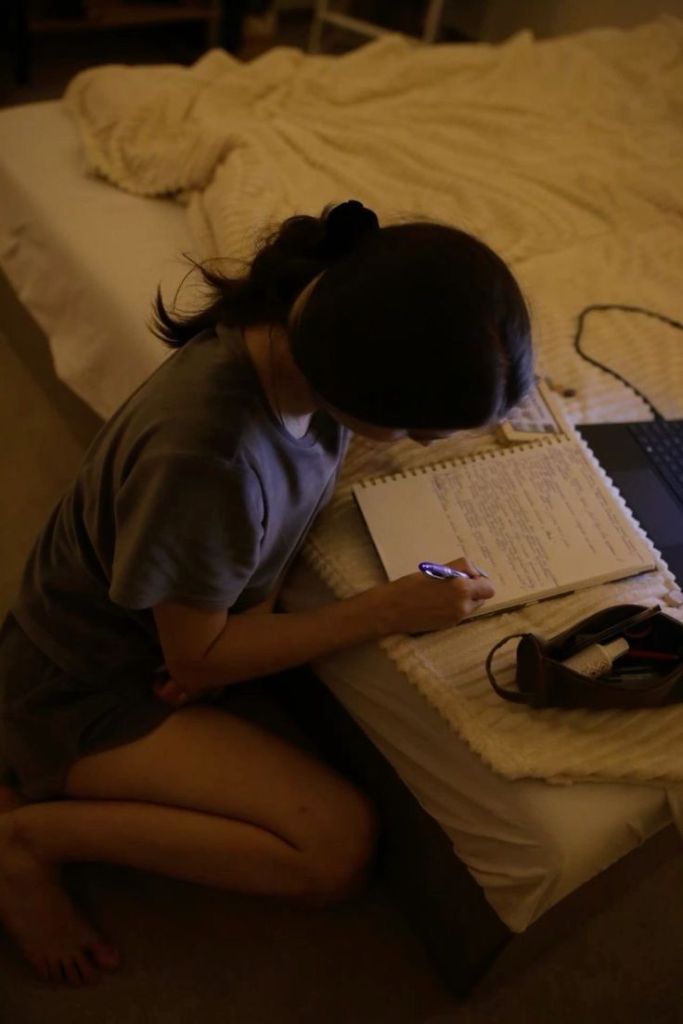
    This got me thinking, when I was a child I used to write my thoughts, quotes or poems in a notebook as a child and then I absolutely left that due to my studies and being a teenager.

    For years, I did not touch a pen to write my thoughts, until this one time when I was 24 and I met someone. This guy was working in my office and would do freelance writing. He seemed quite intellectual, but that was not a meeting I ever want to remember, that’s a story for maybe a few years… (my mom reads my blog, so I don’t want to talk about boys here….. Not for now.)

    Anyways, I thought it was so cool to be able to do what you love while carrying responsibility.
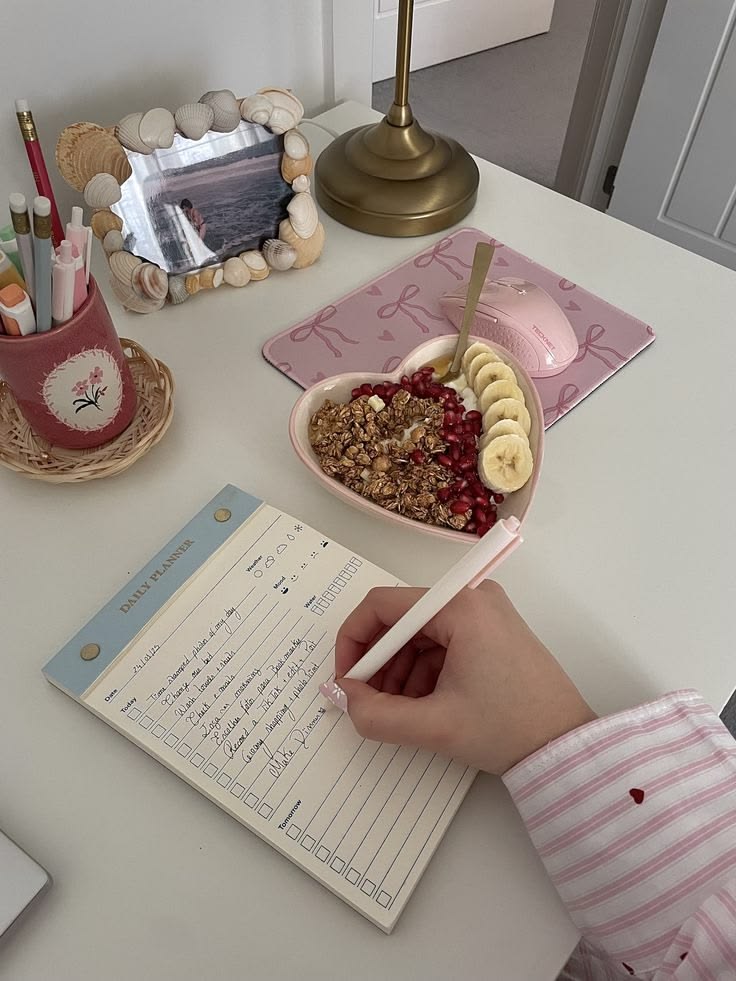
    And it stuck in my head, why couldn’t I do it?

    And then in 2022, I completely changed my life… I left my job and found a better company, enrolled for my master’s degree in literature, and I also got a home with my sister. 2022 was a pivotal year for me.

    So, I got back into writing in 2024, and started the blog and worked on my books.

    I questioned, what would my life look like today if I had never returned to writing?

    It would be dead actually, it would be boring with me doing absolutely nothing productive. My writing has not only helped me to write, but it in a way shaped my thoughts and discipline in life. So, I would have been a completely different person without it.


    Why do people slowly abandon the things they once loved?

    People slowly abandon the things they once loved due to natural psychological shifts, including the evolution of personal identity, diminishing returns (habituation), and the accumulation of negative associations or pressure.

    Over time, priorities naturally change, and what once brought joy may no longer align with a person’s current lifestyle or values.

    Psychologists and behavioral scientists point to a few core reasons for this drift:

    The Novelty Wears Off (Habituation):
    The human brain is wired to adapt to recurring stimuli. The intense dopamine rush experienced when first engaging in a new hobby or passion naturally levels out, making the activity feel routine or less exciting over time.

    Identity Shifts:
    As people grow, their sense of self evolves. An activity that defined a person in their teens or twenties might no longer fit who they are, causing them to naturally outgrow it.

    The “Value vs. Effort” Equation:
    Hobbies can start to feel like chores. If the mental, physical, or financial effort required to maintain a passion begins to outweigh the joy it brings, people slowly disengage.

    Performance Pressure:
    Turning a beloved hobby into a side hustle or comparing oneself to experts can introduce stress and anxiety, stripping the activity of its original recreational value.

    Competing Priorities:
    Life stages change. New responsibilities—such as careers, family, or other life events—limit available time, forcing individuals to consciously or subconsciously reallocate their attention.

    Ultimately, abandoning a past interest is rarely a sudden rejection; rather, it is usually a gradual fading of interest as new habits and phases of life take precedence.
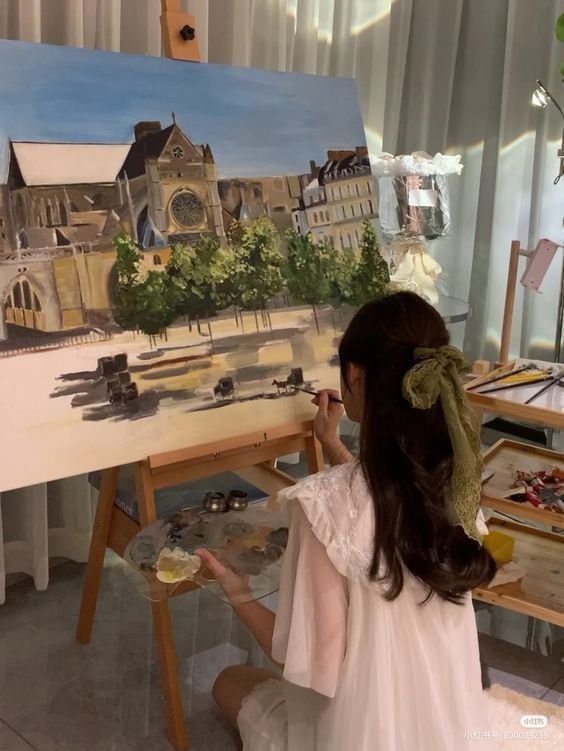

    What changes when someone starts doing an old hobby again? Is it the hobby itself, or something deeper?

    When someone returns to an old hobby, the activity itself rarely changes. Instead, the transformation is entirely internal.
    Reigniting a past passion alters your psychological relationship with the activity, reflecting deep changes in your personal growth and mindset.

    What Actually Changes

    A Shift in Motivation:
    People usually return to hobbies for therapeutic reasons rather than achievement. The initial drive to master a skill is replaced by a desire for stress relief, nostalgia, or mental clarity.

    Lowered Stakes:
    The pressure to perform or compete typically vanishes. Adults returning to childhood hobbies care less about perfection and more about pure enjoyment.

    New Perspectives:
    Years of life experience give you a different lens. A book read a decade ago reveals new meanings; a sport played with a mature body requires new strategies.

    Dopamine Reset:
    The brain is no longer chasing the frantic high of novelty. Instead, it experiences the grounding comfort of predictability and familiarity.

    The Deeper Psychological Shift

    Returning to a hobby is often an act of self-reclamation. It signifies a desire to reconnect with a version of yourself that existed before life became consumed by career, family, or societal pressures. It is an intentional choice to prioritize personal joy over productivity, marking a transition from survival mode back into self-care.
    What do we lose when we stop creating, exploring, or playing just because we’re adults?

    When we stop creating, exploring, and playing in adulthood, we lose essential cognitive, emotional, and social benefits. Abandoning these activities diminishes our natural adaptability, restricts our ability to relieve stress, and stifles the creative problem-solving skills necessary for navigating a complex world.

    Here is a breakdown of what we miss out on when we lose touch with these vital human drives:
    1. The Cost of Not Creating

    Suppressed Emotional Processing: Making art or building things provides a healthy outlet to process complex feelings, leading to lower anxiety and better mood regulation.

    Stifled Innovation: Creativity isn’t just for artists; it is the foundation of innovation. Without it, we lose the drive to challenge the status quo and find novel solutions in our careers and personal lives.

    Diminished Sense of Agency: Creating reminds us that we can shape our environment. When we stop, we transition from active participants in our lives to passive consumers.

    1. The Cost of Not Exploring

    Reduced Neuroplasticity: Exploring new hobbies, places, or ideas forces the brain to form new neural pathways. Without this stimulation, our minds become rigid, making it harder to learn new skills.

    Eroded Curiosity: The world is full of nuance. When we stop exploring, we settle for surface-level assumptions and lose the childlike wonder that keeps life engaging.

    Stagnant Personal Growth: Stepping out of our comfort zone builds resilience. Without exploration, we risk becoming complacent and overly comfortable with monotony.

    1. The Cost of Not Playing

    Higher Stress and Burnout: Play is a primary way the nervous system resets. Adults who don’t play are more susceptible to chronic stress and emotional exhaustion.

    Poor Interpersonal Connection: Shared play builds trust and deepens relationships. A lack of it can lead to isolation and more rigid, transactional interactions with friends, family, and colleagues.

    Loss of Adaptive Thinking: Play allows us to experiment, fail, and try again without high stakes. Without it, we become terrified of making mistakes, which heavily limits our willingness to take healthy risks.

    Psychologists and researchers emphasize that play and creativity are not luxuries; they are biological imperatives that keep our brains healthy and our spirits vibrant. Engaging in these activities releases endorphins, boosts immune function, and fosters a lifelong enthusiasm for living.

    Conclusion

    Maybe growing up was never supposed to mean leaving behind the things that once made us feel alive. Somewhere between deadlines, responsibilities, and the constant pressure to be productive, many of us quietly set aside the hobbies that once brought us joy.

    But the beautiful thing about passion is that it doesn’t disappear. It waits.

    Whether it’s writing, drawing, dancing, painting, playing an instrument, or something only you know, it’s never too late to return to it. You don’t have to be as good as you once were. You don’t have to turn it into a career or a side hustle. You don’t even have to share it with anyone.

    Just begin again.

    So today, I want to leave you with one question: What is one thing you loved doing that you’ve quietly left behind?

    Maybe it’s time to dust it off, give yourself permission to be a beginner again, and rediscover a part of yourself you thought was gone.

    Do let me know which hobbies you want to get in touch with below! 👇🏻💕


  • Raised to Be Responsible: The Hidden Weight of Being the Eldest Daughter

    I was minding my own business one day when a video about eldest daughters showed up on my Instagram feed. It was an influencer talking about the struggles of being the eldest daughter. At first I scrolled past it. Then another video appeared. And another.

    Suddenly I realized something uncomfortable.

    I related to almost all of it.

    I have always felt like the man of the house. Why you might ask, I don’t know, I just feel like it. I earn money, give it to my mother and then mind my own business and let my mom run the house.

    So when I saw those videos one after another, it felt weird but relatable on a deeper level.

    But why is that? Why do I feel like that?

    Where does this “elder daughter syndrome” even start?

    An elder or eldest daughter is the first-born female child in a family, or the oldest daughter among siblings. She is the girl with the highest chronological age among her sisters and brothers.

    She is often viewed as a “third parent” or role model in the family and to her siblings.

    She is frequently expected to be responsible, nurturing, and emotionally grounded, acting as a caretaker for her younger siblings.

    Being the oldest female sibling in your family can have an impact on your personality and behavior. And this my friend is a universal feeling, every eldest daughter has felt growing up.

    If you had grown up as an eldest daughter, you might have felt the sense of responsibility towards your house and family that you still carry in your adulthood.

    Some Common traits people associate with it :

    Many eldest daughters report growing up as the:

    1. The responsible one

    Parents expect them to be mature early.
    Helping with younger siblings, chores, or being the “example”.

    2. The emotional mediator

    They become the person who:

    calming fights
    comforting parents
    managing everyone’s emotions

    Basically the family therapist before they’re even adults.

    3. High expectations Things like:

    better grades
    better behavior
    more discipline
    Mistakes are judged more harshly because they’re “the eldest”.

    4. Hyper-independence Because they learned early that people depend on them, they often struggle to:

    ask for help
    relax
    let others take responsibility

    5. Pressure to succeed Sometimes they feel their life choices reflect on the whole family.

    Let’s be honest I personally relate to all of it (except the best grade part, because I hated studying the most in the world, so I left that part on my sister who is a middle child and that’s a different struggle altogether), as I have felt like this for a long time. And as an adult I do struggle in asking for help. I’ve spent so many years being the reliable one that the idea of needing support feels uncomfortable.

    Part of me still believes I should be able to handle everything on my own.

    Why does this happen?

    In many cases, it’s begins with simple family dynamics.

    When people become parents for the first time, they are still figuring things out. The eldest child often becomes the learning experience. By the time younger siblings arrive, parents have already learned from those early mistakes.

    The eldest also almost always becomes a role model naturally, making your siblings follow you and that also increases responsibilities in older children.

    Why does the eldest daughter often feel more burned out than the eldest son?

    Birth order alone doesn’t explain it. The difference mostly comes from how boys and girls are socialized inside families.
    Emotional labor vs achievement pressure
    In many households, the eldest son is pushed toward external success.

    He hears things like:

    Study well.
    Get a good job.
    Take care of the family financially later.
    The eldest daughter often gets a different set of expectations.

    She is expected to manage the emotional climate of the house.

    That includes things like:

    calming younger siblings.
    helping with their homework.
    assisting the mother with chores.
    being “mature” and well-behaved.
    understanding parents’ struggles.

    The problem is that emotional labor has no clear boundaries. It never really ends.
    If your job is just to study or build a career, you can log off at some point.

    If your role is keeping everyone emotionally stable, you’re always on duty.

    That’s where the burnout comes from.
    Parentification

    Psychologists sometimes call this parentification.

    It means a child starts acting like a third parent too early.

    This might look like:

    babysitting siblings constantly.
    mediating fights between family members.
    feeling responsible for parents’ feelings.
    being the “reliable one” who cannot mess up.

    Some eldest sons experience this too. But statistically, daughters are asked to do it more often, especially in cultures where caregiving is linked to femininity.

    The “good daughter” trap

    Another subtle factor is behavior expectations.

    Girls are usually rewarded for being:
    responsible
    quiet
    helpful
    emotionally aware

    So the eldest daughter learns very quickly that love and approval come from being dependable.

    Over time, that becomes part of her identity. Even as an adult she might feel guilty if she doesn’t step in and fix things.
    That’s where the long-term exhaustion shows up.

    The bigger point

    The “eldest daughter syndrome” conversation online resonates because it captures a real pattern. Girls are often trained early to be caretakers.

    That training builds strengths like:

    emotional intelligence
    leadership
    resilience

    But it can also create adults who feel responsible for everyone else’s stability except their own.

    The healthiest shift later in life is learning that being capable doesn’t mean you must carry everything.

    How can one overcome this?

    To be honest, we all know that the “eldest daughter burnout” isn’t fixed by one trick. It usually comes from years of conditioning. You learned that your value comes from being useful, responsible, and emotionally available. That doesn’t disappear overnight.

    But it can be undone. Here’s what actually helps.

    1. Stop confusing responsibility with self-worth

    Many eldest daughters internalize this belief, “If I don’t hold things together, everything will fall apart.”

    That sounds noble, but it’s also a control illusion. Families function with or without you managing everything.

    What this really means is learning to ask yourself a simple question before stepping in.

    Is this actually my responsibility, or am I volunteering because I feel guilty if I don’t?

    A lot of burnout disappears the moment you stop adopting problems that aren’t yours.

    2. Set boundaries with family (even small ones)

    This is the hardest step because families resist it.

    If you’ve been the reliable one for years, people expect it. The moment you stop over-functioning, someone will say things like:

    You’ve changed
    You don’t care anymore
    You used to help more

    That pushback doesn’t mean you’re wrong. It means the system is adjusting.
    Start small:

    don’t solve every sibling problem
    don’t mediate every family conflict
    let adults handle their own issues

    You’re not abandoning people. You’re returning responsibility to where it belongs.

    3. Stop being the emotional sponge

    Many eldest daughters absorb everyone’s emotions. They listen to every complaint, every crisis, every frustration.

    That creates a hidden load.

    You can care about someone without becoming their emotional container.
    Sometimes the healthiest response is simply, “That sounds tough. I hope you figure it out.”

    Notice the difference. You acknowledged them without taking ownership of the problem.

    4. Build an identity outside “the responsible one”.

    This is important.

    If your identity for years was:

    The dependable one
    the strong one
    the one who handles everything

    Then relaxing feels wrong. Almost selfish.
    You need other identities too:

    writer
    friend
    athlete
    traveler
    learner.

    Your life cannot revolve only around being useful to others.

    5. Accept that people may see you differently

    When you stop over-functioning, some people will think you became colder.
    In reality, you probably just became healthier.

    A lot of women delay this step because they want everyone to remain comfortable. But growth often means someone else loses the convenience they had with you.

    That’s part of adulthood.

    Conclusion

    For many years I thought this constant sense of responsibility was simply part of my personality. Only recently did I realize it might also be the role I was trained to play as the eldest daughter.

    At its core, what people call eldest daughter syndrome is really about roles learned early in life. Many eldest daughters grow up being dependable, mature, and emotionally aware long before they are ready for that weight. Over time, those expectations can turn into pressure, and that pressure can lead to exhaustion.

    But the same experiences that create burnout also build powerful strengths. Eldest daughters often develop resilience, leadership, and deep emotional intelligence because they learned how to navigate responsibility early. The challenge in adulthood is not to erase those qualities, but to balance them with self-respect and boundaries.

    Learning to step back, share responsibility, and prioritize personal well-being allows women to keep their strength without carrying the entire emotional load of others. In the end, growth comes from recognizing that being capable does not mean being responsible for everything. True strength lies in knowing when to support others and when to protect your own energy.

    Hi, it has been a while, but I have been so busy with everything.

    I am trying to be more active from now on.

    Thank you so much for reading this far. 🤗🌷

    Do let me know your thoughts below 👇🏻💕


  • High-Functioning Dreamer: Personal Growth and Development as a Success Strategy

    t’s 2AM, I’m spiraling (relatable), and here’s what hit me:

    I want to succeed. Like, actually succeed — not just look good on LinkedIn or tick boxes for external validation.
    And that made me think about personal growth — not as some fluffy side quest, but as the main game for getting where I want to go.

    Let’s get one thing straight: personal growth isn’t just some side hobby for your Sundays or something you write down in your New Year’s resolutions and forget by February. For those of us who are both dreamers and doers — soft on the outside, ruthless about our goals on the inside — personal growth is the actual strategy. It’s the thing that makes success possible, sustainable, and meaningful.

    I’m talking about the kind of growth that makes you uncomfortable in the best way. The kind that forces you to face yourself, outgrow your old patterns, and build the mindset, habits, and emotional strength that help you not only dream big but actually get there.

    What is personal growth?

    Personal growth is a lifelong process of becoming a better, stronger, more aligned version of yourself. It’s about learning, evolving, and making conscious choices that push you toward your potential. It’s building the skills, mindset, and character that let you handle your dreams without falling apart in the process.

    It’s not a straight line. It’s not easy. But it’s the only path that actually gets you where you want to go.

    Here’s a closer look at what personal growth involves:

    Key aspects of personal growth

    ✅ Self-awareness — Getting real about your strengths, weaknesses, values, triggers, and patterns.

    ✅ Self-regulation — Managing your impulses, pausing before reacting, staying grounded under pressure.

    ✅ Internal motivation — Doing things because they matter to you, not just because of external validation or rewards.

    ✅ Empathy — Understanding where others are coming from so you can build meaningful connections.

    ✅ Goal setting — Choosing focused, realistic targets that align with your values (and yes, SMART goals actually work).

    ✅ Continuous learning — Staying curious, open to feedback, always growing your skills and knowledge.

    ✅ Resilience — Getting back up when life knocks you down (because it will).

    ✅ Adaptability — Staying flexible and adjusting when the plan changes — because it always does.

    🚩 What personal growth is not

    It’s not about being perfect.

    It’s not about being “better” than other people.

    It’s not a neat, linear glow-up.

    And it’s definitely not something you can track with KPIs (sorry to my inner Capricorn, but this one’s messier than that).

    🌱 What personal growth looks like in real life

    Ignoring the urge to reply to that toxic text.

    Apologizing sincerely without making excuses.

    Setting a boundary even though your heart’s racing.

    Taking the L, learning the lesson, and not spiraling into shame.

    Wanting to quit but showing up anyway — and knowing when to rest.

    It’s the small, unglamorous decisions that stack up to massive change. Not just the big moments.

    Why is personal growth necessary?

    1️⃣ Because life will happen — growth lets you happen back

    Life will test you: toxic coworkers, heartbreaks, burnout, unexpected detours. Without growth? You’re just getting dragged along. With growth? You ride the waves. You build resilience.

    2️⃣ Because staying the same costs more

    If you don’t grow, you stagnate. That looks like:

    Repeating the same bad relationships.

    Staying stuck in draining jobs.

    Wondering why you’re unfulfilled despite external “success.”

    Growth gives you agency. It’s how you break out of rinse-repeat cycles.

    3️⃣ Because goals don’t achieve themselves

    Being ambitious isn’t enough. Personal growth gives you:

    👉 focus
    👉 emotional regulation
    👉 boundaries
    👉 self-trust
    👉 adaptability

    Without that? Hustle just turns into burnout with glitter on top.

    4️⃣ Because regret is the worst failure

    Growth ensures that, when you look back, you see a life you chose — not one you fell into by default. No one wants to wake up at 50 thinking,

    > “I lived someone else’s plan and never figured out who I was.”

    How personal growth becomes a success strategy

    1️⃣ Self-awareness = smarter choices

    Growth helps you stop chasing what doesn’t fit.

    Strategy move: Build a reflection practice (journaling, therapy, regular check-ins) so you can course-correct fast.

    2️⃣ Emotional intelligence = real leadership

    Growth gives you power skills: empathy, communication, emotional regulation.

    Strategy move: Learn to read the room, manage your reactions, and influence without force. That’s baddie-level leadership.

    3️⃣ Growth mindset = adaptability

    While others panic in change, you pivot, learn, and thrive.

    Strategy move: Seek feedback. Try new approaches. Treat failure as data, not defeat.

    4️⃣ Boundaries = energy management

    You learn what fuels you and what drains you — and act on it.

    Strategy move: Ruthlessly prioritize. Say no more. Focus your energy where it pays off.

    5️⃣ Vision + discipline = dream execution

    Growth connects big ideas to daily action. You don’t just dream — you build.

    Strategy move: Align your habits with your purpose and stay consistent, even when it’s boring.

    The bottom line

    Personal growth isn’t optional if you actually want to win. It’s not an extra. It’s the strategy that makes success inevitable.

    The world’s going to test you either way. The question is: will you evolve, or will you keep repeating the same patterns and wondering why nothing changes?

    Stop treating growth like a side quest. This is the main game. And when you commit to it? That’s when you stop chasing success — and start becoming it.

    Let me know your thoughts below 👇🏻💕