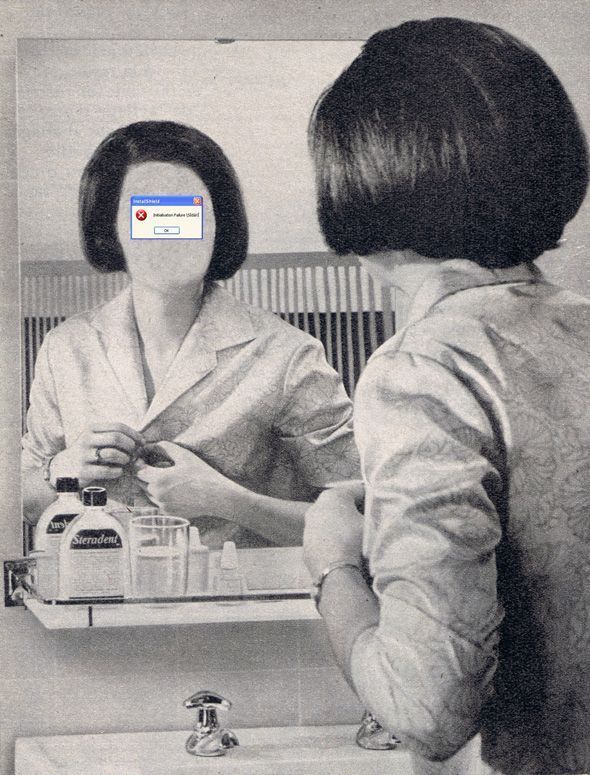
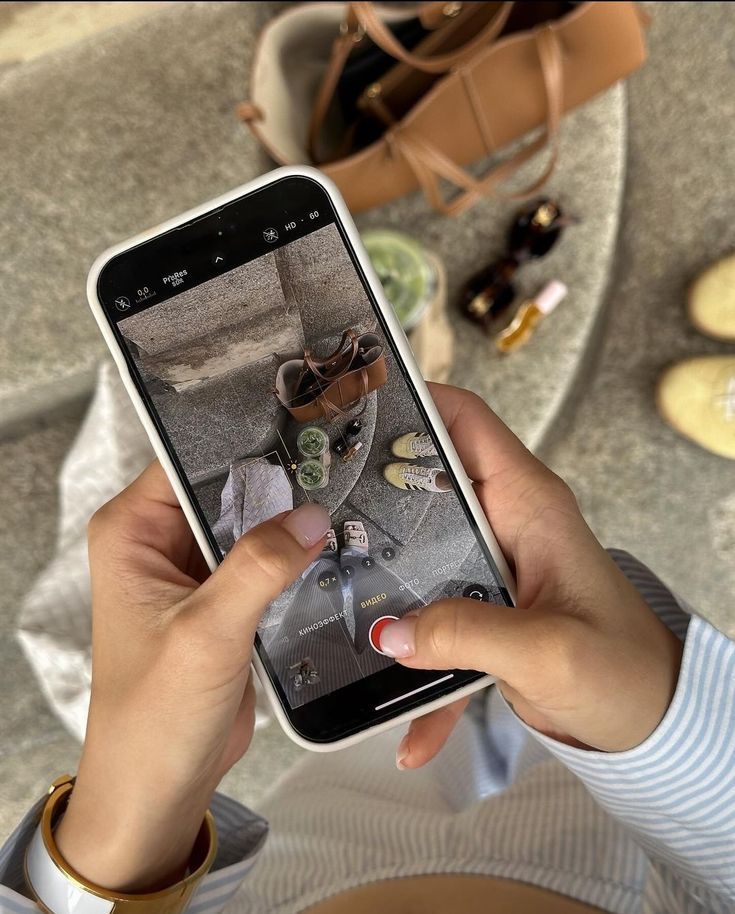
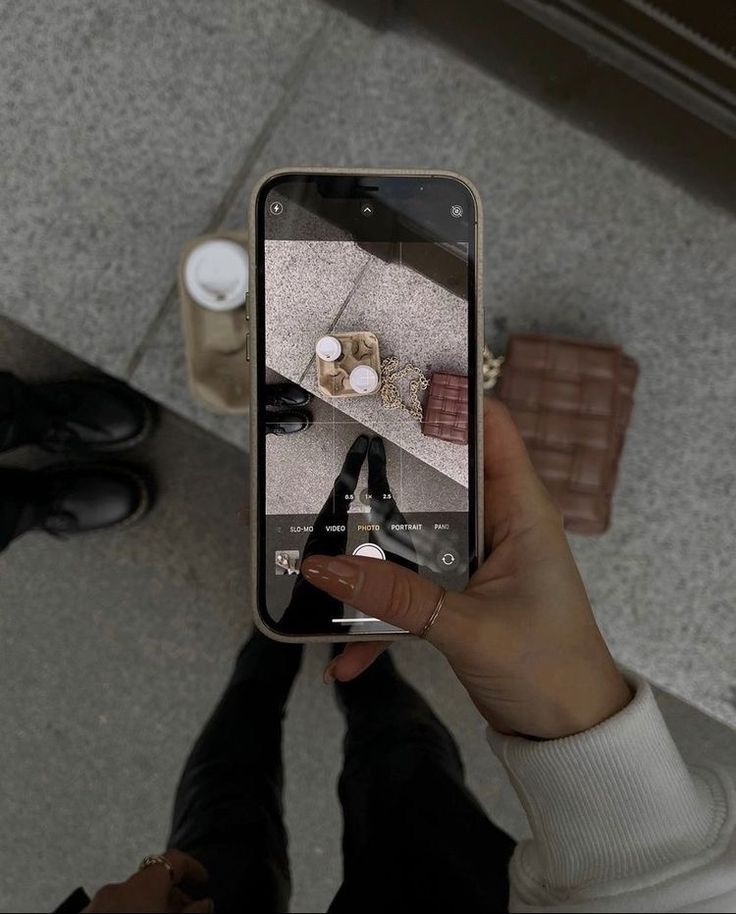
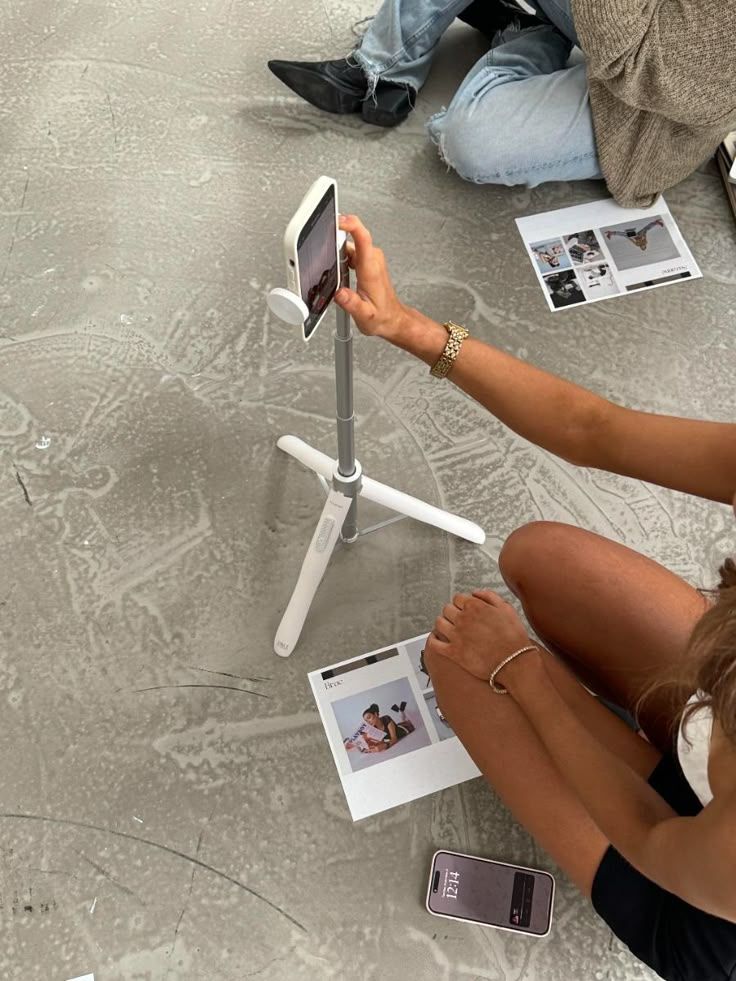
We document every meal, every vacation, every milestone. But are we preserving our lives or slowly replacing the experience with the performance of it?
Everytime we go anywhere, do anything, we always have to film it.
Before eating, we photograph the food.
Before watching the sunset, we record it.
Before laughing with friends, someone says, “Wait, let me film this.”
Whenever I go out with my friends, we take so many pictures all the time. Of every single thing, while getting ready, while on the way, after arriving, food, our picture, multiple videos of the places and people around it. It’s like we have forgotten to live in the moment.
When did living become something we needed proof of?
We’ve Always Wanted to Remember
The desire to hold on to memories isn’t new. Humans have been doing it for centuries.
Long before social media, people wrote diaries, saved letters, filled photo albums, made scrapbooks, and recorded home videos. They kept ticket stubs, postcards, pressed flowers, birthday cards, and little reminders of ordinary days that meant something to them.
We remember because memory is part of who we are.
It helps us make sense of our lives. It reminds us of where we’ve been, who we’ve loved, and how we’ve changed. Memories connect our past with our present, and they become the stories we tell ourselves about who we are.
For thousands of years, memories were deeply personal. Even when they were shared, they were shared with family and friends, not with thousands of strangers.
That’s the biggest difference today.
The goal wasn’t an audience.
It was remembrance.
Today, many memories are created with the expectation that someone else will eventually see them.
From Remembering to Performing
Somewhere along the way, something changed.
Experiences stopped being just experiences.
They became content.
Going out isn’t simply about spending time with people anymore. It’s also about finding good lighting, taking enough pictures, filming a few videos, choosing the right music, writing a caption, and deciding the best time to post.
It almost feels like every experience happens twice.
First, you live it.
Then, you package it.
It makes me wonder: would this moment still feel just as meaningful if nobody else ever saw it?
Social media hasn’t just changed how we share our lives. It has changed how we design them.
Restaurants are built with photo-worthy interiors. Cafés create drinks that look better than they taste. Tourist attractions have designated photo spots where people line up to recreate the exact same picture they’ve already seen online.
Even the way we travel has changed.
Instead of wandering through a city because we’re curious, we often chase locations we’ve already seen on Instagram. Sometimes we spend more time looking for the perfect angle than actually looking at the place itself.
Without realizing it, we stop asking ourselves, Am I enjoying this?
Instead, we ask, Will this make a good post?
That’s the moment our experiences stop belonging entirely to us.
They become performances for an invisible audience.
Why Do We Feel the Need to Capture Everything?
Of course, this doesn’t happen because people are shallow.
There are real reasons behind it.
We don’t want to forget.
We don’t want to feel left out.
We want to remember birthdays, vacations, concerts, and quiet afternoons with people we love.
Social media adds another layer to that.
Every like, comment, and view tells our brain that sharing is rewarding. Over time, posting becomes less of a choice and more of a habit.
Slowly, our phones become external memory banks.
We trust them to remember everything for us.
Nothing really disappears anymore.
Every photo, every video, every story sits somewhere in the cloud, waiting to be revisited.
But that raises another question.
If our phones are remembering everything for us, are we remembering any of it ourselves?
Are We Actually Remembering More?
You’d think that taking more pictures would help us remember more.
Ironically, research suggests the opposite can happen.
Psychologists call it the photo-taking impairment effect. When we know our phone is recording a moment, our brains sometimes become less invested in storing it. We trust the camera to remember for us.
Instead of remembering how cold the breeze felt, how loud everyone laughed, or how excited we were, we remember the picture.
We remember the angle.
The filter.
The caption.
Our phones have become external hard drives for our memories, and while that’s incredibly convenient, it can also make us less present.
Have you ever come home from a concert with dozens of videos you’ll probably never watch again?
Or realized you spent an entire sunset looking at it through your screen instead of with your own eyes?
Sometimes we’re so focused on preserving the moment that we forget to experience it.
When Relationships Become Content
It’s not just places and experiences anymore.
It’s people.
Relationships have quietly become one of the internet’s favourite forms of content.
Couples vlog their dates. Friends post photo dumps after every outing. Pregnancy announcements become elaborate productions. Even breakups sometimes become public statements before they’ve been privately processed.
None of this is necessarily wrong.
Sharing joy has always been part of being human.
But it does make me wonder:
Does every meaningful relationship really need an audience?
Some of the strongest friendships I’ve had aren’t defined by photos. They’re defined by conversations I’ll never be able to capture. The stupid inside jokes no one else would understand. The moments that mattered because they belonged only to us.
Not every memory becomes more valuable once it’s shared.
Sometimes it becomes less personal.
Children are another example. Many now have thousands of photos online before they’re old enough to understand what it means to have a digital footprint. Their childhood becomes part of someone else’s online story long before they can choose whether they want it to be.
It’s worth asking where we draw the line between preserving memories and publishing lives.
When Your Life Becomes Your Brand
The more we post, the easier it becomes to confuse who we are with how we’re perceived.
Without realizing it, we start curating our lives.
We choose what gets photographed.
What gets posted.
What gets remembered.
Slowly, we begin editing our lives the same way we edit our feeds, keeping the polished moments and quietly hiding everything else.
The messy days.
The boring days.
The lonely days.
But those moments are just as much a part of our lives as the beautiful ones.
The danger isn’t that we become dishonest.
It’s that we start believing our edited version is the complete story.
We’re no longer just documenting our lives.
We’re writing an autobiography in real time, one post at a time.
What We Lose
Not everything needs to be documented.
Some memories become more meaningful precisely because they were never recorded.
A conversation that lasts until 2 a.m.
A road trip where nobody thought to take a picture.
A joke that only two people remember.
A sunset you watched without reaching for your phone.
Those moments don’t become less real because they weren’t posted online.
If anything, they often become more special.
Private joy has a different kind of beauty.
It doesn’t need likes to prove it mattered.
Maybe that’s what we’re slowly losing.
Not our ability to take photos.
But our ability to let a moment exist without feeling responsible for turning it into content.
Conclusion
Maybe the question isn’t whether we should stop taking pictures.
I don’t think that’s the answer.
Photographs have always helped us remember the people we love, the places we’ve been, and the lives we’ve lived. They preserve pieces of history that would otherwise fade with time.
The real question is why we’re taking them.
Is it because we genuinely want to remember this moment?
Or because we want other people to know we were here?
There’s nothing wrong with documenting our lives. The problem begins when documenting the moment becomes more important than living it.
Not every sunset needs a time-lapse.
Not every meal needs a photograph.
Not every conversation needs an audience.
And not every beautiful moment needs proof that it happened.
Some memories are meant to stay exactly where they were created—in the hearts of the people who lived them.
Maybe the richest memories aren’t the ones sitting in our camera rolls.
Maybe they’re the ones that made us forget our phones were even there.
Let me know your thoughts below 👇🏻💕
 Ladyink with love