If I had to describe 2025 in one line, I’d say this: it opened my eyes and forced me to reflect. Not in a dramatic, life-altering way, but in a slow, honest way. The kind that stays with you even when nothing big seems to be happening.
At the beginning of the year, I thought love and a promotion would be part of my story. They weren’t. And oddly enough, I’m not sad about that. I didn’t feel robbed or behind. I just felt… okay. Like maybe life was asking me to focus on something else instead of chasing timelines that weren’t mine.
One of the biggest decisions I made this year was writing my first short story. It wasn’t a loud announcement or a sudden burst of confidence. It was quiet and personal. I just decided to do it. That choice mattered to me because it reminded me that I don’t have to wait for the perfect moment or validation to start something I care about.
What really exhausted me in 2025 was a pattern. The kind you don’t notice until you’ve repeated it enough times to feel tired of yourself. Once I saw it clearly, I couldn’t ignore it anymore. And once I couldn’t ignore it, I knew it had to change.
I’m quietly proud of how much more at peace I feel now. I’m clearer. I don’t feel as pulled in different directions. I’ve started letting go of expectations, especially the ones that weren’t even mine to carry. I also became more aware of my habits, the good ones and the ones that were holding me back without me realizing it.
This year also taught me something very real about work, money, and ambition. Wanting more means working harder. There’s no escaping that. No shortcuts that don’t eventually catch up to you. If I want a different life, I have to be willing to put in consistent effort, even when it feels slow and invisible.
Being single this year didn’t make me feel lonely or lacking. It taught me that I don’t have to be sad about it. I’m becoming my best self in my own time. Love doesn’t need to arrive right now for my life to still feel meaningful. Everyone has their own timing, and mine just isn’t here yet.
One belief I finally let go of in 2025 is the idea that I’m useless. I’m not. I’m hardworking. I show up. I try, even when things don’t immediately work out. I’m content in ways I didn’t expect, and that matters more than I used to admit.
As I step into 2026, I’m carrying my confidence and clarity with me. I’m leaving behind unnecessary doubt and habits that don’t serve the person I’m becoming. 2025 didn’t give me everything I thought I wanted, but it gave me something solid. And for the first time in a while, that feels enough.
Happy New Year !!! 🎊🎉🩷🙏🏻
What do you think your 2025 went? Let me know your thoughts below 👇🏻💕
Lately, I’ve realized that the biggest lessons I’ve learned didn’t come from books, advice, or big moments. They came quietly, through exhaustion. I’ve learned that my energy drains much faster now when I’m in places or around people who don’t match my vibe. Earlier, I would stay longer, try harder, tell myself I was being too sensitive. Now I feel the discomfort early, and I don’t argue with it. That awareness has become a skill in itself.
I’ve also learned how to walk away without explaining myself. This didn’t come from confidence; it came from fatigue. Conversations that irritate or anger me don’t get my time anymore. I no longer feel the need to clarify, justify, or soften my exit. I learned to set up boundaries and telling no more firmly. I leave because staying costs me more than leaving ever did. It’s not dramatic. It’s just self-respect in action.
Over time, I’ve become very good at spotting people who aren’t real. Especially those who are overly sweet with everyone. That kind of kindness used to confuse me, and I always thought there is something wrong with me to not like someone who is loved by everyone. Now I recognize it as performative. I’ve learned to trust my discomfort around people who charm easily but lack depth. This hasn’t made me cynical…. it’s made me selective. I don’t want access to everyone, and I don’t want everyone to have access to me.
When something disappoints me deeply, my response has changed. I withdraw first. I need space to process things on my own, without noise or opinions. And then, once I’ve absorbed it, I push through. I don’t fall apart the way I once feared I might. I keep going. That combination of withdrawal and endurance is something I didn’t consciously develop, but it’s there now. Quiet. Reliable.
One thing I genuinely respect about myself these days is my ability to walk away from what doesn’t serve me and stand my ground on what I believe in. Even when it’s uncomfortable. Even when it costs me closeness. I didn’t always have that kind of loyalty to myself. I learned it slowly, by choosing my peace over being understood.
A harder lesson I’ve learned is to stop expecting help and understanding from people. This one still stings. Not because people are cruel, but because they’re often unable to meet you where you are. Letting go of that expectation forced me to rely on myself more than I ever thought I could. It wasn’t empowering at first. It was lonely. But it made me stronger in a very quiet way.
Emotionally, I’ve changed too. I’m no longer scared to acknowledge my own feelings. I may not share them openly, but I don’t deny them anymore. I know what I feel. I accept it. That internal honesty has been one of the most important shifts for me. Even if no one else sees it, I do.
For a long time, I thought I hadn’t handled anything significant because there were no obvious markers of growth. No applause. No visible breakthroughs. But looking back, I see years of silent work. I carried my mental and emotional struggles without letting people in. I kept showing up. I kept becoming more myself. That invisible endurance is something I never planned to learn, but it’s shaped who I am now more than anything else.
Innocence (bubblegum, baby cheeks, first crush type vibe)
Hope & Calm (pale pink especially has a calming, almost therapeutic quality)
🧠 Psychologically speaking:
Pink reduces aggression (Fun fact: some prisons in Switzerland are painted pastel pink to calm inmates. It’s called “Cool Down Pink.”)
It often feels safe, familiar, comforting, like childhood nostalgia.
But too much of it can also be seen as naive, overly soft, or performative.
⚡ In Gen Z & pop culture:
Pink has been reclaimed. It’s not just “girly” — it’s powerful, punk, and political (hi, Barbie movie, breast cancer awareness, and Mean Girls).
Pink is now a weapon and a vibe. It’s giving “I will cry and ruin your life.”
When did people started hating and stereotyping Pink?
People started hating on pink around the mid-20th century, when it got aggressively gender-coded as “feminine” — and being feminine became something to mock, limit, or rebel against.
Let’s break it down by timeline and drama:
👶 Early 1900s: Pink Was for Boys?!
Yep, back in the day, pink was considered a strong, masculine color because it was a “light red.” Blue, on the other hand, was seen as delicate and dainty — perfect for girls. Wild, right?
> “The generally accepted rule is pink for the boys, and blue for the girls.” — Earnshaw’s Infants’ Department, 1918
💄 1950s: Pink Becomes Femme AF
Enter post-WWII marketing and gender essentialism. Department stores, advertisers, and toy companies decided to double down on rigid gender roles — women = domestic, soft, nurturing = PINK. Think: Barbie, baby clothes, kitchen appliances. The “pink for girls” agenda took over like a pastel-colored plague.
🧠 1970s–1980s: Feminist Backlash
Second-wave feminism hits and suddenly, pink becomes political. To many women, rejecting pink was rejecting the idea that their only value was in being pretty, passive, and decorative. Pink = the patriarchy’s favorite color. So people stopped trusting it.
📉 1990s–2000s: “Not Like Other Girls” Era
Cue the era of internalized misogyny. Tomboys and “cool girls” distanced themselves from pink to seem serious or smart. The rise of media tropes (like the girly airhead vs. the edgy brunette) only added fuel. Liking pink? That was basic. Lame. Shallow.
💅 2010s–Now: Pink Makes a Comeback… with Baggage
Thanks to movements like #WomenInSTEM, Gen Z feminism, and brands reclaiming “girliness,” pink made a return — but it’s complicated. People now love hot pink ironically, use it in protest (think: the pussyhat), or wear it in ways that subvert gender norms. But the old hate still lingers, especially from people who grew up associating it with powerlessness or forced femininity.
The Pink Stigma Is Real 💅
Somewhere along the way, pink stopped being a color and became a character. And not exactly a flattering one.
Love pink? You must be…
👛 The “Girly Girl”
You’re delicate, dainty, and probably spend your days organizing your makeup drawers and journaling about your dream wedding. Your hobbies? Shopping, sipping overpriced lattes, and saying “OMG” too often. Bonus points if your handwriting is suspiciously perfect.
🧠 The Airhead
Let me guess — pink is your favorite color because you don’t have enough brain cells to pick a deeper one? 🙄 This stereotype hits especially hard thanks to movies and media that equate femininity with frivolity. (Thankfully, Elle Woods came along and said, “What, like it’s hard?” and crushed that narrative.)
💅 The High-Maintenance Diva
You like pink? Then you must also like drama. You’re high-strung, expensive, demanding, and can’t possibly handle a rough day without smudging your manicure or calling your boyfriend in tears.
🎀 The Infantilized Woman
This one’s subtle, but insidious: the idea that women who love pink are immature. Stuck in their childhoods. Obsessed with glitter and unicorns and unable to handle “adult” things like taxes, heartbreak, or ambition.
🫦 The Flirt
On the opposite end, pink becomes sexualized. The femme fatale who uses her softness as a weapon. A walking contradiction — desirable, but never respected.
The Hate for Pink by Little girls :
Little girls might hate pink growing up not because they actually dislike the color — but because of everything the world attaches to it.
Here’s the real tea:
🚫 1. Forced Femininity = Rebellion Starter Pack
From birth, girls are bombarded with pink: clothes, toys, room decor, even diapers. It’s often not a choice — it’s an expectation. And when you’re a kid trying to figure out who you are, being boxed into “pink = girl” feels like a trap. So rejecting pink becomes a tiny rebellion against being told who you’re supposed to be.
> “You’re a girl, so here’s a pink tutu.” “No thanks, I’ll take the dinosaur tee and a Nerf gun.”
👧🏼 2. “Pink Means You’re a Girly Girl”
And being a “girly girl”? Often used as an insult. Kids (and adults) can be brutal with gender-coded labels. If a girl likes sports, climbing trees, or gets told she’s “not like other girls,” she may distance herself from pink just to protect her identity.
> Internalized message: “If I like pink, people won’t take me seriously. Or worse, they’ll lump me in with the girls they tease.”
🎀 3. It Was Used to Limit Them
For many girls, pink = the things they were allowed to be. Pretty. Quiet. Sweet. Delicate. But not loud, smart, wild, messy, athletic, or bossy — because those weren’t “feminine” traits. So rejecting pink becomes a way to say, “I’m more than what you want me to be.”
🎮 4. It Wasn’t Cool
Pop culture, schoolyard dynamics, even early YouTube — all subtly (or loudly) told us that “cool girls” wore black, were chill, liked blue, and didn’t fuss over pink sparkly stuff. Liking pink was coded as basic. So girls who wanted to be “different” or “cool” ditched the color entirely.
🧠 5. Associating It With Weakness
This one cuts deep. In a world where masculinity is praised and femininity is devalued, anything seen as “too girly” gets tied to weakness. So pink — the ultimate girly symbol — becomes the thing to avoid if you want to be taken seriously.
> “I’m not like those girls.” “Pink is for babies.” “I’m tough — I wear navy.”
Spoiler: all of that is internalized misogyny.
🤷♀️ 6. They Just… Didn’t Like It
Also, sometimes it’s not that deep. Maybe they genuinely didn’t vibe with the color. Not every girl has to love soft pastels or bubblegum neon. Personal taste exists! And that’s valid too.
Wait… Why Are We Still Doing This?
Let’s pause here and ask: Why does a color carry this much baggage?
Newsflash: Pink used to be a boy’s color. Back in the early 1900s, it was seen as a bolder, more “decisive” version of red — appropriate for young boys. Blue? That was soft, serene, and suited to girls.
People are still hating on the color pink because — surprise! — we’ve attached a whole bunch of outdated, gendered baggage to it. Pink hasn’t just been a color for decades now; it’s been a symbol of everything society deems “feminine,” and unfortunately, that often comes with a side of disrespect.
Here’s the breakdown:
💅 1. Femininity is Still Devalued
Let’s be honest — we live in a world where “girly” is still used as an insult. Pink, as a color, got coded as feminine over time (it wasn’t always — fun fact: it was once considered a boy color). But now? It represents softness, sweetness, delicacy — and all the things patriarchy told us were “less than.” So when people hate on pink, what they’re really doing is reacting to how we’ve historically disrespected femininity.
🧠 2. Internalized Misogyny is Real
Some women and girls reject pink not because they truly hate the hue, but because they’ve been taught that being “too feminine” makes you weak, shallow, or less intelligent. Hating pink becomes a way to prove you’re not like other girls — which is just another way patriarchy divides and conquers.
🎯 3. Marketing Overkill
Let’s not ignore how aggressively pink has been pushed on girls. The “pink aisle” in toy stores? Everything from bikes to LEGOs to baby wipes unnecessarily bathed in fuchsia? That overexposure creates resistance — like, why do we only get ONE color? Pink ends up symbolizing forced gender roles rather than just… being a color.
🫠 4. Stereotyping & Infantilization
Pink is often linked with childishness — think Barbie, princesses, bubblegum. That can make people want to reject it to be taken seriously. Especially women in male-dominated spaces. You wear hot pink to a boardroom, and suddenly you’re seen as unserious or “extra.”
✊🏽 5. It’s Also a Form of Rebellion
Rejecting pink has become an act of resistance for some — especially those in queer, feminist, or alternative subcultures. Saying “I don’t do pink” is often a shortcut to say “I don’t conform to your narrow version of womanhood.”
When the girls started liking Pink again!!
When a girl starts liking the color pink again — after rejecting it — it often means she’s reclaiming her power, femininity, and identity on her own terms. It’s not just “oh, I like pretty things now.” It’s deeper than that. It’s unlearning shame. It’s rebellion in lipstick.
Here’s what it can really mean:
💖 1. Healing Her Inner Child
She’s letting go of shame around girly things and embracing what once felt forced or off-limits.
💅 2. Rejecting the Male Gaze
She’s no longer dressing to be “cool” or desirable — pink is now for her.
🎀 3. Redefining Femininity
Soft doesn’t mean weak. Pink is power in pastels.
🧠 4. Unlearning Misogyny
She no longer sees liking pink as anti-feminist — she knows femininity isn’t the enemy.
💼 5. Owning Her Narrative
Wearing pink says: “Underestimate me — and watch me win.”
So when a woman starts liking pink again, it’s often not about the color — it’s about liberation.
It means she’s not afraid to be seen, be soft, or be stereotyped — because she knows who she is, and she doesn’t need to apologize for it.
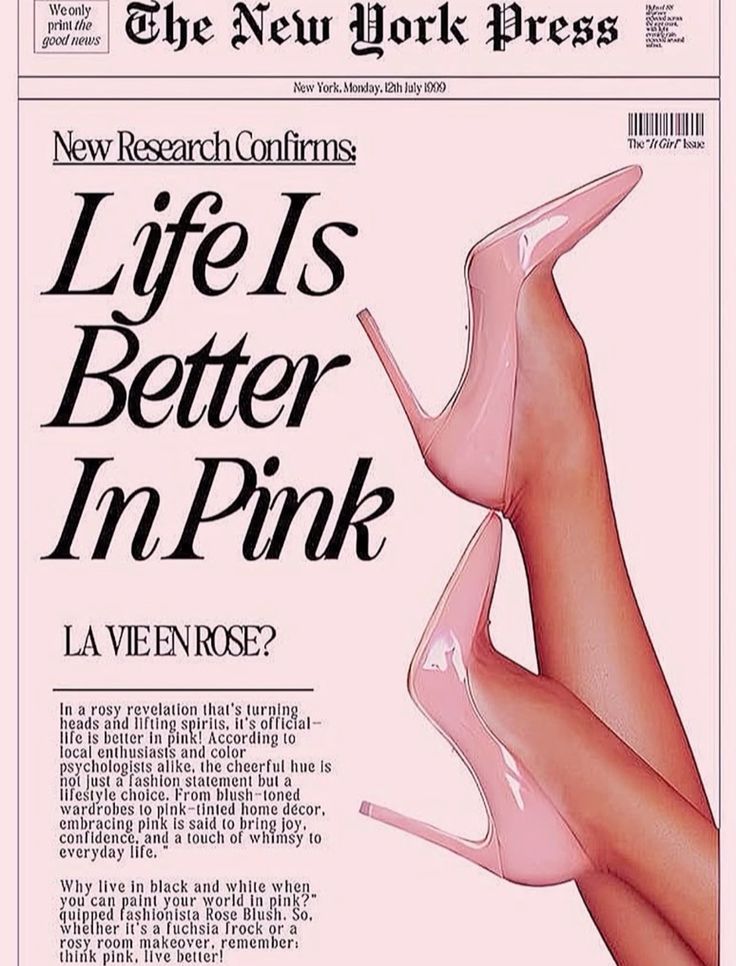
🎀 The Bottom Line: Pink ≠ Shallow
Pink is softness and strength. It’s bold. It’s rebellious. It’s the shade of breast cancer awareness, of “On Wednesdays We Wear Pink,” of lipstick stains on spreadsheets and protest signs.
Loving pink doesn’t mean you’re a stereotype. It means you’re secure enough to enjoy what you love — without apologizing for it.
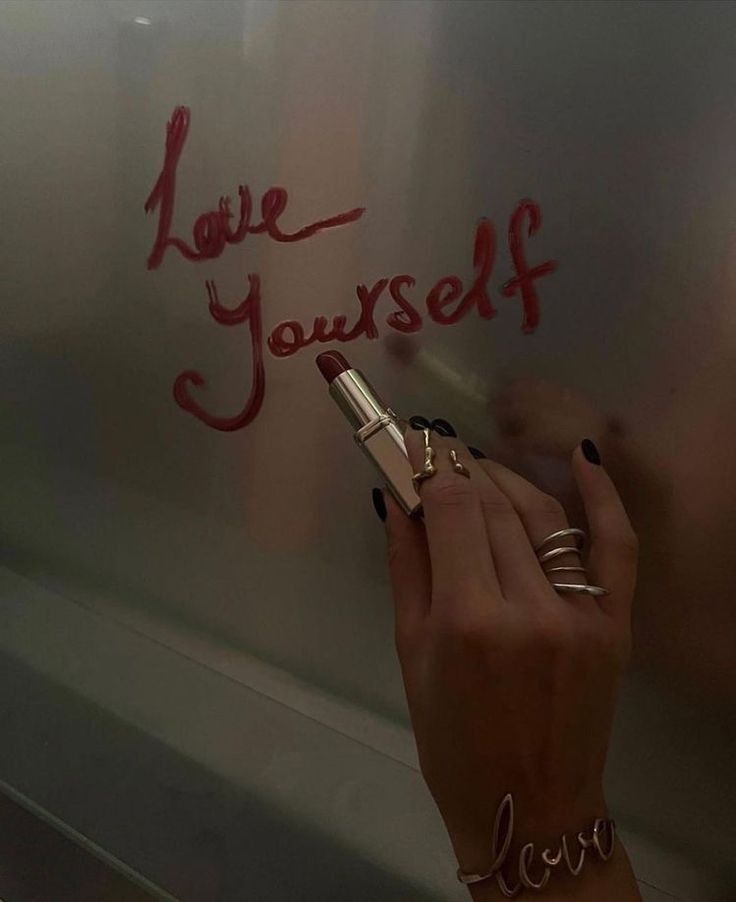
Why Society Fears a Woman Who Loves Herself. And Why You Should Love Yourself Even Louder
I’ve been called selfish. Stubborn. Full of myself. And honestly? They’re right—and I’m damn proud of it.
I put myself first. I say no without guilt. I choose my peace over people-pleasing. Somewhere along the way, that became a crime, especially for women. But here’s the thing: loving yourself isn’t narcissism—it’s resistance. It’s survival. It’s the plot twist no one saw coming.
I’ve always thought self-love was important—necessary, even. I love myself. I treat myself well. I take care of my body, my peace, my boundaries, and my dreams. But the moment I started choosing myself, people around me started calling me self-obsessed.
Apparently, putting yourself first is still a sin—if you’re a woman.
And look, I’m stubborn (Capricorn Sun, what else do you expect?). I didn’t see it as a bad thing. But the constant criticism made me pause and wonder: Why does society hate women who love themselves? Why does it feel like prioritizing your own joy, goals, and mental health suddenly makes you “too much”?
Let’s get into it. Buckle up.
What Is Self-Love, Actually?
Self-love isn’t posting selfies with captions like “self-love era” (although that can be part of it, and we support that too, queen). It’s much deeper.
Self-love is a concept rooted in psychology—it means treating yourself with the same kindness, compassion, and respect you’d give to someone you deeply care about. It’s recognizing your own worth even when no one else claps for you. It’s accepting your flaws, honoring your boundaries, and refusing to apologize for your joy.
Let’s break it down:
Acceptance: Acknowledging your imperfections without shame or self-hate.
Compassion: Being soft with yourself in tough moments instead of ripping yourself apart.
Prioritizing Needs: Choosing what’s best for you, even when others expect you to shrink.
Self-Respect: Not tolerating disrespect, toxicity, or situations that drain your soul.
Forgiveness: Letting go of your past mistakes and giving yourself room to grow.
Honesty: Facing your truth, even when it’s uncomfortable.
Self-Worth: Knowing your value isn’t tied to your productivity, appearance, or relationship status.
Why Is Self-Love Crucial for Women?
Let’s get real: for women, self-love is radical. Society has trained us to be selfless to the point of self-erasure. We’re expected to nurture, accommodate, soften our tone, and serve. So when a woman says “No” or “I come first,” people flinch.
Here’s why self-love matters even more for women:
1. It Builds Real Confidence
It’s not fake-it-till-you-make-it energy. It’s the kind of quiet power that says, “I know who I am.”
You stop waiting for validation. You give it to yourself.
2. It Improves Mental Health
Loving yourself helps reduce anxiety, perfectionism, and self-loathing.
It builds resilience—so when life throws punches, you bounce back faster.
3. It Creates Healthier Relationships
When you respect yourself, you attract people who do the same.
You learn to say “no” without guilt and “yes” without fear.
4. It Allows Authentic Living
You stop performing and start living in alignment with who you actually are.
You make decisions based on truth—not approval.
5. It Encourages Self-Care
You nourish your mind, body, and spirit because you know you’re worth it.
Whether it’s therapy, journaling, dance classes, or just sleeping 8 hours—you show up for you.
So… Why Does Society Hate That?
Short answer? Control.
Long answer? Well—
1. It Challenges Patriarchal Norms
Women are expected to serve others before themselves. A woman choosing her own path? She’s a threat. She’s “not feminine enough.” She’s “too ambitious.” But really—she’s just free.
> Example: A woman turning down a marriage proposal to focus on her career is seen as selfish. But a man doing the same? Admirable.
2. It Disrupts Power Dynamics
A self-loving woman doesn’t settle. Not in relationships. Not in jobs. Not in society’s BS. That kind of independence is dangerous—to people who benefit from your silence.
> Think of how often confident women in media are called “bossy,” “difficult,” or “too much.”
3. It Triggers Internalized Misogyny
Other women—conditioned to please, to play small—might see your confidence as arrogance. Why? Because we were all raised to believe we’re only lovable when we’re less.
> You shine? Someone will try to dim it. That says more about them than you.
4. It Exposes Double Standards
Men with high self-worth are “leaders.” Women? “Narcissists.” Men are allowed to prioritize themselves. Women are expected to sacrifice and smile while doing it.
> Reminder: Self-respect isn’t arrogance. And loving yourself doesn’t mean you hate others.
Let’s Talk About the “Threat” Thing
Some people genuinely see self-loving women as a threat. Let’s dissect that.
You challenge outdated roles: You aren’t a quiet caretaker. You’re a force.
You inspire others: Your confidence might wake up something powerful in another woman. That scares people.
You disrupt entitlement: Especially in relationships. You won’t tolerate breadcrumbs. You want a feast.
You call out BS: Misogyny, manipulation, performative allyship—you see it and name it. Loudly.
Are you actually a threat?
No. You’re progress. You’re the future. You’re healing generations of women who were told they weren’t enough unless they were suffering for someone else.
So What Can You Do?
Here’s how to love yourself loudly in a world that wants you to whisper:
🧠 Build a Support System
Find your people. Your sisterhood. Your soft space. The ones who don’t flinch when you shine.
🌱 Practice Daily Self-Care
Not just bubble baths—real care. Say no. Speak up. Sleep. Eat. Journal. Move. Heal.
🗣️ Use Your Voice
Write. Create. Dance. Speak. Stop asking for permission to exist loudly.
🧘🏽♀️ Be Compassionate With Yourself
Talk to yourself like you would your best friend. Kind. Loving. Real. Let your inner voice be your softest home.
🔥 Be Unapologetic
Take up space. Laugh loudly. Cry loudly. Exist as you are, not as they expect.
Conclusion: Love Yourself Louder
Here’s the truth: The world will always have a problem with a woman who knows her worth. But that doesn’t mean you should lower your volume.
Your self-love is not a rebellion—it’s your birthright. Your joy is not selfish—it’s sacred. Your boundaries are not rude—they’re revolutionary.
So if they call you “too much,” smile and say—“I wasn’t made to be less.”
Because a woman who loves herself is unstoppable. And that scares them. Let it.
Let me know what do you think about self love? And how do you practice it below! 👇🏻 💕
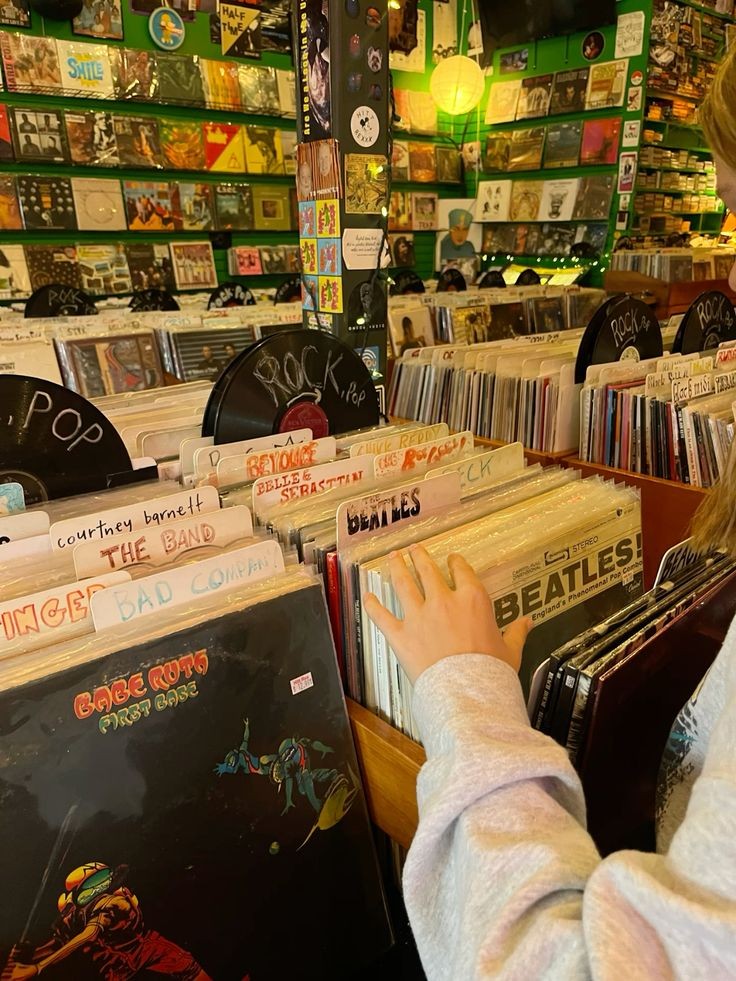
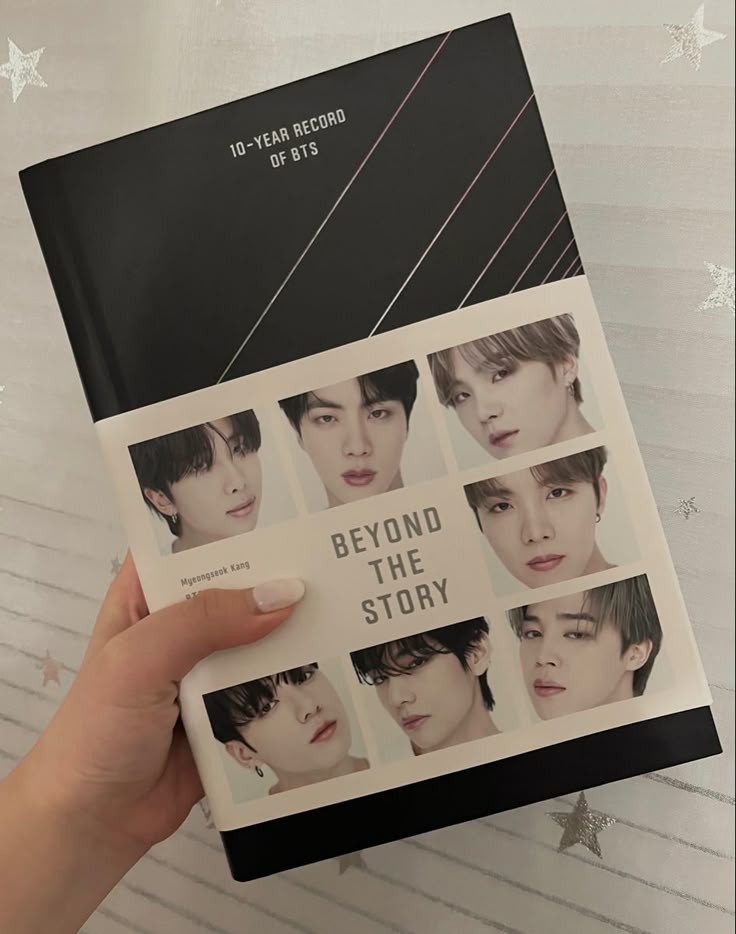
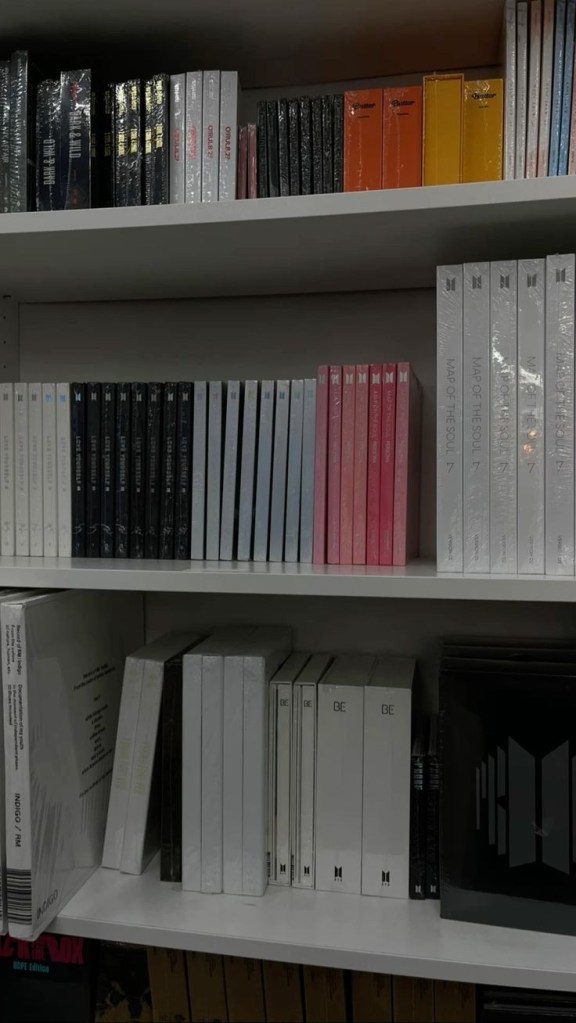
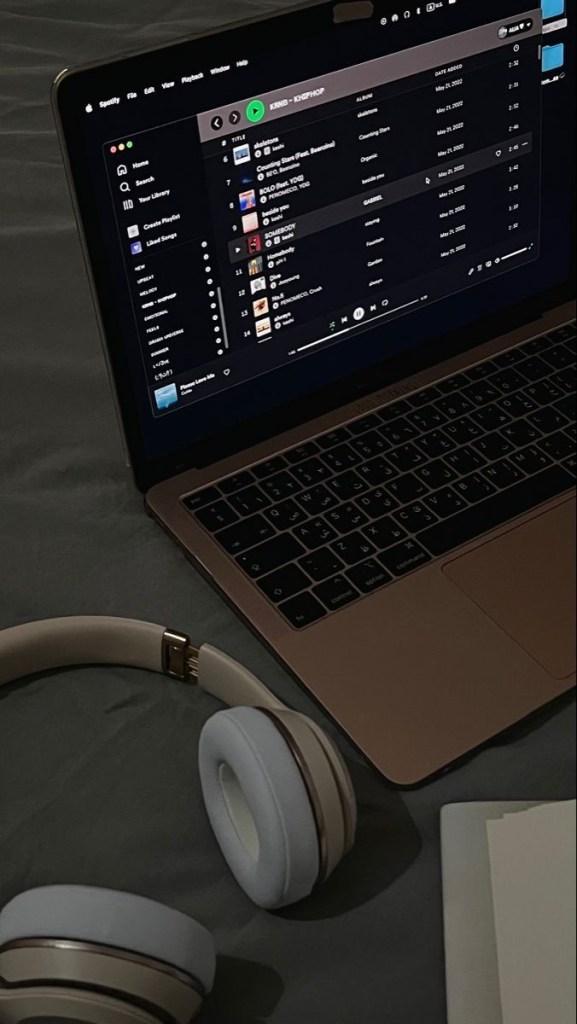
Ever since I was a child, I loved music. Even today I listen to music all the time, especially when traveling.Taylor Swift, BTS, Kendrick Lamar, Nicki Minaj, Arijit Singh, Beyoncé, Celine Dion, etc. are some of my favourite artits to listen too.
The lyrics for me is what I look for when I listen to music. I want to connect to the artist by their lyrics. Over the years, I have listened to a lot of artist, and for me personally, the lyricism of R.M (Kim Namjoon), Suga (Min Yoongi), J Hope (Jung Ho-seok) and Taylor Swift have played a huge role in my life. Specially how I view myself and my life. It always feels like they are singing about my life to me.
Music for me has always been about the stories.
However, Music isn’t just entertainment—it’s a universal language that transcends barriers, speaks to the soul, and has a profound impact on our emotional and physical well-being. For centuries, people have turned to music in times of joy, sorrow, and healing. Today, music therapy has emerged as a recognized and powerful tool in healthcare and personal growth.
But why is music so therapeutic?
Let’s dive into the science and the emotional connection behind it.
Listening to music activates multiple areas of the brain, including those responsible for emotions, memory, and motor control. Studies have shown that music can release dopamine, the “feel-good” hormone, which enhances mood and reduces stress. In fact, just listening to your favorite song can instantly uplift your spirits and calm your mind during tough or anxious situations.
Music also impacts the brain’s limbic system, which processes emotions. This is why certain songs can trigger memories or feelings.
Whether it’s the nostalgic tune of a childhood lullaby or an upbeat track that makes you want to dance, music has a unique ability to connect deeply with our inner world.
Sometimes, words fail to express what we feel and it can be difficult to express onself. Music, however, can bridge that gap.
A soothing melody or heartfelt lyrics can articulate emotions we struggle to put into words. It provides an outlet to process feelings like grief, anger, or joy, making it a therapeutic tool for emotional release.
For people struggling with anxiety or depression, creating or listening to music offers a safe space to explore their emotions without judgment. It can act as a mirror, reflecting their internal struggles while simultaneously offering comfort.
Life can be stressful, but music has the power to offer refuge. Slow, calming music—such as classical or instrumental—has been shown to lower heart rates, reduce cortisol levels (the stress hormone), and induce relaxation. Listening to calming music before bed can improve sleep quality, while upbeat music can energize and motivate us for the day ahead.
Music therapy is particularly effective in helping people manage anxiety. Techniques like guided imagery with music allow individuals to visualize peaceful scenarios while listening to soothing tunes, helping them relax and reset.
Music isn’t just good for the mind; it’s also a powerful tool for healing the body. In hospitals, music therapy is used to reduce pain perception, improve recovery times, and support physical rehabilitation. Rhythmic patterns in music can enhance motor skills, making it an effective tool for patients recovering from strokes or physical injuries.
For individuals with chronic illnesses, listening to music can distract from pain and foster a sense of calm. The rhythmic patterns and harmonies can even help regulate breathing, heart rate, and blood pressure.
Music has a way of bringing people together. Singing in a choir, attending a concert, or even sharing a playlist with a friend creates a sense of belonging and connection. For those feeling isolated or lonely, music offers a way to connect with others and feel part of something larger than themselves.
Group music therapy sessions often promote social interaction, teamwork, and communication, which are crucial for mental health and personal growth.
Music is a powerful tool for memory. It’s why you can remember the lyrics to a childhood song but not what you had for breakfast last week. For individuals with Alzheimer’s or dementia, music therapy has shown remarkable benefits in recalling memories and improving cognitive function.
Familiar songs can stimulate the brain and evoke emotions, helping patients connect with their loved ones and surroundings.
One of the most beautiful aspects of music therapy is its adaptability. Everyone’s relationship with music is unique. Some might find solace in the calming notes of a piano, while others might feel empowered by a rock anthem. Music therapy allows individuals to explore what resonates with them, creating a personalized healing journey.
Music is more than a collection of sounds—it’s a powerful force that can heal, connect, and transform lives. Whether it’s through listening, creating, or simply experiencing, music has the ability to touch the deepest parts of our being and bring about positive change.
So, the next time you feel overwhelmed, sad, or even joyful, let music be your guide. Put on a song that speaks to you, and let its therapeutic power work its magic. Because sometimes, all we need is a melody to remind us that healing is possible.
What does music mean to you?
Also who are some of your favourite artist to listen to?



 Ladyink with love