I have been so done with work lately. Not the dramatic burnout kind, just that constant irritation where everything feels repetitive and exhausting. So I decided I needed a break. And I actually took one—with my friends—and we went to Rishikesh.
An absolutely chaotic trip, like always. 😂
Initially, I wanted to go to Dehradun. But after discussing it with my besties, we settled on Rishikesh. The plan was simple… at least in theory.
The Planning That Wasn’t Really Planning
We had train tickets booked. Of course, they didn’t get confirmed.
Classic. 🙃
So on the 10th, one day before the trip, we booked bus tickets instead. Very last minute, very on brand for us.
I went to my friend’s place that night so we could leave together in the morning. We barely slept. Just talked, laughed, and somehow made everything louder than it needed to be.
The Journey That Took Forever
We woke up at 5:00 am, got ready, and left for our 6:00 am bus.
We were excited. Like genuinely happy to just get out of our routine.
The plan was to reach it in 4 hours.
We reached at 2 pm.
I don’t even want to explain how.
And then it took us hours to get to our hotel. By that point, we were exhausted, irritated, and honestly questioning our life choices.
The Café Disaster
Before going to the hotel, we decided to sit at a café and eat something.
Bad decision.
The place looked decent, but the drinks? Literal water. No taste. Nothing. And we spent 700+ on that.
I was this close🤏🏻 to crying.
The only redeeming part of that entire experience was a cat that came and quietly sat under my chair. I love cats. That moment alone made me slightly less angry.
Day One: Not Our Day
We finally reached the hotel around 5 pm, completely drained. Took a bath, thinking maybe things would get better.
And then… I got my period. 👏🏻
Perfect timing, obviously.
At that point, I had officially given up on the idea of a “peaceful, relaxing trip.” April 11th was just not our day.
The Calm We Didn’t Expect
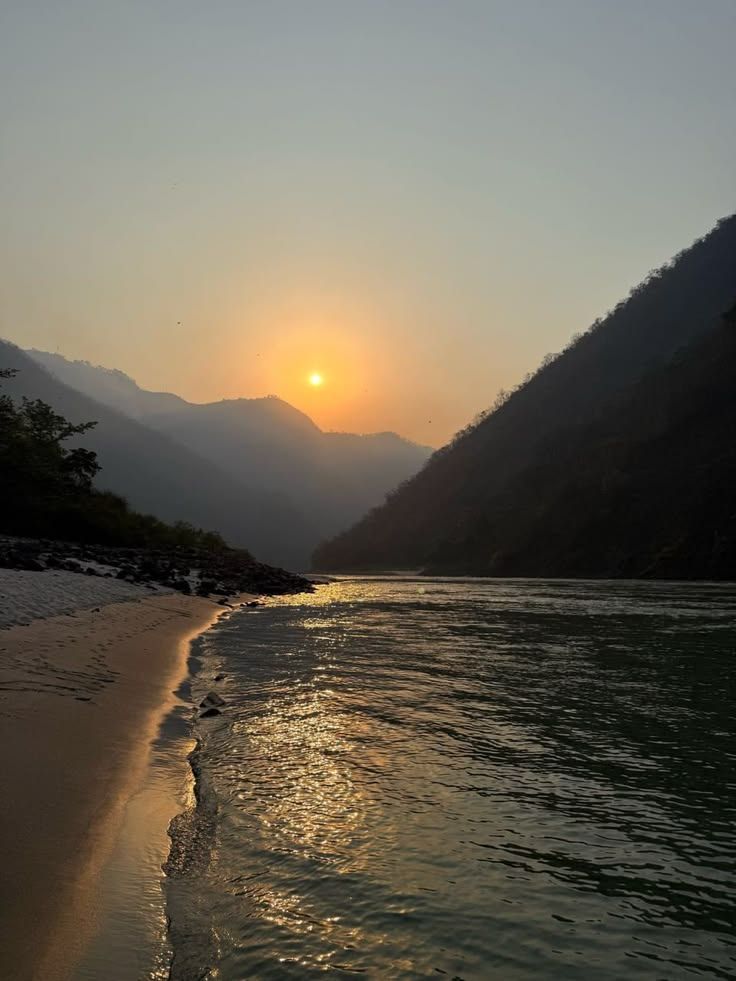
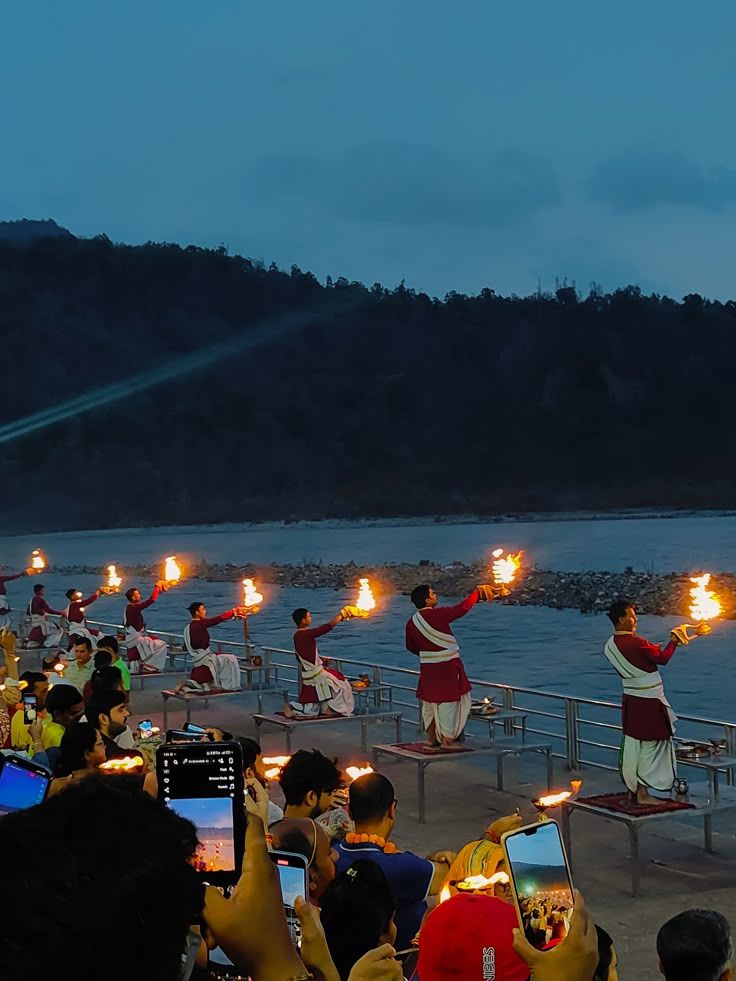
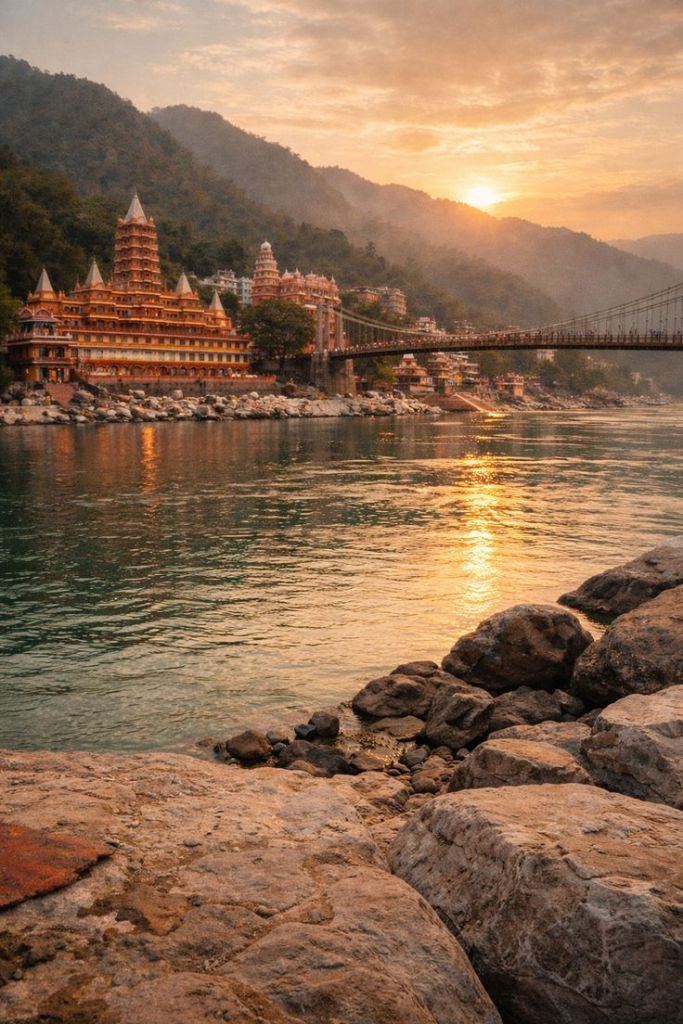
We wanted to attend Ganga Aarti that evening, but we were late. So instead, we just sat on the steps near the Ganga. 🌊
And weirdly, that turned out to be one of the best parts of the day.
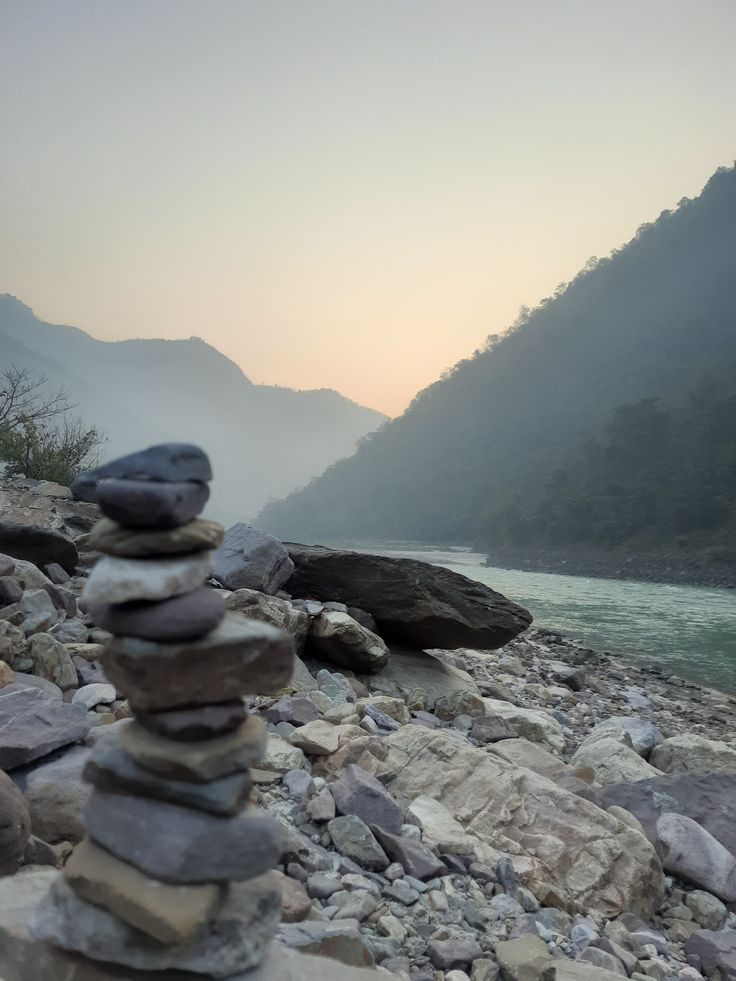
It was calm. Quiet. No chaos. Just us sitting there, doing nothing for once. We made silent wishes, watched the water, noticed small things like fish swimming by.
It felt… grounding.
We had dinner after that and went back to the hotel. Somehow, despite everything, the night turned fun. We danced, took pictures, and made videos. The day started terribly, but we still found a way to end it well.
Day Two: Finally Feels Like a Trip
We woke up early, around 6–7 am, and went for breakfast. After that, we got ready and decided to explore.
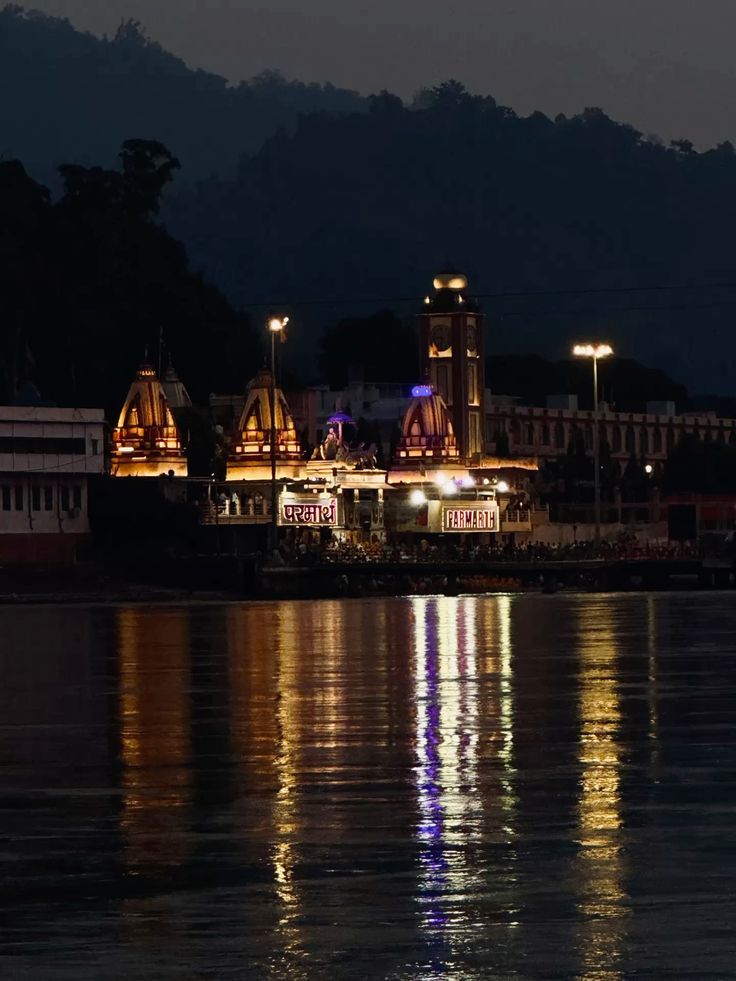
We wanted to go to Neelkanth Temple, but it was too far. So we went to Parmarth Niketan Ashram instead.
And honestly, that place was beautiful.
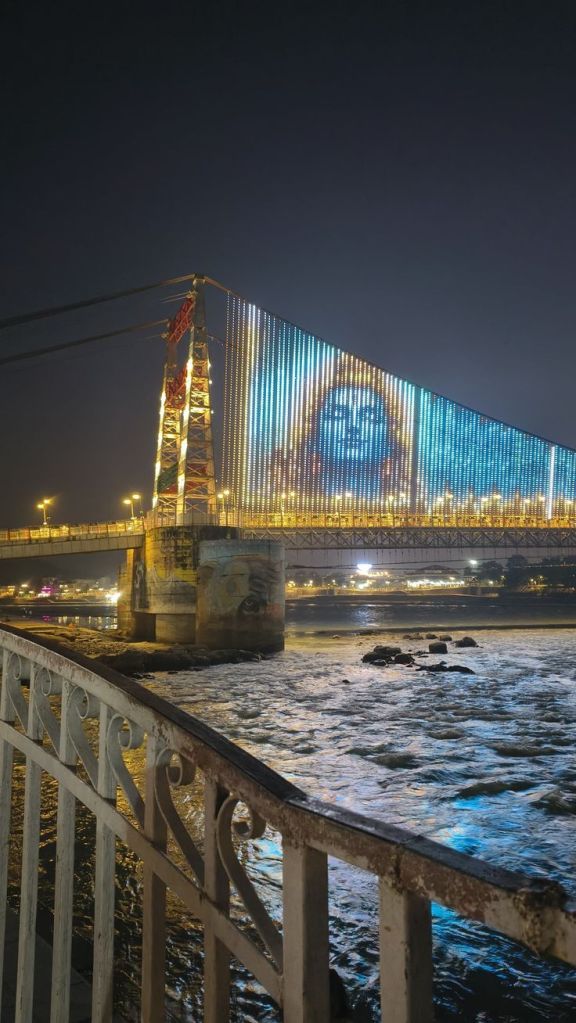
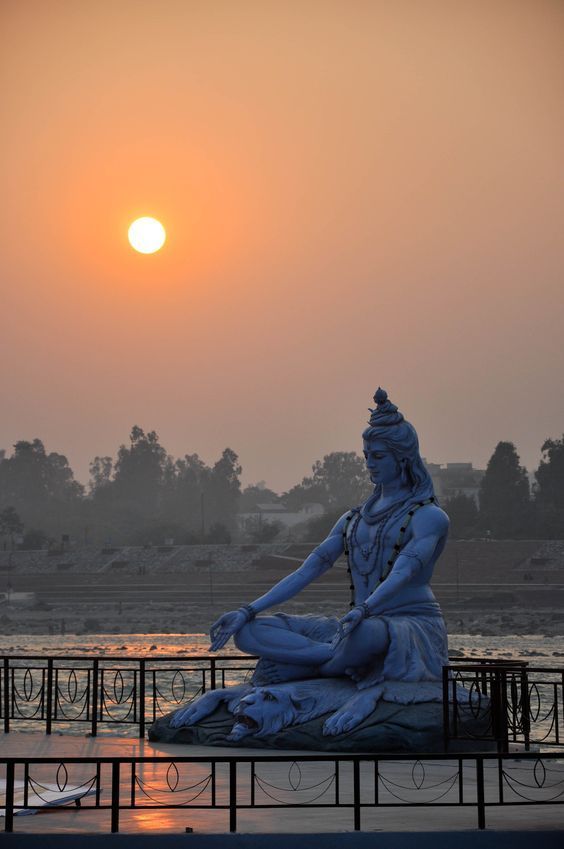
There was a sense of peace there that you don’t really find easily. Temples, idols, everything felt calm and structured. And then we saw the Shiv ji murti in the middle of the Ganga.
It was stunning.
I even FaceTimed my mom just to show her.
My friend R went all in and actually got into the Ganga. Me and B stayed out—me because I literally can’t, and her because she just didn’t want to.
River Rafting (The Highlight)
After that, we decided to go river rafting.
Me and R were in. B was not.
So she went off on her own little exploration while we went for rafting.
The journey there was long, the wait time was annoying, and the place was crowded. Rishikesh was packed.
But rafting?
Completely worth it.
It was one of those moments where you stop thinking about everything else. Just the river, the mountains, the cold water, the rush.
I honestly didn’t want it to end.
The only downside? The random group of boys we were paired with. Completely mannerless. Ruined the vibe a bit, but thankfully not enough to ruin the experience.
I wanted to jump into the water so badly… but I don’t know how to swim, so that dream stayed a dream.
A Slower Evening
After rafting, we were soaked and tired. So we grabbed something to eat and went back to the hotel to freshen up.
Dinner was simple—South Indian food because we needed something light after the chaos of the day.
Then chai, of course.
We wanted to do something fun that night since it was our last one, but honestly, we were too tired. Took a few pictures, made a couple of videos, and just slept.
No energy left.
The Early Goodbye
The next morning, we woke up at 5:00 am, got ready, and left for home.
No drama. No chaos. Just quiet.
The Kind of Trip It Was
Overall, it was a great trip. We weren’t able to see a lot, as it was too crowded and there was a lot of wait time, and wasted hours, due to traffic.
Messy, unplanned, slightly frustrating—but still great.
We didn’t plan properly. Things went wrong. We were tired half the time.
But we also laughed a lot, experienced new things, and had moments that actually felt peaceful and real.
And somehow, that balance made it worth it.
Next trip: Dehradun. 😁
This time… we’re definitely planning better.
(Or at least pretending we will.)
Let me know your thoughts below! 👇💕
P.S. Currently, I am working on a new story, will be updating the first chapter in a few hours.
From Group Chats to Quiet Check-Ins: What Growing Up Does to Friendship
When I was younger, I was always surrounded by a big group of girlfriends. We’d hang out constantly — birthday parties, secret hangouts, sharing secrets, fighting over silly things, and making up just as quickly. It was chaotic, loud, and kind of beautiful.
But then life happened. I changed schools, some of my closest friends drifted, and despite years of being inseparable, there were fallouts, secrets, and so much unspoken negativity. Some of the girls I thought would be around forever? We don’t even follow each other anymore, let alone talk.
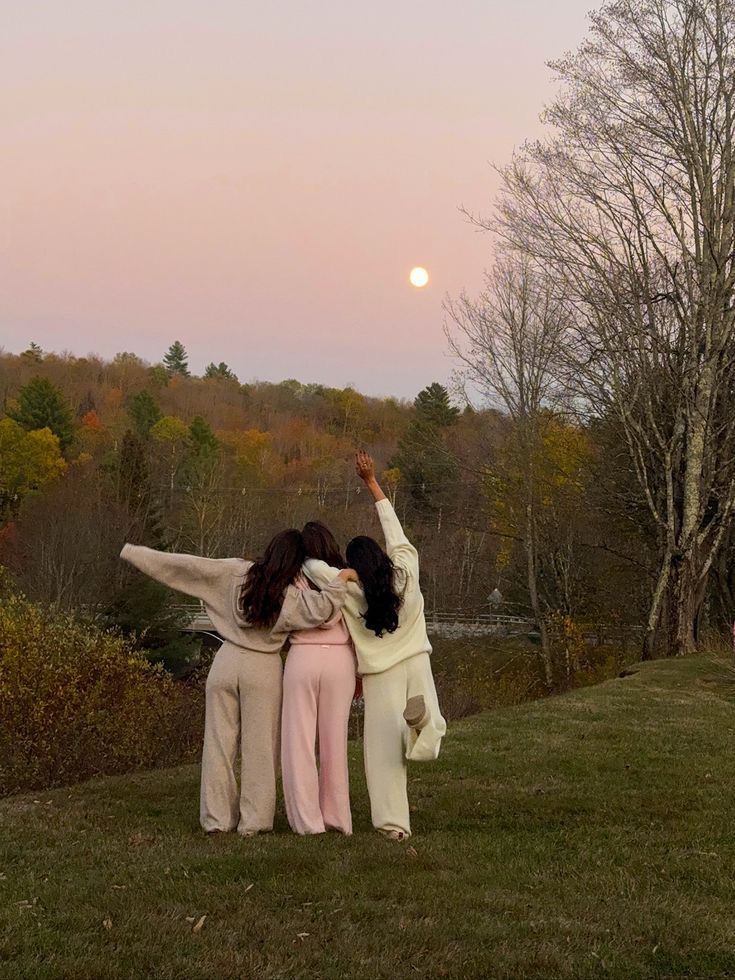
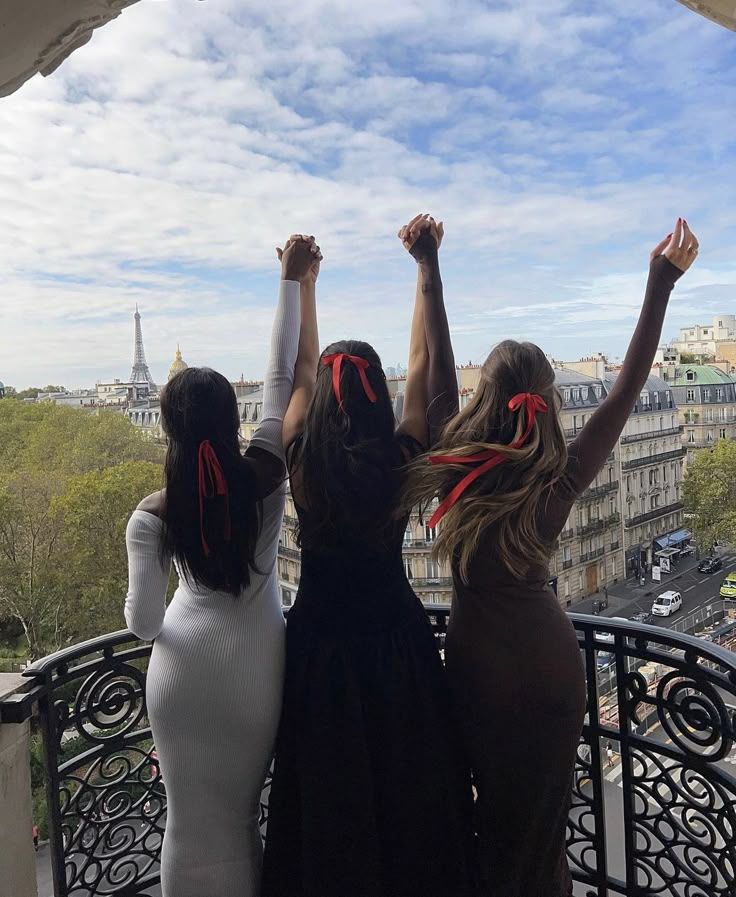
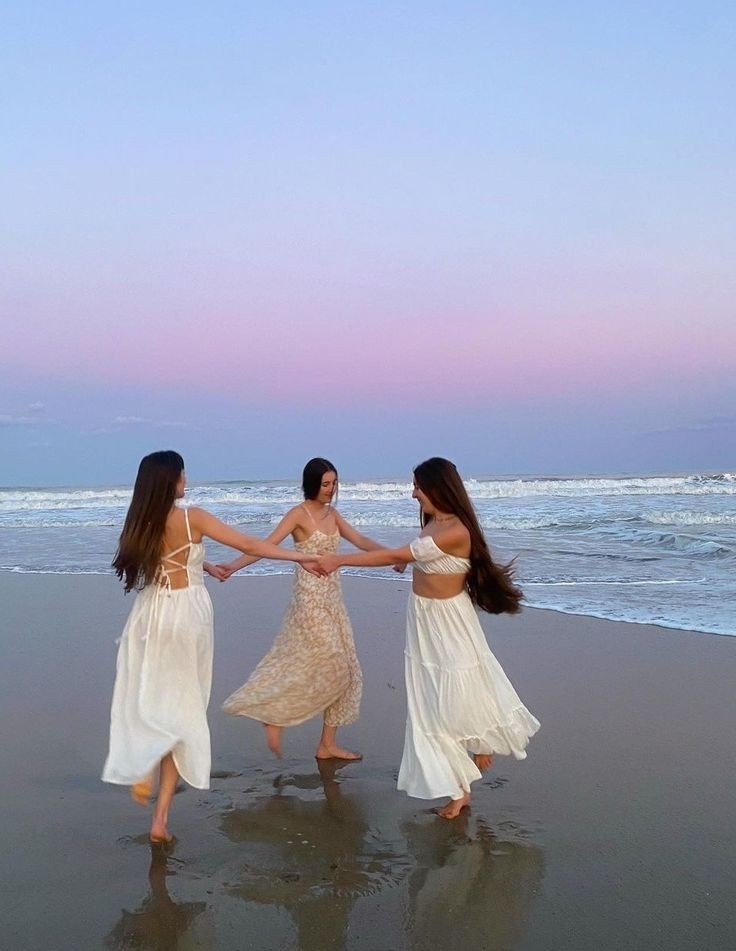
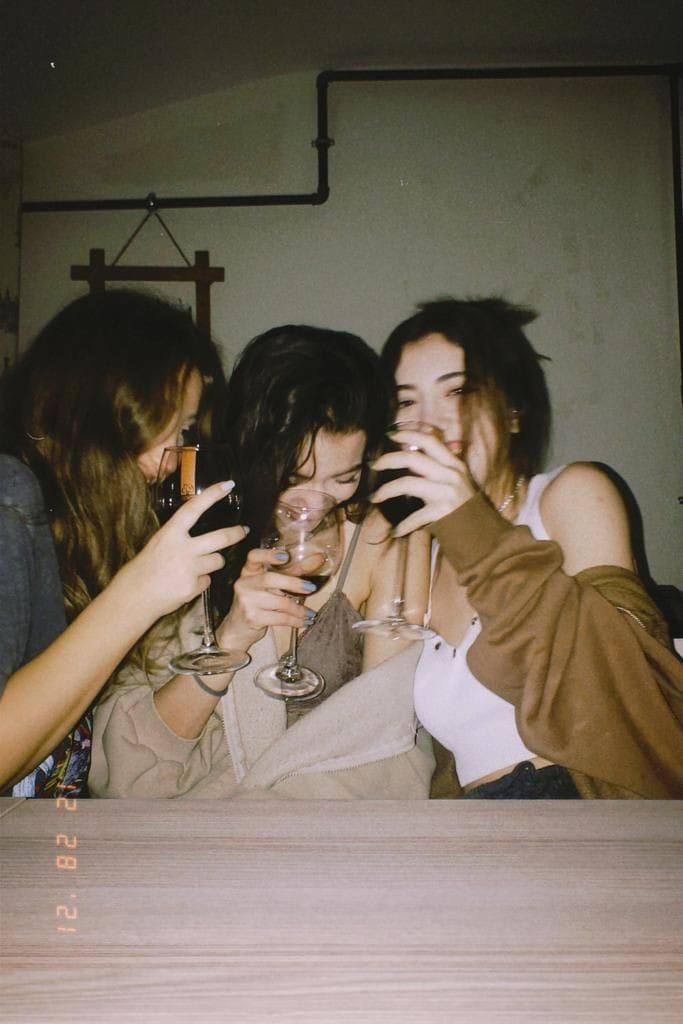
And yet — in the middle of that chaos, a few rare friendships quietly held on. I made two best friends who are still with me to this day. We don’t fight much, we understand each other’s moods, and even when we argue (because hello, we’re human), it’s never destructive. We support each other like a little three-woman wolfpack. And honestly? That taught me everything I needed to know about real, adult friendships.
Now, in my late 20s, I’ve realized that the way we connect with people — especially women — transforms completely. But instead of mourning that change, I’ve learned to embrace it.
Why Do Friendships Change in Your Late 20s?
Friendships don’t just disappear — they evolve. Your 20s are the emotional rollercoaster of adulthood: career moves, heartbreaks, identity crises, glow-ups, therapy, moving cities, and reevaluating everything you thought you knew.
And all of that impacts how, when, and who you connect with.
👣 Diverging Life Paths
One of your besties might be getting married and buying a house. Another is in Bali starting a YouTube channel. You? You’re grinding a 9-to-5 and wondering if Mercury is in retrograde. Everyone’s on a different track — and that can stretch friendships.
🧠 Increased Individual Focus
Late 20s are the era of the inner glow-up. People are healing, switching careers, learning to budget — life gets busier. There’s less time for spontaneous brunches and endless texting.
🔄 Shifting Priorities
Friendships that once revolved around gossip and clubbing now crave depth. You want to talk about mental health, finances, and existential dread — not just who’s dating who.
💔 Emotional Heaviness
Real life gets heavier. Friends lose parents. Someone gets laid off. Someone else moves abroad. Friendships need emotional bandwidth — and not all survive that demand.
📅 You Have to Schedule Everything
Gone are the days of spontaneous hangouts. Making plans now feels like syncing calendars for a NASA launch.
🌱 New Friendships Bloom
And yet, new bonds form — with coworkers, gym buddies, or neighbors. They’re not “replacements.” They’re a reflection of the person you’re becoming.
So… Is That a Bad Thing?
Not at all. Shifting friendships = personal evolution. You’re learning what energizes you, what drains you, and who deserves your time.
Why a Strong Girl Group Is ESSENTIAL in Your Late 20s
Not 15-person brunch squads. Not flaky party friends. I’m talking about your ride-or-die, hype women, emotional support crew, and mirror-holders.
💬 Shared Struggles, Real Talk
Everyone gets the career anxiety, the dating dread, the “am I falling behind?” spiral. You talk. Cry. Laugh. Together.
💗 Support Without Judgment
They hype you up on your best days and hold space on the worst. No competition. Just love.
💪 They Keep You Accountable
They push you to apply for that job, remind you not to text your ex, and celebrate your wins like it’s Met Gala night.
💅 Confidence Boosters
Real queens fix each other’s crowns — and your late-20s girl group? They’re the whole royal council.
🤝 Community = Survival
Adulting is lonely. A tight circle makes the chaos bearable and the joy way more real.
Why Is Friendship in Your Late 20s Important?
Your 20s are when the plot really thickens. And when it does? You want friends who get it.
1. Sanity Check Squad – The ones who remind you social media isn’t real life.
2. Emotional Grounding – Better than your therapist knowing your coffee order? Your bestie who knows both.
3. Life GPS – Helping you navigate job chaos, dating trauma, identity shifts, and everything in between.
4. Mutual Growth Vibes – Real ones call you out and cheer you on.
5. They’re Your Anchor – When life’s loud, they bring you back to yourself.
Is It Possible to Survive Without Close Friendships?
Technically? Yes. But spiritually? Emotionally? Energetically? Not really.
You don’t need a whole village. Just one or two people who see you, get you, and stay.
In Conclusion: Let It Change, But Don’t Let It Die
Friendship in your teens is about quantity. Friendship in your late 20s? Pure quality.
It’s not about who you talk to daily — it’s about who’s still there when life gets messy. Your circle might shrink. Your priorities might shift. But your need for connection? That never fades.
So check in. Reconnect. Let go of what’s expired. And pour love into what still feels right.
Because growing up doesn’t mean giving up on friendship. It just means learning how to carry it — more gently, more intentionally, and more beautifully.
Innocence (bubblegum, baby cheeks, first crush type vibe)
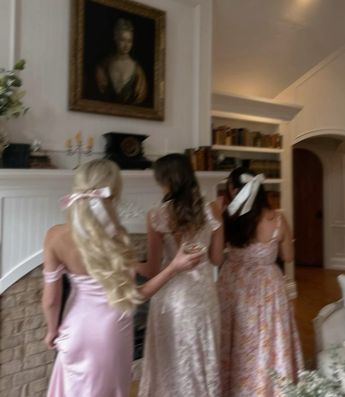
Hope & Calm (pale pink especially has a calming, almost therapeutic quality)
🧠 Psychologically speaking:
Pink reduces aggression (Fun fact: some prisons in Switzerland are painted pastel pink to calm inmates. It’s called “Cool Down Pink.”)
It often feels safe, familiar, comforting, like childhood nostalgia.
But too much of it can also be seen as naive, overly soft, or performative.
⚡ In Gen Z & pop culture:
Pink has been reclaimed. It’s not just “girly” — it’s powerful, punk, and political (hi, Barbie movie, breast cancer awareness, and Mean Girls).
Pink is now a weapon and a vibe. It’s giving “I will cry and ruin your life.”
When did people started hating and stereotyping Pink?
People started hating on pink around the mid-20th century, when it got aggressively gender-coded as “feminine” — and being feminine became something to mock, limit, or rebel against.
Let’s break it down by timeline and drama:
👶 Early 1900s: Pink Was for Boys?!
Yep, back in the day, pink was considered a strong, masculine color because it was a “light red.” Blue, on the other hand, was seen as delicate and dainty — perfect for girls. Wild, right?
> “The generally accepted rule is pink for the boys, and blue for the girls.” — Earnshaw’s Infants’ Department, 1918
💄 1950s: Pink Becomes Femme AF
Enter post-WWII marketing and gender essentialism. Department stores, advertisers, and toy companies decided to double down on rigid gender roles — women = domestic, soft, nurturing = PINK. Think: Barbie, baby clothes, kitchen appliances. The “pink for girls” agenda took over like a pastel-colored plague.
🧠 1970s–1980s: Feminist Backlash
Second-wave feminism hits and suddenly, pink becomes political. To many women, rejecting pink was rejecting the idea that their only value was in being pretty, passive, and decorative. Pink = the patriarchy’s favorite color. So people stopped trusting it.
📉 1990s–2000s: “Not Like Other Girls” Era
Cue the era of internalized misogyny. Tomboys and “cool girls” distanced themselves from pink to seem serious or smart. The rise of media tropes (like the girly airhead vs. the edgy brunette) only added fuel. Liking pink? That was basic. Lame. Shallow.
💅 2010s–Now: Pink Makes a Comeback… with Baggage
Thanks to movements like #WomenInSTEM, Gen Z feminism, and brands reclaiming “girliness,” pink made a return — but it’s complicated. People now love hot pink ironically, use it in protest (think: the pussyhat), or wear it in ways that subvert gender norms. But the old hate still lingers, especially from people who grew up associating it with powerlessness or forced femininity.
The Pink Stigma Is Real 💅
Somewhere along the way, pink stopped being a color and became a character. And not exactly a flattering one.
Love pink? You must be…
👛 The “Girly Girl”
You’re delicate, dainty, and probably spend your days organizing your makeup drawers and journaling about your dream wedding. Your hobbies? Shopping, sipping overpriced lattes, and saying “OMG” too often. Bonus points if your handwriting is suspiciously perfect.
🧠 The Airhead
Let me guess — pink is your favorite color because you don’t have enough brain cells to pick a deeper one? 🙄 This stereotype hits especially hard thanks to movies and media that equate femininity with frivolity. (Thankfully, Elle Woods came along and said, “What, like it’s hard?” and crushed that narrative.)
💅 The High-Maintenance Diva
You like pink? Then you must also like drama. You’re high-strung, expensive, demanding, and can’t possibly handle a rough day without smudging your manicure or calling your boyfriend in tears.
🎀 The Infantilized Woman
This one’s subtle, but insidious: the idea that women who love pink are immature. Stuck in their childhoods. Obsessed with glitter and unicorns and unable to handle “adult” things like taxes, heartbreak, or ambition.
🫦 The Flirt
On the opposite end, pink becomes sexualized. The femme fatale who uses her softness as a weapon. A walking contradiction — desirable, but never respected.
The Hate for Pink by Little girls :
Little girls might hate pink growing up not because they actually dislike the color — but because of everything the world attaches to it.
Here’s the real tea:
🚫 1. Forced Femininity = Rebellion Starter Pack
From birth, girls are bombarded with pink: clothes, toys, room decor, even diapers. It’s often not a choice — it’s an expectation. And when you’re a kid trying to figure out who you are, being boxed into “pink = girl” feels like a trap. So rejecting pink becomes a tiny rebellion against being told who you’re supposed to be.
> “You’re a girl, so here’s a pink tutu.” “No thanks, I’ll take the dinosaur tee and a Nerf gun.”
👧🏼 2. “Pink Means You’re a Girly Girl”
And being a “girly girl”? Often used as an insult. Kids (and adults) can be brutal with gender-coded labels. If a girl likes sports, climbing trees, or gets told she’s “not like other girls,” she may distance herself from pink just to protect her identity.
> Internalized message: “If I like pink, people won’t take me seriously. Or worse, they’ll lump me in with the girls they tease.”
🎀 3. It Was Used to Limit Them
For many girls, pink = the things they were allowed to be. Pretty. Quiet. Sweet. Delicate. But not loud, smart, wild, messy, athletic, or bossy — because those weren’t “feminine” traits. So rejecting pink becomes a way to say, “I’m more than what you want me to be.”
🎮 4. It Wasn’t Cool
Pop culture, schoolyard dynamics, even early YouTube — all subtly (or loudly) told us that “cool girls” wore black, were chill, liked blue, and didn’t fuss over pink sparkly stuff. Liking pink was coded as basic. So girls who wanted to be “different” or “cool” ditched the color entirely.
🧠 5. Associating It With Weakness
This one cuts deep. In a world where masculinity is praised and femininity is devalued, anything seen as “too girly” gets tied to weakness. So pink — the ultimate girly symbol — becomes the thing to avoid if you want to be taken seriously.
> “I’m not like those girls.” “Pink is for babies.” “I’m tough — I wear navy.”
Spoiler: all of that is internalized misogyny.
🤷♀️ 6. They Just… Didn’t Like It
Also, sometimes it’s not that deep. Maybe they genuinely didn’t vibe with the color. Not every girl has to love soft pastels or bubblegum neon. Personal taste exists! And that’s valid too.
Wait… Why Are We Still Doing This?
Let’s pause here and ask: Why does a color carry this much baggage?
Newsflash: Pink used to be a boy’s color. Back in the early 1900s, it was seen as a bolder, more “decisive” version of red — appropriate for young boys. Blue? That was soft, serene, and suited to girls.
People are still hating on the color pink because — surprise! — we’ve attached a whole bunch of outdated, gendered baggage to it. Pink hasn’t just been a color for decades now; it’s been a symbol of everything society deems “feminine,” and unfortunately, that often comes with a side of disrespect.
Here’s the breakdown:
💅 1. Femininity is Still Devalued
Let’s be honest — we live in a world where “girly” is still used as an insult. Pink, as a color, got coded as feminine over time (it wasn’t always — fun fact: it was once considered a boy color). But now? It represents softness, sweetness, delicacy — and all the things patriarchy told us were “less than.” So when people hate on pink, what they’re really doing is reacting to how we’ve historically disrespected femininity.
🧠 2. Internalized Misogyny is Real
Some women and girls reject pink not because they truly hate the hue, but because they’ve been taught that being “too feminine” makes you weak, shallow, or less intelligent. Hating pink becomes a way to prove you’re not like other girls — which is just another way patriarchy divides and conquers.
🎯 3. Marketing Overkill
Let’s not ignore how aggressively pink has been pushed on girls. The “pink aisle” in toy stores? Everything from bikes to LEGOs to baby wipes unnecessarily bathed in fuchsia? That overexposure creates resistance — like, why do we only get ONE color? Pink ends up symbolizing forced gender roles rather than just… being a color.
🫠 4. Stereotyping & Infantilization
Pink is often linked with childishness — think Barbie, princesses, bubblegum. That can make people want to reject it to be taken seriously. Especially women in male-dominated spaces. You wear hot pink to a boardroom, and suddenly you’re seen as unserious or “extra.”
✊🏽 5. It’s Also a Form of Rebellion
Rejecting pink has become an act of resistance for some — especially those in queer, feminist, or alternative subcultures. Saying “I don’t do pink” is often a shortcut to say “I don’t conform to your narrow version of womanhood.”
When the girls started liking Pink again!!
When a girl starts liking the color pink again — after rejecting it — it often means she’s reclaiming her power, femininity, and identity on her own terms. It’s not just “oh, I like pretty things now.” It’s deeper than that. It’s unlearning shame. It’s rebellion in lipstick.
Here’s what it can really mean:
💖 1. Healing Her Inner Child
She’s letting go of shame around girly things and embracing what once felt forced or off-limits.
💅 2. Rejecting the Male Gaze
She’s no longer dressing to be “cool” or desirable — pink is now for her.
🎀 3. Redefining Femininity
Soft doesn’t mean weak. Pink is power in pastels.
🧠 4. Unlearning Misogyny
She no longer sees liking pink as anti-feminist — she knows femininity isn’t the enemy.
💼 5. Owning Her Narrative
Wearing pink says: “Underestimate me — and watch me win.”
So when a woman starts liking pink again, it’s often not about the color — it’s about liberation.
It means she’s not afraid to be seen, be soft, or be stereotyped — because she knows who she is, and she doesn’t need to apologize for it.
🎀 The Bottom Line: Pink ≠ Shallow
Pink is softness and strength. It’s bold. It’s rebellious. It’s the shade of breast cancer awareness, of “On Wednesdays We Wear Pink,” of lipstick stains on spreadsheets and protest signs.
Loving pink doesn’t mean you’re a stereotype. It means you’re secure enough to enjoy what you love — without apologizing for it.


 Ladyink with love