When I think about it, the fictional characters have some seriously incredible homes, and honestly, some of them are more tempting than the actual plot.
There are so many homes I wanted to live in. And now I get to talk about it 😁
My Dream Fictional Homes
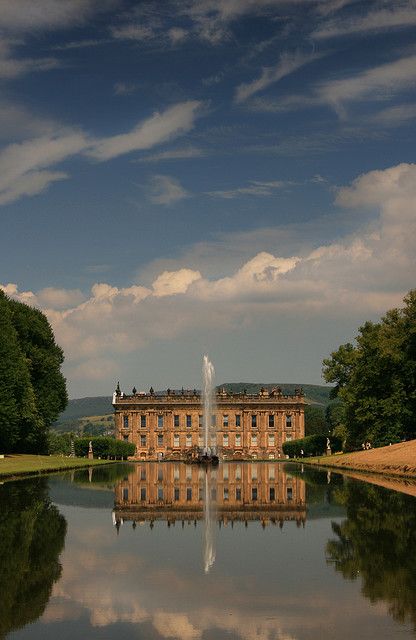
1. Pemberley + Mr Darcy’s Estate Yes obviously, it’s gonna be here. The estate was talked about in Pride and Prejudice .
Why I’d Move In Just look at the god damn place? It’s so huge. There is The Dining Parlour, The Saloon, The Picture Gallery, The Tasteful Decor, The Exterior Grounds. So much more. Why wouldn’t I want to live there?
The Catch The biggest downside would have been Lady Catherine de Bourgh. I wouldn’t have wanted her to visit me at all.
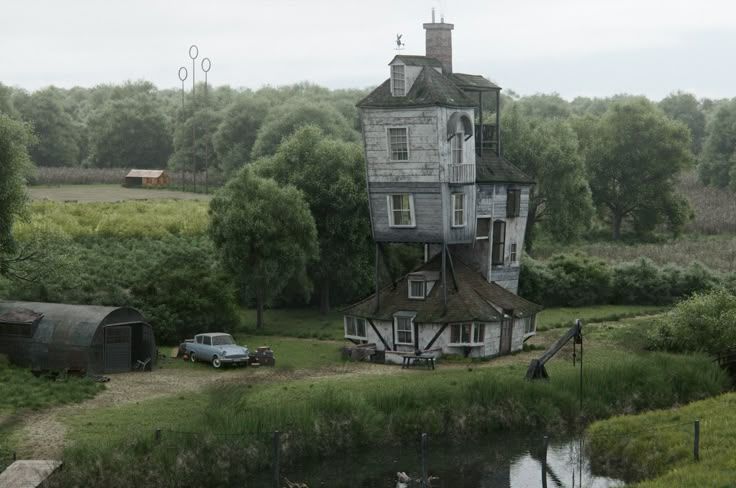
2. The Burrow + Home Of The Weasley Family
Yes I would move here too, if I am looking for a crowd to be honest. The estate was talked about in Pride and Prejudice .
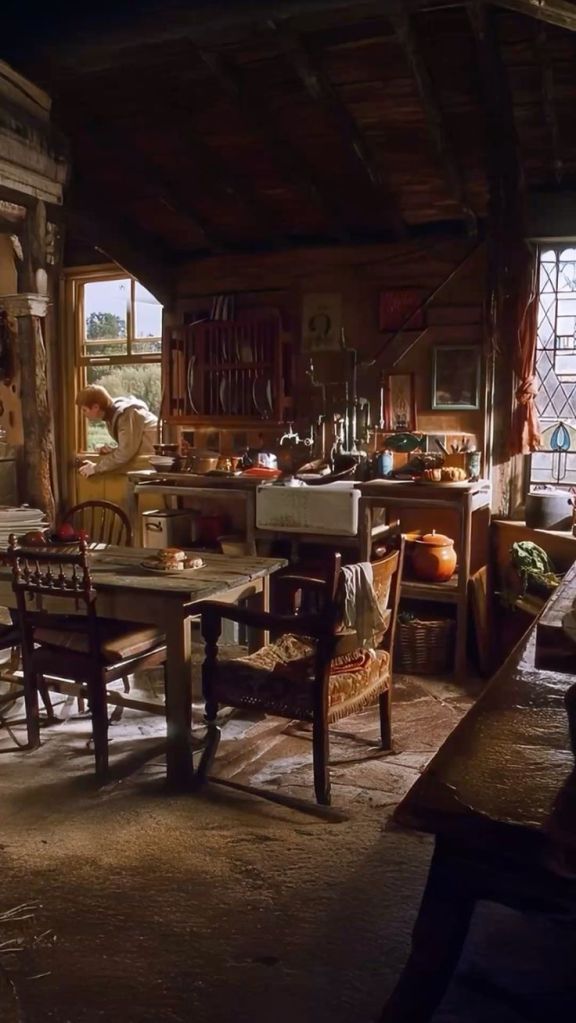
Why I’d Move In The place was old, but pretty. There was The Kitchen, The Magical Clock, Self-Washing Dishes (I mean who wouldn’t want that) and The Orchard/Garden.
The Catch The biggest downside would have been me being over-stimulated and them being too loud. It would have been too crowded for me
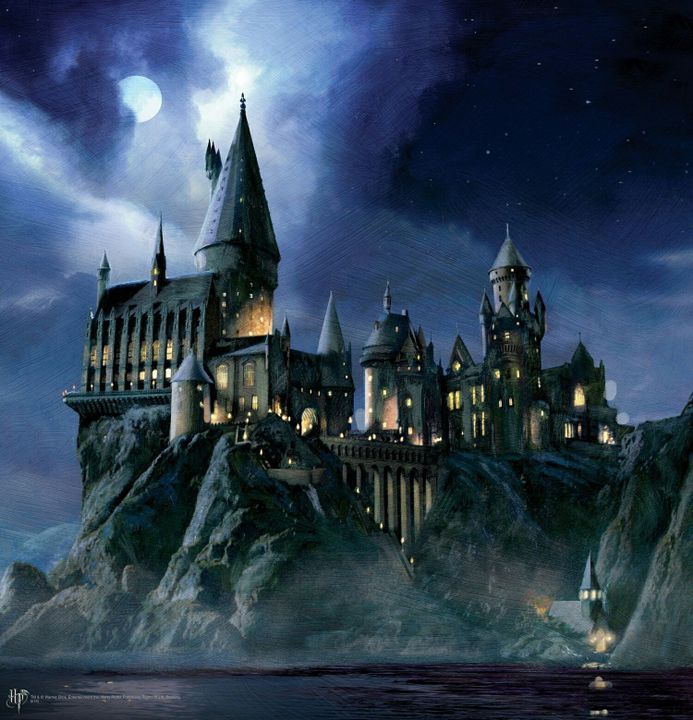
3. Hogwarts Castle
I mean are we really going to ask why? I always wanted Hagrid to show up at my home and tell me that “You are a wizard”.
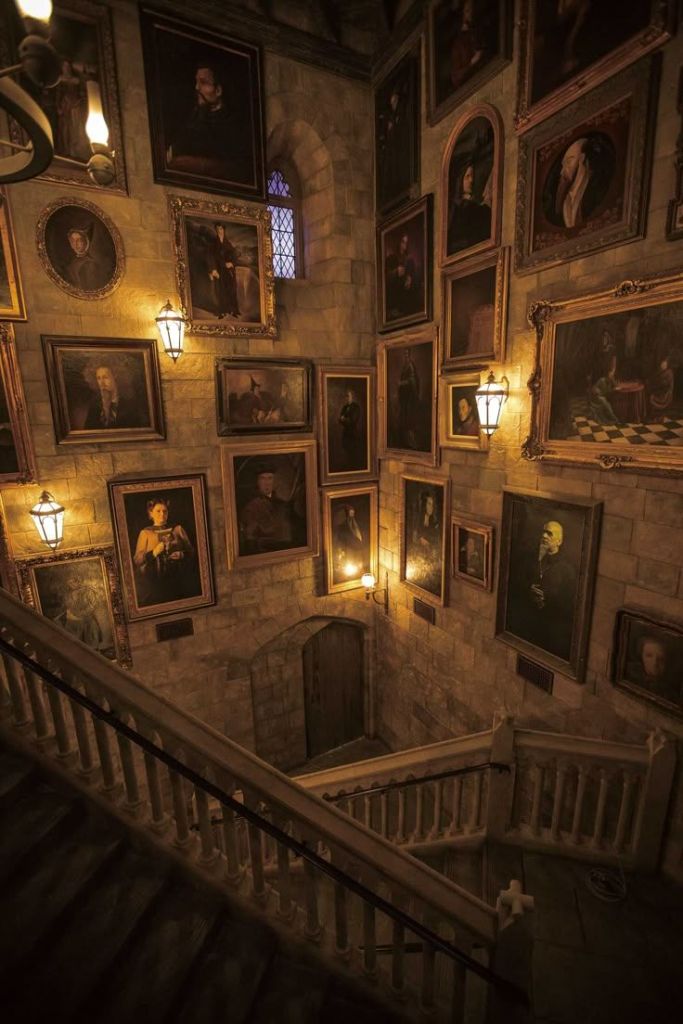
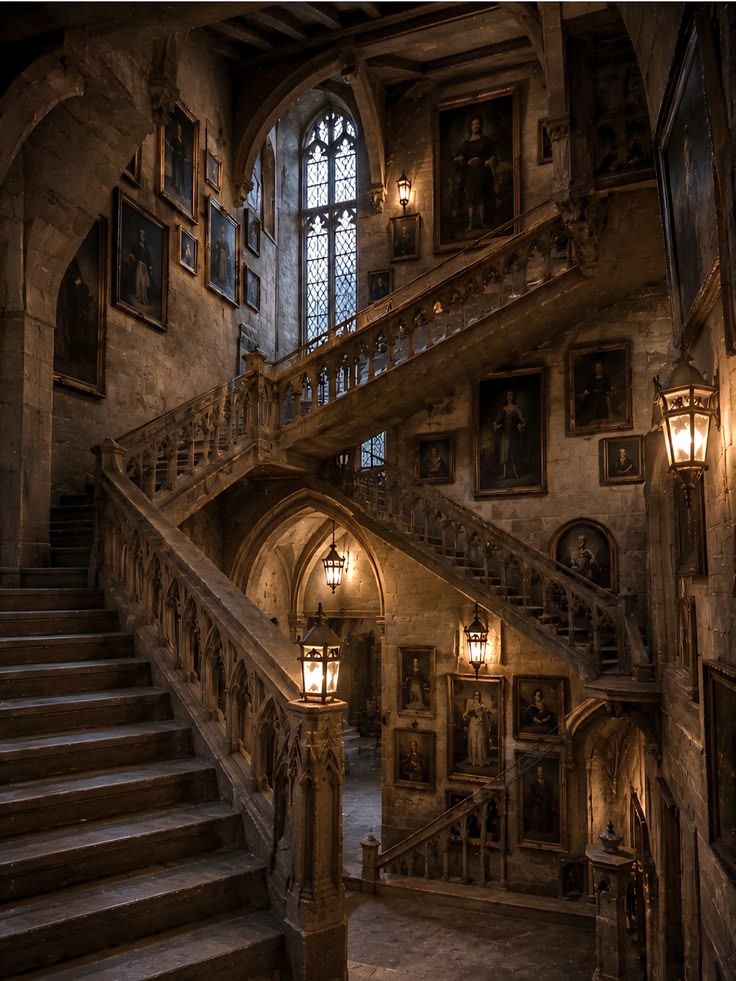
Why I’d Move In OMG, it would have been magical. And imagine the amount of adventure there would be every day. There is The Moving Staircases, The Great Hall, The Room of Requirement, The Chamber of Secrets and Enchanted Classrooms and Dungeons.
The Catch The biggest downside is Voldemort. 😶
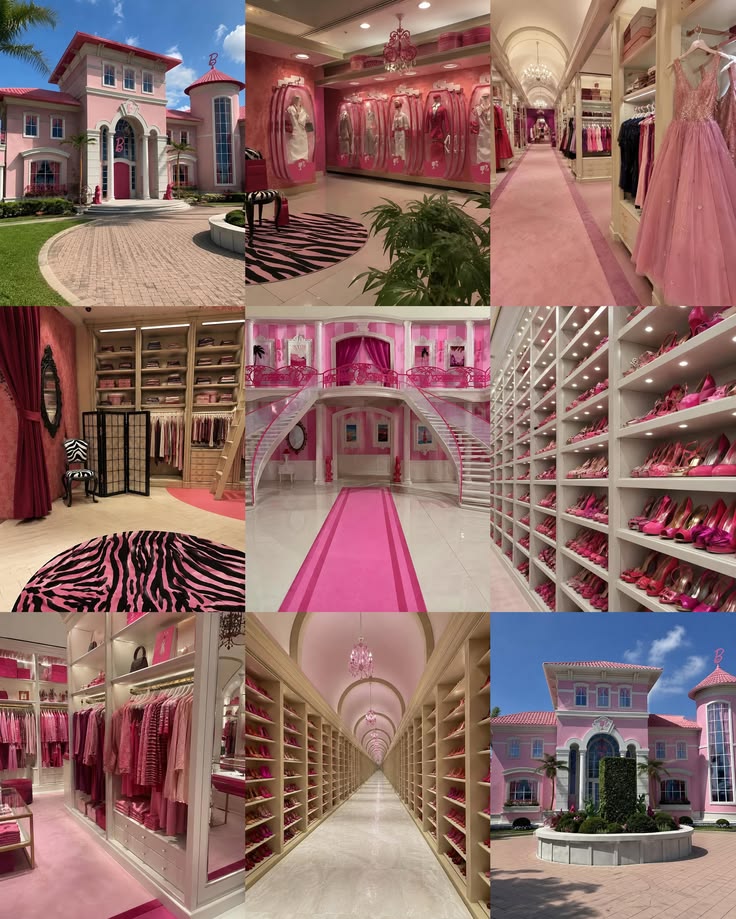
4. Barbie’s Dreamhouse + Barbie’s Home
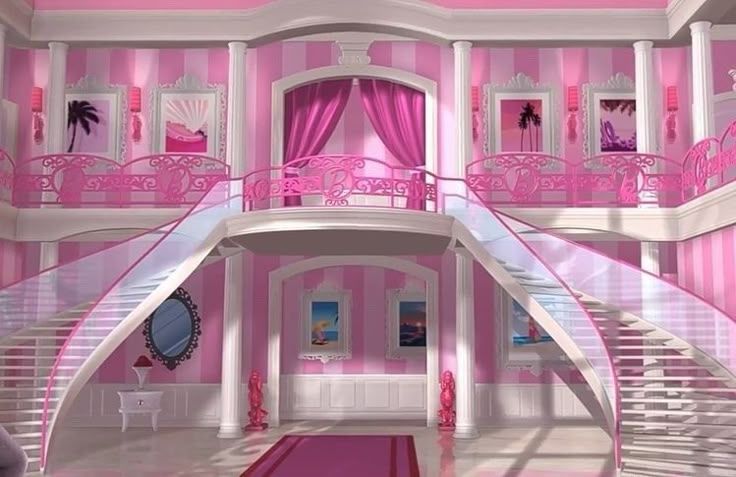
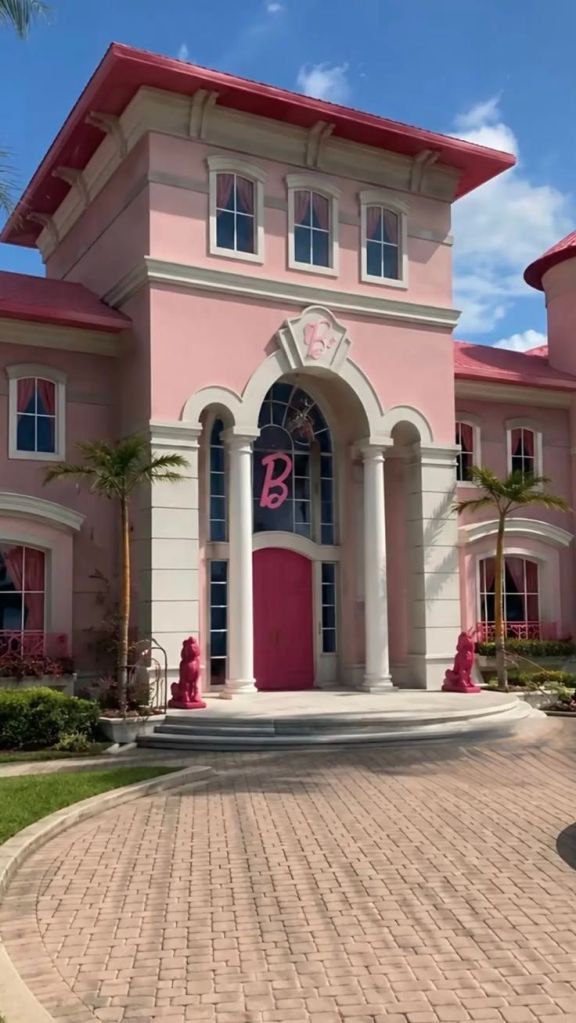
Specifically, the 1990s one. I want to live in that mansion even now as a grown adult. It was a cultural movement.
Why I’d Move In As I told you, it was a cultural movement for a lot of girls. It had everything in it. Things you can’t even imagine were also there. There was The 3-Story Spiral Slide, Interactive Smart Furniture, The Pet Paradise, Wheelchair-Accessible Elevators.
The Catch I don’t think there is any downside to living there. It would have been perfect and magical.
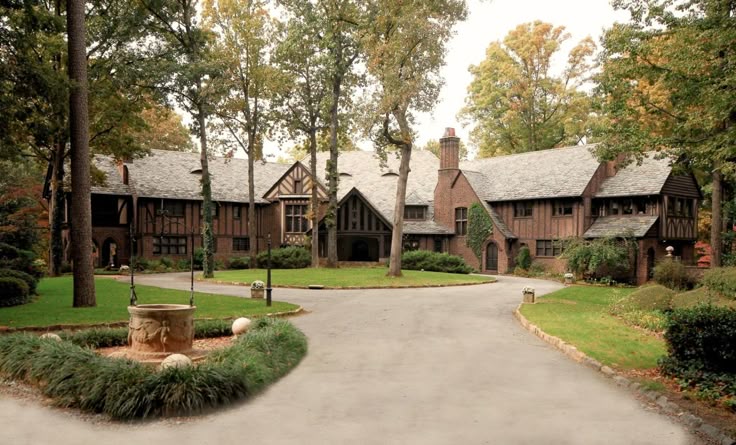
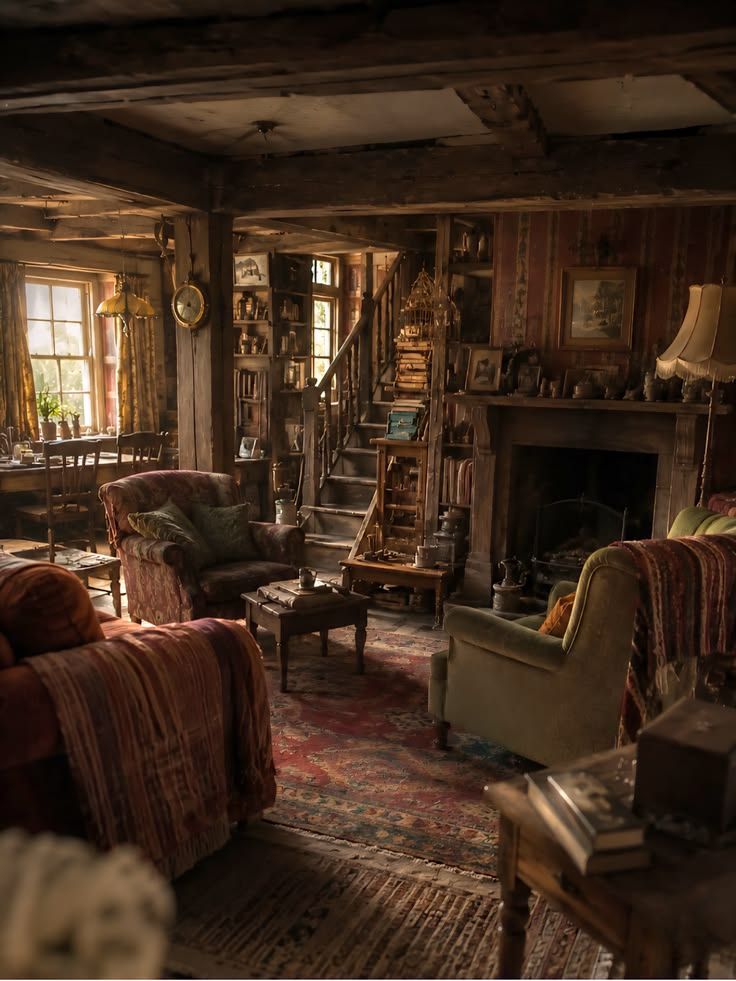
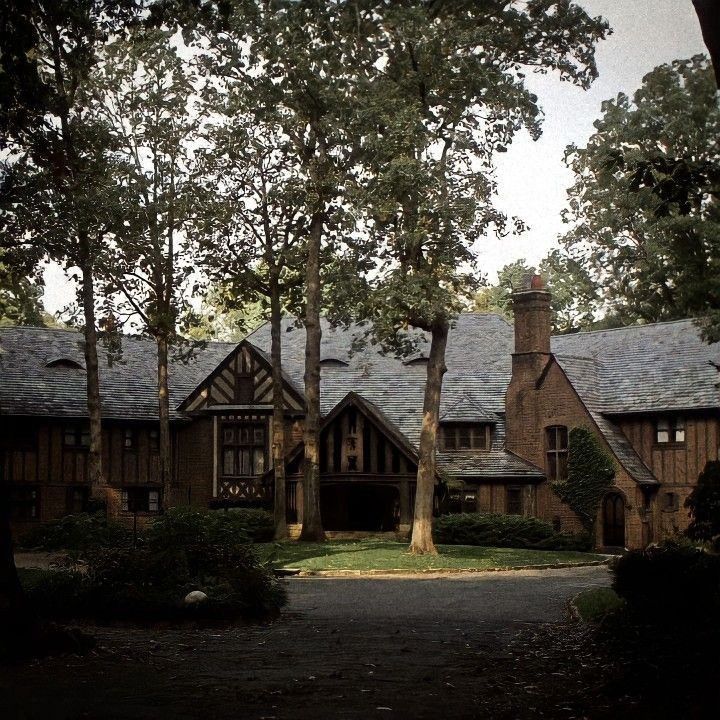
5. The Salvatore Boarding House + The Salvatore brother’s home
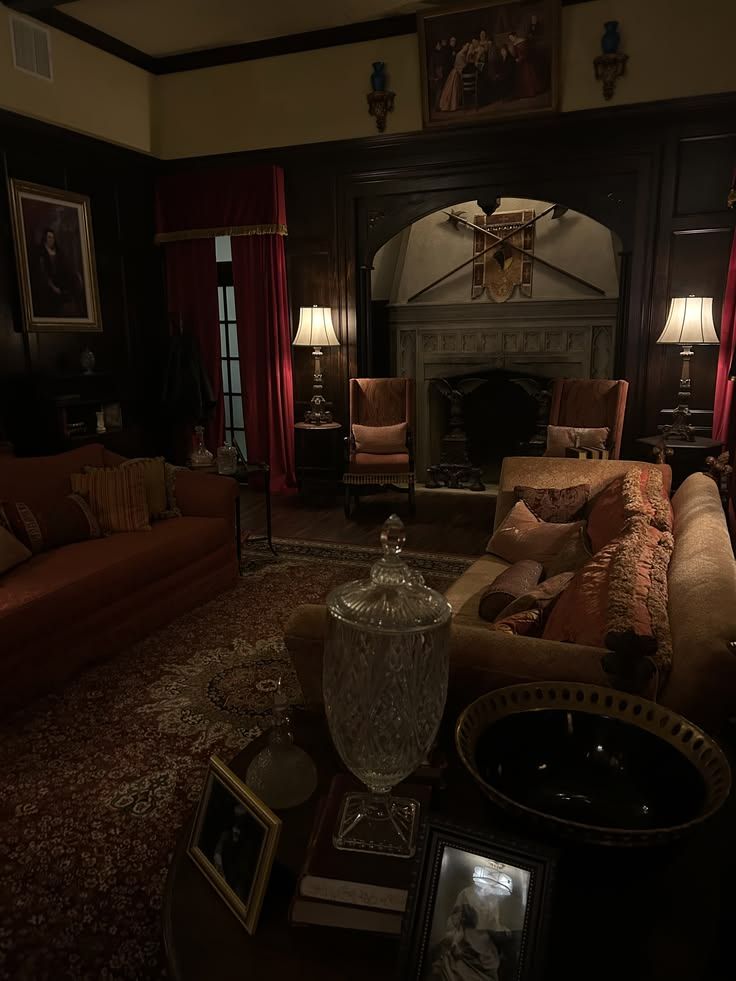
It’s from The Vampire Diaries…. That’s it, that should be enough to tell you about it. It was a really beautiful house. Old, yes, but so pretty. When I get a bigger hours for myself, you best believe this is going to be my inspiration.
Why I’d Move In Moving into the Salvatore Boarding House comes with massive advantages, specifically regarding unmatched security, historic luxury, and supernatural resources. The Living Room, The Cellar, Damon’s Bedroom, and The Salvatore Library which was packed with centuries-old books, journals detailing family history, and hidden compartments storing weapons, stakes, and vervain.
The Catch Oh I just know this, the biggest downside is the stupid and unwanted encounters with vampires, witches, werewolves and god knows what super nature being. But Damon would protect me.
Final Thoughts
Honestly, fictional homes just hit differently. Maybe it’s the magic, the impossible architecture, or the fact that they come with stories attached to every room. Sure, some of these places might also come with villains, vampires, ghosts, family drama, or the occasional world-ending crisis, but I’m still willing to pack my bags. I just know I would love it.
Which fictional home would you move into without thinking twice?
Innocence (bubblegum, baby cheeks, first crush type vibe)
Hope & Calm (pale pink especially has a calming, almost therapeutic quality)
🧠 Psychologically speaking:
Pink reduces aggression (Fun fact: some prisons in Switzerland are painted pastel pink to calm inmates. It’s called “Cool Down Pink.”)
It often feels safe, familiar, comforting, like childhood nostalgia.
But too much of it can also be seen as naive, overly soft, or performative.
⚡ In Gen Z & pop culture:
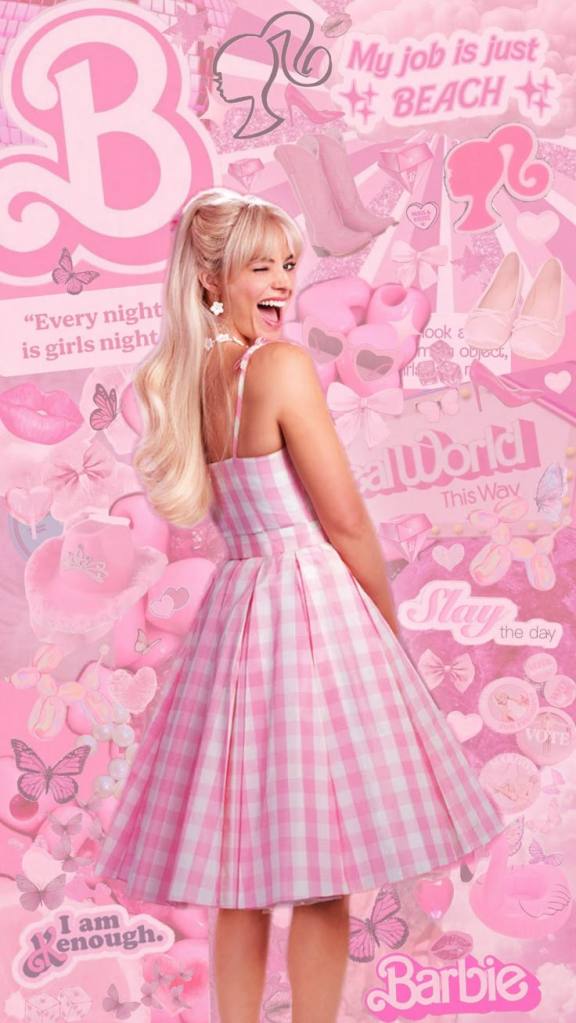
Pink has been reclaimed. It’s not just “girly” — it’s powerful, punk, and political (hi, Barbie movie, breast cancer awareness, and Mean Girls).
Pink is now a weapon and a vibe. It’s giving “I will cry and ruin your life.”
When did people started hating and stereotyping Pink?
People started hating on pink around the mid-20th century, when it got aggressively gender-coded as “feminine” — and being feminine became something to mock, limit, or rebel against.
Let’s break it down by timeline and drama:
👶 Early 1900s: Pink Was for Boys?!
Yep, back in the day, pink was considered a strong, masculine color because it was a “light red.” Blue, on the other hand, was seen as delicate and dainty — perfect for girls. Wild, right?
> “The generally accepted rule is pink for the boys, and blue for the girls.” — Earnshaw’s Infants’ Department, 1918
💄 1950s: Pink Becomes Femme AF
Enter post-WWII marketing and gender essentialism. Department stores, advertisers, and toy companies decided to double down on rigid gender roles — women = domestic, soft, nurturing = PINK. Think: Barbie, baby clothes, kitchen appliances. The “pink for girls” agenda took over like a pastel-colored plague.
🧠 1970s–1980s: Feminist Backlash
Second-wave feminism hits and suddenly, pink becomes political. To many women, rejecting pink was rejecting the idea that their only value was in being pretty, passive, and decorative. Pink = the patriarchy’s favorite color. So people stopped trusting it.
📉 1990s–2000s: “Not Like Other Girls” Era
Cue the era of internalized misogyny. Tomboys and “cool girls” distanced themselves from pink to seem serious or smart. The rise of media tropes (like the girly airhead vs. the edgy brunette) only added fuel. Liking pink? That was basic. Lame. Shallow.
💅 2010s–Now: Pink Makes a Comeback… with Baggage
Thanks to movements like #WomenInSTEM, Gen Z feminism, and brands reclaiming “girliness,” pink made a return — but it’s complicated. People now love hot pink ironically, use it in protest (think: the pussyhat), or wear it in ways that subvert gender norms. But the old hate still lingers, especially from people who grew up associating it with powerlessness or forced femininity.
The Pink Stigma Is Real 💅
Somewhere along the way, pink stopped being a color and became a character. And not exactly a flattering one.
Love pink? You must be…
👛 The “Girly Girl”
You’re delicate, dainty, and probably spend your days organizing your makeup drawers and journaling about your dream wedding. Your hobbies? Shopping, sipping overpriced lattes, and saying “OMG” too often. Bonus points if your handwriting is suspiciously perfect.
🧠 The Airhead
Let me guess — pink is your favorite color because you don’t have enough brain cells to pick a deeper one? 🙄 This stereotype hits especially hard thanks to movies and media that equate femininity with frivolity. (Thankfully, Elle Woods came along and said, “What, like it’s hard?” and crushed that narrative.)
💅 The High-Maintenance Diva
You like pink? Then you must also like drama. You’re high-strung, expensive, demanding, and can’t possibly handle a rough day without smudging your manicure or calling your boyfriend in tears.
🎀 The Infantilized Woman
This one’s subtle, but insidious: the idea that women who love pink are immature. Stuck in their childhoods. Obsessed with glitter and unicorns and unable to handle “adult” things like taxes, heartbreak, or ambition.
🫦 The Flirt
On the opposite end, pink becomes sexualized. The femme fatale who uses her softness as a weapon. A walking contradiction — desirable, but never respected.
The Hate for Pink by Little girls :
Little girls might hate pink growing up not because they actually dislike the color — but because of everything the world attaches to it.
Here’s the real tea:
🚫 1. Forced Femininity = Rebellion Starter Pack
From birth, girls are bombarded with pink: clothes, toys, room decor, even diapers. It’s often not a choice — it’s an expectation. And when you’re a kid trying to figure out who you are, being boxed into “pink = girl” feels like a trap. So rejecting pink becomes a tiny rebellion against being told who you’re supposed to be.
> “You’re a girl, so here’s a pink tutu.” “No thanks, I’ll take the dinosaur tee and a Nerf gun.”
👧🏼 2. “Pink Means You’re a Girly Girl”
And being a “girly girl”? Often used as an insult. Kids (and adults) can be brutal with gender-coded labels. If a girl likes sports, climbing trees, or gets told she’s “not like other girls,” she may distance herself from pink just to protect her identity.
> Internalized message: “If I like pink, people won’t take me seriously. Or worse, they’ll lump me in with the girls they tease.”
🎀 3. It Was Used to Limit Them
For many girls, pink = the things they were allowed to be. Pretty. Quiet. Sweet. Delicate. But not loud, smart, wild, messy, athletic, or bossy — because those weren’t “feminine” traits. So rejecting pink becomes a way to say, “I’m more than what you want me to be.”
🎮 4. It Wasn’t Cool
Pop culture, schoolyard dynamics, even early YouTube — all subtly (or loudly) told us that “cool girls” wore black, were chill, liked blue, and didn’t fuss over pink sparkly stuff. Liking pink was coded as basic. So girls who wanted to be “different” or “cool” ditched the color entirely.
🧠 5. Associating It With Weakness
This one cuts deep. In a world where masculinity is praised and femininity is devalued, anything seen as “too girly” gets tied to weakness. So pink — the ultimate girly symbol — becomes the thing to avoid if you want to be taken seriously.
> “I’m not like those girls.” “Pink is for babies.” “I’m tough — I wear navy.”
Spoiler: all of that is internalized misogyny.
🤷♀️ 6. They Just… Didn’t Like It
Also, sometimes it’s not that deep. Maybe they genuinely didn’t vibe with the color. Not every girl has to love soft pastels or bubblegum neon. Personal taste exists! And that’s valid too.
Wait… Why Are We Still Doing This?
Let’s pause here and ask: Why does a color carry this much baggage?
Newsflash: Pink used to be a boy’s color. Back in the early 1900s, it was seen as a bolder, more “decisive” version of red — appropriate for young boys. Blue? That was soft, serene, and suited to girls.
People are still hating on the color pink because — surprise! — we’ve attached a whole bunch of outdated, gendered baggage to it. Pink hasn’t just been a color for decades now; it’s been a symbol of everything society deems “feminine,” and unfortunately, that often comes with a side of disrespect.
Here’s the breakdown:
💅 1. Femininity is Still Devalued
Let’s be honest — we live in a world where “girly” is still used as an insult. Pink, as a color, got coded as feminine over time (it wasn’t always — fun fact: it was once considered a boy color). But now? It represents softness, sweetness, delicacy — and all the things patriarchy told us were “less than.” So when people hate on pink, what they’re really doing is reacting to how we’ve historically disrespected femininity.
🧠 2. Internalized Misogyny is Real
Some women and girls reject pink not because they truly hate the hue, but because they’ve been taught that being “too feminine” makes you weak, shallow, or less intelligent. Hating pink becomes a way to prove you’re not like other girls — which is just another way patriarchy divides and conquers.
🎯 3. Marketing Overkill
Let’s not ignore how aggressively pink has been pushed on girls. The “pink aisle” in toy stores? Everything from bikes to LEGOs to baby wipes unnecessarily bathed in fuchsia? That overexposure creates resistance — like, why do we only get ONE color? Pink ends up symbolizing forced gender roles rather than just… being a color.
🫠 4. Stereotyping & Infantilization
Pink is often linked with childishness — think Barbie, princesses, bubblegum. That can make people want to reject it to be taken seriously. Especially women in male-dominated spaces. You wear hot pink to a boardroom, and suddenly you’re seen as unserious or “extra.”
✊🏽 5. It’s Also a Form of Rebellion
Rejecting pink has become an act of resistance for some — especially those in queer, feminist, or alternative subcultures. Saying “I don’t do pink” is often a shortcut to say “I don’t conform to your narrow version of womanhood.”
When the girls started liking Pink again!!
When a girl starts liking the color pink again — after rejecting it — it often means she’s reclaiming her power, femininity, and identity on her own terms. It’s not just “oh, I like pretty things now.” It’s deeper than that. It’s unlearning shame. It’s rebellion in lipstick.
Here’s what it can really mean:
💖 1. Healing Her Inner Child
She’s letting go of shame around girly things and embracing what once felt forced or off-limits.
💅 2. Rejecting the Male Gaze
She’s no longer dressing to be “cool” or desirable — pink is now for her.
🎀 3. Redefining Femininity
Soft doesn’t mean weak. Pink is power in pastels.
🧠 4. Unlearning Misogyny
She no longer sees liking pink as anti-feminist — she knows femininity isn’t the enemy.
💼 5. Owning Her Narrative
Wearing pink says: “Underestimate me — and watch me win.”
So when a woman starts liking pink again, it’s often not about the color — it’s about liberation.
It means she’s not afraid to be seen, be soft, or be stereotyped — because she knows who she is, and she doesn’t need to apologize for it.
🎀 The Bottom Line: Pink ≠ Shallow
Pink is softness and strength. It’s bold. It’s rebellious. It’s the shade of breast cancer awareness, of “On Wednesdays We Wear Pink,” of lipstick stains on spreadsheets and protest signs.
Loving pink doesn’t mean you’re a stereotype. It means you’re secure enough to enjoy what you love — without apologizing for it.
 Ladyink with love