If I had to describe 2025 in one line, I’d say this: it opened my eyes and forced me to reflect. Not in a dramatic, life-altering way, but in a slow, honest way. The kind that stays with you even when nothing big seems to be happening.
At the beginning of the year, I thought love and a promotion would be part of my story. They weren’t. And oddly enough, I’m not sad about that. I didn’t feel robbed or behind. I just felt… okay. Like maybe life was asking me to focus on something else instead of chasing timelines that weren’t mine.
One of the biggest decisions I made this year was writing my first short story. It wasn’t a loud announcement or a sudden burst of confidence. It was quiet and personal. I just decided to do it. That choice mattered to me because it reminded me that I don’t have to wait for the perfect moment or validation to start something I care about.
What really exhausted me in 2025 was a pattern. The kind you don’t notice until you’ve repeated it enough times to feel tired of yourself. Once I saw it clearly, I couldn’t ignore it anymore. And once I couldn’t ignore it, I knew it had to change.
I’m quietly proud of how much more at peace I feel now. I’m clearer. I don’t feel as pulled in different directions. I’ve started letting go of expectations, especially the ones that weren’t even mine to carry. I also became more aware of my habits, the good ones and the ones that were holding me back without me realizing it.
This year also taught me something very real about work, money, and ambition. Wanting more means working harder. There’s no escaping that. No shortcuts that don’t eventually catch up to you. If I want a different life, I have to be willing to put in consistent effort, even when it feels slow and invisible.
Being single this year didn’t make me feel lonely or lacking. It taught me that I don’t have to be sad about it. I’m becoming my best self in my own time. Love doesn’t need to arrive right now for my life to still feel meaningful. Everyone has their own timing, and mine just isn’t here yet.
One belief I finally let go of in 2025 is the idea that I’m useless. I’m not. I’m hardworking. I show up. I try, even when things don’t immediately work out. I’m content in ways I didn’t expect, and that matters more than I used to admit.
As I step into 2026, I’m carrying my confidence and clarity with me. I’m leaving behind unnecessary doubt and habits that don’t serve the person I’m becoming. 2025 didn’t give me everything I thought I wanted, but it gave me something solid. And for the first time in a while, that feels enough.
Happy New Year !!! 🎊🎉🩷🙏🏻
What do you think your 2025 went? Let me know your thoughts below 👇🏻💕
Lately, I’ve realized that the biggest lessons I’ve learned didn’t come from books, advice, or big moments. They came quietly, through exhaustion. I’ve learned that my energy drains much faster now when I’m in places or around people who don’t match my vibe. Earlier, I would stay longer, try harder, tell myself I was being too sensitive. Now I feel the discomfort early, and I don’t argue with it. That awareness has become a skill in itself.
I’ve also learned how to walk away without explaining myself. This didn’t come from confidence; it came from fatigue. Conversations that irritate or anger me don’t get my time anymore. I no longer feel the need to clarify, justify, or soften my exit. I learned to set up boundaries and telling no more firmly. I leave because staying costs me more than leaving ever did. It’s not dramatic. It’s just self-respect in action.
Over time, I’ve become very good at spotting people who aren’t real. Especially those who are overly sweet with everyone. That kind of kindness used to confuse me, and I always thought there is something wrong with me to not like someone who is loved by everyone. Now I recognize it as performative. I’ve learned to trust my discomfort around people who charm easily but lack depth. This hasn’t made me cynical…. it’s made me selective. I don’t want access to everyone, and I don’t want everyone to have access to me.
When something disappoints me deeply, my response has changed. I withdraw first. I need space to process things on my own, without noise or opinions. And then, once I’ve absorbed it, I push through. I don’t fall apart the way I once feared I might. I keep going. That combination of withdrawal and endurance is something I didn’t consciously develop, but it’s there now. Quiet. Reliable.
One thing I genuinely respect about myself these days is my ability to walk away from what doesn’t serve me and stand my ground on what I believe in. Even when it’s uncomfortable. Even when it costs me closeness. I didn’t always have that kind of loyalty to myself. I learned it slowly, by choosing my peace over being understood.
A harder lesson I’ve learned is to stop expecting help and understanding from people. This one still stings. Not because people are cruel, but because they’re often unable to meet you where you are. Letting go of that expectation forced me to rely on myself more than I ever thought I could. It wasn’t empowering at first. It was lonely. But it made me stronger in a very quiet way.
Emotionally, I’ve changed too. I’m no longer scared to acknowledge my own feelings. I may not share them openly, but I don’t deny them anymore. I know what I feel. I accept it. That internal honesty has been one of the most important shifts for me. Even if no one else sees it, I do.
For a long time, I thought I hadn’t handled anything significant because there were no obvious markers of growth. No applause. No visible breakthroughs. But looking back, I see years of silent work. I carried my mental and emotional struggles without letting people in. I kept showing up. I kept becoming more myself. That invisible endurance is something I never planned to learn, but it’s shaped who I am now more than anything else.
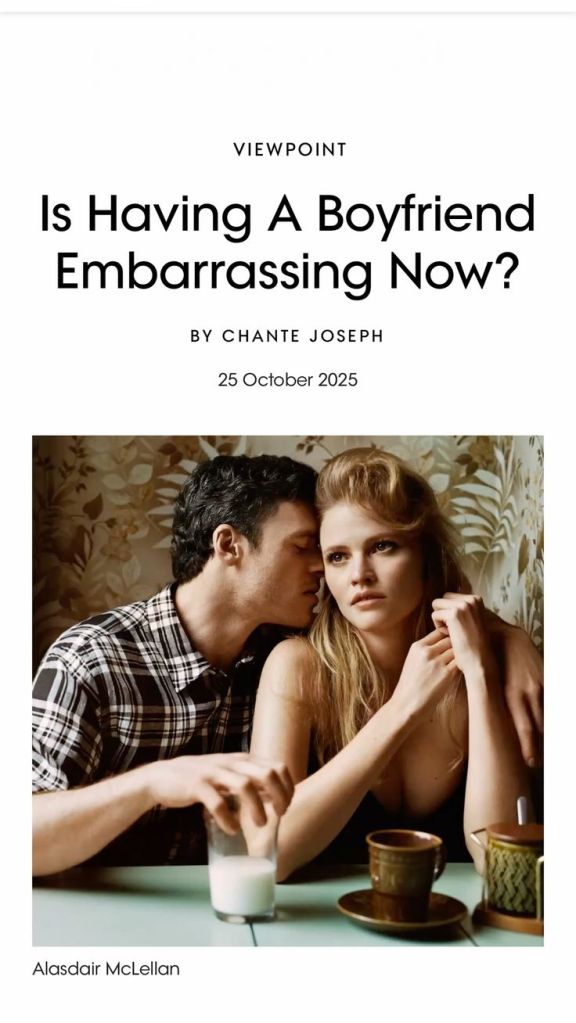
Is Having a Boyfriend Embarrassing Now? Or Are Women Just Finally Choosing Themselves?
I was scrolling Instagram (yes, again 😭) when reels about a new Vogue article started flooding my feed. The headline was loud enough: Is Having a Boyfriend Embarrassing Now? by Chanté Joseph. Women were stitching, reacting, and laughing about how “uncool” relationships suddenly feel.
And I’ll be honest — I understood it immediately. I used to feel embarrassed every time I had a boyfriend. I felt smaller, softer, less myself. Maybe that’s why I’ve been single for years and genuinely living my best life.
Chanté writes: “This is also happening alongside a wave of women reclaiming and romanticizing their single life. Where being single was once a cautionary tale (you’ll end up a “spinster” with loads of cats), it is now becoming a desirable and coveted status—another nail in the coffin of a centuries-old heterosexual fairytale that never really benefited women to begin with.”
She’s right. But that’s only the surface. There’s a deeper cultural shift happening, and it’s worth unpacking.
Let’s talk about it.
Is Having a Boyfriend Actually Embarrassing?
Not really. What’s embarrassing is dating someone who lowers your energy — or becoming a smaller version of yourself to keep the relationship alive.
Here’s why the idea has gained traction:
1. Many relationships look low-standard
A woman who’s driven and interesting ends up with a guy who looks lost, sloppy, or unambitious. The mismatch is what people cringe at.
2. Too many women lose themselves in relationships
When your entire personality turns into “my boyfriend,” it reads insecure, not romantic. Losing your edge isn’t aspirational.
3. Relationships became content
The curated TikToks, the performative affection, the need to prove happiness — it all looks forced.
4. Independence now looks aspirational
Freedom, standards, options — that’s the vibe. A relationship can look like giving that up, even when it’s not true.
5. Most couples aren’t inspiring
They’re settling for each other, not elevating each other. People pick up on that instantly.
6. Your partner reflects your taste
If he’s a mess, people silently assume you are too. The judgment falls on women, not men.
7. The “boyfriend” label still carries outdated baggage
Clinginess, predictability, emotional drama — a lot of people still associate the role with all that.
A relationship only feels embarrassing when it shrinks you instead of expanding you. And society is finally saying it out loud.
How Patriarchy Shaped This Feeling
Women aren’t rejecting relationships because it’s fashionable. They’re rejecting the blueprint patriarchy handed them.
1. The girlfriend role was designed to make women smaller
Be patient. Be sweet. Be forgiving. Be supportive. Men weren’t taught to reciprocate, so relationships felt like emotional labor camps for women.
2. Men weren’t raised to be good partners
Patriarchy didn’t teach them emotional intelligence, accountability, or how to care for someone. So a lot of modern relationships feel imbalanced and draining.
3. Women get judged harder for their partner’s flaws
If he embarrasses himself, it reflects on her. Patriarchy made women responsible for men’s behavior — and women know it.
4. Independence is finally real
Women used to need men to survive. Now they have money, careers, friendships, autonomy — so relationships are optional, not mandatory.
5. Being single signals power, not failure
It reads as self-respect, freedom, and individuality.
6. Men aren’t matching women’s growth
Ambition, emotional maturity, discipline — many men are behind. The gap is the embarrassment.
7. Women want to be met, not claimed
The old model of men “claiming” women doesn’t land anymore. Women want equals, not owners.
So no, the idea of a boyfriend isn’t uncool. The idea of stepping back into a patriarchal girlfriend role is.
How Women Are Breaking Free
This isn’t “girlboss energy.” This is women refusing to play roles that never served them.
1. Ambition over approval
Women are building lives that don’t revolve around being chosen. Money, career, lifestyle, identity — they come first.
2. No more lowering standards
One red flag and she’s gone. That’s autonomy, not coldness.
3. They’re done romanticizing struggle
No more mothering grown men. No more emotional heavy lifting.
4. Self-investment is the new norm
Skills, solo travel, fitness, career growth — women are investing in themselves the way men were once allowed to.
5. They’re more interesting single than with the wrong man
Being single lets their identity breathe.
6. Stronger female networks
Women now rely on each other for emotional grounding. That’s powerful.
7. Rejecting the “girlfriend aesthetic”
They don’t want to be accessories or caretakers. They want to be the protagonist.
8. Calling out mediocrity
“If he can’t meet me where I am, I’d rather be alone.” That’s not hostility. That’s clarity.
9. Redefining adulthood
Marriage and kids aren’t the finish line. Self-defined life is.
Bottom Line
Women are breaking free by finally living like they matter more than the roles patriarchy gave them. Not aesthetically. Not performatively. But in real, tangible ways.
Conclusion
Women aren’t embarrassed by love — they’re embarrassed by the outdated relationship model that required them to shrink, compromise, and center a man’s needs over their own. With independence, ambition, community, and financial autonomy, women no longer see the traditional girlfriend role as aspirational. A relationship is only worth having if it expands their life instead of minimizing it. Anything that pulls a woman back into a version of herself she’s outgrown feels uncool — not because she’s anti-love, but because she’s done disappearing into someone else’s story.
When I think about how I want people to see me, four things always comes to my mind, Confidence, Grace, Elegance and Mystery. And that’s how I would want people to think of me when they first meet me. This is what I want my impression to be. 😶
I’ve learned that confidence isn’t something you force. It’s not loud energy or trying to stand out. For me, confidence shows up in the way I hold myself when I walk into a room — steady, grounded, and unapologetically present. I don’t need to prove anything or compete for attention. My confidence comes from knowing who I am, trusting my own judgment, and standing by my decisions without second-guessing myself just because someone else hesitates. I don’t rush, I don’t overexplain, and I don’t shrink myself to make others comfortable. That quiet certainty is the base of the impression I choose to give.
And wrapped around that certainty is elegance — not perfection, but intention. The way I speak, the way I listen, the way I stay composed even when I’m under pressure. Elegance shows up in my tone, my timing, and my boundaries. It’s strength that doesn’t need to announce itself.
Mystery is something I’ve grown into rather than something I’ve chased. I don’t reveal everything I feel, think, or experience, and that’s not distance — it’s discernment. Not everyone earns full access to my inner world, and I don’t apologize for that. I like leaving space for people to wonder about me, to sense the layers without immediately understanding them. I share selectively, intentionally, and with people who actually deserve depth. I’m open where it matters, but I’m private where it protects my peace. That balance creates the kind of presence I want to project — warm enough to be relatable, but guarded enough to be intriguing. I want people to feel that there’s more to me than what I show at first glance, and that they have to earn the rest.
Grace is the element that holds everything together. I don’t aim to be perfect…. I aim to be steady. When things go wrong, I don’t crumble. When I’m wrong, I own it without shrinking. When life gets messy, I move through it with calm and clarity instead of chaos. Grace, to me, is emotional discipline — responding instead of reacting, choosing honesty without harshness, carrying myself with intention even when no one is watching. It softens my confidence and gives warmth to my mystery. When all of this comes together — confidence, elegance, mystery, and grace — I create the impression I truly want people to have of me. Not loud, not dramatic, not trying too hard. Just a presence that lingers. A presence that feels composed, intriguing, and unmistakably mine.
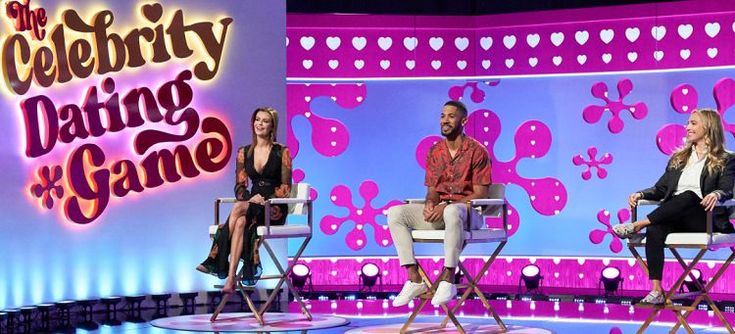
Inferno to Love Island: The Messy Magic of Reality Dating🔥🩷
Why We’re All Low-Key Obsessed With Dating Shows 💘📺
I was recently minding my own business (like always 👀), when suddenly everyone around me was talking about Love Island. I thought, okay fine, let me see what the hype is about. And let me tell you — it was highly entertaining.
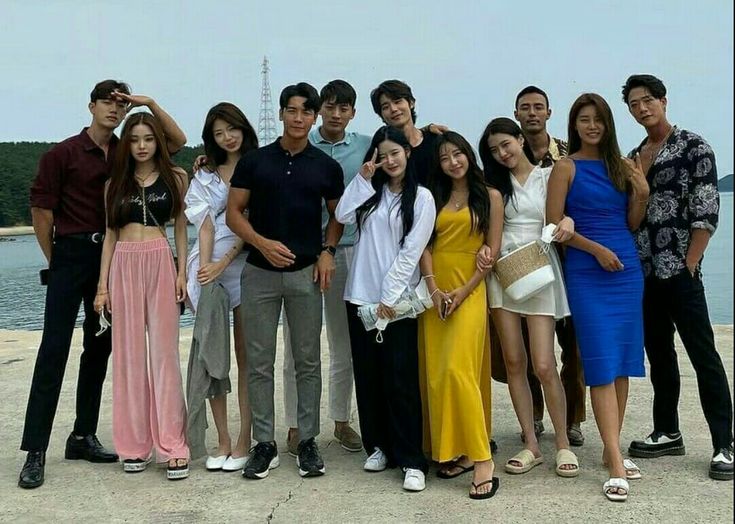
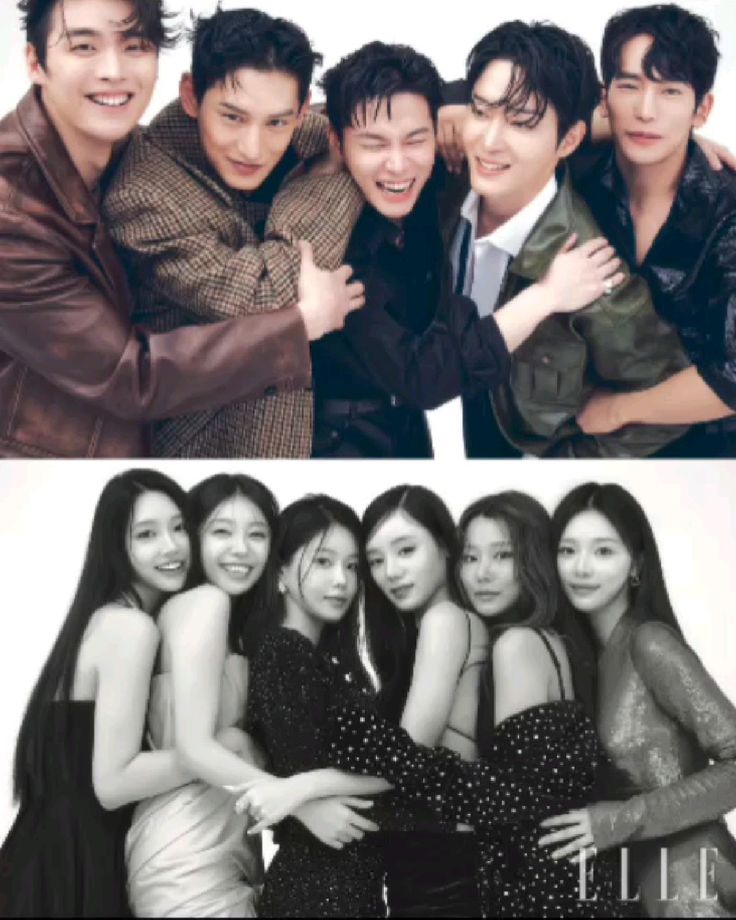
The last dating show I watched before that was Single’s Inferno, that spicy little Korean reality show on Netflix. Watching both made me realize: wow, Korean dating shows and Western dating shows are two completely different worlds. Same premise, totally different flavors.
Love Island UK 🇬🇧🌴
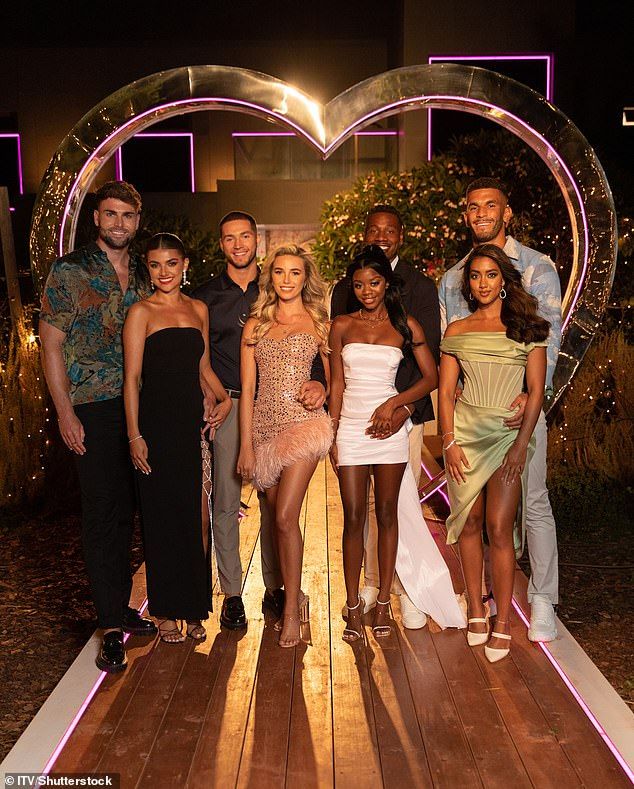
Love Island UK is the most famous of them all — basically a cultural reset since it relaunched in 2015. Here’s the setup:
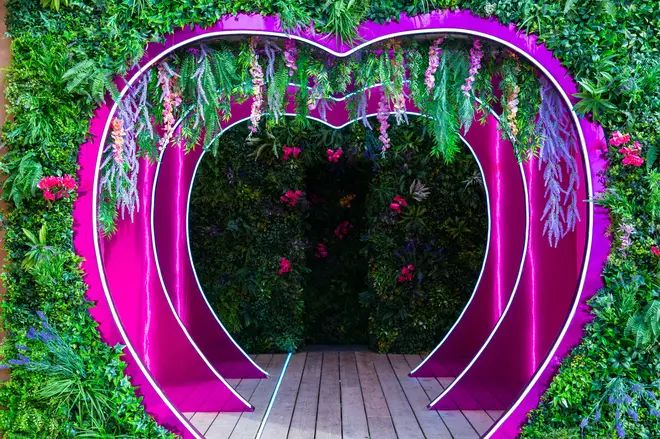
A bunch of singles, aka islanders, live in a luxury villa in Mallorca (sometimes South Africa for the winter edition).
They couple up from the jump — based on attraction, vibes, or just not wanting to be the awkward leftover.
New people arrive constantly (bombshells 💣), shaking things up. Islanders can ditch their partners and “re-couple” if they want.
The public gets to vote on who stays, who goes, and who wins. The last couple standing takes home £50,000.
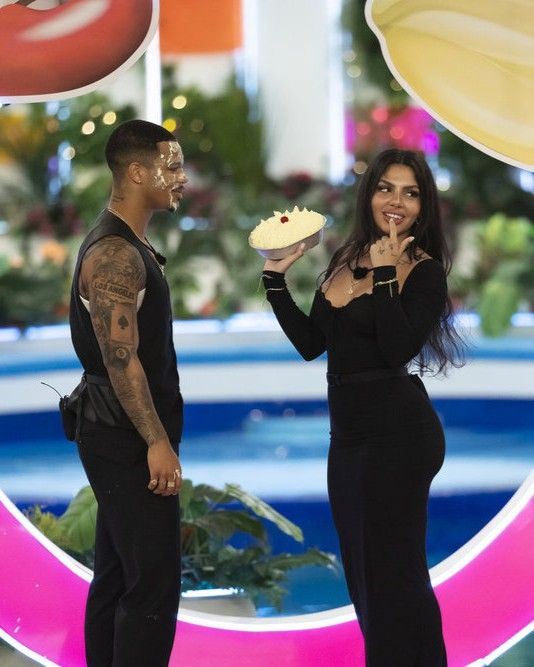
The show thrives on drama: love triangles, messy loyalty tests, over-the-top challenges, and of course the iconic Casa Amor twist (where half the villa gets shipped off and tempted with new people).
But here’s the thing — Love Island isn’t just about love. It’s about rivalries, friendships, and how people handle pressure when the entire country is watching. Plus, it gave us iconic slang like “mugged off” and “it is what it is” — and launched a small army of influencers into the wild.
Single’s Inferno 🇰🇷🔥
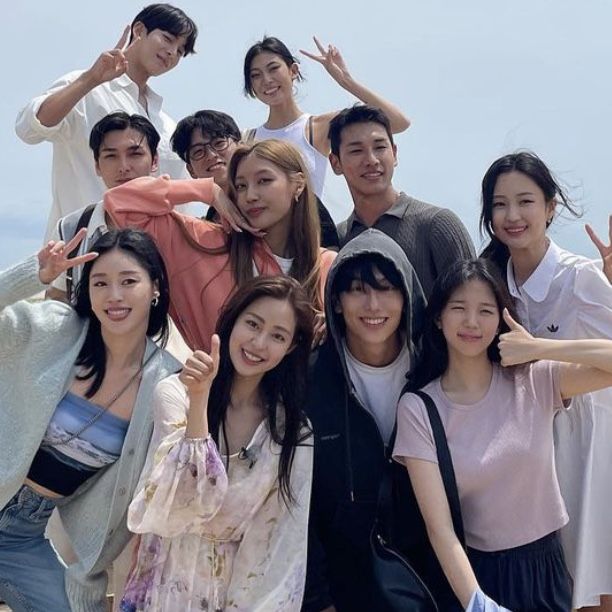
Now, switch gears to South Korea. Single’s Inferno is like Love Island’s quieter, mysterious cousin. Same idea: hot singles, stuck together, trying to find romance. But the execution? Totally different.
Here’s the twist:
Contestants live on a remote island called Inferno with very basic living conditions. No phones, limited food, and yes — they have to cook for themselves. 🍳
The only way to escape is to “couple up” and earn a ticket to Paradise — a luxury hotel with buffets, spa time, and privacy.
Oh, and one big rule: no one can reveal their age or job until they’re in Paradise. Suspense much? 👀
The fun is in the contrast. Inferno = survival, sweat, and awkward tension. Paradise = five-star getaway. And because it’s Korean reality TV, the drama isn’t loud fights or chaos — it’s shy confessions, jealous glances, and subtle power plays.
This slower, more mysterious approach is why Single’s Inferno exploded globally. It feels fresh, romantic, and less… chaotic than its Western counterparts.
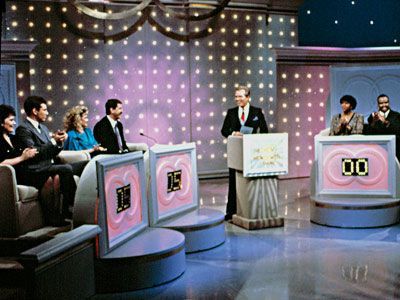
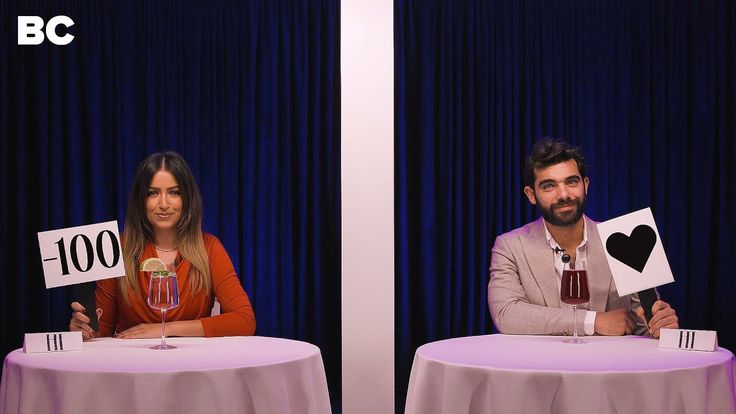
Okay, But What Even Is a Dating Show? 💡
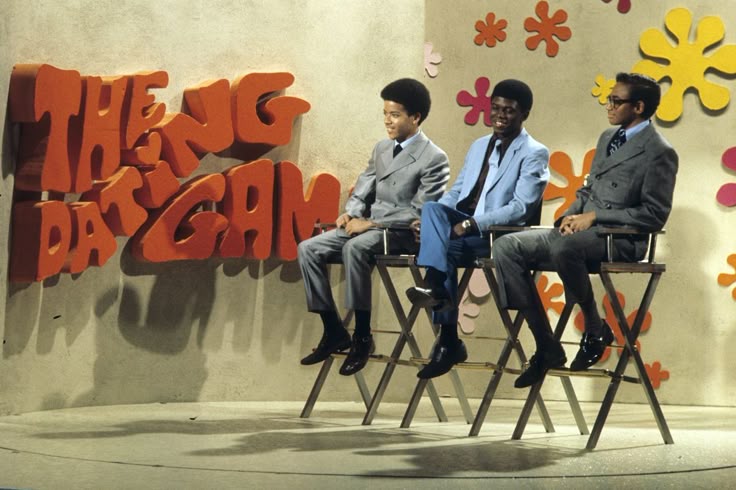
Simple: it’s reality TV where people look for love, a fling, or just attention. The formats differ, but the common denominator is romance + drama.
Some examples:
Elimination style (The Bachelor) – one person chooses from a group.
Western: rules exist, but chaos reigns — producers want maximum unpredictability.
4. Cultural Values
Korean: politeness, respect, indirect communication. Even rejection is gentle.
Western: loud, bold, confrontational. Tears and fights = entertainment.
5. Editing Style
Korean: cinematic, emotional music, panelists commenting like fans.
Western: cheeky narrators, fast cuts, cliffhangers.
6. End Goals
Korean: just two people choosing each other is enough.
Western: money, fame, brand deals — love is half the prize, clout is the other half.
So really: ✨ Korean shows = tension, yearning, emotional buildup. 🔥 Western shows = chaos, attraction, and drama.
Why Young Women Lean Toward Korean Dating Shows 💅
Here’s the tea: young women around the world often prefer Korean shows, and the reasons make perfect sense.
1. The pace feels real – no instant hook-ups, just slow burn crush vibes.
2. The mystery is addictive – not knowing someone’s job or age keeps it spicy.
3. Respect matters – no screaming matches or public humiliation.
4. The way desire is shown – care and attention, not just bikinis and snogging contests.
5. Safe escapism – dreamy romance without trashy chaos.
6. K-culture power – if you already love K-pop or K-dramas, these shows feel like the natural next step.
Bottom line: Korean shows sell the kind of romance many young women wish dating looked like.
The Unrealistic Side 🌈 vs 🧨
Of course, both styles set up expectations that don’t match reality:
Korean shows – everyone looks perfect, romance feels like a K-drama, conflict barely exists. Real life? Not so polished.
Western shows – dating happens at hyper-speed, cheating is normalized, and love is treated like a competition. Real life? Much slower, messier, and not always Instagram-ready.
Both glamorize dating in ways that can be fun to watch but tricky if you take it too literally.
Why We Still Watch (And Love It) 🤷♀️
Unrealistic or not, dating shows work. Here’s why:
1. Escapism – live vicariously through people hotter and messier than us.
2. Drama Without Consequences – we get the tea without the heartbreak.
3. Relatable Emotions – awkward flirting, jealousy, rejection — we’ve all been there.
5. Hope & Fantasy – dreamy romance (Korea) or messy chaos (West) — pick your flavor.
That’s the magic combo: escape, drama, relatability, community, and fantasy.
Conclusion ✨
Dating shows — whether Korean or Western — aren’t about showing us what real love looks like. They’re about keeping us hooked. They exaggerate, dramatize, and polish reality until it feels binge-worthy. And honestly? That’s why we love them.
Viewers, especially young women, aren’t watching because they believe it’s real. They’re watching because these shows deliver what actual dating rarely does: drama without risk, romance without awkwardness, and a safe space to dream about love in all its forms.
So yeah — enjoy them. Scream at the screen. Pick your faves. But remember: your love life doesn’t need a villa, a bombshell, or dramatic theme music to be real. 💖








 Ladyink with love