If I had to describe 2025 in one line, I’d say this: it opened my eyes and forced me to reflect. Not in a dramatic, life-altering way, but in a slow, honest way. The kind that stays with you even when nothing big seems to be happening.
At the beginning of the year, I thought love and a promotion would be part of my story. They weren’t. And oddly enough, I’m not sad about that. I didn’t feel robbed or behind. I just felt… okay. Like maybe life was asking me to focus on something else instead of chasing timelines that weren’t mine.
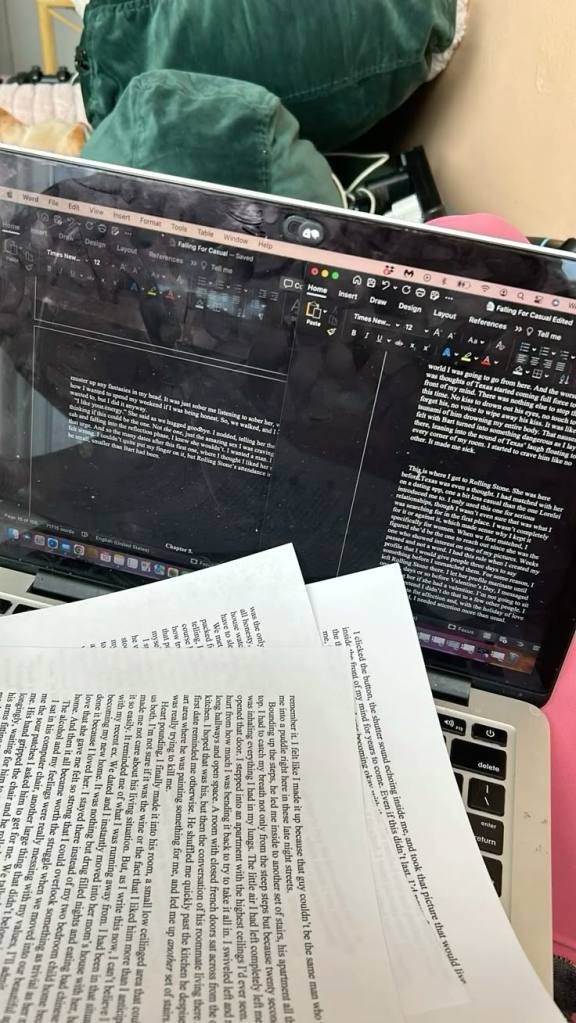
One of the biggest decisions I made this year was writing my first short story. It wasn’t a loud announcement or a sudden burst of confidence. It was quiet and personal. I just decided to do it. That choice mattered to me because it reminded me that I don’t have to wait for the perfect moment or validation to start something I care about.
What really exhausted me in 2025 was a pattern. The kind you don’t notice until you’ve repeated it enough times to feel tired of yourself. Once I saw it clearly, I couldn’t ignore it anymore. And once I couldn’t ignore it, I knew it had to change.
I’m quietly proud of how much more at peace I feel now. I’m clearer. I don’t feel as pulled in different directions. I’ve started letting go of expectations, especially the ones that weren’t even mine to carry. I also became more aware of my habits, the good ones and the ones that were holding me back without me realizing it.
This year also taught me something very real about work, money, and ambition. Wanting more means working harder. There’s no escaping that. No shortcuts that don’t eventually catch up to you. If I want a different life, I have to be willing to put in consistent effort, even when it feels slow and invisible.
Being single this year didn’t make me feel lonely or lacking. It taught me that I don’t have to be sad about it. I’m becoming my best self in my own time. Love doesn’t need to arrive right now for my life to still feel meaningful. Everyone has their own timing, and mine just isn’t here yet.
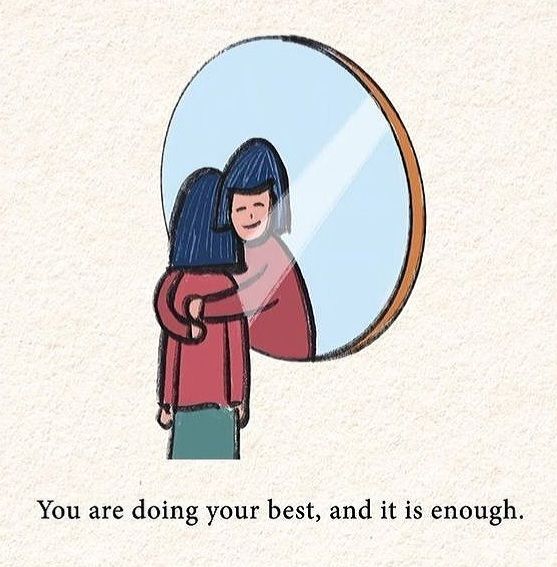
One belief I finally let go of in 2025 is the idea that I’m useless. I’m not. I’m hardworking. I show up. I try, even when things don’t immediately work out. I’m content in ways I didn’t expect, and that matters more than I used to admit.
As I step into 2026, I’m carrying my confidence and clarity with me. I’m leaving behind unnecessary doubt and habits that don’t serve the person I’m becoming. 2025 didn’t give me everything I thought I wanted, but it gave me something solid. And for the first time in a while, that feels enough.
Happy New Year !!! 🎊🎉🩷🙏🏻
What do you think your 2025 went? Let me know your thoughts below 👇🏻💕
Lately, I’ve realized that the biggest lessons I’ve learned didn’t come from books, advice, or big moments. They came quietly, through exhaustion. I’ve learned that my energy drains much faster now when I’m in places or around people who don’t match my vibe. Earlier, I would stay longer, try harder, tell myself I was being too sensitive. Now I feel the discomfort early, and I don’t argue with it. That awareness has become a skill in itself.
I’ve also learned how to walk away without explaining myself. This didn’t come from confidence; it came from fatigue. Conversations that irritate or anger me don’t get my time anymore. I no longer feel the need to clarify, justify, or soften my exit. I learned to set up boundaries and telling no more firmly. I leave because staying costs me more than leaving ever did. It’s not dramatic. It’s just self-respect in action.
Over time, I’ve become very good at spotting people who aren’t real. Especially those who are overly sweet with everyone. That kind of kindness used to confuse me, and I always thought there is something wrong with me to not like someone who is loved by everyone. Now I recognize it as performative. I’ve learned to trust my discomfort around people who charm easily but lack depth. This hasn’t made me cynical…. it’s made me selective. I don’t want access to everyone, and I don’t want everyone to have access to me.
When something disappoints me deeply, my response has changed. I withdraw first. I need space to process things on my own, without noise or opinions. And then, once I’ve absorbed it, I push through. I don’t fall apart the way I once feared I might. I keep going. That combination of withdrawal and endurance is something I didn’t consciously develop, but it’s there now. Quiet. Reliable.
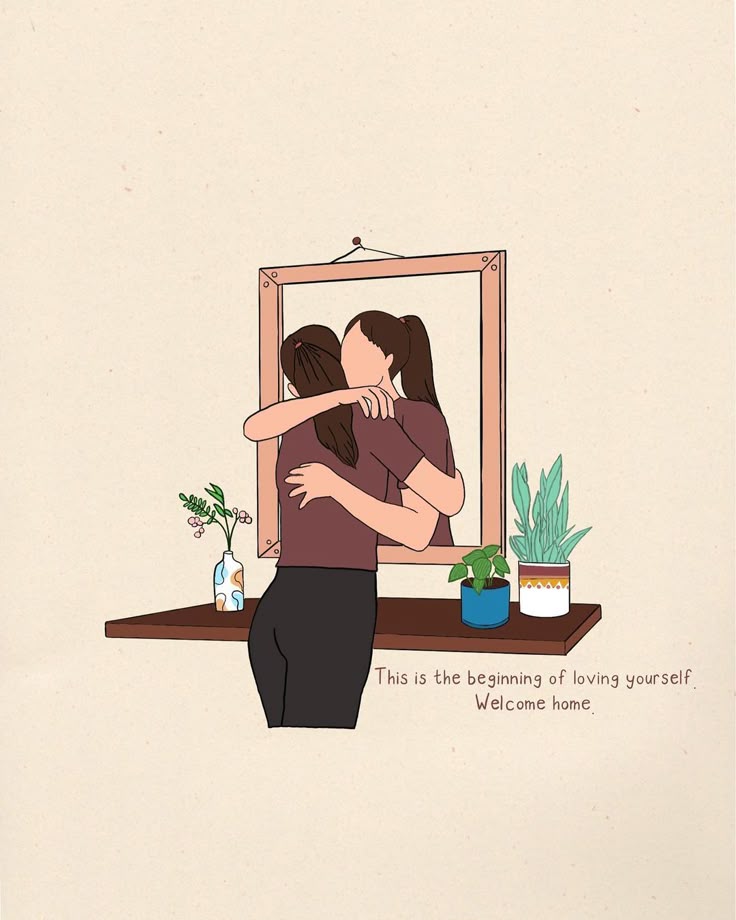
One thing I genuinely respect about myself these days is my ability to walk away from what doesn’t serve me and stand my ground on what I believe in. Even when it’s uncomfortable. Even when it costs me closeness. I didn’t always have that kind of loyalty to myself. I learned it slowly, by choosing my peace over being understood.
A harder lesson I’ve learned is to stop expecting help and understanding from people. This one still stings. Not because people are cruel, but because they’re often unable to meet you where you are. Letting go of that expectation forced me to rely on myself more than I ever thought I could. It wasn’t empowering at first. It was lonely. But it made me stronger in a very quiet way.
Emotionally, I’ve changed too. I’m no longer scared to acknowledge my own feelings. I may not share them openly, but I don’t deny them anymore. I know what I feel. I accept it. That internal honesty has been one of the most important shifts for me. Even if no one else sees it, I do.
For a long time, I thought I hadn’t handled anything significant because there were no obvious markers of growth. No applause. No visible breakthroughs. But looking back, I see years of silent work. I carried my mental and emotional struggles without letting people in. I kept showing up. I kept becoming more myself. That invisible endurance is something I never planned to learn, but it’s shaped who I am now more than anything else.
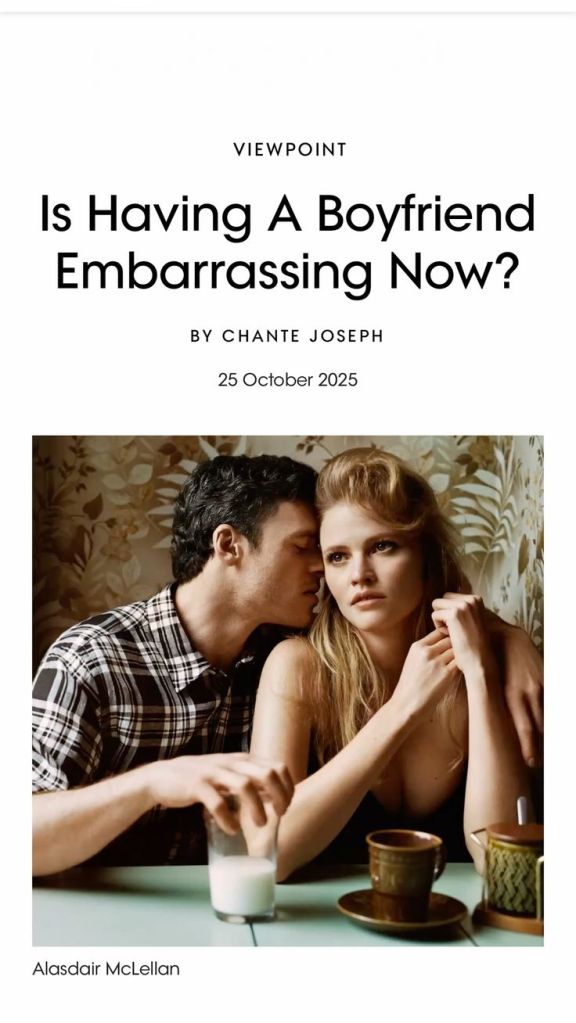
Is Having a Boyfriend Embarrassing Now? Or Are Women Just Finally Choosing Themselves?
I was scrolling Instagram (yes, again 😭) when reels about a new Vogue article started flooding my feed. The headline was loud enough: Is Having a Boyfriend Embarrassing Now? by Chanté Joseph. Women were stitching, reacting, and laughing about how “uncool” relationships suddenly feel.
And I’ll be honest — I understood it immediately. I used to feel embarrassed every time I had a boyfriend. I felt smaller, softer, less myself. Maybe that’s why I’ve been single for years and genuinely living my best life.
Chanté writes: “This is also happening alongside a wave of women reclaiming and romanticizing their single life. Where being single was once a cautionary tale (you’ll end up a “spinster” with loads of cats), it is now becoming a desirable and coveted status—another nail in the coffin of a centuries-old heterosexual fairytale that never really benefited women to begin with.”
She’s right. But that’s only the surface. There’s a deeper cultural shift happening, and it’s worth unpacking.
Let’s talk about it.
Is Having a Boyfriend Actually Embarrassing?
Not really. What’s embarrassing is dating someone who lowers your energy — or becoming a smaller version of yourself to keep the relationship alive.
Here’s why the idea has gained traction:
1. Many relationships look low-standard
A woman who’s driven and interesting ends up with a guy who looks lost, sloppy, or unambitious. The mismatch is what people cringe at.
2. Too many women lose themselves in relationships
When your entire personality turns into “my boyfriend,” it reads insecure, not romantic. Losing your edge isn’t aspirational.
3. Relationships became content
The curated TikToks, the performative affection, the need to prove happiness — it all looks forced.
4. Independence now looks aspirational
Freedom, standards, options — that’s the vibe. A relationship can look like giving that up, even when it’s not true.
5. Most couples aren’t inspiring
They’re settling for each other, not elevating each other. People pick up on that instantly.
6. Your partner reflects your taste
If he’s a mess, people silently assume you are too. The judgment falls on women, not men.
7. The “boyfriend” label still carries outdated baggage
Clinginess, predictability, emotional drama — a lot of people still associate the role with all that.
A relationship only feels embarrassing when it shrinks you instead of expanding you. And society is finally saying it out loud.
How Patriarchy Shaped This Feeling
Women aren’t rejecting relationships because it’s fashionable. They’re rejecting the blueprint patriarchy handed them.
1. The girlfriend role was designed to make women smaller
Be patient. Be sweet. Be forgiving. Be supportive. Men weren’t taught to reciprocate, so relationships felt like emotional labor camps for women.
2. Men weren’t raised to be good partners
Patriarchy didn’t teach them emotional intelligence, accountability, or how to care for someone. So a lot of modern relationships feel imbalanced and draining.
3. Women get judged harder for their partner’s flaws
If he embarrasses himself, it reflects on her. Patriarchy made women responsible for men’s behavior — and women know it.
4. Independence is finally real
Women used to need men to survive. Now they have money, careers, friendships, autonomy — so relationships are optional, not mandatory.
5. Being single signals power, not failure
It reads as self-respect, freedom, and individuality.
6. Men aren’t matching women’s growth
Ambition, emotional maturity, discipline — many men are behind. The gap is the embarrassment.
7. Women want to be met, not claimed
The old model of men “claiming” women doesn’t land anymore. Women want equals, not owners.
So no, the idea of a boyfriend isn’t uncool. The idea of stepping back into a patriarchal girlfriend role is.
How Women Are Breaking Free
This isn’t “girlboss energy.” This is women refusing to play roles that never served them.
1. Ambition over approval
Women are building lives that don’t revolve around being chosen. Money, career, lifestyle, identity — they come first.
2. No more lowering standards
One red flag and she’s gone. That’s autonomy, not coldness.
3. They’re done romanticizing struggle
No more mothering grown men. No more emotional heavy lifting.
4. Self-investment is the new norm
Skills, solo travel, fitness, career growth — women are investing in themselves the way men were once allowed to.
5. They’re more interesting single than with the wrong man
Being single lets their identity breathe.
6. Stronger female networks
Women now rely on each other for emotional grounding. That’s powerful.
7. Rejecting the “girlfriend aesthetic”
They don’t want to be accessories or caretakers. They want to be the protagonist.
8. Calling out mediocrity
“If he can’t meet me where I am, I’d rather be alone.” That’s not hostility. That’s clarity.
9. Redefining adulthood
Marriage and kids aren’t the finish line. Self-defined life is.
Bottom Line
Women are breaking free by finally living like they matter more than the roles patriarchy gave them. Not aesthetically. Not performatively. But in real, tangible ways.
Conclusion
Women aren’t embarrassed by love — they’re embarrassed by the outdated relationship model that required them to shrink, compromise, and center a man’s needs over their own. With independence, ambition, community, and financial autonomy, women no longer see the traditional girlfriend role as aspirational. A relationship is only worth having if it expands their life instead of minimizing it. Anything that pulls a woman back into a version of herself she’s outgrown feels uncool — not because she’s anti-love, but because she’s done disappearing into someone else’s story.
When I think about how I want people to see me, four things always comes to my mind, Confidence, Grace, Elegance and Mystery. And that’s how I would want people to think of me when they first meet me. This is what I want my impression to be. 😶
I’ve learned that confidence isn’t something you force. It’s not loud energy or trying to stand out. For me, confidence shows up in the way I hold myself when I walk into a room — steady, grounded, and unapologetically present. I don’t need to prove anything or compete for attention. My confidence comes from knowing who I am, trusting my own judgment, and standing by my decisions without second-guessing myself just because someone else hesitates. I don’t rush, I don’t overexplain, and I don’t shrink myself to make others comfortable. That quiet certainty is the base of the impression I choose to give.
And wrapped around that certainty is elegance — not perfection, but intention. The way I speak, the way I listen, the way I stay composed even when I’m under pressure. Elegance shows up in my tone, my timing, and my boundaries. It’s strength that doesn’t need to announce itself.
Mystery is something I’ve grown into rather than something I’ve chased. I don’t reveal everything I feel, think, or experience, and that’s not distance — it’s discernment. Not everyone earns full access to my inner world, and I don’t apologize for that. I like leaving space for people to wonder about me, to sense the layers without immediately understanding them. I share selectively, intentionally, and with people who actually deserve depth. I’m open where it matters, but I’m private where it protects my peace. That balance creates the kind of presence I want to project — warm enough to be relatable, but guarded enough to be intriguing. I want people to feel that there’s more to me than what I show at first glance, and that they have to earn the rest.
Grace is the element that holds everything together. I don’t aim to be perfect…. I aim to be steady. When things go wrong, I don’t crumble. When I’m wrong, I own it without shrinking. When life gets messy, I move through it with calm and clarity instead of chaos. Grace, to me, is emotional discipline — responding instead of reacting, choosing honesty without harshness, carrying myself with intention even when no one is watching. It softens my confidence and gives warmth to my mystery. When all of this comes together — confidence, elegance, mystery, and grace — I create the impression I truly want people to have of me. Not loud, not dramatic, not trying too hard. Just a presence that lingers. A presence that feels composed, intriguing, and unmistakably mine.
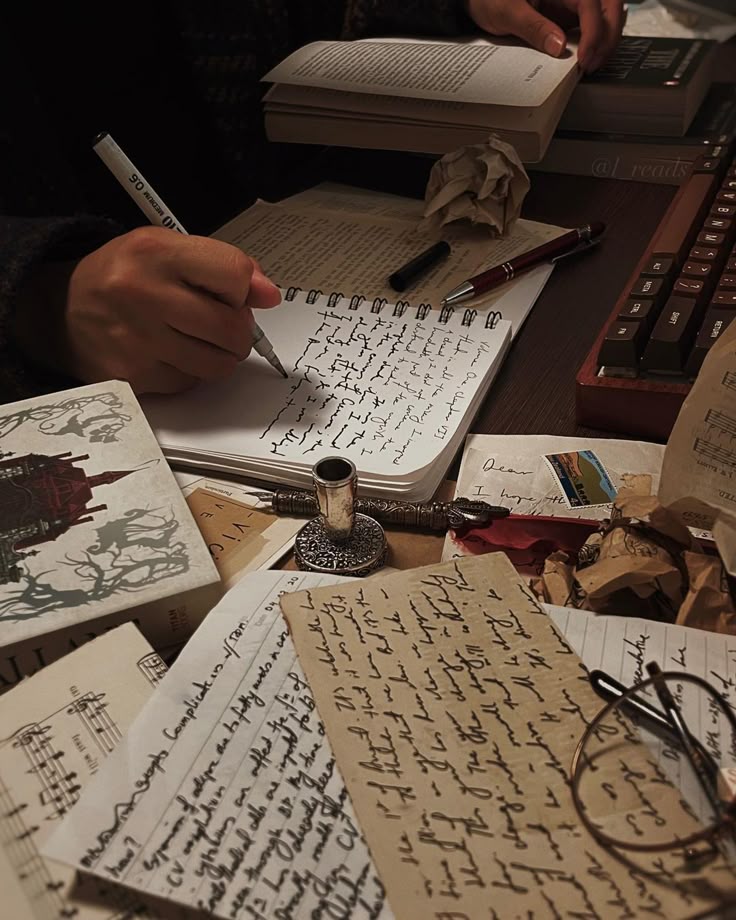
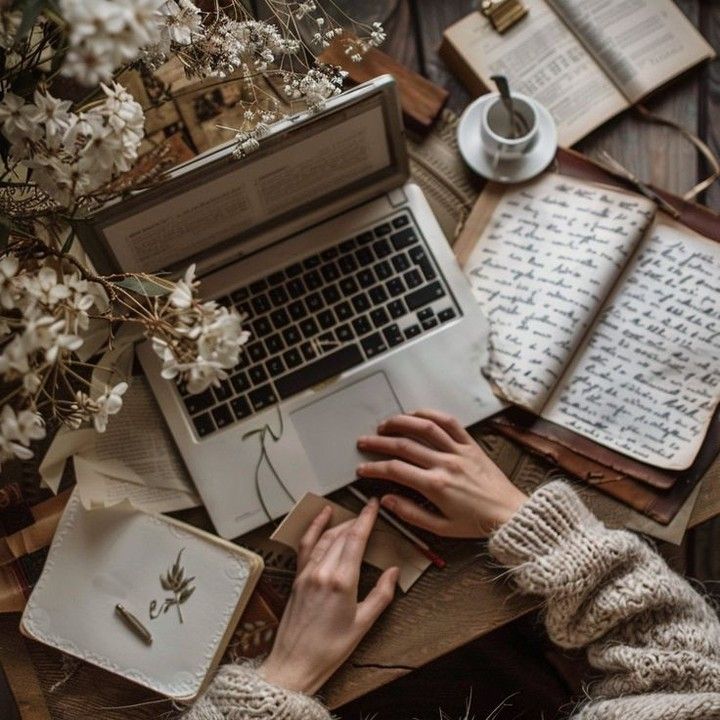
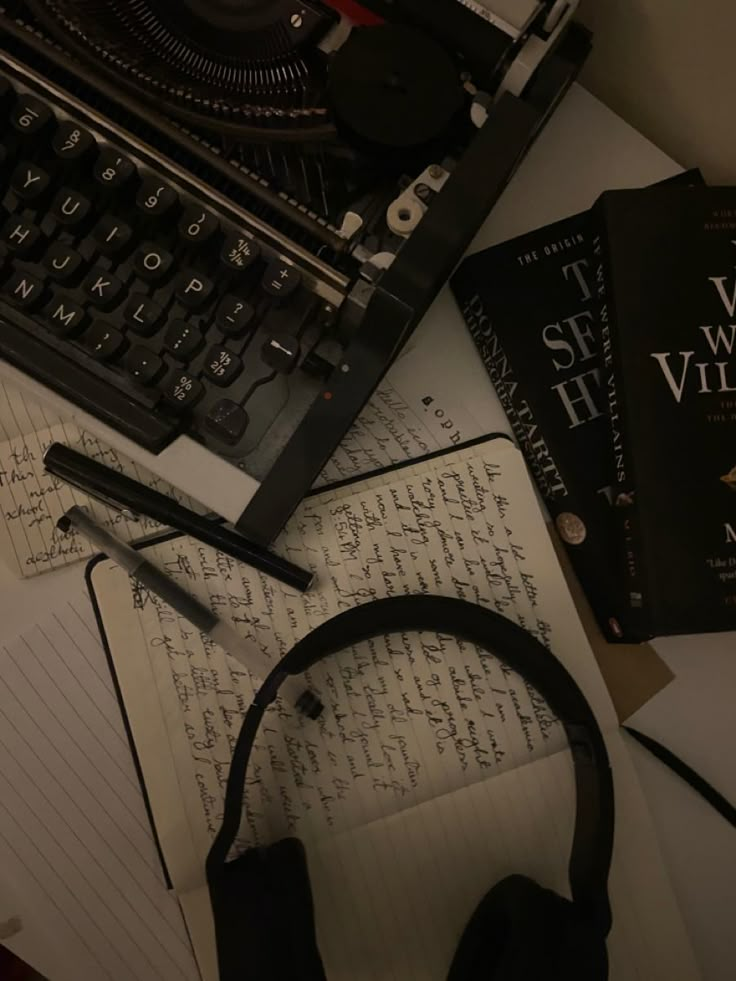
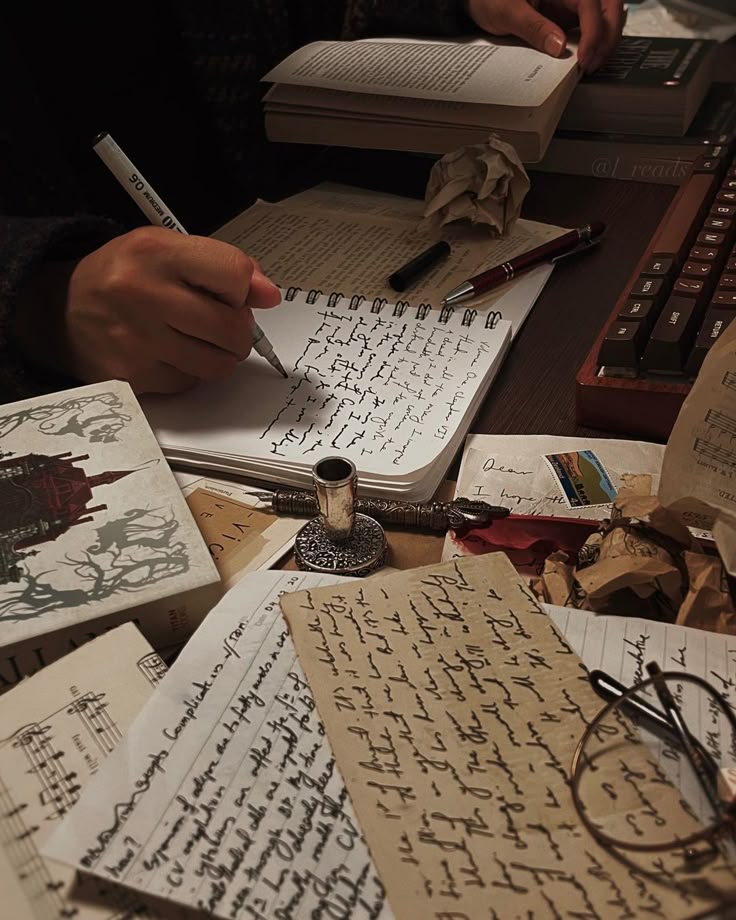
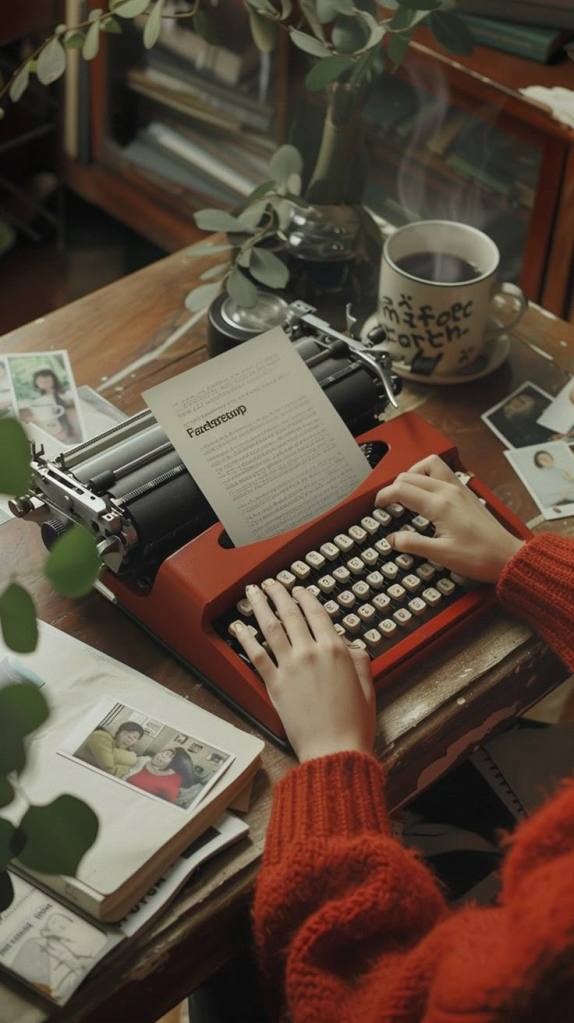
When I first started putting words on paper, it wasn’t journaling—it was writing. I would scribble tiny poems, sometimes only a few lines long, just to capture a thought or a wave of emotion 🌊. Those little pieces weren’t perfect or polished, but they felt real. Writing gave me a way to make sense of my head when it felt too crowded.
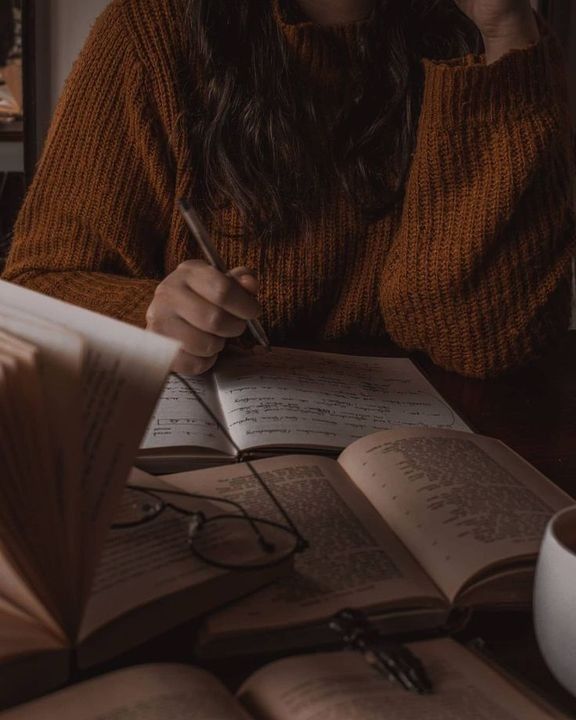
Journaling, on the other hand, came later. I only picked it up last year, almost by accident. I was bored, restless, and looking for a way to reconnect with myself. I didn’t plan on “becoming a journaler”—I just wanted a place to let out my thoughts. Slowly, journaling became the bridge that pulled me back into writing, and now both live side by side in my life.
Here’s the thing: they look similar—pen, paper, words—but they serve different purposes. Writing is like reaching out; journaling is like reaching in. And both have been powerful in calming my anxiety, grounding me, and helping me grow 🌱.
🖊️ Writing vs 📓 Journaling: What’s the Difference?
Yes, journaling is technically writing, but the heart of each practice is different.
✨ Writing
Purpose: To inform, persuade, entertain, or inspire.
Audience: Usually external—you’re speaking to someone (even if it’s future readers).
Process: Drafting, editing, polishing until it shines.
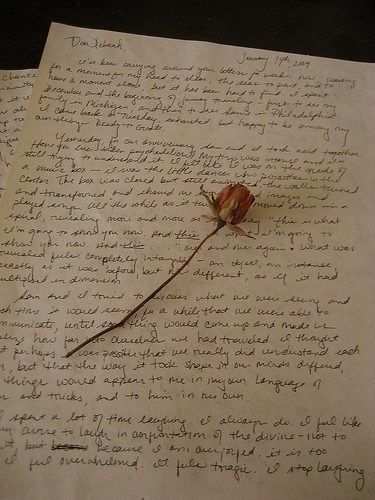
Example: A blog post like this one, a novel, or even a heartfelt letter 💌.
🌸 Journaling
Purpose: To explore yourself—your thoughts, emotions, and growth.
Audience: You. That’s it.
Format: Loose, flexible, sometimes messy. Lists, doodles, bullet points, rants.
Process: Raw, unfiltered expression. No rules, no editing.
Example: Morning pages, a gratitude list, or venting after a stressful day 😮💨.
💡 Why They Matter
At first glance, journaling or writing might look like “just writing stuff down,” but both carry weight. They’re not chores or hobbies—they’re tools for mental clarity, creativity, and healing.
📓 Why Journaling Matters
1. 🧘 Clarity of mind – When your brain feels like a storm, journaling slows the chaos.
2. ❤️ Emotional release – Writing about stress or sadness keeps it from sitting heavy in your body.
4. 🧩 Problem-solving – On paper, problems become smaller and easier to dissect.
5. 🗂️ Tracking growth – You can look back and see how far you’ve come.
✍️ Why Writing Matters
1. 🪞 Clarifies your thoughts – Writing shapes vague feelings into clear words.
2. 📣 Communicates your voice – It’s how you’re understood by others.
3. 📚 Preserves knowledge – Notes, essays, stories become memory-keepers.
4. 🔥 Builds influence – Movements, laws, revolutions all began with words.
5. 🌈 Sparks creativity – Once you start writing, ideas multiply.
😌 How They Both Help with Anxiety
Both writing and journaling soothe anxiety, but they do it differently:
Journaling is inward. It’s a brain dump, a way to take swirling thoughts out of your head and trap them on the page. Gratitude journaling shifts focus from constant worry to small, grounding positives 🌼.
Writing is outward. It channels that nervous energy into something creative or structured. Poems, stories, or even essays let you express anxiety without naming it directly.
Here’s the subtle difference:
Journaling processes anxiety.
Writing transforms anxiety.
Together, they work beautifully—journal to clear the fog, write to create meaning from what’s left.
🌱 Where to Start if You’re New
The hardest part is starting. We think it needs to be profound or perfect. It doesn’t. You just need to start small and keep it light.
Beginner Journaling Tips
🕐 Keep it short: 5 minutes, half a page.
✨ Try formats:
Brain dump: write everything in your head.
3-sentence list: Today I feel… I need… I’m grateful for…
Prompt journaling: answer one guiding question.
📝 Pick your medium: notebook, app, or even voice notes.
Beginner Writing Tips
🎯 Write about what you care about—don’t force it.
🖋️ Set small word counts (100–200 words).
🚫 Don’t edit while writing—let it flow, polish later.
🎭 Experiment: letters, blog posts, micro-stories.
📅 A 7-Day Starter Plan
A gentle way to build the habit without pressure:
Day 1 – Brain Dump: Write nonstop for 5 minutes.
Day 2 – Gratitude Shift: List 3 things you’re grateful for + 1 win 🙏.
Day 3 – Describe a Moment: Use all your senses 🌸.
Day 4 – Anxiety Release: Write a letter to your anxiety.
Day 5 – Story Spark: Write a memory as a short story.
Day 6 – Self Check-In: What energized me? What drained me? What do I want more of?
Day 7 – Free Choice: Pick whichever style felt best.
💡 Tips for all 7 days:
Timebox it: 5–10 minutes ⏳.
Don’t reread right away—you’re not grading yourself.
Keep everything in one notebook/app so your progress feels real.
🌟 Conclusion
Taking care of yourself doesn’t require a grand, life-changing overhaul. It’s about showing up for yourself in small, consistent ways. Every line you write, every list you make, every page you fill is proof that you’re paying attention to your inner world 💖.
Journaling gives your thoughts a home. Writing gives them wings. One grounds you, the other expands you. Together, they become a practice of both self-reflection and self-expression—two sides of the same coin.
And here’s the beautiful part: you don’t have to be “good” at it. Your journal isn’t an Instagram feed, and your early writing doesn’t have to be a masterpiece. The act itself is what matters. The words are less about perfection and more about presence.
Piece by piece, page by page, you’re building a stronger, more authentic version of yourself. The kind that feels steady in uncertainty, expressive in silence, and confident in moving forward 🚀. That’s the quiet power of writing and journaling: not just tools, but companions on your path to clarity, calm, and growth.









 Ladyink with love