Category: Uncategorized

  • Why Do Some People Learn Faster Than Others, Even With the Same Study Time?

    I always thought that I’m a slow learner, but in the last couple days going to gym and catching on exercises instantly and also catching any dance steps and being able to do it made me realise that I was a quick learner.

    So much so that my personal trainer also complimented me that I’m learning the things quickly.

    And that made me want to actually find out what actually is the difference between learning slow or learning quick?

    Two people can sit in the same room, study the same subject for the same amount of time, and somehow come out of it with completely different results.

    One person reads a chapter twice and goes, “Oh, I get it.”

    The other person has been staring at the exact same page for two hours and is now questioning their intelligence, their education, and possibly their entire existence.

    We’ve all been one of those people.

    And when this happens, we usually come to a very simple conclusion: the person who understood it faster must be smarter.

    But learning doesn’t really work that way.

    We tend to treat study time like a mathematical equation. If I study for three hours and you study for three hours, we should have learned roughly the same amount, right?

    Not necessarily.

    Two hours with a textbook open can mean two very different things. It depends on what you already know, how you’re studying, how well you’re concentrating, how tired you are, and even how interested you are in what you’re learning.

    So why do some people seem to learn faster than others?

    What Does It Even Mean to Learn Faster?

    Before we answer that, we probably need to figure out what “faster” actually means.

    Because learning isn’t just about memorising something quickly.

    There’s understanding a concept. There’s remembering it later. There’s being able to explain it without looking at your notes. There’s actually using it when you’re faced with a new problem.

    Those are different things.

    You could memorise a definition in ten minutes and completely forget it by next Tuesday. Someone else might take an hour to understand the idea properly and still remember it six months later.

    So when we say someone learns faster, we’re usually looking at only one part of the picture.

    Fast comprehension doesn’t automatically mean better retention. Quick memorisation doesn’t automatically mean deep understanding.

    The person who finishes the chapter first hasn’t necessarily won anything.

    We Don’t All Start From the Same Place

    This is probably one of the biggest things we forget when comparing ourselves to other people.

    We aren’t all starting from the same place.

    Imagine two people learning economics. One has never studied it before. The other has spent years reading about finance and already understands inflation, interest rates and supply and demand.

    Give them both two hours.

    Of course the second person is probably going to move faster. They already have somewhere to put the new information.

    It’s like joining a conversation halfway through. Someone who’s been there from the beginning is naturally going to understand what’s happening faster than the person who just walked in.

    This happens all the time.

    Someone who has played the piano might pick up another instrument faster. Someone who reads a lot might find a complicated book easier to understand. Someone who has worked in an industry for years might learn a new process at work in half the time because they already understand the terminology and logic behind it.

    We see the speed and call it talent.

    We don’t always see the years of preparation sitting underneath it.

    Sometimes what looks like natural intelligence is actually accumulated knowledge.

    But Yes, Our Brains Are Different Too

    Now, I don’t want to go to the other extreme and pretend everyone has exactly the same cognitive abilities.

    We don’t.

    People differ in things like working memory, processing speed and reasoning ability. These differences can affect how easily we handle certain kinds of information.

    But even that doesn’t mean there’s a neat little ranking system where Person A is “smart” and Person B is “not smart.”

    Someone might be incredibly quick with numbers and absolutely hate learning a new language. Someone else might take longer with maths but remember stories, patterns or conversations almost effortlessly.

    Our brains have different strengths.

    And learning isn’t one single skill.

    This is why saying, “They’re smarter because they understood it faster” is usually far too simplistic.

    The better question is: faster at what?

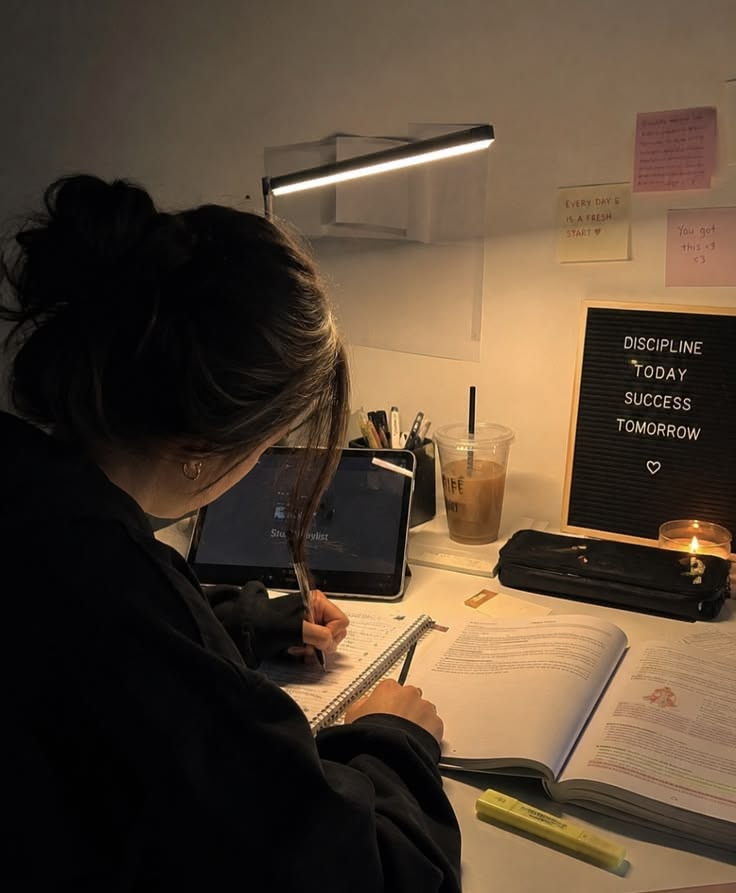
    Two Hours of Studying Does Not Equal Two Hours of Learning

    Then we have the uncomfortable part: sometimes the difference isn’t the brain.

    It’s the studying.

    Two people can sit with a textbook for two hours and have completely different experiences.

    One person is rereading the same chapter for the fourth time, highlighting sentences they will never look at again, checking their phone every ten minutes and occasionally wondering why they can’t concentrate.

    The other is closing the book, testing themselves, solving problems and explaining the concept in their own words.

    Technically, both studied for two hours.

    But those two hours were not equally useful.

    This is where things like active recall, spaced practice and feedback come in. Learning tends to work better when we’re actually doing something with information instead of repeatedly looking at it and hoping our brain will absorb it through osmosis.

    And this is one of the most annoying truths about studying:

    Effort and effectiveness are not the same thing.

    You can work extremely hard and still use a method that isn’t working particularly well for you.

    That doesn’t mean you’re lazy.

    It means you might need a better strategy.

    Sometimes Your Brain Just Says, “Not Today.”

    There are also days when your intelligence isn’t the problem.

    Your brain is simply tired.

    We’ve all had those study sessions where we read the same paragraph five times and somehow absorb absolutely nothing.

    Then we sleep, wake up the next morning, read it once and suddenly think, “Oh. That’s what it meant.”

    The textbook didn’t suddenly become easier overnight.

    You were just in a better state to understand it.

    Sleep affects attention and memory. Stress can make concentration harder. Distractions divide our attention. Being mentally exhausted makes learning more difficult.

    Even your interest in the subject matters.

    Let’s be honest. You can spend an hour learning something you’re genuinely curious about and barely notice the time passing. Give yourself the same hour with a subject you couldn’t care less about and suddenly every five minutes feels like a personal attack.

    So when we compare study hours, we’re leaving out a huge part of the equation: what was happening inside and around the person during those hours?

    What About People Who Seem to Understand Everything Immediately?

    Here’s where things get interesting.

    Sometimes people who appear to learn extremely quickly aren’t necessarily learning as deeply as we think they are.

    There’s a difference between recognising something and actually knowing it.

    You can read a paragraph and think, “Yes, yes, I know this.”

    But close the book and explain it without looking.

    Can you?

    Can you use the concept in a completely different situation?

    Can you remember it next month?

    That’s where the difference between familiarity and genuine understanding starts to show.

    This is why short-term performance can be misleading.

    The person who finished the chapter first isn’t necessarily the person who will remember it six months later.

    Learning isn’t a race where whoever reaches the last page first gets a trophy.

    And Then We Make It Personal

    The real problem starts when we turn differences in learning speed into judgments about ourselves.

    They understood it in one hour. I needed three.

    Maybe I’m not smart enough.

    They remembered everything after one reading. I needed to revise it five times.

    Maybe I’m just bad at this.

    We do this constantly.

    And sometimes it’s not even about studying. We see someone pick up a skill quickly, learn a language, understand a new software at work or excel at something we’ve been struggling with, and immediately turn their progress into evidence against ourselves.

    But someone else’s learning curve isn’t a measurement of your intelligence.

    Of course, there are genuine differences in ability. Pretending otherwise isn’t helpful either.

    Some people will simply be better at certain things than we are.

    That’s life.

    But needing more time doesn’t automatically mean you’re incapable. It might mean you’re learning something unfamiliar. It might mean your method isn’t working. It might mean you need more practice.

    Or maybe you just need another hour.

    That’s not a character flaw.

    So, Can We Become Better Learners?

    Thankfully, yes.

    We can’t completely redesign our brains, and no productivity hack is going to turn all of us into human encyclopaedias.

    But we can get better at learning.

    We can figure out what we already know before starting something new. We can stop relying entirely on rereading and start testing ourselves. We can break difficult ideas into smaller pieces. We can ask for feedback instead of assuming we understand something because it looks familiar.

    And we can sleep.

    Seriously. Sometimes the revolutionary study technique is going to bed.

    Most importantly, we can stop making someone else’s speed the deadline for our own progress.

    The goal isn’t to become the person who learns everything fastest.

    It’s to become someone who knows how they learn best.

    Maybe We’re Measuring the Wrong Thing

    We live in a world that really likes speed.

    Fast answers. Fast results. Fast promotions. Fast learning.

    We’re constantly being told to optimise everything, including how quickly we can understand a chapter.

    So naturally, we start believing that the fastest learner must be the smartest person in the room.

    But learning is much messier than that.

    Some people have more background knowledge. Some have cognitive advantages in particular areas. Some have better teachers. Some have better study habits. Some are more rested. Some are simply more interested in the subject.

    And sometimes, the person who takes longer is doing something the faster learner isn’t.

    They’re building the foundation properly.

    Maybe the better question isn’t, “Why did they learn this faster than me?”

    Maybe it’s:

    “Do I understand this well enough to remember it, use it and build on it?”

    Because speed tells us something about learning.

    It just doesn’t tell us everything.

    And honestly, I’d rather understand something slowly and actually keep it than understand it in twenty minutes and forget it by Friday.

    Let me know your thoughts below 👇🏻💕

  • Tell us about your morning routine.

    Tell us about your morning routine.

    View all responses

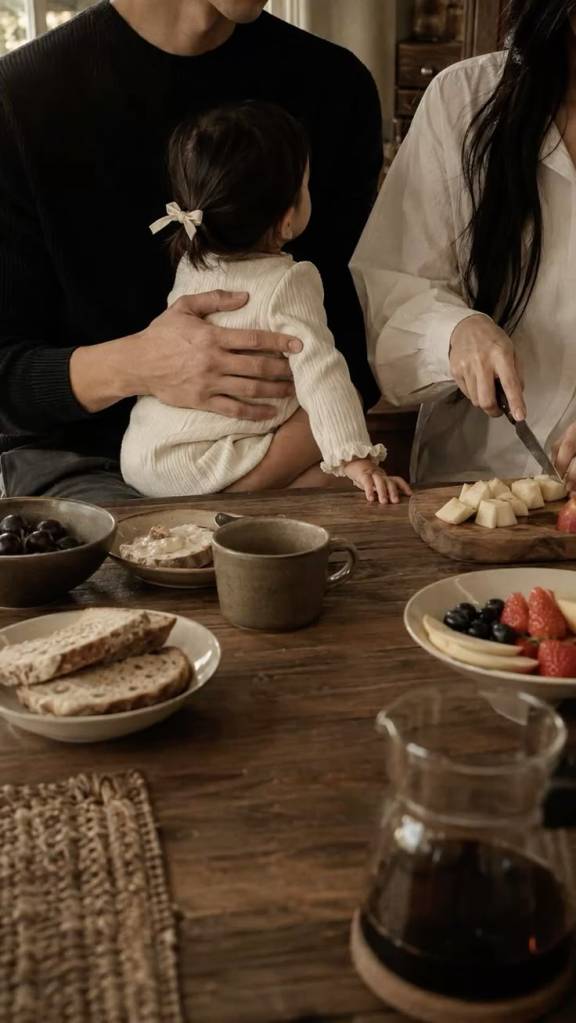
    My morning routine has actually improved a lot. I wake up at 8, do meditation for 10-15 mins. Then have my breakfast. And go to gym by 10am. 

    After that I come back home shower, have a little fruits and do my French lesson. And then rest for a while before work. 


  • Why We Romanticize Other People’s Lives

    From cottagecore to old money, dark academia to van life, there seems to be an aesthetic for almost every kind of life we could possibly want. You can open Pinterest or Instagram and within five minutes, you can find yourself imagining that you should be living in a cottage in the countryside, waking up at 6 a.m. to make bread, studying in an old library, travelling around in a van or spending your evenings in a perfectly decorated apartment with a book and a cup of coffee.

    And sometimes, while looking at these pictures, our own lives can suddenly feel a little less interesting. The routine we’ve been complaining about for months looks even more boring. Our bedroom doesn’t look as pretty. Our mornings aren’t as productive. We aren’t travelling enough. We aren’t reading enough. We aren’t living the kind of life that seems worth photographing.

    But do we actually want these people’s lives? Or do we just want the feeling we imagine comes with them?

    The Internet Turned Lifestyles Into Aesthetics

    I think one of the strangest things the internet has done is turn entire lifestyles into aesthetics. We don’t just see someone living a certain way anymore. We see a carefully packaged version of that life, complete with a colour palette, clothes, music, interiors and a very specific mood.

    Cottagecore isn’t simply about living in the countryside. It has become a fantasy of a slower life. It’s baking something from scratch, picking flowers, reading by a window and spending an afternoon doing absolutely nothing without feeling guilty about it. Old money isn’t necessarily about wanting to be rich either. A lot of what people romanticize about it is the idea of security, elegance and having a life that feels put together without looking like you’re trying too hard.

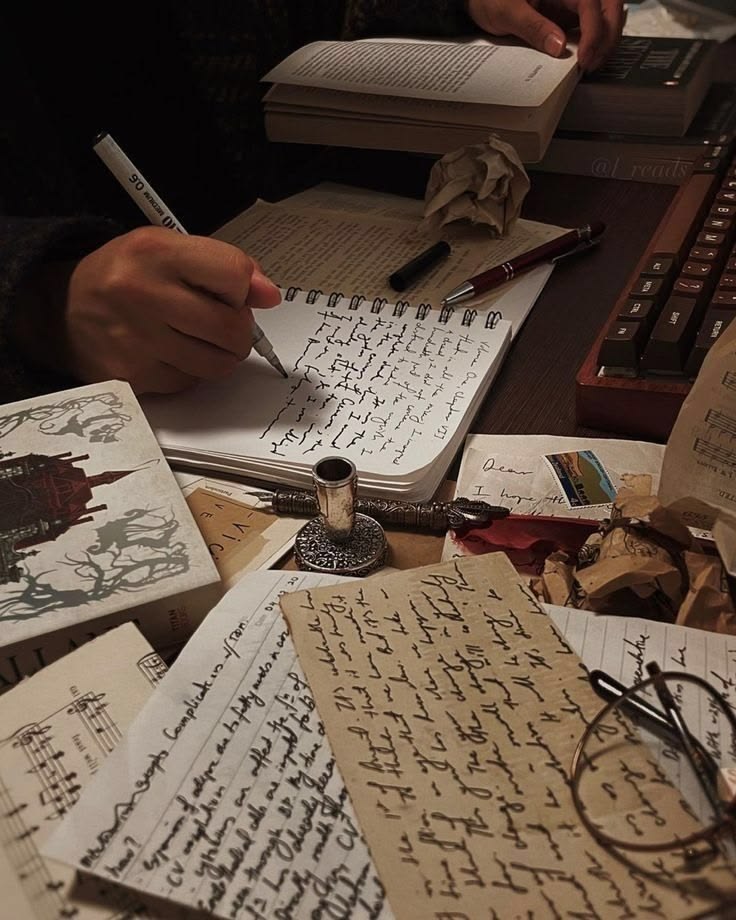
    Dark academia has its own version of the fantasy. Old libraries, handwritten notes, classical music, rainy afternoons and piles of books make studying and intellectual curiosity look almost romantic. Then there’s van life, which turns the idea of leaving everything behind into this beautiful picture of freedom, adventure and waking up somewhere new every morning.

    We’ve become very good at recognizing the visual language of a lifestyle. We know what cottagecore looks like. We know what old money looks like. We know what a dark academia bedroom looks like. We can probably identify a clean girl morning routine within three seconds.

    But knowing what a life looks like isn’t the same thing as knowing what living that life actually feels like.

    We Don’t Romanticize the Reality, We Romanticize the Edit

    This is probably the biggest reason other people’s lives look so appealing to us. We aren’t seeing the whole thing.

    We’re seeing the parts that made it onto the internet.

    Nobody is posting the leaking roof of the cottage when they’re talking about how peaceful countryside living is. We don’t see the loneliness that can come with living far away from everyone. We see the beautiful apartment, but not necessarily the financial stress that comes with maintaining it. We see someone travelling around in a van with an incredible view outside the window, but we don’t see the uncomfortable mattress, the lack of privacy or what happens when the van breaks down.

    Even dark academia has this problem. We see someone sitting in a beautiful library surrounded by books and suddenly studying looks like something out of a movie. We don’t see the deadlines, the difficult subjects, the exhaustion or the hours spent staring at the same page without understanding anything.

    That’s because we’re not really comparing our ordinary life to someone else’s ordinary life. We’re comparing our ordinary Tuesday to their best photograph.

    And when you put it that way, of course their life looks better.

    We see the highlight reel and mentally fill in everything else with perfection. We assume the cottage means peace, the travelling means freedom, the beautiful apartment means happiness and the successful career means fulfilment. We don’t actually know any of that. We’re just attaching feelings to images.

    So What Are We Actually Searching For?

    Maybe that’s why I don’t think the aesthetic itself is always the important part. What interests me more is what we’re actually looking for underneath it.

    If you’re constantly saving pictures of cottages, maybe you don’t actually want to leave your life and become a farmer. Maybe you’re just tired of how fast everything feels and want a little more slowness. Maybe you want to spend more time outside. Maybe you want mornings that aren’t immediately filled with notifications, deadlines and things you need to do.

    If you’re obsessed with old money aesthetics, maybe it’s not the expensive clothes or fancy houses you’re attracted to. Maybe it’s the feeling of security. The idea of having enough money, enough stability and enough confidence that you don’t constantly have to worry about what happens next.

    If you’re drawn to dark academia, perhaps you don’t actually want to spend your life studying in an ancient university. Maybe you simply miss feeling curious. Maybe you want to read more, learn something difficult or feel intellectually stimulated again.

    And if you keep watching people travel from one place to another, perhaps you don’t actually want to live out of a suitcase. Maybe you just want more freedom. Maybe you’re bored with your routine and want to feel like there’s something waiting for you outside of it.

    The aesthetic is often just the packaging. What we’re really attracted to is the feeling we associate with it.

    The Life We Want Is Often Hidden Inside the Fantasy

    I actually think this is where romanticizing other people’s lives can become useful.

    Sometimes the things we obsess over are telling us something about our own lives that we haven’t paid enough attention to. We might spend hours looking at somebody else’s lifestyle without realizing that we’re really responding to something we’re missing.

    If you keep romanticizing slow mornings, maybe you’re exhausted. If you keep romanticizing travel, maybe you need a break. If you’re constantly looking at people’s creative careers, maybe there’s a creative part of your own life that you’ve been neglecting.

    That doesn’t mean you need to copy them.

    This is where I think we sometimes get it wrong. We see something that makes us want a different life and immediately assume we need to recreate the entire thing. If someone looks happy living in the countryside, we think we need to move to the countryside. If someone seems fulfilled travelling, we think we need to quit our job and become a digital nomad.

    But maybe you only wanted one part of what they have.

    Maybe you wanted the quiet, not the cottage. The freedom, not the van. The books, not the university. The confidence, not the wardrobe.

    But There’s a Dark Side to Romanticizing

    Of course, there is a point where romanticizing stops being inspiration and starts becoming dissatisfaction.

    Instead of asking ourselves what we could change about our actual lives, we start looking for an aesthetic that will make us feel like we’re living differently. We buy the clothes, redecorate our rooms, change our playlists, make Pinterest boards and start planning a completely new version of ourselves.

    And there’s nothing wrong with any of those things individually. I love a good Pinterest board as much as anyone. But sometimes we’re decorating the surface because it’s easier than dealing with what’s underneath it.

    You can make your bedroom look like a dark academia library and still not read the books sitting on the shelf. You can buy the perfect planner and still not know what you’re doing with your life. You can dress like the person you want to become and still feel exactly the same inside.

    An aesthetic can make your life prettier. It can’t automatically make your life better.

    That’s the difference between using an aesthetic as inspiration and using it as an escape.

    We Want Main-Character Lives Without Main-Character Problems

    There’s also something slightly funny about the way we romanticize other people’s lives because we tend to want the beautiful parts without thinking about everything that comes with them.

    We want the Parisian apartment, but probably not the loneliness that can come with moving to another country. We want the countryside, but not necessarily the isolation. We want the academic life, but not the workload. We want entrepreneurial freedom, but not the uncertainty that comes with not knowing where your next paycheque is coming from.

    We want to wake up somewhere beautiful, but we’d still like a comfortable bed. We want spontaneity, but we’d also like our plans to work out. We want freedom, but we’d rather not deal with the instability that sometimes comes with it.

    And honestly, I don’t think that’s a particularly terrible thing. It’s just human.

    We are naturally drawn to the parts of life that look beautiful from a distance. The problem is when we forget that every life has parts that don’t look good from a distance.

    Maybe We Aren’t Jealous of Their Lives

    The more I think about this, the more I wonder if what we feel when we look at other people’s lives is always jealousy.

    Sometimes, I think, it’s recognition.

    You see someone travelling and realize how badly you’ve wanted an adventure. You see someone writing every day and remember that you used to have a creative side that you’ve been putting off. You see someone living a slower life and suddenly realize just how tired you’ve become.

    Sometimes another person’s life doesn’t make you want to be them. It makes you remember a version of yourself.

    And maybe that’s why certain people’s lives affect us more than others. We aren’t necessarily jealous of the person. We’re responding to something they represent.

    The traveller represents freedom. The writer represents creativity. The person with the quiet countryside life represents peace. The person with the successful career represents ambition or possibility.

    Other people’s lives can become mirrors, and sometimes we don’t like what they show us because they remind us of things we’ve been ignoring.

    The Question We Should Be Asking Instead

    So maybe the better question isn’t, Why don’t I have their life?

    Maybe it’s, What exactly about their life am I attracted to?

    That question changes everything.

    If it’s the quiet you’re attracted to, how can you create more quiet in your own life? If it’s freedom, where can you give yourself more independence? If it’s creativity, when was the last time you actually made something? If it’s travel, can you start planning a trip instead of endlessly watching other people travel?

    You don’t necessarily need to quit your job and move to a cottage because you fell in love with a cottagecore Pinterest board. Maybe you just need to spend Sunday morning without your phone.

    You don’t need to become an academic because you like dark academia. Maybe you just need to start reading again.

    You don’t need to live in a van because you crave freedom. Maybe you need to take a solo trip, change your routine or simply give yourself permission to do something that isn’t productive.

    Sometimes we don’t need a completely different life. We just need more of the things that make our current life feel like ours.

    Build the Life Behind the Aesthetic

    I don’t think we’ll ever completely stop romanticizing other people’s lives. There will always be someone with a prettier apartment, a more interesting career, a better travel story, a more exciting relationship or a lifestyle that looks more appealing than ours from the outside.

    And that’s okay.

    The problem isn’t imagining what another life might feel like. The problem is forgetting that we’re looking at an edited version of it.

    Maybe we can use these fantasies differently. Instead of asking why someone else’s life looks so much better than ours, we can ask what their life is showing us about ourselves.

    Maybe the cottage is telling you that you need more peace. Maybe the travel photos are telling you that you need more adventure. Maybe the books are telling you that you miss being curious. Maybe the beautifully independent woman you’re following is reminding you that you want to become more independent yourself.

    We don’t have to become the people we romanticize.

    Maybe we just have to listen to what our fascination with them is trying to tell us.

    Because sometimes the life we’re obsessing over isn’t actually the life we want.

    It’s a clue about the life we want to build.

    What do you think? Let me know your thoughts below 👇🏻💕

  • What’s the best way to meet new people while traveling?

    What’s the best way to meet new people while traveling?

    View all responses

    To me I would love to meet someone in a museum. I want to meet intellectual people who knows about the world and arts, so we can talk about all of it. 

    Imagine I visit a museum in a different country and I meet an old women who is extremely smart. 

    Oh I’d love it!! 😁


  • My Relationship With Romance.

    I think I’ve fallen out of love with romance. I used to be someone who could get completely absorbed in a romance. A love story could carry an entire book or show for you.

    But now?

    I recently picked up a contemporary romance and found myself thinking, Is this it? 

    I just watched the Love hypothesis Amazon’s adaptation, and finished reading From Lukrov with love, and I don’t know what I was thinking the whole time. I started the book on 10th September, and it took me 18 days to finish the book, not because I am a slow reader, but because I just couldn’t get into it. There were times, when I would just keep the book down, close it and place it away from me. I try to look for alternatives to get back to something more interesting. 

    It’s not necessarily bad. Not necessarily offensive. 

    Just… Bland. I am pretty sure people found it lovely, but it just wasn’t for me. 

    Same with the movie “Love Hypothesis” as well, I just couldn’t get into it. Again it wasn’t necessarily bad, but it seemed quite boring to me. 

    And that raises the question of what changed. 


    When Romance Used to Feel Like an Event

    Going back to what romance used to feel like to me.

    The anticipation.

    The longing.

    The tension between two people.

    The feeling that something was happening every time the characters were together.

    When I was younger, a great romance made me feel happy and giddy. It made me feel amazing, and it made me want to experience that kind of love someday.

    Titanic Jack and Rose, Damon and Elena from The Vampire Diaries were some of the first romances that really captivated me. I loved the tension, the yearning, the falling in love, the confession and, of course, the first kiss.

    What I loved most was the anticipation. Two people trying to fight their feelings but eventually being unable to resist them. Pride and Prejudice (2005), Bridgerton Season 2 and The Vampire Diaries Seasons 3 and 4 gave me that feeling. I wanted to keep watching because I genuinely needed to know what would happen between the characters.

    I loved banter, chemistry, dialogue and those tiny romantic gestures that made a relationship feel like it was slowly becoming something more.

    Somewhere along the way, though, that feeling disappeared.

    I first noticed it while watching Arafta. I was bored, so I tried another show. Then another. They all felt the same.

    And I realised I hadn’t really felt captivated by a romance since Queen Charlotte.

    Maybe I haven’t stopped loving romance. Maybe I just haven’t found one that makes me feel it anymore.

    Then Modern Romance Started Losing Me

    Contemporary romance increasingly feels formulaic to me.

    The same tropes, the same character dynamics, the same banter, the same misunderstandings. The same perfectly attractive people with conveniently marketable personalities. The same relationship progression.

    And instead of getting swept away, I’m sitting here noticing the formula.

    But for me personally, I just can’t get behind it. There is nothing exciting about 2 people falling in love just by having forced banter (and it’s not even good). Every enemies to lovers book has the same trope of banter and I hate you, but they have absolutely no actual reason for it. Also the normalisation of abuse, murder and weird crimes all in the name of dark romance.

    There is no yearning, no naturally falling in love, no banter that has chemistry. All I keep seeing is the man abusing the girl, killing people, she hates him, but then falls in love…. That’s not romance to me. That’s abuse being dressed up as devotion. . 

    Get the fuck out of there girl!!

    Where is your shame and dignity? Where is the respect for yourself? 

    Everyone Has Chemistry, But Nothing Feels Electric

    I think one of my biggest problems with modern romance is that everyone seems to have chemistry, but somehow nothing feels electric.

    Characters flirt, kiss, constantly talk about how attracted they are to each other, and yet I’m sitting there thinking, Okay… and? 

    The romance is there, technically, but I don’t feel anything. It feels like the story is telling me that these two people have chemistry instead of actually making me feel it.

    Maybe that’s because what I loved about romance was never just the attraction. It was everything that came before it. The tension. The banter. The little looks. The moments where you could tell they were falling for each other but neither of them wanted to admit it. Give me two people trying desperately not to fall in love and slowly losing that battle, and I’m invested.

    Like on season 1 episode 19 of TVD, when Elena participated in the town’s pageant Miss Mystic Falls and expected Stephan to be there to escort her, but he didn’t show up. And then Damon steps in to take his brother’s place as her escort. And they danced!!

    Girl!! The chemistry was chemistying!!!! 

    I miss when a simple conversation could make me pause, or when one small gesture could feel more romantic than an entire kissing scene. When you could feel the chemistry building without the characters constantly having to spell it out.

    I think that’s what I mean when I say romance used to feel like an event. The anticipation was the romance. And somewhere along the way, I think we’ve become too eager to get to the actual relationship and forgotten how good it feels to make us wait for it. 

    I Miss the Slow Burn

    I think I miss the kind of slow burn where the romance actually takes time to happen. Not just two characters being labelled enemies-to-lovers and taking 400 pages to finally kiss, but genuinely getting to know each other and slowly realising that something is changing.

    I want the uncertainty. The stolen glances. The conversations that mean more than they seem to. The feeling that they are falling for each other before they even realise it themselves.

    Sometimes modern romance feels like it is in such a hurry to get to the relationship that it forgets to make me care about how they got there. And for me, getting there was always the best part.

    Why Classic Romance Still Works for Me

    Maybe this is why I still love classic romance. There is something about the restraint that makes everything feel more intense.

    Take Pride and Prejudice. Elizabeth and Darcy don’t need to constantly tell each other how attracted they are. Half the fun is in trying to figure out what they’re actually thinking. A look, a conversation, a letter, a change in behaviour can suddenly feel incredibly romantic.

    There is also something about the atmosphere of these stories that I miss. The language, the settings, the longing, the fact that people couldn’t just text each other whenever they wanted. There was more room for anticipation.

    I’m not saying everything old is automatically better. It isn’t. But classic romance seems to understand something I’ve started missing: sometimes holding back can make you feel more.

    The Problem Isn’t That Romance Has Become Modern

    I don’t think my problem is simply that romance has become modern. That would be too easy.

    I’ve enjoyed contemporary romances. I’ve loved some of them. So clearly, modernity isn’t the problem.

    I think something else has changed. Romance feels more self-aware now. More trope-driven. More explicit. Sometimes it feels like the story knows exactly what it is supposed to give the reader: banter, sexual tension, a certain type of male lead, a certain type of heroine, a kiss at exactly the right point.

    And maybe that’s part of why I struggle with it.

    I can see the formula now.

    And once I can see the formula, it’s much harder for me to get lost in the story.

    Maybe I’m Just Not Looking for Romance Anymore

    There is also a possibility I have to consider: maybe I have changed.

    Maybe romance simply isn’t enough for me anymore. I want characters I find interesting, stories that surprise me, friendships, complicated personalities, ambition, family, mystery, something beyond two attractive people figuring out whether they want to kiss each other.

    Maybe I can still enjoy romance, but I no longer need it to be the centre of a story.

    And honestly, that feels strange to admit because there was a time when romance could carry an entire story for me.

    Now, it has to give me a reason to care.

    I Still Want to Fall in Love With a Love Story

    But I don’t think I’ve given up on romance completely.

    I still want that feeling.

    I still want the butterflies and the yearning. I still want to become ridiculously invested in two fictional people and desperately want them to get together. I still want a confession that makes me pause the screen for a second because I need to process what just happened.

    I just haven’t found much of that lately.

    And maybe that’s why I’m not bored with romance itself. I’m bored with being given romance without being given a reason to feel it.

    Conclusion : Maybe My Taste Changed, Maybe Romance Did Too

    Maybe I’ve changed. Maybe romance has changed. Maybe it’s a little bit of both.

    I don’t think I can say that modern romance is objectively worse, because clearly there are people who love it, and there are contemporary romances that I’ve enjoyed too. But I also can’t ignore how differently I experience it now. Something that once had me completely invested can now leave me feeling strangely indifferent.

    And that’s probably the part that fascinates me the most. I still love romance. I still love the idea of two people slowly falling for each other. I still want the tension, the yearning, the banter and the butterflies. I still want that moment where everything finally clicks and you realise, Oh, they are completely in love with each other.

    I just don’t seem to find that feeling as easily anymore.

    I can still go back to Pride and Prejudice, Titanic, The Vampire Diaries, or Bridgerton Season 2 and feel something that so many newer romances haven’t been able to give me. Maybe it’s nostalgia. Maybe it’s the stories themselves. Maybe I’ve simply become harder to impress.

    Whatever the reason, I don’t think I’ve stopped being a romantic. I think I’ve become someone who wants romance to actually make me feel something before I call it romantic.

    Maybe that’s what I’m looking for now. Not a story that has all the right tropes, the perfect-looking couple, or enough chemistry on paper.

    I want a love story that makes me forget I’m reading or watching one.

    I want to feel the romance again.

    Let me know your thoughts below 👇🏻💕