For most of my life, I thought astrology was a scam with good branding. 😂 Like, how could Mercury being in “retrograde” possibly explain why my phone died? Ohh please!!!
I lumped horoscopes in with clickbait quizzes like Which Harry Potter Character Are You? and kept it moving.
But then… things started getting weird. During Covid, j was bored, like any other sane person. I did had work, but other than that we were all just at home and I discovered Moon sign🌙 on Tumblr. That was when I started going down a rabbit hole.
I was scrolling Tumblr and learned how to generate my own birth chart. And as per the instructions I did it, and the more I read the interpretation of my placements the more it made sense in a way…. It’s like some one read me like a diary I never gave them access to.
Suddenly my “Capricorn sun, Pisces moon” combo made sense of why I’m ambitious but also crying over cute cat videos at 2 AM. And don’t get me started on how my Vedic chart shifted placements—I was side-eyeing hard, but also thinking, “Damn, okay, that actually tracks.”
Do I fully believe in astrology now? Nah. 🔭 But I’ve learned not to dismiss it so quickly. Because even if the planets aren’t literally pulling puppet strings, the symbolism hits. It’s like a cosmic personality test that’s way juicier than Myers-Briggs. At the very least, it makes me pause, reflect, and sometimes laugh at how on-point it feels.
So here I am….m still skeptical, but also open.
I won’t let anyone plan my whole life with a chart, but I also won’t roll my eyes when someone asks my rising sign. I still not one of those astrology people who judges other’s based on their sun sign. But I still love me some Virgo men here and there. 🤭❤️
For me astrology went from “useless” to “surprisingly helpful” in my book. And honestly? I kinda love being a little cosmic-curious now. ✨
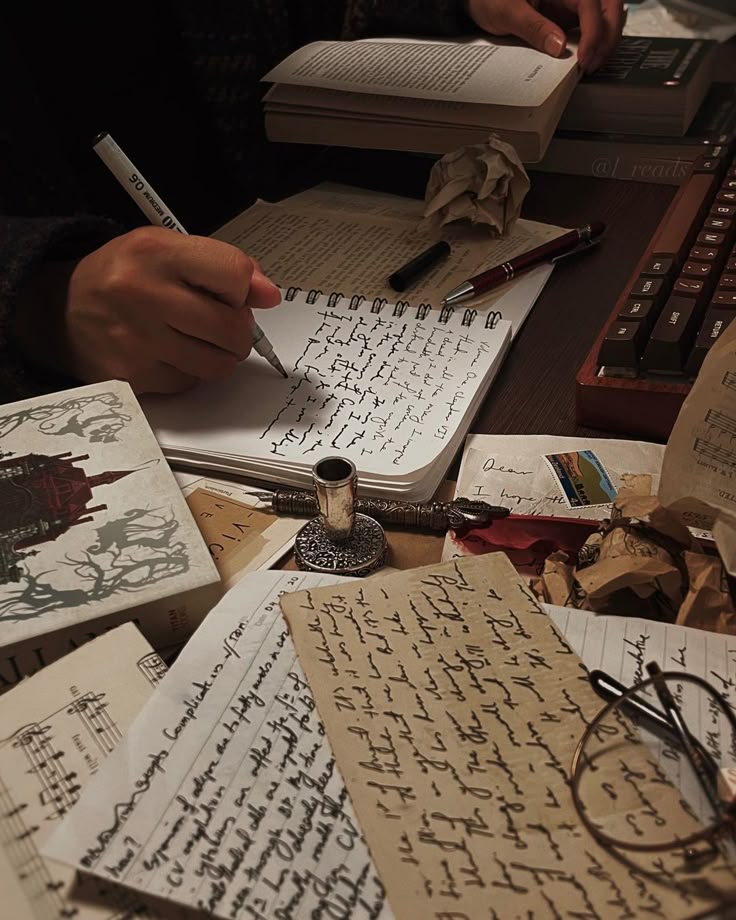
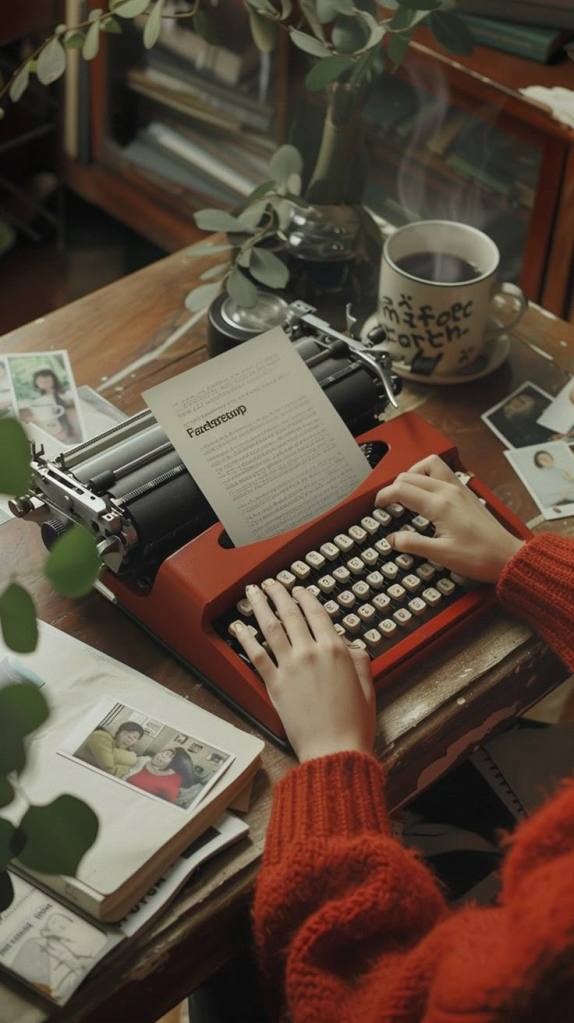
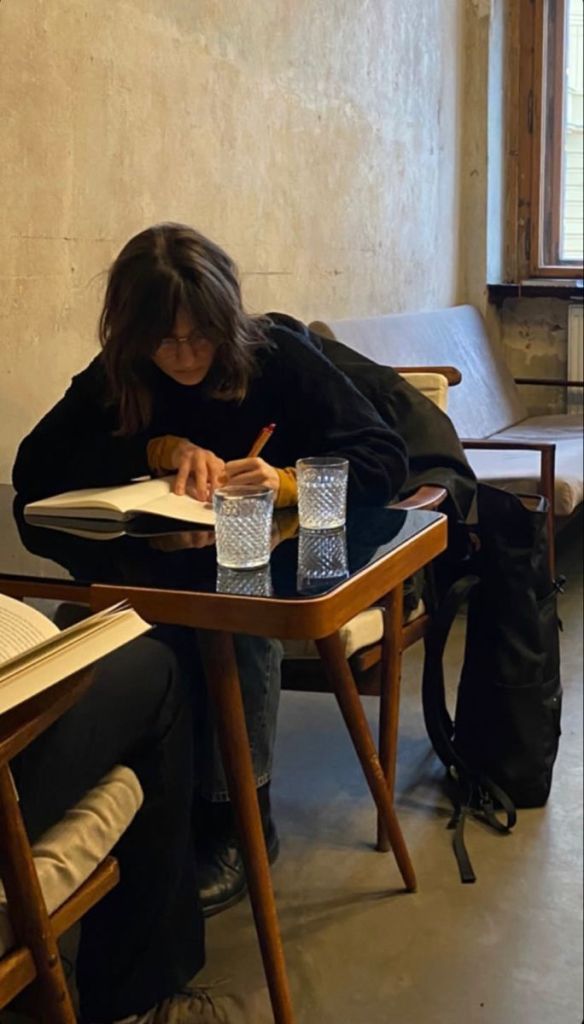
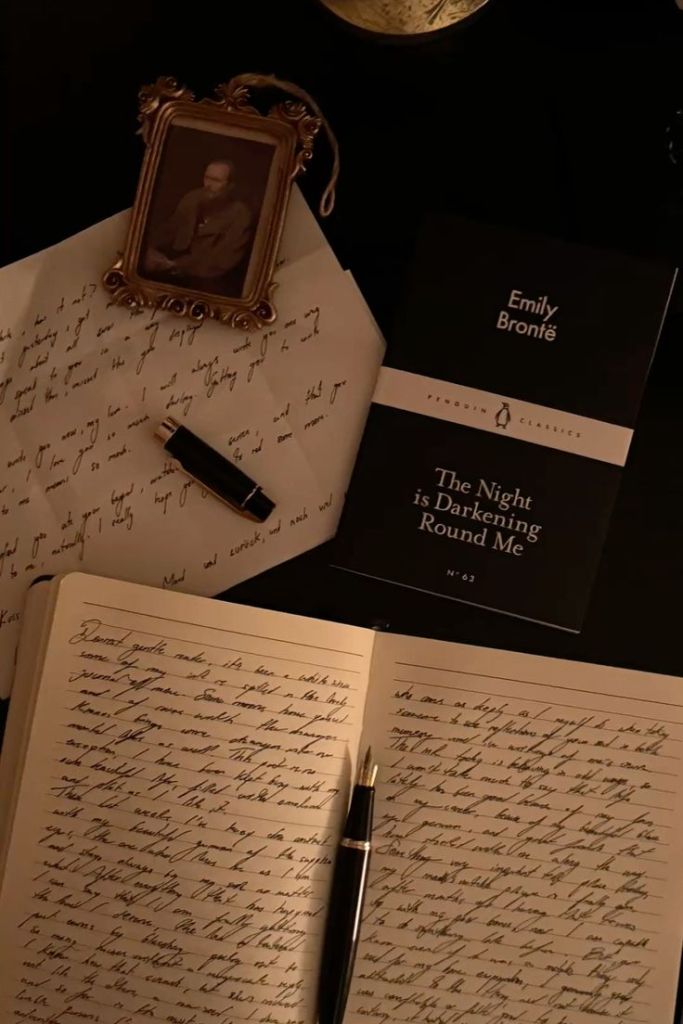
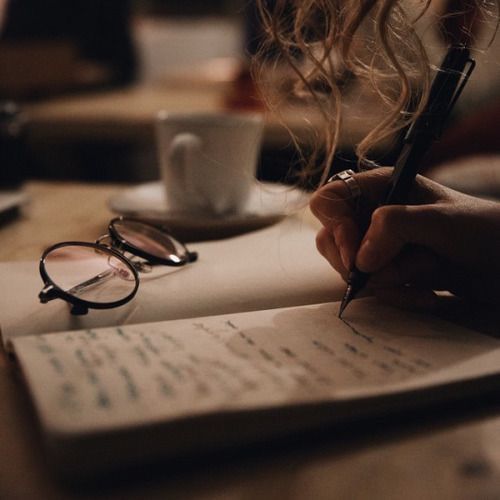
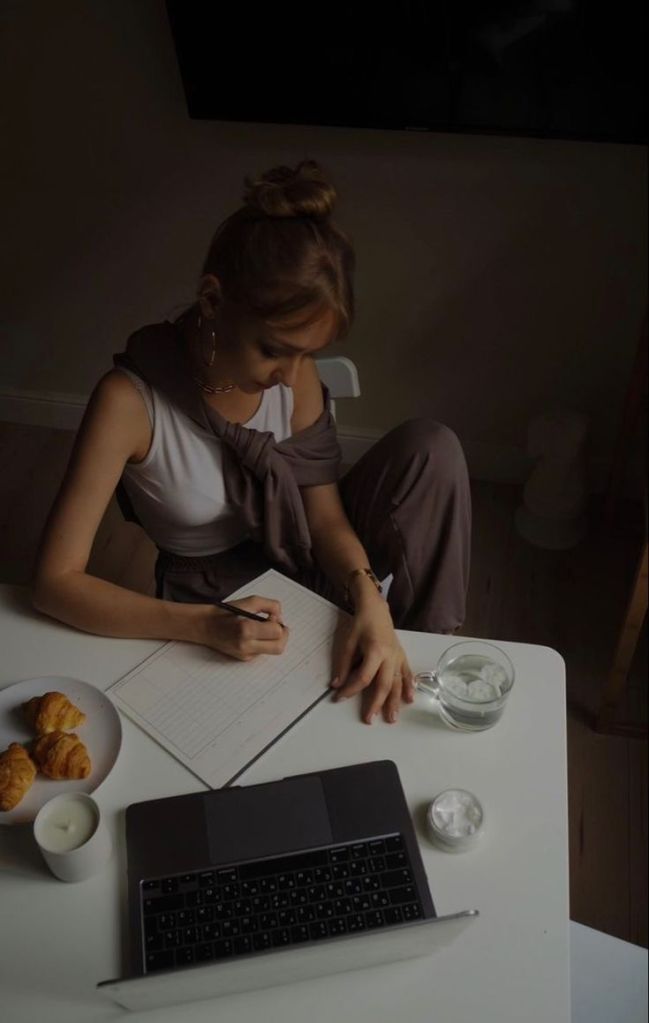
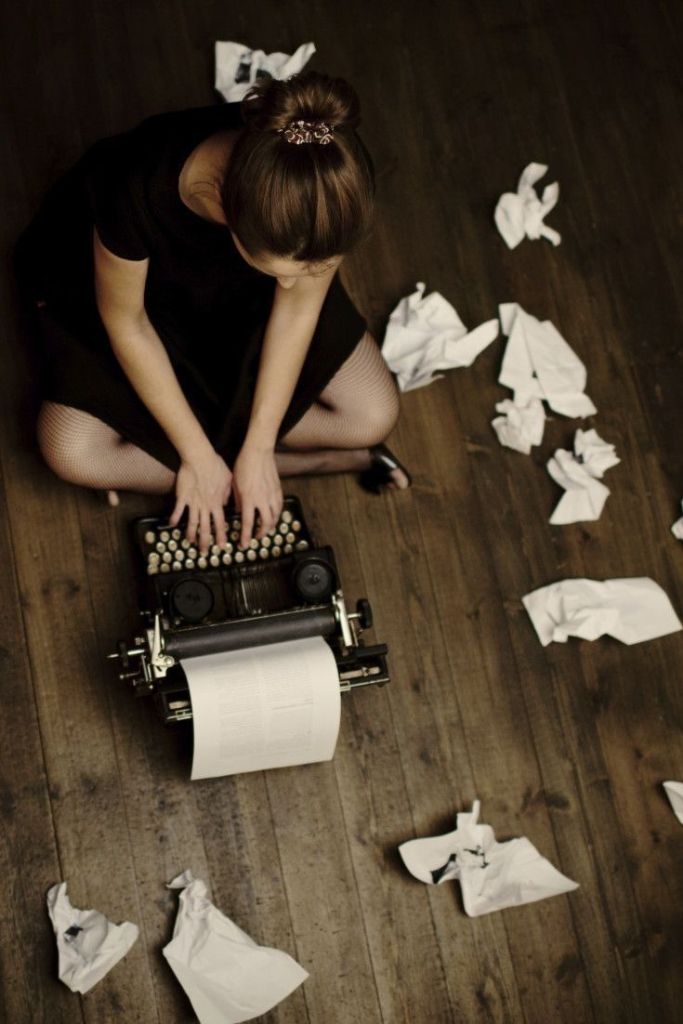
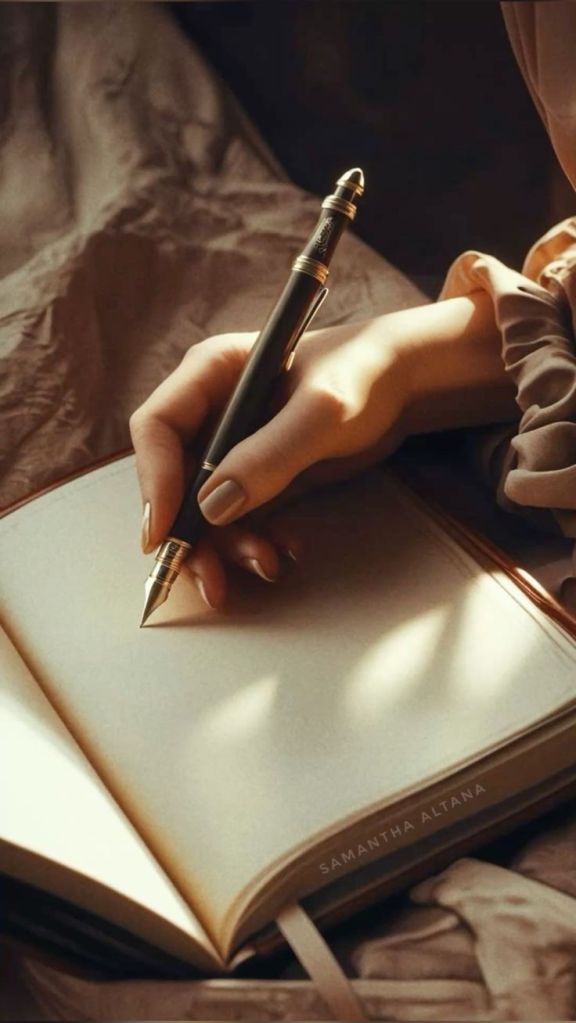
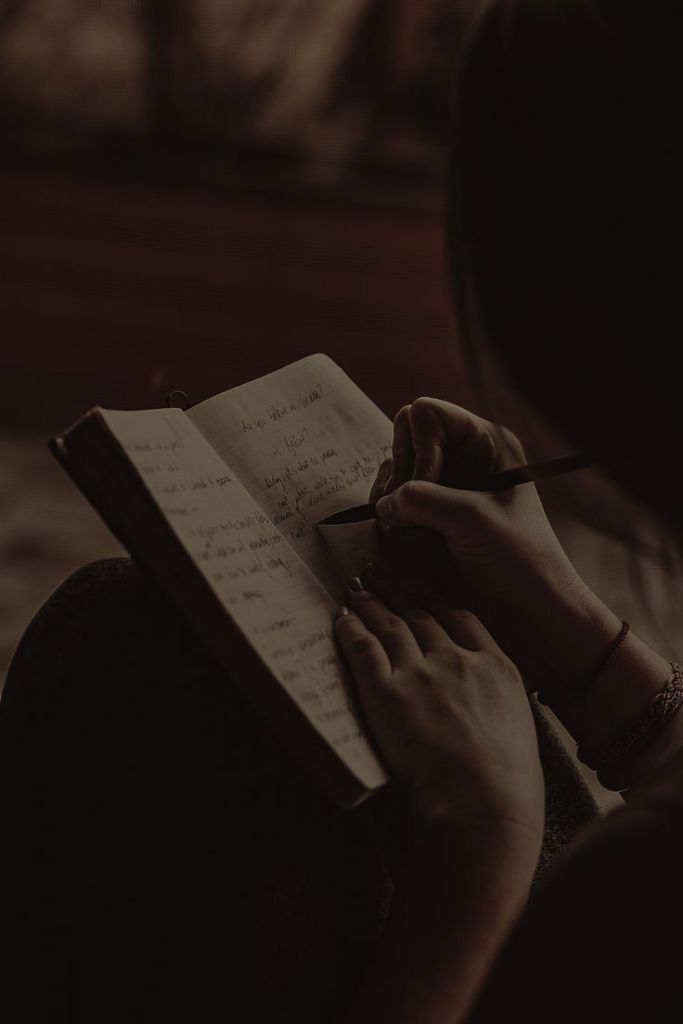
When I first started putting words on paper, it wasn’t journaling—it was writing. I would scribble tiny poems, sometimes only a few lines long, just to capture a thought or a wave of emotion 🌊. Those little pieces weren’t perfect or polished, but they felt real. Writing gave me a way to make sense of my head when it felt too crowded.
Journaling, on the other hand, came later. I only picked it up last year, almost by accident. I was bored, restless, and looking for a way to reconnect with myself. I didn’t plan on “becoming a journaler”—I just wanted a place to let out my thoughts. Slowly, journaling became the bridge that pulled me back into writing, and now both live side by side in my life.
Here’s the thing: they look similar—pen, paper, words—but they serve different purposes. Writing is like reaching out; journaling is like reaching in. And both have been powerful in calming my anxiety, grounding me, and helping me grow 🌱.
🖊️ Writing vs 📓 Journaling: What’s the Difference?
Yes, journaling is technically writing, but the heart of each practice is different.
✨ Writing
Purpose: To inform, persuade, entertain, or inspire.
Audience: Usually external—you’re speaking to someone (even if it’s future readers).
Process: Drafting, editing, polishing until it shines.
Example: A blog post like this one, a novel, or even a heartfelt letter 💌.
🌸 Journaling
Purpose: To explore yourself—your thoughts, emotions, and growth.
Audience: You. That’s it.
Format: Loose, flexible, sometimes messy. Lists, doodles, bullet points, rants.
Process: Raw, unfiltered expression. No rules, no editing.
Example: Morning pages, a gratitude list, or venting after a stressful day 😮💨.
💡 Why They Matter
At first glance, journaling or writing might look like “just writing stuff down,” but both carry weight. They’re not chores or hobbies—they’re tools for mental clarity, creativity, and healing.
📓 Why Journaling Matters
1. 🧘 Clarity of mind – When your brain feels like a storm, journaling slows the chaos.
2. ❤️ Emotional release – Writing about stress or sadness keeps it from sitting heavy in your body.
4. 🧩 Problem-solving – On paper, problems become smaller and easier to dissect.
5. 🗂️ Tracking growth – You can look back and see how far you’ve come.
✍️ Why Writing Matters
1. 🪞 Clarifies your thoughts – Writing shapes vague feelings into clear words.
2. 📣 Communicates your voice – It’s how you’re understood by others.
3. 📚 Preserves knowledge – Notes, essays, stories become memory-keepers.
4. 🔥 Builds influence – Movements, laws, revolutions all began with words.
5. 🌈 Sparks creativity – Once you start writing, ideas multiply.
😌 How They Both Help with Anxiety
Both writing and journaling soothe anxiety, but they do it differently:
Journaling is inward. It’s a brain dump, a way to take swirling thoughts out of your head and trap them on the page. Gratitude journaling shifts focus from constant worry to small, grounding positives 🌼.
Writing is outward. It channels that nervous energy into something creative or structured. Poems, stories, or even essays let you express anxiety without naming it directly.
Here’s the subtle difference:
Journaling processes anxiety.
Writing transforms anxiety.
Together, they work beautifully—journal to clear the fog, write to create meaning from what’s left.
🌱 Where to Start if You’re New
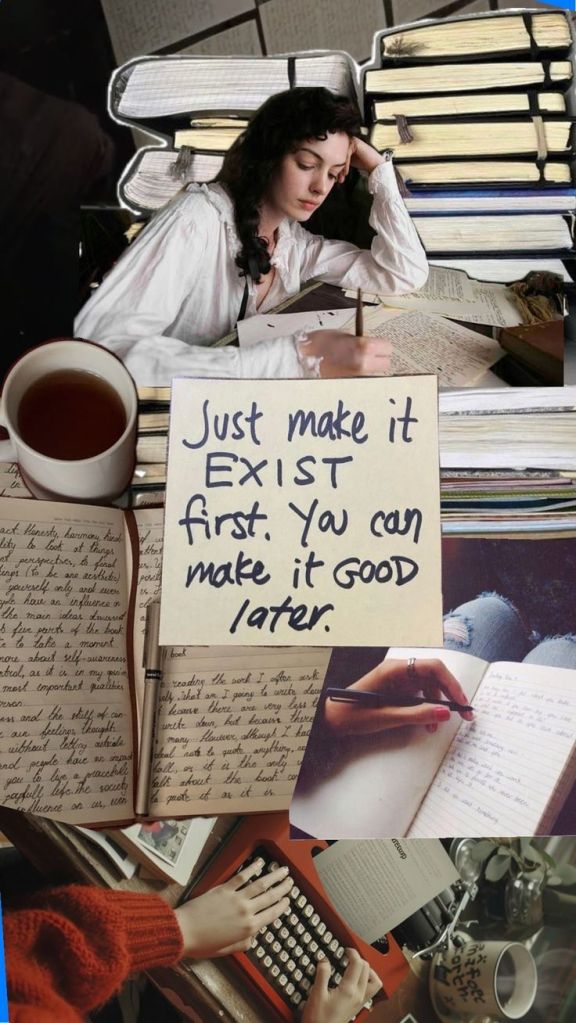
The hardest part is starting. We think it needs to be profound or perfect. It doesn’t. You just need to start small and keep it light.
Beginner Journaling Tips
🕐 Keep it short: 5 minutes, half a page.
✨ Try formats:
Brain dump: write everything in your head.
3-sentence list: Today I feel… I need… I’m grateful for…
Prompt journaling: answer one guiding question.
📝 Pick your medium: notebook, app, or even voice notes.
Beginner Writing Tips
🎯 Write about what you care about—don’t force it.
🖋️ Set small word counts (100–200 words).
🚫 Don’t edit while writing—let it flow, polish later.
🎭 Experiment: letters, blog posts, micro-stories.
📅 A 7-Day Starter Plan
A gentle way to build the habit without pressure:
Day 1 – Brain Dump: Write nonstop for 5 minutes.
Day 2 – Gratitude Shift: List 3 things you’re grateful for + 1 win 🙏.
Day 3 – Describe a Moment: Use all your senses 🌸.
Day 4 – Anxiety Release: Write a letter to your anxiety.
Day 5 – Story Spark: Write a memory as a short story.
Day 6 – Self Check-In: What energized me? What drained me? What do I want more of?
Day 7 – Free Choice: Pick whichever style felt best.
💡 Tips for all 7 days:
Timebox it: 5–10 minutes ⏳.
Don’t reread right away—you’re not grading yourself.
Keep everything in one notebook/app so your progress feels real.
🌟 Conclusion
Taking care of yourself doesn’t require a grand, life-changing overhaul. It’s about showing up for yourself in small, consistent ways. Every line you write, every list you make, every page you fill is proof that you’re paying attention to your inner world 💖.
Journaling gives your thoughts a home. Writing gives them wings. One grounds you, the other expands you. Together, they become a practice of both self-reflection and self-expression—two sides of the same coin.
And here’s the beautiful part: you don’t have to be “good” at it. Your journal isn’t an Instagram feed, and your early writing doesn’t have to be a masterpiece. The act itself is what matters. The words are less about perfection and more about presence.
Piece by piece, page by page, you’re building a stronger, more authentic version of yourself. The kind that feels steady in uncertainty, expressive in silence, and confident in moving forward 🚀. That’s the quiet power of writing and journaling: not just tools, but companions on your path to clarity, calm, and growth.
Okay, let’s be real—can you even imagine a world without music? No headphones on the way to work, no songs to scream-sing in the shower, no background tracks to your best (or worst) moments. Honestly, I can’t. Without music, my life would feel so empty, like living in black and white instead of color. 🌑✨
Music isn’t just sound—it’s therapy, it’s storytelling, it’s magic. Some days, the right song lifts me up like wings, and other days, it holds me when I just need to feel my feelings. It says the things I can’t say out loud.
Take Taylor Swift—she’s basically my diary set to music. 📝💔 Every era, every mood, she’s got a song for it. BTS? Their music feels like a pep talk straight to the soul, reminding me to keep believing in myself. 💜 Ariana Grande makes me feel powerful and unstoppable with those insane vocals. The Weeknd? He sets a vibe like no one else—moody, intense, but addictive. Kendrick Lamar makes me think deeper, like his words echo long after the track ends. And Beyoncé… she is music, honestly. Pure power, pure grace. 👑✨
And then, my heart belongs just as much to Arijit Singh and Shreya Ghoshal. Their songs? Instant goosebumps. 🥺🎤 They carry so much emotion, it feels like they’re singing straight to your soul. Hindi music has this way of making even the simplest feelings sound eternal.
Without all this, I think life would be flat. Music turns tiny moments into big ones. That random night drive suddenly feels cinematic. That heartbreak feels survivable because someone out there turned the same pain into a melody. That celebration? Ten times better with a beat to dance to. 🥂💃
So yeah… life without music? I don’t even want to think about it. It’s the heartbeat behind everything, the thing that makes ordinary days unforgettable. 🎧💫
A personal reflection on losing the spark, finding growth, and raising the bar for love stories.
💓When Romance Stops Feeling Romantic
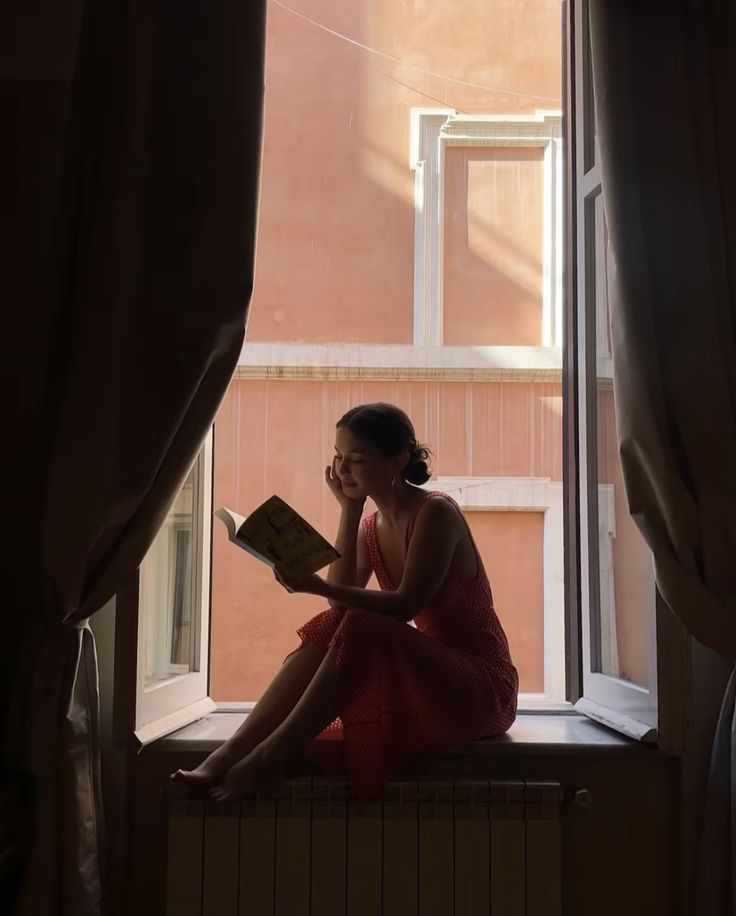
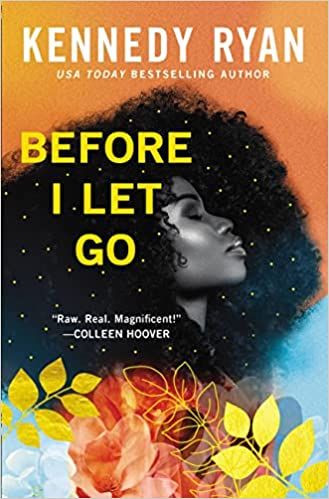
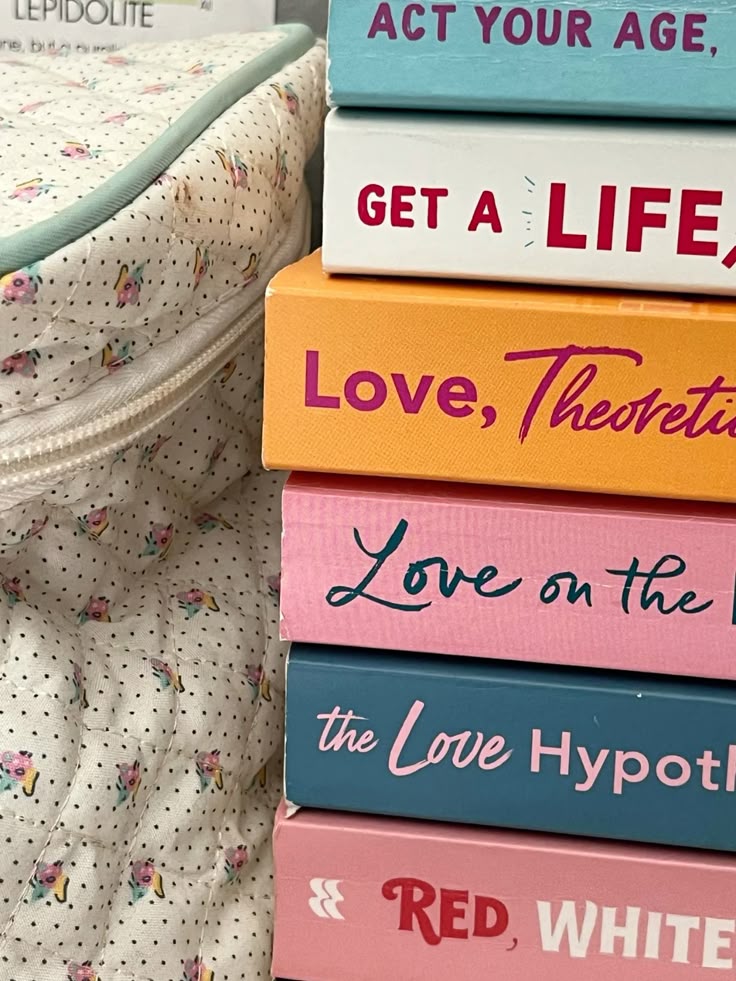
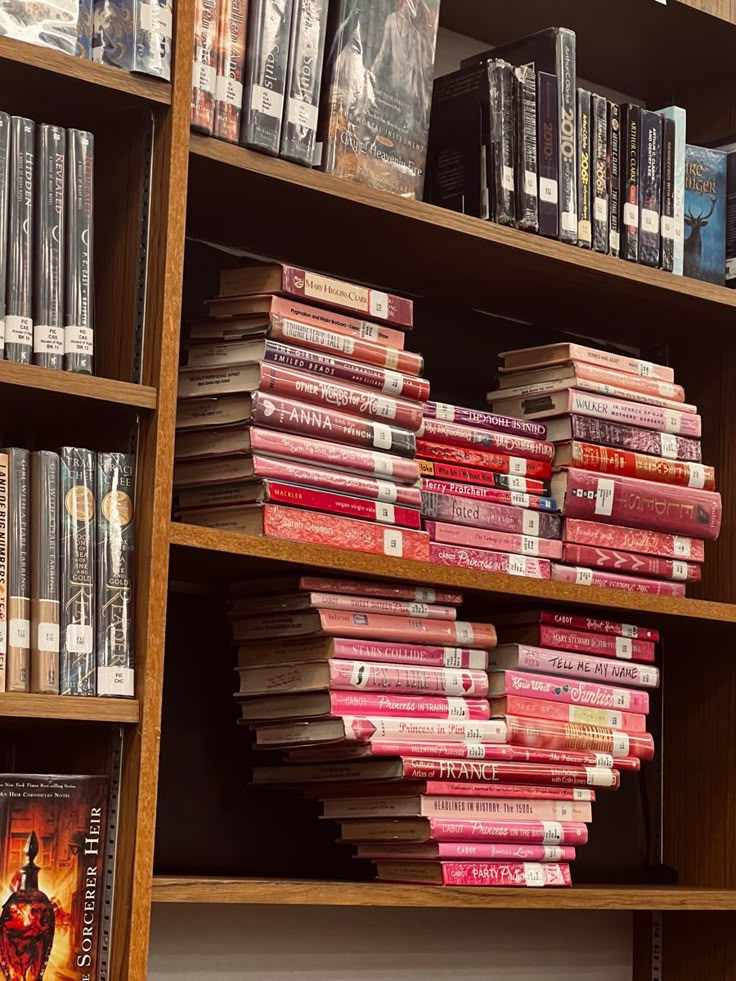
Recently, after a long break, I picked up a romance novel again—Before I Let Go by Kennedy Ryan. It’s a second-chance story about a divorced couple co-parenting while slowly finding their way back to each other. It was beautifully written. I even found myself tearing up in places.
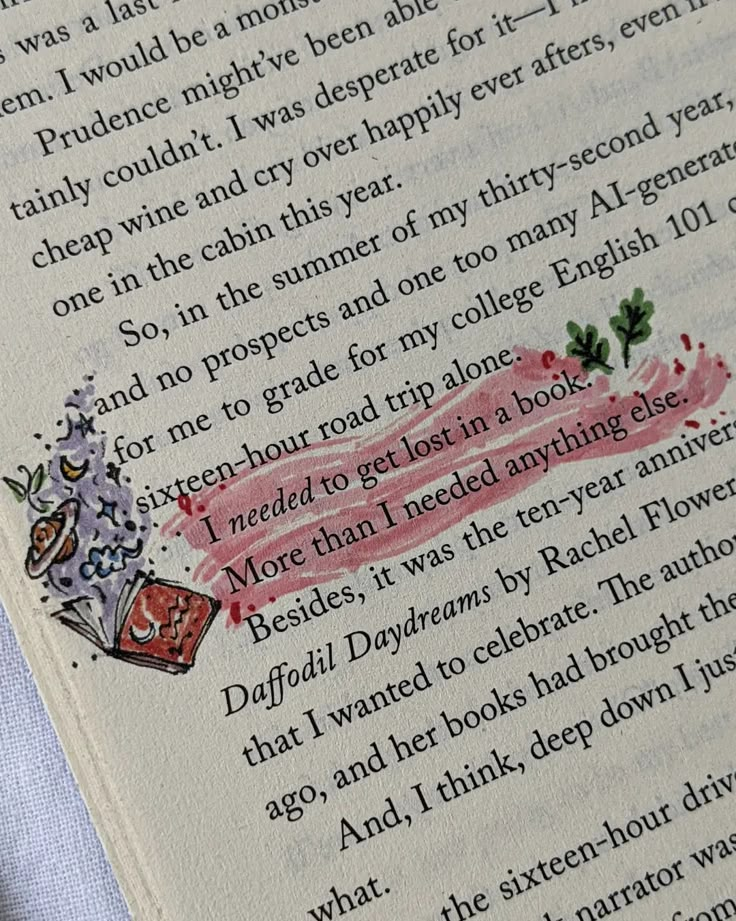
But when I finished the last page, something surprised me: I felt… nothing. I closed the book, set it aside, and moved on with my day. For most of my life, that would have been unthinkable. Normally, I fall into books so deeply that I carry them with me for days. The characters linger in my head. Scenes replay in my imagination. I walk around half in their world, half in mine. This time, the spell didn’t hold.
And it’s not just this one book. Lately, whenever I pick up a romance novel or turn on a romantic show, I catch myself brushing it off. What once felt immersive and thrilling now feels flat. Which made me stop and ask: have I lost interest in romance altogether—or am I simply growing into a new version of myself?
🤔Why Romance Has Always Been So Magnetic?
Romance, especially for women, has always carried more weight than just “a love story.” It’s a place to imagine connection, safety, and joy in ways that daily life doesn’t always provide.
Hope and connection: At its core, romance offers the dream of unconditional love and emotional intimacy. Even when real life is messy, romance novels whisper that love can win.
Emotional validation: These stories center women’s feelings, desires, and struggles. They say: your inner world matters.
Reciprocity: Romance often models relationships where both people share the emotional labor equally—a fantasy when reality sometimes tilts heavily.
Escapism and fantasy: They give you permission to step out of stress and responsibility into a world where you’re chosen and cherished.
Community and representation: Romance has created a global sisterhood. Readers connect over shared swoons, debates about tropes, and characters who reflect their own experiences.
At its best, romance is a form of care. It softens reality and reminds you that tenderness is possible.
🥰Why Romance Novels Feel So Appealing?
Part of the charm of the genre is its structure. Romance promises emotional payoff. Even if the couple fights, even if there are twists and heartbreaks, you know the story will carry you to resolution. That certainty is soothing in a world where nothing else feels guaranteed.
Romance also offers:
Escapism with stakes: The tension always revolves around love. No serial killers or world-ending disasters—just intimacy on the line.
Relatability: Everyone has known desire, heartbreak, or longing. Reading it on the page feels personal.
Fantasy and hope: A good romance novel makes love feel magical and possible, even when real life has taught you otherwise.
Compared to thrillers that chase adrenaline, or fantasy that builds entire universes, romance dives straight into the most universal need: to be seen, wanted, and loved.
👎🏻Why It Doesn’t Hit the Same Anymore?
So why does romance, once irresistible, feel flat now? A few reasons come to mind:
1. I’ve changed, but the stories haven’t. The tropes that thrilled me years ago now feel recycled. The “bad boy with a hidden heart of gold,” the “will-they-won’t-they misunderstandings”—I’ve seen them play out too many times.
2. My emotional bandwidth is different. Work, friendships, family, responsibilities—real life takes up the space I once reserved for living through fictional couples. My mind craves new forms of stimulation, maybe more growth or depth than escape.
3. My definition of romance has matured. I used to melt at grand gestures and dramatic confessions. Now? Consistency, emotional safety, and quiet gestures feel more romantic. Fiction hasn’t always caught up to that shift.
4. I might just be saturated. Years of devouring romance novels built a kind of tolerance. The formulas that once worked magic now feel predictable.
5. I’m craving different narratives. My imagination wants new food. Psychological dramas, memoirs, literary fiction—stories that stretch me in ways romance used to.
Losing interest doesn’t mean I’m less romantic. It means I’ve grown.
👀Reality vs. Novel Romance
Part of the disconnect is this: romance in fiction and romance in life don’t look the same.
First encounters: In novels, sparks fly instantly. In real life, it’s often awkward small talk that deepens slowly.
Conflict: Fiction thrives on dramatic misunderstandings. Real life? It’s mismatched schedules, stress, or someone forgetting to text back.
Gestures: Novels love airport chases and confessions in the rain. Real love is showing up with soup when you’re sick.
Timing: In books, love always finds a way. In reality, the right person can arrive at the wrong time, and people don’t always wait.
Resolutions: Novels promise happily-ever-after. Real life is sometimes happily-for-now—or endings, even when love exists.
Intensity: Fiction burns hot all the time. Real love has ebbs and flows.
Growth: Novels show characters “saved” by love. In reality, you have to do your own work before love can thrive.
🙅🏻♀️The Problem With Romanticizing Abuse
One thing that definitely no longer appeals to me are the darker tropes I grew up seeing in Wattpad stories: mafia “romance,” kidnapping plots, trafficking dressed up as passion. Back then, I didn’t question it. Now, I can’t ignore how harmful it is.
They glamorize abuse, making control or violence look sexy.
They erase real trauma, ignoring the suffering of actual victims.
They normalize toxic power dynamics, presenting dominance as love.
They desensitize audiences, turning crime into just another spicy plot device.
There’s nothing wrong with dark fiction when it’s clearly labeled as thriller or fantasy. But calling it “romance” is dishonest. Romance should mean choice, respect, and mutual desire. Anything else isn’t love—it’s abuse dressed up in pretty language.
❤️Where I Am Now
What I see clearly now is that my changing relationship with romance isn’t an ending—it’s growth. The books and shows that once swept me away don’t resonate because I’ve outgrown them. I no longer want shallow butterflies or fantasies built on control. I want honesty. Nuance. Stories that reflect the kind of love I now understand: imperfect, sometimes ordinary, but rooted in trust and choice.
That’s why toxic tropes not only bore me, they feel wrong. They clash with what I now know love should be. So maybe this shift isn’t about falling out of love with romance at all—it’s about raising the standard. Refusing to settle for hollow stories.
Losing interest doesn’t mean the romantic in me has died. It means she’s evolved. I’m no longer chasing someone else’s fantasy. I’m holding out for something real.
The Personality Traits That Raise Red Flags for Me
Over the years, I’ve realized that what turns me off about a person isn’t usually about looks, money, or even lifestyle. It’s their character. The way someone handles themselves in small, everyday situations reveals more than anything they could say about who they are. And for me, certain traits are instant red flags.
The Traits That Make Me Step Back
Impatience and aggression: If you can’t manage your temper or wait your turn, you’re showing me that your self-control is fragile.
Chronic lateness: Life happens, sure. But being constantly late signals a lack of respect for other people’s time.
Close-mindedness and conservatism: When someone refuses to even consider new ideas or perspectives, conversations become suffocating. Growth requires openness.
Misogyny and lack of respect: This one’s obvious. If you can’t respect women—or people in general—you don’t deserve a place in my life.
Weak backbone: A person who can’t stand up for themselves, who bends to every opinion around them, or who’s easily manipulated—it reads as weak character. Leadership starts with knowing your own mind.
Indecisiveness and laziness: Not every decision is life or death, but constantly wavering or avoiding responsibility signals unreliability.
All of these traits add up to the same thing: a lack of strength, clarity, and self-respect.
When I picture the kind of man I’d want in my life, I don’t see perfection. I see someone with presence. A man who knows what he wants and isn’t afraid to go after it. Someone who leads not by dominating others, but by commanding respect through confidence, decisiveness, and integrity.
To me, dominance isn’t about being controlling. It’s about carrying yourself with such self-assurance that others naturally look to you. It’s about being grounded enough in your masculinity that a powerful woman doesn’t intimidate you. In fact, you admire her for it.
Weak character doesn’t just make a relationship hard—it makes it impossible. You can’t build a partnership with someone who doesn’t know who they are, won’t stand for anything, or crumbles under pressure. Respect, openness, and conviction aren’t just “nice-to-haves.” They’re the foundation for love, friendship, and even trust.
At the end of the day, what I want isn’t complicated. I want someone whose aura demands respect because they respect themselves first. Someone who can lead, but also listen. Strong, but open. Dominant, but not threatened. That combination is rare, but it’s the only one worth waiting for.

 Ladyink with love