If I had to describe myself—really describe myself—it wouldn’t be about what I do or where I live. It wouldn’t be my job title, my Instagram grid, or the version of me people see at brunch. It would be the version of me that exists when no one’s watching.
I’m someone who walks into a room and doesn’t need to be loud to be seen. I carry a kind of quiet confidence, not the kind that needs applause, but the kind that knows its worth even when no one’s clapping. I don’t chase attention. I attract it by simply being rooted in who I am.
Yes, I’m ambitious. I’ve always been that girl with big goals, organized notes, and a running list of dreams in my Notes app (P.S. I do use notes app a lot, for every thing). I love building things—whether it’s a career, a friendship, or a late-night Pinterest mood board of my future apartment (Yes I do this… I also have a moodboard for my sister’s upcoming wedding 🤭).
But I also feel deeply. I care about people, about words, about the tiny, in-between moments most with people. I can be soft without being small. I can be tender without being weak.
I’m skeptical of surface-level nonsens. I don’t like when people are dumb or stupidity. I crave meaning, depth, and conversations that go beyond “how’s work?” I’ll hype you up for your big wins, but I’ll also sit with you in the messy, unfiltered parts of life. I believe in showing up when it counts, not just when it’s convenient.
I’m not always put together. Sometimes I’m thriving, sometimes I’m just trying to get through the day without losing my mind. But no matter what season I’m in, I try to be someone who brings calm to chaos, clarity to confusion, and a bit of fire when the world starts to dim.
I don’t always have the right words, but I know how to hold space. I’m not perfect, but I’m real. And if nothing else, I want to be remembered as someone who made people feel seen, safe, and inspired to be fully themselves.
Because that’s the energy I’m claiming: grounded, self-aware, evolving—and completely done with pretending to be anything less than me. 💜💜
Innocence (bubblegum, baby cheeks, first crush type vibe)
Hope & Calm (pale pink especially has a calming, almost therapeutic quality)
🧠 Psychologically speaking:
Pink reduces aggression (Fun fact: some prisons in Switzerland are painted pastel pink to calm inmates. It’s called “Cool Down Pink.”)
It often feels safe, familiar, comforting, like childhood nostalgia.
But too much of it can also be seen as naive, overly soft, or performative.
⚡ In Gen Z & pop culture:
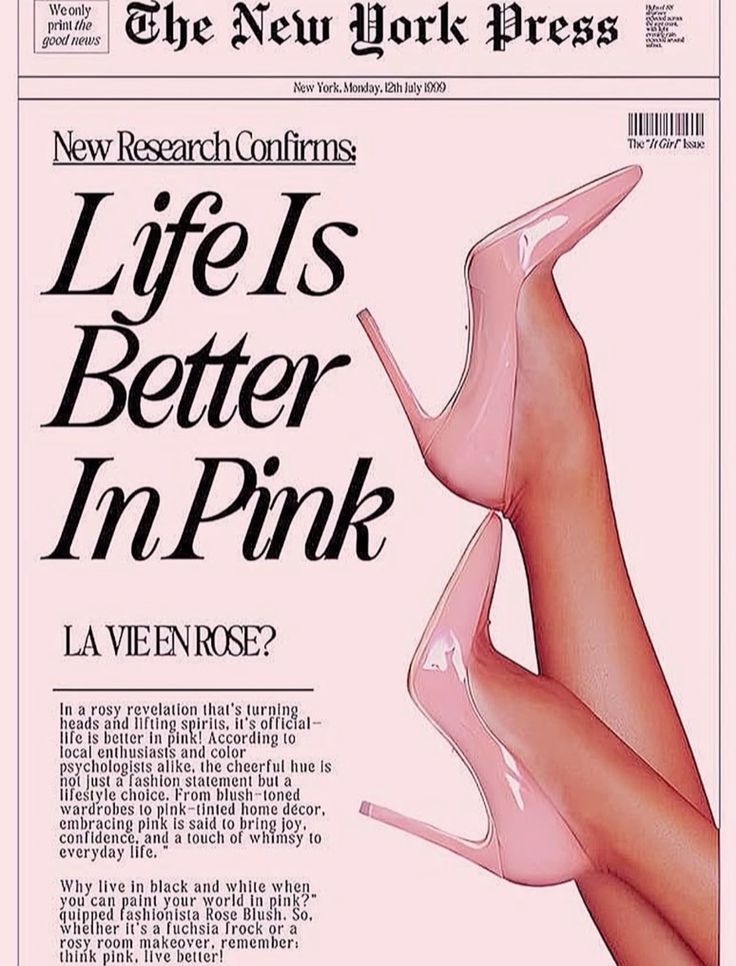
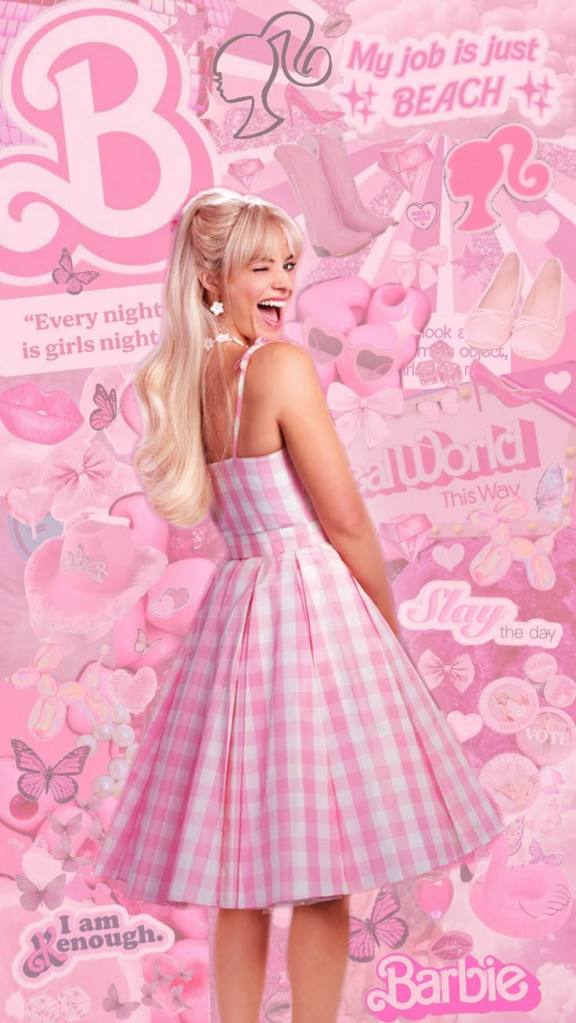
Pink has been reclaimed. It’s not just “girly” — it’s powerful, punk, and political (hi, Barbie movie, breast cancer awareness, and Mean Girls).
Pink is now a weapon and a vibe. It’s giving “I will cry and ruin your life.”
When did people started hating and stereotyping Pink?
People started hating on pink around the mid-20th century, when it got aggressively gender-coded as “feminine” — and being feminine became something to mock, limit, or rebel against.
Let’s break it down by timeline and drama:
👶 Early 1900s: Pink Was for Boys?!
Yep, back in the day, pink was considered a strong, masculine color because it was a “light red.” Blue, on the other hand, was seen as delicate and dainty — perfect for girls. Wild, right?
> “The generally accepted rule is pink for the boys, and blue for the girls.” — Earnshaw’s Infants’ Department, 1918
💄 1950s: Pink Becomes Femme AF
Enter post-WWII marketing and gender essentialism. Department stores, advertisers, and toy companies decided to double down on rigid gender roles — women = domestic, soft, nurturing = PINK. Think: Barbie, baby clothes, kitchen appliances. The “pink for girls” agenda took over like a pastel-colored plague.
🧠 1970s–1980s: Feminist Backlash
Second-wave feminism hits and suddenly, pink becomes political. To many women, rejecting pink was rejecting the idea that their only value was in being pretty, passive, and decorative. Pink = the patriarchy’s favorite color. So people stopped trusting it.
📉 1990s–2000s: “Not Like Other Girls” Era
Cue the era of internalized misogyny. Tomboys and “cool girls” distanced themselves from pink to seem serious or smart. The rise of media tropes (like the girly airhead vs. the edgy brunette) only added fuel. Liking pink? That was basic. Lame. Shallow.
💅 2010s–Now: Pink Makes a Comeback… with Baggage
Thanks to movements like #WomenInSTEM, Gen Z feminism, and brands reclaiming “girliness,” pink made a return — but it’s complicated. People now love hot pink ironically, use it in protest (think: the pussyhat), or wear it in ways that subvert gender norms. But the old hate still lingers, especially from people who grew up associating it with powerlessness or forced femininity.
The Pink Stigma Is Real 💅
Somewhere along the way, pink stopped being a color and became a character. And not exactly a flattering one.
Love pink? You must be…
👛 The “Girly Girl”
You’re delicate, dainty, and probably spend your days organizing your makeup drawers and journaling about your dream wedding. Your hobbies? Shopping, sipping overpriced lattes, and saying “OMG” too often. Bonus points if your handwriting is suspiciously perfect.
🧠 The Airhead
Let me guess — pink is your favorite color because you don’t have enough brain cells to pick a deeper one? 🙄 This stereotype hits especially hard thanks to movies and media that equate femininity with frivolity. (Thankfully, Elle Woods came along and said, “What, like it’s hard?” and crushed that narrative.)
💅 The High-Maintenance Diva
You like pink? Then you must also like drama. You’re high-strung, expensive, demanding, and can’t possibly handle a rough day without smudging your manicure or calling your boyfriend in tears.
🎀 The Infantilized Woman
This one’s subtle, but insidious: the idea that women who love pink are immature. Stuck in their childhoods. Obsessed with glitter and unicorns and unable to handle “adult” things like taxes, heartbreak, or ambition.
🫦 The Flirt
On the opposite end, pink becomes sexualized. The femme fatale who uses her softness as a weapon. A walking contradiction — desirable, but never respected.
The Hate for Pink by Little girls :
Little girls might hate pink growing up not because they actually dislike the color — but because of everything the world attaches to it.
Here’s the real tea:
🚫 1. Forced Femininity = Rebellion Starter Pack
From birth, girls are bombarded with pink: clothes, toys, room decor, even diapers. It’s often not a choice — it’s an expectation. And when you’re a kid trying to figure out who you are, being boxed into “pink = girl” feels like a trap. So rejecting pink becomes a tiny rebellion against being told who you’re supposed to be.
> “You’re a girl, so here’s a pink tutu.” “No thanks, I’ll take the dinosaur tee and a Nerf gun.”
👧🏼 2. “Pink Means You’re a Girly Girl”
And being a “girly girl”? Often used as an insult. Kids (and adults) can be brutal with gender-coded labels. If a girl likes sports, climbing trees, or gets told she’s “not like other girls,” she may distance herself from pink just to protect her identity.
> Internalized message: “If I like pink, people won’t take me seriously. Or worse, they’ll lump me in with the girls they tease.”
🎀 3. It Was Used to Limit Them
For many girls, pink = the things they were allowed to be. Pretty. Quiet. Sweet. Delicate. But not loud, smart, wild, messy, athletic, or bossy — because those weren’t “feminine” traits. So rejecting pink becomes a way to say, “I’m more than what you want me to be.”
🎮 4. It Wasn’t Cool
Pop culture, schoolyard dynamics, even early YouTube — all subtly (or loudly) told us that “cool girls” wore black, were chill, liked blue, and didn’t fuss over pink sparkly stuff. Liking pink was coded as basic. So girls who wanted to be “different” or “cool” ditched the color entirely.
🧠 5. Associating It With Weakness
This one cuts deep. In a world where masculinity is praised and femininity is devalued, anything seen as “too girly” gets tied to weakness. So pink — the ultimate girly symbol — becomes the thing to avoid if you want to be taken seriously.
> “I’m not like those girls.” “Pink is for babies.” “I’m tough — I wear navy.”
Spoiler: all of that is internalized misogyny.
🤷♀️ 6. They Just… Didn’t Like It
Also, sometimes it’s not that deep. Maybe they genuinely didn’t vibe with the color. Not every girl has to love soft pastels or bubblegum neon. Personal taste exists! And that’s valid too.
Wait… Why Are We Still Doing This?
Let’s pause here and ask: Why does a color carry this much baggage?
Newsflash: Pink used to be a boy’s color. Back in the early 1900s, it was seen as a bolder, more “decisive” version of red — appropriate for young boys. Blue? That was soft, serene, and suited to girls.
People are still hating on the color pink because — surprise! — we’ve attached a whole bunch of outdated, gendered baggage to it. Pink hasn’t just been a color for decades now; it’s been a symbol of everything society deems “feminine,” and unfortunately, that often comes with a side of disrespect.
Here’s the breakdown:
💅 1. Femininity is Still Devalued
Let’s be honest — we live in a world where “girly” is still used as an insult. Pink, as a color, got coded as feminine over time (it wasn’t always — fun fact: it was once considered a boy color). But now? It represents softness, sweetness, delicacy — and all the things patriarchy told us were “less than.” So when people hate on pink, what they’re really doing is reacting to how we’ve historically disrespected femininity.
🧠 2. Internalized Misogyny is Real
Some women and girls reject pink not because they truly hate the hue, but because they’ve been taught that being “too feminine” makes you weak, shallow, or less intelligent. Hating pink becomes a way to prove you’re not like other girls — which is just another way patriarchy divides and conquers.
🎯 3. Marketing Overkill
Let’s not ignore how aggressively pink has been pushed on girls. The “pink aisle” in toy stores? Everything from bikes to LEGOs to baby wipes unnecessarily bathed in fuchsia? That overexposure creates resistance — like, why do we only get ONE color? Pink ends up symbolizing forced gender roles rather than just… being a color.
🫠 4. Stereotyping & Infantilization
Pink is often linked with childishness — think Barbie, princesses, bubblegum. That can make people want to reject it to be taken seriously. Especially women in male-dominated spaces. You wear hot pink to a boardroom, and suddenly you’re seen as unserious or “extra.”
✊🏽 5. It’s Also a Form of Rebellion
Rejecting pink has become an act of resistance for some — especially those in queer, feminist, or alternative subcultures. Saying “I don’t do pink” is often a shortcut to say “I don’t conform to your narrow version of womanhood.”
When the girls started liking Pink again!!
When a girl starts liking the color pink again — after rejecting it — it often means she’s reclaiming her power, femininity, and identity on her own terms. It’s not just “oh, I like pretty things now.” It’s deeper than that. It’s unlearning shame. It’s rebellion in lipstick.
Here’s what it can really mean:
💖 1. Healing Her Inner Child
She’s letting go of shame around girly things and embracing what once felt forced or off-limits.
💅 2. Rejecting the Male Gaze
She’s no longer dressing to be “cool” or desirable — pink is now for her.
🎀 3. Redefining Femininity
Soft doesn’t mean weak. Pink is power in pastels.
🧠 4. Unlearning Misogyny
She no longer sees liking pink as anti-feminist — she knows femininity isn’t the enemy.
💼 5. Owning Her Narrative
Wearing pink says: “Underestimate me — and watch me win.”
So when a woman starts liking pink again, it’s often not about the color — it’s about liberation.
It means she’s not afraid to be seen, be soft, or be stereotyped — because she knows who she is, and she doesn’t need to apologize for it.
🎀 The Bottom Line: Pink ≠ Shallow
Pink is softness and strength. It’s bold. It’s rebellious. It’s the shade of breast cancer awareness, of “On Wednesdays We Wear Pink,” of lipstick stains on spreadsheets and protest signs.
Loving pink doesn’t mean you’re a stereotype. It means you’re secure enough to enjoy what you love — without apologizing for it.
When I’m deep in my to-do list, high-key stressed, or pretending my spreadsheet is a Vogue cover layout — music is the vibe-setter. And my playlist? It’s a full-on main character moment.
BTS is always in rotation. 💜 Whether it’s Jimin’s vocals or RM’s verses, they’ve got that perfect mix of chill and hype that keeps me in the zone. (Also, try working to “Dope” — you’ll feel unstoppable.) 🤭
Then there’s my pop royalty: Taylor Swift (lyrical genius, obviously), Ariana Grande (vocals that make my coffee hit harder), and Sabrina Carpenter, who’s recently been living rent-free in my head with her catchy, chaotic charm. “Espresso”? Literal productivity fuel. 😂
Lately, I’ve been getting into KATSEYE — the energy, the style, the potential? Obsessed. And Jennie’s solo music? Chef’s kiss. She’s got that cool-girl edge that makes even Google Docs feel glamorous.
Bottom line: I work better when the girls (and BTS) are in my ears, hyping me up. It’s giving pop, power, and productivity — with a few hair flips in between. 💕💕
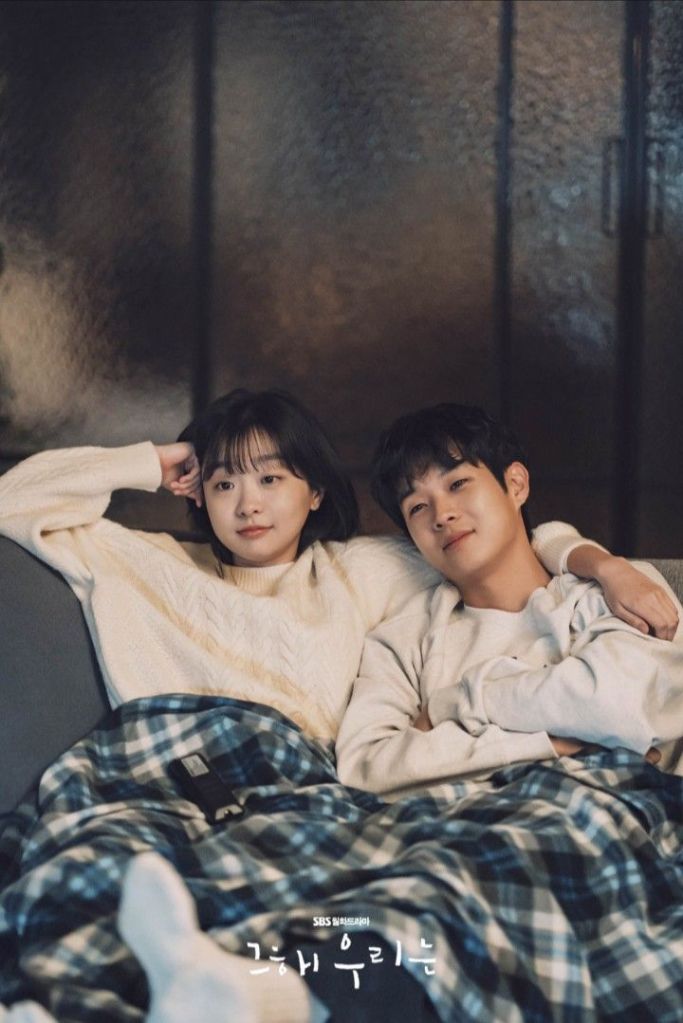
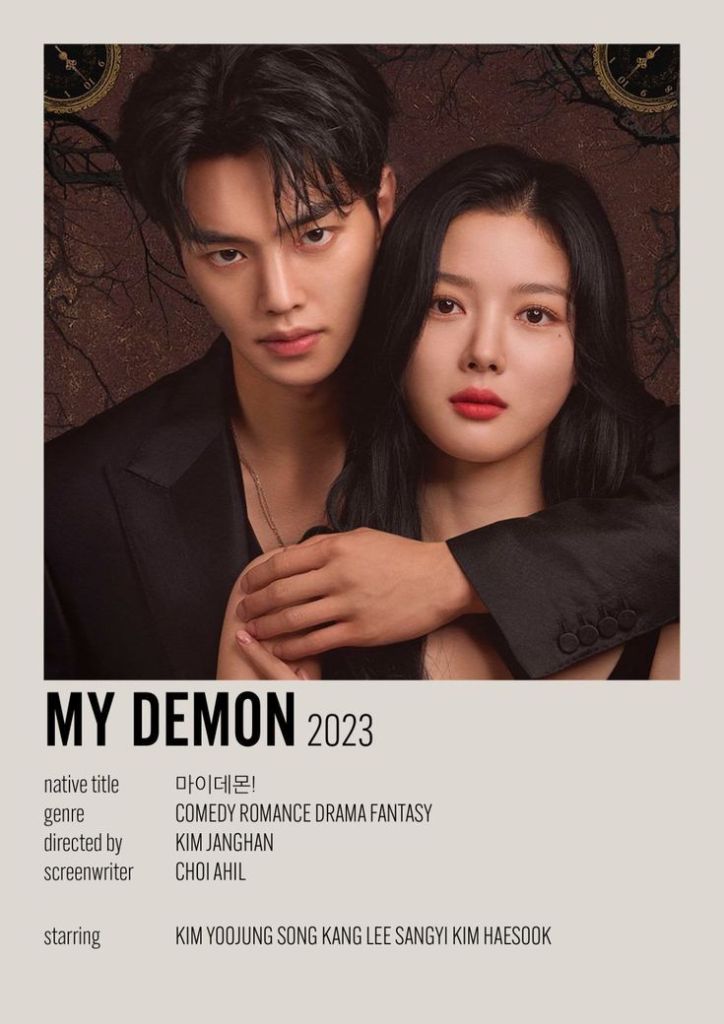
From Binge to Burnout: My Love-Hate Relationship with K-Dramas
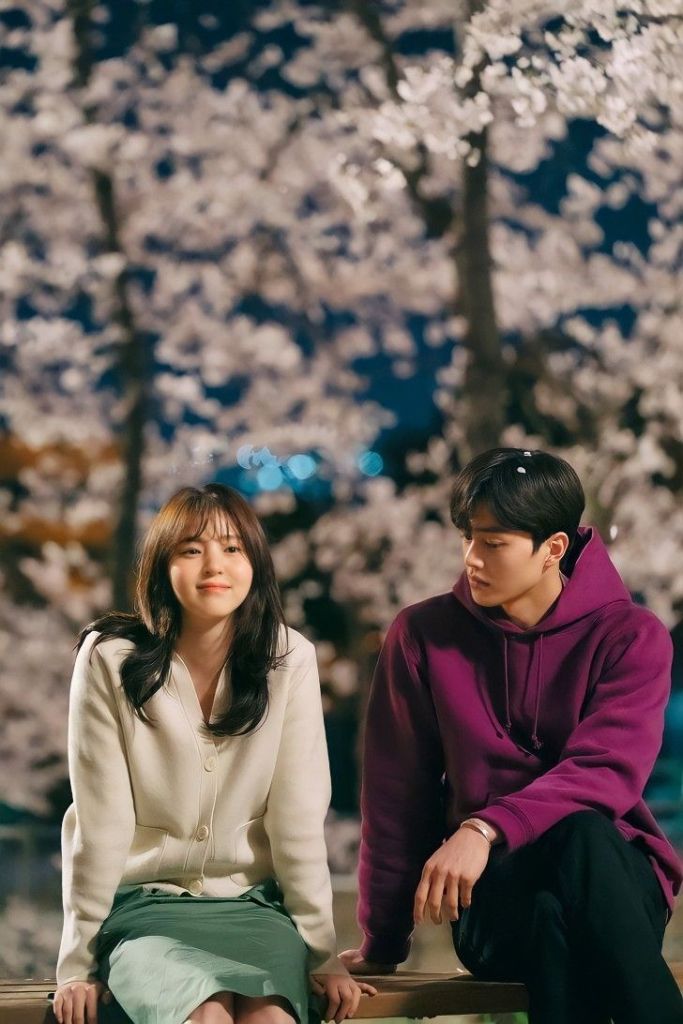
I remember when COVID first broke out… Everyone was stuck at home with nothing to do. So, sometime in 2020, I started scrolling through Netflix and stumbled upon my very first Asian drama: Meteor Garden. Okay, yes — it’s a Chinese drama, not a K-drama, but hear me out — that was the gateway drug. 😐
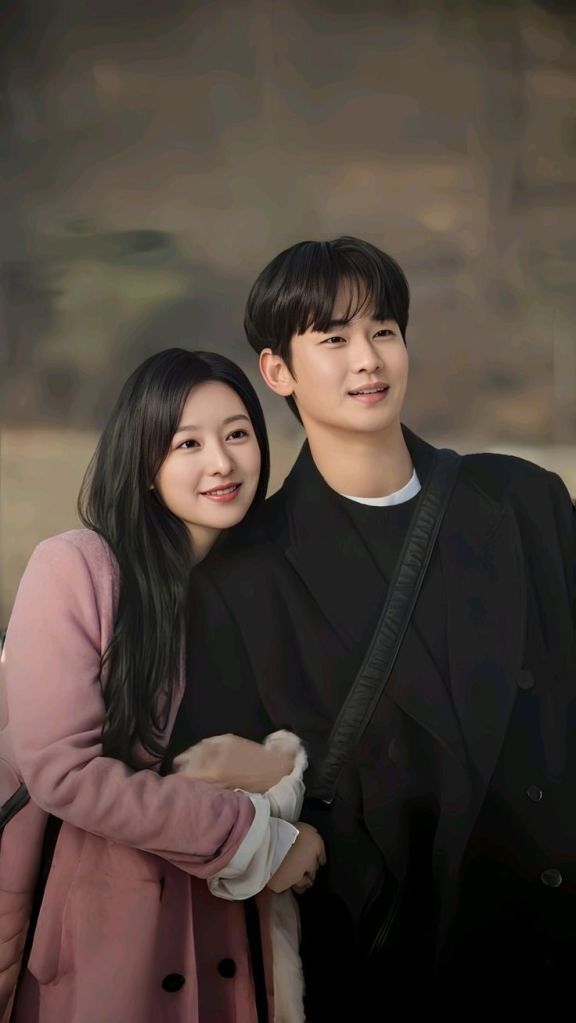
The real addiction kicked in with What’s Wrong with Secretary Kim. Park Seo-joon? That handsome man!!!🫦 Park Min-young? A brilliant actor! 👏🏻 Chemistry off the charts. I laughed. I swooned. I spiraled. And from there, it was game over — one drama turned into two, two turned into ten, and now I’ve clocked close to a hundred K-dramas. That’s not a hobby. That’s a lifestyle.
From boys over flower to Goblin, from All Of Us Are Dead to Squid Game, from Vincenzo to The Glory. I have watched all the genres I could (except horror, I can’t watch horror shows) 😔.
At first, I was completely hooked. New releases? I was refreshing the app. Top 10 lists? I’d already seen them. But somewhere along the way, the sparkle started to fade. The storylines began to blur together. The same tropes, the same chaebol heirs, the same clumsy heroines — and suddenly I realized I wasn’t watching for the plot anymore. I was watching out of habit.
Still, there’s no denying that since the 2020s, K-dramas have exploded globally. This wasn’t just about entertainment anymore. It was a cultural phenomenon — fueled by strategic streaming platform deals, high-quality storytelling, and yes, the boredom of a global lockdown. Shows like Squid Game took the world by storm, and the Hallyu wave crashed hard into the mainstream.
So, what made K-dramas rise so fast and stay relevant?
🚀 Why K-Dramas Took Over the World:
1. Genre-Bending Storytelling Historical fantasies, rom-coms, psychological thrillers, political revenge plots — K-dramas don’t stick to one lane. You get variety, complexity, and cinematic quality that rivals Hollywood.
2. Netflix & Chill (K-style) Netflix, Viki, and others localized K-dramas with subtitles, dubbing, and full-blown promotional strategies. Accessibility made obsession easier.
3. Lockdown Love Affairs With everyone locked indoors, K-dramas were an emotional lifeline. When real life felt chaotic, fictional Seoul offered comfort, consistency, and slow-burn romance.
4. The Hallyu Wave K-pop, Korean food, fashion, and skincare all surged alongside K-dramas. If you watched Crash Landing on You, chances are you also Googled Korean sheet masks right after.
5. Global Fandom Energy K-drama fans aren’t casual. They create playlists, memes, travel guides, and even learn Korean — community-driven fandoms made K-dramas more than just content.
6. Cultural Export = Big Money Korea leveraged this boom, turning entertainment into economic power. K-dramas became cultural ambassadors, boosting tourism, product exports, and international clout.
🌈 Why This K-Wave Is Actually a Big Win:
1. Diversity Is Finally Mainstream Western media has hogged the spotlight for decades. Now, K-dramas are making subtitles sexy and global stories the new norm.
2. Emotions? Dialed All the Way Up K-dramas embrace vulnerability — crying, blushing, yearning. They go full send on feelings, and we love them for it.
3. Hard Work = Core Theme Whether it’s a K-pop trainee grinding for debut or a poor lead hustling to survive, effort is glamorized — and relatable AF.
4. Redefining Gender Norms Soft, sensitive men. Strong but emotionally rich women. K-dramas challenge rigid gender stereotypes, unlike many Western counterparts.
5. Fans Run the Show The fandoms are loud, proud, and powerful — organizing support, donations, and social movements. It’s participatory culture 2.0.
😬 But Not Everything Is Perfect, Girl….
1. Tropes That Need to Die Yesterday Chaebol heir falls for broke girl. Amnesia. Evil mother-in-law. The accidental kiss. Cute once. Exhausting now.
2. Unhealthy Relationship Vibes Wrist grabs, stalking, emotional unavailability = not romantic. We need to stop glorifying 🚩 central behavior.
3. Mid-Season Sag First 4 episodes? Gold. Middle episodes? Where’s the plot? Finale? Time skip + illness + sudden wedding.
4. Still Too Homogenous Queer rep? Barely. Disability or body diversity? Rare and mishandled. K-dramas still have a long way to go.
5. Gender Stereotype Central Clumsy girl = quirky lead. Women over 30 = tragic spinster. Men = emotionally unavailable gods or soft marshmallows. Let’s evolve.
6. Shameless Product Placement Nothing kills the vibe like a dramatic scene cut short by: “This iced Americano from Starbucks cures all heartbreak.”
7. Poor Mental Health Portrayals Therapy is barely a thing. Trauma gets wrapped up in a romance arc. Let’s normalize healing beyond love interests.
💘 K-Dramas & Love: A Blessing and a Curse
✅ Pros:
Models healthy affection: They show consistent, quiet love. Hand warmers > expensive gifts.
Raises emotional standards: Watching a man cook for his partner in a full suit? Unmatched.
Encourages vulnerability: Men cry. Women lead. Love isn’t stoic — it’s soft.
Inspires convos: “Would you wait if I lost my memory?” might be silly, but it’s bonding.
Toxic = romanticized: Obsession, control, and jealousy often get painted as “passion.”
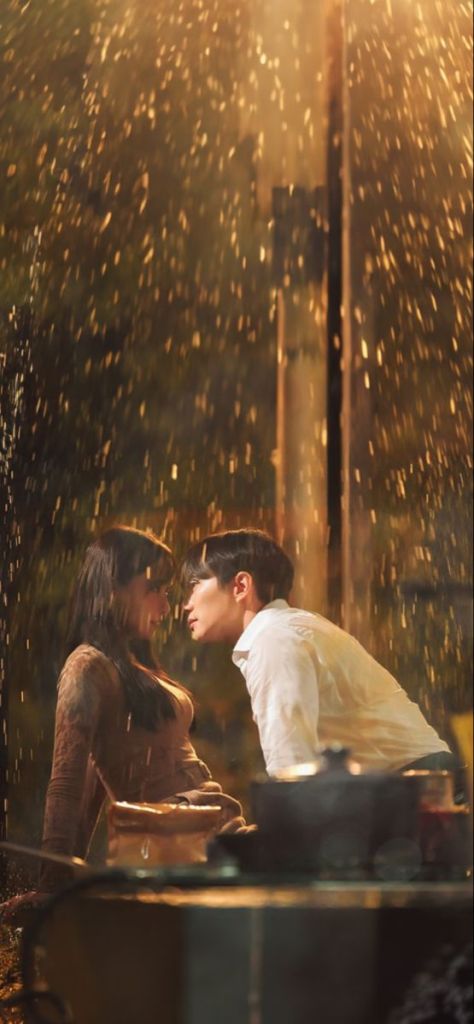
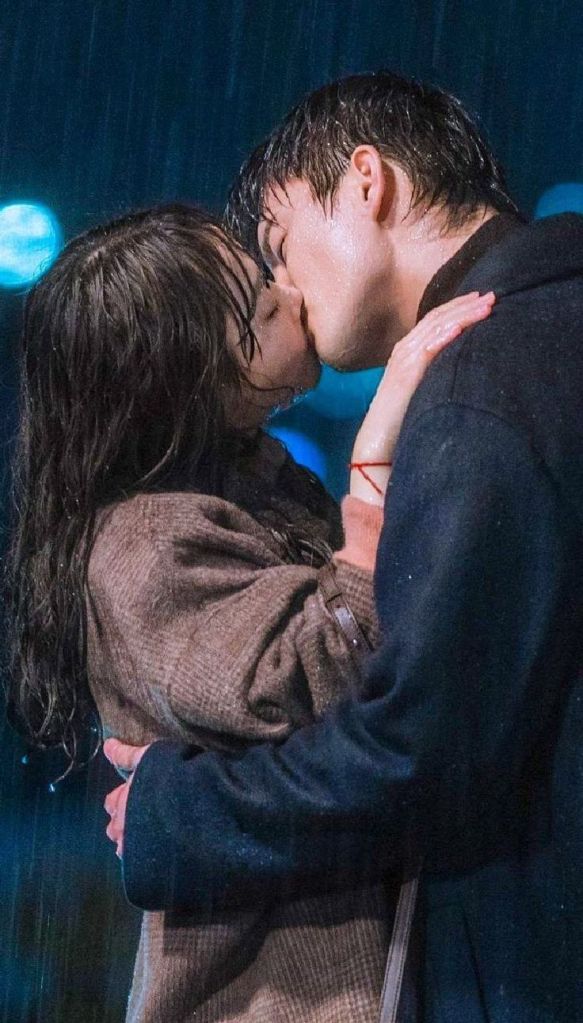
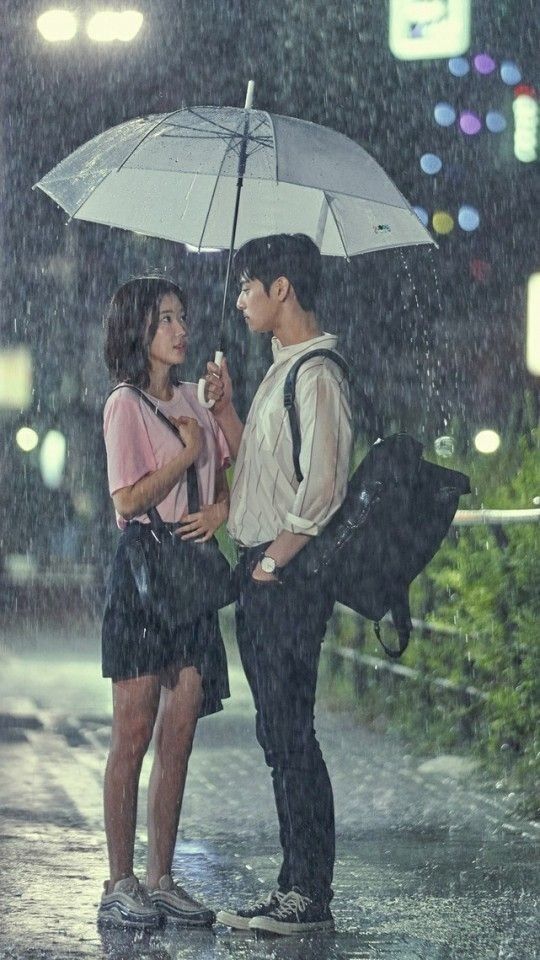
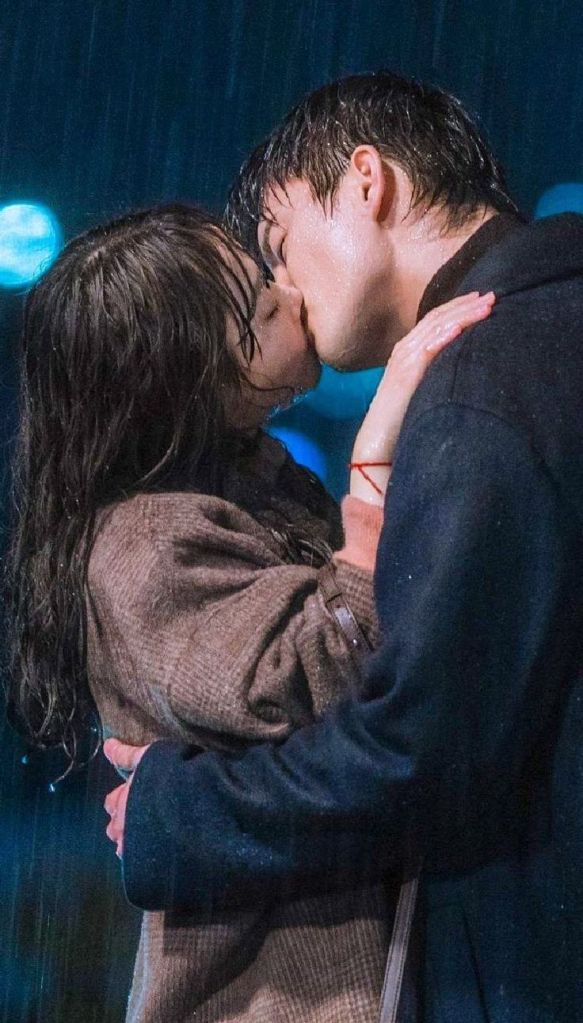
Unrealistic standards: 6-pack CEOs, love confessions in the rain — yeah, that’s not Tuesday IRL.
Communication black hole: So many misunderstandings could be solved with a text.
Fated love obsession: In real life, relationships are built — not destined.
Delayed emotional growth: No, you can’t “fix” someone just by loving them hard enough.
💖 Pros 🚩 Cons
Thoughtful affection Romanticized toxicity Normalizes emotional expression Unhealthy relationship tropes Inspires deep convos Misleads about communication pace Emotional maturity = sexy Idealizes struggle love
✨ Final Take:
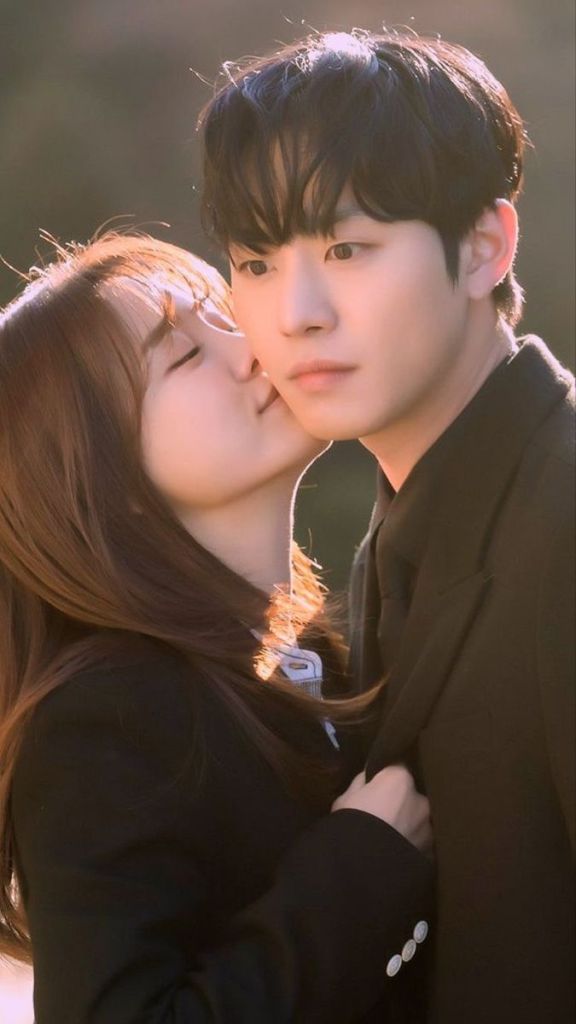
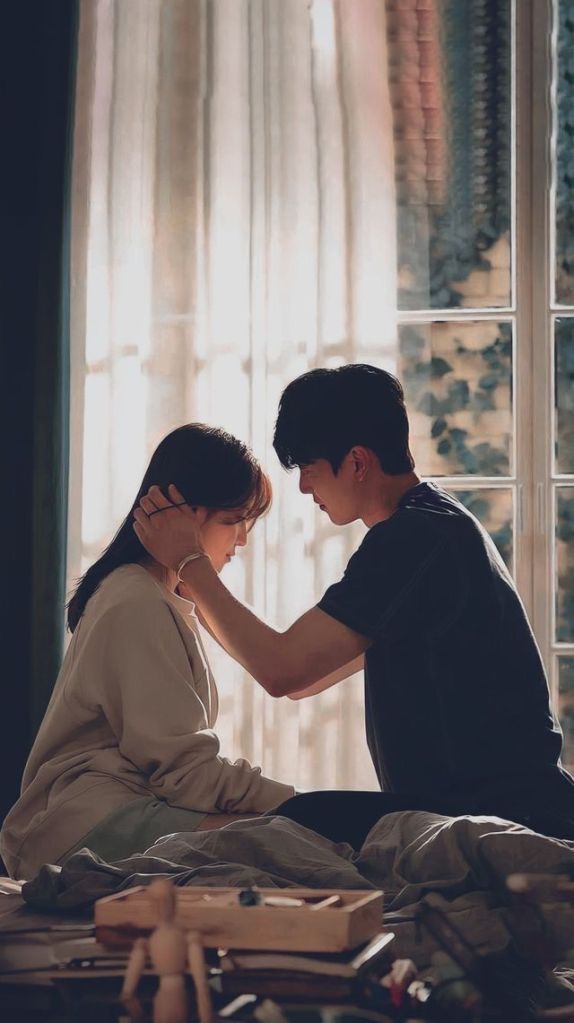
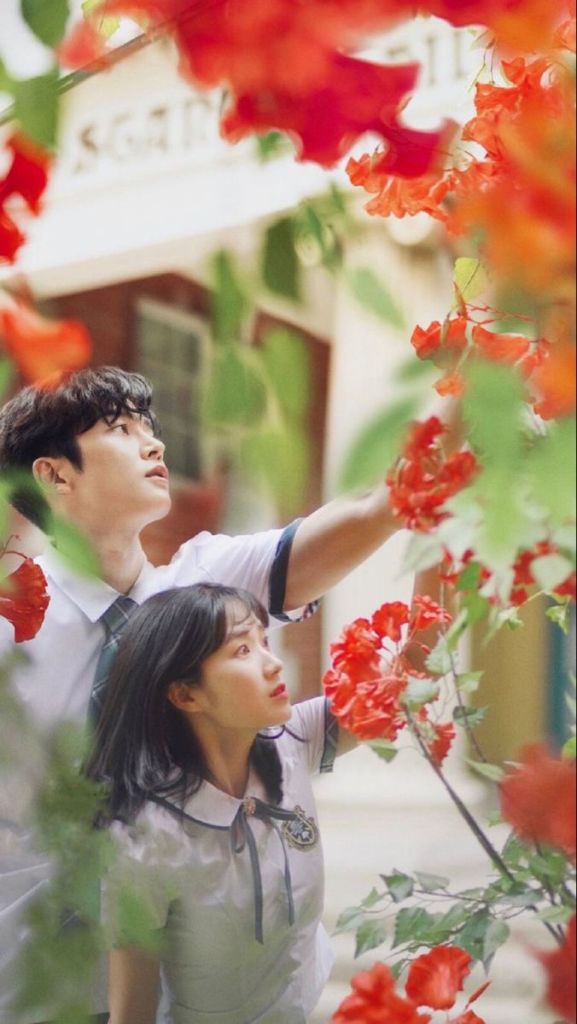
Personally, if someone asks me what my favourite kdram is, for now it is “Lovely Runner”. I absolutely love lovesick men who yearn for love. 😍
K-dramas are emotional rollercoasters — and we love that for them. They serve intentional romance, beautiful cinematography, and layered characters. They challenge traditional media, offer representation (even if limited), and create deep emotional connections.
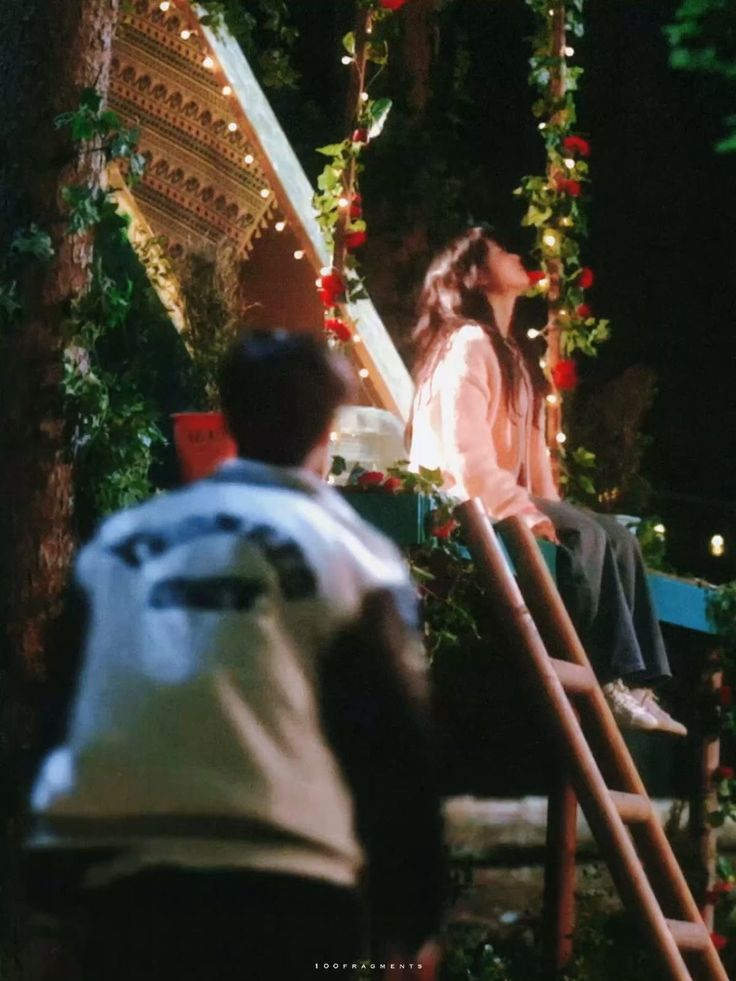
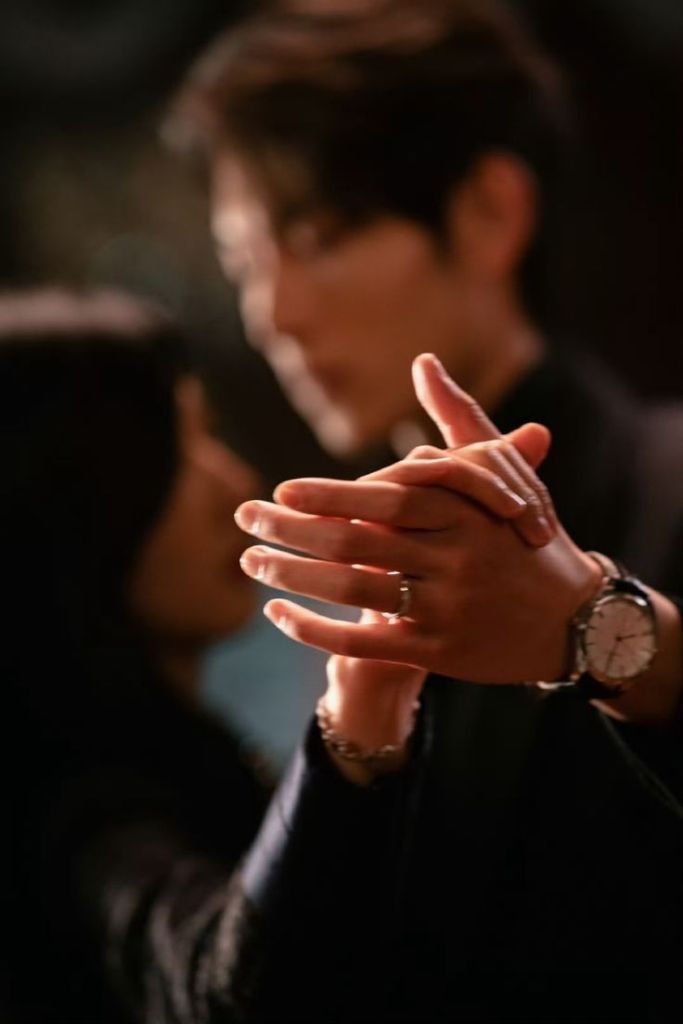
But don’t get it twisted — they’re fiction. They’re edited with moody lighting, tear-jerking OSTs, and plot armor. Real relationships? They’re built in silence, in daily decisions, in showing up. Not under fairy lights during a first snow kiss.
So yes, binge your dramas, write fanfic, and cry during the finale. Just don’t expect your situationship to transform into a Park Seo-joon-level romance because he brought you ramen.
The honest answer? Both. Fully, unapologetically, intentionally. 😌
I want the thrill of trying new things. Of stepping into unfamiliar rooms and saying yes to what makes my heart race a little. I want the plot twists, the deep conversations at 1 a.m., the spontaneous trips, the big creative risks. I want a life that surprises me. I want it all, I love chasing thrills.
But I also want structure. I want a roof over my head that doesn’t come with chaos. I want my bills paid, my calendar manageable, and my nervous system regulated. I want to know I can rely on myself. That I have roots somewhere, even if I don’t stay in one place forever.
Some people make it sound like you have to pick one or the other. Be the responsible one who plays it safe. Or be the wild one who lives out of a suitcase and doesn’t care what happens next.
But what if that binary is outdated? What’s if there’s power in designing a life that gives you both?
I don’t want to run from stability just to feel alive. And I don’t want to stay stuck in a comfort zone that kills my curiosity. I want the kind of adventure that’s sustainable. The kind of security that makes space for risk, joy, and reinvention.
So no, I’m not chasing some reckless, chaotic version of “freedom.” I’m crafting a life where freedom and responsibility coexist. Where I get to take bold steps—because I’ve built something solid underneath me.
If you’re wired like me, you know what I mean. We want to wander, but not get lost. We want to grow, but not burn out. We want to be surprised, but not thrown off track.