Hmmm….. not sure honestly. I usually watch things because I liked a trailer or a reel about it, and end up being disappointed. But it never happened that I watched something thinking I’ll hate it but ended up liking it.
Not really hate, but when I first got into Turkish dramas I wasn’t sure if I will like them, but I watched Erkenci Kuş, and I absolutely fell in love with Can and Sanem. Yes, the story line was typical romantic story with class difference and memory loss storyline, but I still loved it because of the lead pair.
And same way, I started watching Sen Cal Kapimi, and fell in love with this too. I have realized that these Turkish shows almost follow the same lame storylines, but at least the pairing and chemistry is top-notch.
Now I am kinds upset that Sen Cal Kapimi ended, I am still watching edits and interviews of the cast (specially Kerem Bursin to be honest, that’s a really hot man right there), and slowly getting over the post series depression, and getting myself ready for a new show.
In conclusion, I never hated a movie or a show before watching it, I was just not really into it, until it grew on me and I ended up loving it.
From Binge to Burnout: My Love-Hate Relationship with K-Dramas
I remember when COVID first broke out… Everyone was stuck at home with nothing to do. So, sometime in 2020, I started scrolling through Netflix and stumbled upon my very first Asian drama: Meteor Garden. Okay, yes — it’s a Chinese drama, not a K-drama, but hear me out — that was the gateway drug. 😐
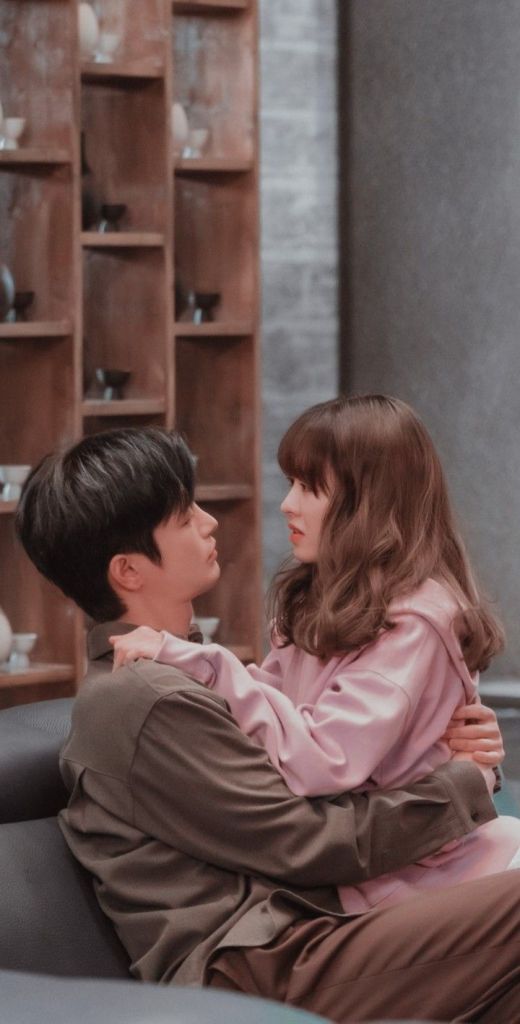
The real addiction kicked in with What’s Wrong with Secretary Kim. Park Seo-joon? That handsome man!!!🫦 Park Min-young? A brilliant actor! 👏🏻 Chemistry off the charts. I laughed. I swooned. I spiraled. And from there, it was game over — one drama turned into two, two turned into ten, and now I’ve clocked close to a hundred K-dramas. That’s not a hobby. That’s a lifestyle.
From boys over flower to Goblin, from All Of Us Are Dead to Squid Game, from Vincenzo to The Glory. I have watched all the genres I could (except horror, I can’t watch horror shows) 😔.
At first, I was completely hooked. New releases? I was refreshing the app. Top 10 lists? I’d already seen them. But somewhere along the way, the sparkle started to fade. The storylines began to blur together. The same tropes, the same chaebol heirs, the same clumsy heroines — and suddenly I realized I wasn’t watching for the plot anymore. I was watching out of habit.
Still, there’s no denying that since the 2020s, K-dramas have exploded globally. This wasn’t just about entertainment anymore. It was a cultural phenomenon — fueled by strategic streaming platform deals, high-quality storytelling, and yes, the boredom of a global lockdown. Shows like Squid Game took the world by storm, and the Hallyu wave crashed hard into the mainstream.
So, what made K-dramas rise so fast and stay relevant?
🚀 Why K-Dramas Took Over the World:
1. Genre-Bending Storytelling Historical fantasies, rom-coms, psychological thrillers, political revenge plots — K-dramas don’t stick to one lane. You get variety, complexity, and cinematic quality that rivals Hollywood.
2. Netflix & Chill (K-style) Netflix, Viki, and others localized K-dramas with subtitles, dubbing, and full-blown promotional strategies. Accessibility made obsession easier.
3. Lockdown Love Affairs With everyone locked indoors, K-dramas were an emotional lifeline. When real life felt chaotic, fictional Seoul offered comfort, consistency, and slow-burn romance.
4. The Hallyu Wave K-pop, Korean food, fashion, and skincare all surged alongside K-dramas. If you watched Crash Landing on You, chances are you also Googled Korean sheet masks right after.
5. Global Fandom Energy K-drama fans aren’t casual. They create playlists, memes, travel guides, and even learn Korean — community-driven fandoms made K-dramas more than just content.
6. Cultural Export = Big Money Korea leveraged this boom, turning entertainment into economic power. K-dramas became cultural ambassadors, boosting tourism, product exports, and international clout.
🌈 Why This K-Wave Is Actually a Big Win:
1. Diversity Is Finally Mainstream Western media has hogged the spotlight for decades. Now, K-dramas are making subtitles sexy and global stories the new norm.
2. Emotions? Dialed All the Way Up K-dramas embrace vulnerability — crying, blushing, yearning. They go full send on feelings, and we love them for it.
3. Hard Work = Core Theme Whether it’s a K-pop trainee grinding for debut or a poor lead hustling to survive, effort is glamorized — and relatable AF.
4. Redefining Gender Norms Soft, sensitive men. Strong but emotionally rich women. K-dramas challenge rigid gender stereotypes, unlike many Western counterparts.
5. Fans Run the Show The fandoms are loud, proud, and powerful — organizing support, donations, and social movements. It’s participatory culture 2.0.
😬 But Not Everything Is Perfect, Girl….
1. Tropes That Need to Die Yesterday Chaebol heir falls for broke girl. Amnesia. Evil mother-in-law. The accidental kiss. Cute once. Exhausting now.
2. Unhealthy Relationship Vibes Wrist grabs, stalking, emotional unavailability = not romantic. We need to stop glorifying 🚩 central behavior.
3. Mid-Season Sag First 4 episodes? Gold. Middle episodes? Where’s the plot? Finale? Time skip + illness + sudden wedding.
4. Still Too Homogenous Queer rep? Barely. Disability or body diversity? Rare and mishandled. K-dramas still have a long way to go.
5. Gender Stereotype Central Clumsy girl = quirky lead. Women over 30 = tragic spinster. Men = emotionally unavailable gods or soft marshmallows. Let’s evolve.
6. Shameless Product Placement Nothing kills the vibe like a dramatic scene cut short by: “This iced Americano from Starbucks cures all heartbreak.”
7. Poor Mental Health Portrayals Therapy is barely a thing. Trauma gets wrapped up in a romance arc. Let’s normalize healing beyond love interests.
💘 K-Dramas & Love: A Blessing and a Curse
✅ Pros:
Models healthy affection: They show consistent, quiet love. Hand warmers > expensive gifts.
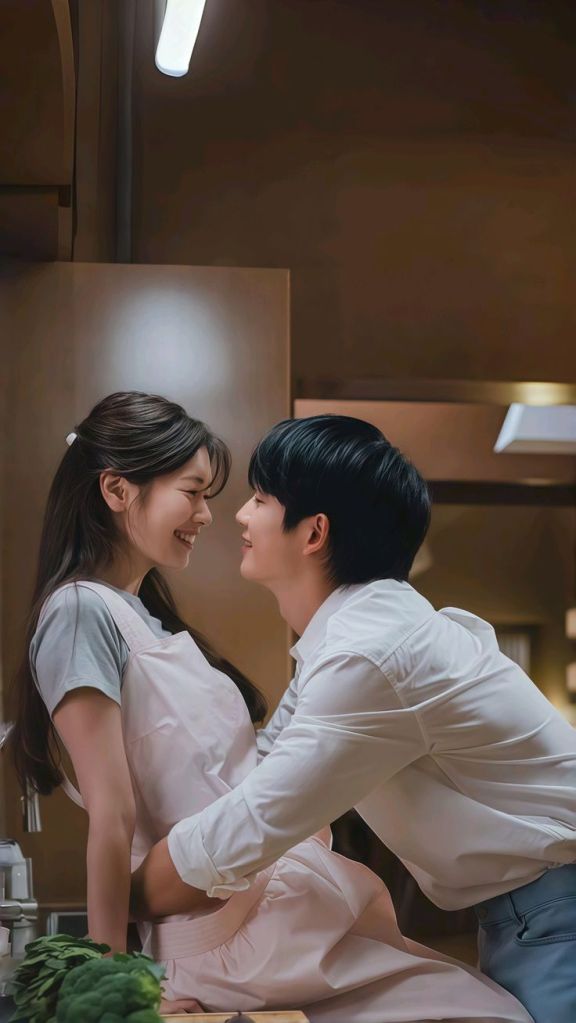
Raises emotional standards: Watching a man cook for his partner in a full suit? Unmatched.
Encourages vulnerability: Men cry. Women lead. Love isn’t stoic — it’s soft.
Inspires convos: “Would you wait if I lost my memory?” might be silly, but it’s bonding.
Toxic = romanticized: Obsession, control, and jealousy often get painted as “passion.”
Unrealistic standards: 6-pack CEOs, love confessions in the rain — yeah, that’s not Tuesday IRL.
Communication black hole: So many misunderstandings could be solved with a text.
Fated love obsession: In real life, relationships are built — not destined.
Delayed emotional growth: No, you can’t “fix” someone just by loving them hard enough.
💖 Pros 🚩 Cons
Thoughtful affection Romanticized toxicity Normalizes emotional expression Unhealthy relationship tropes Inspires deep convos Misleads about communication pace Emotional maturity = sexy Idealizes struggle love
✨ Final Take:
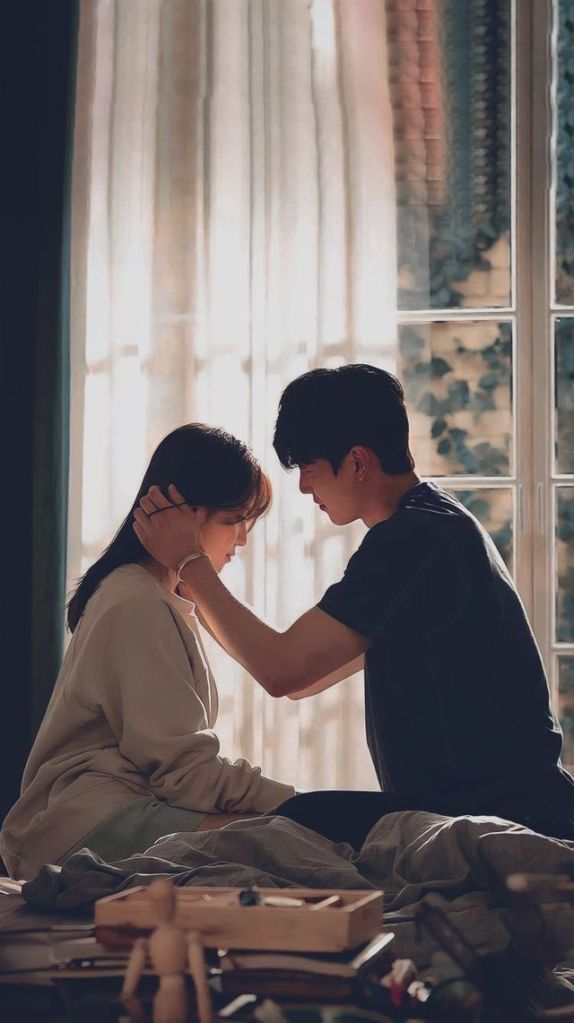
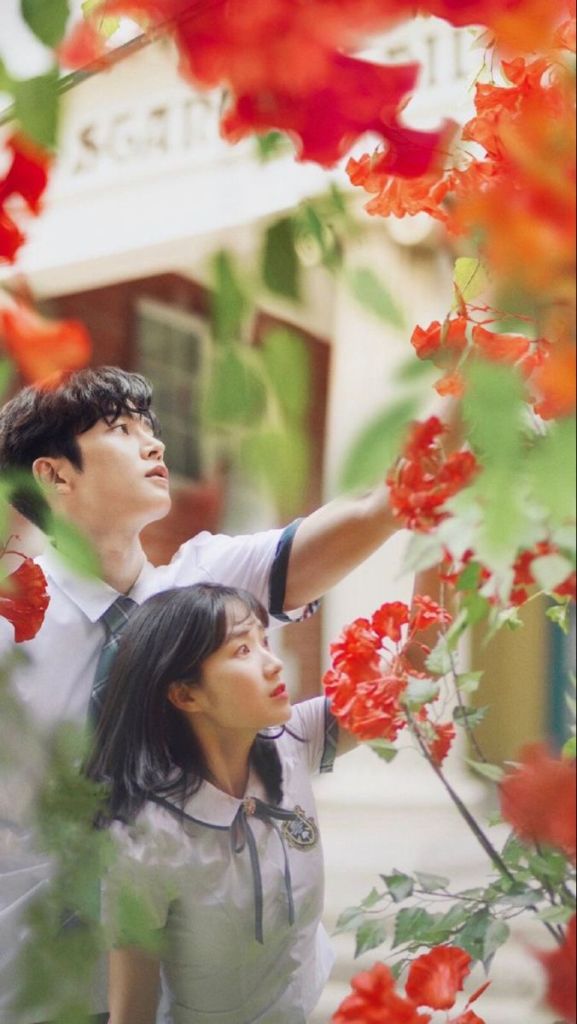
Personally, if someone asks me what my favourite kdram is, for now it is “Lovely Runner”. I absolutely love lovesick men who yearn for love. 😍
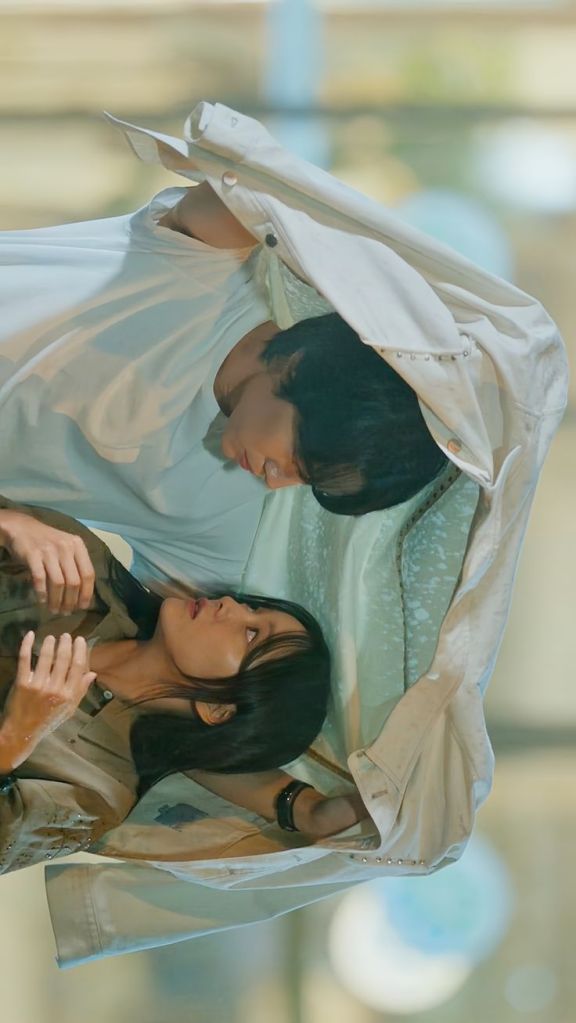
K-dramas are emotional rollercoasters — and we love that for them. They serve intentional romance, beautiful cinematography, and layered characters. They challenge traditional media, offer representation (even if limited), and create deep emotional connections.
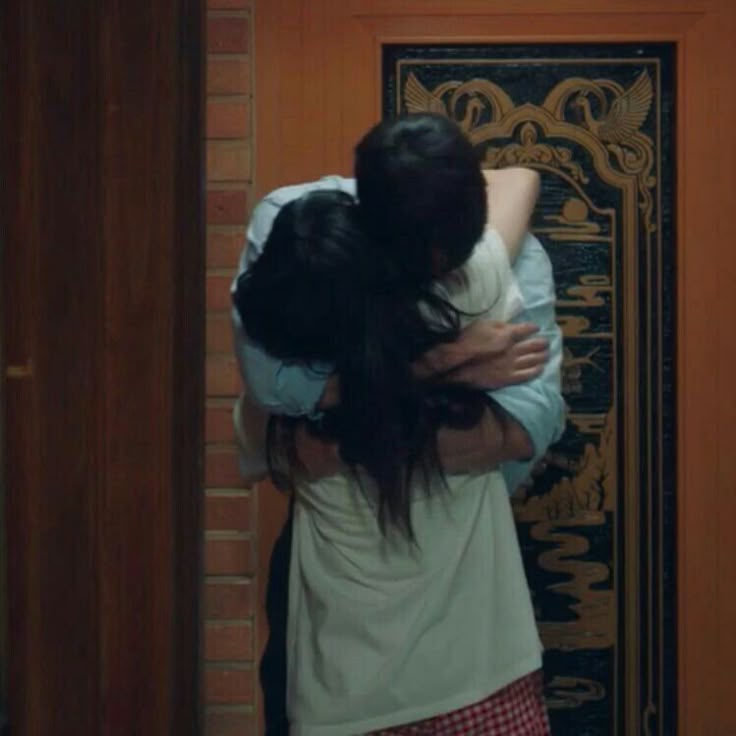
But don’t get it twisted — they’re fiction. They’re edited with moody lighting, tear-jerking OSTs, and plot armor. Real relationships? They’re built in silence, in daily decisions, in showing up. Not under fairy lights during a first snow kiss.
So yes, binge your dramas, write fanfic, and cry during the finale. Just don’t expect your situationship to transform into a Park Seo-joon-level romance because he brought you ramen.








 Ladyink with love