Why Everyone’s Obsessed With Labubu? How a $15 Plush Became Fashion’s Latest Flex
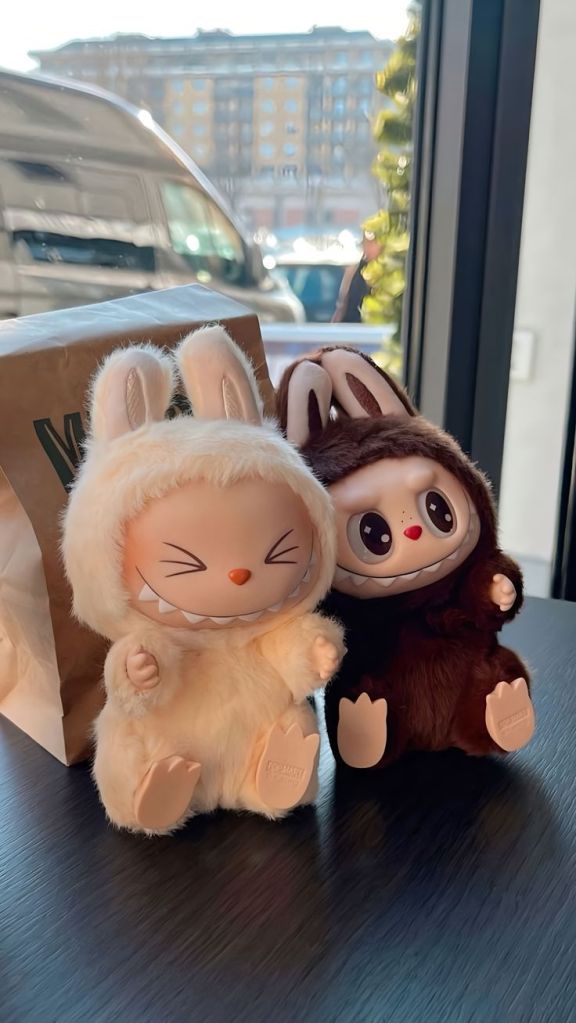
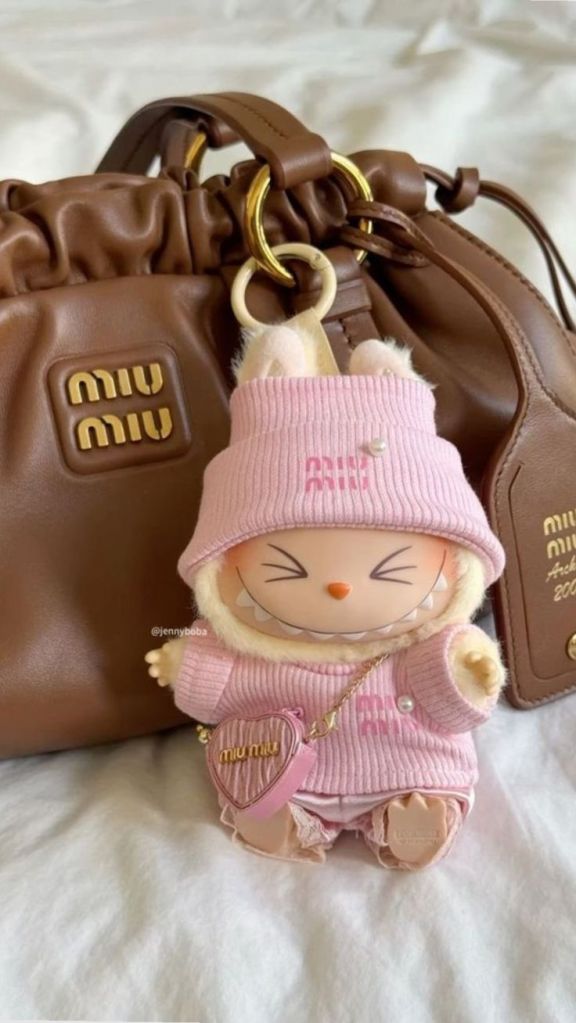
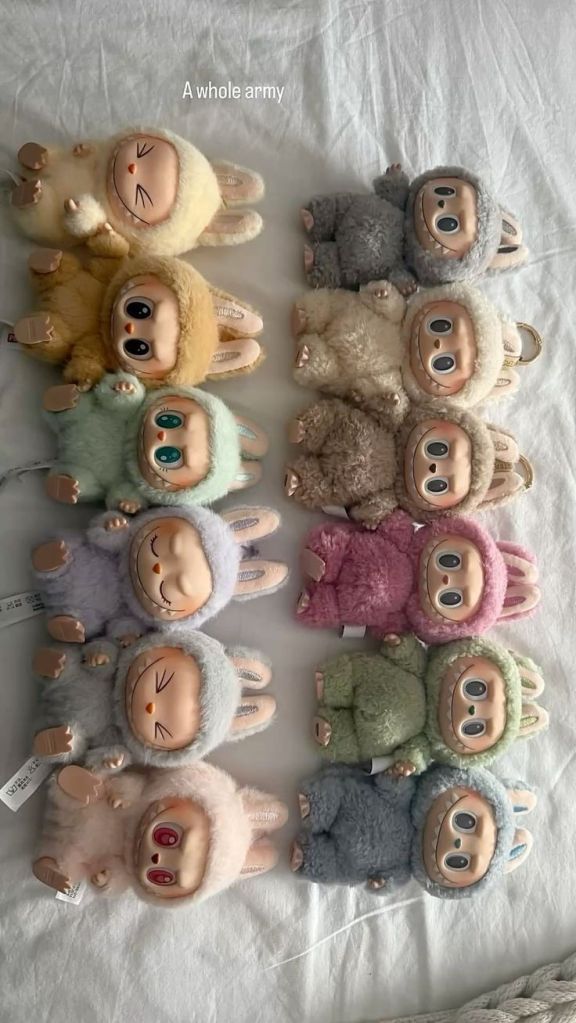
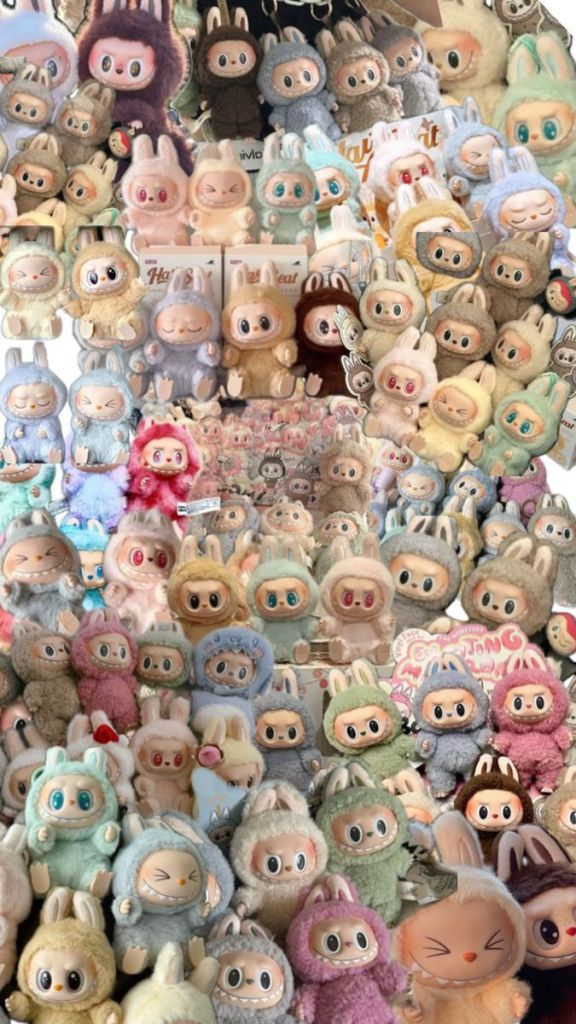
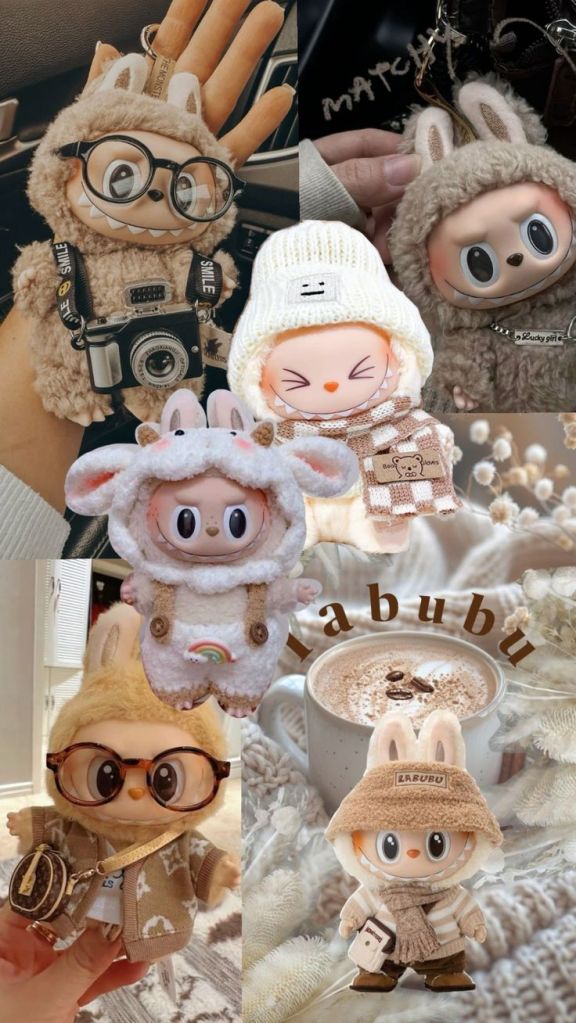
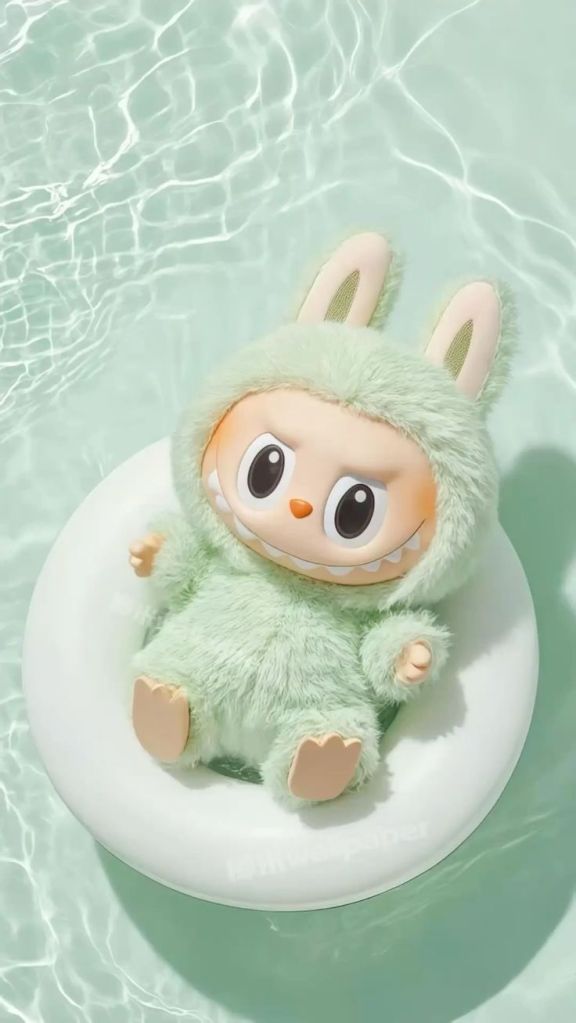
Recently, I’ve been seeing Labubus everywhere. Online, in stores, dangling from designer bags… you literally can’t escape them. They’ve invaded my feed and my city like an adorable, toothy little army.
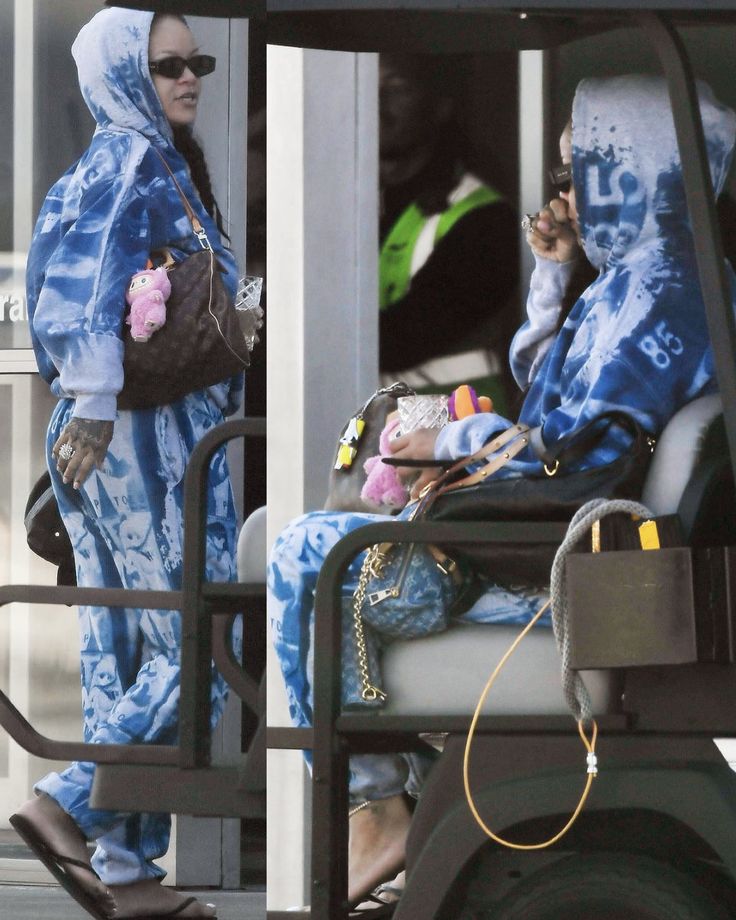
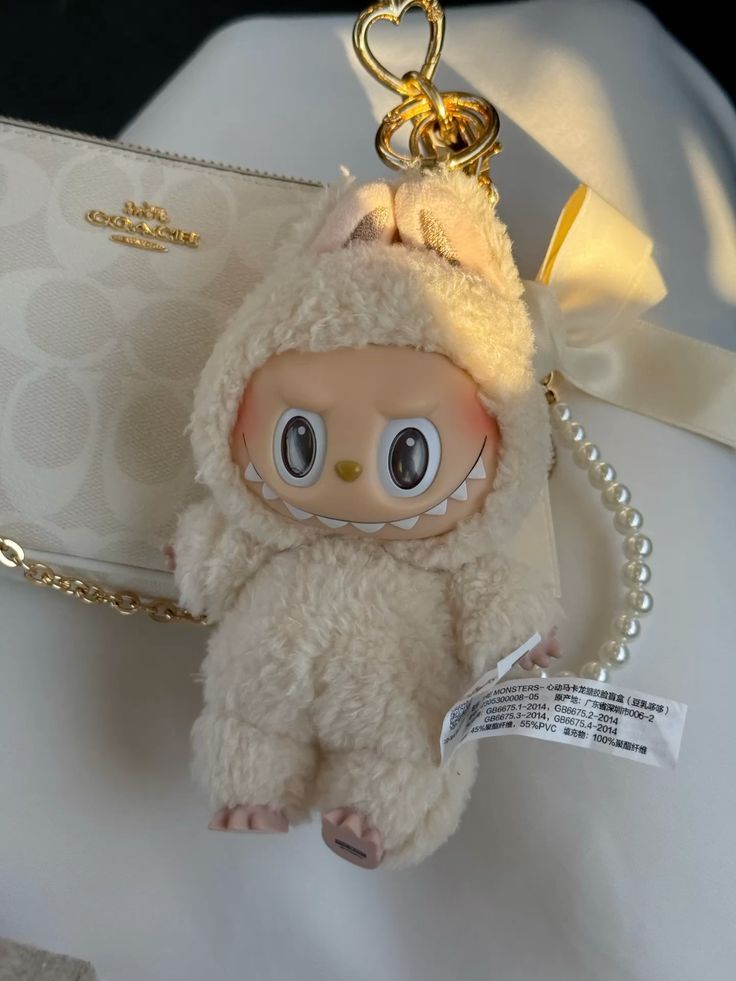
The first time I saw a Labubu was in a picture of Rihanna. She had one clipped to her bag like it was the hottest new accessory of the year. I thought, “Oh, cute—Rihanna’s carrying a plush toy.” But little did I know, that was the beginning of my Labubu nightmare.
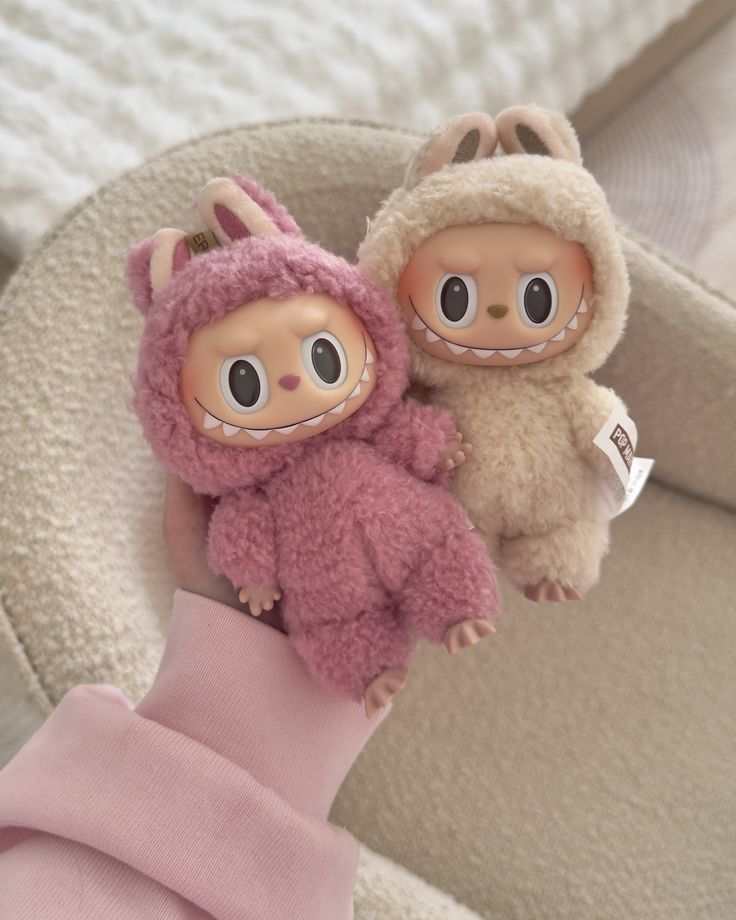
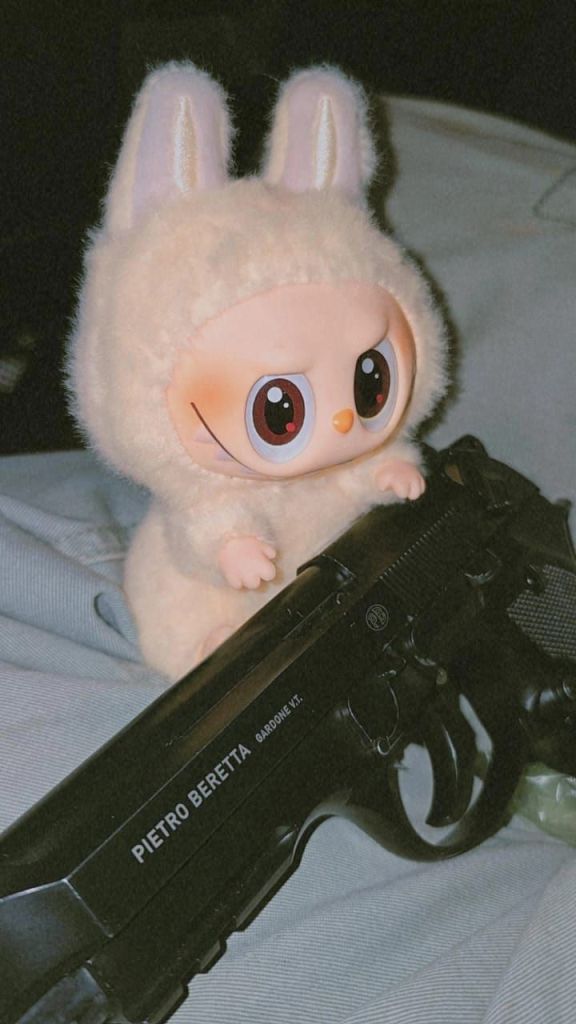
Ever since then, those evil little creatures have followed me around. I don’t even get the appeal. They are ugly. Ugly in a way that’s almost impressive. They look like the kind of doll I would personally put a curse on and gift to my worst enemy, just to watch chaos unfold.
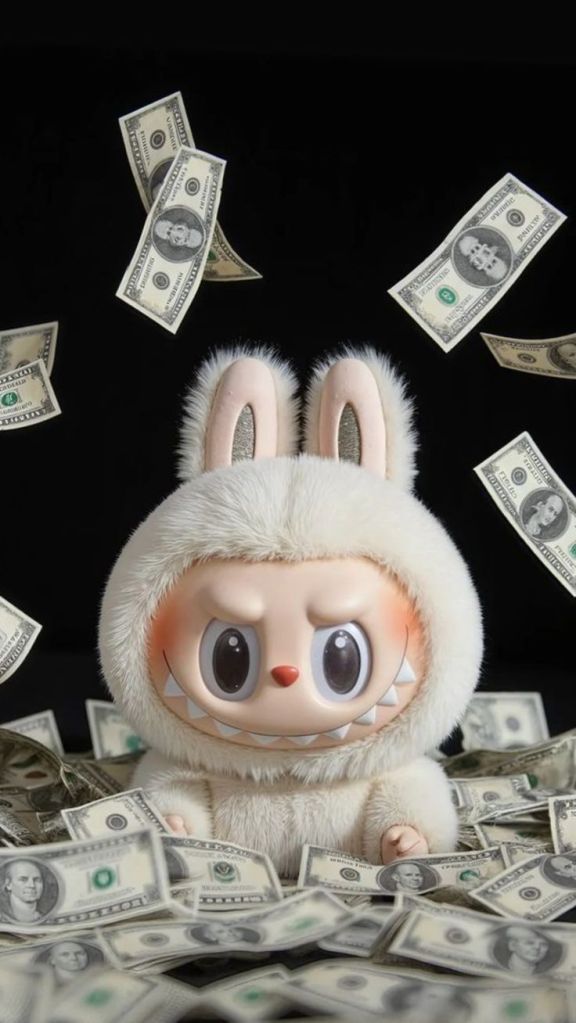
And yet, the obsession is real. People are dropping thousands of dollars just to get one. If you don’t have a Labubu, apparently you’re not just missing a plush—you’re missing life. It’s become a bizarre high-status badge.
Personally? I don’t own a Labubu, and I never will. But I had to know: how did this wave even start?
🤔What is a Labubu?
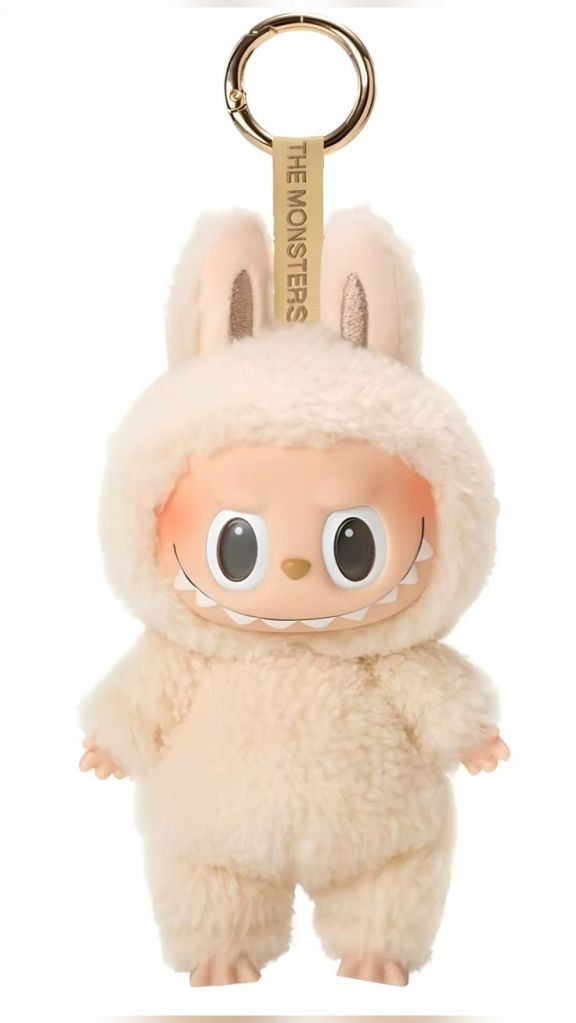
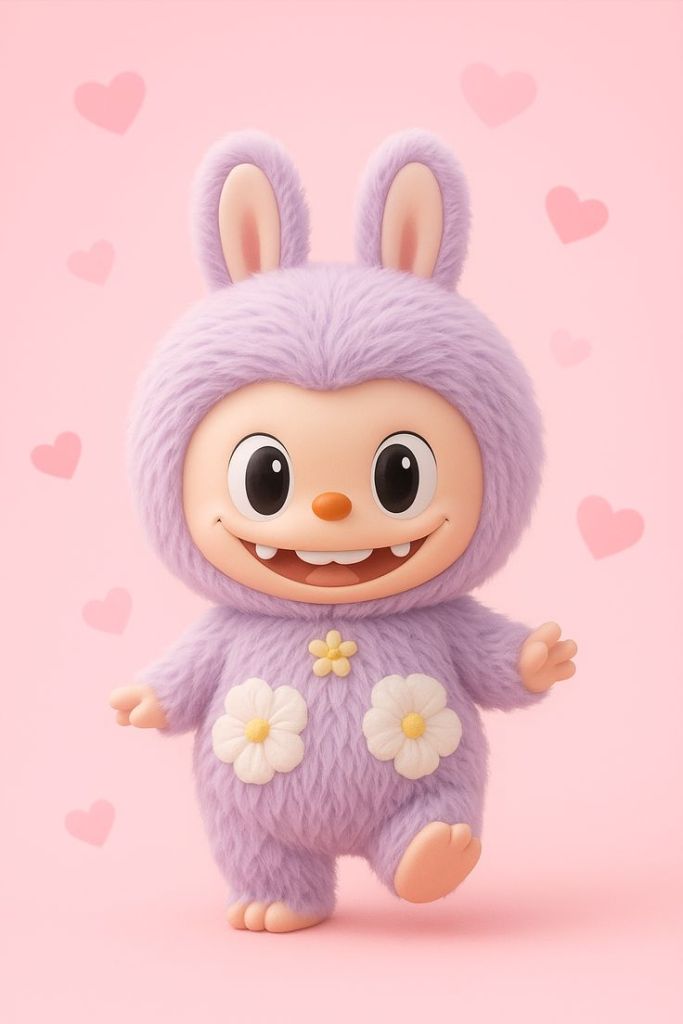
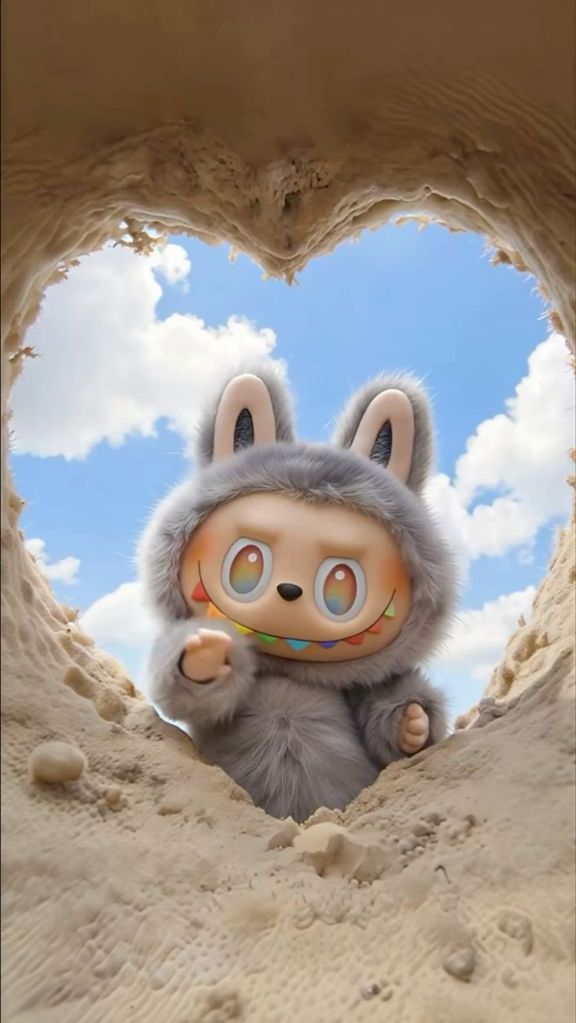
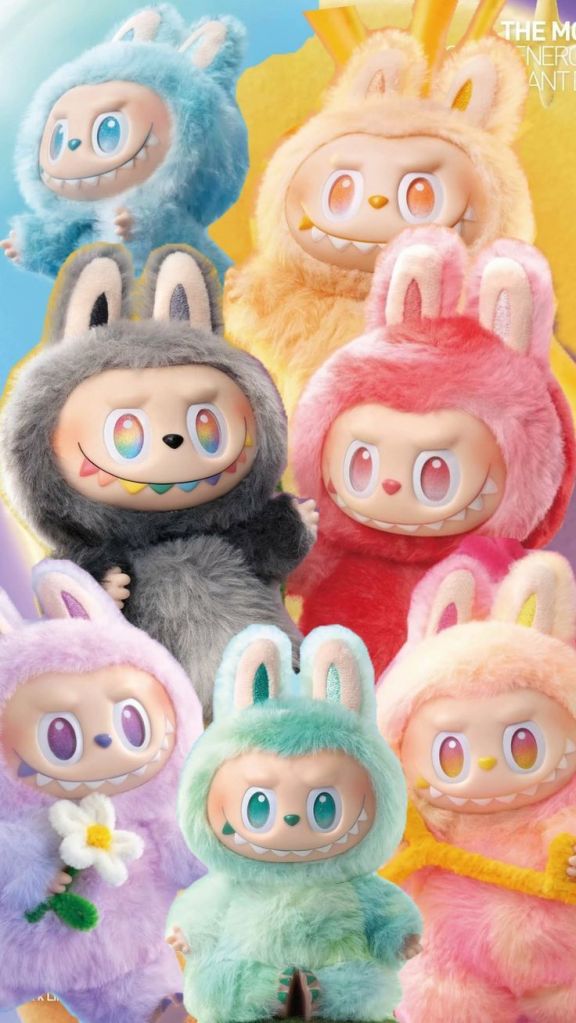
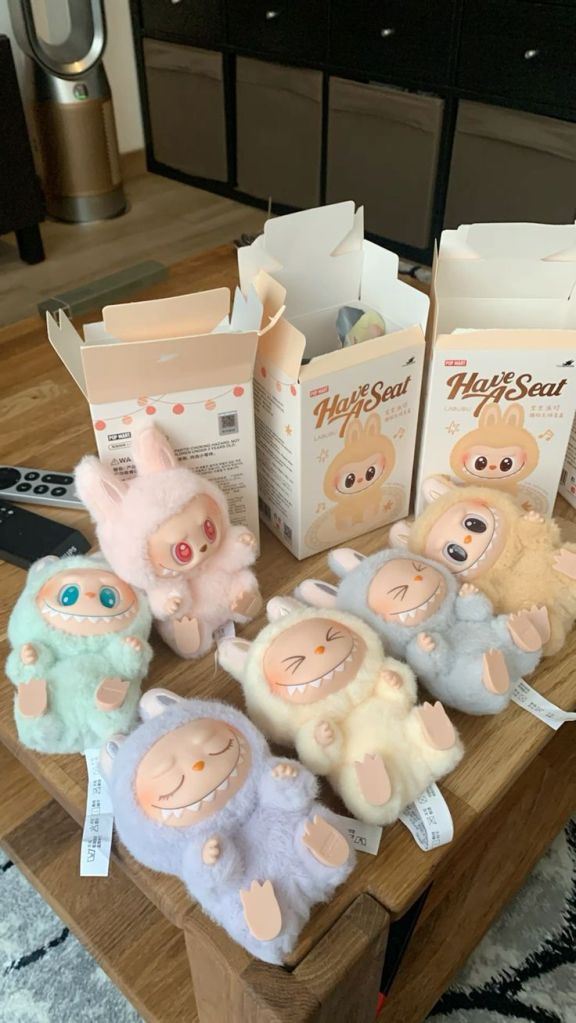
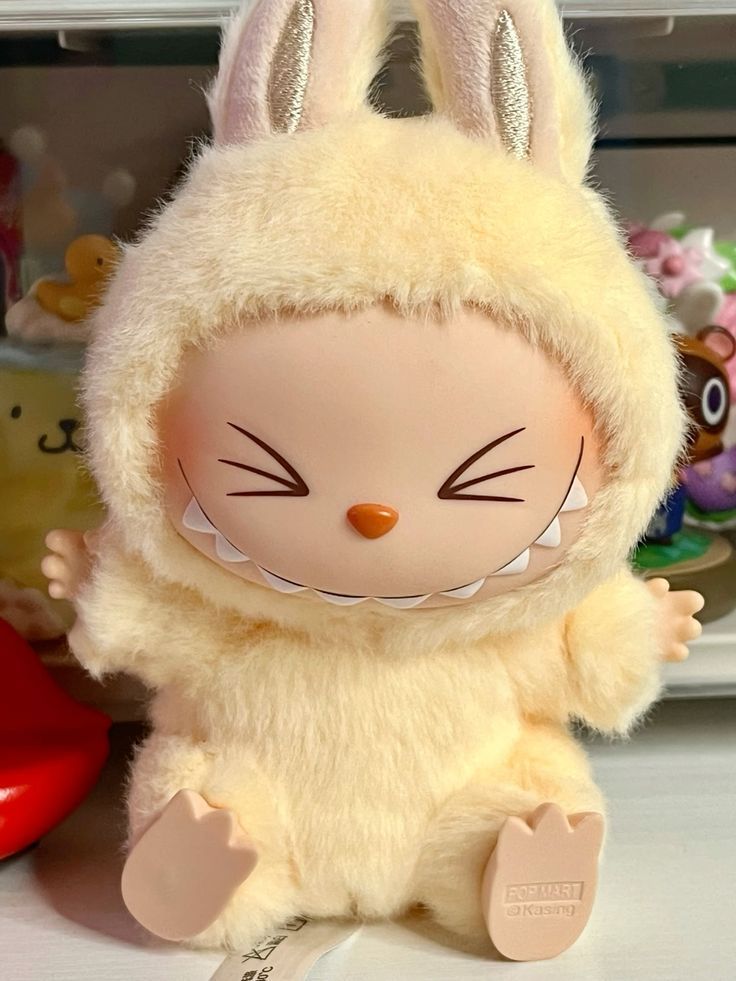
Labubu comes from the mind of Hong Kong illustrator Kasing Lung, part of his “The Monsters” series. The whole vibe is zoomorphic elves with exaggerated faces, but Labubu is the star—a scruffy, big-eared, sharp-toothed little monster inspired by Nordic folklore and forest spirits.
It started as an art toy back in 2015, living in the niche world of collectors and designer toy nerds. Then Pop Mart entered the scene, and everything changed.
✨How Pop Mart Turned Labubu into a Cultural Tsunami
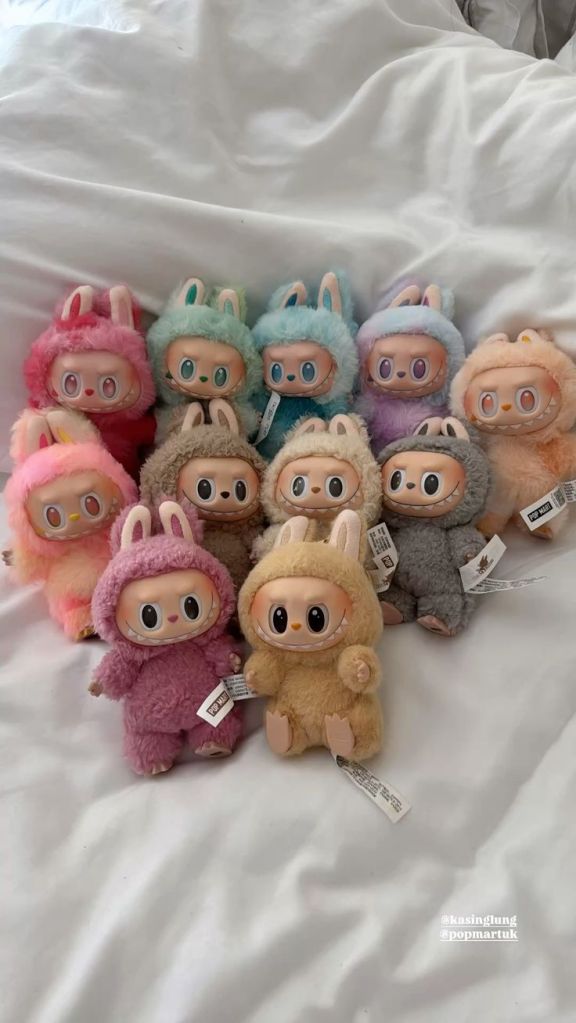
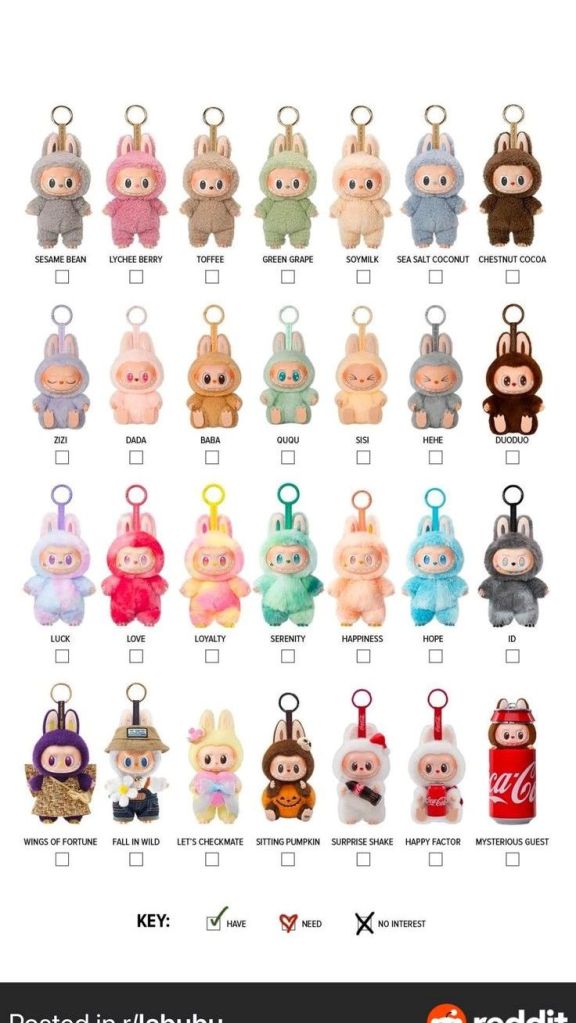
Before Pop Mart, Labubu was a niche character. After Pop Mart? It was a marketing weapon. They put Labubu into their famous blind boxes—a genius move designed to keep people buying again and again just to “win” the one they wanted. Some boxes held rare “secret” editions, making them instant lottery tickets for collectors.
Labubu’s wide eyes, mischievous grin, and pointy ears translated perfectly into palm-sized vinyl. They looked great in photos. They looked even better in unboxing videos. Pop Mart cranked the hype machine with timed drops, limited runs, and no restocks—forcing people to act fast or pay absurd resale prices later.
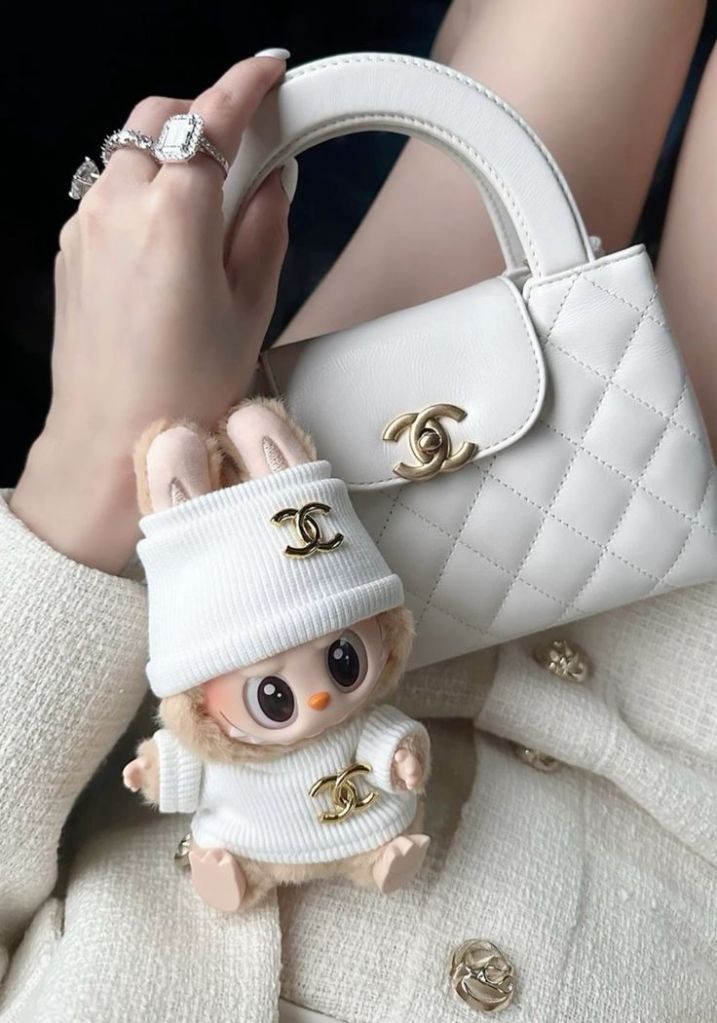
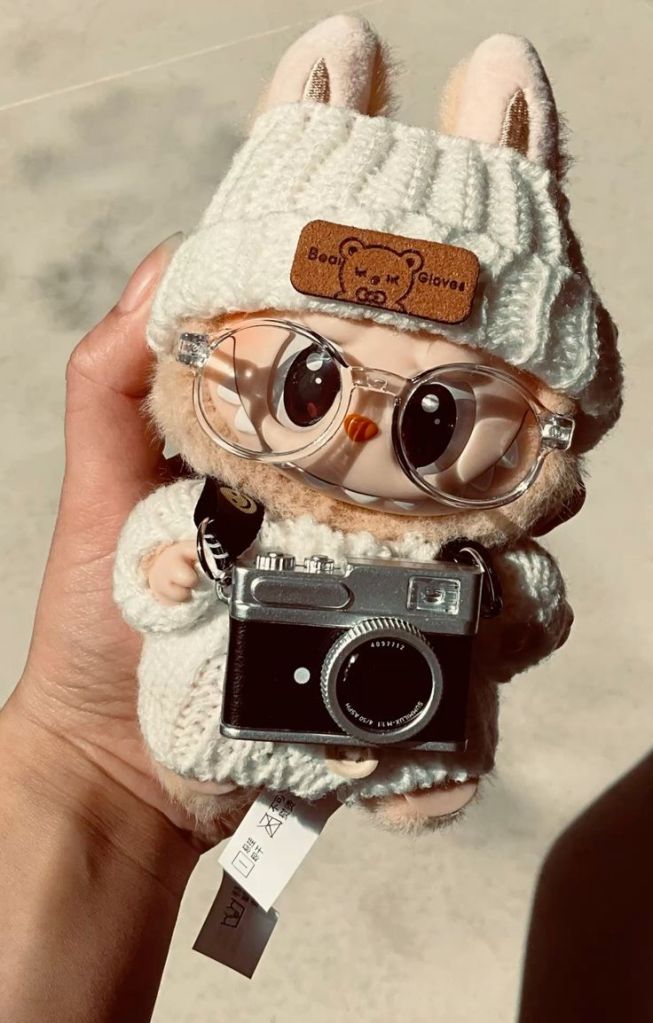
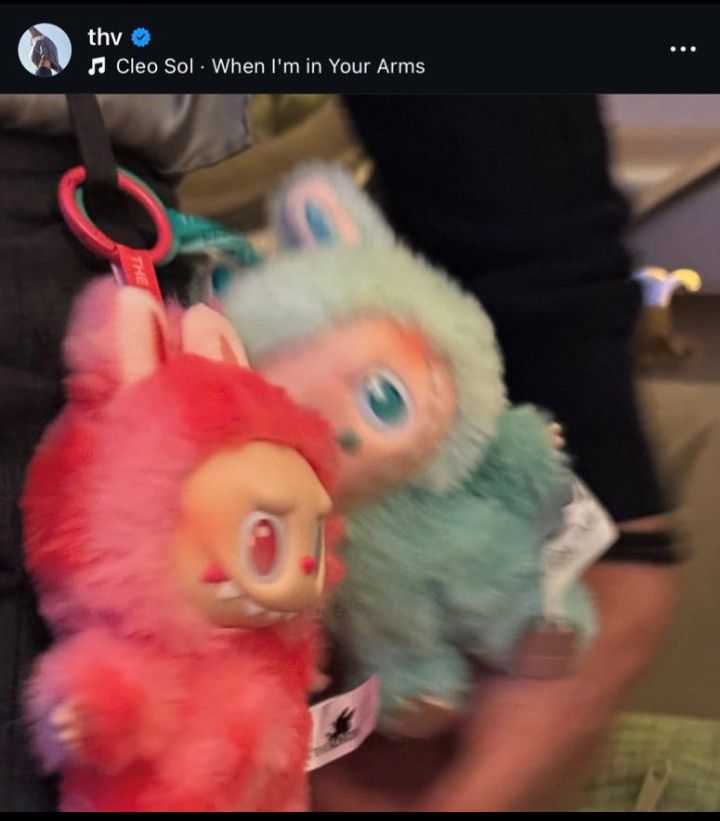
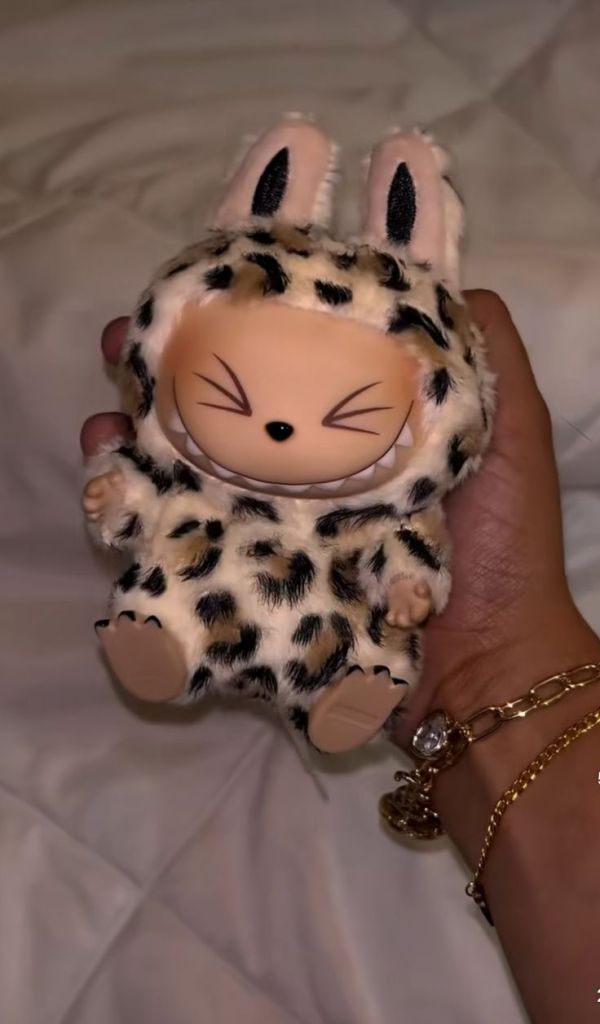
Then came the celebrity seeding. Pop Mart slipped Labubus into the hands of influencers, and before long, they weren’t just collectibles—they were fashion-adjacent status symbols. You could clip one to your Birkin and instantly signal that you were in on the trend.
💅🏻Celebrity Jet Fuel
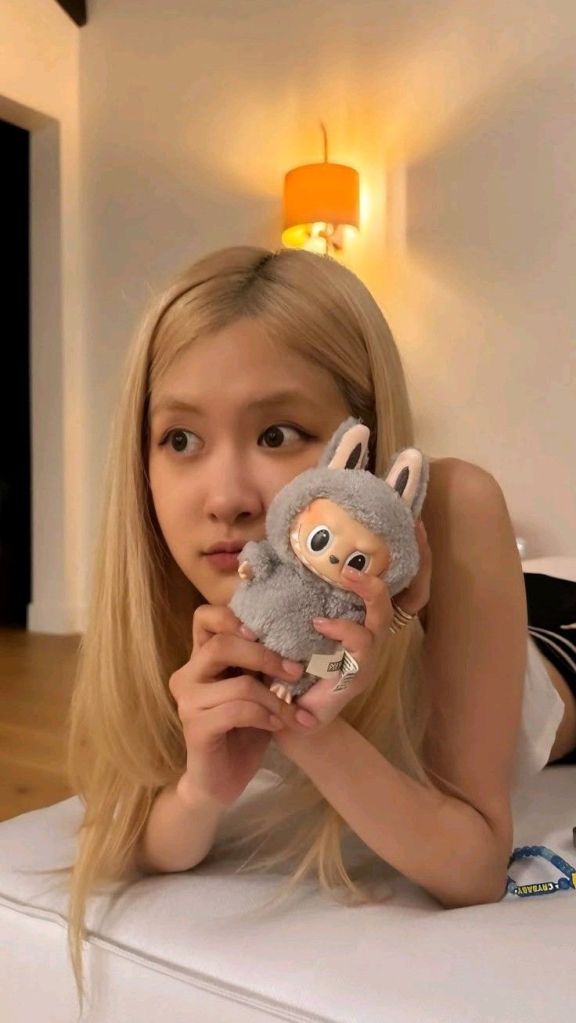
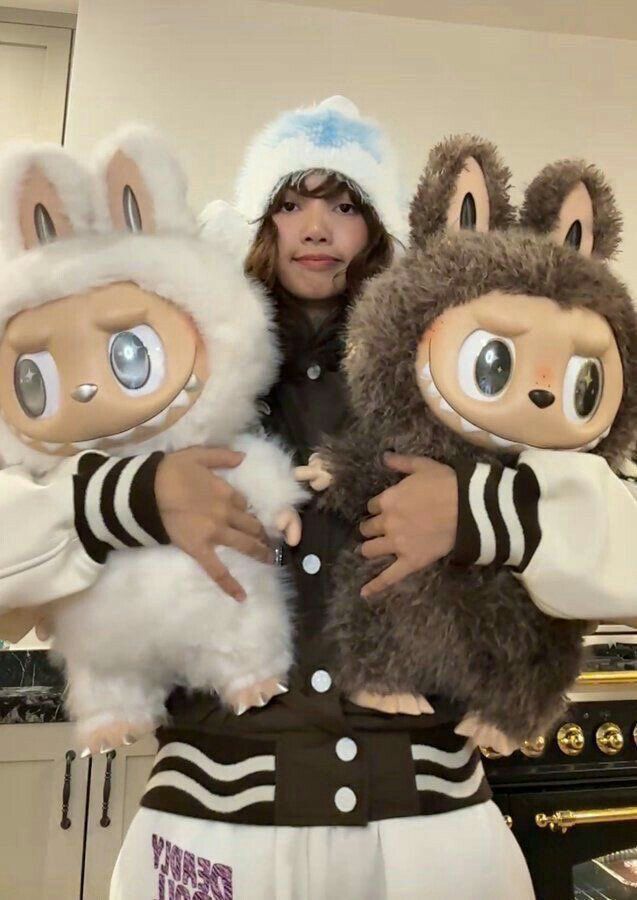
Celebrity influence didn’t just boost Labubu—it launched it into the stratosphere. Lisa from Blackpink casually carried a Labubu plush on her designer bag, and that was it. Labubu crossed over from toy-world darling to global fashion accessory.
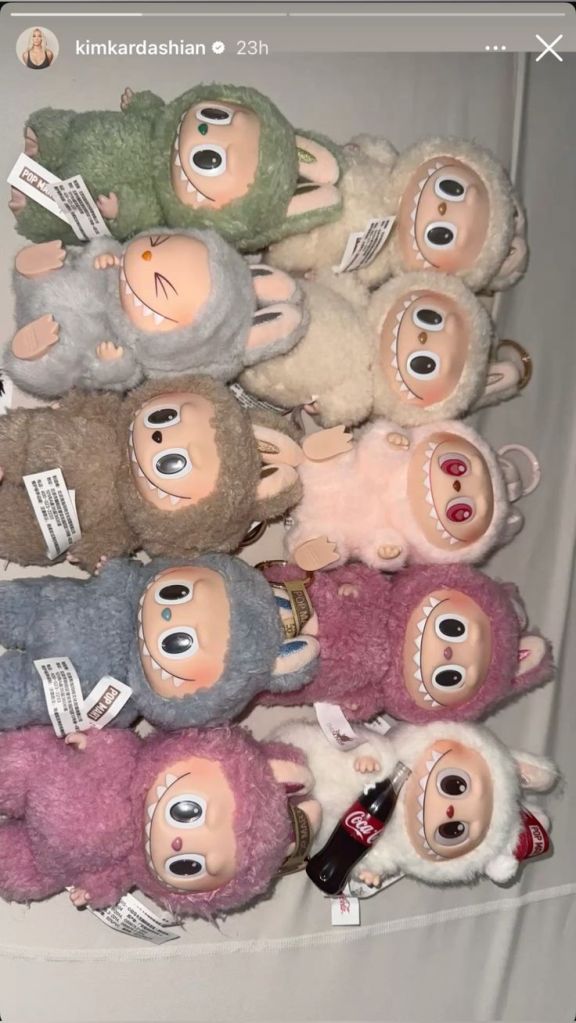
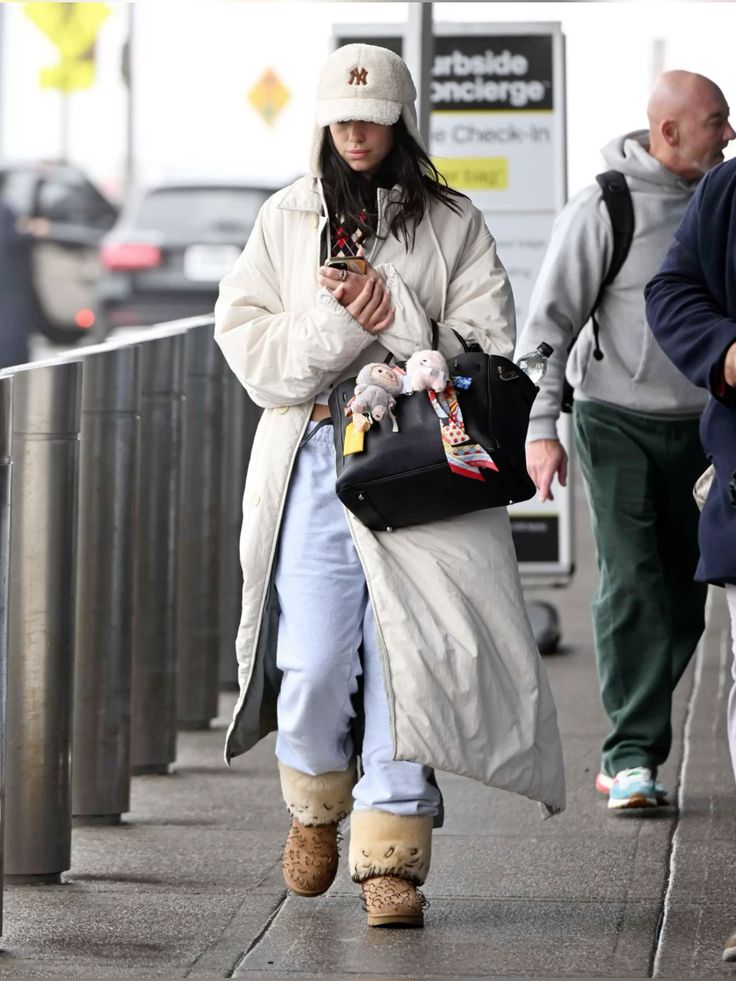
From there, it was a celebrity free-for-all. Rihanna gave it street-style credibility. Dua Lipa made it playful and luxe. Kim Kardashian turned it into a paparazzi-worthy prop. The effect? People started seeing Labubu as more than a toy. It was a signal. If you had one, you weren’t just a collector—you were part of a cultural moment.
👹From Cute to Cursed: The “Evil Doll” Rumors
With hype comes chaos. And in Labubu’s case, chaos came with a supernatural twist.
Some conspiracy-loving corners of TikTok decided Labubu looked suspiciously like the Mesopotamian demon Pazuzu—wide grin, bulging eyes, sharp teeth. Cue the spooky stories: nightmares, strange noises, bad luck, even “demonic possession” claims.
Pop Mart even leaned into it, posting a fake recall notice on April Fools’ Day about “supernatural activity,” which, of course, only made the rumors worse.
In India, comedian Bharti Singh burned her child’s Labubu on camera, calling it “Shaitaan Ka Roop” (a demonic form). In Pakistan, actress Mishi Khan warned it could attract evil spirits. Across social media, people posted stories of nosebleeds, accidents, and creepy “watchful” eyes—followed by dramatic videos of Labubus being drowned, burned, or banished.
Experts say it’s all textbook “uncanny valley” anxiety mixed with internet folklore. No actual evidence supports the idea that Labubu is evil—it’s literally inspired by Nordic fairy tales, not demons. But facts are no match for viral superstition.
👀Why People Feel FOMO
Labubu isn’t just a plush—it’s a status symbol wrapped in scarcity. Blind box culture, limited drops, and celebrity hype all work together to create a sense of urgency. People aren’t just buying the toy—they’re buying membership in a trend.
If your favorite celebrity has one and your feed is full of them, not owning one starts to feel like social exclusion. And once scarcity kicks in, the prices skyrocket, which only makes it more desirable.
🗣️The Good, the Bad, and the Ugly
The good: It’s a shared cultural moment. Fans connect over trades, unboxings, and styling. It fuels creativity, boosts Pop Mart’s business, and even supports indie creators making Labubu-inspired merch.
The bad: Resale market gouging, compulsive overspending, and trend burnout. Plus, the whole “evil doll” panic can actually cause anxiety and lead to bans, which is wild for something that’s basically a fuzzy goblin.
The ugly: One day, Labubu will be everywhere, and the same people who fought for one will pretend they never cared. That’s the internet for you.
🧠How to End the Madness
Want to kill the Labubu hysteria? Stop feeding it. Don’t share the cursed doll TikToks, stop paying scalper prices, and remember that no toy should dictate your social worth.
Also—maybe accept that not every plush with sharp teeth is a harbinger of doom. Sometimes it’s just a scruffy little monster from a Hong Kong illustrator’s imagination.
💓Conclusion
Labubu is the perfect storm: part art, part marketing genius, part internet fever dream. Pop Mart, celebrities, and social media made it unavoidable, and now it’s living rent-free in our cultural consciousness.
Enjoy it if you love it. Ignore it if you don’t. And if you really hate it? Well… you could always put a curse on it and gift it to your enemy.
I always think it’s just me, but I recently found out, people say the work “like” a lot.
People is either so much, “like” went from being a perfectly innocent word to the verbal glitter of our sentences. It sticks to everything, whether it belongs there or not.
People toss it into conversations like [….…see, there I go 😭] sprinkles on a cupcake. Except instead of making things better, it makes us sound like we’re buffering mid-sentence.
“Like, I was literally dying.” “Like, she was so rude.” “Like, I don’t even know.” “Like, thats real”
At this point, I could drink every time someone says “like” and need a liver transplant before brunch.
I’m not judging from a high horse here. I am a repeat offender. Sometimes I’ll catch myself talking and count six “likes” in a single breath. It’s humbling. And mildly horrifying.
Here’s the thing—when we strip “like” out, our sentences suddenly sound sharper. More confident. Less like we’re narrating a reality TV confessional.
So, here’s my challenge: next time you feel a “like” creeping in, pause. Replace it with… silence. Or, you know, an actual word. Your conversations will thank you. And so will your dignity. 🤭💕
Happiness doesn’t always come in grand life-changing moments. Sometimes, it’s in the quietest corners of our day. It’s in the lipstick that makes you feel like that girl, the playlist that makes you dance like nobody’s watching, and the conversations that stretch into hours.
So, here’s a list of 30 things (small joys and core loves) that genuinely light me up. If you’ve been feeling a little disconnected from what makes you smile lately, maybe this will inspire you to make your own list too. Let’s romanticize life again, shall we?
1. Myself
First and foremost. Learning to enjoy my own company, be my own safe space, and actually like who I’m becoming? Underrated and life-changing.
2. Dancing
Whether it’s at a party or in my room with no audience. Dancing is my happy language.
3. Spending Time with Friends
The soul-nourishing, laugh-till-you-cry kind of moments with my girls? Nothing beats that.
4. Writing
Putting thoughts into words, journaling, or even drafting blogs like this — it’s therapeutic.
5. Going Out
Not every day, but when the vibe is right? Dressing up and stepping out is pure joy.
6. Peace
Silence. No drama. Just me, my thoughts, and a calm environment. Pure bliss.
7. The Night Sky & Moon
There’s something about the moon that makes everything feel softer. Magical, even.
8. Dressing Up
Putting together outfits, experimenting with styles. Fashion is my armor and expression.
9. Makeup
Not to hide anything, but to play, express, and glow.
10. Skincare
A ritual, not a routine. Taking care of my skin = taking care of my energy.
11. Reading
Books, poetry, random internet essays — if it feeds my mind, I’m happy.
12. Relaxing
Doing absolutely nothing. Sometimes that’s exactly what the soul needs.
13. Exercising
The energy boost, the sweat, the self-discipline — it all makes me feel powerful.
14. Watching Netflix
Let’s be honest — some days, all you need is a binge-worthy show and a snack.
15. Going for Movies
Solo or with friends, there’s just something nostalgic about movie nights.
16. Eating My Favourite Food
Nothing deep here. Good food = good mood. Always.
17. Shopping
Retail therapy is real. And no, I don’t want to be saved from it.
18. Greenery
Parks, plants, or even scrolling through aesthetic nature reels — it calms me down.
19. Watching Stars
Late-night sky gazing = romanticizing life 101.
20. Spending Time with Kids
Their energy, honesty, and joy? So refreshing.
21. Talking for Hours
Deep conversations that go from laughter to life advice to dreams? I live for them.
22. Visiting Cafés & Restaurants
New places, cozy vibes, good coffee. Always a yes from me.
23. Feeding My Curiosity
Googling random questions, learning about new things, exploring ideas. I love it.
24. Thinking About My Life & Dreams
Not in a stressful way — more like dreaming, planning, visualizing. It’s motivating.
25. Making Pinterest Moodboards
A digital vision board for all my moods, aesthetics, and future plans.
26. Journaling
Putting thoughts on paper clears my head like nothing else.
27. Making Videos & Taking Pictures
Capturing moments that make me happy so I can relive them later.
28. Week Offs from Work
That guilt-free “I can sleep in” energy hits so right.
29. Festivals (Because We Get Offs)
A break, some fun, and a little cultural sparkle — I love it all.
30. Buying Gifts for Friends
Nothing makes me feel more warm and fuzzy than picking out something for someone I love.
In Conclusion 💅🏻 :
Happiness isn’t always some far-off goal, it’s already scattered all over your day. You just have to slow down and notice it.
This list may look simple, but it’s made up of all the things that ground me, excite me, and remind me why life is beautiful, even when it’s messy.
So, what makes you happy? Maybe it’s time to write it down.
From Group Chats to Quiet Check-Ins: What Growing Up Does to Friendship
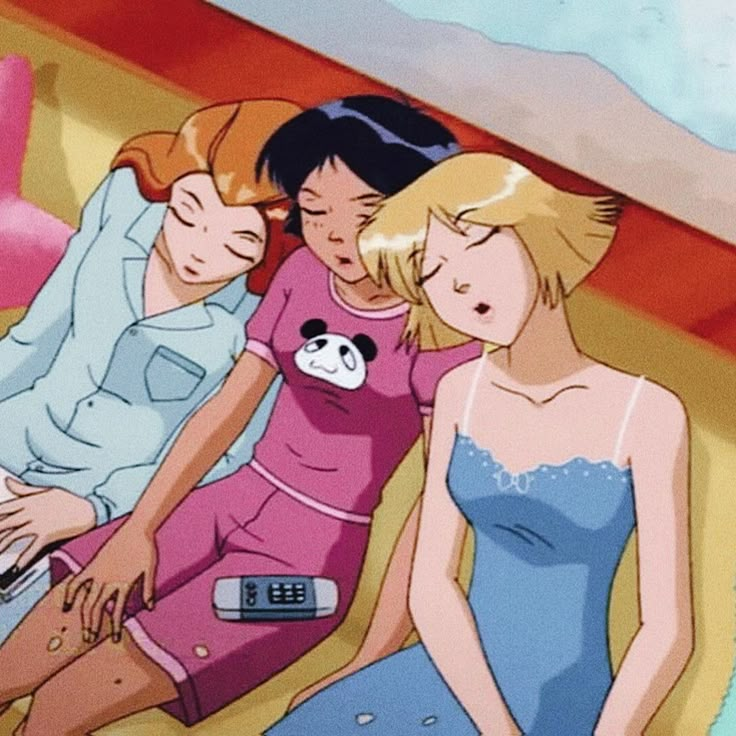
When I was younger, I was always surrounded by a big group of girlfriends. We’d hang out constantly — birthday parties, secret hangouts, sharing secrets, fighting over silly things, and making up just as quickly. It was chaotic, loud, and kind of beautiful.
But then life happened. I changed schools, some of my closest friends drifted, and despite years of being inseparable, there were fallouts, secrets, and so much unspoken negativity. Some of the girls I thought would be around forever? We don’t even follow each other anymore, let alone talk.
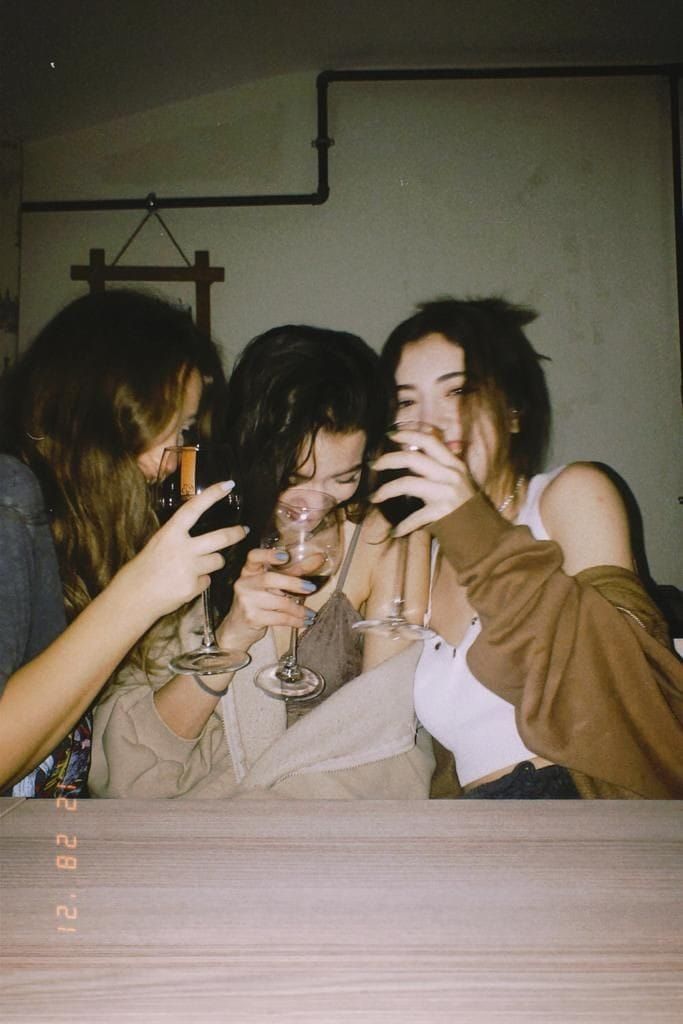
And yet — in the middle of that chaos, a few rare friendships quietly held on. I made two best friends who are still with me to this day. We don’t fight much, we understand each other’s moods, and even when we argue (because hello, we’re human), it’s never destructive. We support each other like a little three-woman wolfpack. And honestly? That taught me everything I needed to know about real, adult friendships.
Now, in my late 20s, I’ve realized that the way we connect with people — especially women — transforms completely. But instead of mourning that change, I’ve learned to embrace it.
Why Do Friendships Change in Your Late 20s?
Friendships don’t just disappear — they evolve. Your 20s are the emotional rollercoaster of adulthood: career moves, heartbreaks, identity crises, glow-ups, therapy, moving cities, and reevaluating everything you thought you knew.
And all of that impacts how, when, and who you connect with.
👣 Diverging Life Paths
One of your besties might be getting married and buying a house. Another is in Bali starting a YouTube channel. You? You’re grinding a 9-to-5 and wondering if Mercury is in retrograde. Everyone’s on a different track — and that can stretch friendships.
🧠 Increased Individual Focus
Late 20s are the era of the inner glow-up. People are healing, switching careers, learning to budget — life gets busier. There’s less time for spontaneous brunches and endless texting.
🔄 Shifting Priorities
Friendships that once revolved around gossip and clubbing now crave depth. You want to talk about mental health, finances, and existential dread — not just who’s dating who.
💔 Emotional Heaviness
Real life gets heavier. Friends lose parents. Someone gets laid off. Someone else moves abroad. Friendships need emotional bandwidth — and not all survive that demand.
📅 You Have to Schedule Everything
Gone are the days of spontaneous hangouts. Making plans now feels like syncing calendars for a NASA launch.
🌱 New Friendships Bloom
And yet, new bonds form — with coworkers, gym buddies, or neighbors. They’re not “replacements.” They’re a reflection of the person you’re becoming.
So… Is That a Bad Thing?
Not at all. Shifting friendships = personal evolution. You’re learning what energizes you, what drains you, and who deserves your time.
Why a Strong Girl Group Is ESSENTIAL in Your Late 20s
Not 15-person brunch squads. Not flaky party friends. I’m talking about your ride-or-die, hype women, emotional support crew, and mirror-holders.
💬 Shared Struggles, Real Talk
Everyone gets the career anxiety, the dating dread, the “am I falling behind?” spiral. You talk. Cry. Laugh. Together.
💗 Support Without Judgment
They hype you up on your best days and hold space on the worst. No competition. Just love.
💪 They Keep You Accountable
They push you to apply for that job, remind you not to text your ex, and celebrate your wins like it’s Met Gala night.
💅 Confidence Boosters
Real queens fix each other’s crowns — and your late-20s girl group? They’re the whole royal council.
🤝 Community = Survival
Adulting is lonely. A tight circle makes the chaos bearable and the joy way more real.
Why Is Friendship in Your Late 20s Important?
Your 20s are when the plot really thickens. And when it does? You want friends who get it.
1. Sanity Check Squad – The ones who remind you social media isn’t real life.
2. Emotional Grounding – Better than your therapist knowing your coffee order? Your bestie who knows both.
3. Life GPS – Helping you navigate job chaos, dating trauma, identity shifts, and everything in between.
4. Mutual Growth Vibes – Real ones call you out and cheer you on.
5. They’re Your Anchor – When life’s loud, they bring you back to yourself.
Is It Possible to Survive Without Close Friendships?
Technically? Yes. But spiritually? Emotionally? Energetically? Not really.
You don’t need a whole village. Just one or two people who see you, get you, and stay.
In Conclusion: Let It Change, But Don’t Let It Die
Friendship in your teens is about quantity. Friendship in your late 20s? Pure quality.
It’s not about who you talk to daily — it’s about who’s still there when life gets messy. Your circle might shrink. Your priorities might shift. But your need for connection? That never fades.
So check in. Reconnect. Let go of what’s expired. And pour love into what still feels right.
Because growing up doesn’t mean giving up on friendship. It just means learning how to carry it — more gently, more intentionally, and more beautifully.