I always used to think, no one inspires me. I don’t admire anyone. There was no human dead or alive that made me look at them and think that I want to be like them.
I used to think admiration was about liking someone’s personality or being moved by their kindness. Turns out, that wasn’t true for me. When I really sat with the question, I realized the thing that sparks my admiration isn’t charm, talent, or even confidence.
It’s long-term consistency.
Not the glamorous version people post online. I’m talking about the unsexy kind: showing up when it’s inconvenient, boring, or emotionally heavy. The type of consistency that builds something bigger than the person who started it.
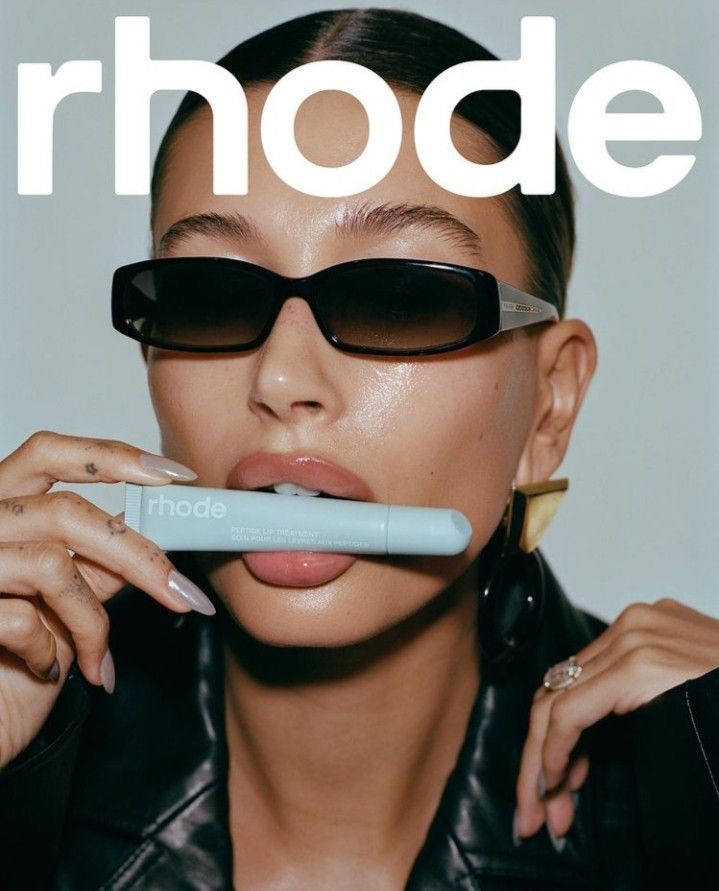
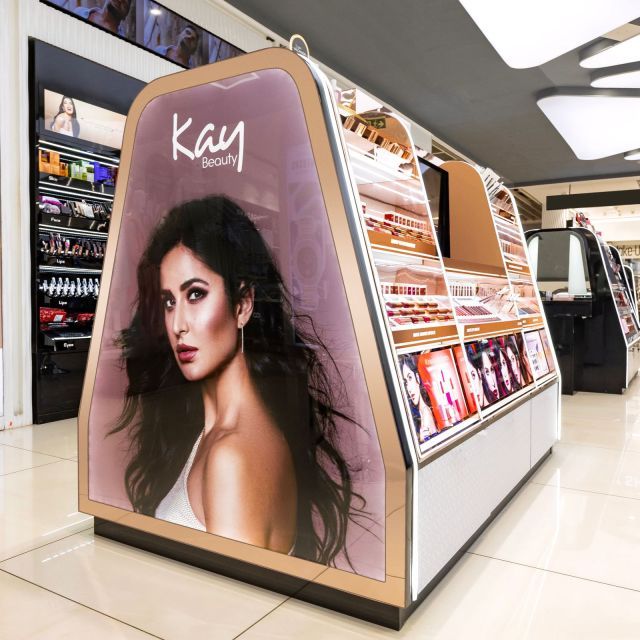
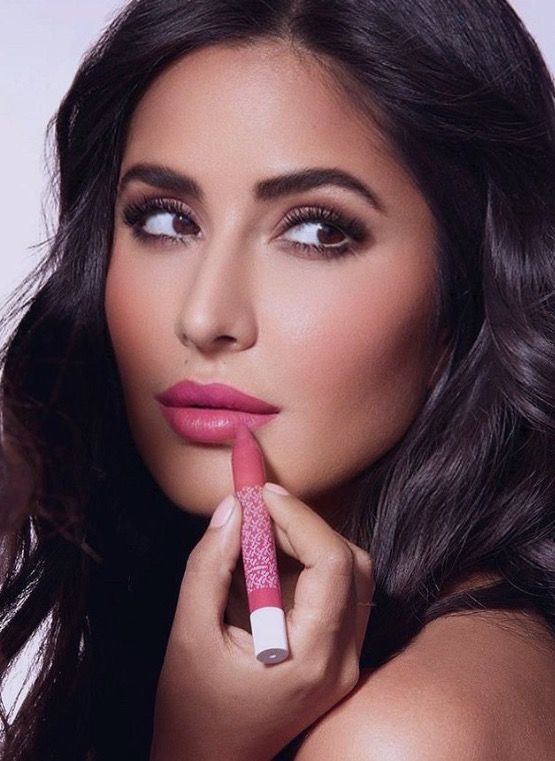
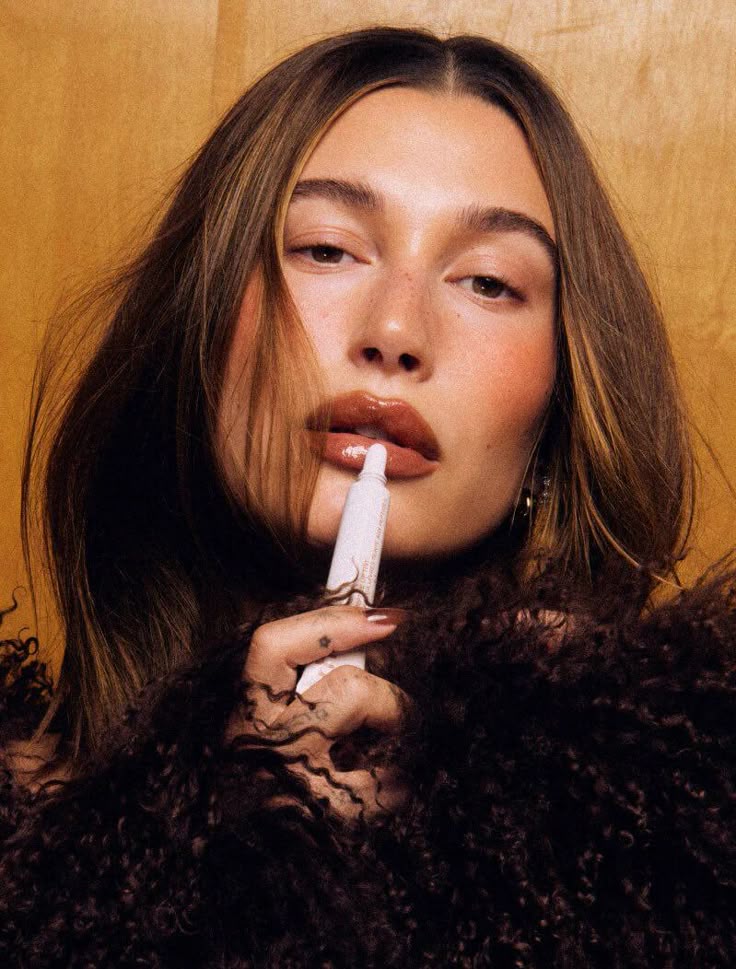
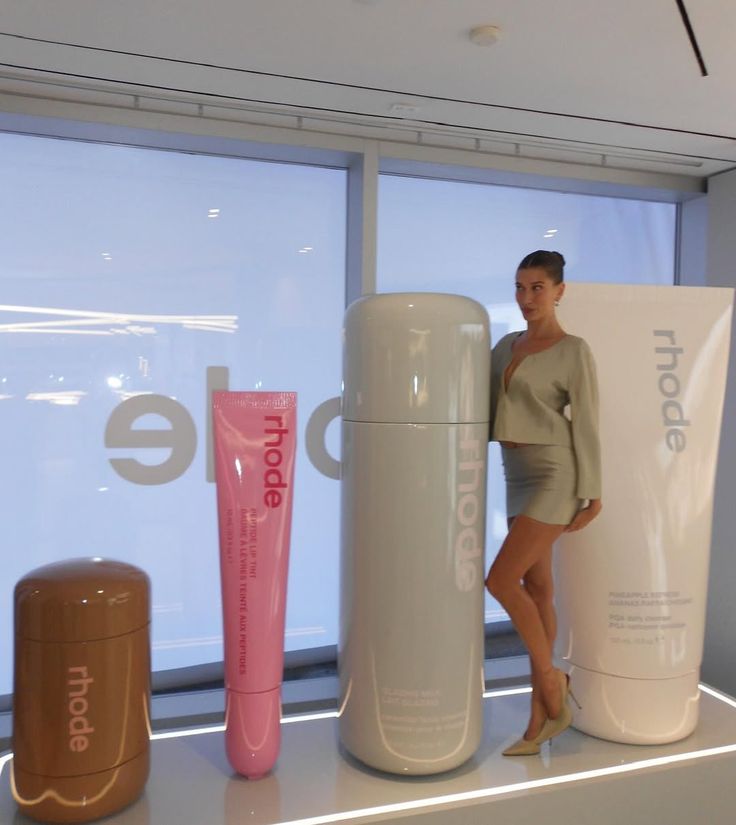
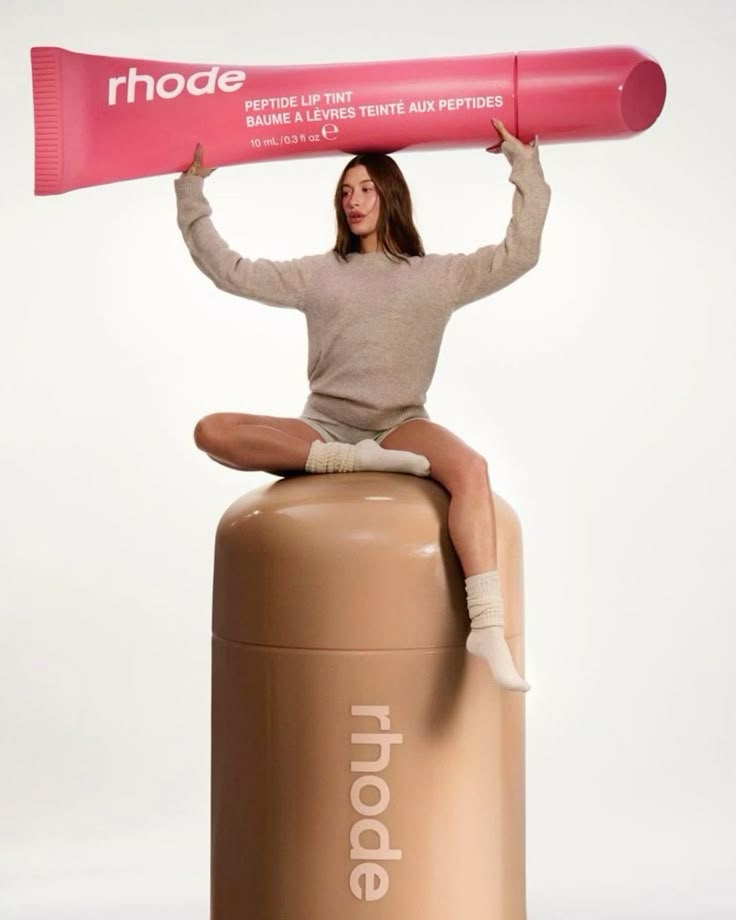
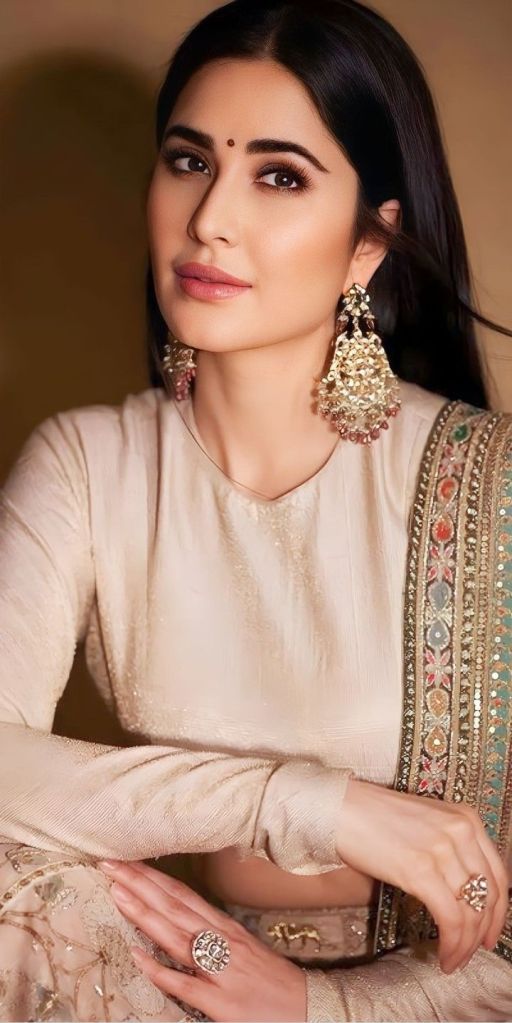
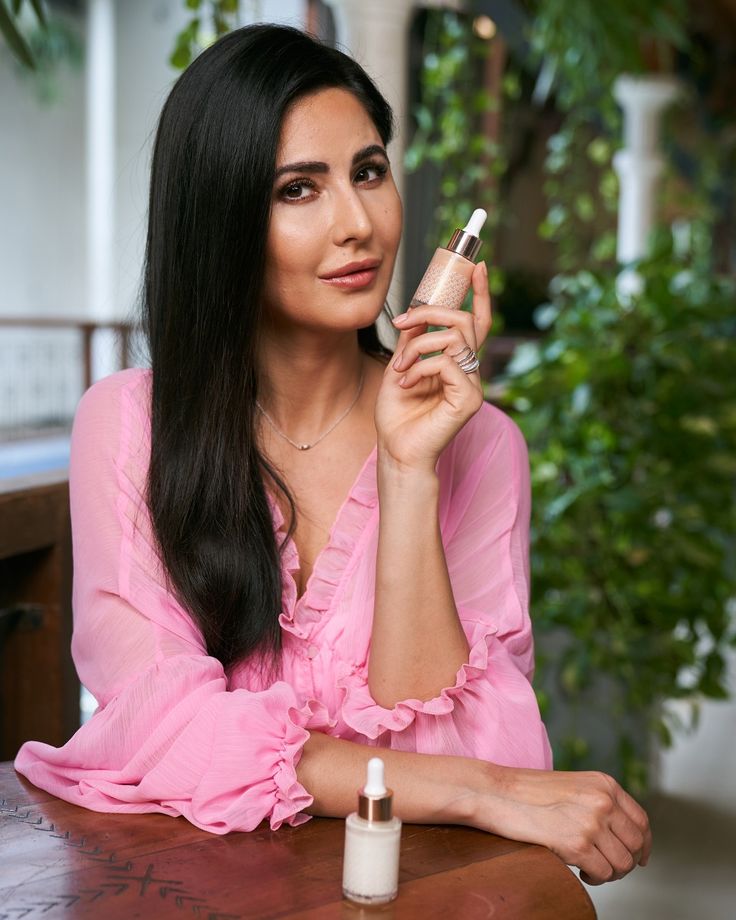
Two women make this painfully clear for me: Katrina Kaif and Hailey Bieber.
Both of them walked into industries that could have swallowed them whole. One was a nepo baby and the other was deemed as only a pretty face. Both were seen as not talented enought. Both had narratives attached to them that could have reduced their entire identity to someone else’s shadow. And they could have stayed there—pretty faces, famous boyfriends, famous husbands, easy stereotypes.
But they didn’t.
They built. They evolved. They stayed consistent long enough to create something that wasn’t dependent on anyone else.
Katrina built Kay Beauty with steady, methodical focus that took years, not months. Hailey built Rhode with the exact kind of discipline people underestimate until the results become impossible to ignore.
Here’s why that hits me so hard.
It’s not just admiration. It’s recognition.
What I admire in them is what I want from myself: the ability to build something that outlives phases, moods, relationships, or excuses. The ability to choose discipline even when life throws setbacks, sickness, or self-doubt into the mix. The ability to rely on myself as my own source of stability, identity, and growth.
Consistency isn’t glamorous, but it is powerful. And every time I admire it in someone else, it’s really a nudge toward the version of me I’m trying to grow into—someone who shows up for her work not only when she feels inspired, but especially when she doesn’t.
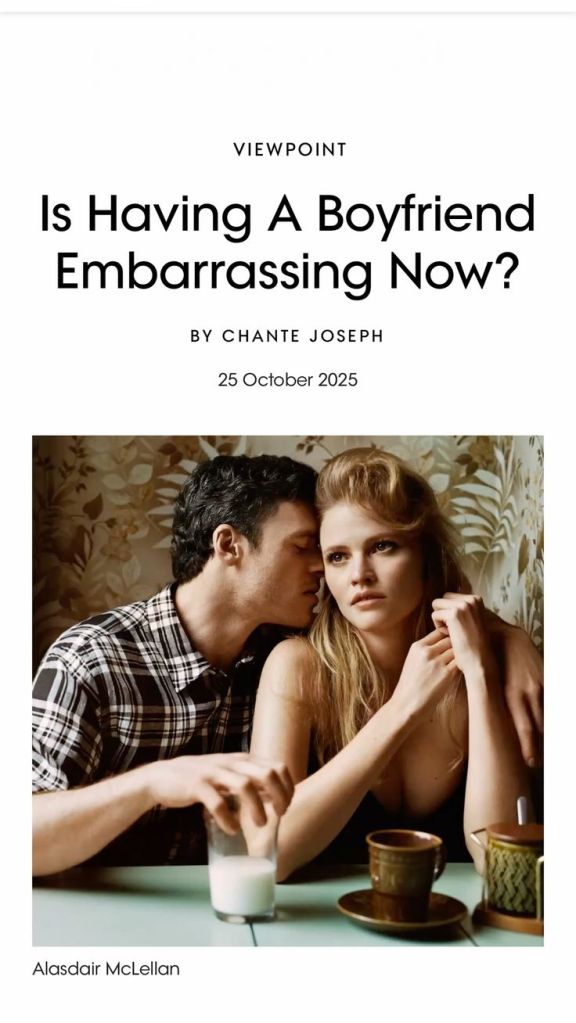
Is Having a Boyfriend Embarrassing Now? Or Are Women Just Finally Choosing Themselves?
I was scrolling Instagram (yes, again 😭) when reels about a new Vogue article started flooding my feed. The headline was loud enough: Is Having a Boyfriend Embarrassing Now? by Chanté Joseph. Women were stitching, reacting, and laughing about how “uncool” relationships suddenly feel.
And I’ll be honest — I understood it immediately. I used to feel embarrassed every time I had a boyfriend. I felt smaller, softer, less myself. Maybe that’s why I’ve been single for years and genuinely living my best life.
Chanté writes: “This is also happening alongside a wave of women reclaiming and romanticizing their single life. Where being single was once a cautionary tale (you’ll end up a “spinster” with loads of cats), it is now becoming a desirable and coveted status—another nail in the coffin of a centuries-old heterosexual fairytale that never really benefited women to begin with.”
She’s right. But that’s only the surface. There’s a deeper cultural shift happening, and it’s worth unpacking.
Let’s talk about it.
Is Having a Boyfriend Actually Embarrassing?
Not really. What’s embarrassing is dating someone who lowers your energy — or becoming a smaller version of yourself to keep the relationship alive.
Here’s why the idea has gained traction:
1. Many relationships look low-standard
A woman who’s driven and interesting ends up with a guy who looks lost, sloppy, or unambitious. The mismatch is what people cringe at.
2. Too many women lose themselves in relationships
When your entire personality turns into “my boyfriend,” it reads insecure, not romantic. Losing your edge isn’t aspirational.
3. Relationships became content
The curated TikToks, the performative affection, the need to prove happiness — it all looks forced.
4. Independence now looks aspirational
Freedom, standards, options — that’s the vibe. A relationship can look like giving that up, even when it’s not true.
5. Most couples aren’t inspiring
They’re settling for each other, not elevating each other. People pick up on that instantly.
6. Your partner reflects your taste
If he’s a mess, people silently assume you are too. The judgment falls on women, not men.
7. The “boyfriend” label still carries outdated baggage
Clinginess, predictability, emotional drama — a lot of people still associate the role with all that.
A relationship only feels embarrassing when it shrinks you instead of expanding you. And society is finally saying it out loud.
How Patriarchy Shaped This Feeling
Women aren’t rejecting relationships because it’s fashionable. They’re rejecting the blueprint patriarchy handed them.
1. The girlfriend role was designed to make women smaller
Be patient. Be sweet. Be forgiving. Be supportive. Men weren’t taught to reciprocate, so relationships felt like emotional labor camps for women.
2. Men weren’t raised to be good partners
Patriarchy didn’t teach them emotional intelligence, accountability, or how to care for someone. So a lot of modern relationships feel imbalanced and draining.
3. Women get judged harder for their partner’s flaws
If he embarrasses himself, it reflects on her. Patriarchy made women responsible for men’s behavior — and women know it.
4. Independence is finally real
Women used to need men to survive. Now they have money, careers, friendships, autonomy — so relationships are optional, not mandatory.
5. Being single signals power, not failure
It reads as self-respect, freedom, and individuality.
6. Men aren’t matching women’s growth
Ambition, emotional maturity, discipline — many men are behind. The gap is the embarrassment.
7. Women want to be met, not claimed
The old model of men “claiming” women doesn’t land anymore. Women want equals, not owners.
So no, the idea of a boyfriend isn’t uncool. The idea of stepping back into a patriarchal girlfriend role is.
How Women Are Breaking Free
This isn’t “girlboss energy.” This is women refusing to play roles that never served them.
1. Ambition over approval
Women are building lives that don’t revolve around being chosen. Money, career, lifestyle, identity — they come first.
2. No more lowering standards
One red flag and she’s gone. That’s autonomy, not coldness.
3. They’re done romanticizing struggle
No more mothering grown men. No more emotional heavy lifting.
4. Self-investment is the new norm
Skills, solo travel, fitness, career growth — women are investing in themselves the way men were once allowed to.
5. They’re more interesting single than with the wrong man
Being single lets their identity breathe.
6. Stronger female networks
Women now rely on each other for emotional grounding. That’s powerful.
7. Rejecting the “girlfriend aesthetic”
They don’t want to be accessories or caretakers. They want to be the protagonist.
8. Calling out mediocrity
“If he can’t meet me where I am, I’d rather be alone.” That’s not hostility. That’s clarity.
9. Redefining adulthood
Marriage and kids aren’t the finish line. Self-defined life is.
Bottom Line
Women are breaking free by finally living like they matter more than the roles patriarchy gave them. Not aesthetically. Not performatively. But in real, tangible ways.
Conclusion
Women aren’t embarrassed by love — they’re embarrassed by the outdated relationship model that required them to shrink, compromise, and center a man’s needs over their own. With independence, ambition, community, and financial autonomy, women no longer see the traditional girlfriend role as aspirational. A relationship is only worth having if it expands their life instead of minimizing it. Anything that pulls a woman back into a version of herself she’s outgrown feels uncool — not because she’s anti-love, but because she’s done disappearing into someone else’s story.
Innocence (bubblegum, baby cheeks, first crush type vibe)
Hope & Calm (pale pink especially has a calming, almost therapeutic quality)
🧠 Psychologically speaking:
Pink reduces aggression (Fun fact: some prisons in Switzerland are painted pastel pink to calm inmates. It’s called “Cool Down Pink.”)
It often feels safe, familiar, comforting, like childhood nostalgia.
But too much of it can also be seen as naive, overly soft, or performative.
⚡ In Gen Z & pop culture:
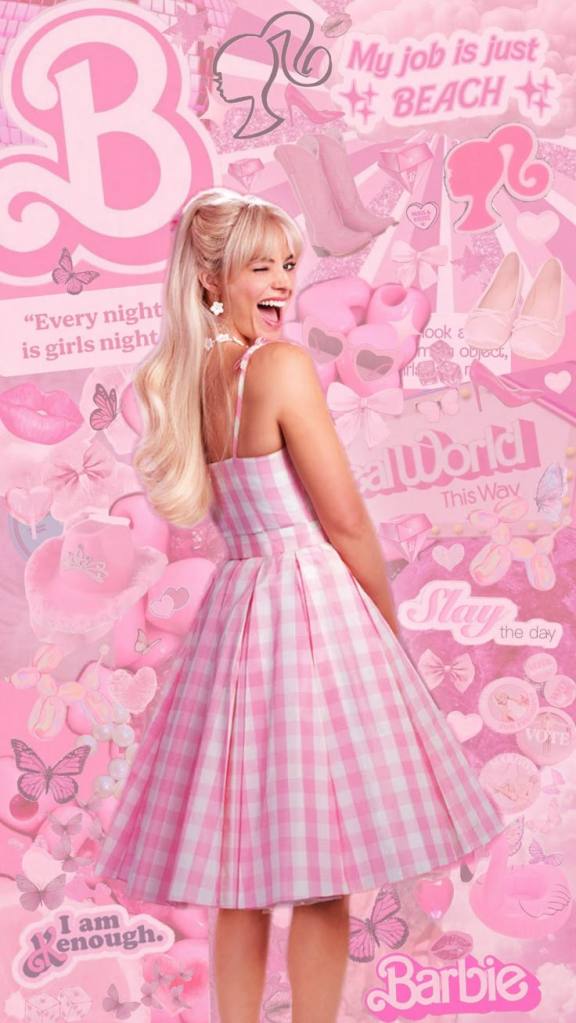
Pink has been reclaimed. It’s not just “girly” — it’s powerful, punk, and political (hi, Barbie movie, breast cancer awareness, and Mean Girls).
Pink is now a weapon and a vibe. It’s giving “I will cry and ruin your life.”
When did people started hating and stereotyping Pink?
People started hating on pink around the mid-20th century, when it got aggressively gender-coded as “feminine” — and being feminine became something to mock, limit, or rebel against.
Let’s break it down by timeline and drama:
👶 Early 1900s: Pink Was for Boys?!
Yep, back in the day, pink was considered a strong, masculine color because it was a “light red.” Blue, on the other hand, was seen as delicate and dainty — perfect for girls. Wild, right?
> “The generally accepted rule is pink for the boys, and blue for the girls.” — Earnshaw’s Infants’ Department, 1918
💄 1950s: Pink Becomes Femme AF
Enter post-WWII marketing and gender essentialism. Department stores, advertisers, and toy companies decided to double down on rigid gender roles — women = domestic, soft, nurturing = PINK. Think: Barbie, baby clothes, kitchen appliances. The “pink for girls” agenda took over like a pastel-colored plague.
🧠 1970s–1980s: Feminist Backlash
Second-wave feminism hits and suddenly, pink becomes political. To many women, rejecting pink was rejecting the idea that their only value was in being pretty, passive, and decorative. Pink = the patriarchy’s favorite color. So people stopped trusting it.
📉 1990s–2000s: “Not Like Other Girls” Era
Cue the era of internalized misogyny. Tomboys and “cool girls” distanced themselves from pink to seem serious or smart. The rise of media tropes (like the girly airhead vs. the edgy brunette) only added fuel. Liking pink? That was basic. Lame. Shallow.
💅 2010s–Now: Pink Makes a Comeback… with Baggage
Thanks to movements like #WomenInSTEM, Gen Z feminism, and brands reclaiming “girliness,” pink made a return — but it’s complicated. People now love hot pink ironically, use it in protest (think: the pussyhat), or wear it in ways that subvert gender norms. But the old hate still lingers, especially from people who grew up associating it with powerlessness or forced femininity.
The Pink Stigma Is Real 💅
Somewhere along the way, pink stopped being a color and became a character. And not exactly a flattering one.
Love pink? You must be…
👛 The “Girly Girl”
You’re delicate, dainty, and probably spend your days organizing your makeup drawers and journaling about your dream wedding. Your hobbies? Shopping, sipping overpriced lattes, and saying “OMG” too often. Bonus points if your handwriting is suspiciously perfect.
🧠 The Airhead
Let me guess — pink is your favorite color because you don’t have enough brain cells to pick a deeper one? 🙄 This stereotype hits especially hard thanks to movies and media that equate femininity with frivolity. (Thankfully, Elle Woods came along and said, “What, like it’s hard?” and crushed that narrative.)
💅 The High-Maintenance Diva
You like pink? Then you must also like drama. You’re high-strung, expensive, demanding, and can’t possibly handle a rough day without smudging your manicure or calling your boyfriend in tears.
🎀 The Infantilized Woman
This one’s subtle, but insidious: the idea that women who love pink are immature. Stuck in their childhoods. Obsessed with glitter and unicorns and unable to handle “adult” things like taxes, heartbreak, or ambition.
🫦 The Flirt
On the opposite end, pink becomes sexualized. The femme fatale who uses her softness as a weapon. A walking contradiction — desirable, but never respected.
The Hate for Pink by Little girls :
Little girls might hate pink growing up not because they actually dislike the color — but because of everything the world attaches to it.
Here’s the real tea:
🚫 1. Forced Femininity = Rebellion Starter Pack
From birth, girls are bombarded with pink: clothes, toys, room decor, even diapers. It’s often not a choice — it’s an expectation. And when you’re a kid trying to figure out who you are, being boxed into “pink = girl” feels like a trap. So rejecting pink becomes a tiny rebellion against being told who you’re supposed to be.
> “You’re a girl, so here’s a pink tutu.” “No thanks, I’ll take the dinosaur tee and a Nerf gun.”
👧🏼 2. “Pink Means You’re a Girly Girl”
And being a “girly girl”? Often used as an insult. Kids (and adults) can be brutal with gender-coded labels. If a girl likes sports, climbing trees, or gets told she’s “not like other girls,” she may distance herself from pink just to protect her identity.
> Internalized message: “If I like pink, people won’t take me seriously. Or worse, they’ll lump me in with the girls they tease.”
🎀 3. It Was Used to Limit Them
For many girls, pink = the things they were allowed to be. Pretty. Quiet. Sweet. Delicate. But not loud, smart, wild, messy, athletic, or bossy — because those weren’t “feminine” traits. So rejecting pink becomes a way to say, “I’m more than what you want me to be.”
🎮 4. It Wasn’t Cool
Pop culture, schoolyard dynamics, even early YouTube — all subtly (or loudly) told us that “cool girls” wore black, were chill, liked blue, and didn’t fuss over pink sparkly stuff. Liking pink was coded as basic. So girls who wanted to be “different” or “cool” ditched the color entirely.
🧠 5. Associating It With Weakness
This one cuts deep. In a world where masculinity is praised and femininity is devalued, anything seen as “too girly” gets tied to weakness. So pink — the ultimate girly symbol — becomes the thing to avoid if you want to be taken seriously.
> “I’m not like those girls.” “Pink is for babies.” “I’m tough — I wear navy.”
Spoiler: all of that is internalized misogyny.
🤷♀️ 6. They Just… Didn’t Like It
Also, sometimes it’s not that deep. Maybe they genuinely didn’t vibe with the color. Not every girl has to love soft pastels or bubblegum neon. Personal taste exists! And that’s valid too.
Wait… Why Are We Still Doing This?
Let’s pause here and ask: Why does a color carry this much baggage?
Newsflash: Pink used to be a boy’s color. Back in the early 1900s, it was seen as a bolder, more “decisive” version of red — appropriate for young boys. Blue? That was soft, serene, and suited to girls.
People are still hating on the color pink because — surprise! — we’ve attached a whole bunch of outdated, gendered baggage to it. Pink hasn’t just been a color for decades now; it’s been a symbol of everything society deems “feminine,” and unfortunately, that often comes with a side of disrespect.
Here’s the breakdown:
💅 1. Femininity is Still Devalued
Let’s be honest — we live in a world where “girly” is still used as an insult. Pink, as a color, got coded as feminine over time (it wasn’t always — fun fact: it was once considered a boy color). But now? It represents softness, sweetness, delicacy — and all the things patriarchy told us were “less than.” So when people hate on pink, what they’re really doing is reacting to how we’ve historically disrespected femininity.
🧠 2. Internalized Misogyny is Real
Some women and girls reject pink not because they truly hate the hue, but because they’ve been taught that being “too feminine” makes you weak, shallow, or less intelligent. Hating pink becomes a way to prove you’re not like other girls — which is just another way patriarchy divides and conquers.
🎯 3. Marketing Overkill
Let’s not ignore how aggressively pink has been pushed on girls. The “pink aisle” in toy stores? Everything from bikes to LEGOs to baby wipes unnecessarily bathed in fuchsia? That overexposure creates resistance — like, why do we only get ONE color? Pink ends up symbolizing forced gender roles rather than just… being a color.
🫠 4. Stereotyping & Infantilization
Pink is often linked with childishness — think Barbie, princesses, bubblegum. That can make people want to reject it to be taken seriously. Especially women in male-dominated spaces. You wear hot pink to a boardroom, and suddenly you’re seen as unserious or “extra.”
✊🏽 5. It’s Also a Form of Rebellion
Rejecting pink has become an act of resistance for some — especially those in queer, feminist, or alternative subcultures. Saying “I don’t do pink” is often a shortcut to say “I don’t conform to your narrow version of womanhood.”
When the girls started liking Pink again!!
When a girl starts liking the color pink again — after rejecting it — it often means she’s reclaiming her power, femininity, and identity on her own terms. It’s not just “oh, I like pretty things now.” It’s deeper than that. It’s unlearning shame. It’s rebellion in lipstick.
Here’s what it can really mean:
💖 1. Healing Her Inner Child
She’s letting go of shame around girly things and embracing what once felt forced or off-limits.
💅 2. Rejecting the Male Gaze
She’s no longer dressing to be “cool” or desirable — pink is now for her.
🎀 3. Redefining Femininity
Soft doesn’t mean weak. Pink is power in pastels.
🧠 4. Unlearning Misogyny
She no longer sees liking pink as anti-feminist — she knows femininity isn’t the enemy.
💼 5. Owning Her Narrative
Wearing pink says: “Underestimate me — and watch me win.”
So when a woman starts liking pink again, it’s often not about the color — it’s about liberation.
It means she’s not afraid to be seen, be soft, or be stereotyped — because she knows who she is, and she doesn’t need to apologize for it.
🎀 The Bottom Line: Pink ≠ Shallow
Pink is softness and strength. It’s bold. It’s rebellious. It’s the shade of breast cancer awareness, of “On Wednesdays We Wear Pink,” of lipstick stains on spreadsheets and protest signs.
Loving pink doesn’t mean you’re a stereotype. It means you’re secure enough to enjoy what you love — without apologizing for it.
The Evolution of Women’s Rights: Progress, Setbacks, and Future Fights
I’ve always called myself a feminist.
It felt obvious—why wouldn’t I believe women deserve equal rights, freedom, and opportunities? But lately, I’ve noticed a shift. People throwing around words like “radical,” “man-hater,” or “too much” when talking about modern women and feminism.
So I had to stop and ask: Did feminism actually become radical, or is society just uncomfortable with women being loud, free, and unapologetic?
This blog isn’t about red pill influencers or incel YouTube rants. It’s about us. Women. Feminists. The movement. The roots. The progress. The mess. And most importantly—the future.
💬 So… What Are Women’s Rights, Really?
Let’s get back to basics for a sec.
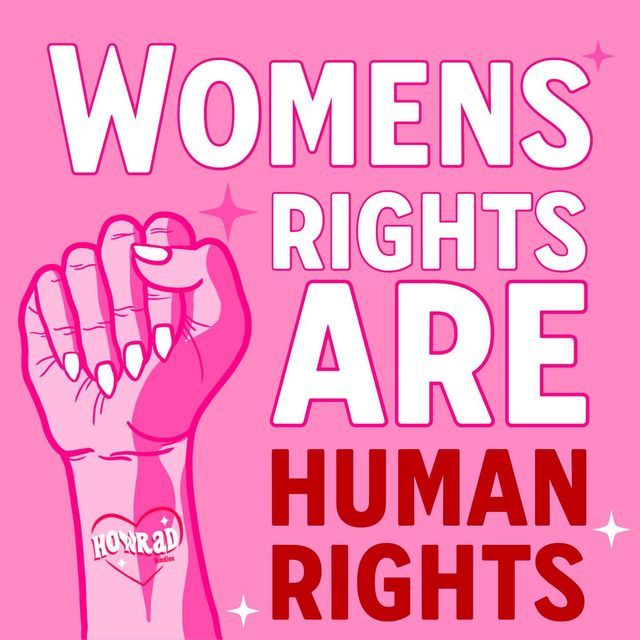
Women’s rights = human rights. Period.
They’re about giving women the same freedoms and protections as men—across politics, education, work, healthcare, family, safety, and their own damn bodies. These rights include:
The right to vote and run for office
Equal pay and access to jobs
Freedom from violence and abuse
Control over your reproductive health
The ability to own property, make legal decisions, and live life on your terms
We’re not asking for “special treatment.” We’re asking for the same dignity and autonomy every human deserves.
📜 Where Did It All Begin?
Let’s rewind to July 1848, Seneca Falls, New York.
A bunch of bold women (and a few supportive men) gathered for the first women’s rights convention. The stars of the show? Elizabeth Cady Stanton and Lucretia Mott—two women who had just returned from the World Anti-Slavery Convention in London where, surprise surprise, they weren’t allowed to speak. Because they were women.
They said: enough.
At Seneca Falls, Stanton presented the Declaration of Sentiments, a radical-for-its-time document that declared:
> “All men and women are created equal.”
It listed 18 ways society was failing women—from denying us the right to vote to controlling our wages, bodies, and voices.
People were shook. But they voted. And the movement officially began.
✊ Why Did the Women’s Rights Movement Matter?
Because before it, women were treated like side characters in their own lives. Here’s what it changed:
1. Political Power
Women couldn’t vote. Couldn’t influence laws. Couldn’t speak for themselves in court. ➡️ That changed in 1920 with the 19th Amendment in the U.S.—but only after decades of protests, jail time, and sacrifice.
2. Education & Work
Girls were told their place was in the kitchen. College? Careers? Not for you, sweetheart. ➡️ The movement demanded access to education and financial independence. And slowly, the doors opened.
3. Workplace Rights
Even when women worked, they were paid less, harassed, and shoved into “support roles.” ➡️ Feminists pushed for equal pay, maternity leave, and anti-discrimination laws.
4. Safety & Autonomy
Abuse used to be dismissed as “family matters.” Marital rape wasn’t even illegal. ➡️ Feminism fought for shelters, laws, and the idea that your body = your choice.
5. Bigger Movements Were Born
The women’s rights movement sparked civil rights, LGBTQ+ advocacy, and disability justice. ➡️ It wasn’t just about women—it was about fighting any system that thrives on control and silence.
💡 What Has It Actually Done for Women Today?
Feminism isn’t a thing of the past. It’s still doing the damn work. Here’s how it’s showing up in 2025:
✅ Legal Rights
You can now:
Vote
Open a bank account without a man
Own property
File harassment lawsuits
Start a business
These things seem normal now—but they were unthinkable just 50 years ago.
📚 Education
More women are:
Graduating college
Dominating in STEM, law, and medicine
Becoming CEOs, astronauts, politicians, and authors
The myth that women are too emotional or fragile for “big” jobs? Dead.
💼 Workplace Protections
While the gender pay gap isn’t fully closed, there are now:
Laws against discrimination
Policies for maternity leave
More women in leadership
We’re not just in the room. We’re calling the shots.
🧠 Bodily Autonomy
Women today (in most places) can:
Choose birth control
Access abortion
Say NO and be heard
Learn about consent, pleasure, and boundaries
Health = freedom. And feminism fought for that.
🗣️ A Voice That Matters
From #MeToo to mental health to calling out everyday sexism, women are talking—and being heard.
We’re in courtrooms, boardrooms, classrooms, and online spaces—leading, not begging to be included.
👀 So… When Did Feminism Become “Radical”?
Let’s break this down.
First off:
Feminism = belief in gender equality.
Radical feminism = a more aggressive take that says patriarchy is so baked into society, we need to tear it all down.
Misandry = actual hatred of men.
Now, is all radical feminism misandry? No. But let’s not pretend it never crosses the line.
Some people have taken real women’s issues and twisted them into blanket hate:
> “All men are trash.” “Heterosexuality is oppressive.” “Men can’t be feminists.”
That’s not feminism. That’s bitterness in a feminist outfit.
You don’t fight inequality by flipping the power dynamic—you fight it by dismantling the system that traps everyone.
🚩 Red Flags: When Feminism Becomes Something Else
Let’s keep our BS detectors sharp. Here’s how to tell when the movement is losing the plot:
1. Generalizing an Entire Gender
> “Men are inherently violent.” “We don’t need men.” “Men can’t be victims.”
Nope. Feminism is about nuance—not stereotypes.
2. Silencing Male Allies
If a guy speaks up about gender bias, mental health, or trauma, and he gets laughed off or called sexist for asking questions… that’s not it.
Healthy feminism listens. Even when it’s uncomfortable.
3. Outrage Overload
Some influencers thrive on hot takes and performative rage.
> “If you date a man, you’ve internalized misogyny.” “Men crying is manipulation.”
Ask yourself: Is this educating or just escalating?
4. One-Sided Echo Chambers
Movements grow when they allow room for different voices—LGBTQ+ people, women of color, disabled folks, and yes, even men who want to help.
Radical corners that cancel every differing view? 🚪 Bye.
✅ So… What’s the Fix?
Let’s bring it back to real feminism. The kind that:
Uplifts women
Welcomes male allies
Makes space for healing
Fights for everybody’s right to be seen, safe, and free
Feminism should challenge power, not replace one hierarchy with another.
Let’s be the kind of feminists who:
> Call out injustice without becoming bitter Listen as much as we speak Build bridges, not walls
Because the goal was never to make women more powerful than men.
The goal is a world where power doesn’t depend on your gender at all.
🧾 Final Thoughts
Feminism isn’t dead. It’s evolving.
But to protect its soul, we have to stay alert. Let’s celebrate the movement, challenge its extremes, and keep pushing for justice that lifts everyone.
Ask yourself:
> “Is this building something better—or just flipping the script on who gets hurt?”
Feminism deserves better than to be hijacked by hate.
So let’s keep the fire burning—for freedom, for equality, and for the generations that come next.









 Ladyink with love