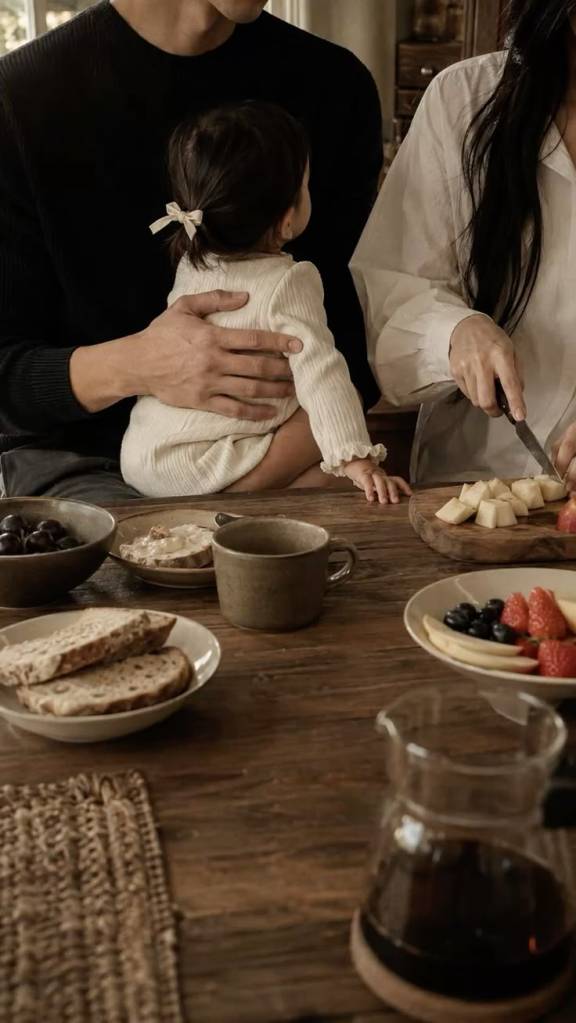
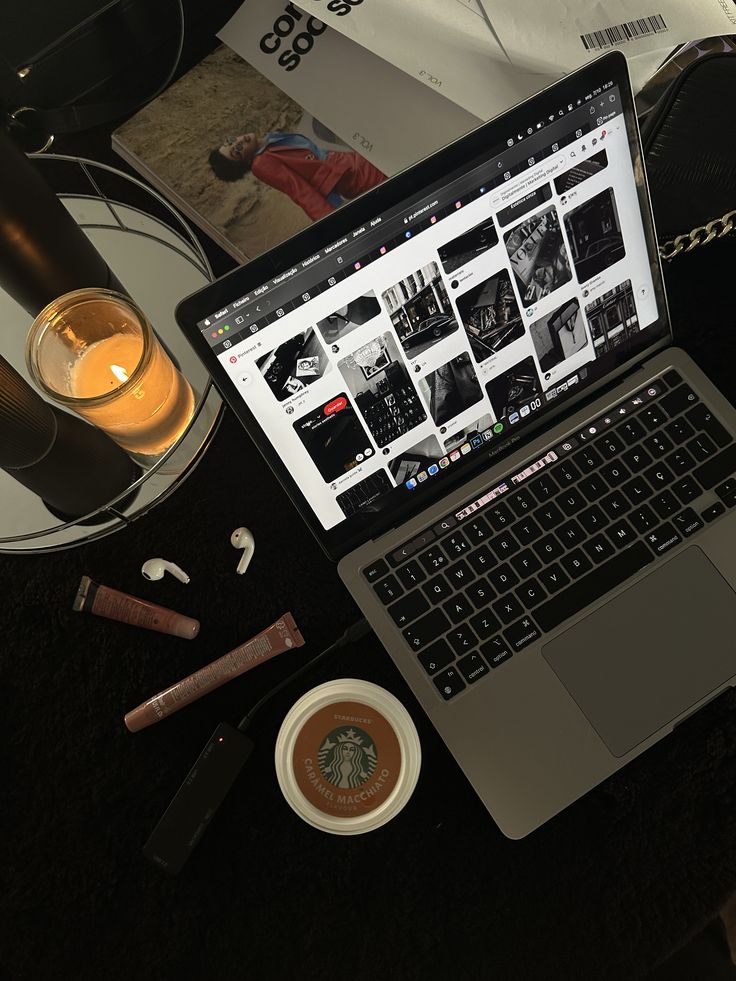
From cottagecore to old money, dark academia to van life, there seems to be an aesthetic for almost every kind of life we could possibly want. You can open Pinterest or Instagram and within five minutes, you can find yourself imagining that you should be living in a cottage in the countryside, waking up at 6 a.m. to make bread, studying in an old library, travelling around in a van or spending your evenings in a perfectly decorated apartment with a book and a cup of coffee.
And sometimes, while looking at these pictures, our own lives can suddenly feel a little less interesting. The routine we’ve been complaining about for months looks even more boring. Our bedroom doesn’t look as pretty. Our mornings aren’t as productive. We aren’t travelling enough. We aren’t reading enough. We aren’t living the kind of life that seems worth photographing.
But do we actually want these people’s lives? Or do we just want the feeling we imagine comes with them?
The Internet Turned Lifestyles Into Aesthetics
I think one of the strangest things the internet has done is turn entire lifestyles into aesthetics. We don’t just see someone living a certain way anymore. We see a carefully packaged version of that life, complete with a colour palette, clothes, music, interiors and a very specific mood.
Cottagecore isn’t simply about living in the countryside. It has become a fantasy of a slower life. It’s baking something from scratch, picking flowers, reading by a window and spending an afternoon doing absolutely nothing without feeling guilty about it. Old money isn’t necessarily about wanting to be rich either. A lot of what people romanticize about it is the idea of security, elegance and having a life that feels put together without looking like you’re trying too hard.
Dark academia has its own version of the fantasy. Old libraries, handwritten notes, classical music, rainy afternoons and piles of books make studying and intellectual curiosity look almost romantic. Then there’s van life, which turns the idea of leaving everything behind into this beautiful picture of freedom, adventure and waking up somewhere new every morning.
We’ve become very good at recognizing the visual language of a lifestyle. We know what cottagecore looks like. We know what old money looks like. We know what a dark academia bedroom looks like. We can probably identify a clean girl morning routine within three seconds.
But knowing what a life looks like isn’t the same thing as knowing what living that life actually feels like.
We Don’t Romanticize the Reality, We Romanticize the Edit
This is probably the biggest reason other people’s lives look so appealing to us. We aren’t seeing the whole thing.
We’re seeing the parts that made it onto the internet.
Nobody is posting the leaking roof of the cottage when they’re talking about how peaceful countryside living is. We don’t see the loneliness that can come with living far away from everyone. We see the beautiful apartment, but not necessarily the financial stress that comes with maintaining it. We see someone travelling around in a van with an incredible view outside the window, but we don’t see the uncomfortable mattress, the lack of privacy or what happens when the van breaks down.
Even dark academia has this problem. We see someone sitting in a beautiful library surrounded by books and suddenly studying looks like something out of a movie. We don’t see the deadlines, the difficult subjects, the exhaustion or the hours spent staring at the same page without understanding anything.
That’s because we’re not really comparing our ordinary life to someone else’s ordinary life. We’re comparing our ordinary Tuesday to their best photograph.
And when you put it that way, of course their life looks better.
We see the highlight reel and mentally fill in everything else with perfection. We assume the cottage means peace, the travelling means freedom, the beautiful apartment means happiness and the successful career means fulfilment. We don’t actually know any of that. We’re just attaching feelings to images.
So What Are We Actually Searching For?
Maybe that’s why I don’t think the aesthetic itself is always the important part. What interests me more is what we’re actually looking for underneath it.
If you’re constantly saving pictures of cottages, maybe you don’t actually want to leave your life and become a farmer. Maybe you’re just tired of how fast everything feels and want a little more slowness. Maybe you want to spend more time outside. Maybe you want mornings that aren’t immediately filled with notifications, deadlines and things you need to do.
If you’re obsessed with old money aesthetics, maybe it’s not the expensive clothes or fancy houses you’re attracted to. Maybe it’s the feeling of security. The idea of having enough money, enough stability and enough confidence that you don’t constantly have to worry about what happens next.
If you’re drawn to dark academia, perhaps you don’t actually want to spend your life studying in an ancient university. Maybe you simply miss feeling curious. Maybe you want to read more, learn something difficult or feel intellectually stimulated again.
And if you keep watching people travel from one place to another, perhaps you don’t actually want to live out of a suitcase. Maybe you just want more freedom. Maybe you’re bored with your routine and want to feel like there’s something waiting for you outside of it.
The aesthetic is often just the packaging. What we’re really attracted to is the feeling we associate with it.
The Life We Want Is Often Hidden Inside the Fantasy
I actually think this is where romanticizing other people’s lives can become useful.
Sometimes the things we obsess over are telling us something about our own lives that we haven’t paid enough attention to. We might spend hours looking at somebody else’s lifestyle without realizing that we’re really responding to something we’re missing.
If you keep romanticizing slow mornings, maybe you’re exhausted. If you keep romanticizing travel, maybe you need a break. If you’re constantly looking at people’s creative careers, maybe there’s a creative part of your own life that you’ve been neglecting.
That doesn’t mean you need to copy them.
This is where I think we sometimes get it wrong. We see something that makes us want a different life and immediately assume we need to recreate the entire thing. If someone looks happy living in the countryside, we think we need to move to the countryside. If someone seems fulfilled travelling, we think we need to quit our job and become a digital nomad.
But maybe you only wanted one part of what they have.
Maybe you wanted the quiet, not the cottage. The freedom, not the van. The books, not the university. The confidence, not the wardrobe.
But There’s a Dark Side to Romanticizing
Of course, there is a point where romanticizing stops being inspiration and starts becoming dissatisfaction.
Instead of asking ourselves what we could change about our actual lives, we start looking for an aesthetic that will make us feel like we’re living differently. We buy the clothes, redecorate our rooms, change our playlists, make Pinterest boards and start planning a completely new version of ourselves.
And there’s nothing wrong with any of those things individually. I love a good Pinterest board as much as anyone. But sometimes we’re decorating the surface because it’s easier than dealing with what’s underneath it.
You can make your bedroom look like a dark academia library and still not read the books sitting on the shelf. You can buy the perfect planner and still not know what you’re doing with your life. You can dress like the person you want to become and still feel exactly the same inside.
An aesthetic can make your life prettier. It can’t automatically make your life better.
That’s the difference between using an aesthetic as inspiration and using it as an escape.
We Want Main-Character Lives Without Main-Character Problems
There’s also something slightly funny about the way we romanticize other people’s lives because we tend to want the beautiful parts without thinking about everything that comes with them.
We want the Parisian apartment, but probably not the loneliness that can come with moving to another country. We want the countryside, but not necessarily the isolation. We want the academic life, but not the workload. We want entrepreneurial freedom, but not the uncertainty that comes with not knowing where your next paycheque is coming from.
We want to wake up somewhere beautiful, but we’d still like a comfortable bed. We want spontaneity, but we’d also like our plans to work out. We want freedom, but we’d rather not deal with the instability that sometimes comes with it.
And honestly, I don’t think that’s a particularly terrible thing. It’s just human.
We are naturally drawn to the parts of life that look beautiful from a distance. The problem is when we forget that every life has parts that don’t look good from a distance.
Maybe We Aren’t Jealous of Their Lives
The more I think about this, the more I wonder if what we feel when we look at other people’s lives is always jealousy.
Sometimes, I think, it’s recognition.
You see someone travelling and realize how badly you’ve wanted an adventure. You see someone writing every day and remember that you used to have a creative side that you’ve been putting off. You see someone living a slower life and suddenly realize just how tired you’ve become.
Sometimes another person’s life doesn’t make you want to be them. It makes you remember a version of yourself.
And maybe that’s why certain people’s lives affect us more than others. We aren’t necessarily jealous of the person. We’re responding to something they represent.
The traveller represents freedom. The writer represents creativity. The person with the quiet countryside life represents peace. The person with the successful career represents ambition or possibility.
Other people’s lives can become mirrors, and sometimes we don’t like what they show us because they remind us of things we’ve been ignoring.
The Question We Should Be Asking Instead
So maybe the better question isn’t, Why don’t I have their life?
Maybe it’s, What exactly about their life am I attracted to?
That question changes everything.
If it’s the quiet you’re attracted to, how can you create more quiet in your own life? If it’s freedom, where can you give yourself more independence? If it’s creativity, when was the last time you actually made something? If it’s travel, can you start planning a trip instead of endlessly watching other people travel?
You don’t necessarily need to quit your job and move to a cottage because you fell in love with a cottagecore Pinterest board. Maybe you just need to spend Sunday morning without your phone.
You don’t need to become an academic because you like dark academia. Maybe you just need to start reading again.
You don’t need to live in a van because you crave freedom. Maybe you need to take a solo trip, change your routine or simply give yourself permission to do something that isn’t productive.
Sometimes we don’t need a completely different life. We just need more of the things that make our current life feel like ours.
Build the Life Behind the Aesthetic
I don’t think we’ll ever completely stop romanticizing other people’s lives. There will always be someone with a prettier apartment, a more interesting career, a better travel story, a more exciting relationship or a lifestyle that looks more appealing than ours from the outside.
And that’s okay.
The problem isn’t imagining what another life might feel like. The problem is forgetting that we’re looking at an edited version of it.
Maybe we can use these fantasies differently. Instead of asking why someone else’s life looks so much better than ours, we can ask what their life is showing us about ourselves.
Maybe the cottage is telling you that you need more peace. Maybe the travel photos are telling you that you need more adventure. Maybe the books are telling you that you miss being curious. Maybe the beautifully independent woman you’re following is reminding you that you want to become more independent yourself.
We don’t have to become the people we romanticize.
Maybe we just have to listen to what our fascination with them is trying to tell us.
Because sometimes the life we’re obsessing over isn’t actually the life we want.
It’s a clue about the life we want to build.
What do you think? Let me know your thoughts below 👇🏻💕


Leave a comment