Do I believe in fate? Or do I just need life to make sense?
If something bad happens, my first instinct is to tell myself it was meant to teach me something. It helps. It softens the blow. But give me a few hours and I’ll start analyzing my own choices. What did I miss? What could I have done differently? Where did I mess up?
So clearly, I don’t believe everything is pre-written.
But when it comes to love, I want destiny.
I don’t want strategy. I don’t want “we met through mutual career networking and aligned life goals.” I want the cinematic moment. The unexpected connection. The feeling of “oh, this was always going to happen.”
And that says a lot.
Because when I think about career, money, fitness, writing — I’m practical. I know effort builds outcomes. But when I think about love, I want it to feel fated. Like some invisible thread was pulling us toward each other.
Maybe that’s romantic. Maybe that’s naive. Or maybe it’s just human.
I also believe some people come into your life only to teach you something. Not to stay. Not to build a future with you. Just to trigger growth. And I don’t think that’s blind destiny. I think it’s meaning-making. It’s how we survive disappointment without turning bitter.
I think, believing in fate protects you from rejection.
If it wasn’t meant to be, then it wasn’t about your worth. If it ended, maybe it served its purpose. That belief is soothing. But it can also become a shield.
So do I believe in destiny?
I think I believe in themes. Certain chapters feel bigger than coincidence. But the details? The timing? The choices? That’s on me.
Maybe fate gives you the stage.
But you still have to show up and act.
And honestly, that balance feels right.
Let me know if you believe in destiny or fate down below 👇🏻💕
i know I have been away for a month, well my sister got married and I was busy with that. As I maid of Honor I had a lot of work to do. But now I’m back on track. I believe I will be Posting more from now on.
Sometimes I wonder if I’m a writer or just a professional overthinker with good sentence structure 😭. Every time I sit down to write, it feels like a wrestling match between my brain, my self-doubt, and my coffee mug. I start with a fire in my chest and end up spiraling into “does anyone even care what I’m saying?” territory. Classic, right?
Writing is the one thing that makes me feel alive — and also completely lost. It’s wild how something so personal can feel like both purpose and punishment. I want to create, I want to be read, I want to build something that matters — but half the time I feel like I’m just screaming into the void and hoping it echoes back 🌀.
The truth is, this isn’t just about writing. It’s about identity. It’s about proving to myself that I’m capable of building something real from my thoughts. I work a corporate job, I do all the adulting, but this? Writing is the one thing that’s mine. No deadlines, no manager, no “as per our discussion.” Just me and the page — and sometimes that’s scarier than any meetings.
I used to think the problem was time. “I’ll write when I have a free evening.” “I’ll start that story when work slows down.” Spoiler: it never slows down. The truth is, I wasn’t short on time — I was short on courage. Because writing means facing your own thoughts head-on, and that’s not always cute or convenient.
Every now and then, I think about giving up. Packing it in. Pretending I never had this dream in the first place. But then I’ll read a line — from Austen, or JK Rowling (controversial…. I know), or even something I wrote months ago — and it hits me. That spark is still there. Faint, maybe. But real! And it deserves to be fed.
So yes, I’m still at the starting point. Still figuring out my rhythm, my voice, my process. Still fighting that itch to edit mid-sentence like a control freak. But I’ve stopped calling it failure. It’s just the messy middle. And honestly, everyone romanticizes the beginning and the ending — no one talks about the slog in between.
Changing habits and environments hasn’t been easy either. I’ve to make time for my hobby, and change my entire routine to manage my job and writing. I’ve had to build boundaries around my energy. Say no to things that drain me, make space for things that fill me. That’s not discipline; that’s survival. And if I want to write the way I dream of, I can’t keep pouring from an empty cup ☕.
The hardest part? Believing that my words are worth reading. That’s it. Not the grammar, not the structure — the belief. Because when you write without validation, it’s like shouting into a storm. You have to be your own echo until someone else hears it.
And here’s the thing — I don’t just want to write. I want to matter. I want to be remembered the way Austen is — not for her fame, but for her precision. Her truth. The quiet confidence that comes from knowing exactly who she was and writing anyway, even when the world wasn’t ready. That’s what I want. Not approval — impact.
So, no, I’m not there yet. But I’m not quitting either. My hardest personal goal is still in motion, one word at a time. Maybe one day someone will read this and think, “Damn, she really did it.” Until then, I’ll keep showing up — messy bun, caffeine buzz, and all ✍️✨.
Because even if no one’s reading yet, I am. And that’s enough for now.
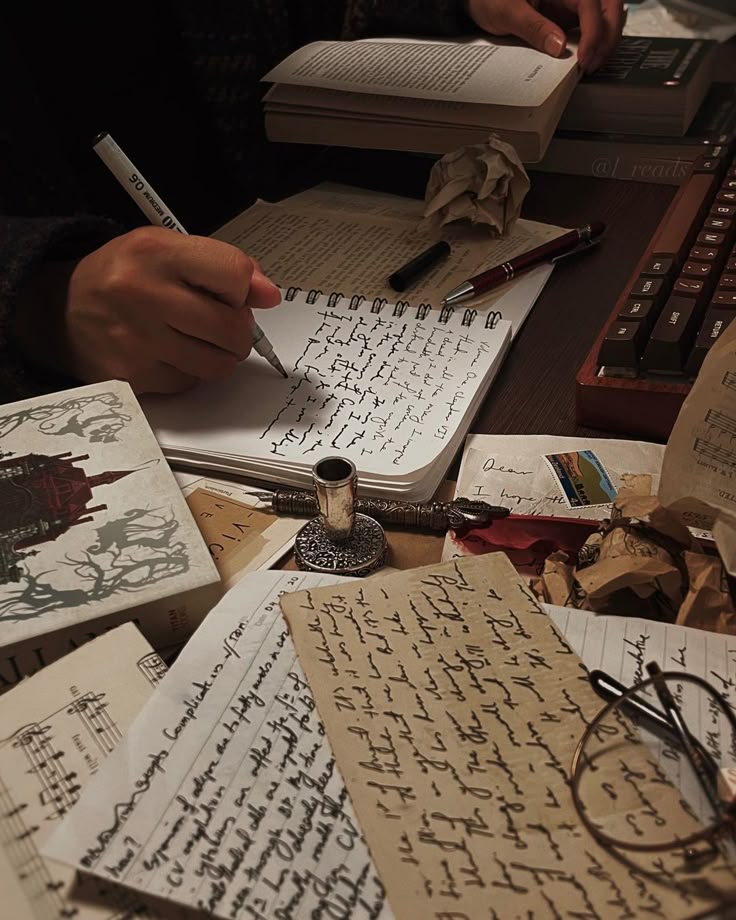
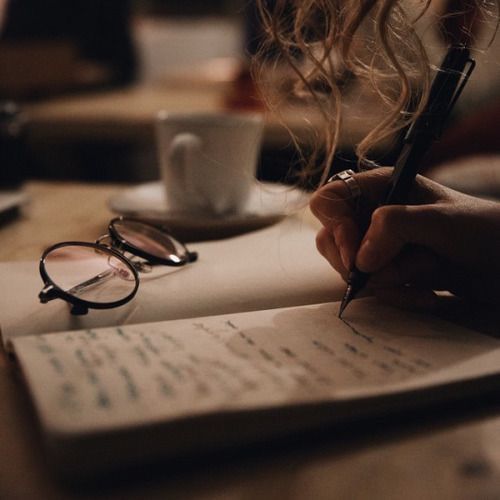
When I first started putting words on paper, it wasn’t journaling—it was writing. I would scribble tiny poems, sometimes only a few lines long, just to capture a thought or a wave of emotion 🌊. Those little pieces weren’t perfect or polished, but they felt real. Writing gave me a way to make sense of my head when it felt too crowded.
Journaling, on the other hand, came later. I only picked it up last year, almost by accident. I was bored, restless, and looking for a way to reconnect with myself. I didn’t plan on “becoming a journaler”—I just wanted a place to let out my thoughts. Slowly, journaling became the bridge that pulled me back into writing, and now both live side by side in my life.
Here’s the thing: they look similar—pen, paper, words—but they serve different purposes. Writing is like reaching out; journaling is like reaching in. And both have been powerful in calming my anxiety, grounding me, and helping me grow 🌱.
🖊️ Writing vs 📓 Journaling: What’s the Difference?
Yes, journaling is technically writing, but the heart of each practice is different.
✨ Writing
Purpose: To inform, persuade, entertain, or inspire.
Audience: Usually external—you’re speaking to someone (even if it’s future readers).
Process: Drafting, editing, polishing until it shines.
Example: A blog post like this one, a novel, or even a heartfelt letter 💌.
🌸 Journaling
Purpose: To explore yourself—your thoughts, emotions, and growth.
Audience: You. That’s it.
Format: Loose, flexible, sometimes messy. Lists, doodles, bullet points, rants.
Process: Raw, unfiltered expression. No rules, no editing.
Example: Morning pages, a gratitude list, or venting after a stressful day 😮💨.
💡 Why They Matter
At first glance, journaling or writing might look like “just writing stuff down,” but both carry weight. They’re not chores or hobbies—they’re tools for mental clarity, creativity, and healing.
📓 Why Journaling Matters
1. 🧘 Clarity of mind – When your brain feels like a storm, journaling slows the chaos.
2. ❤️ Emotional release – Writing about stress or sadness keeps it from sitting heavy in your body.
4. 🧩 Problem-solving – On paper, problems become smaller and easier to dissect.
5. 🗂️ Tracking growth – You can look back and see how far you’ve come.
✍️ Why Writing Matters
1. 🪞 Clarifies your thoughts – Writing shapes vague feelings into clear words.
2. 📣 Communicates your voice – It’s how you’re understood by others.
3. 📚 Preserves knowledge – Notes, essays, stories become memory-keepers.
4. 🔥 Builds influence – Movements, laws, revolutions all began with words.
5. 🌈 Sparks creativity – Once you start writing, ideas multiply.
😌 How They Both Help with Anxiety
Both writing and journaling soothe anxiety, but they do it differently:
Journaling is inward. It’s a brain dump, a way to take swirling thoughts out of your head and trap them on the page. Gratitude journaling shifts focus from constant worry to small, grounding positives 🌼.
Writing is outward. It channels that nervous energy into something creative or structured. Poems, stories, or even essays let you express anxiety without naming it directly.
Here’s the subtle difference:
Journaling processes anxiety.
Writing transforms anxiety.
Together, they work beautifully—journal to clear the fog, write to create meaning from what’s left.
🌱 Where to Start if You’re New
The hardest part is starting. We think it needs to be profound or perfect. It doesn’t. You just need to start small and keep it light.
Beginner Journaling Tips
🕐 Keep it short: 5 minutes, half a page.
✨ Try formats:
Brain dump: write everything in your head.
3-sentence list: Today I feel… I need… I’m grateful for…
Prompt journaling: answer one guiding question.
📝 Pick your medium: notebook, app, or even voice notes.
Beginner Writing Tips
🎯 Write about what you care about—don’t force it.
🖋️ Set small word counts (100–200 words).
🚫 Don’t edit while writing—let it flow, polish later.
🎭 Experiment: letters, blog posts, micro-stories.
📅 A 7-Day Starter Plan
A gentle way to build the habit without pressure:
Day 1 – Brain Dump: Write nonstop for 5 minutes.
Day 2 – Gratitude Shift: List 3 things you’re grateful for + 1 win 🙏.
Day 3 – Describe a Moment: Use all your senses 🌸.
Day 4 – Anxiety Release: Write a letter to your anxiety.
Day 5 – Story Spark: Write a memory as a short story.
Day 6 – Self Check-In: What energized me? What drained me? What do I want more of?
Day 7 – Free Choice: Pick whichever style felt best.
💡 Tips for all 7 days:
Timebox it: 5–10 minutes ⏳.
Don’t reread right away—you’re not grading yourself.
Keep everything in one notebook/app so your progress feels real.
🌟 Conclusion
Taking care of yourself doesn’t require a grand, life-changing overhaul. It’s about showing up for yourself in small, consistent ways. Every line you write, every list you make, every page you fill is proof that you’re paying attention to your inner world 💖.
Journaling gives your thoughts a home. Writing gives them wings. One grounds you, the other expands you. Together, they become a practice of both self-reflection and self-expression—two sides of the same coin.
And here’s the beautiful part: you don’t have to be “good” at it. Your journal isn’t an Instagram feed, and your early writing doesn’t have to be a masterpiece. The act itself is what matters. The words are less about perfection and more about presence.
Piece by piece, page by page, you’re building a stronger, more authentic version of yourself. The kind that feels steady in uncertainty, expressive in silence, and confident in moving forward 🚀. That’s the quiet power of writing and journaling: not just tools, but companions on your path to clarity, calm, and growth.
The Cruelty of the Blinking Cursor: A Conversation About Writer’s Block
I recently had an idea for a short story I wanted to write. Everything was going fine—I even wrote the first chapter. But then… I wasn’t happy with it. I didn’t know where to go next.
Now I’m not even sure if I should write a blog. I don’t know how to start. There’s this creative block. I have ideas, but I don’t know how to begin—or if I even want to anymore.
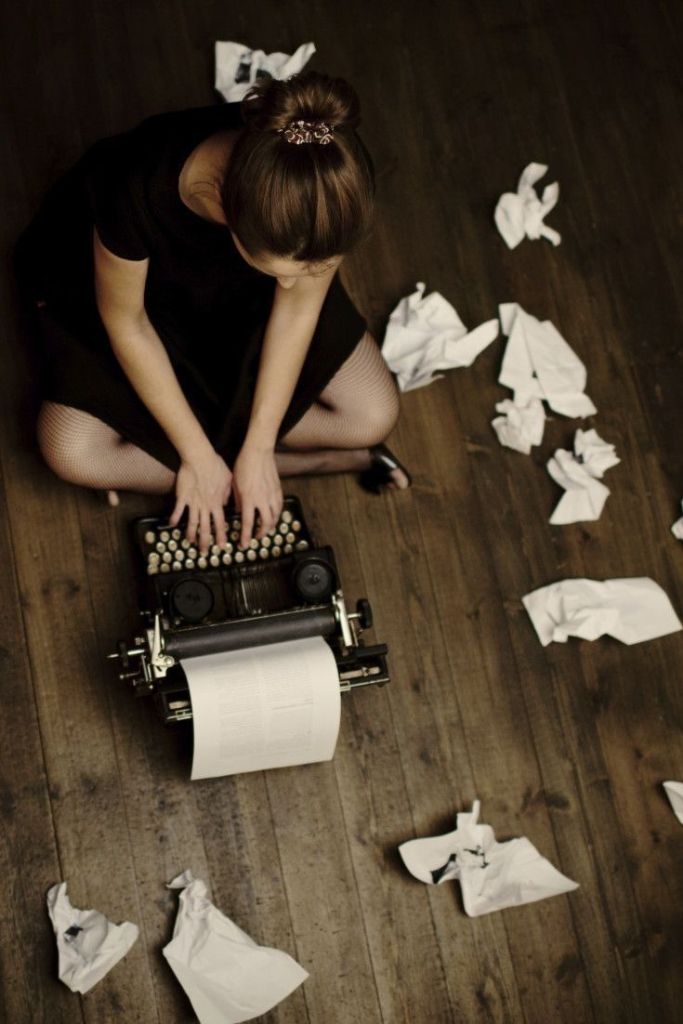
There’s something uniquely cruel about sitting in front of a blinking cursor, waiting for words that simply won’t come. A mind once bursting with imagery and plot twists now resembles a snow-covered road—quiet, empty, and directionless.
Writer’s block. We’ve all heard of it. Most of us have faced it. And yet, every time it hits, it feels brand new—like a betrayal.
So, let’s talk about it. Not with shame or frustration, but with curiosity. What is writer’s block? Is it something to fight against—or listen to? And how do we move through it without losing ourselves in the process?
What Is Writer’s Block?
Writer’s block is a non-medical condition primarily associated with writing, in which an author is either unable to produce new work or experiences a creative slowdown. Its severity ranges from struggling to come up with ideas to being unable to write for months—or even years.
But writer’s block isn’t just the absence of words. It’s the presence of doubt. Of fear. Of fatigue. Of perfectionism. And sometimes—plain old burnout.
It shows up differently for everyone:
For some, it’s not knowing how to begin.
For others, it’s being trapped halfway through a story.
And for many, it’s the terrifying thought: What if I never write again?
But here’s the truth: Writer’s block doesn’t mean you’ve lost your talent. It usually means you need a moment—to breathe, to reset, or to reconnect.
Should We Even Try to “Get Over” It?
This might sound controversial, but… sometimes, no. Not right away.
Writer’s block might be your mind’s way of asking you to slow down. Maybe you’ve been pushing too hard. Maybe you’re juggling deadlines, self-imposed pressure, or falling into the trap of comparison.
The block, then, isn’t a problem. It’s a signal.
Ask yourself:
Am I tired?
Am I afraid of failing?
Do I still love what I’m writing?
If the answer to any of these is yes, maybe the next step isn’t forcing the words out. Maybe it’s stepping back.
The most powerful writing doesn’t come from pressure. It comes from presence.
When You’re Ready to Write Again: How to Gently Start
If you’ve listened to yourself and you’re ready to return to the page—whether it’s been a few hours or a few months—here are a few ways to help the words find their way back.
1. Take the Pressure Off Write badly. Seriously. Write garbage. Write the messiest, most cliché, cringe-inducing paragraph of your life—and do it with pride. The goal isn’t brilliance. It’s momentum.
2. Change Your Scenery Sometimes, the block lives in your room. Or your desk. Or the dent in your couch. So get up. Go to a café. A library. A rooftop. A park bench. The shift in energy around you can unlock something within you.
3. Reread What You Love Return to the books that made you fall in love with writing. Let them remind you of the rhythm, the magic, the beauty of words. Not to compare—but to remember why you started.
4. Move Your Body, Clear Your Mind Writing isn’t just a mental act—it’s physical. Your brain needs oxygen. Your body needs flow. Dance. Walk. Do yoga. Take a long shower. Clarity often arrives after movement—not before.
5. Talk It Out Can’t write it? Say it. Talk to a friend. Explain the plot aloud. Vent about the block itself. Speaking engages a different part of the brain—and might just untangle your thoughts.
6. Try a Prompt or a Different Medium If your main project feels too heavy, set it aside. Write a poem. A letter to your future self. A random dialogue. Writing prompts or bite-sized creativity can reignite the spark.
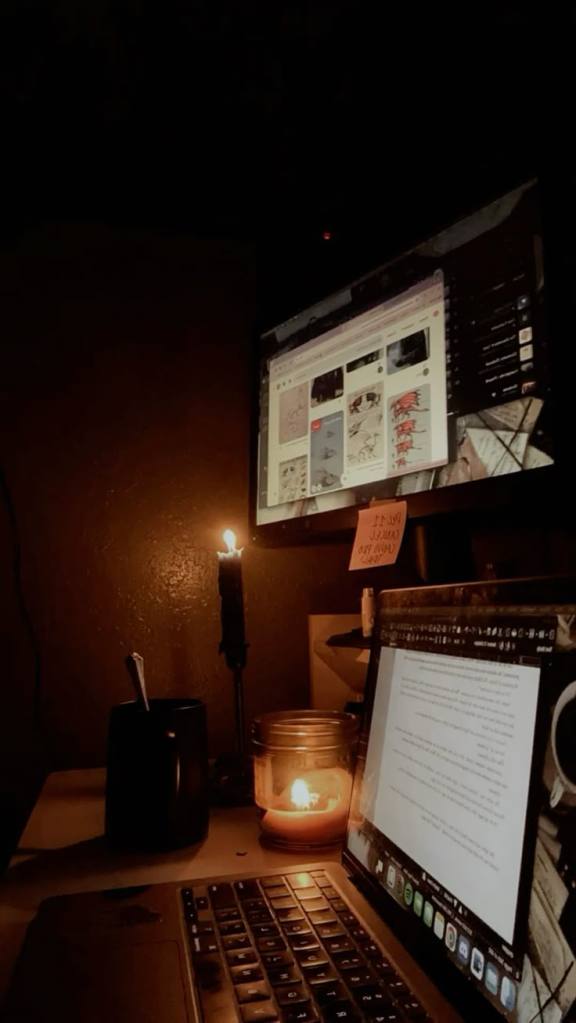
7. Create a Writing Ritual Make it something to look forward to. Light a candle. Brew your favorite tea. Play a special playlist. Turn writing into a sacred space—not a stressful one.
A Gentle Reminder: Your Worth Isn’t Measured by Productivity
One of the hardest truths for creatives to accept is this: You are still a writer—even when you’re not writing.
You’re allowed to pause. To go quiet. To feel stuck.
And you’re allowed to return. To try again. To trust that the words will come back—not because you forced them, but because they were never truly gone. Just hiding. Just waiting.
Final Thoughts: What Writer’s Block Teaches Us
In the end, writer’s block is not always an obstacle. Sometimes, it’s a teacher.
It asks us to slow down. To look inward. To reconsider how and why we write.
Maybe it’s not about “getting over” the block—but walking through it, gently.
So next time it visits, don’t panic. Don’t spiral.
Just breathe.
The story is still in you. And when it’s ready—it’ll find its way out.
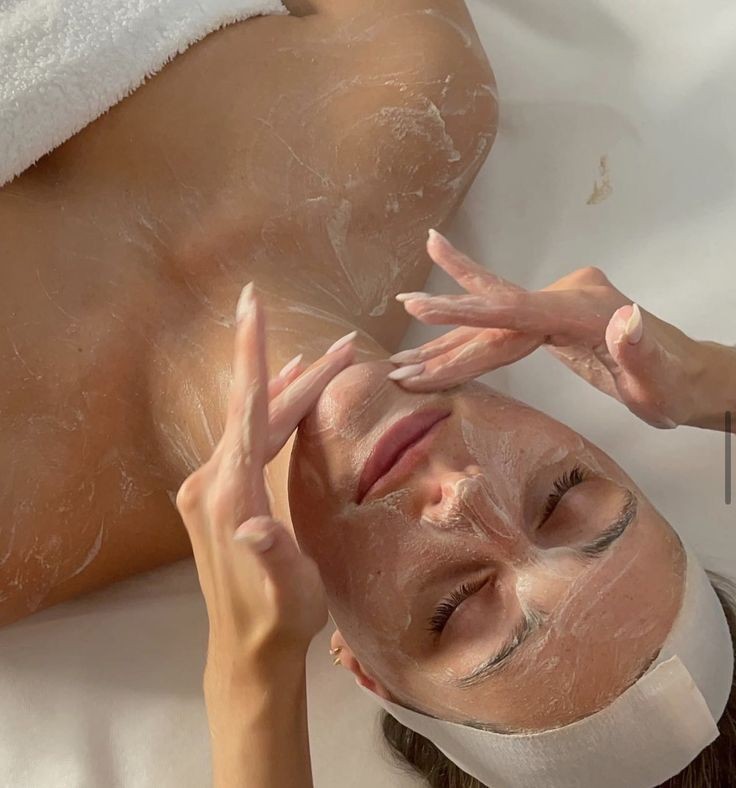
Skincare is the practice of maintaining and improving the health and appearance of the skin, primarily on the face, but also on other parts of the body.
It involves cleansing, moisturizing, protecting, and addressing specific skin concerns like acne, aging, or dryness. Skincare routines can vary widely depending on individual skin types, concerns, and cultural influences.
This is the definition of skincare when you Google it.
But for me personally, it just is a means of taking care of myself. Everytime I do the whole skincare routine, it makes me feel good. It makes me feel like I’m taking care of myself.
With the recent surgence of Korean culture, we all were introduced to the Korean skincare and makeup. And people have been obsessed with the intensive skincare routine we all see online.
Have you ever been mesmerized by radiant, poreless skin on Instagram and wondered if it’s magic or a 10-step Korean skincare routine?
Wondering if it’s genetics, filters, or the magic of a 10-step Korean skincare routine?
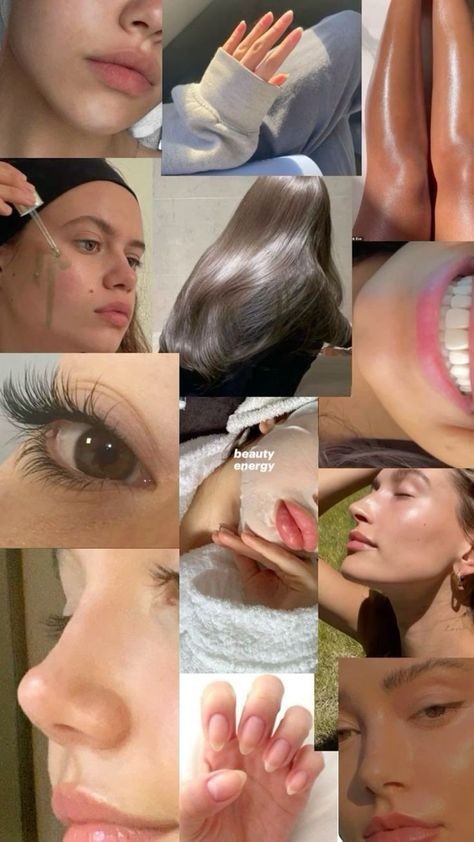
In a world where ‘a dewy, smooth complexion that’s so flawless it looks almost like glass’ is dominating the beauty market, skincare has become more than just being about self-care. It’s a cultural phenomenon!!
But what is driving this obsession? And is it all as flawless as it seems?
I think the obsession with Korean skincare or skincare in general reflects a positive shift toward self-care and prioritizing health. Skincare routines can be empowering, giving people a sense of control over their appearance and well-being. Korean skincare, in particular, has become popular because of its innovative products. Focusing more on hydration and barrier care, and ritualistic approach that feels luxurious and effective.
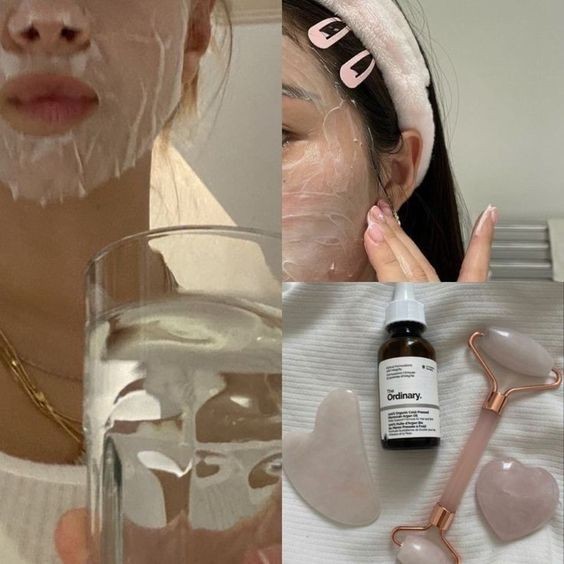
Skincare routines can act as a form of mindfulness because they require you to focus on the present moment. When you apply products like a cleanser or moisturizer, you’re engaging your senses and feeling the textures, inhaling subtle scents, and noticing how your skin responds to the products. This sensory awareness can ground you, pulling your attention away from the stress of the day.
For many, it’s not just about achieving better skin but creating a moment of calm amidst a busy schedule, like a daily act of self-love and care.
A good skincare regimen goes beyond just surface of your skin. A good skincare isn’t just about making your skin look good, it’s also about investing in its long-term health and resilience. By addressing immediate concerns and offering protection, you’re essentially creating a shield for your skin while supporting its natural function and renewal process.
When your skin looks healthy and glowing, it can have a direct impact on how you feel about yourself. Skin is often one of the first things others notice, and when it’s clear, smooth, and radiant, it can enhance your overall appearance. But beyond the surface, the way your skin looks can significantly influence your self-esteem and confidence.
Korean skincare has played a huge transformative role in shaping the global beauty industry, especially by introducing innovative ingredients and methods that were once unfamiliar to many outside of Korea. These groundbreaking elements have not only changed the way we approach skincare but have also broadened the market by appealing to a wide range of consumers with diverse needs and interests.
Focusing on hydration, sunscreen, and gentle ingredients in skincare can have a profound impact on preventing future skin issues, as these elements directly support the skin’s natural barrier, protect it from environmental stressors, and maintain its overall health.
In short, adopting a skincare routine that emphasizes hydration, protection from the sun, and gentle care can lay a strong foundation for long-term skin health, helping you maintain smooth, clear, and youthful skin for years to come. It boosts confidence and makes once feel better.
However, there are some cons about the skincare routine, that people religiously follow, like :
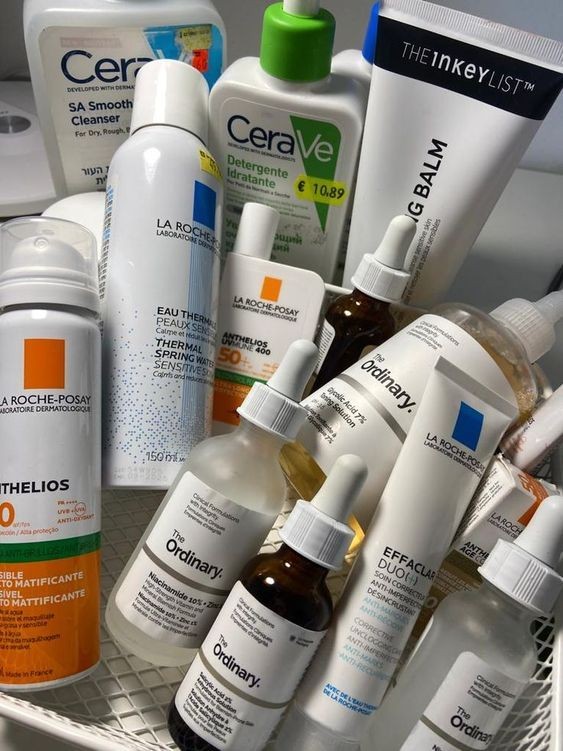
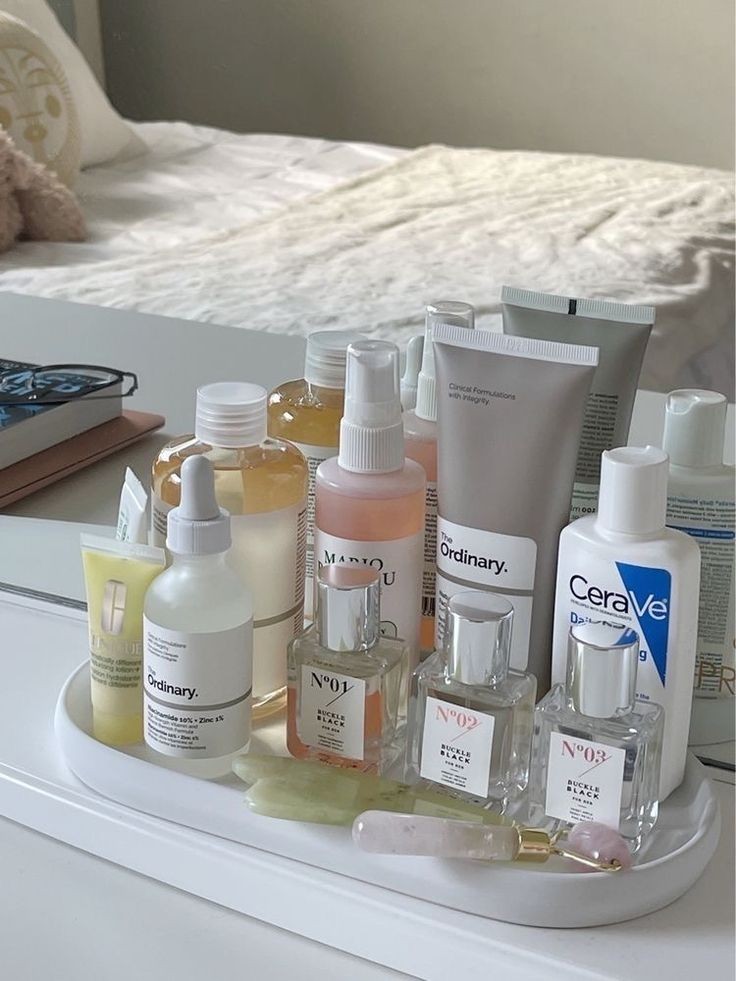
Overconsumption: The obsession with Korean skincare can lead to overconsumption—buying too many products, spending unnecessarily, or damaging your skin with overuse. While Korean skincare routines are often touted as being highly effective, with their multi-step processes and variety of products, this can sometimes lead to unnecessary spending and a cluttered skincare shelf.
Here’s how overconsumption can manifest in Korean skincare:
1. Excessive Product Collection 2. Overuse of Products 3. Misleading Marketing and Trends 4. Not Tailored to Individual Needs 5. Wasting Products
While Korean skincare offers a wide variety of innovative and effective products, overconsumption can lead to unnecessary spending, skin irritation, and wasted resources. A balanced, well-considered approach will allow you to enjoy the benefits of K-beauty without going overboard.
The 10-step skin care routine can be very complex. Some skincare routines are overwhelming (10+ steps!) and not practical for everyone. People do not have the energy or time to do a 10-step skin care routine every day.
And overuse of active ingredients or constantly trying new products can harm the skin instead of helping it.
There is an unrealistic expectations that is seen within people when it comes to skincare and beauty. Marketing and social media can create pressure to achieve “perfect” skin, which isn’t always attainable. It also creates insecurities among people who do not have the ‘korean glass kin’ or does not fit the mould.
The beauty industry, particularly with the rise of trends like single-use products and excessive packaging, has become a significant contributor to environmental waste. While these products are convenient and often marketed as part of a self-care or indulgence routine, they have long-term environmental implications. Here’s how they contribute to waste:
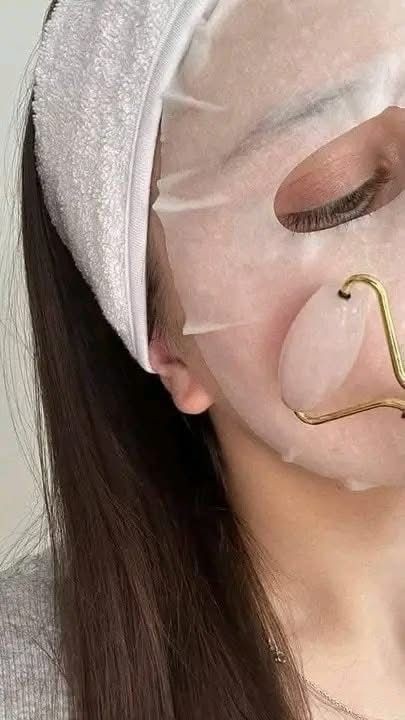
1. Single-Use Products (like Sheet Masks) 2. Excessive Packaging in Beauty Products 3. Formulation and Product Waste 4. Trends and Fast Beauty 5. Overpriced
While the beauty industry offers many conveniences and innovative products, it also generates a significant amount of waste. Single-use items like sheet masks and over-packaged products contribute to environmental pollution, and with the rise of fast beauty, consumers are often encouraged to purchase more than they need. Being mindful of our consumption habits and choosing products with minimal, recyclable, or reusable packaging can help mitigate the environmental impact and promote a more sustainable approach to beauty.
At the end of the day, skincare isn’t about following a perfect 10-step routine or using the latest trends. It’s about what makes you feel confident and cared for. Whether it’s a simple two-step process or a more elaborate regimen, the most important thing is finding what works for your skin and makes you feel good. Skincare is a tool for self-love, a moment to nurture yourself, and ultimately, confidence starts from within.
Remember, you don’t need to overcomplicate it—just do what feels right for you, and that’s enough.
What’s your take on this?
Do you follow a strict skincare routine or keep it simple? I’d love to hear how you approach skincare in the comments below!
If you enjoyed this post, please subscribe to my blog for more updates as I share my blogging journey. Or, leave a comment below to tell me what tips you have for a new blogger like me!






 Ladyink with love