I always used to think, no one inspires me. I don’t admire anyone. There was no human dead or alive that made me look at them and think that I want to be like them.
I used to think admiration was about liking someone’s personality or being moved by their kindness. Turns out, that wasn’t true for me. When I really sat with the question, I realized the thing that sparks my admiration isn’t charm, talent, or even confidence.
It’s long-term consistency.
Not the glamorous version people post online. I’m talking about the unsexy kind: showing up when it’s inconvenient, boring, or emotionally heavy. The type of consistency that builds something bigger than the person who started it.
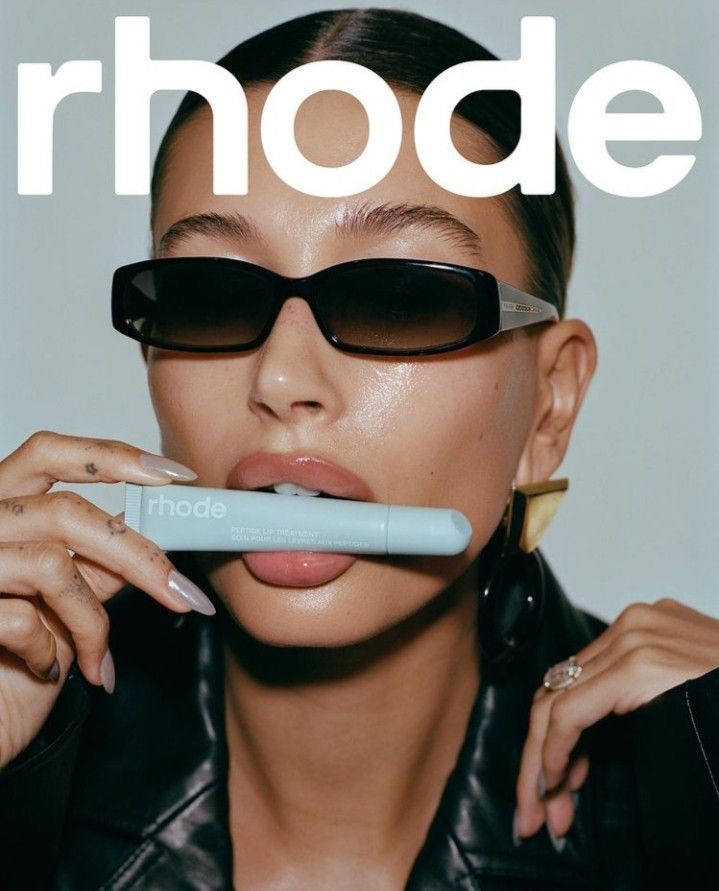
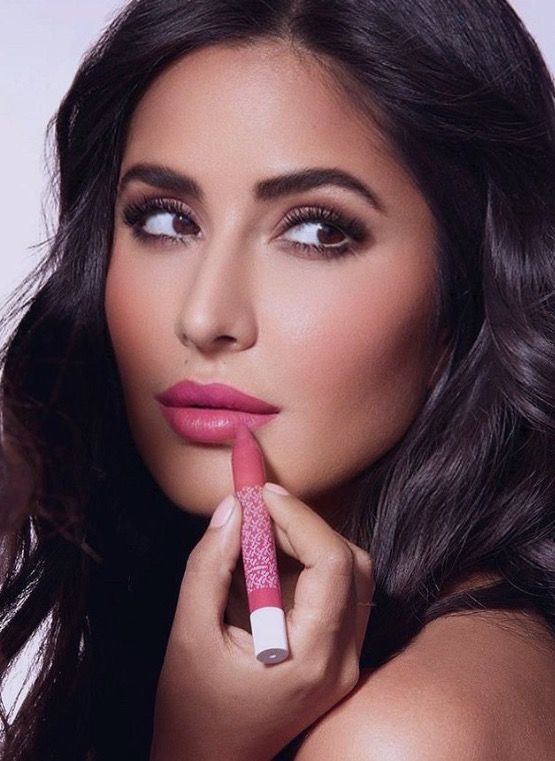
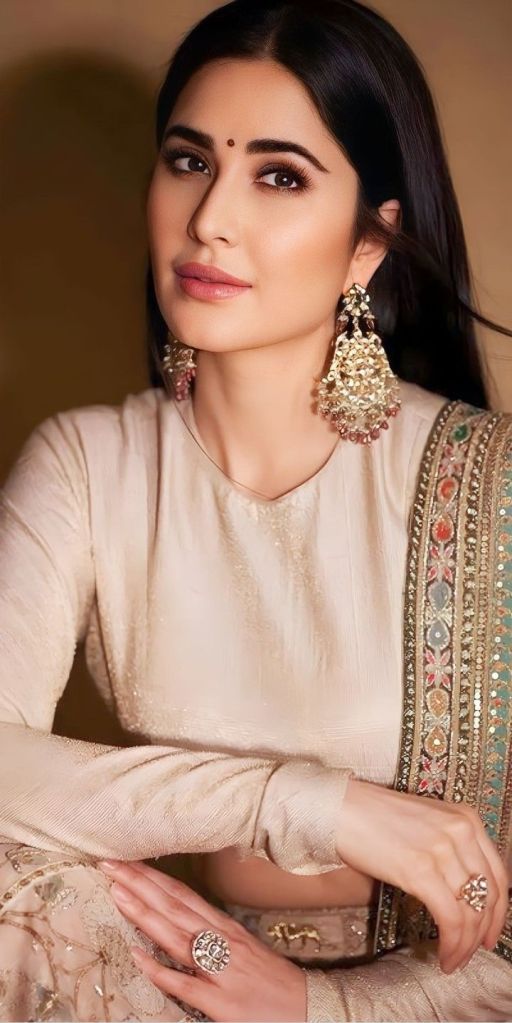
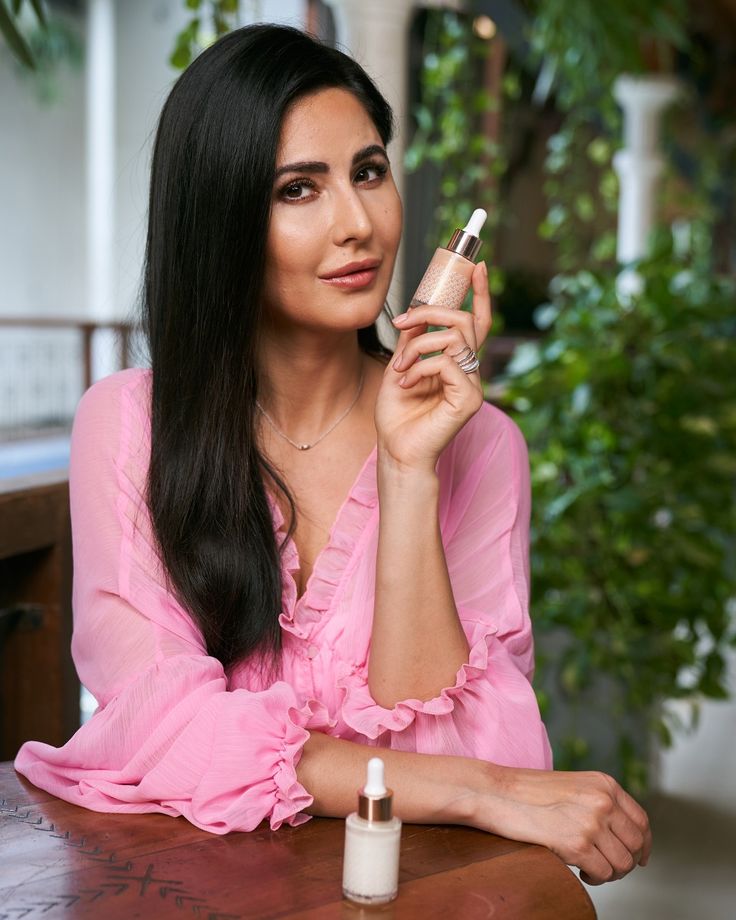
Two women make this painfully clear for me: Katrina Kaif and Hailey Bieber.
Both of them walked into industries that could have swallowed them whole. One was a nepo baby and the other was deemed as only a pretty face. Both were seen as not talented enought. Both had narratives attached to them that could have reduced their entire identity to someone else’s shadow. And they could have stayed there—pretty faces, famous boyfriends, famous husbands, easy stereotypes.
But they didn’t.
They built. They evolved. They stayed consistent long enough to create something that wasn’t dependent on anyone else.
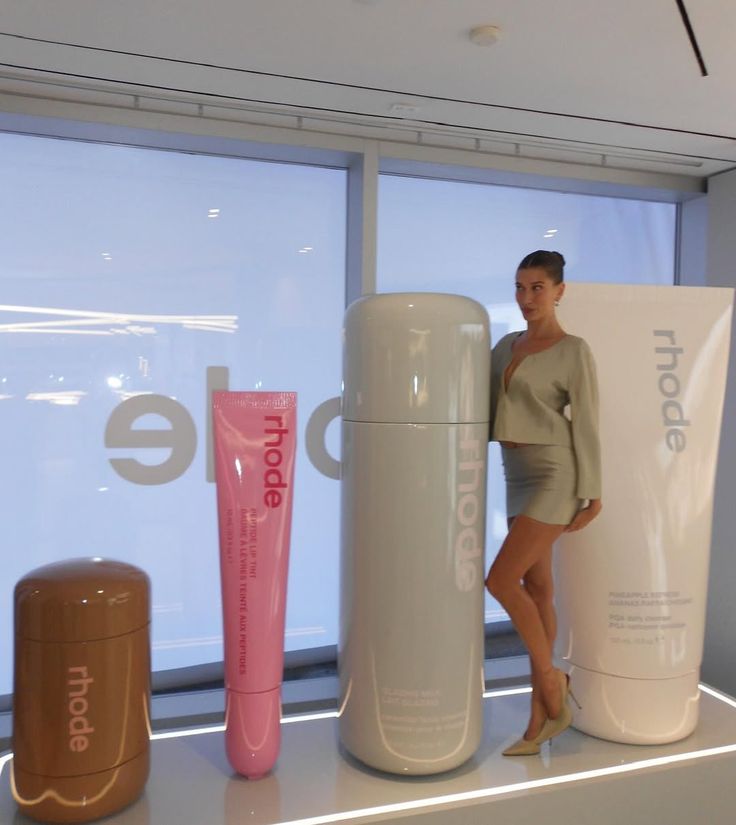
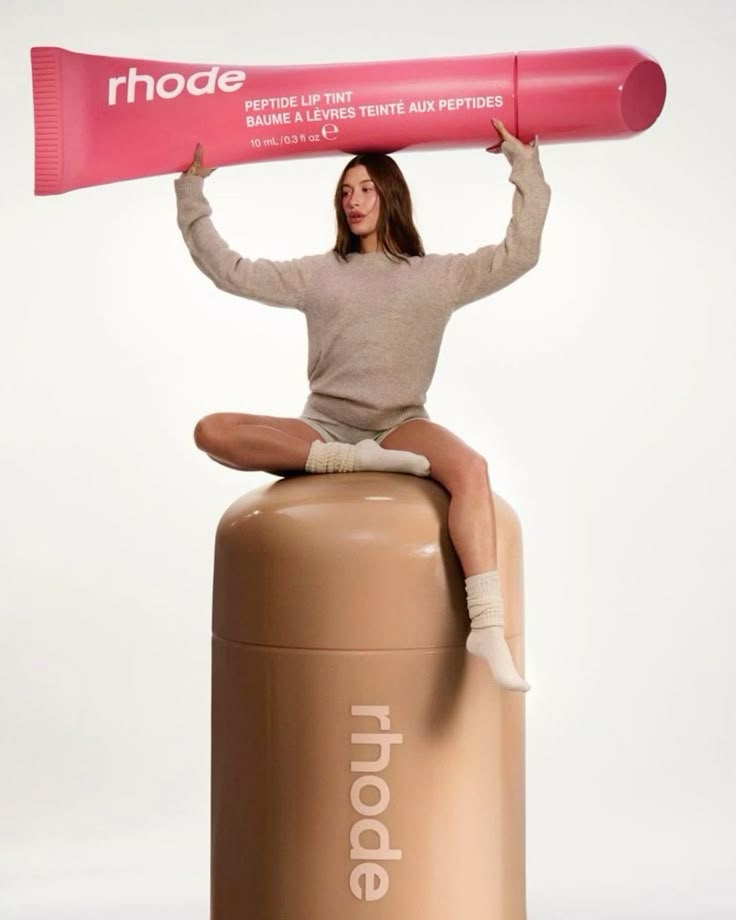
Katrina built Kay Beauty with steady, methodical focus that took years, not months. Hailey built Rhode with the exact kind of discipline people underestimate until the results become impossible to ignore.
Here’s why that hits me so hard.
It’s not just admiration. It’s recognition.
What I admire in them is what I want from myself: the ability to build something that outlives phases, moods, relationships, or excuses. The ability to choose discipline even when life throws setbacks, sickness, or self-doubt into the mix. The ability to rely on myself as my own source of stability, identity, and growth.
Consistency isn’t glamorous, but it is powerful. And every time I admire it in someone else, it’s really a nudge toward the version of me I’m trying to grow into—someone who shows up for her work not only when she feels inspired, but especially when she doesn’t.
Why Society Fears a Woman Who Loves Herself. And Why You Should Love Yourself Even Louder
I’ve been called selfish. Stubborn. Full of myself. And honestly? They’re right—and I’m damn proud of it.
I put myself first. I say no without guilt. I choose my peace over people-pleasing. Somewhere along the way, that became a crime, especially for women. But here’s the thing: loving yourself isn’t narcissism—it’s resistance. It’s survival. It’s the plot twist no one saw coming.
I’ve always thought self-love was important—necessary, even. I love myself. I treat myself well. I take care of my body, my peace, my boundaries, and my dreams. But the moment I started choosing myself, people around me started calling me self-obsessed.
Apparently, putting yourself first is still a sin—if you’re a woman.
And look, I’m stubborn (Capricorn Sun, what else do you expect?). I didn’t see it as a bad thing. But the constant criticism made me pause and wonder: Why does society hate women who love themselves? Why does it feel like prioritizing your own joy, goals, and mental health suddenly makes you “too much”?
Let’s get into it. Buckle up.
What Is Self-Love, Actually?
Self-love isn’t posting selfies with captions like “self-love era” (although that can be part of it, and we support that too, queen). It’s much deeper.
Self-love is a concept rooted in psychology—it means treating yourself with the same kindness, compassion, and respect you’d give to someone you deeply care about. It’s recognizing your own worth even when no one else claps for you. It’s accepting your flaws, honoring your boundaries, and refusing to apologize for your joy.
Let’s break it down:
Acceptance: Acknowledging your imperfections without shame or self-hate.
Compassion: Being soft with yourself in tough moments instead of ripping yourself apart.
Prioritizing Needs: Choosing what’s best for you, even when others expect you to shrink.
Self-Respect: Not tolerating disrespect, toxicity, or situations that drain your soul.
Forgiveness: Letting go of your past mistakes and giving yourself room to grow.
Honesty: Facing your truth, even when it’s uncomfortable.
Self-Worth: Knowing your value isn’t tied to your productivity, appearance, or relationship status.
Why Is Self-Love Crucial for Women?
Let’s get real: for women, self-love is radical. Society has trained us to be selfless to the point of self-erasure. We’re expected to nurture, accommodate, soften our tone, and serve. So when a woman says “No” or “I come first,” people flinch.
Here’s why self-love matters even more for women:
1. It Builds Real Confidence
It’s not fake-it-till-you-make-it energy. It’s the kind of quiet power that says, “I know who I am.”
You stop waiting for validation. You give it to yourself.
2. It Improves Mental Health
Loving yourself helps reduce anxiety, perfectionism, and self-loathing.
It builds resilience—so when life throws punches, you bounce back faster.
3. It Creates Healthier Relationships
When you respect yourself, you attract people who do the same.
You learn to say “no” without guilt and “yes” without fear.
4. It Allows Authentic Living
You stop performing and start living in alignment with who you actually are.
You make decisions based on truth—not approval.
5. It Encourages Self-Care
You nourish your mind, body, and spirit because you know you’re worth it.
Whether it’s therapy, journaling, dance classes, or just sleeping 8 hours—you show up for you.
So… Why Does Society Hate That?
Short answer? Control.
Long answer? Well—
1. It Challenges Patriarchal Norms
Women are expected to serve others before themselves. A woman choosing her own path? She’s a threat. She’s “not feminine enough.” She’s “too ambitious.” But really—she’s just free.
> Example: A woman turning down a marriage proposal to focus on her career is seen as selfish. But a man doing the same? Admirable.
2. It Disrupts Power Dynamics
A self-loving woman doesn’t settle. Not in relationships. Not in jobs. Not in society’s BS. That kind of independence is dangerous—to people who benefit from your silence.
> Think of how often confident women in media are called “bossy,” “difficult,” or “too much.”
3. It Triggers Internalized Misogyny
Other women—conditioned to please, to play small—might see your confidence as arrogance. Why? Because we were all raised to believe we’re only lovable when we’re less.
> You shine? Someone will try to dim it. That says more about them than you.
4. It Exposes Double Standards
Men with high self-worth are “leaders.” Women? “Narcissists.” Men are allowed to prioritize themselves. Women are expected to sacrifice and smile while doing it.
> Reminder: Self-respect isn’t arrogance. And loving yourself doesn’t mean you hate others.
Let’s Talk About the “Threat” Thing
Some people genuinely see self-loving women as a threat. Let’s dissect that.
You challenge outdated roles: You aren’t a quiet caretaker. You’re a force.
You inspire others: Your confidence might wake up something powerful in another woman. That scares people.
You disrupt entitlement: Especially in relationships. You won’t tolerate breadcrumbs. You want a feast.
You call out BS: Misogyny, manipulation, performative allyship—you see it and name it. Loudly.
Are you actually a threat?
No. You’re progress. You’re the future. You’re healing generations of women who were told they weren’t enough unless they were suffering for someone else.
So What Can You Do?
Here’s how to love yourself loudly in a world that wants you to whisper:
🧠 Build a Support System
Find your people. Your sisterhood. Your soft space. The ones who don’t flinch when you shine.
🌱 Practice Daily Self-Care
Not just bubble baths—real care. Say no. Speak up. Sleep. Eat. Journal. Move. Heal.
🗣️ Use Your Voice
Write. Create. Dance. Speak. Stop asking for permission to exist loudly.
🧘🏽♀️ Be Compassionate With Yourself
Talk to yourself like you would your best friend. Kind. Loving. Real. Let your inner voice be your softest home.
🔥 Be Unapologetic
Take up space. Laugh loudly. Cry loudly. Exist as you are, not as they expect.
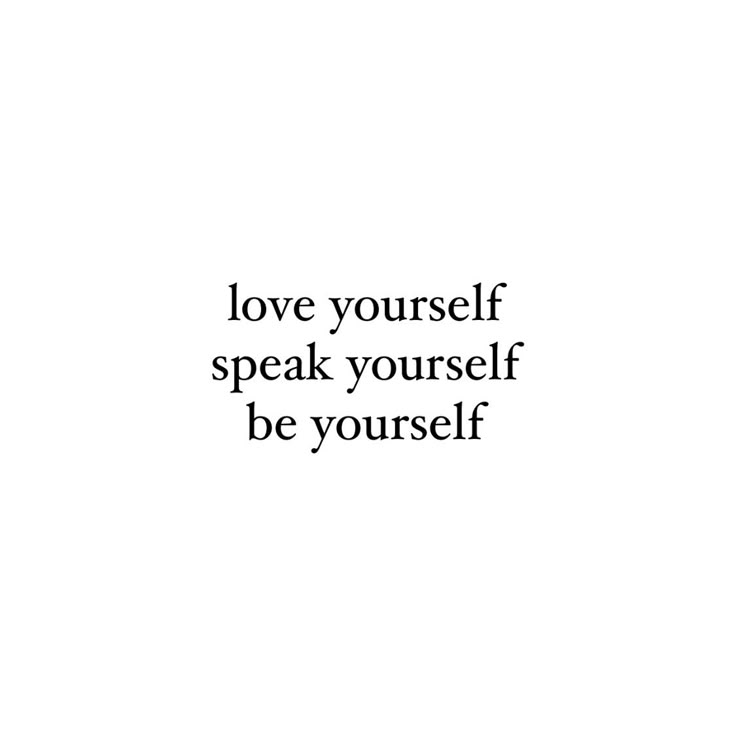
Conclusion: Love Yourself Louder
Here’s the truth: The world will always have a problem with a woman who knows her worth. But that doesn’t mean you should lower your volume.
Your self-love is not a rebellion—it’s your birthright. Your joy is not selfish—it’s sacred. Your boundaries are not rude—they’re revolutionary.
So if they call you “too much,” smile and say—“I wasn’t made to be less.”
Because a woman who loves herself is unstoppable. And that scares them. Let it.
Let me know what do you think about self love? And how do you practice it below! 👇🏻 💕
Skincare is the practice of maintaining and improving the health and appearance of the skin, primarily on the face, but also on other parts of the body.
It involves cleansing, moisturizing, protecting, and addressing specific skin concerns like acne, aging, or dryness. Skincare routines can vary widely depending on individual skin types, concerns, and cultural influences.
This is the definition of skincare when you Google it.
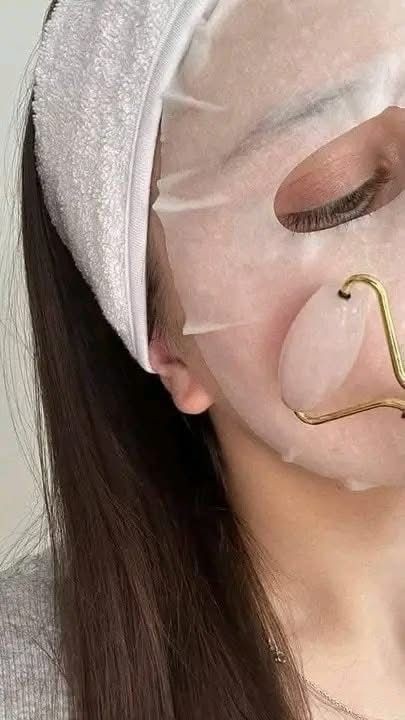
But for me personally, it just is a means of taking care of myself. Everytime I do the whole skincare routine, it makes me feel good. It makes me feel like I’m taking care of myself.
With the recent surgence of Korean culture, we all were introduced to the Korean skincare and makeup. And people have been obsessed with the intensive skincare routine we all see online.
Have you ever been mesmerized by radiant, poreless skin on Instagram and wondered if it’s magic or a 10-step Korean skincare routine?
Wondering if it’s genetics, filters, or the magic of a 10-step Korean skincare routine?
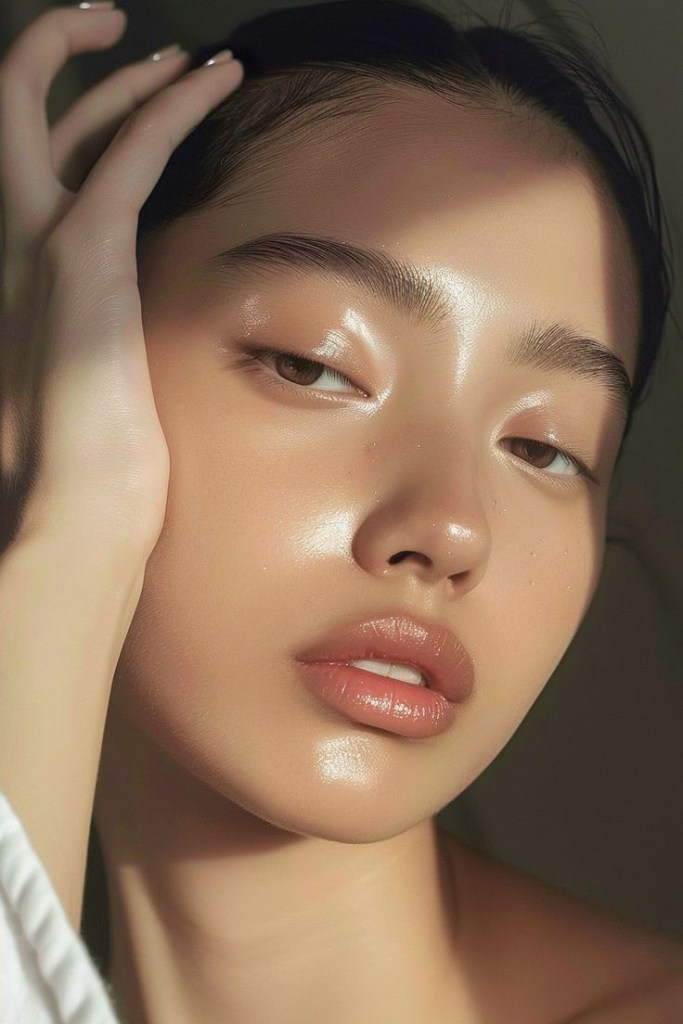
In a world where ‘a dewy, smooth complexion that’s so flawless it looks almost like glass’ is dominating the beauty market, skincare has become more than just being about self-care. It’s a cultural phenomenon!!
But what is driving this obsession? And is it all as flawless as it seems?
I think the obsession with Korean skincare or skincare in general reflects a positive shift toward self-care and prioritizing health. Skincare routines can be empowering, giving people a sense of control over their appearance and well-being. Korean skincare, in particular, has become popular because of its innovative products. Focusing more on hydration and barrier care, and ritualistic approach that feels luxurious and effective.
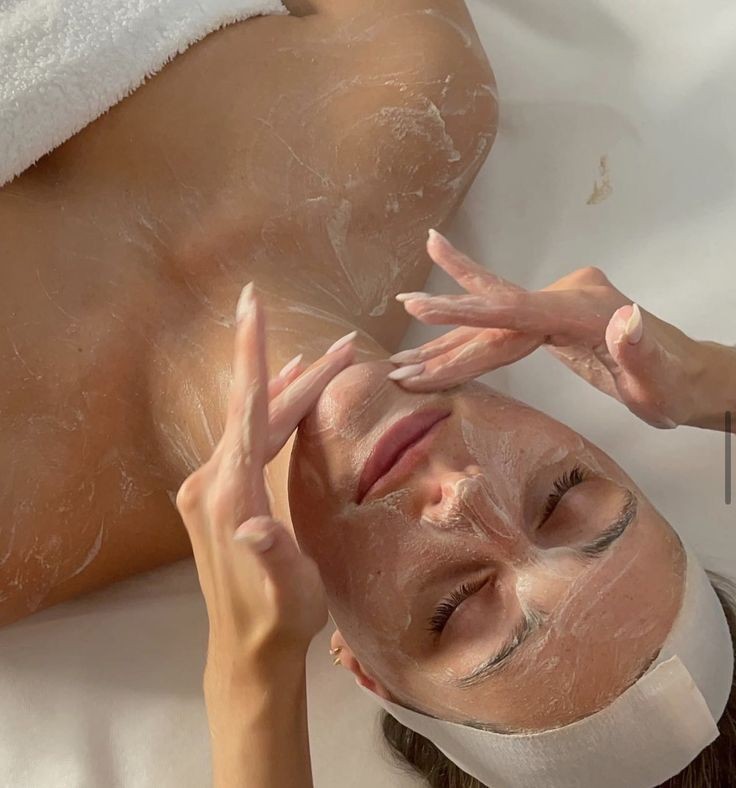
Skincare routines can act as a form of mindfulness because they require you to focus on the present moment. When you apply products like a cleanser or moisturizer, you’re engaging your senses and feeling the textures, inhaling subtle scents, and noticing how your skin responds to the products. This sensory awareness can ground you, pulling your attention away from the stress of the day.
For many, it’s not just about achieving better skin but creating a moment of calm amidst a busy schedule, like a daily act of self-love and care.
A good skincare regimen goes beyond just surface of your skin. A good skincare isn’t just about making your skin look good, it’s also about investing in its long-term health and resilience. By addressing immediate concerns and offering protection, you’re essentially creating a shield for your skin while supporting its natural function and renewal process.
When your skin looks healthy and glowing, it can have a direct impact on how you feel about yourself. Skin is often one of the first things others notice, and when it’s clear, smooth, and radiant, it can enhance your overall appearance. But beyond the surface, the way your skin looks can significantly influence your self-esteem and confidence.
Korean skincare has played a huge transformative role in shaping the global beauty industry, especially by introducing innovative ingredients and methods that were once unfamiliar to many outside of Korea. These groundbreaking elements have not only changed the way we approach skincare but have also broadened the market by appealing to a wide range of consumers with diverse needs and interests.
Focusing on hydration, sunscreen, and gentle ingredients in skincare can have a profound impact on preventing future skin issues, as these elements directly support the skin’s natural barrier, protect it from environmental stressors, and maintain its overall health.
In short, adopting a skincare routine that emphasizes hydration, protection from the sun, and gentle care can lay a strong foundation for long-term skin health, helping you maintain smooth, clear, and youthful skin for years to come. It boosts confidence and makes once feel better.
However, there are some cons about the skincare routine, that people religiously follow, like :
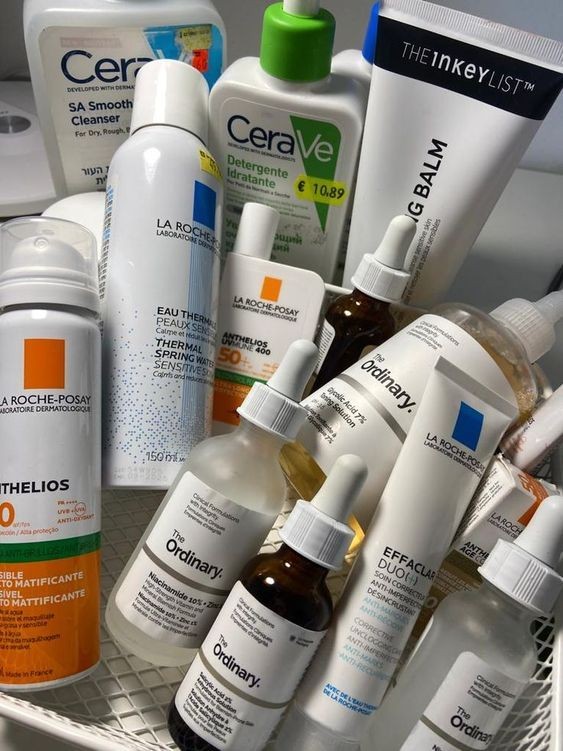
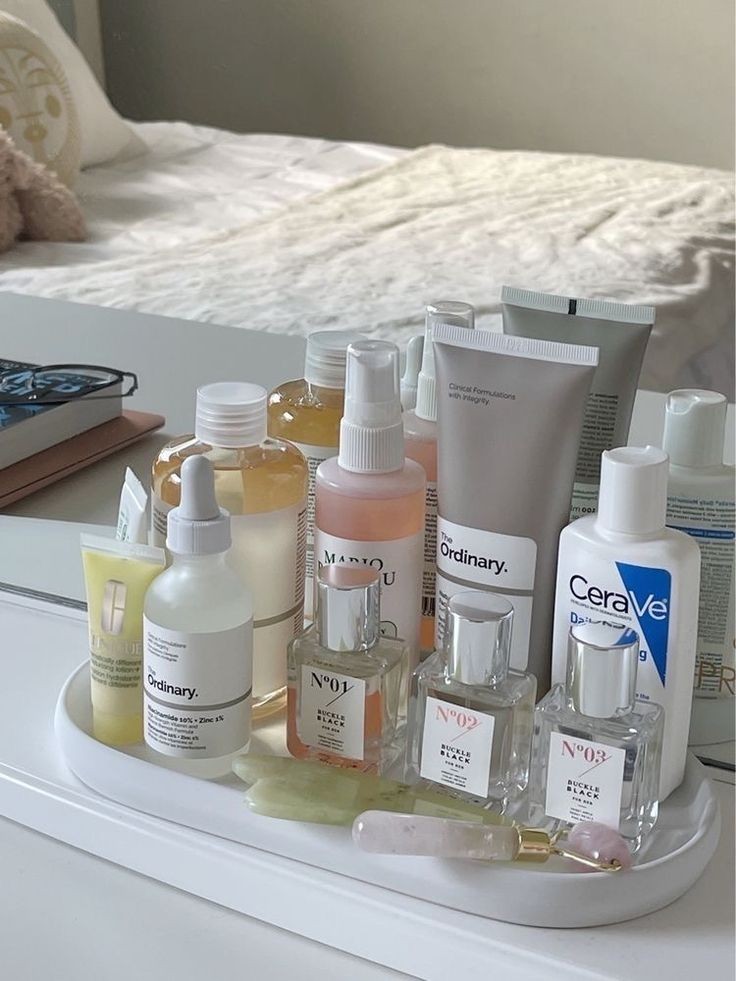
Overconsumption: The obsession with Korean skincare can lead to overconsumption—buying too many products, spending unnecessarily, or damaging your skin with overuse. While Korean skincare routines are often touted as being highly effective, with their multi-step processes and variety of products, this can sometimes lead to unnecessary spending and a cluttered skincare shelf.
Here’s how overconsumption can manifest in Korean skincare:
1. Excessive Product Collection 2. Overuse of Products 3. Misleading Marketing and Trends 4. Not Tailored to Individual Needs 5. Wasting Products
While Korean skincare offers a wide variety of innovative and effective products, overconsumption can lead to unnecessary spending, skin irritation, and wasted resources. A balanced, well-considered approach will allow you to enjoy the benefits of K-beauty without going overboard.
The 10-step skin care routine can be very complex. Some skincare routines are overwhelming (10+ steps!) and not practical for everyone. People do not have the energy or time to do a 10-step skin care routine every day.
And overuse of active ingredients or constantly trying new products can harm the skin instead of helping it.
There is an unrealistic expectations that is seen within people when it comes to skincare and beauty. Marketing and social media can create pressure to achieve “perfect” skin, which isn’t always attainable. It also creates insecurities among people who do not have the ‘korean glass kin’ or does not fit the mould.
The beauty industry, particularly with the rise of trends like single-use products and excessive packaging, has become a significant contributor to environmental waste. While these products are convenient and often marketed as part of a self-care or indulgence routine, they have long-term environmental implications. Here’s how they contribute to waste:
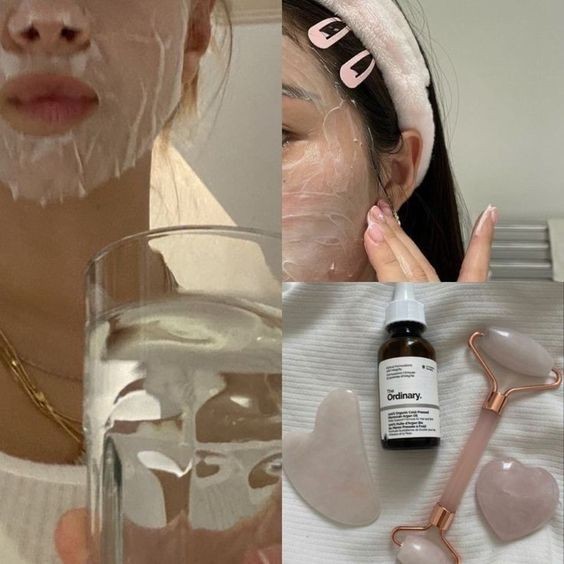
1. Single-Use Products (like Sheet Masks) 2. Excessive Packaging in Beauty Products 3. Formulation and Product Waste 4. Trends and Fast Beauty 5. Overpriced
While the beauty industry offers many conveniences and innovative products, it also generates a significant amount of waste. Single-use items like sheet masks and over-packaged products contribute to environmental pollution, and with the rise of fast beauty, consumers are often encouraged to purchase more than they need. Being mindful of our consumption habits and choosing products with minimal, recyclable, or reusable packaging can help mitigate the environmental impact and promote a more sustainable approach to beauty.
At the end of the day, skincare isn’t about following a perfect 10-step routine or using the latest trends. It’s about what makes you feel confident and cared for. Whether it’s a simple two-step process or a more elaborate regimen, the most important thing is finding what works for your skin and makes you feel good. Skincare is a tool for self-love, a moment to nurture yourself, and ultimately, confidence starts from within.
Remember, you don’t need to overcomplicate it—just do what feels right for you, and that’s enough.
What’s your take on this?
Do you follow a strict skincare routine or keep it simple? I’d love to hear how you approach skincare in the comments below!
If you enjoyed this post, please subscribe to my blog for more updates as I share my blogging journey. Or, leave a comment below to tell me what tips you have for a new blogger like me!









 Ladyink with love