What BTS and Kim Jiyoung, Born 1982 Taught Me About Womanhood, Choice, and Freedom
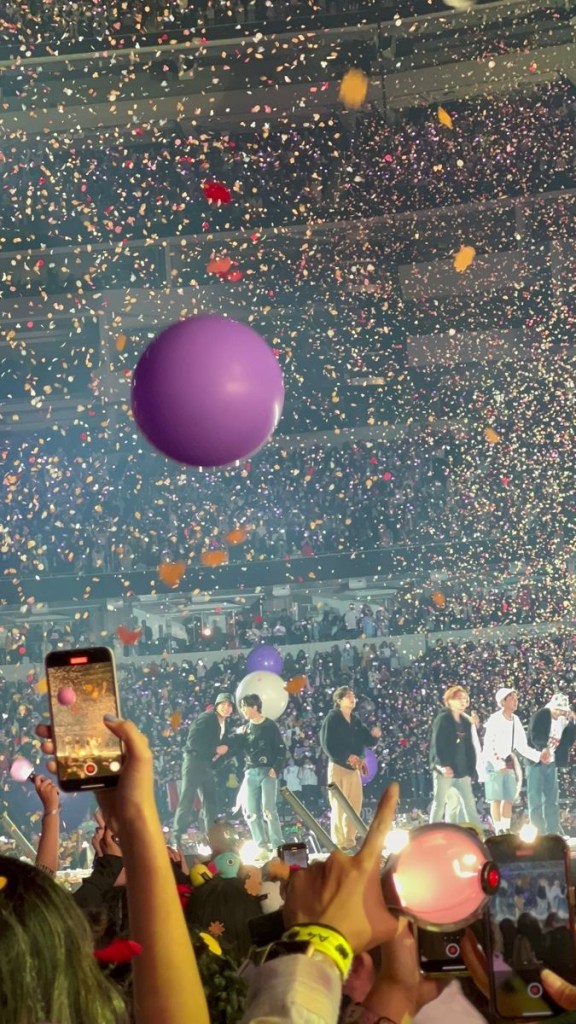
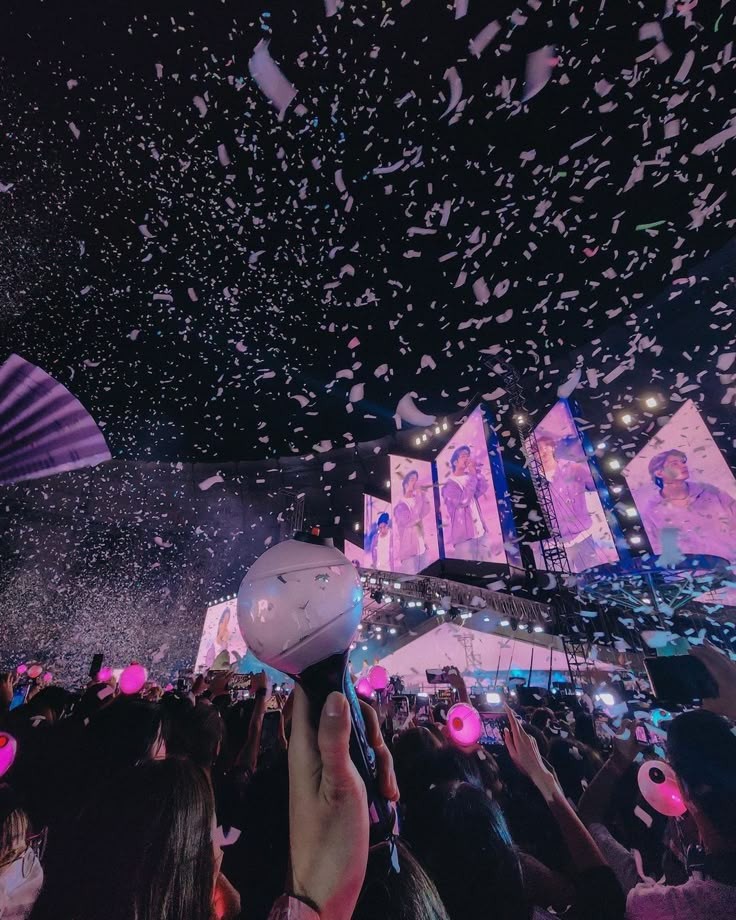
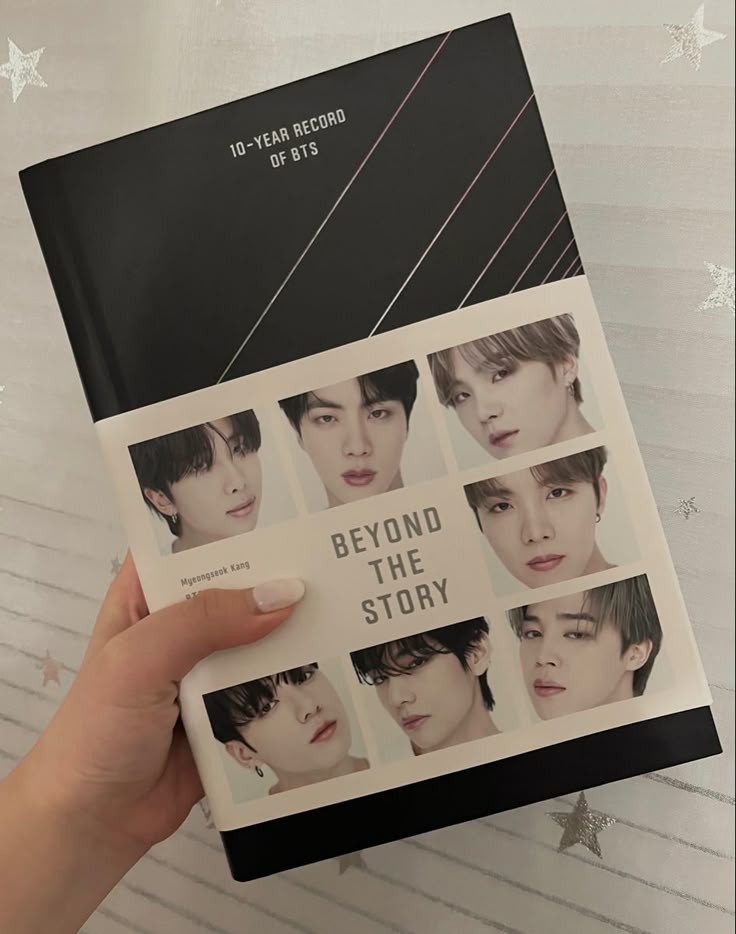
I love BTS. 💜
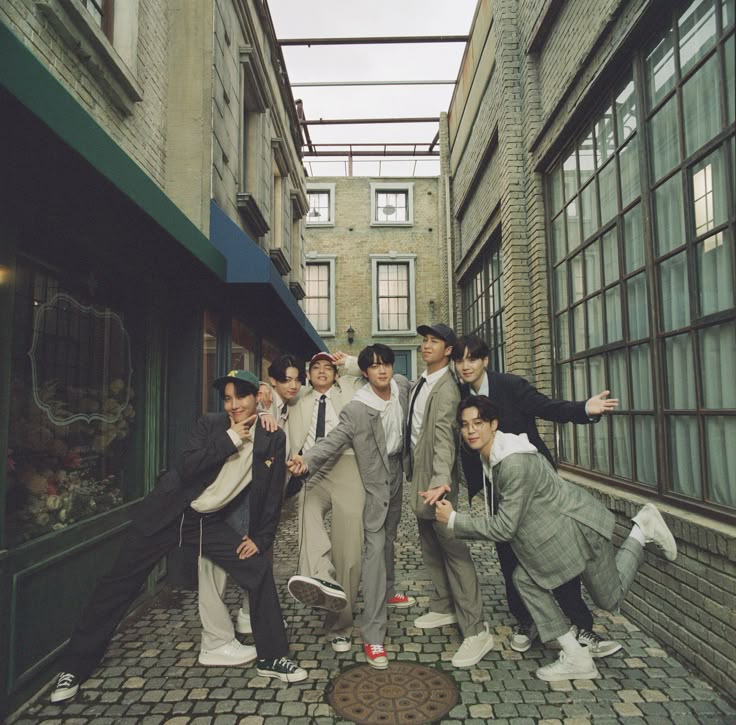
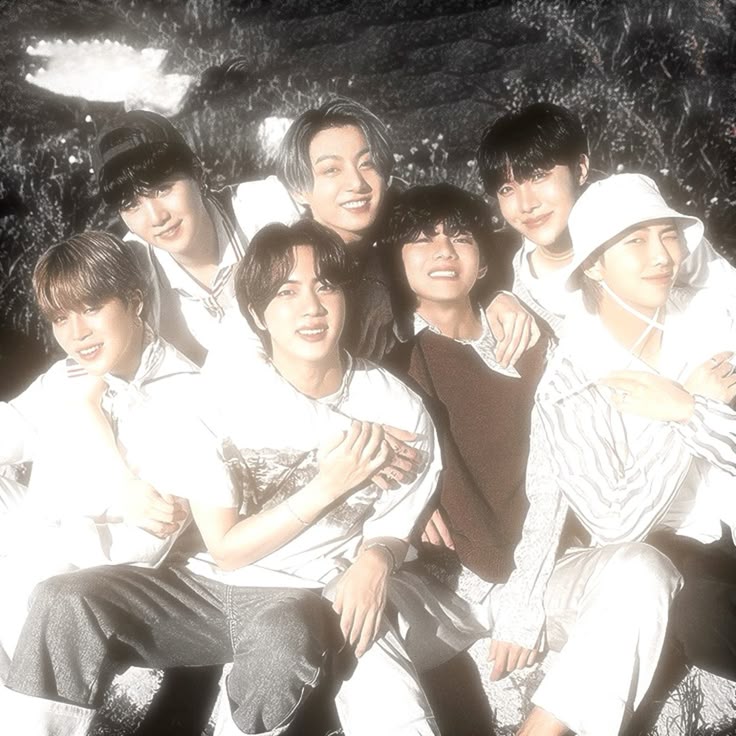
They’re not just one of my favorite artists—they’ve become an essential part of my life journey. Through their music, interviews, speeches, and individual stories, I’ve learned about resilience, healing, and self-love. They taught me that it’s okay to cry, to break, and to start over. That loving yourself isn’t a one-time decision but a daily act of kindness toward yourself.
BTS helped me see the beauty in being authentic. They helped me embrace my flaws, my scars, and the chaos that sometimes comes with simply being human. It’s no surprise that they also opened a door to an entire culture I knew little about—but have come to deeply appreciate.
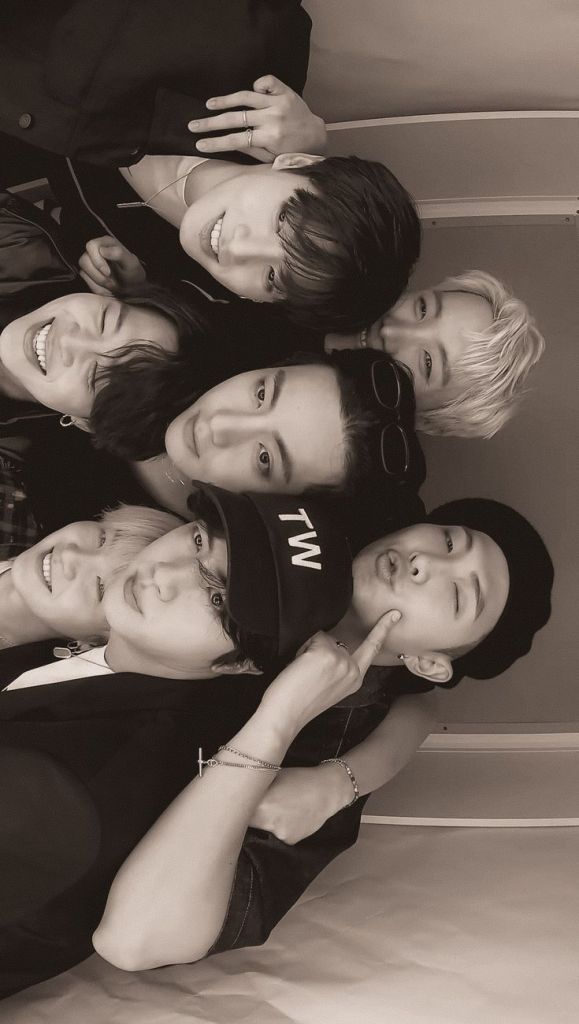
My admiration for BTS led me to explore South Korea beyond just the music. I started learning about the language, beauty standards, pop culture, politics, and even the country’s mandatory military service. I found myself keeping up with South Korean news, watching documentaries, reading articles, and reflecting on how different—and sometimes similar—our worlds were.
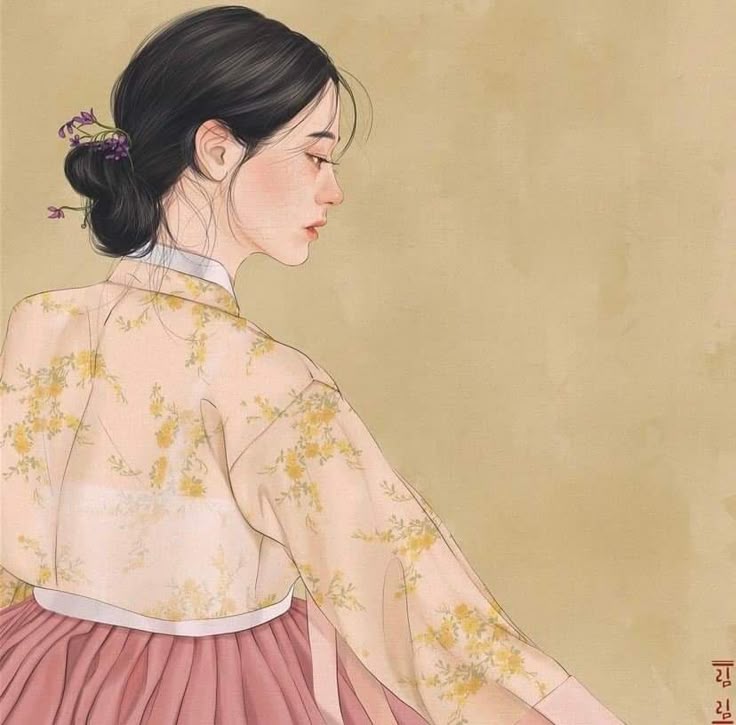
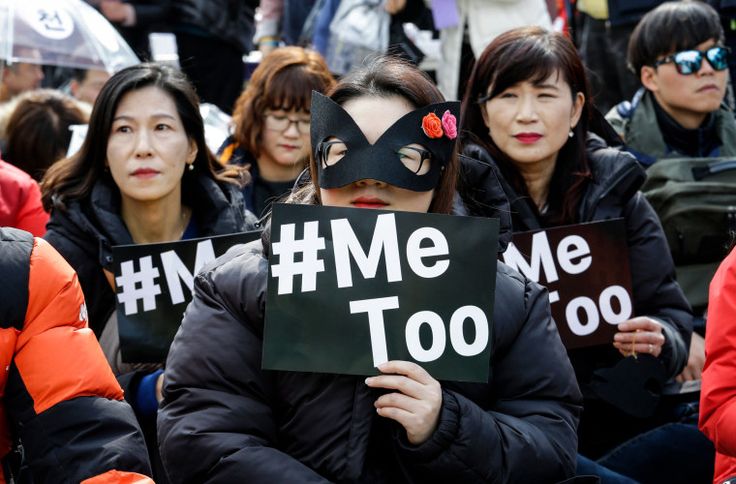
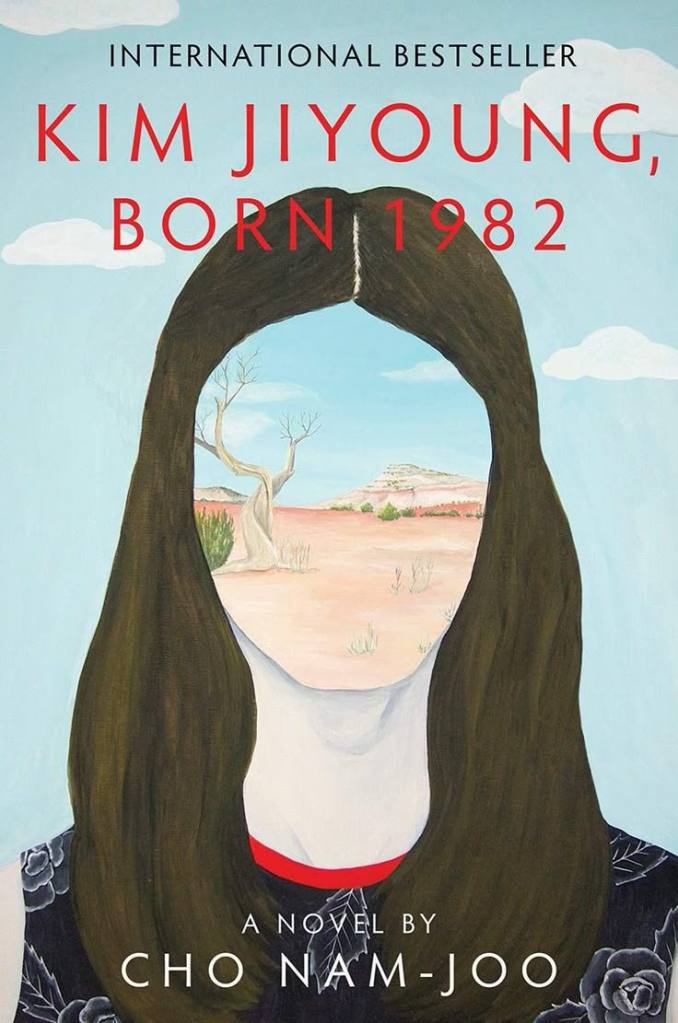
This growing interest eventually led me to literature. I discovered authors like Han Kang, Shin Kyung-sook, and Cho Nam-joo. One day, I came across a story about RM (Kim Namjoon) reading Kim Jiyoung, Born 1982—and I felt compelled to read it myself. I didn’t expect a book to impact me so profoundly.
Kim Jiyoung, Born 1982 is a short novel, but it carries the weight of generations. It tells the story of an “ordinary” woman whose life is shaped and limited by the expectations of a patriarchal society. Slowly, and painfully, she begins to lose her sense of self—until she starts to speak through the voices of other women. These moments are haunting and powerful. It’s as if she becomes the collective echo of every woman who has been ignored, dismissed, or silenced.
While the book focuses on misogyny in South Korea, I couldn’t help but draw parallels to my own experiences—and the experiences of so many women around the world. I saw myself in Kim Jiyoung’s exhaustion, her quiet endurance, and her eventual rebellion. I saw the weight of being expected to be everything for everyone, while losing pieces of yourself along the way.
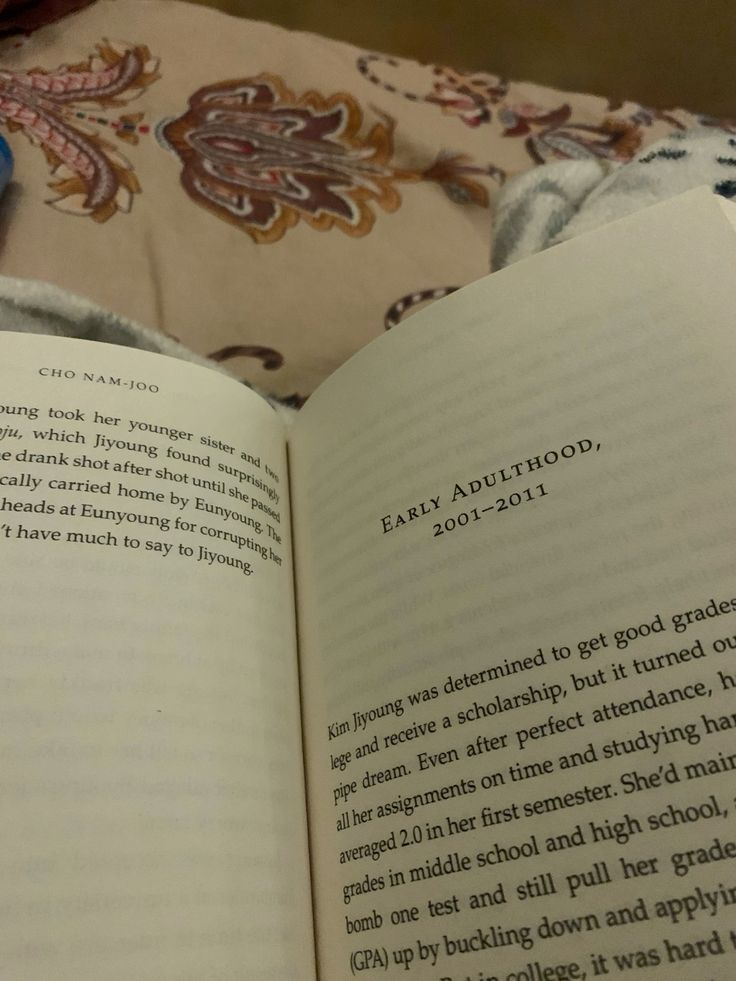
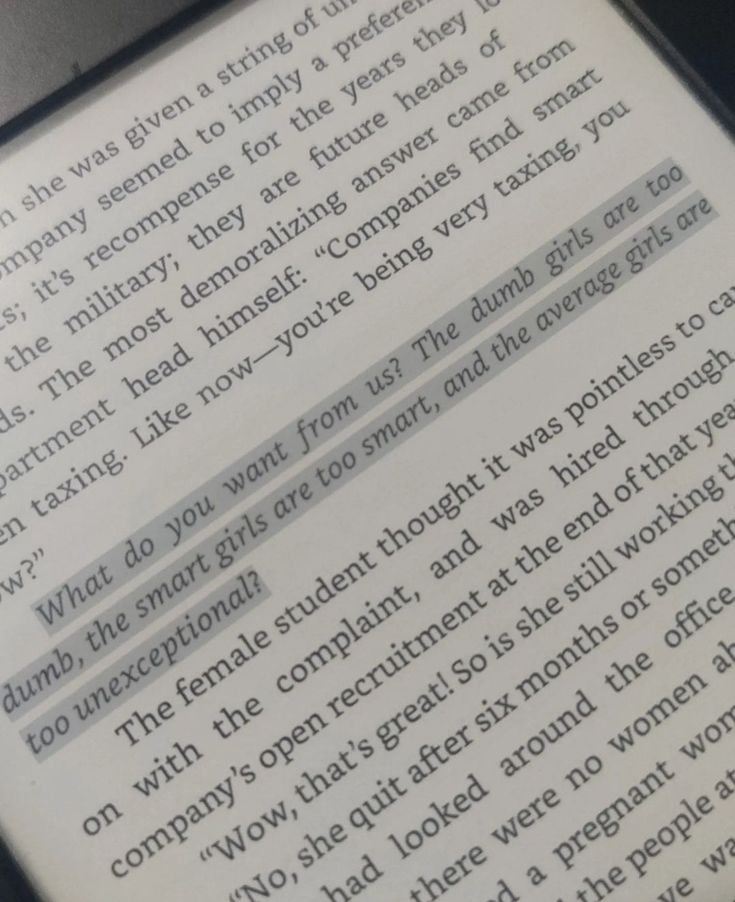
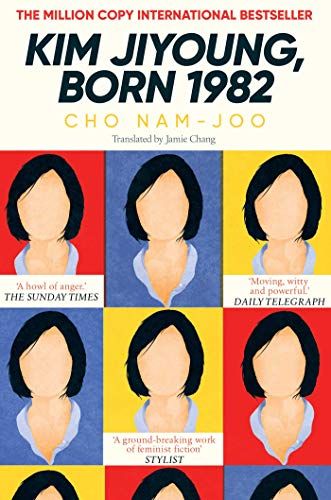
Reading her story made me stop and ask: Do I really want to follow the path laid out for me? Marriage, motherhood, and sacrifice—at what cost?
The more I read, the more unsettled I felt. And yet, there was clarity in that discomfort.
I realized that I didn’t want to be the woman constantly struggling just to exist, to be heard, to be taken seriously. The thought of marriage and children—something I once assumed was inevitable—now feels foreign. I’m not drawn to it. Not because I’m bitter or afraid, but because I’ve started to see another way of living—one rooted in freedom, choice, and peace.
I began to understand why many Korean women are choosing to remain single and child-free.
According to The Korea Herald, “Korea in recent years has been suffering from a downward trend in marriages as well as continually falling fertility rates. The number of annual marriages in the country had hovered at around 400,000 throughout the 1980s and most of the 1990s, but dipped below the 200,000 mark in 2021, falling again to 193,657 in 2023.
With fewer people in Korea getting married and an increasing number of those married opting not to have children, the total fertility rate — the number of children a woman is expected to have throughout her lifetime — plunged to a record low of 0.72 in 2023. The figure is the lowest in the world for a country, and is projected to drop as low as 0.52 if the nation stays the course.”
But this isn’t just about numbers. It’s about choice. It’s about women asking, Do I want this life—or was I just told I should?
This shift isn’t unique to Korea. Women across the world are choosing singlehood for deeply personal and empowering reasons. And honestly, I understand why. I feel it too.
Here are some reasons that resonate with me—and many others:
1. Stronger Social Bonds
Single women often nurture deep friendships and connections with family. These relationships offer meaningful companionship and emotional support, filling spaces that society often assumes only romantic love can occupy.
2. Emotional Independence
Being single allows me to focus on my goals, passions, and self-discovery without compromise. I don’t have to shrink parts of myself to fit into someone else’s life. I can grow on my own terms.
3. Freedom from Societal Expectations
There’s a quiet joy in not conforming. I no longer feel obligated to follow the traditional timeline of life—marriage by 30, kids by 35. That script doesn’t fit everyone, and it certainly doesn’t fit me.
4. Sexual and Personal Autonomy
Many single women report higher levels of sexual satisfaction and less desire for a partner. There’s empowerment in knowing your body, your needs, and not relying on someone else to define your worth.
5. A Fulfilling Life Without Romance
I’ve found fulfillment in my career, my friendships, my hobbies, and in learning more about myself. I’ve realized I don’t need a relationship to feel complete. I am whole already.
Redefining Womanhood on My Own Terms
Some might see this as a rejection of love or tradition. But I see it as something else—a return to myself.
It’s not that I hate the idea of love or relationships. I just believe they should be a choice, not an obligation. I don’t want to settle out of fear. I don’t want to marry because it’s “time.” I want to live a life that feels like mine—not one written for me by someone else.
Choosing Yourself Is Revolutionary
Reading Kim Jiyoung, Born 1982 changed me. It held up a mirror and showed me the quiet compromises women make every day. It made me realize that choosing yourself in a world that constantly demands you give yourself away is a radical, beautiful act.
And BTS—through their honesty, their struggles, their advocacy for self-love—planted the seeds that made that realization possible.
So, here I am: not afraid to be single, not ashamed to walk a different path, and no longer eager to please a world that was never built with me in mind.
To all the women who feel the same: you are not alone. You are not broken. And your story matters—just like Kim Jiyoung’s, just like mine. 💕💕
Let me know your thoughts below 👇🏻
 Ladyink with love