Tag: Romantic

  • Why Romance Novels Don’t Hit the Same Anymore

    A personal reflection on losing the spark, finding growth, and raising the bar for love stories.

    💓When Romance Stops Feeling Romantic

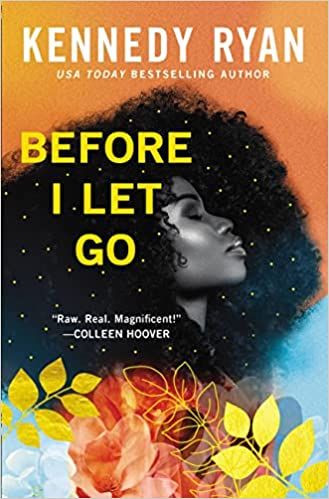
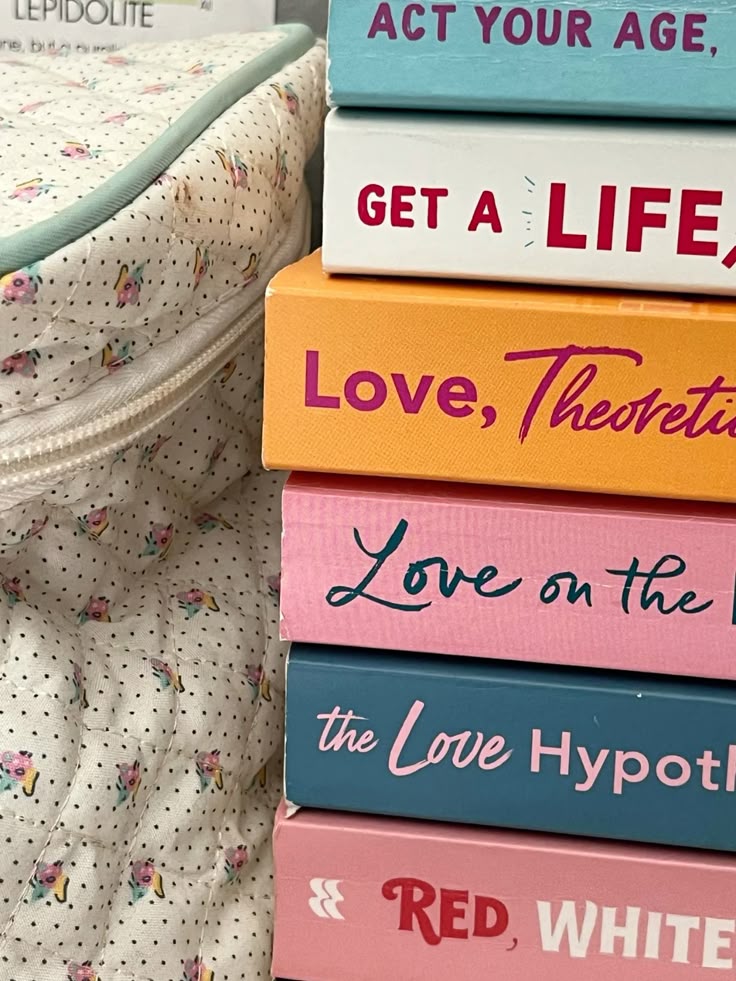
    Recently, after a long break, I picked up a romance novel again—Before I Let Go by Kennedy Ryan. It’s a second-chance story about a divorced couple co-parenting while slowly finding their way back to each other. It was beautifully written. I even found myself tearing up in places.

    But when I finished the last page, something surprised me: I felt… nothing. I closed the book, set it aside, and moved on with my day. For most of my life, that would have been unthinkable. Normally, I fall into books so deeply that I carry them with me for days. The characters linger in my head. Scenes replay in my imagination. I walk around half in their world, half in mine. This time, the spell didn’t hold.

    And it’s not just this one book. Lately, whenever I pick up a romance novel or turn on a romantic show, I catch myself brushing it off. What once felt immersive and thrilling now feels flat. Which made me stop and ask: have I lost interest in romance altogether—or am I simply growing into a new version of myself?
    🤔Why Romance Has Always Been So Magnetic?

    Romance, especially for women, has always carried more weight than just “a love story.” It’s a place to imagine connection, safety, and joy in ways that daily life doesn’t always provide.

    Hope and connection: At its core, romance offers the dream of unconditional love and emotional intimacy. Even when real life is messy, romance novels whisper that love can win.

    Emotional validation: These stories center women’s feelings, desires, and struggles. They say: your inner world matters.

    Reciprocity: Romance often models relationships where both people share the emotional labor equally—a fantasy when reality sometimes tilts heavily.

    Escapism and fantasy: They give you permission to step out of stress and responsibility into a world where you’re chosen and cherished.

    Community and representation: Romance has created a global sisterhood. Readers connect over shared swoons, debates about tropes, and characters who reflect their own experiences.

    At its best, romance is a form of care. It softens reality and reminds you that tenderness is possible.
    🥰Why Romance Novels Feel So Appealing?

    Part of the charm of the genre is its structure. Romance promises emotional payoff. Even if the couple fights, even if there are twists and heartbreaks, you know the story will carry you to resolution. That certainty is soothing in a world where nothing else feels guaranteed.

    Romance also offers:

    Escapism with stakes: The tension always revolves around love. No serial killers or world-ending disasters—just intimacy on the line.

    Relatability: Everyone has known desire, heartbreak, or longing. Reading it on the page feels personal.

    Fantasy and hope: A good romance novel makes love feel magical and possible, even when real life has taught you otherwise.

    Compared to thrillers that chase adrenaline, or fantasy that builds entire universes, romance dives straight into the most universal need: to be seen, wanted, and loved.
    👎🏻Why It Doesn’t Hit the Same Anymore?

    So why does romance, once irresistible, feel flat now? A few reasons come to mind:

    1. I’ve changed, but the stories haven’t. The tropes that thrilled me years ago now feel recycled. The “bad boy with a hidden heart of gold,” the “will-they-won’t-they misunderstandings”—I’ve seen them play out too many times.

    2. My emotional bandwidth is different. Work, friendships, family, responsibilities—real life takes up the space I once reserved for living through fictional couples. My mind craves new forms of stimulation, maybe more growth or depth than escape.

    3. My definition of romance has matured. I used to melt at grand gestures and dramatic confessions. Now? Consistency, emotional safety, and quiet gestures feel more romantic. Fiction hasn’t always caught up to that shift.

    4. I might just be saturated. Years of devouring romance novels built a kind of tolerance. The formulas that once worked magic now feel predictable.

    5. I’m craving different narratives. My imagination wants new food. Psychological dramas, memoirs, literary fiction—stories that stretch me in ways romance used to.

    Losing interest doesn’t mean I’m less romantic. It means I’ve grown.
    👀Reality vs. Novel Romance

    Part of the disconnect is this: romance in fiction and romance in life don’t look the same.

    First encounters: In novels, sparks fly instantly. In real life, it’s often awkward small talk that deepens slowly.

    Conflict: Fiction thrives on dramatic misunderstandings. Real life? It’s mismatched schedules, stress, or someone forgetting to text back.

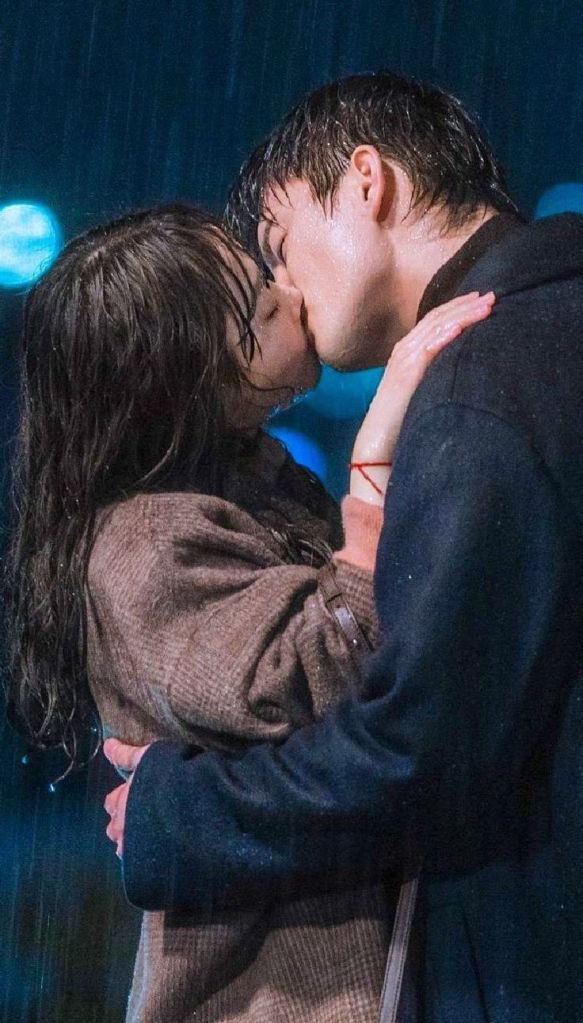
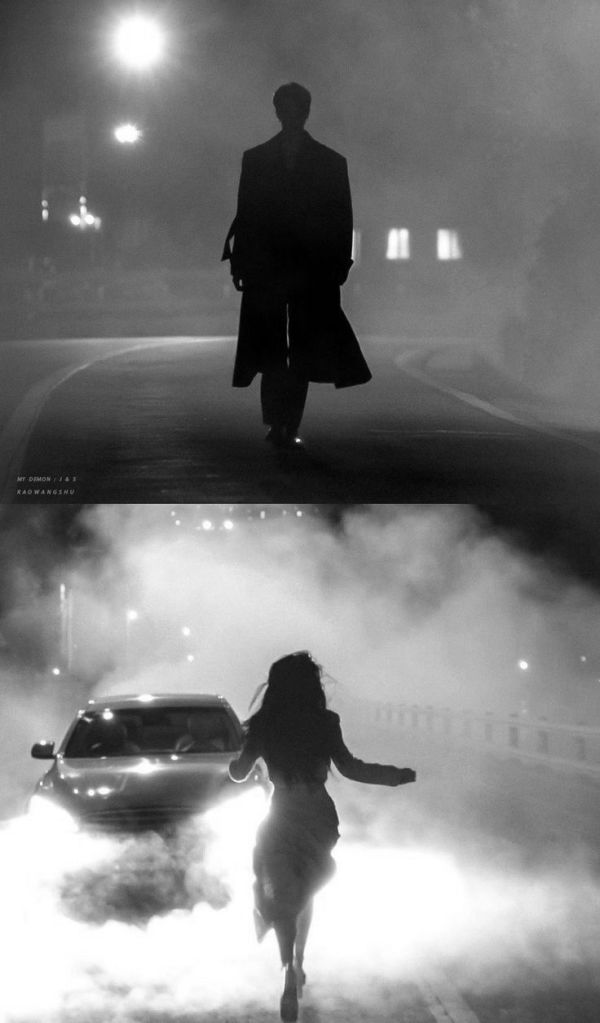
    Gestures: Novels love airport chases and confessions in the rain. Real love is showing up with soup when you’re sick.

    Timing: In books, love always finds a way. In reality, the right person can arrive at the wrong time, and people don’t always wait.

    Resolutions: Novels promise happily-ever-after. Real life is sometimes happily-for-now—or endings, even when love exists.

    Intensity: Fiction burns hot all the time. Real love has ebbs and flows.

    Growth: Novels show characters “saved” by love. In reality, you have to do your own work before love can thrive.

    🙅🏻‍♀️The Problem With Romanticizing Abuse

    One thing that definitely no longer appeals to me are the darker tropes I grew up seeing in Wattpad stories: mafia “romance,” kidnapping plots, trafficking dressed up as passion. Back then, I didn’t question it. Now, I can’t ignore how harmful it is.

    They glamorize abuse, making control or violence look sexy.

    They erase real trauma, ignoring the suffering of actual victims.

    They normalize toxic power dynamics, presenting dominance as love.

    They desensitize audiences, turning crime into just another spicy plot device.

    There’s nothing wrong with dark fiction when it’s clearly labeled as thriller or fantasy. But calling it “romance” is dishonest. Romance should mean choice, respect, and mutual desire. Anything else isn’t love—it’s abuse dressed up in pretty language.
    ❤️Where I Am Now

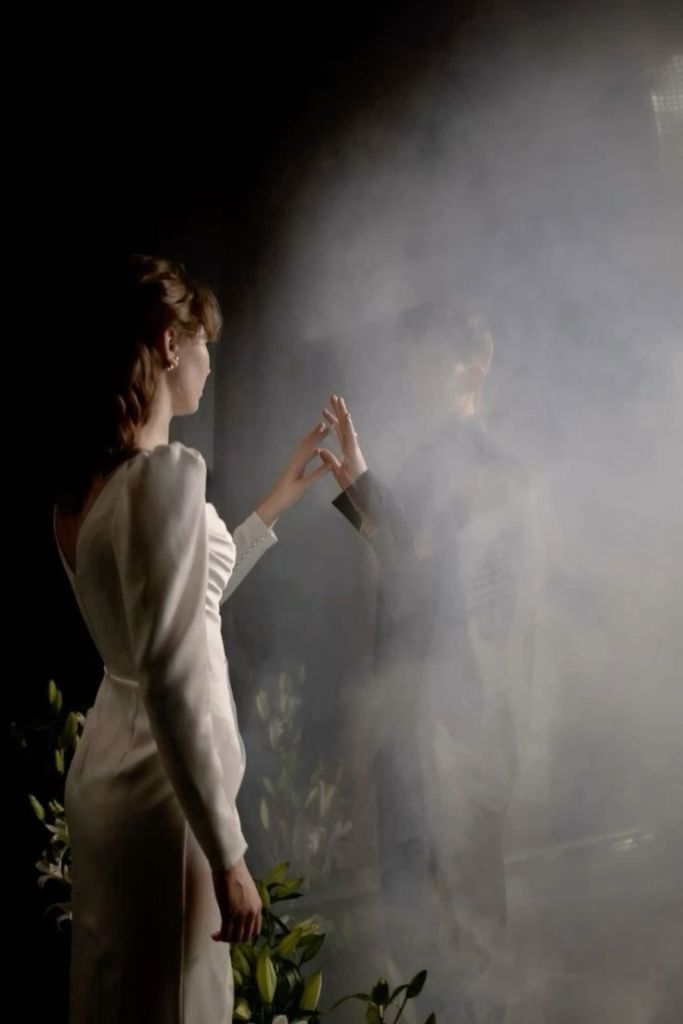
    What I see clearly now is that my changing relationship with romance isn’t an ending—it’s growth. The books and shows that once swept me away don’t resonate because I’ve outgrown them. I no longer want shallow butterflies or fantasies built on control. I want honesty. Nuance. Stories that reflect the kind of love I now understand: imperfect, sometimes ordinary, but rooted in trust and choice.

    That’s why toxic tropes not only bore me, they feel wrong. They clash with what I now know love should be. So maybe this shift isn’t about falling out of love with romance at all—it’s about raising the standard. Refusing to settle for hollow stories.

    Losing interest doesn’t mean the romantic in me has died. It means she’s evolved. I’m no longer chasing someone else’s fantasy. I’m holding out for something real.

    Let me know your thoughts below 👇🏻💕
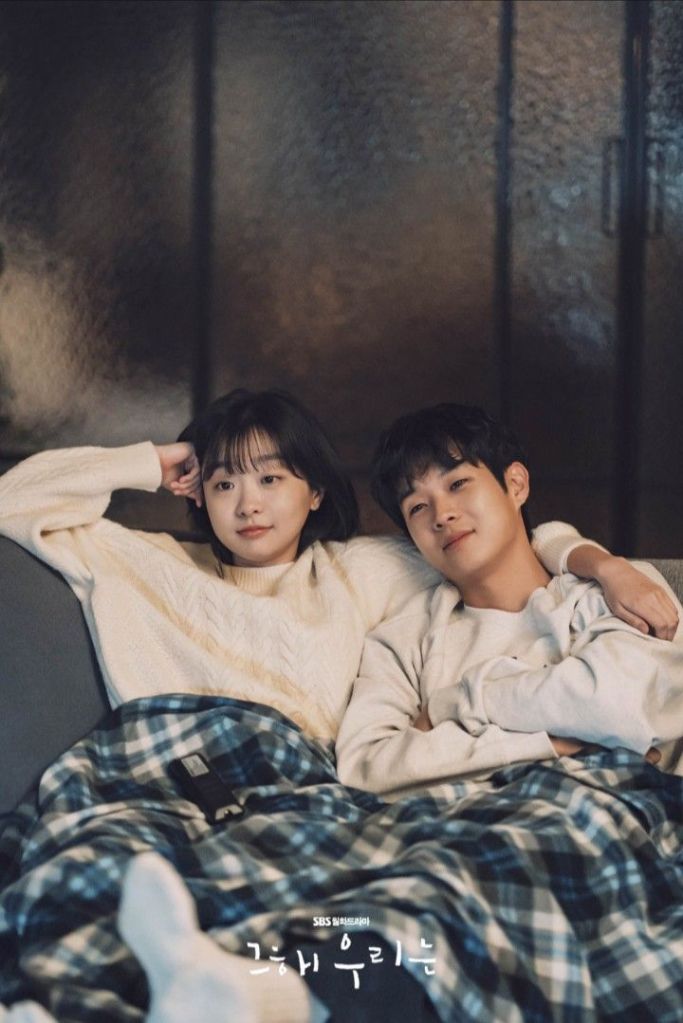

  • What personality trait in people raises a red flag with you?

    The Personality Traits That Raise Red Flags for Me

    Over the years, I’ve realized that what turns me off about a person isn’t usually about looks, money, or even lifestyle. It’s their character. The way someone handles themselves in small, everyday situations reveals more than anything they could say about who they are. And for me, certain traits are instant red flags.

    The Traits That Make Me Step Back

    Impatience and aggression: If you can’t manage your temper or wait your turn, you’re showing me that your self-control is fragile.

    Chronic lateness: Life happens, sure. But being constantly late signals a lack of respect for other people’s time.

    Close-mindedness and conservatism: When someone refuses to even consider new ideas or perspectives, conversations become suffocating. Growth requires openness.

    Misogyny and lack of respect: This one’s obvious. If you can’t respect women—or people in general—you don’t deserve a place in my life.

    Weak backbone: A person who can’t stand up for themselves, who bends to every opinion around them, or who’s easily manipulated—it reads as weak character. Leadership starts with knowing your own mind.

    Indecisiveness and laziness: Not every decision is life or death, but constantly wavering or avoiding responsibility signals unreliability.

    All of these traits add up to the same thing: a lack of strength, clarity, and self-respect.

    When I picture the kind of man I’d want in my life, I don’t see perfection. I see someone with presence. A man who knows what he wants and isn’t afraid to go after it. Someone who leads not by dominating others, but by commanding respect through confidence, decisiveness, and integrity.

    To me, dominance isn’t about being controlling. It’s about carrying yourself with such self-assurance that others naturally look to you. It’s about being grounded enough in your masculinity that a powerful woman doesn’t intimidate you. In fact, you admire her for it.

    Weak character doesn’t just make a relationship hard—it makes it impossible. You can’t build a partnership with someone who doesn’t know who they are, won’t stand for anything, or crumbles under pressure. Respect, openness, and conviction aren’t just “nice-to-haves.” They’re the foundation for love, friendship, and even trust.

    At the end of the day, what I want isn’t complicated. I want someone whose aura demands respect because they respect themselves first. Someone who can lead, but also listen. Strong, but open. Dominant, but not threatened. That combination is rare, but it’s the only one worth waiting for.


  • K-Dramas Made Me a Romantic. Reality Made Me Regret It. Hallyu, Hype, and Healing: How K-Dramas Took Over the World

    From Binge to Burnout: My Love-Hate Relationship with K-Dramas

    I remember when COVID first broke out… Everyone was stuck at home with nothing to do. So, sometime in 2020, I started scrolling through Netflix and stumbled upon my very first Asian drama: Meteor Garden. Okay, yes — it’s a Chinese drama, not a K-drama, but hear me out — that was the gateway drug. 😐

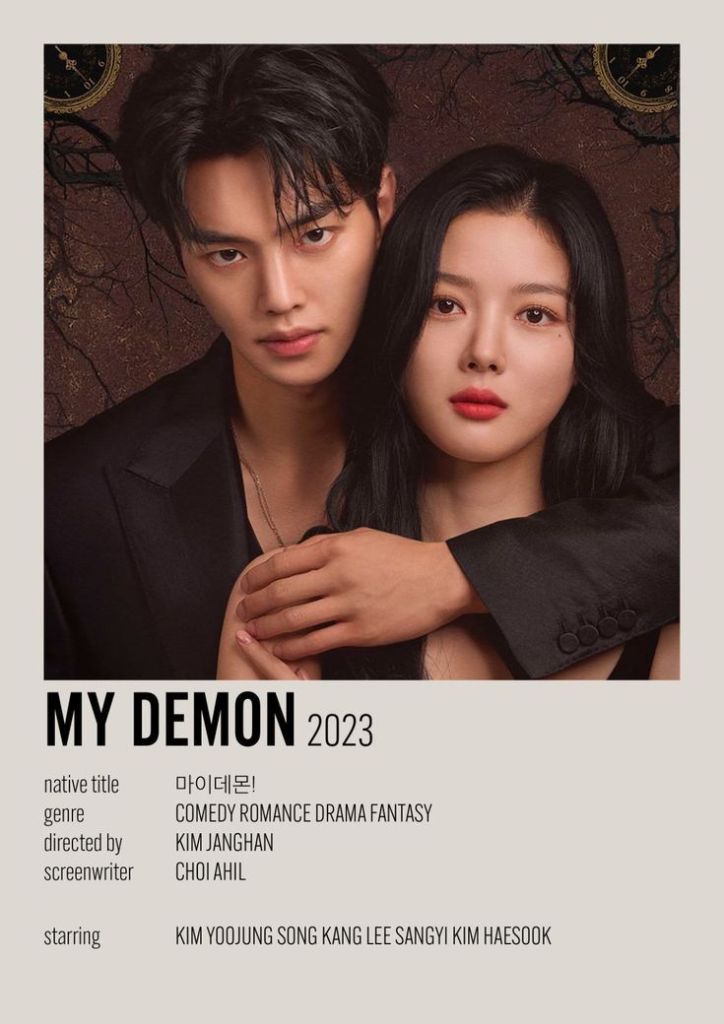
    The real addiction kicked in with What’s Wrong with Secretary Kim. Park Seo-joon? That handsome man!!!🫦 Park Min-young? A brilliant actor! 👏🏻 Chemistry off the charts. I laughed. I swooned. I spiraled. And from there, it was game over — one drama turned into two, two turned into ten, and now I’ve clocked close to a hundred K-dramas. That’s not a hobby. That’s a lifestyle.

    From boys over flower to Goblin, from All Of Us Are Dead to Squid Game, from Vincenzo to The Glory. I have watched all the genres I could (except horror, I can’t watch horror shows) 😔.

    At first, I was completely hooked. New releases? I was refreshing the app. Top 10 lists? I’d already seen them. But somewhere along the way, the sparkle started to fade. The storylines began to blur together. The same tropes, the same chaebol heirs, the same clumsy heroines — and suddenly I realized I wasn’t watching for the plot anymore. I was watching out of habit.

    Still, there’s no denying that since the 2020s, K-dramas have exploded globally. This wasn’t just about entertainment anymore. It was a cultural phenomenon — fueled by strategic streaming platform deals, high-quality storytelling, and yes, the boredom of a global lockdown. Shows like Squid Game took the world by storm, and the Hallyu wave crashed hard into the mainstream.

    So, what made K-dramas rise so fast and stay relevant?

    🚀 Why K-Dramas Took Over the World:

    1. Genre-Bending Storytelling
    Historical fantasies, rom-coms, psychological thrillers, political revenge plots — K-dramas don’t stick to one lane. You get variety, complexity, and cinematic quality that rivals Hollywood.

    2. Netflix & Chill (K-style)
    Netflix, Viki, and others localized K-dramas with subtitles, dubbing, and full-blown promotional strategies. Accessibility made obsession easier.

    3. Lockdown Love Affairs
    With everyone locked indoors, K-dramas were an emotional lifeline. When real life felt chaotic, fictional Seoul offered comfort, consistency, and slow-burn romance.

    4. The Hallyu Wave
    K-pop, Korean food, fashion, and skincare all surged alongside K-dramas. If you watched Crash Landing on You, chances are you also Googled Korean sheet masks right after.

    5. Global Fandom Energy
    K-drama fans aren’t casual. They create playlists, memes, travel guides, and even learn Korean — community-driven fandoms made K-dramas more than just content.

    6. Cultural Export = Big Money
    Korea leveraged this boom, turning entertainment into economic power. K-dramas became cultural ambassadors, boosting tourism, product exports, and international clout.

    🌈 Why This K-Wave Is Actually a Big Win:

    1. Diversity Is Finally Mainstream
    Western media has hogged the spotlight for decades. Now, K-dramas are making subtitles sexy and global stories the new norm.

    2. Emotions? Dialed All the Way Up
    K-dramas embrace vulnerability — crying, blushing, yearning. They go full send on feelings, and we love them for it.

    3. Hard Work = Core Theme
    Whether it’s a K-pop trainee grinding for debut or a poor lead hustling to survive, effort is glamorized — and relatable AF.

    4. Redefining Gender Norms
    Soft, sensitive men. Strong but emotionally rich women. K-dramas challenge rigid gender stereotypes, unlike many Western counterparts.

    5. Fans Run the Show
    The fandoms are loud, proud, and powerful — organizing support, donations, and social movements. It’s participatory culture 2.0.

    😬 But Not Everything Is Perfect, Girl….

    1. Tropes That Need to Die Yesterday
    Chaebol heir falls for broke girl. Amnesia. Evil mother-in-law. The accidental kiss. Cute once. Exhausting now.

    2. Unhealthy Relationship Vibes
    Wrist grabs, stalking, emotional unavailability = not romantic. We need to stop glorifying 🚩 central behavior.

    3. Mid-Season Sag
    First 4 episodes? Gold. Middle episodes? Where’s the plot? Finale? Time skip + illness + sudden wedding.

    4. Still Too Homogenous
    Queer rep? Barely. Disability or body diversity? Rare and mishandled. K-dramas still have a long way to go.

    5. Gender Stereotype Central
    Clumsy girl = quirky lead. Women over 30 = tragic spinster. Men = emotionally unavailable gods or soft marshmallows. Let’s evolve.

    6. Shameless Product Placement
    Nothing kills the vibe like a dramatic scene cut short by: “This iced Americano from Starbucks cures all heartbreak.”

    7. Poor Mental Health Portrayals
    Therapy is barely a thing. Trauma gets wrapped up in a romance arc. Let’s normalize healing beyond love interests.

    💘 K-Dramas & Love: A Blessing and a Curse

    ✅ Pros:

    Models healthy affection: They show consistent, quiet love. Hand warmers > expensive gifts.

    Raises emotional standards: Watching a man cook for his partner in a full suit? Unmatched.

    Encourages vulnerability: Men cry. Women lead. Love isn’t stoic — it’s soft.

    Inspires convos: “Would you wait if I lost my memory?” might be silly, but it’s bonding.

    Affirms daily love: Effort > drama. Presence > perfection.

    ❌ Cons:

    Toxic = romanticized: Obsession, control, and jealousy often get painted as “passion.”

    Unrealistic standards: 6-pack CEOs, love confessions in the rain — yeah, that’s not Tuesday IRL.

    Communication black hole: So many misunderstandings could be solved with a text.

    Fated love obsession: In real life, relationships are built — not destined.

    Delayed emotional growth: No, you can’t “fix” someone just by loving them hard enough.

    💖 Pros 🚩 Cons

    Thoughtful affection Romanticized toxicity
    Normalizes emotional expression Unhealthy relationship tropes
    Inspires deep convos Misleads about communication pace
    Emotional maturity = sexy Idealizes struggle love

    ✨ Final Take:

    Personally, if someone asks me what my favourite kdram is, for now it is “Lovely Runner”. I absolutely love lovesick men who yearn for love. 😍

    K-dramas are emotional rollercoasters — and we love that for them. They serve intentional romance, beautiful cinematography, and layered characters. They challenge traditional media, offer representation (even if limited), and create deep emotional connections.

    But don’t get it twisted — they’re fiction. They’re edited with moody lighting, tear-jerking OSTs, and plot armor. Real relationships? They’re built in silence, in daily decisions, in showing up. Not under fairy lights during a first snow kiss.

    So yes, binge your dramas, write fanfic, and cry during the finale. Just don’t expect your situationship to transform into a Park Seo-joon-level romance because he brought you ramen.

    Watch with your heart. Date with your head.

    — K-drama critic and certified simp 💅

    Let me know your thoughts below 👇🏻💕
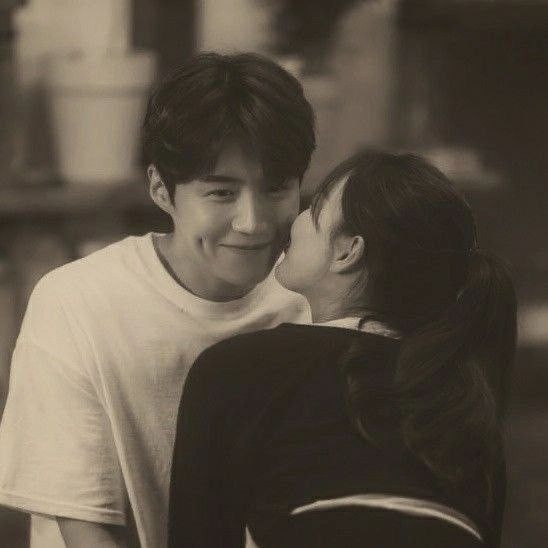

  • 💫 What Romance Really Means to Me

    One thing about me, I’m an undercover hopeless romantic 💕.

    You can’t tell that at first…. 🤭

    But when you get to know me, you will realise this about me. I am an absolute delusional person. 😭

    Romance, for me, isn’t some cheesy, overdone fairy tale with fireworks and grand gestures just for show. It’s so much deeper, so much more intoxicating.

    Romance is loyalty. That unwavering, unshakeable bond where you know they’re in your corner no matter what. It’s not about words—it’s about how they choose you every single day, through the good, the messy, the mundane. That “I’ve got you” kind of love.

    Romance is eye contact. The kind that feels like a conversation all on its own. Where one look says everything—desire, respect, curiosity, that electric “do you feel this too?” energy. It’s a language of its own, and honestly? Nothing compares.

    Romance is banter filled with flirting. It’s the playfulness, the quick comebacks, the teasing that leaves you both grinning like fools. It’s that dance of words where no one’s really trying to win—you’re just falling harder with every witty exchange.

    Romance is the subtle gesture. The small things that hit harder than a thousand roses. The brush of a hand at just the right moment, the shared glance across a crowded room, the way they instinctively shield you from the rain without a word.

    Romance is that heavy tension of who’ll break first. The slow, delicious build where you both know what you want, but neither of you says it—at least not yet. It’s the energy crackling between you, that charged silence where the air feels thicker.

    Romance is hand holding. Simple. Honest. Powerful. That feeling of connection that says, “We’re in this together.” The kind of touch that grounds you.

    Romance is the slow burn. The kind where you’re both testing the waters, savoring every second of the unfolding story. You’re not rushing—you’re letting it simmer, letting it grow. Because the longer it builds, the sweeter it’ll be when it finally happens.

    Romance is the mystery of what’s next. That heady uncertainty, that thrill of not knowing where it’s going—but trusting that wherever it leads, it’s going to be unforgettable.

    💭 That’s romance for me. It’s loyalty, tension, playfulness, mystery—and above all, it’s real. It’s not about perfect moments. It’s about the moments that make your heart race in the most unexpected ways.

    👉 What’s romance for you? Are you a slow-burn lover too, or do you live for grand declarations?