Tag: relationships

  • What Women Really Mean When They Say “I’d Rather Be Alone”?

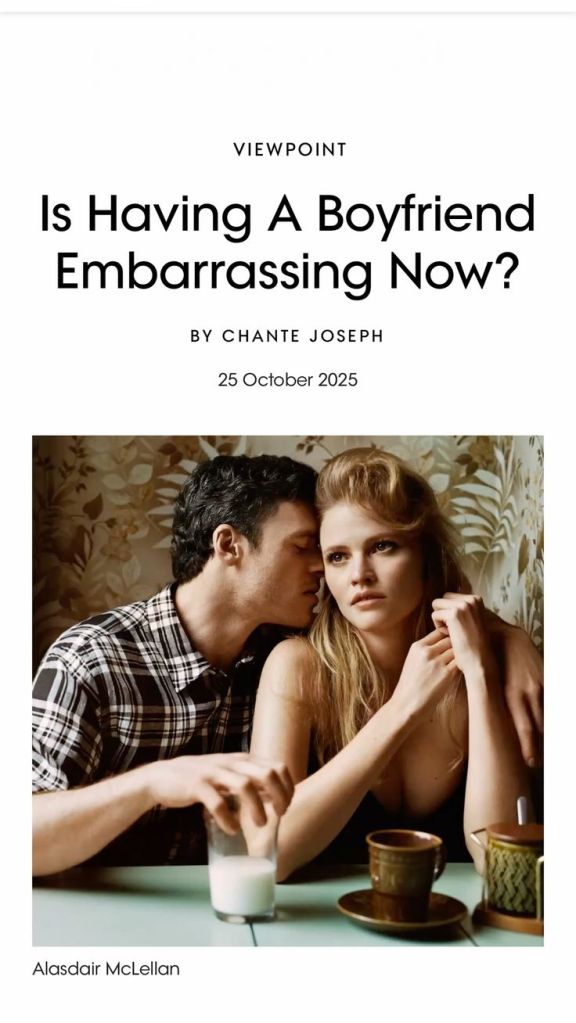
    Is Having a Boyfriend Embarrassing Now? Or Are Women Just Finally Choosing Themselves?

    I was scrolling Instagram (yes, again 😭) when reels about a new Vogue article started flooding my feed. The headline was loud enough: Is Having a Boyfriend Embarrassing Now? by Chanté Joseph. Women were stitching, reacting, and laughing about how “uncool” relationships suddenly feel.

    And I’ll be honest — I understood it immediately. I used to feel embarrassed every time I had a boyfriend. I felt smaller, softer, less myself. Maybe that’s why I’ve been single for years and genuinely living my best life.

    Chanté writes:
    This is also happening alongside a wave of women reclaiming and romanticizing their single life. Where being single was once a cautionary tale (you’ll end up a “spinster” with loads of cats), it is now becoming a desirable and coveted status—another nail in the coffin of a centuries-old heterosexual fairytale that never really benefited women to begin with.

    She’s right. But that’s only the surface. There’s a deeper cultural shift happening, and it’s worth unpacking.

    Let’s talk about it.
    Is Having a Boyfriend Actually Embarrassing?

    Not really.
    What’s embarrassing is dating someone who lowers your energy — or becoming a smaller version of yourself to keep the relationship alive.

    Here’s why the idea has gained traction:

    1. Many relationships look low-standard

    A woman who’s driven and interesting ends up with a guy who looks lost, sloppy, or unambitious. The mismatch is what people cringe at.

    2. Too many women lose themselves in relationships

    When your entire personality turns into “my boyfriend,” it reads insecure, not romantic. Losing your edge isn’t aspirational.

    3. Relationships became content

    The curated TikToks, the performative affection, the need to prove happiness — it all looks forced.

    4. Independence now looks aspirational

    Freedom, standards, options — that’s the vibe. A relationship can look like giving that up, even when it’s not true.

    5. Most couples aren’t inspiring

    They’re settling for each other, not elevating each other. People pick up on that instantly.

    6. Your partner reflects your taste

    If he’s a mess, people silently assume you are too. The judgment falls on women, not men.

    7. The “boyfriend” label still carries outdated baggage

    Clinginess, predictability, emotional drama — a lot of people still associate the role with all that.

    A relationship only feels embarrassing when it shrinks you instead of expanding you.
    And society is finally saying it out loud.
    How Patriarchy Shaped This Feeling

    Women aren’t rejecting relationships because it’s fashionable.
    They’re rejecting the blueprint patriarchy handed them.

    1. The girlfriend role was designed to make women smaller

    Be patient. Be sweet. Be forgiving. Be supportive.
    Men weren’t taught to reciprocate, so relationships felt like emotional labor camps for women.

    2. Men weren’t raised to be good partners

    Patriarchy didn’t teach them emotional intelligence, accountability, or how to care for someone. So a lot of modern relationships feel imbalanced and draining.

    3. Women get judged harder for their partner’s flaws

    If he embarrasses himself, it reflects on her.
    Patriarchy made women responsible for men’s behavior — and women know it.

    4. Independence is finally real

    Women used to need men to survive.
    Now they have money, careers, friendships, autonomy — so relationships are optional, not mandatory.

    5. Being single signals power, not failure

    It reads as self-respect, freedom, and individuality.

    6. Men aren’t matching women’s growth

    Ambition, emotional maturity, discipline — many men are behind. The gap is the embarrassment.

    7. Women want to be met, not claimed

    The old model of men “claiming” women doesn’t land anymore. Women want equals, not owners.

    So no, the idea of a boyfriend isn’t uncool.
    The idea of stepping back into a patriarchal girlfriend role is.
    How Women Are Breaking Free

    This isn’t “girlboss energy.”
    This is women refusing to play roles that never served them.

    1. Ambition over approval

    Women are building lives that don’t revolve around being chosen.
    Money, career, lifestyle, identity — they come first.

    2. No more lowering standards

    One red flag and she’s gone. That’s autonomy, not coldness.

    3. They’re done romanticizing struggle

    No more mothering grown men. No more emotional heavy lifting.

    4. Self-investment is the new norm

    Skills, solo travel, fitness, career growth — women are investing in themselves the way men were once allowed to.

    5. They’re more interesting single than with the wrong man

    Being single lets their identity breathe.

    6. Stronger female networks

    Women now rely on each other for emotional grounding. That’s powerful.

    7. Rejecting the “girlfriend aesthetic”

    They don’t want to be accessories or caretakers.
    They want to be the protagonist.

    8. Calling out mediocrity

    “If he can’t meet me where I am, I’d rather be alone.”
    That’s not hostility. That’s clarity.

    9. Redefining adulthood

    Marriage and kids aren’t the finish line.
    Self-defined life is.

    Bottom Line

    Women are breaking free by finally living like they matter more than the roles patriarchy gave them.
    Not aesthetically.
    Not performatively.
    But in real, tangible ways.
    Conclusion

    Women aren’t embarrassed by love — they’re embarrassed by the outdated relationship model that required them to shrink, compromise, and center a man’s needs over their own. With independence, ambition, community, and financial autonomy, women no longer see the traditional girlfriend role as aspirational. A relationship is only worth having if it expands their life instead of minimizing it. Anything that pulls a woman back into a version of herself she’s outgrown feels uncool — not because she’s anti-love, but because she’s done disappearing into someone else’s story.
  • What personality trait in people raises a red flag with you?

    The Personality Traits That Raise Red Flags for Me

    Over the years, I’ve realized that what turns me off about a person isn’t usually about looks, money, or even lifestyle. It’s their character. The way someone handles themselves in small, everyday situations reveals more than anything they could say about who they are. And for me, certain traits are instant red flags.

    The Traits That Make Me Step Back

    Impatience and aggression: If you can’t manage your temper or wait your turn, you’re showing me that your self-control is fragile.

    Chronic lateness: Life happens, sure. But being constantly late signals a lack of respect for other people’s time.

    Close-mindedness and conservatism: When someone refuses to even consider new ideas or perspectives, conversations become suffocating. Growth requires openness.

    Misogyny and lack of respect: This one’s obvious. If you can’t respect women—or people in general—you don’t deserve a place in my life.

    Weak backbone: A person who can’t stand up for themselves, who bends to every opinion around them, or who’s easily manipulated—it reads as weak character. Leadership starts with knowing your own mind.

    Indecisiveness and laziness: Not every decision is life or death, but constantly wavering or avoiding responsibility signals unreliability.

    All of these traits add up to the same thing: a lack of strength, clarity, and self-respect.

    When I picture the kind of man I’d want in my life, I don’t see perfection. I see someone with presence. A man who knows what he wants and isn’t afraid to go after it. Someone who leads not by dominating others, but by commanding respect through confidence, decisiveness, and integrity.

    To me, dominance isn’t about being controlling. It’s about carrying yourself with such self-assurance that others naturally look to you. It’s about being grounded enough in your masculinity that a powerful woman doesn’t intimidate you. In fact, you admire her for it.

    Weak character doesn’t just make a relationship hard—it makes it impossible. You can’t build a partnership with someone who doesn’t know who they are, won’t stand for anything, or crumbles under pressure. Respect, openness, and conviction aren’t just “nice-to-haves.” They’re the foundation for love, friendship, and even trust.

    At the end of the day, what I want isn’t complicated. I want someone whose aura demands respect because they respect themselves first. Someone who can lead, but also listen. Strong, but open. Dominant, but not threatened. That combination is rare, but it’s the only one worth waiting for.


  • How would you describe yourself to someone who can’t see you?

    Ohhh that is such an interesting question 💕

    If I had to describe myself—really describe myself—it wouldn’t be about what I do or where I live. It wouldn’t be my job title, my Instagram grid, or the version of me people see at brunch. It would be the version of me that exists when no one’s watching.

    I’m someone who walks into a room and doesn’t need to be loud to be seen. I carry a kind of quiet confidence, not the kind that needs applause, but the kind that knows its worth even when no one’s clapping. I don’t chase attention. I attract it by simply being rooted in who I am.

    Yes, I’m ambitious. I’ve always been that girl with big goals, organized notes, and a running list of dreams in my Notes app (P.S. I do use notes app a lot, for every thing). I love building things—whether it’s a career, a friendship, or a late-night Pinterest mood board of my future apartment (Yes I do this… I also have a moodboard for my sister’s upcoming wedding 🤭).

    But I also feel deeply. I care about people, about words, about the tiny, in-between moments most with people. I can be soft without being small. I can be tender without being weak.

    I’m skeptical of surface-level nonsens. I don’t like when people are dumb or stupidity. I crave meaning, depth, and conversations that go beyond “how’s work?” I’ll hype you up for your big wins, but I’ll also sit with you in the messy, unfiltered parts of life. I believe in showing up when it counts, not just when it’s convenient.

    I’m not always put together. Sometimes I’m thriving, sometimes I’m just trying to get through the day without losing my mind. But no matter what season I’m in, I try to be someone who brings calm to chaos, clarity to confusion, and a bit of fire when the world starts to dim.

    I don’t always have the right words, but I know how to hold space. I’m not perfect, but I’m real. And if nothing else, I want to be remembered as someone who made people feel seen, safe, and inspired to be fully themselves.

    Because that’s the energy I’m claiming: grounded, self-aware, evolving—and completely done with pretending to be anything less than me. 💜💜


  • Why I’m Choosing Myself Over Marriage: Lessons from BTS and Kim Jiyoung

    What BTS and Kim Jiyoung, Born 1982 Taught Me About Womanhood, Choice, and Freedom

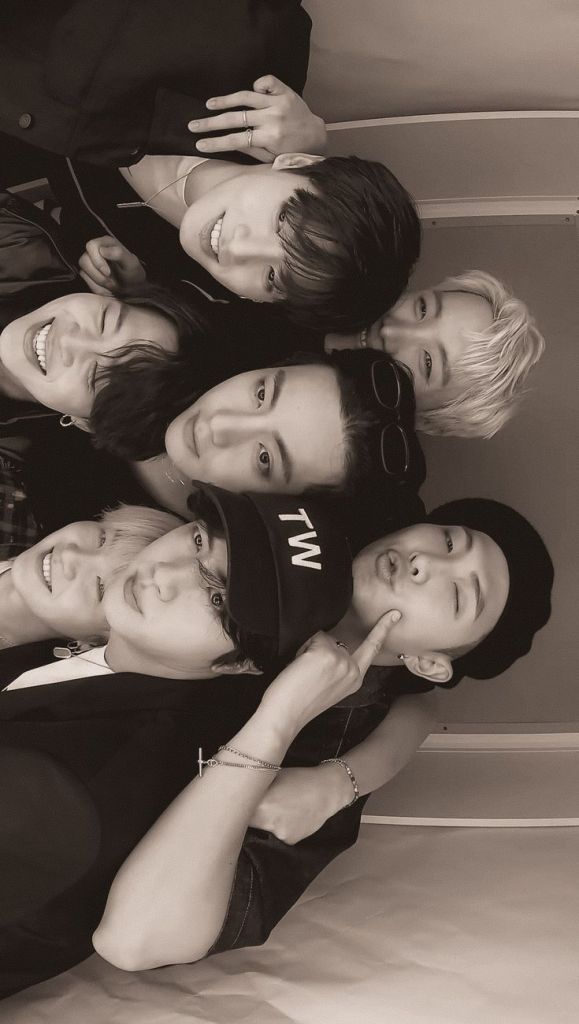
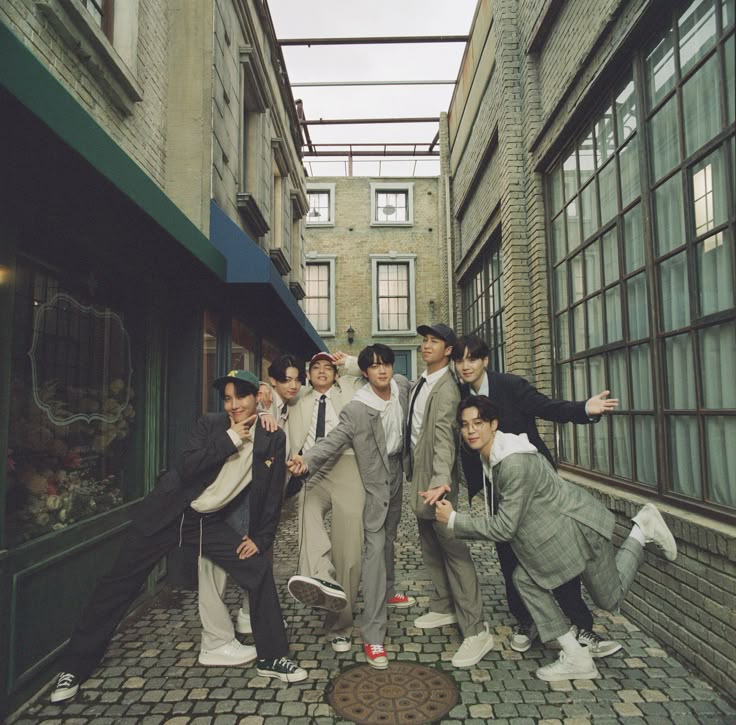
    I love BTS. 💜

    They’re not just one of my favorite artists—they’ve become an essential part of my life journey. Through their music, interviews, speeches, and individual stories, I’ve learned about resilience, healing, and self-love. They taught me that it’s okay to cry, to break, and to start over. That loving yourself isn’t a one-time decision but a daily act of kindness toward yourself.

    BTS helped me see the beauty in being authentic. They helped me embrace my flaws, my scars, and the chaos that sometimes comes with simply being human. It’s no surprise that they also opened a door to an entire culture I knew little about—but have come to deeply appreciate.

    My admiration for BTS led me to explore South Korea beyond just the music. I started learning about the language, beauty standards, pop culture, politics, and even the country’s mandatory military service. I found myself keeping up with South Korean news, watching documentaries, reading articles, and reflecting on how different—and sometimes similar—our worlds were.

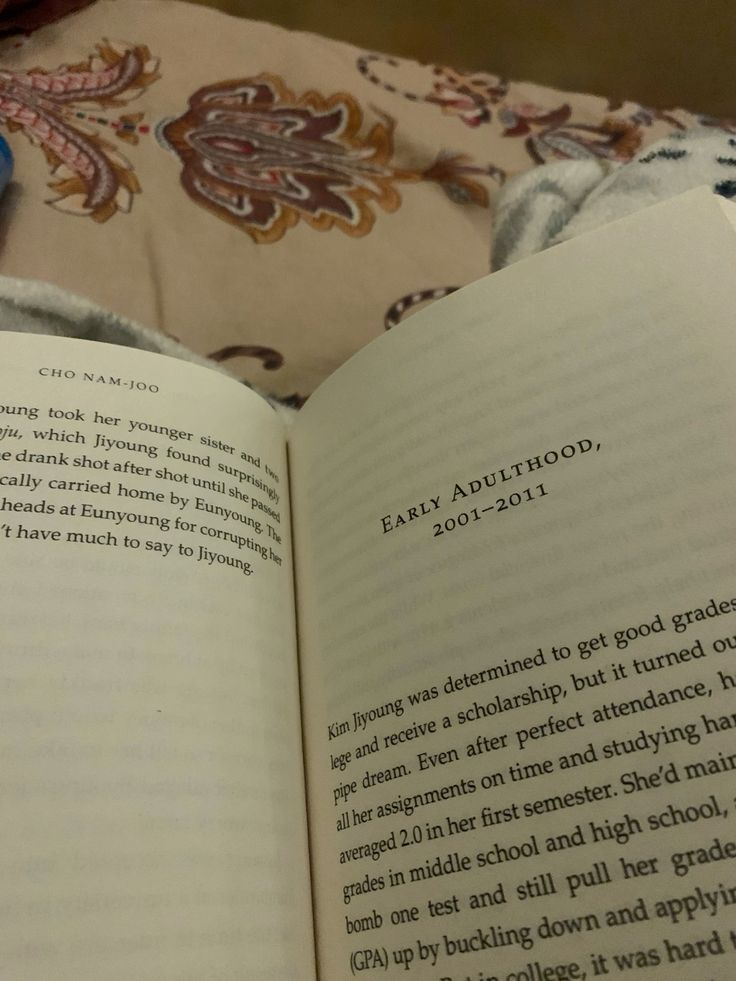
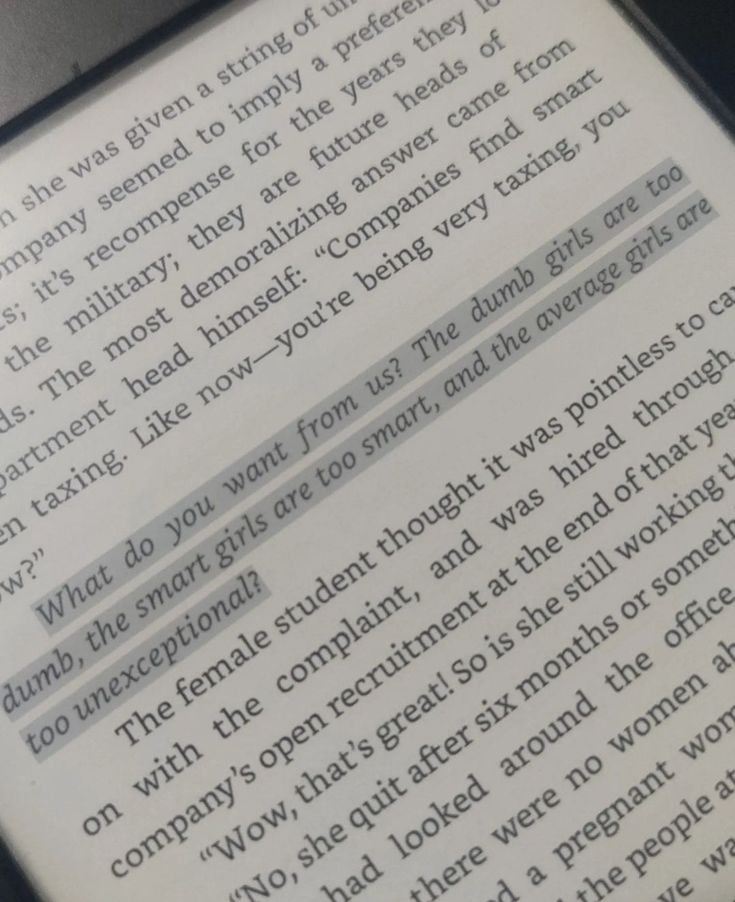
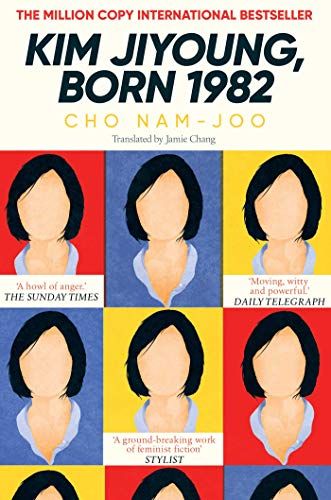
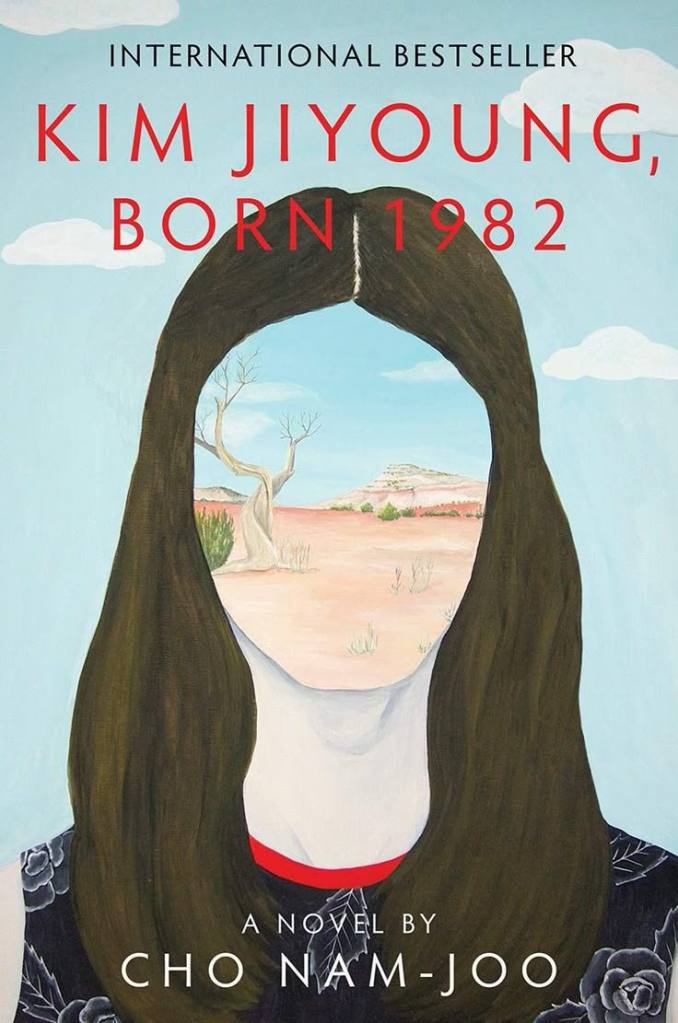
    This growing interest eventually led me to literature. I discovered authors like Han Kang, Shin Kyung-sook, and Cho Nam-joo. One day, I came across a story about RM (Kim Namjoon) reading Kim Jiyoung, Born 1982—and I felt compelled to read it myself. I didn’t expect a book to impact me so profoundly.

    Kim Jiyoung, Born 1982 is a short novel, but it carries the weight of generations. It tells the story of an “ordinary” woman whose life is shaped and limited by the expectations of a patriarchal society. Slowly, and painfully, she begins to lose her sense of self—until she starts to speak through the voices of other women. These moments are haunting and powerful. It’s as if she becomes the collective echo of every woman who has been ignored, dismissed, or silenced.

    While the book focuses on misogyny in South Korea, I couldn’t help but draw parallels to my own experiences—and the experiences of so many women around the world. I saw myself in Kim Jiyoung’s exhaustion, her quiet endurance, and her eventual rebellion. I saw the weight of being expected to be everything for everyone, while losing pieces of yourself along the way.

    Reading her story made me stop and ask: Do I really want to follow the path laid out for me? Marriage, motherhood, and sacrifice—at what cost?

    The more I read, the more unsettled I felt. And yet, there was clarity in that discomfort.

    I realized that I didn’t want to be the woman constantly struggling just to exist, to be heard, to be taken seriously. The thought of marriage and children—something I once assumed was inevitable—now feels foreign. I’m not drawn to it. Not because I’m bitter or afraid, but because I’ve started to see another way of living—one rooted in freedom, choice, and peace.

    I began to understand why many Korean women are choosing to remain single and child-free.

    According to The Korea Herald, “Korea in recent years has been suffering from a downward trend in marriages as well as continually falling fertility rates. The number of annual marriages in the country had hovered at around 400,000 throughout the 1980s and most of the 1990s, but dipped below the 200,000 mark in 2021, falling again to 193,657 in 2023.

    With fewer people in Korea getting married and an increasing number of those married opting not to have children, the total fertility rate — the number of children a woman is expected to have throughout her lifetime — plunged to a record low of 0.72 in 2023. The figure is the lowest in the world for a country, and is projected to drop as low as 0.52 if the nation stays the course.”

    But this isn’t just about numbers. It’s about choice. It’s about women asking, Do I want this life—or was I just told I should?

    This shift isn’t unique to Korea. Women across the world are choosing singlehood for deeply personal and empowering reasons. And honestly, I understand why. I feel it too.

    Here are some reasons that resonate with me—and many others:

    1. Stronger Social Bonds

    Single women often nurture deep friendships and connections with family. These relationships offer meaningful companionship and emotional support, filling spaces that society often assumes only romantic love can occupy.

    2. Emotional Independence

    Being single allows me to focus on my goals, passions, and self-discovery without compromise. I don’t have to shrink parts of myself to fit into someone else’s life. I can grow on my own terms.

    3. Freedom from Societal Expectations

    There’s a quiet joy in not conforming. I no longer feel obligated to follow the traditional timeline of life—marriage by 30, kids by 35. That script doesn’t fit everyone, and it certainly doesn’t fit me.

    4. Sexual and Personal Autonomy

    Many single women report higher levels of sexual satisfaction and less desire for a partner. There’s empowerment in knowing your body, your needs, and not relying on someone else to define your worth.

    5. A Fulfilling Life Without Romance

    I’ve found fulfillment in my career, my friendships, my hobbies, and in learning more about myself. I’ve realized I don’t need a relationship to feel complete. I am whole already.

    Redefining Womanhood on My Own Terms

    Some might see this as a rejection of love or tradition. But I see it as something else—a return to myself.

    It’s not that I hate the idea of love or relationships. I just believe they should be a choice, not an obligation. I don’t want to settle out of fear. I don’t want to marry because it’s “time.” I want to live a life that feels like mine—not one written for me by someone else.

    Choosing Yourself Is Revolutionary

    Reading Kim Jiyoung, Born 1982 changed me. It held up a mirror and showed me the quiet compromises women make every day. It made me realize that choosing yourself in a world that constantly demands you give yourself away is a radical, beautiful act.

    And BTS—through their honesty, their struggles, their advocacy for self-love—planted the seeds that made that realization possible.

    So, here I am: not afraid to be single, not ashamed to walk a different path, and no longer eager to please a world that was never built with me in mind.

    To all the women who feel the same: you are not alone. You are not broken. And your story matters—just like Kim Jiyoung’s, just like mine. 💕💕

    Let me know your thoughts below 👇🏻


  • If Commitment Were a Sport, I’d Be Watching From the Sidelines. : Why Dating Feels So Hard in Your Late 20s – And How I’m Learning to Cope

    Maybe My Soulmate Died in a Car Crash—Who Knows?

    When I was a little girl, I used to believe that by the time I turned 25, I’d have it all figured out. I imagined myself married, maybe with a kid or two, living in a cozy home, building a life with someone who loved me deeply. Back then, 25 felt like this magical age where adulthood would somehow feel…complete.

    But here I am, in my late 20s, single, and if I’m being honest—more confused about love and dating than I’ve ever been.

    It’s not that I haven’t tried. I’ve gone on dates. I’ve downloaded the apps. I’ve kept an open heart. But somewhere along the way, dating has started to feel more like a draining task than an exciting adventure. The older I get, the harder it becomes to meet new people, let alone connect deeply with someone. And casual relationships? I just don’t have the emotional bandwidth for that anymore.

    I’m in a place in my life where I don’t know what I want, maybe I crave something real—something that feels safe, supportive, and emotionally mature. But that seems increasingly rare. Most men around me—whether my age or older—aren’t really looking for that kind of connection. Some don’t want commitment. Some just want attention. And some are still healing from their pasts, unsure of what they’re even looking for.

    Sometimes, it feels like everyone is either emotionally unavailable or not quite ready for the kind of love I want. And honestly? That can get lonely.

    Why Is Dating So Hard Today?

    Dating in today’s world feels like a completely different ballgame from what our parents or even older siblings experienced. There are so many layers to why things feel harder now—and it’s not just in my head.

    According to a BBC article titled “Why it could be harder to find love nowadays,” researchers believe that finding and keeping love today is harder than ever before in human history. Why? Because we now have so many different ideas of what love and relationships should look like. Monogamy, polyamory, situationships, long-distance, friends with benefits, living together, living apart—the options are endless. And that variety, while freeing, can also make it really hard to find someone whose relationship goals align with yours.

    But that’s just the beginning. Let me break down some of the other challenges that make modern dating feel so exhausting.

    1. The Endless Scroll of Options

    With dating apps, we’re constantly surrounded by new people—new profiles, new bios, new faces. In theory, that should make it easier to find love. But in reality, it often leads to decision fatigue and a fear of settling. You start to wonder, What if there’s someone better just one more swipe away?

    I’ve experienced this firsthand. I’ll match with someone, we’ll talk for a few days, maybe even meet once—but then it fizzles out. Not because anything went wrong, but because it’s too easy to start over with someone new. We’ve become disposable to each other.

    2. Changing Social Norms and Unrealistic Expectations

    Social media has blurred the line between reality and fantasy. We see these perfect couples on Instagram—traveling the world, buying homes, getting engaged with fairy-tale proposals—and we can’t help but compare. We start to believe that anything less than that isn’t good enough.

    At the same time, the societal rules around dating have become more fluid. While that’s a good thing in many ways, it can also lead to confusion. What does a “real” relationship even look like anymore? What’s the timeline? Who should initiate? Who pays? What does commitment mean?

    Sometimes I find myself missing the simplicity of old-school love stories—where people met, fell in love, and figured things out together without overthinking every move.

    3. Emotional Baggage and Fear of Vulnerability

    Let’s be real—many of us are carrying emotional scars. Whether it’s from past heartbreaks, toxic relationships, abandonment, or even childhood trauma, these wounds don’t just disappear. They shape how we show up in relationships.

    Personally, I’ve had to work through my own insecurities. There were times I questioned if I was too much or not enough. Times I closed myself off out of fear of being hurt again. And vulnerability? That’s still hard. Opening up to someone and not knowing if they’ll hold your heart with care—that takes courage.

    But if we’re all afraid, if we’re all guarded, how do we ever really connect?

    4. Mental Health and Dating Fatigue

    Dating while dealing with anxiety, stress, or low self-esteem is like running a marathon with weights on your ankles. Sometimes I find myself swiping not because I want to meet someone, but because I feel supposed to be trying. And when dates don’t work out, I take it personally, even if I know I shouldn’t.

    There’s a term called “dating burnout”—and I think many of us are quietly experiencing it. The constant cycle of hope and disappointment wears you down. After a while, it becomes easier to just stay single and protect your peace.

    5. Technology vs. True Connection

    Online dating can be great, but it often emphasizes looks over substance. We’re reduced to pictures and taglines, judged within seconds. I’ve had some great conversations online, but rarely do they translate into meaningful, in-person connection.

    And then there’s ghosting—the silent epidemic of modern dating. One day you’re texting regularly, laughing at each other’s memes, maybe even planning a date—and then suddenly, nothing. No explanation. Just silence.

    It’s disheartening. It makes you question your worth, even when logically you know it’s not about you.

    So What Can We Do About It?

    Even though I sometimes feel hopeless, I also know that giving up on love isn’t the answer. I still believe that real connection is possible—it just takes more intention, more patience, and a whole lot more self-awareness than it used to.

    Here’s what I’m trying to focus on lately, and maybe it’ll help you too:

    1. Be Clear on What You Want

    Know your relationship goals and don’t compromise on your core values. If you want something serious, it’s okay to say so. Let people self-select out early.

    2. Set Boundaries and Stick to Them

    Protect your energy. If someone is inconsistent, confusing, or not meeting your emotional needs—let them go.

    3. Prioritize Your Well-Being

    Dating is just one part of your life. Fill your days with things that bring you joy, help you grow, and remind you of your worth, with or without a partner.

    4. Be Open, But Not Desperate

    Stay open to love, but don’t chase it. Love that’s right for you won’t need to be forced or begged for.

    5. Celebrate Your Singlehood

    You’re not “behind” for being single. This season of life is still meaningful, still worthy of joy and celebration. Use it to deepen your relationship with yourself.

    In Conclusion

    Dating in your late 20s can feel like an emotional minefield—especially when you’re surrounded by people who don’t want the same things you do. It’s easy to feel disheartened, even cynical. But beneath all the chaos and confusion, I still believe in love. I still believe there’s someone out there who wants to grow, laugh, and build something real with me.

    And until then? I’m learning to love myself better, trust my timing, and live a life that feels full and beautiful—partner or not.

    To be honest, I hope I can actually take my own advice. Some days I feel like my case is too far gone 🤪. But hey, stranger things have happened—maybe the universe still has a plot twist for me (I hope it’s not the plot of You tho, because that will just be a criminal case 😂).

    What about you? Have you felt these things too?

    Let me know your thoughts—I’d love to hear your story below 👇🏻