Ohh….. A lot of things. The first is my second book. I have 2 ideas about 2 books, I am unable to choose which one I want to proceed with for now. I also don’t know where I want to put those books on. So I don’t know how I feel about all of this. Inspite of the fact that I have ideas, I am still unable to put it to practice. So I am stuck here…..
And the other thing is my poem book, again I have ideas for all the 20 poems, but because I also have a job, I am unable to start on this too. It’s like, I have the ideas, but I don’t know how to execute it. Am I the only one why feel like this? Or does anyone else also feels like it?
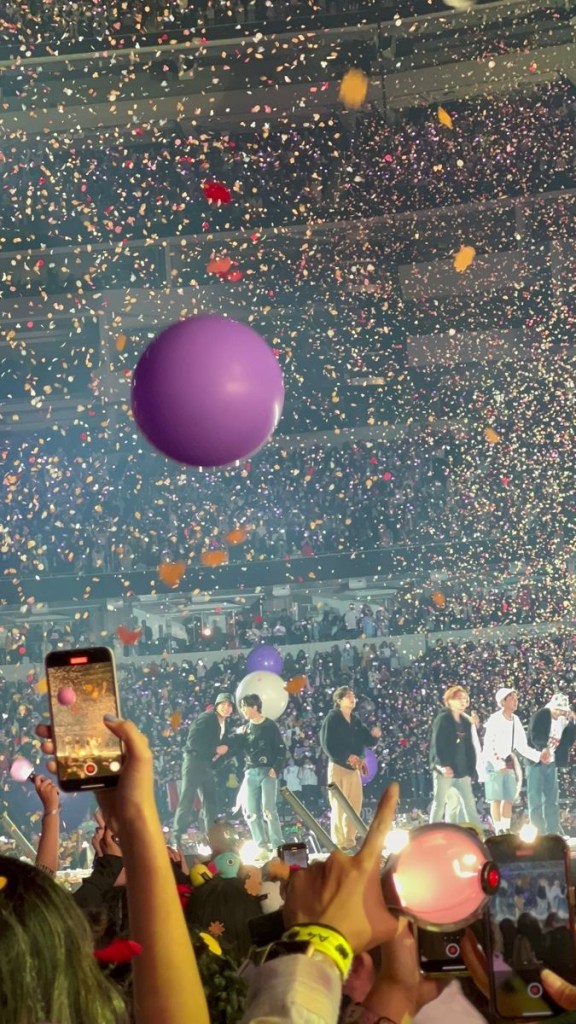
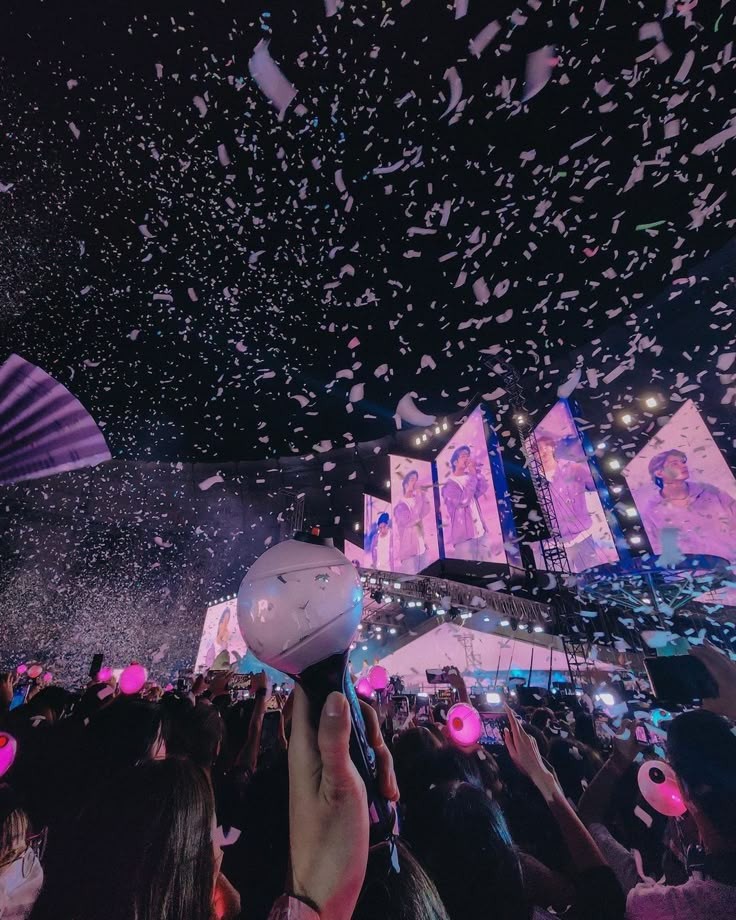
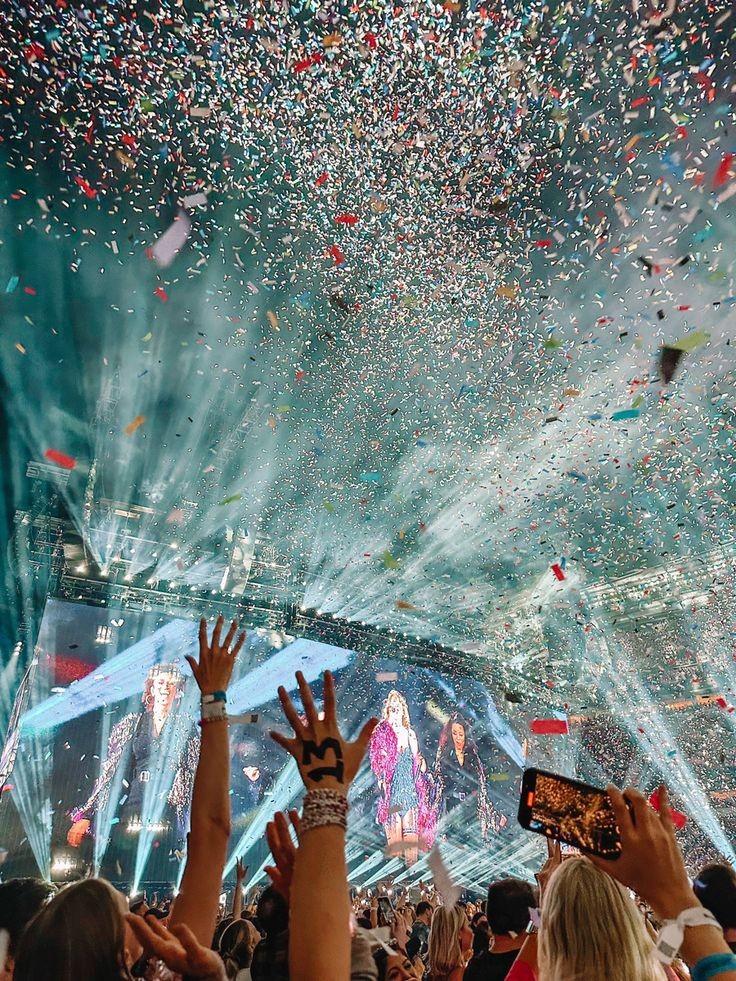
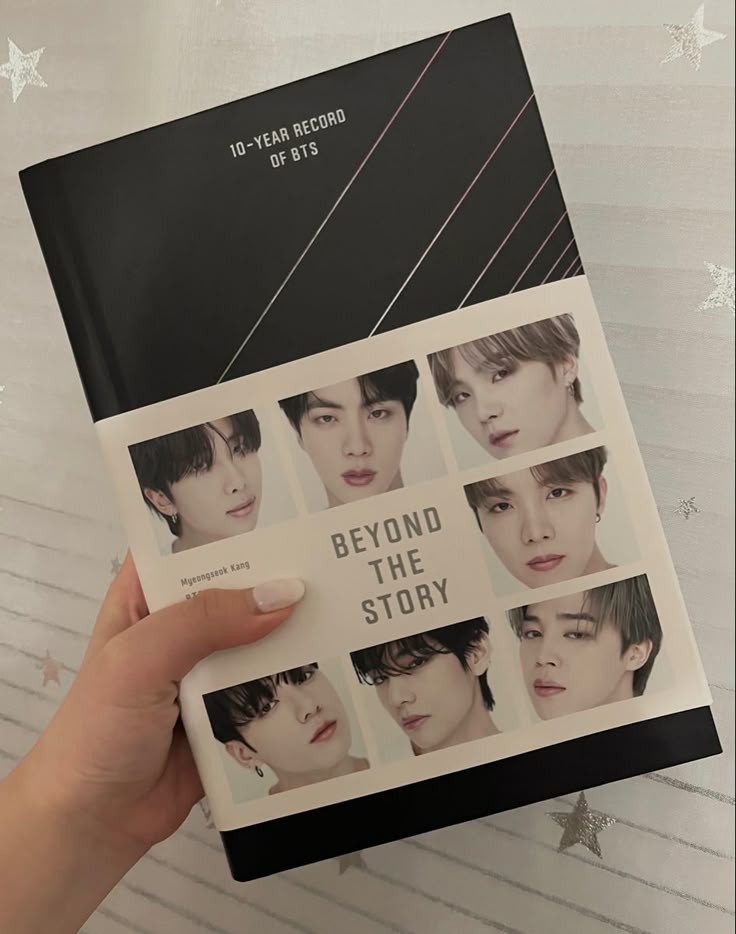
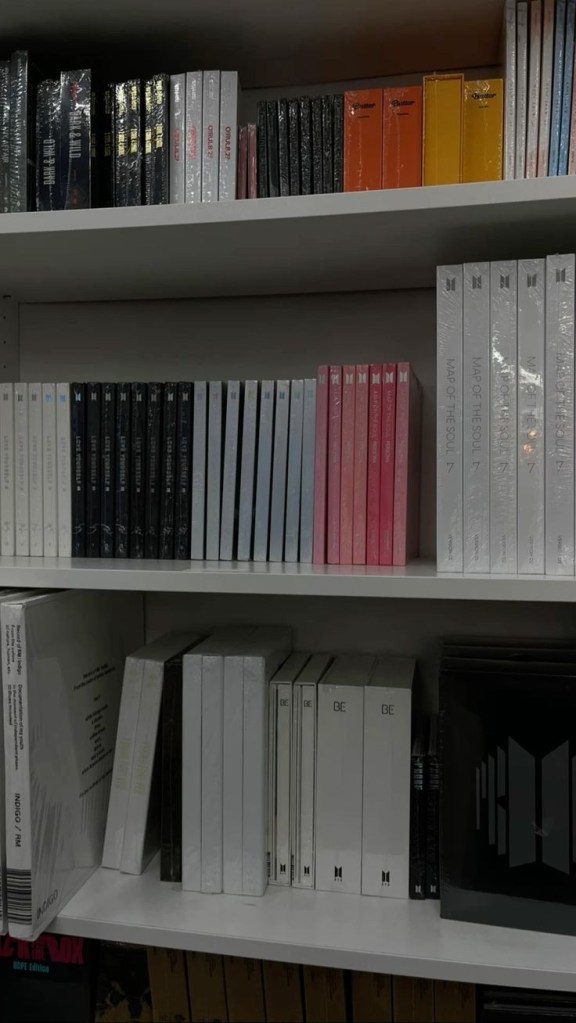
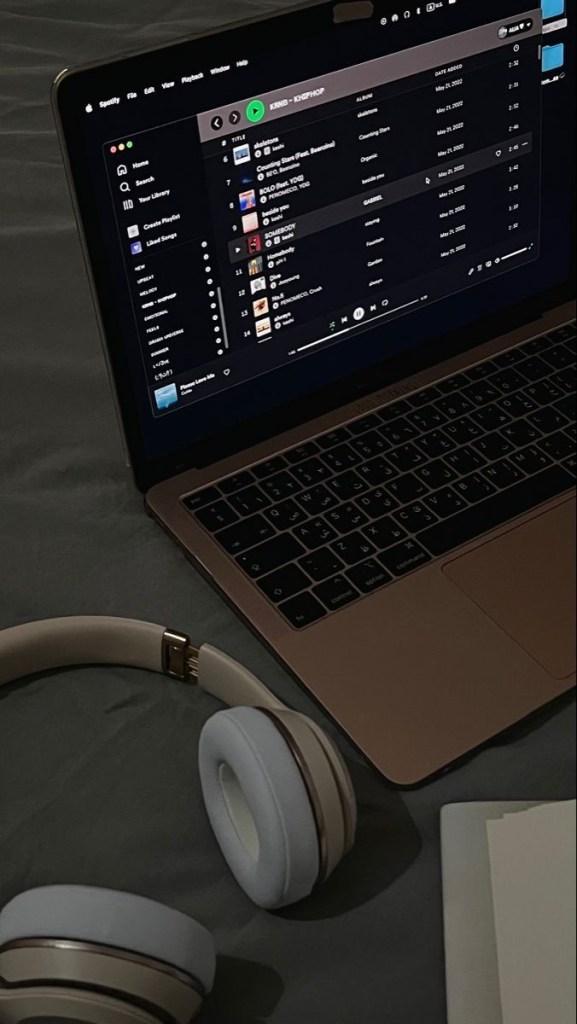
I feel like I have absolute no purpose right now, and I’m stuck in a loop, I don’t know how to get out of. I havebeen listening to BTS Sabrina Carpenter and Taylor’s new album, and that’s all I am doing. Working and listening to BTS, Taylor and Sabrina.
But I will surely start something this Saturday on my week off.
Sometimes I wonder if I’m a writer or just a professional overthinker with good sentence structure 😭. Every time I sit down to write, it feels like a wrestling match between my brain, my self-doubt, and my coffee mug. I start with a fire in my chest and end up spiraling into “does anyone even care what I’m saying?” territory. Classic, right?
Writing is the one thing that makes me feel alive — and also completely lost. It’s wild how something so personal can feel like both purpose and punishment. I want to create, I want to be read, I want to build something that matters — but half the time I feel like I’m just screaming into the void and hoping it echoes back 🌀.
The truth is, this isn’t just about writing. It’s about identity. It’s about proving to myself that I’m capable of building something real from my thoughts. I work a corporate job, I do all the adulting, but this? Writing is the one thing that’s mine. No deadlines, no manager, no “as per our discussion.” Just me and the page — and sometimes that’s scarier than any meetings.
I used to think the problem was time. “I’ll write when I have a free evening.” “I’ll start that story when work slows down.” Spoiler: it never slows down. The truth is, I wasn’t short on time — I was short on courage. Because writing means facing your own thoughts head-on, and that’s not always cute or convenient.
Every now and then, I think about giving up. Packing it in. Pretending I never had this dream in the first place. But then I’ll read a line — from Austen, or JK Rowling (controversial…. I know), or even something I wrote months ago — and it hits me. That spark is still there. Faint, maybe. But real! And it deserves to be fed.
So yes, I’m still at the starting point. Still figuring out my rhythm, my voice, my process. Still fighting that itch to edit mid-sentence like a control freak. But I’ve stopped calling it failure. It’s just the messy middle. And honestly, everyone romanticizes the beginning and the ending — no one talks about the slog in between.
Changing habits and environments hasn’t been easy either. I’ve to make time for my hobby, and change my entire routine to manage my job and writing. I’ve had to build boundaries around my energy. Say no to things that drain me, make space for things that fill me. That’s not discipline; that’s survival. And if I want to write the way I dream of, I can’t keep pouring from an empty cup ☕.
The hardest part? Believing that my words are worth reading. That’s it. Not the grammar, not the structure — the belief. Because when you write without validation, it’s like shouting into a storm. You have to be your own echo until someone else hears it.
And here’s the thing — I don’t just want to write. I want to matter. I want to be remembered the way Austen is — not for her fame, but for her precision. Her truth. The quiet confidence that comes from knowing exactly who she was and writing anyway, even when the world wasn’t ready. That’s what I want. Not approval — impact.
So, no, I’m not there yet. But I’m not quitting either. My hardest personal goal is still in motion, one word at a time. Maybe one day someone will read this and think, “Damn, she really did it.” Until then, I’ll keep showing up — messy bun, caffeine buzz, and all ✍️✨.
Because even if no one’s reading yet, I am. And that’s enough for now.
Ever since I was a child, I loved music. Even today I listen to music all the time, especially when traveling.Taylor Swift, BTS, Kendrick Lamar, Nicki Minaj, Arijit Singh, Beyoncé, Celine Dion, etc. are some of my favourite artits to listen too.
The lyrics for me is what I look for when I listen to music. I want to connect to the artist by their lyrics. Over the years, I have listened to a lot of artist, and for me personally, the lyricism of R.M (Kim Namjoon), Suga (Min Yoongi), J Hope (Jung Ho-seok) and Taylor Swift have played a huge role in my life. Specially how I view myself and my life. It always feels like they are singing about my life to me.
Music for me has always been about the stories.
However, Music isn’t just entertainment—it’s a universal language that transcends barriers, speaks to the soul, and has a profound impact on our emotional and physical well-being. For centuries, people have turned to music in times of joy, sorrow, and healing. Today, music therapy has emerged as a recognized and powerful tool in healthcare and personal growth.
But why is music so therapeutic?
Let’s dive into the science and the emotional connection behind it.
Listening to music activates multiple areas of the brain, including those responsible for emotions, memory, and motor control. Studies have shown that music can release dopamine, the “feel-good” hormone, which enhances mood and reduces stress. In fact, just listening to your favorite song can instantly uplift your spirits and calm your mind during tough or anxious situations.
Music also impacts the brain’s limbic system, which processes emotions. This is why certain songs can trigger memories or feelings.
Whether it’s the nostalgic tune of a childhood lullaby or an upbeat track that makes you want to dance, music has a unique ability to connect deeply with our inner world.
Sometimes, words fail to express what we feel and it can be difficult to express onself. Music, however, can bridge that gap.
A soothing melody or heartfelt lyrics can articulate emotions we struggle to put into words. It provides an outlet to process feelings like grief, anger, or joy, making it a therapeutic tool for emotional release.
For people struggling with anxiety or depression, creating or listening to music offers a safe space to explore their emotions without judgment. It can act as a mirror, reflecting their internal struggles while simultaneously offering comfort.
Life can be stressful, but music has the power to offer refuge. Slow, calming music—such as classical or instrumental—has been shown to lower heart rates, reduce cortisol levels (the stress hormone), and induce relaxation. Listening to calming music before bed can improve sleep quality, while upbeat music can energize and motivate us for the day ahead.
Music therapy is particularly effective in helping people manage anxiety. Techniques like guided imagery with music allow individuals to visualize peaceful scenarios while listening to soothing tunes, helping them relax and reset.
Music isn’t just good for the mind; it’s also a powerful tool for healing the body. In hospitals, music therapy is used to reduce pain perception, improve recovery times, and support physical rehabilitation. Rhythmic patterns in music can enhance motor skills, making it an effective tool for patients recovering from strokes or physical injuries.
For individuals with chronic illnesses, listening to music can distract from pain and foster a sense of calm. The rhythmic patterns and harmonies can even help regulate breathing, heart rate, and blood pressure.
Music has a way of bringing people together. Singing in a choir, attending a concert, or even sharing a playlist with a friend creates a sense of belonging and connection. For those feeling isolated or lonely, music offers a way to connect with others and feel part of something larger than themselves.
Group music therapy sessions often promote social interaction, teamwork, and communication, which are crucial for mental health and personal growth.
Music is a powerful tool for memory. It’s why you can remember the lyrics to a childhood song but not what you had for breakfast last week. For individuals with Alzheimer’s or dementia, music therapy has shown remarkable benefits in recalling memories and improving cognitive function.
Familiar songs can stimulate the brain and evoke emotions, helping patients connect with their loved ones and surroundings.
One of the most beautiful aspects of music therapy is its adaptability. Everyone’s relationship with music is unique. Some might find solace in the calming notes of a piano, while others might feel empowered by a rock anthem. Music therapy allows individuals to explore what resonates with them, creating a personalized healing journey.
Music is more than a collection of sounds—it’s a powerful force that can heal, connect, and transform lives. Whether it’s through listening, creating, or simply experiencing, music has the ability to touch the deepest parts of our being and bring about positive change.
So, the next time you feel overwhelmed, sad, or even joyful, let music be your guide. Put on a song that speaks to you, and let its therapeutic power work its magic. Because sometimes, all we need is a melody to remind us that healing is possible.
What does music mean to you?
Also who are some of your favourite artist to listen to?
Skincare is the practice of maintaining and improving the health and appearance of the skin, primarily on the face, but also on other parts of the body.
It involves cleansing, moisturizing, protecting, and addressing specific skin concerns like acne, aging, or dryness. Skincare routines can vary widely depending on individual skin types, concerns, and cultural influences.
This is the definition of skincare when you Google it.
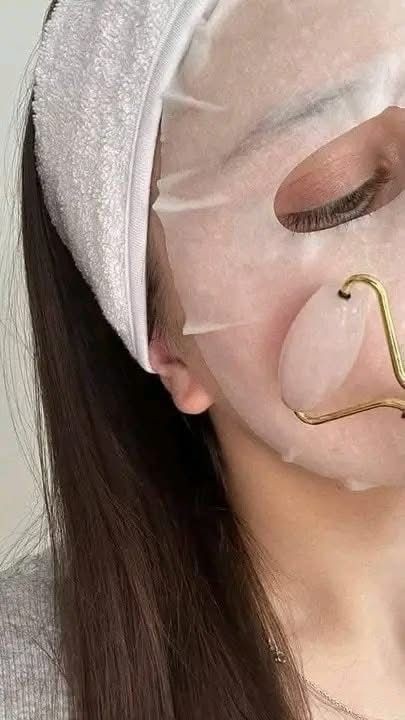
But for me personally, it just is a means of taking care of myself. Everytime I do the whole skincare routine, it makes me feel good. It makes me feel like I’m taking care of myself.
With the recent surgence of Korean culture, we all were introduced to the Korean skincare and makeup. And people have been obsessed with the intensive skincare routine we all see online.
Have you ever been mesmerized by radiant, poreless skin on Instagram and wondered if it’s magic or a 10-step Korean skincare routine?
Wondering if it’s genetics, filters, or the magic of a 10-step Korean skincare routine?
In a world where ‘a dewy, smooth complexion that’s so flawless it looks almost like glass’ is dominating the beauty market, skincare has become more than just being about self-care. It’s a cultural phenomenon!!
But what is driving this obsession? And is it all as flawless as it seems?
I think the obsession with Korean skincare or skincare in general reflects a positive shift toward self-care and prioritizing health. Skincare routines can be empowering, giving people a sense of control over their appearance and well-being. Korean skincare, in particular, has become popular because of its innovative products. Focusing more on hydration and barrier care, and ritualistic approach that feels luxurious and effective.
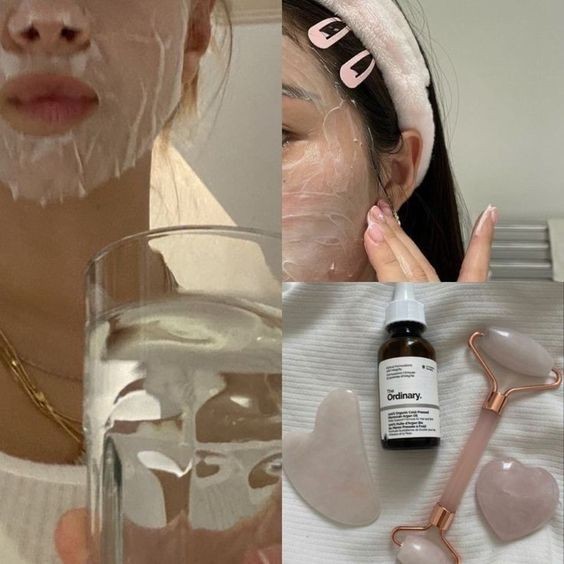
Skincare routines can act as a form of mindfulness because they require you to focus on the present moment. When you apply products like a cleanser or moisturizer, you’re engaging your senses and feeling the textures, inhaling subtle scents, and noticing how your skin responds to the products. This sensory awareness can ground you, pulling your attention away from the stress of the day.
For many, it’s not just about achieving better skin but creating a moment of calm amidst a busy schedule, like a daily act of self-love and care.
A good skincare regimen goes beyond just surface of your skin. A good skincare isn’t just about making your skin look good, it’s also about investing in its long-term health and resilience. By addressing immediate concerns and offering protection, you’re essentially creating a shield for your skin while supporting its natural function and renewal process.
When your skin looks healthy and glowing, it can have a direct impact on how you feel about yourself. Skin is often one of the first things others notice, and when it’s clear, smooth, and radiant, it can enhance your overall appearance. But beyond the surface, the way your skin looks can significantly influence your self-esteem and confidence.
Korean skincare has played a huge transformative role in shaping the global beauty industry, especially by introducing innovative ingredients and methods that were once unfamiliar to many outside of Korea. These groundbreaking elements have not only changed the way we approach skincare but have also broadened the market by appealing to a wide range of consumers with diverse needs and interests.
Focusing on hydration, sunscreen, and gentle ingredients in skincare can have a profound impact on preventing future skin issues, as these elements directly support the skin’s natural barrier, protect it from environmental stressors, and maintain its overall health.
In short, adopting a skincare routine that emphasizes hydration, protection from the sun, and gentle care can lay a strong foundation for long-term skin health, helping you maintain smooth, clear, and youthful skin for years to come. It boosts confidence and makes once feel better.
However, there are some cons about the skincare routine, that people religiously follow, like :
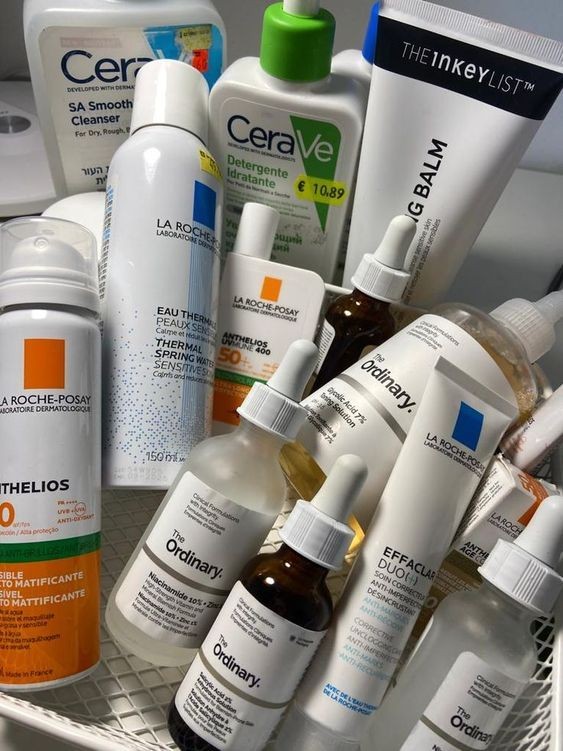
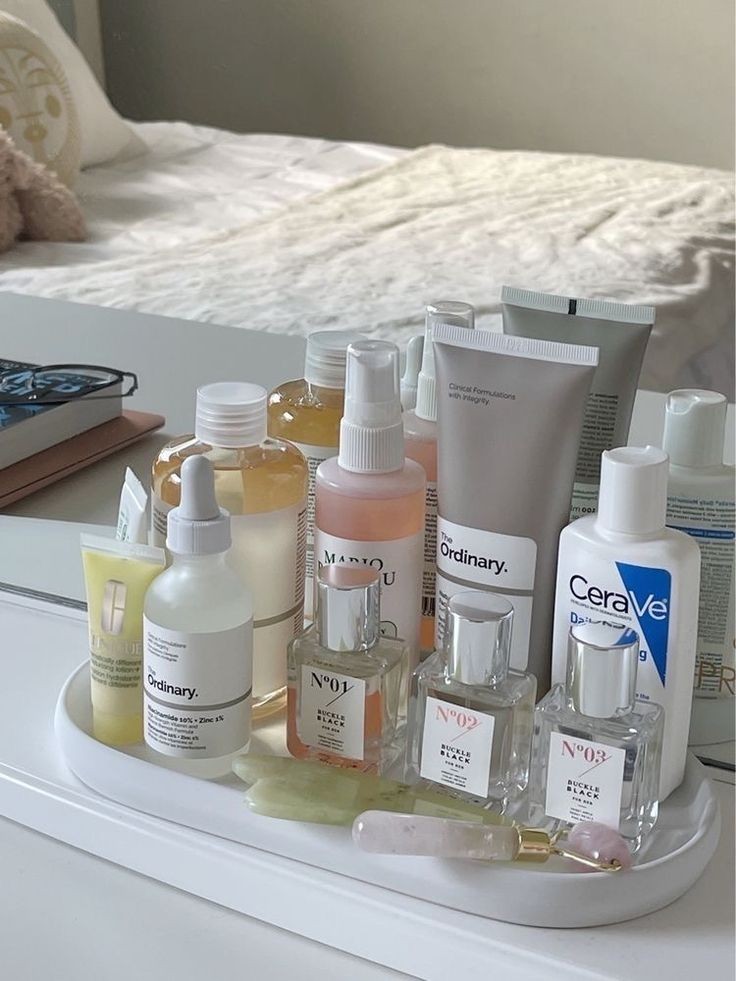
Overconsumption: The obsession with Korean skincare can lead to overconsumption—buying too many products, spending unnecessarily, or damaging your skin with overuse. While Korean skincare routines are often touted as being highly effective, with their multi-step processes and variety of products, this can sometimes lead to unnecessary spending and a cluttered skincare shelf.
Here’s how overconsumption can manifest in Korean skincare:
1. Excessive Product Collection 2. Overuse of Products 3. Misleading Marketing and Trends 4. Not Tailored to Individual Needs 5. Wasting Products
While Korean skincare offers a wide variety of innovative and effective products, overconsumption can lead to unnecessary spending, skin irritation, and wasted resources. A balanced, well-considered approach will allow you to enjoy the benefits of K-beauty without going overboard.
The 10-step skin care routine can be very complex. Some skincare routines are overwhelming (10+ steps!) and not practical for everyone. People do not have the energy or time to do a 10-step skin care routine every day.
And overuse of active ingredients or constantly trying new products can harm the skin instead of helping it.
There is an unrealistic expectations that is seen within people when it comes to skincare and beauty. Marketing and social media can create pressure to achieve “perfect” skin, which isn’t always attainable. It also creates insecurities among people who do not have the ‘korean glass kin’ or does not fit the mould.
The beauty industry, particularly with the rise of trends like single-use products and excessive packaging, has become a significant contributor to environmental waste. While these products are convenient and often marketed as part of a self-care or indulgence routine, they have long-term environmental implications. Here’s how they contribute to waste:
1. Single-Use Products (like Sheet Masks) 2. Excessive Packaging in Beauty Products 3. Formulation and Product Waste 4. Trends and Fast Beauty 5. Overpriced
While the beauty industry offers many conveniences and innovative products, it also generates a significant amount of waste. Single-use items like sheet masks and over-packaged products contribute to environmental pollution, and with the rise of fast beauty, consumers are often encouraged to purchase more than they need. Being mindful of our consumption habits and choosing products with minimal, recyclable, or reusable packaging can help mitigate the environmental impact and promote a more sustainable approach to beauty.
At the end of the day, skincare isn’t about following a perfect 10-step routine or using the latest trends. It’s about what makes you feel confident and cared for. Whether it’s a simple two-step process or a more elaborate regimen, the most important thing is finding what works for your skin and makes you feel good. Skincare is a tool for self-love, a moment to nurture yourself, and ultimately, confidence starts from within.
Remember, you don’t need to overcomplicate it—just do what feels right for you, and that’s enough.
What’s your take on this?
Do you follow a strict skincare routine or keep it simple? I’d love to hear how you approach skincare in the comments below!
If you enjoyed this post, please subscribe to my blog for more updates as I share my blogging journey. Or, leave a comment below to tell me what tips you have for a new blogger like me!
 Ladyink with love