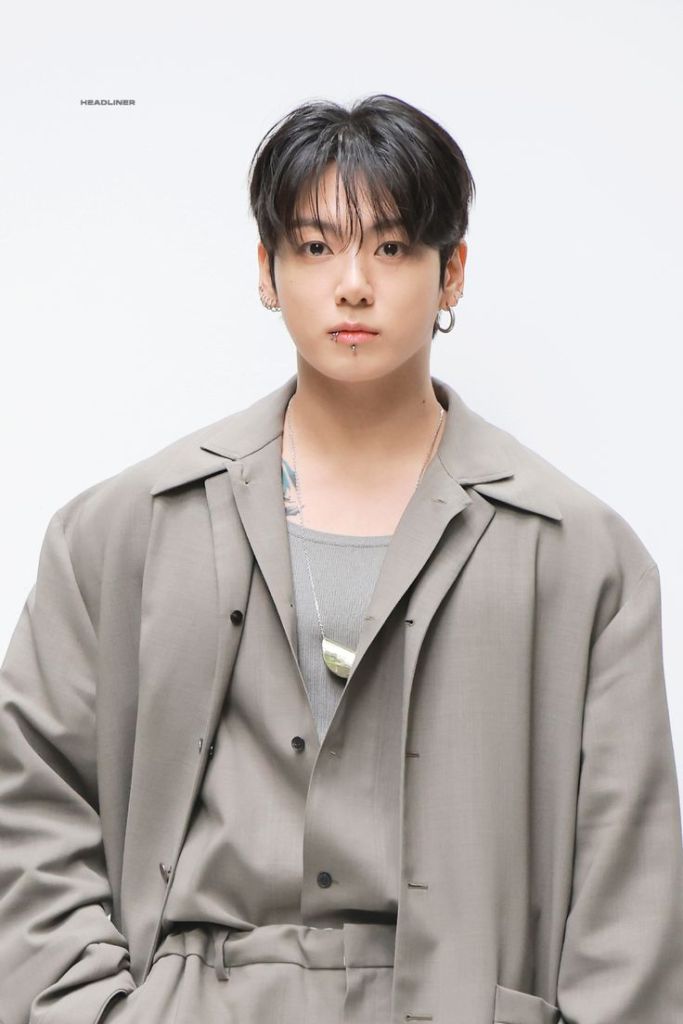
Tag: BTS army

  • Share what you know about the year you were born.

    1997: The Year I Was Born

    I was born in 1997.

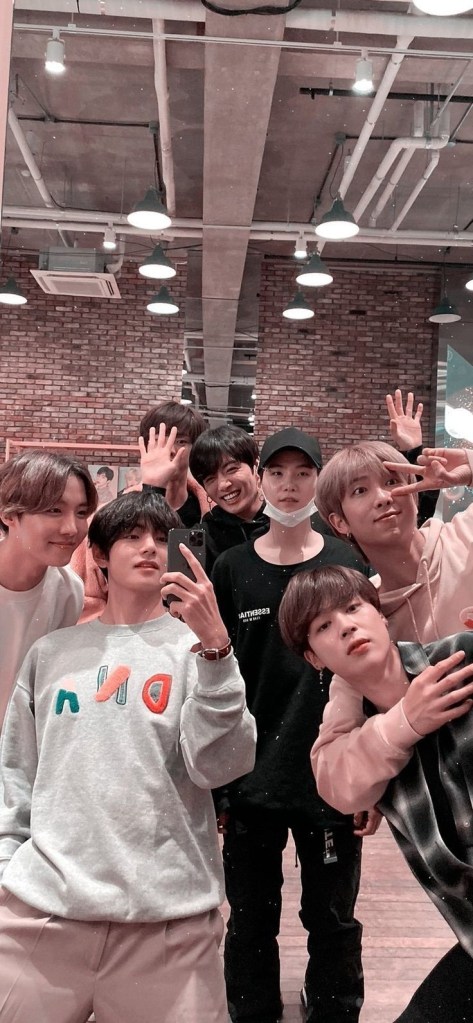
    So was Jeon Jung-kook of BTS ( yes I will always bring BTS up…. Deal with it!!!).

    That year matters to me, not because of nostalgia, but because of what it represents. 1997 wasn’t calm or settled. It was a year standing on the edge of something new, unsure whether to trust what came next. That uncertainty feels familiar. And ofcourse me and Jungkook was born in the same year, world needed us. 😂

    A world that didn’t feel permanent

    The world I was born into was already questioning itself.

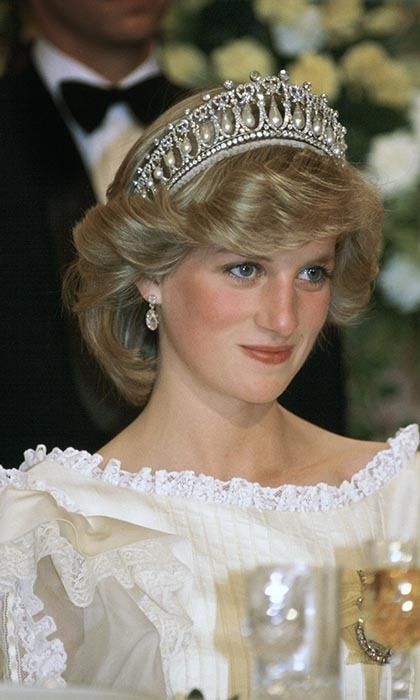
    Princess Diana 💕 died that year, and the way people reacted felt different. Public grief was raw, almost uncomfortable. It was one of the first times the world openly saw how fragile power, fame, and protection really were.

    Colonial rule officially ended in Hong Kong. An old structure closed its chapter. At the same time, the Asian Financial Crisis shook economies that were supposed to be “safe.” Stability turned out to be temporary.

    Even before I could understand it, the message was there: nothing lasts just because it always has.

    Growing up alongside change

    Technology didn’t explode in 1997. It crept in.

    Netflix began as a simple idea. Google started quietly. Machines beat humans at chess for the first time. No one panicked yet, but something had shifted. The future was no longer distant. It was waiting.

    I grew up adapting instead of arriving somewhere finished. Learning, unlearning, adjusting. That pattern stuck.

    And to be honest, I am happy. Because I got to have a normal no phone childhood, and grow up as an amazing adult, with a great sense of self without caring about validation from anyone.

    Emotion wasn’t embarrassing yet

    Culture in 1997 felt honest.

    Titanic made people cry openly, and it stays being one of my favourite movie (I can’t get past the fact that titanic came the same year as I was born). Music was dramatic. Pop stars were expressive, not detached. People weren’t afraid of feeling too much.

    That shaped how I move through the world. I don’t dilute emotions to appear composed. I feel deeply, then decide what to do with it. Softness and strength were never opposites to me. They existed side by side.

    Jungkook and the mirror effect

    Jungkook being born the same year isn’t about comparison. It’s about resonance.
    He represents discipline with sensitivity. Growth without losing humanity. Global presence without emotional distance. Watching his evolution feels familiar. Not because our lives are similar, but because the tempo is.

    We come from a year that doesn’t rush maturity, but demands it eventually.
    What being born in 1997 shaped in me
    I notice patterns before I trust systems.
    I value freedom but still want structure that earns my loyalty.

    I’m independent, but I don’t mistake isolation for strength.

    I’m ambitious, yet emotionally aware enough to know what ambition costs.
    I don’t force people. I state what I want.
    I don’t raise my voice (well I do kinda….). I hold my ground.

    That’s very 1997.

    What this year gave me

    Being born in 1997 means I don’t blindly believe the world knows what it’s doing. I question gently. I move deliberately. I understand contradiction.

    I can be brave and soft. Assertive and kind. Serious and playful.

    Not because I’m trying to balance traits, but because I was born into a world that demanded flexibility.

    1997 didn’t hand me certainty.

    It handed me awareness.

    And honestly, I’d rather have that.

    What about the year you were born on?

    Let me know your thoughts below 👇🏻💕

  • What have you been putting off doing? Why

    Ohh….. A lot of things. The first is my second book. I have 2 ideas about 2 books, I am unable to choose which one I want to proceed with for now. I also don’t know where I want to put those books on. So I don’t know how I feel about all of this. Inspite of the fact that I have ideas, I am still unable to put it to practice. So I am stuck here…..

    And the other thing is my poem book, again I have ideas for all the 20 poems, but because I also have a job, I am unable to start on this too. It’s like, I have the ideas, but I don’t know how to execute it. Am I the only one why feel like this? Or does anyone else also feels like it?

    I feel like I have absolute no purpose right now, and I’m stuck in a loop, I don’t know how to get out of. I havebeen listening to BTS Sabrina Carpenter and Taylor’s new album, and that’s all I am doing. Working and listening to BTS, Taylor and Sabrina.

    But I will surely start something this Saturday on my week off.

    WISH ME LUCK!! 🤞🏻💕


  • What would My life be like without music?

    Okay, let’s be real—can you even imagine a world without music? No headphones on the way to work, no songs to scream-sing in the shower, no background tracks to your best (or worst) moments. Honestly, I can’t. Without music, my life would feel so empty, like living in black and white instead of color. 🌑✨

    Music isn’t just sound—it’s therapy, it’s storytelling, it’s magic. Some days, the right song lifts me up like wings, and other days, it holds me when I just need to feel my feelings. It says the things I can’t say out loud.

    Take Taylor Swift—she’s basically my diary set to music. 📝💔 Every era, every mood, she’s got a song for it. BTS? Their music feels like a pep talk straight to the soul, reminding me to keep believing in myself. 💜 Ariana Grande makes me feel powerful and unstoppable with those insane vocals. The Weeknd? He sets a vibe like no one else—moody, intense, but addictive. Kendrick Lamar makes me think deeper, like his words echo long after the track ends. And Beyoncé… she is music, honestly. Pure power, pure grace. 👑✨

    And then, my heart belongs just as much to Arijit Singh and Shreya Ghoshal. Their songs? Instant goosebumps. 🥺🎤 They carry so much emotion, it feels like they’re singing straight to your soul. Hindi music has this way of making even the simplest feelings sound eternal.

    Without all this, I think life would be flat. Music turns tiny moments into big ones. That random night drive suddenly feels cinematic. That heartbreak feels survivable because someone out there turned the same pain into a melody. That celebration? Ten times better with a beat to dance to. 🥂💃

    So yeah… life without music? I don’t even want to think about it. It’s the heartbeat behind everything, the thing that makes ordinary days unforgettable. 🎧💫


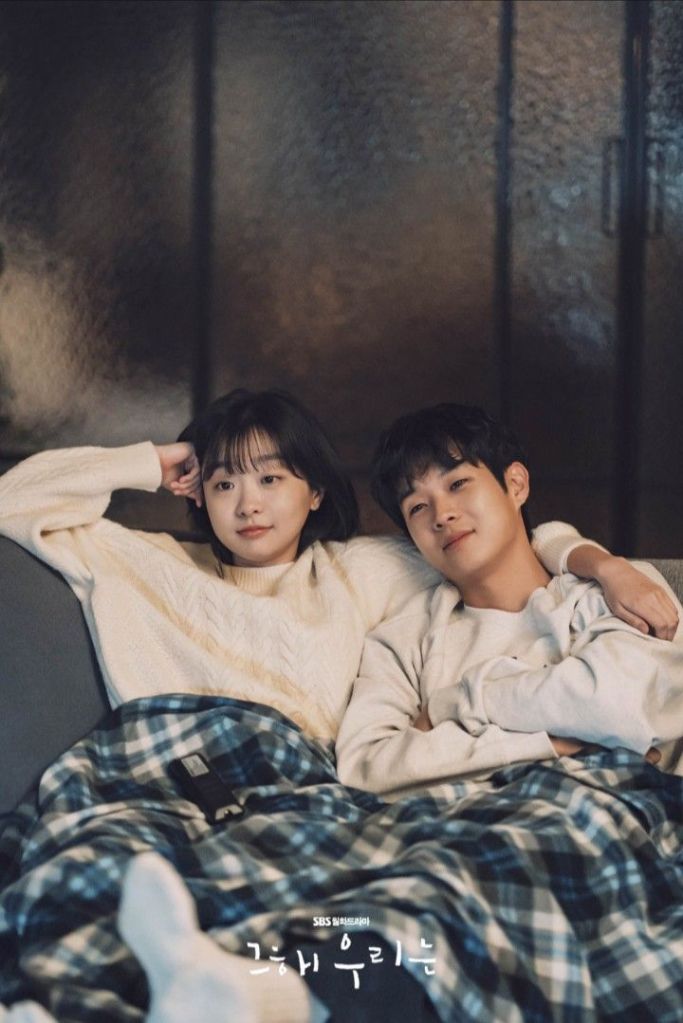
  • K-Dramas Made Me a Romantic. Reality Made Me Regret It. Hallyu, Hype, and Healing: How K-Dramas Took Over the World

    From Binge to Burnout: My Love-Hate Relationship with K-Dramas

    I remember when COVID first broke out… Everyone was stuck at home with nothing to do. So, sometime in 2020, I started scrolling through Netflix and stumbled upon my very first Asian drama: Meteor Garden. Okay, yes — it’s a Chinese drama, not a K-drama, but hear me out — that was the gateway drug. 😐

    The real addiction kicked in with What’s Wrong with Secretary Kim. Park Seo-joon? That handsome man!!!🫦 Park Min-young? A brilliant actor! 👏🏻 Chemistry off the charts. I laughed. I swooned. I spiraled. And from there, it was game over — one drama turned into two, two turned into ten, and now I’ve clocked close to a hundred K-dramas. That’s not a hobby. That’s a lifestyle.

    From boys over flower to Goblin, from All Of Us Are Dead to Squid Game, from Vincenzo to The Glory. I have watched all the genres I could (except horror, I can’t watch horror shows) 😔.

    At first, I was completely hooked. New releases? I was refreshing the app. Top 10 lists? I’d already seen them. But somewhere along the way, the sparkle started to fade. The storylines began to blur together. The same tropes, the same chaebol heirs, the same clumsy heroines — and suddenly I realized I wasn’t watching for the plot anymore. I was watching out of habit.

    Still, there’s no denying that since the 2020s, K-dramas have exploded globally. This wasn’t just about entertainment anymore. It was a cultural phenomenon — fueled by strategic streaming platform deals, high-quality storytelling, and yes, the boredom of a global lockdown. Shows like Squid Game took the world by storm, and the Hallyu wave crashed hard into the mainstream.

    So, what made K-dramas rise so fast and stay relevant?

    🚀 Why K-Dramas Took Over the World:

    1. Genre-Bending Storytelling
    Historical fantasies, rom-coms, psychological thrillers, political revenge plots — K-dramas don’t stick to one lane. You get variety, complexity, and cinematic quality that rivals Hollywood.

    2. Netflix & Chill (K-style)
    Netflix, Viki, and others localized K-dramas with subtitles, dubbing, and full-blown promotional strategies. Accessibility made obsession easier.

    3. Lockdown Love Affairs
    With everyone locked indoors, K-dramas were an emotional lifeline. When real life felt chaotic, fictional Seoul offered comfort, consistency, and slow-burn romance.

    4. The Hallyu Wave
    K-pop, Korean food, fashion, and skincare all surged alongside K-dramas. If you watched Crash Landing on You, chances are you also Googled Korean sheet masks right after.

    5. Global Fandom Energy
    K-drama fans aren’t casual. They create playlists, memes, travel guides, and even learn Korean — community-driven fandoms made K-dramas more than just content.

    6. Cultural Export = Big Money
    Korea leveraged this boom, turning entertainment into economic power. K-dramas became cultural ambassadors, boosting tourism, product exports, and international clout.

    🌈 Why This K-Wave Is Actually a Big Win:

    1. Diversity Is Finally Mainstream
    Western media has hogged the spotlight for decades. Now, K-dramas are making subtitles sexy and global stories the new norm.

    2. Emotions? Dialed All the Way Up
    K-dramas embrace vulnerability — crying, blushing, yearning. They go full send on feelings, and we love them for it.

    3. Hard Work = Core Theme
    Whether it’s a K-pop trainee grinding for debut or a poor lead hustling to survive, effort is glamorized — and relatable AF.

    4. Redefining Gender Norms
    Soft, sensitive men. Strong but emotionally rich women. K-dramas challenge rigid gender stereotypes, unlike many Western counterparts.

    5. Fans Run the Show
    The fandoms are loud, proud, and powerful — organizing support, donations, and social movements. It’s participatory culture 2.0.

    😬 But Not Everything Is Perfect, Girl….

    1. Tropes That Need to Die Yesterday
    Chaebol heir falls for broke girl. Amnesia. Evil mother-in-law. The accidental kiss. Cute once. Exhausting now.

    2. Unhealthy Relationship Vibes
    Wrist grabs, stalking, emotional unavailability = not romantic. We need to stop glorifying 🚩 central behavior.

    3. Mid-Season Sag
    First 4 episodes? Gold. Middle episodes? Where’s the plot? Finale? Time skip + illness + sudden wedding.

    4. Still Too Homogenous
    Queer rep? Barely. Disability or body diversity? Rare and mishandled. K-dramas still have a long way to go.

    5. Gender Stereotype Central
    Clumsy girl = quirky lead. Women over 30 = tragic spinster. Men = emotionally unavailable gods or soft marshmallows. Let’s evolve.

    6. Shameless Product Placement
    Nothing kills the vibe like a dramatic scene cut short by: “This iced Americano from Starbucks cures all heartbreak.”

    7. Poor Mental Health Portrayals
    Therapy is barely a thing. Trauma gets wrapped up in a romance arc. Let’s normalize healing beyond love interests.

    💘 K-Dramas & Love: A Blessing and a Curse

    ✅ Pros:

    Models healthy affection: They show consistent, quiet love. Hand warmers > expensive gifts.

    Raises emotional standards: Watching a man cook for his partner in a full suit? Unmatched.

    Encourages vulnerability: Men cry. Women lead. Love isn’t stoic — it’s soft.

    Inspires convos: “Would you wait if I lost my memory?” might be silly, but it’s bonding.

    Affirms daily love: Effort > drama. Presence > perfection.

    ❌ Cons:

    Toxic = romanticized: Obsession, control, and jealousy often get painted as “passion.”

    Unrealistic standards: 6-pack CEOs, love confessions in the rain — yeah, that’s not Tuesday IRL.

    Communication black hole: So many misunderstandings could be solved with a text.

    Fated love obsession: In real life, relationships are built — not destined.

    Delayed emotional growth: No, you can’t “fix” someone just by loving them hard enough.

    💖 Pros 🚩 Cons

    Thoughtful affection Romanticized toxicity
    Normalizes emotional expression Unhealthy relationship tropes
    Inspires deep convos Misleads about communication pace
    Emotional maturity = sexy Idealizes struggle love

    ✨ Final Take:

    Personally, if someone asks me what my favourite kdram is, for now it is “Lovely Runner”. I absolutely love lovesick men who yearn for love. 😍

    K-dramas are emotional rollercoasters — and we love that for them. They serve intentional romance, beautiful cinematography, and layered characters. They challenge traditional media, offer representation (even if limited), and create deep emotional connections.

    But don’t get it twisted — they’re fiction. They’re edited with moody lighting, tear-jerking OSTs, and plot armor. Real relationships? They’re built in silence, in daily decisions, in showing up. Not under fairy lights during a first snow kiss.

    So yes, binge your dramas, write fanfic, and cry during the finale. Just don’t expect your situationship to transform into a Park Seo-joon-level romance because he brought you ramen.

    Watch with your heart. Date with your head.

    — K-drama critic and certified simp 💅

    Let me know your thoughts below 👇🏻💕

  • Why Turning Your Favorite Celebrity Into a Character Isn’t Just Creative—It Can Be a Violation

    Fanfiction, Dark Romance, and the Ethics We Overlook

    🎤 From One Direction Fangirl to Ethical Awareness

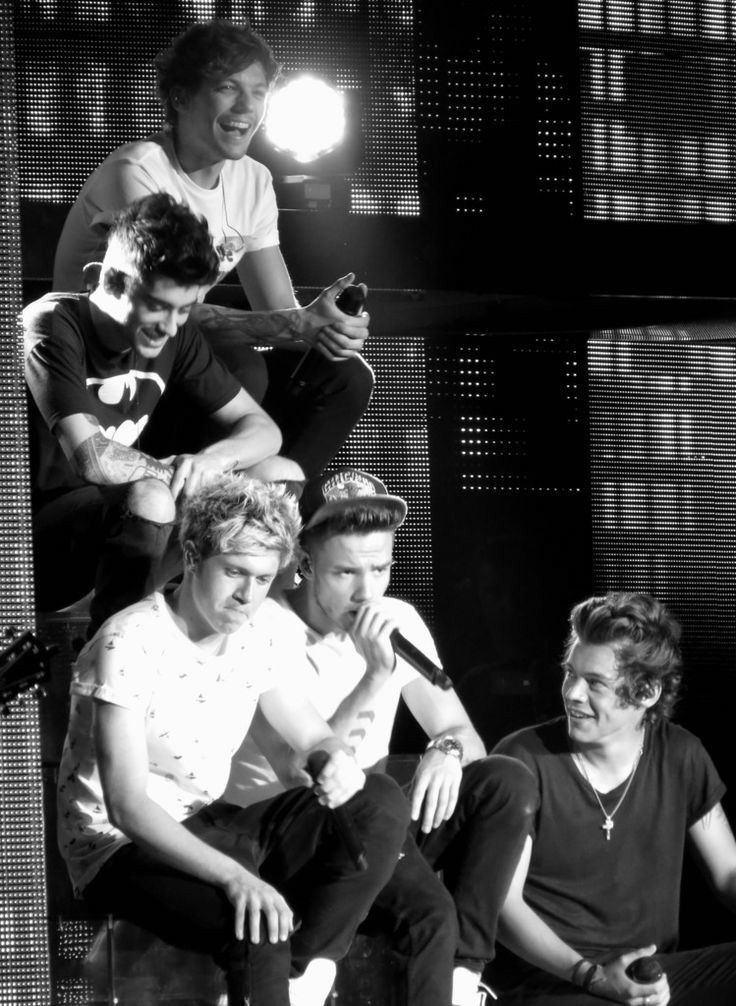
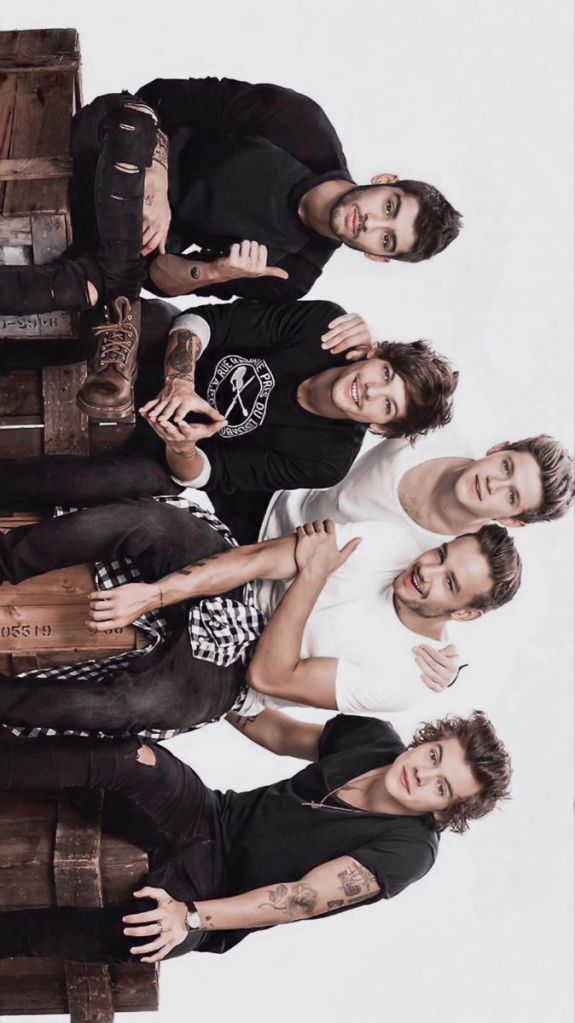
    When I was a teenager, I was deep into the One Direction fandom. My favorite? Harry Styles. Their music, personalities, and charm made my teen years magical. I’d spend hours watching interviews, edits, and concert clips—it felt like home.

    Then I discovered the rabbit hole that many fans fall into: fanfiction.

    It started harmless—sweet “Y/N” stories where Harry loved you for who you were. But over time, I fell deeper, reading intense stories like After, Dark, and countless one-shots. They blurred the line between fantasy and reality.

    Eventually, I moved on. I outgrew the band—and fanfiction. I began reading books that didn’t fictionalize real people’s lives. Only then did I realize the ethical dilemma that fanfiction, especially real-person fanfiction (RPF), presents—not just for readers, but more importantly, for the people being written about.

    📚 What Is Fanfiction?

    Fanfiction is fan-created storytelling using characters, settings, or plotlines from existing works like books, movies, or even video games. It exists in a gray zone—unauthorized, but beloved.

    🧵 Fanfiction Usually:

    Uses existing characters (fictional or real)

    Is written by fans, not original creators

    Lives mostly online on platforms like AO3, Wattpad, Tumblr, and FanFiction.Net

    Explores “what if” ideas, alternate universes, or untold stories

    It can be lighthearted, dark, romantic, funny, or deeply emotional.

    But the question is: what happens when the “character” isn’t a character—but a real human being?

    🚫 Why Some Fanfiction Crosses a Line

    Fanfiction isn’t inherently wrong. It can be empowering, inclusive, and wildly imaginative. But some areas—especially RPF (Real Person Fiction)—raise serious concerns:

    ❌ Common Criticisms:

    1. Lack of originality – It reuses others’ creations.

    2. Poor quality – Anyone can publish, regardless of skill.

    3. Overused clichés – Predictable tropes dominate many fics.

    4. Fantasy projection – Self-inserts can feel like glorified wish fulfillment.

    5. Toxic dynamics – Many fanfics romanticize abuse, trauma, or harmful behaviors.

    6. Intellectual property issues – Some creators don’t want their worlds reimagined.

    These are forgivable flaws. But when real people are involved, the consequences escalate.

    🚷 The Ethical Problem with RPF (Real Person Fanfiction)

    Celebrities may live public lives—but they’re not public property.

    Writing fanfiction about their intimate, romantic, or sexual lives (often without consent) poses several problems:

    💥 Impacts on Celebrities:

    Privacy Invasion: Even public figures have emotional boundaries.

    False Narratives: Fanfic can paint them as cruel, sexual, soft, or dangerous—distorting their real image.

    Emotional Discomfort: Some celebrities have openly called RPF creepy or invasive.

    Relationship Strain: “Shipping” two band members or actors can cause tension in real friendships.

    Fan Delusion: Parasocial fantasies get stronger, leading to blurred lines and even stalking.

    Reputational Damage: If explicit content spreads, it could harm their careers—especially those in youth-centric industries.

    🔍 Example: The “Larry Stylinson” fanfic phenomenon caused real strain between Louis Tomlinson and Harry Styles. Both have denied the ship and expressed discomfort.

    Even BTS members have admitted that some fan content feels too invasive.

    💡 So… Why Do People Write Fanfiction About Real People?

    I personally have never written a fanfiction….. But I have read them.

    It’s easy to judge, but important to understand.

    🧠 Common Reasons:

    Escapism: A way to fantasize or cope with real-life stress.

    Identity Exploration: Especially for queer or marginalized fans, it’s a safe space to explore love, acceptance, and identity.

    Parasocial Attachment: Writing feels like a way to feel closer to a favorite celebrity.

    Creativity and Practice: Celebrities become a familiar template for writing.

    Wish Fulfillment: A dream scenario where you’re seen, loved, or saved.

    Community Belonging: Fanfic communities offer validation, connection, and joy.

    Fanfiction—at its heart—isn’t always about disrespect. Often, it’s about longing. But intentions don’t erase consequences.

    🌈 What Good Can Come From Fanfiction?

    Let’s not ignore the good side—when rooted in fiction, fanfiction can be amazing.

    ✨ Here’s What It Offers:

    1. Writing Practice: Many authors—like Cassandra Clare and E.L. James—started with fanfiction.

    2. Instant Feedback: Writers grow through community responses.

    3. Emotional Catharsis: It allows processing of grief, anxiety, love, and trauma.

    4. Representation: Fanfiction often gives space to LGBTQ+, POC, and neurodivergent voices missing in mainstream media.

    5. Creative Freedom: With no publisher pressure, writers take bold risks.

    6. Comfort Stories: Alternate endings, soft love stories, “fix-its”—fics heal both readers and writers.

    Fanfiction is more than guilty pleasure—it’s often a way to survive, speak up, or be seen.

    ⚖️ The Middle Ground: Ethics + Empathy

    So where do we draw the line?

    ✅ Healthy Fanfiction:

    Stays within fictional universes

    Celebrates rather than invades

    Acknowledges boundaries

    Prioritizes consent—even in creative expression

    ❌ Problematic Fanfiction:

    Sexualizes real people

    Pushes harmful ships

    Feeds delusions or stalker fantasies

    Is shared directly with the people involved

    If you admire someone, ask: Would they feel respected if they read this?

    💬 Admire, Don’t Objectify

    Fanfiction gave me joy, comfort, and a safe space growing up. But I’ve also realized that real people—no matter how famous—deserve dignity and boundaries.

    You can be a fan without fictionalizing someone’s personal life. You can write romance without using real names. You can create magic without crossing lines.

    ✨ Admire from afar. Respect up close. That’s true fandom.

    📣 What Do You Think?

    Have you read or written fanfiction?

    Do you believe RPF can be done respectfully?

    Where should the line be drawn?

    👇 Let’s talk in the comments. Share your thoughts, your stories, or just drop a 💬 if this made you think.