Ok….. Let’s get one thing straight: I’m not talking about some vintage thrift-store find or a lucky charm I stumbled upon in a pile of chaos. Nope. The coolest thing I’ve ever found—and actually kept—is me (yes, yes .. I am obsessed with myself. We all already know it). Not the “I love myself” Pinterest version, but the real, complicated, layered version that took years to uncover and even longer to stop dimming for other people.
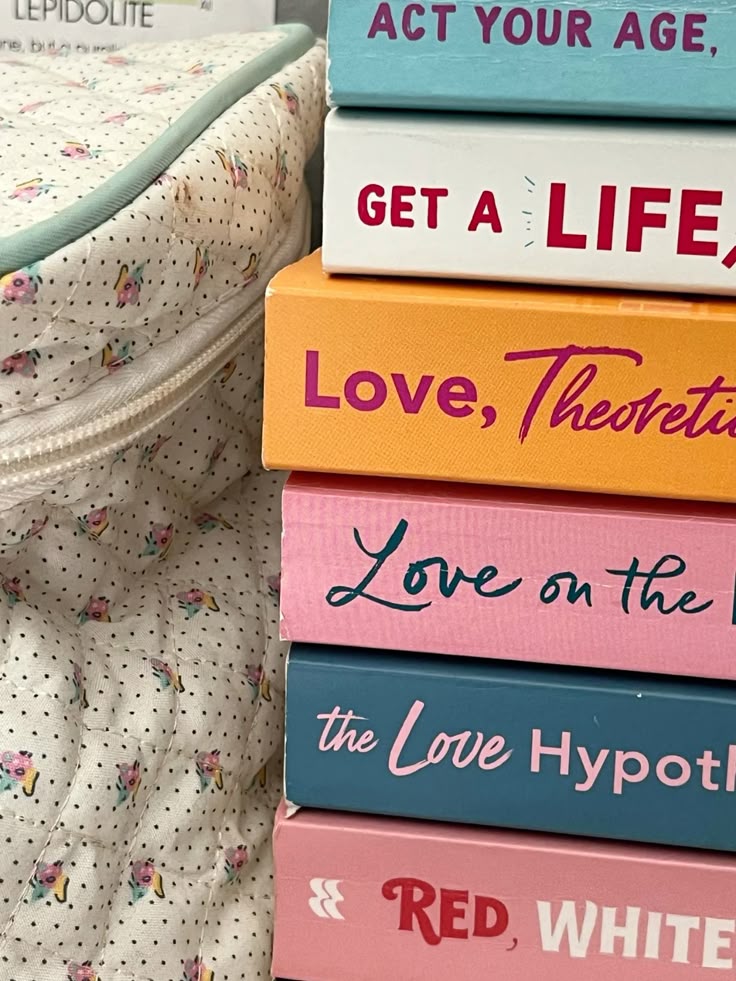
For the longest time, I thought meaning lived in objects. I kept albums sealed in perfect condition, books lined up like little soldiers, and memories folded neatly in mental lockers. I guarded them like artifacts—each one representing a piece of me I wasn’t ready to show the world yet. But somewhere along the way, I realized those things weren’t just things. They were mirrors. Every unopened BTS album, every neatly stacked novel, every untouched trinket was proof that I had taste, depth, and patience.
I used to think being “lowkey” meant I didn’t care. Truth is, I cared too much. I cared about preserving beauty, meaning, and the feeling of being moved by something real. While everyone else rushed to show off their new obsessions, I was quietly building a collection of moments that actually mattered. It’s giving main-character energy—but make it subtle, sentimental, and self-aware.
And yeah, I’m not here for weak characters—fictional or real. I’ve had to hold my own too many times to idolize anyone who lets life walk all over them. Crying is fine. Crumbling isn’t. There’s a difference between being soft and being spineless, and I’ve learned how to be both vulnerable and unshakable. If strength had a scent, it’d probably smell like sandalwood and self-respect.
The wild part? Finding myself wasn’t some grand, cinematic revelation. It happened quietly. Between playlists that healed something, books that called me out, and late nights where I realized I’d been underestimating my own resilience. The “coolest thing” wasn’t hiding somewhere out there—it was sitting right here, waiting for me to finally stop looking for validation in everyone else’s reflection.
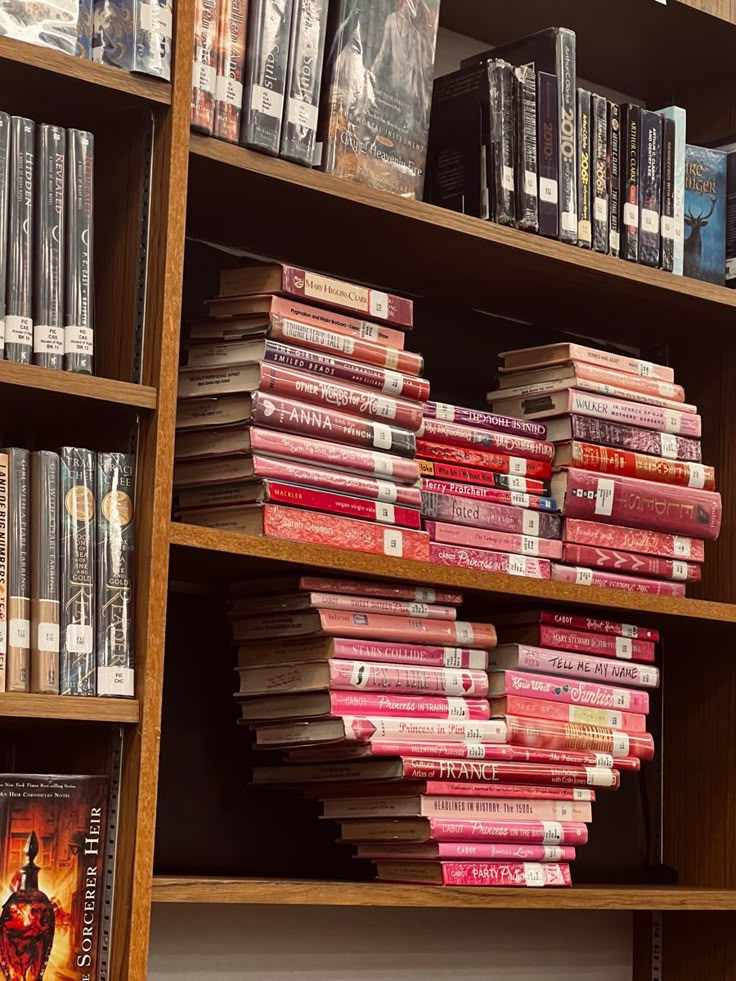
So yeah, when I finally get that warm, cozy, elegant library I’ve been dreaming about—with shelves of BTS vinyls and stacks of books that shaped me—it won’t just be décor. It’ll be a declaration. A room built by someone who found herself, kept herself, and never again apologized for doing so.
Ohh….. A lot of things. The first is my second book. I have 2 ideas about 2 books, I am unable to choose which one I want to proceed with for now. I also don’t know where I want to put those books on. So I don’t know how I feel about all of this. Inspite of the fact that I have ideas, I am still unable to put it to practice. So I am stuck here…..
And the other thing is my poem book, again I have ideas for all the 20 poems, but because I also have a job, I am unable to start on this too. It’s like, I have the ideas, but I don’t know how to execute it. Am I the only one why feel like this? Or does anyone else also feels like it?
I feel like I have absolute no purpose right now, and I’m stuck in a loop, I don’t know how to get out of. I havebeen listening to BTS Sabrina Carpenter and Taylor’s new album, and that’s all I am doing. Working and listening to BTS, Taylor and Sabrina.
But I will surely start something this Saturday on my week off.
Sometimes I wonder if I’m a writer or just a professional overthinker with good sentence structure 😭. Every time I sit down to write, it feels like a wrestling match between my brain, my self-doubt, and my coffee mug. I start with a fire in my chest and end up spiraling into “does anyone even care what I’m saying?” territory. Classic, right?
Writing is the one thing that makes me feel alive — and also completely lost. It’s wild how something so personal can feel like both purpose and punishment. I want to create, I want to be read, I want to build something that matters — but half the time I feel like I’m just screaming into the void and hoping it echoes back 🌀.
The truth is, this isn’t just about writing. It’s about identity. It’s about proving to myself that I’m capable of building something real from my thoughts. I work a corporate job, I do all the adulting, but this? Writing is the one thing that’s mine. No deadlines, no manager, no “as per our discussion.” Just me and the page — and sometimes that’s scarier than any meetings.
I used to think the problem was time. “I’ll write when I have a free evening.” “I’ll start that story when work slows down.” Spoiler: it never slows down. The truth is, I wasn’t short on time — I was short on courage. Because writing means facing your own thoughts head-on, and that’s not always cute or convenient.
Every now and then, I think about giving up. Packing it in. Pretending I never had this dream in the first place. But then I’ll read a line — from Austen, or JK Rowling (controversial…. I know), or even something I wrote months ago — and it hits me. That spark is still there. Faint, maybe. But real! And it deserves to be fed.
So yes, I’m still at the starting point. Still figuring out my rhythm, my voice, my process. Still fighting that itch to edit mid-sentence like a control freak. But I’ve stopped calling it failure. It’s just the messy middle. And honestly, everyone romanticizes the beginning and the ending — no one talks about the slog in between.
Changing habits and environments hasn’t been easy either. I’ve to make time for my hobby, and change my entire routine to manage my job and writing. I’ve had to build boundaries around my energy. Say no to things that drain me, make space for things that fill me. That’s not discipline; that’s survival. And if I want to write the way I dream of, I can’t keep pouring from an empty cup ☕.
The hardest part? Believing that my words are worth reading. That’s it. Not the grammar, not the structure — the belief. Because when you write without validation, it’s like shouting into a storm. You have to be your own echo until someone else hears it.
And here’s the thing — I don’t just want to write. I want to matter. I want to be remembered the way Austen is — not for her fame, but for her precision. Her truth. The quiet confidence that comes from knowing exactly who she was and writing anyway, even when the world wasn’t ready. That’s what I want. Not approval — impact.
So, no, I’m not there yet. But I’m not quitting either. My hardest personal goal is still in motion, one word at a time. Maybe one day someone will read this and think, “Damn, she really did it.” Until then, I’ll keep showing up — messy bun, caffeine buzz, and all ✍️✨.
Because even if no one’s reading yet, I am. And that’s enough for now.
A personal reflection on losing the spark, finding growth, and raising the bar for love stories.
💓When Romance Stops Feeling Romantic
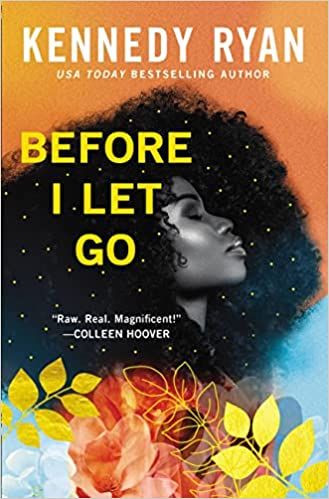
Recently, after a long break, I picked up a romance novel again—Before I Let Go by Kennedy Ryan. It’s a second-chance story about a divorced couple co-parenting while slowly finding their way back to each other. It was beautifully written. I even found myself tearing up in places.
But when I finished the last page, something surprised me: I felt… nothing. I closed the book, set it aside, and moved on with my day. For most of my life, that would have been unthinkable. Normally, I fall into books so deeply that I carry them with me for days. The characters linger in my head. Scenes replay in my imagination. I walk around half in their world, half in mine. This time, the spell didn’t hold.
And it’s not just this one book. Lately, whenever I pick up a romance novel or turn on a romantic show, I catch myself brushing it off. What once felt immersive and thrilling now feels flat. Which made me stop and ask: have I lost interest in romance altogether—or am I simply growing into a new version of myself?
🤔Why Romance Has Always Been So Magnetic?
Romance, especially for women, has always carried more weight than just “a love story.” It’s a place to imagine connection, safety, and joy in ways that daily life doesn’t always provide.
Hope and connection: At its core, romance offers the dream of unconditional love and emotional intimacy. Even when real life is messy, romance novels whisper that love can win.
Emotional validation: These stories center women’s feelings, desires, and struggles. They say: your inner world matters.
Reciprocity: Romance often models relationships where both people share the emotional labor equally—a fantasy when reality sometimes tilts heavily.
Escapism and fantasy: They give you permission to step out of stress and responsibility into a world where you’re chosen and cherished.
Community and representation: Romance has created a global sisterhood. Readers connect over shared swoons, debates about tropes, and characters who reflect their own experiences.
At its best, romance is a form of care. It softens reality and reminds you that tenderness is possible.
🥰Why Romance Novels Feel So Appealing?
Part of the charm of the genre is its structure. Romance promises emotional payoff. Even if the couple fights, even if there are twists and heartbreaks, you know the story will carry you to resolution. That certainty is soothing in a world where nothing else feels guaranteed.
Romance also offers:
Escapism with stakes: The tension always revolves around love. No serial killers or world-ending disasters—just intimacy on the line.
Relatability: Everyone has known desire, heartbreak, or longing. Reading it on the page feels personal.
Fantasy and hope: A good romance novel makes love feel magical and possible, even when real life has taught you otherwise.
Compared to thrillers that chase adrenaline, or fantasy that builds entire universes, romance dives straight into the most universal need: to be seen, wanted, and loved.
👎🏻Why It Doesn’t Hit the Same Anymore?
So why does romance, once irresistible, feel flat now? A few reasons come to mind:
1. I’ve changed, but the stories haven’t. The tropes that thrilled me years ago now feel recycled. The “bad boy with a hidden heart of gold,” the “will-they-won’t-they misunderstandings”—I’ve seen them play out too many times.
2. My emotional bandwidth is different. Work, friendships, family, responsibilities—real life takes up the space I once reserved for living through fictional couples. My mind craves new forms of stimulation, maybe more growth or depth than escape.
3. My definition of romance has matured. I used to melt at grand gestures and dramatic confessions. Now? Consistency, emotional safety, and quiet gestures feel more romantic. Fiction hasn’t always caught up to that shift.
4. I might just be saturated. Years of devouring romance novels built a kind of tolerance. The formulas that once worked magic now feel predictable.
5. I’m craving different narratives. My imagination wants new food. Psychological dramas, memoirs, literary fiction—stories that stretch me in ways romance used to.
Losing interest doesn’t mean I’m less romantic. It means I’ve grown.
👀Reality vs. Novel Romance
Part of the disconnect is this: romance in fiction and romance in life don’t look the same.
First encounters: In novels, sparks fly instantly. In real life, it’s often awkward small talk that deepens slowly.
Conflict: Fiction thrives on dramatic misunderstandings. Real life? It’s mismatched schedules, stress, or someone forgetting to text back.
Gestures: Novels love airport chases and confessions in the rain. Real love is showing up with soup when you’re sick.
Timing: In books, love always finds a way. In reality, the right person can arrive at the wrong time, and people don’t always wait.
Resolutions: Novels promise happily-ever-after. Real life is sometimes happily-for-now—or endings, even when love exists.
Intensity: Fiction burns hot all the time. Real love has ebbs and flows.
Growth: Novels show characters “saved” by love. In reality, you have to do your own work before love can thrive.
🙅🏻♀️The Problem With Romanticizing Abuse
One thing that definitely no longer appeals to me are the darker tropes I grew up seeing in Wattpad stories: mafia “romance,” kidnapping plots, trafficking dressed up as passion. Back then, I didn’t question it. Now, I can’t ignore how harmful it is.
They glamorize abuse, making control or violence look sexy.
They erase real trauma, ignoring the suffering of actual victims.
They normalize toxic power dynamics, presenting dominance as love.
They desensitize audiences, turning crime into just another spicy plot device.
There’s nothing wrong with dark fiction when it’s clearly labeled as thriller or fantasy. But calling it “romance” is dishonest. Romance should mean choice, respect, and mutual desire. Anything else isn’t love—it’s abuse dressed up in pretty language.
❤️Where I Am Now
What I see clearly now is that my changing relationship with romance isn’t an ending—it’s growth. The books and shows that once swept me away don’t resonate because I’ve outgrown them. I no longer want shallow butterflies or fantasies built on control. I want honesty. Nuance. Stories that reflect the kind of love I now understand: imperfect, sometimes ordinary, but rooted in trust and choice.
That’s why toxic tropes not only bore me, they feel wrong. They clash with what I now know love should be. So maybe this shift isn’t about falling out of love with romance at all—it’s about raising the standard. Refusing to settle for hollow stories.
Losing interest doesn’t mean the romantic in me has died. It means she’s evolved. I’m no longer chasing someone else’s fantasy. I’m holding out for something real.
 Ladyink with love