Okay, let’s be real—can you even imagine a world without music? No headphones on the way to work, no songs to scream-sing in the shower, no background tracks to your best (or worst) moments. Honestly, I can’t. Without music, my life would feel so empty, like living in black and white instead of color. 🌑✨
Music isn’t just sound—it’s therapy, it’s storytelling, it’s magic. Some days, the right song lifts me up like wings, and other days, it holds me when I just need to feel my feelings. It says the things I can’t say out loud.
Take Taylor Swift—she’s basically my diary set to music. 📝💔 Every era, every mood, she’s got a song for it. BTS? Their music feels like a pep talk straight to the soul, reminding me to keep believing in myself. 💜 Ariana Grande makes me feel powerful and unstoppable with those insane vocals. The Weeknd? He sets a vibe like no one else—moody, intense, but addictive. Kendrick Lamar makes me think deeper, like his words echo long after the track ends. And Beyoncé… she is music, honestly. Pure power, pure grace. 👑✨
And then, my heart belongs just as much to Arijit Singh and Shreya Ghoshal. Their songs? Instant goosebumps. 🥺🎤 They carry so much emotion, it feels like they’re singing straight to your soul. Hindi music has this way of making even the simplest feelings sound eternal.
Without all this, I think life would be flat. Music turns tiny moments into big ones. That random night drive suddenly feels cinematic. That heartbreak feels survivable because someone out there turned the same pain into a melody. That celebration? Ten times better with a beat to dance to. 🥂💃
So yeah… life without music? I don’t even want to think about it. It’s the heartbeat behind everything, the thing that makes ordinary days unforgettable. 🎧💫
A personal reflection on losing the spark, finding growth, and raising the bar for love stories.
💓When Romance Stops Feeling Romantic
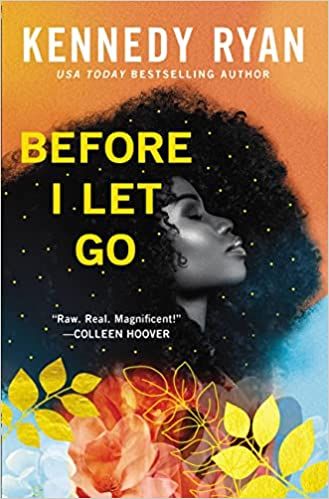
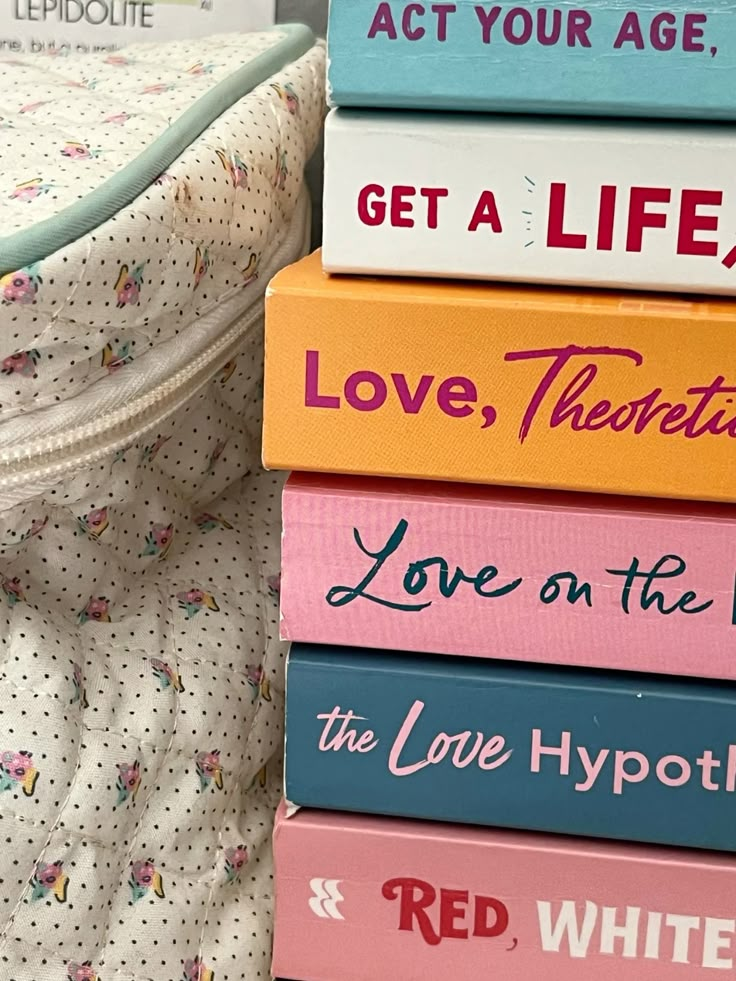
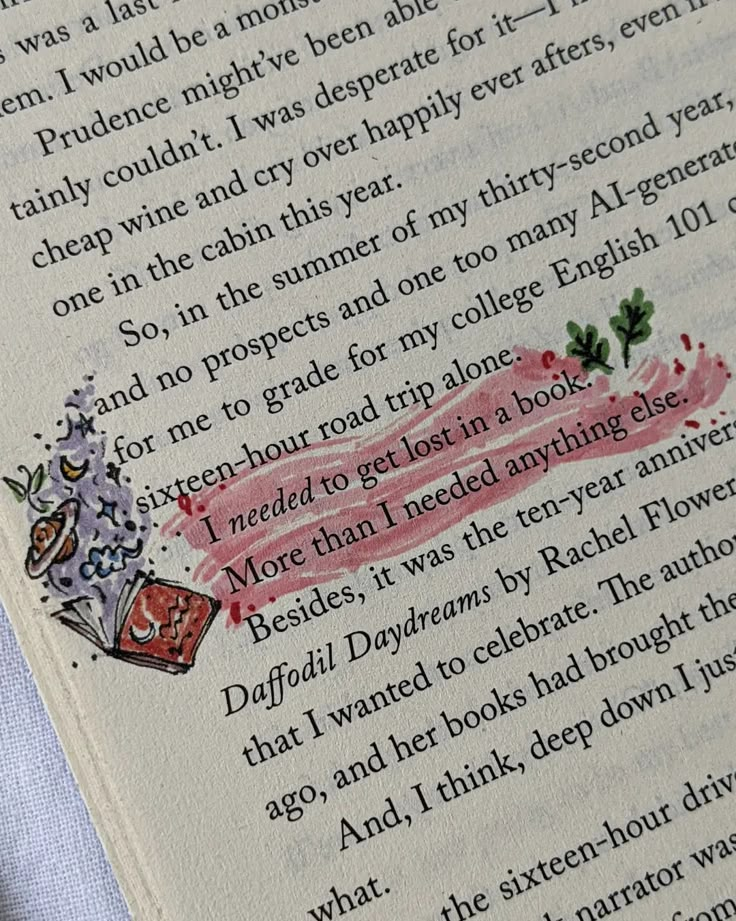
Recently, after a long break, I picked up a romance novel again—Before I Let Go by Kennedy Ryan. It’s a second-chance story about a divorced couple co-parenting while slowly finding their way back to each other. It was beautifully written. I even found myself tearing up in places.
But when I finished the last page, something surprised me: I felt… nothing. I closed the book, set it aside, and moved on with my day. For most of my life, that would have been unthinkable. Normally, I fall into books so deeply that I carry them with me for days. The characters linger in my head. Scenes replay in my imagination. I walk around half in their world, half in mine. This time, the spell didn’t hold.
And it’s not just this one book. Lately, whenever I pick up a romance novel or turn on a romantic show, I catch myself brushing it off. What once felt immersive and thrilling now feels flat. Which made me stop and ask: have I lost interest in romance altogether—or am I simply growing into a new version of myself?
🤔Why Romance Has Always Been So Magnetic?
Romance, especially for women, has always carried more weight than just “a love story.” It’s a place to imagine connection, safety, and joy in ways that daily life doesn’t always provide.
Hope and connection: At its core, romance offers the dream of unconditional love and emotional intimacy. Even when real life is messy, romance novels whisper that love can win.
Emotional validation: These stories center women’s feelings, desires, and struggles. They say: your inner world matters.
Reciprocity: Romance often models relationships where both people share the emotional labor equally—a fantasy when reality sometimes tilts heavily.
Escapism and fantasy: They give you permission to step out of stress and responsibility into a world where you’re chosen and cherished.
Community and representation: Romance has created a global sisterhood. Readers connect over shared swoons, debates about tropes, and characters who reflect their own experiences.
At its best, romance is a form of care. It softens reality and reminds you that tenderness is possible.
🥰Why Romance Novels Feel So Appealing?
Part of the charm of the genre is its structure. Romance promises emotional payoff. Even if the couple fights, even if there are twists and heartbreaks, you know the story will carry you to resolution. That certainty is soothing in a world where nothing else feels guaranteed.
Romance also offers:
Escapism with stakes: The tension always revolves around love. No serial killers or world-ending disasters—just intimacy on the line.
Relatability: Everyone has known desire, heartbreak, or longing. Reading it on the page feels personal.
Fantasy and hope: A good romance novel makes love feel magical and possible, even when real life has taught you otherwise.
Compared to thrillers that chase adrenaline, or fantasy that builds entire universes, romance dives straight into the most universal need: to be seen, wanted, and loved.
👎🏻Why It Doesn’t Hit the Same Anymore?
So why does romance, once irresistible, feel flat now? A few reasons come to mind:
1. I’ve changed, but the stories haven’t. The tropes that thrilled me years ago now feel recycled. The “bad boy with a hidden heart of gold,” the “will-they-won’t-they misunderstandings”—I’ve seen them play out too many times.
2. My emotional bandwidth is different. Work, friendships, family, responsibilities—real life takes up the space I once reserved for living through fictional couples. My mind craves new forms of stimulation, maybe more growth or depth than escape.
3. My definition of romance has matured. I used to melt at grand gestures and dramatic confessions. Now? Consistency, emotional safety, and quiet gestures feel more romantic. Fiction hasn’t always caught up to that shift.
4. I might just be saturated. Years of devouring romance novels built a kind of tolerance. The formulas that once worked magic now feel predictable.
5. I’m craving different narratives. My imagination wants new food. Psychological dramas, memoirs, literary fiction—stories that stretch me in ways romance used to.
Losing interest doesn’t mean I’m less romantic. It means I’ve grown.
👀Reality vs. Novel Romance
Part of the disconnect is this: romance in fiction and romance in life don’t look the same.
First encounters: In novels, sparks fly instantly. In real life, it’s often awkward small talk that deepens slowly.
Conflict: Fiction thrives on dramatic misunderstandings. Real life? It’s mismatched schedules, stress, or someone forgetting to text back.
Gestures: Novels love airport chases and confessions in the rain. Real love is showing up with soup when you’re sick.
Timing: In books, love always finds a way. In reality, the right person can arrive at the wrong time, and people don’t always wait.
Resolutions: Novels promise happily-ever-after. Real life is sometimes happily-for-now—or endings, even when love exists.
Intensity: Fiction burns hot all the time. Real love has ebbs and flows.
Growth: Novels show characters “saved” by love. In reality, you have to do your own work before love can thrive.
🙅🏻♀️The Problem With Romanticizing Abuse
One thing that definitely no longer appeals to me are the darker tropes I grew up seeing in Wattpad stories: mafia “romance,” kidnapping plots, trafficking dressed up as passion. Back then, I didn’t question it. Now, I can’t ignore how harmful it is.
They glamorize abuse, making control or violence look sexy.
They erase real trauma, ignoring the suffering of actual victims.
They normalize toxic power dynamics, presenting dominance as love.
They desensitize audiences, turning crime into just another spicy plot device.
There’s nothing wrong with dark fiction when it’s clearly labeled as thriller or fantasy. But calling it “romance” is dishonest. Romance should mean choice, respect, and mutual desire. Anything else isn’t love—it’s abuse dressed up in pretty language.
❤️Where I Am Now
What I see clearly now is that my changing relationship with romance isn’t an ending—it’s growth. The books and shows that once swept me away don’t resonate because I’ve outgrown them. I no longer want shallow butterflies or fantasies built on control. I want honesty. Nuance. Stories that reflect the kind of love I now understand: imperfect, sometimes ordinary, but rooted in trust and choice.
That’s why toxic tropes not only bore me, they feel wrong. They clash with what I now know love should be. So maybe this shift isn’t about falling out of love with romance at all—it’s about raising the standard. Refusing to settle for hollow stories.
Losing interest doesn’t mean the romantic in me has died. It means she’s evolved. I’m no longer chasing someone else’s fantasy. I’m holding out for something real.
The Personality Traits That Raise Red Flags for Me
Over the years, I’ve realized that what turns me off about a person isn’t usually about looks, money, or even lifestyle. It’s their character. The way someone handles themselves in small, everyday situations reveals more than anything they could say about who they are. And for me, certain traits are instant red flags.
The Traits That Make Me Step Back
Impatience and aggression: If you can’t manage your temper or wait your turn, you’re showing me that your self-control is fragile.
Chronic lateness: Life happens, sure. But being constantly late signals a lack of respect for other people’s time.
Close-mindedness and conservatism: When someone refuses to even consider new ideas or perspectives, conversations become suffocating. Growth requires openness.
Misogyny and lack of respect: This one’s obvious. If you can’t respect women—or people in general—you don’t deserve a place in my life.
Weak backbone: A person who can’t stand up for themselves, who bends to every opinion around them, or who’s easily manipulated—it reads as weak character. Leadership starts with knowing your own mind.
Indecisiveness and laziness: Not every decision is life or death, but constantly wavering or avoiding responsibility signals unreliability.
All of these traits add up to the same thing: a lack of strength, clarity, and self-respect.
When I picture the kind of man I’d want in my life, I don’t see perfection. I see someone with presence. A man who knows what he wants and isn’t afraid to go after it. Someone who leads not by dominating others, but by commanding respect through confidence, decisiveness, and integrity.
To me, dominance isn’t about being controlling. It’s about carrying yourself with such self-assurance that others naturally look to you. It’s about being grounded enough in your masculinity that a powerful woman doesn’t intimidate you. In fact, you admire her for it.
Weak character doesn’t just make a relationship hard—it makes it impossible. You can’t build a partnership with someone who doesn’t know who they are, won’t stand for anything, or crumbles under pressure. Respect, openness, and conviction aren’t just “nice-to-haves.” They’re the foundation for love, friendship, and even trust.
At the end of the day, what I want isn’t complicated. I want someone whose aura demands respect because they respect themselves first. Someone who can lead, but also listen. Strong, but open. Dominant, but not threatened. That combination is rare, but it’s the only one worth waiting for.
But don’t get it twisted—I don’t mean I sit around plotting revenge or crying into my Chai. I’m not building a shrine to the past. I’m too busy for all that stupidity.
The thing is, I don’t forgive, and I don’t forget. But I do move on.
If you crossed me once, I won’t drag it around like baggage, I would just graceful collect myself and get out of there. But I also won’t hit reset like nothing happened. You showed me who you are, and I believed you. Lesson learned, chapter closed, next.
Forgiveness might be “holy,” but memory? Memory is power. It’s how I keep my peace, protect my energy, and never get burned twice. I am not looking to be holy or anything like that.
So yes, I hold grudges—but not like an anchor.
More like a mental sticky note: Do not repeat. And honestly? That’s just smart business.
The Meme-ification of Crime: Where Morality Slips Through the Cracks
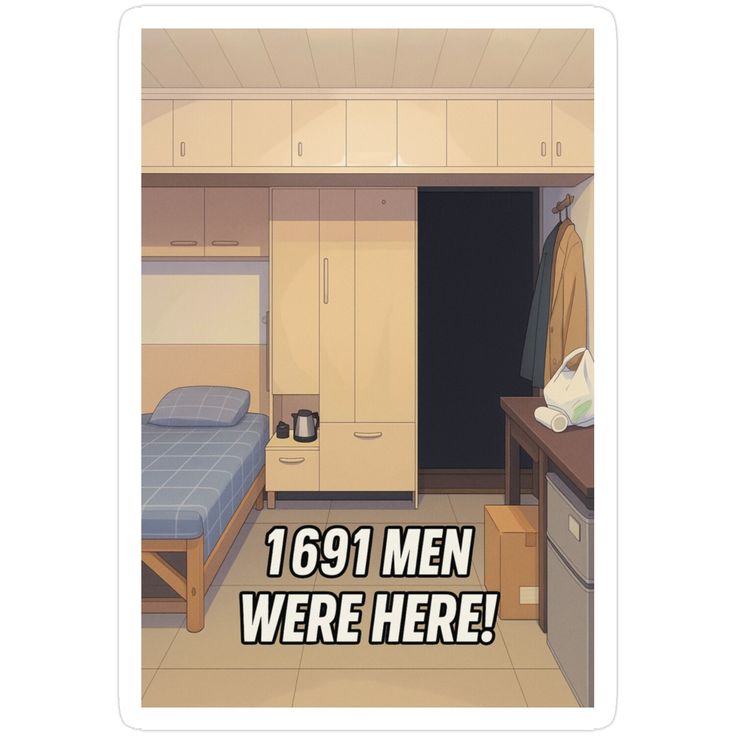
Just recently, I came across the case of Uncle Red (also called Sister Hong) in Nanjing, China. A man disguised himself as a woman, lured men into intimate encounters, secretly recorded them, and shared everything online.
When I first read about it, I was shocked. Then I watched a breakdown of the case by Stephanie Soo. She didn’t just unpack the crime—she pointed out how the memes were making more noise than the crime itself. People weren’t just processing the story. They were joking about it.
And it reminded me of another situation: the whole “baby oil Diddy” scandal. Again, people took a horrifying allegation and turned it into punchlines.
Why do we do this? Why is our first reflex to laugh?
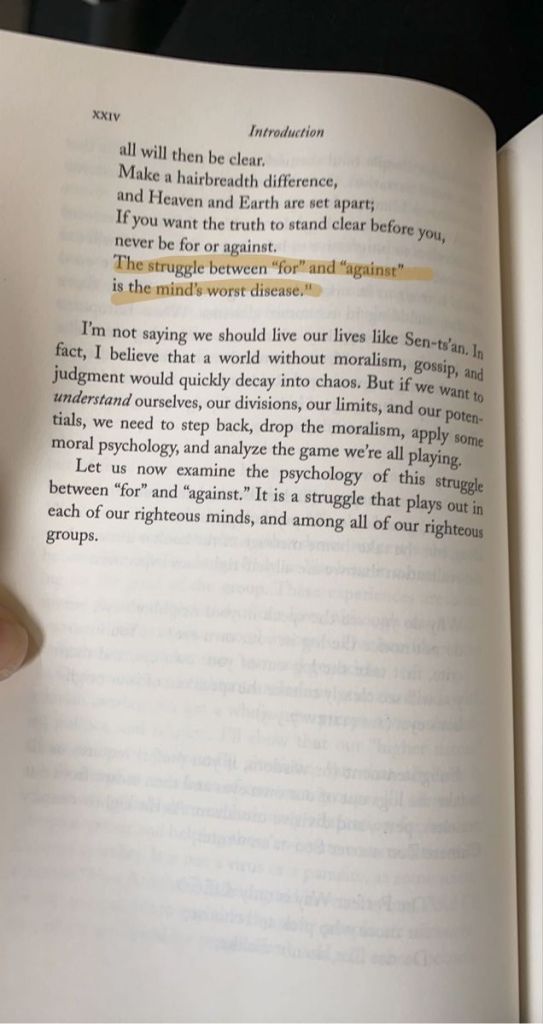
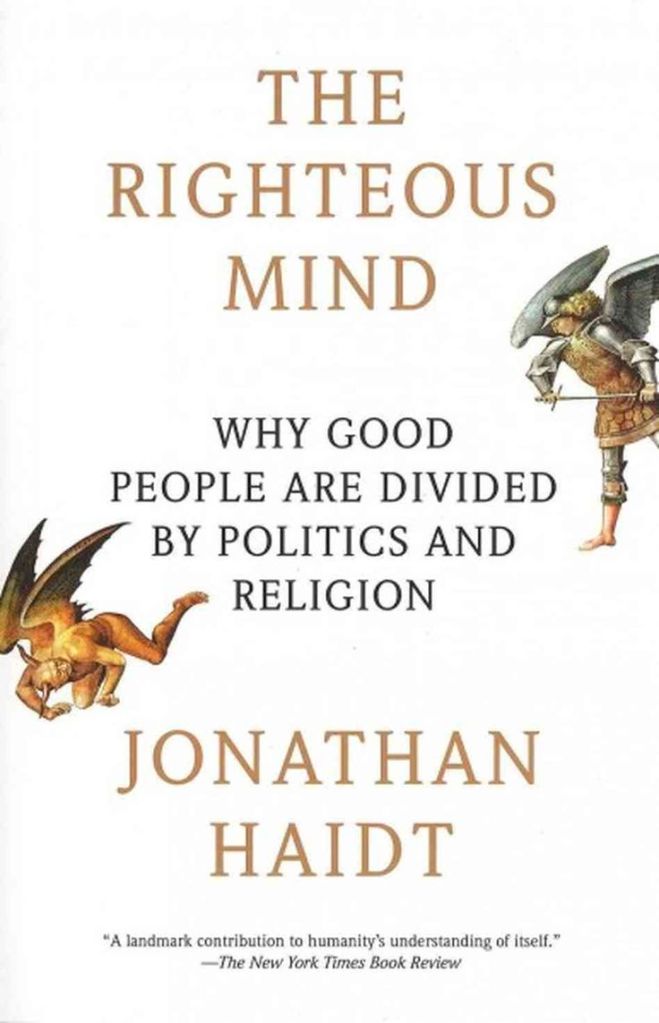
Stephanie also mentioned Jonathan Haidt’s The Righteous Mind: Why Good People Are Divided by Politics and Religion.
It’s a book that explores why morality feels so personal and yet so divided across groups. Haidt explains that morality isn’t one-size-fits-all—it’s rooted in psychological “taste buds” like care, loyalty, authority, and fairness. Depending on how you rank those values, you’ll see the same event very differently.
And that’s when I started asking: what are morals, really?
🤔What Are Morals, Really?
Morals are the principles we use to tell right from wrong. They’re not fixed laws; they’re flexible, shaped by culture, religion, upbringing, and personal experience. They act like an internal compass—sometimes pointing clearly north, sometimes spinning under the influence of the group around us.
At their core, morals are both survival tools and social glue.
Biologically: Early humans who shared, cooperated, and punished cheaters survived better than loners. Over time, instincts like fairness and empathy became hardwired.
Psychologically: We’re wired to feel guilt, shame, pride, and compassion. Those emotions steer our behavior toward keeping the group stable.
Culturally: Societies codify these instincts into norms, traditions, or laws—what’s “sacred” in one place might be trivial in another.
Identity-wise: Morals become part of who we are. They signal which tribe we belong to, what values we protect, and what boundaries we refuse to cross.
Without morals, no society could function. They keep us from living in chaos. But here’s the paradox: the same morals that bind one group together can also divide them from others.
👀Are Morals Really Necessary?
Yes—because they stop us from tearing each other apart. Laws punish after harm, but morals often stop harm before it happens. If you don’t steal because you’d feel guilty or ashamed, that’s morality doing its job.
But morals aren’t universal. One culture may prize freedom at all costs, another may prioritize obedience to authority. Both systems “work” for cohesion within that group. The tension arises when those different moral systems collide.
This is what Haidt highlights: morals unite, but they also polarize. They’re necessary, but they’re messy.
🗣️The Joke Problem : So what happens when morality meets meme culture?
When people turn a crime like Uncle Red into a meme, there’s a chilling disconnect: the victims’ trauma becomes everyone else’s entertainment.
The internet thrives on the bizarre. A man in a wig and red lipstick secretly filming hundreds of men feels like something out of a dark comedy script. That absurdity makes it easy to laugh at. But absurd doesn’t mean harmless. The victims didn’t consent. Their dignity and privacy were shattered. Seeing their humiliation reduced to a joke online adds another layer of harm.
And the same thing played out in the Diddy “baby oil” scandal. People latched onto the strangest detail—the oil—and built an entire comedy reel around it, while the actual allegations of abuse and exploitation got pushed to the background.
What gets erased in both cases? The victims. They vanish from the story. The accused becomes the spectacle, the memes spread, and the real harm gets buried under hashtags.
🔎Haidt’s Lens: Where Does This Stand?
Through Haidt’s framework, this is a perfect example of how morality bends in context.
Care/Harm: Joking about abuse dismisses victims’ suffering. But online distance makes it easy to ignore harm.
Loyalty/Ingroup: Sharing memes signals loyalty to your online “tribe.” You’re part of the trend, part of the in-joke.
Authority/Respect: Traditional norms about respecting victims or courts get eroded in digital spaces where irreverence rules.
Sanctity/Degradation: For some, the memes feel like “moral pollution,” crossing boundaries that should remain serious.
People aren’t carefully reasoning through this. They’re reacting with moral intuitions shaped by their group. On Twitter, Douyin, or TikTok, it feels right to laugh, because everyone else is laughing. Offline, those same people might say mocking victims is cruel.
That’s the real danger: morality isn’t absent here—it’s hijacked by group dynamics and the dopamine rush of virality.
💕Conclusion
The meme-ification of crimes like Uncle Red and the Baby Oil scandal shows us something uncomfortable: our morals are shakier than we think.
On the surface, jokes seem harmless—just a way to cope, to laugh at the absurd. But beneath that, they trivialize suffering and desensitize us to harm. They turn victims into background characters while elevating abusers into cultural punchlines.
Haidt would say this doesn’t mean people have “no morals.” It means different moral instincts are at war. The instinct to bond with your group and keep up with the trend can overpower the instinct to care for victims. The internet amplifies this imbalance until cruelty becomes content.
So are these memes morally wrong? Yes. Not because humor is evil, but because in these cases, humor tramples over human dignity. They reveal how fragile our empathy can be when laughter feels more rewarding than compassion.
And maybe that’s the final takeaway: morality isn’t just what we do when it’s easy—it’s how we respond when the world serves us a moment that’s absurd and tragic. Do we laugh, scroll, and share? Or do we pause long enough to remember there are real people behind the headline?