
Tag: Social media

  • Fewer Friends, Fuller Heart: Late 20s Friendship Is Different — And Better

    From Group Chats to Quiet Check-Ins: What Growing Up Does to Friendship

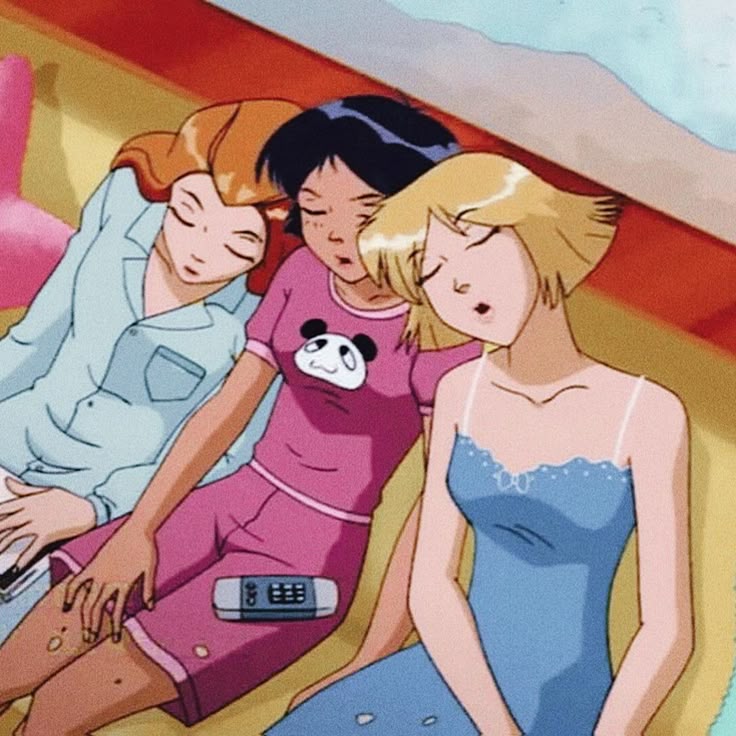
    When I was younger, I was always surrounded by a big group of girlfriends. We’d hang out constantly — birthday parties, secret hangouts, sharing secrets, fighting over silly things, and making up just as quickly. It was chaotic, loud, and kind of beautiful.

    But then life happened. I changed schools, some of my closest friends drifted, and despite years of being inseparable, there were fallouts, secrets, and so much unspoken negativity. Some of the girls I thought would be around forever? We don’t even follow each other anymore, let alone talk.

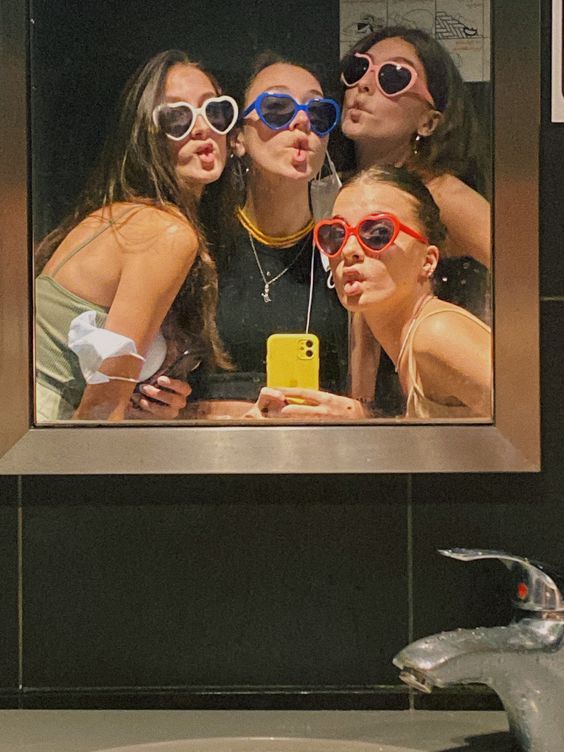
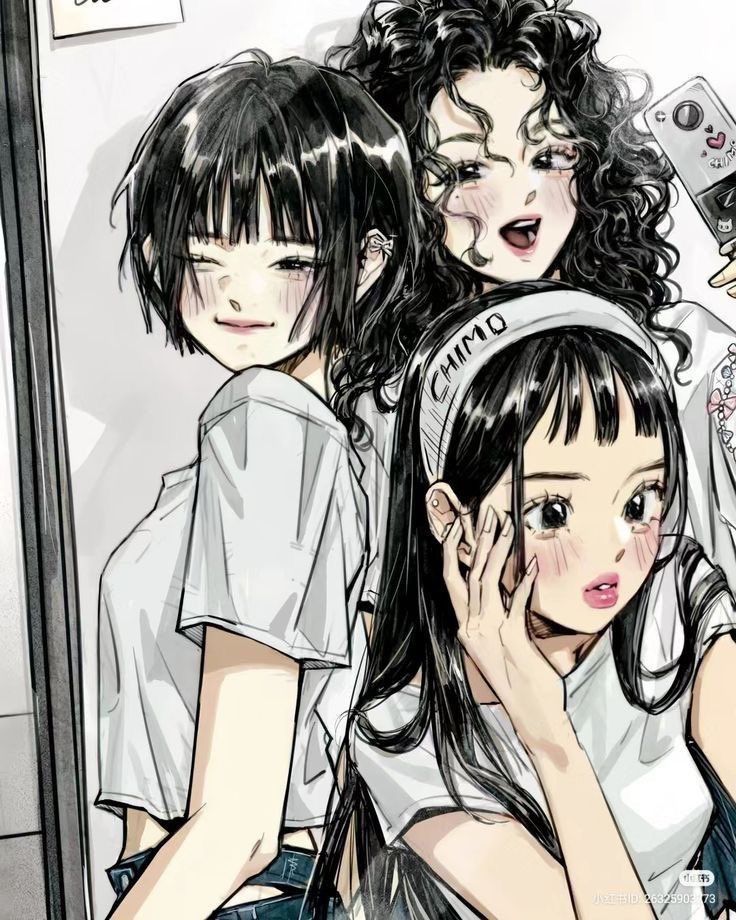
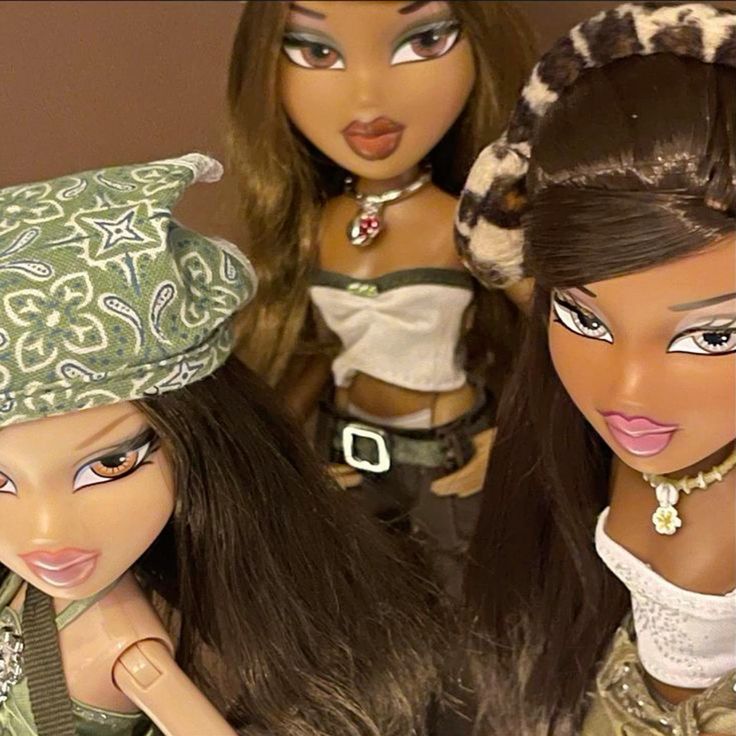
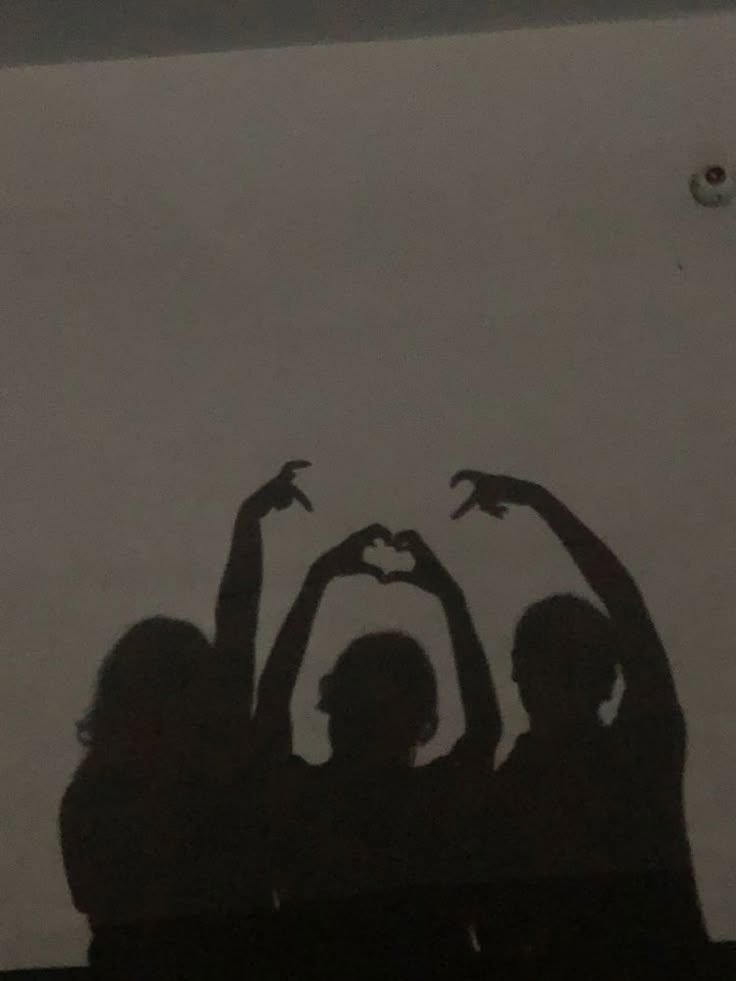
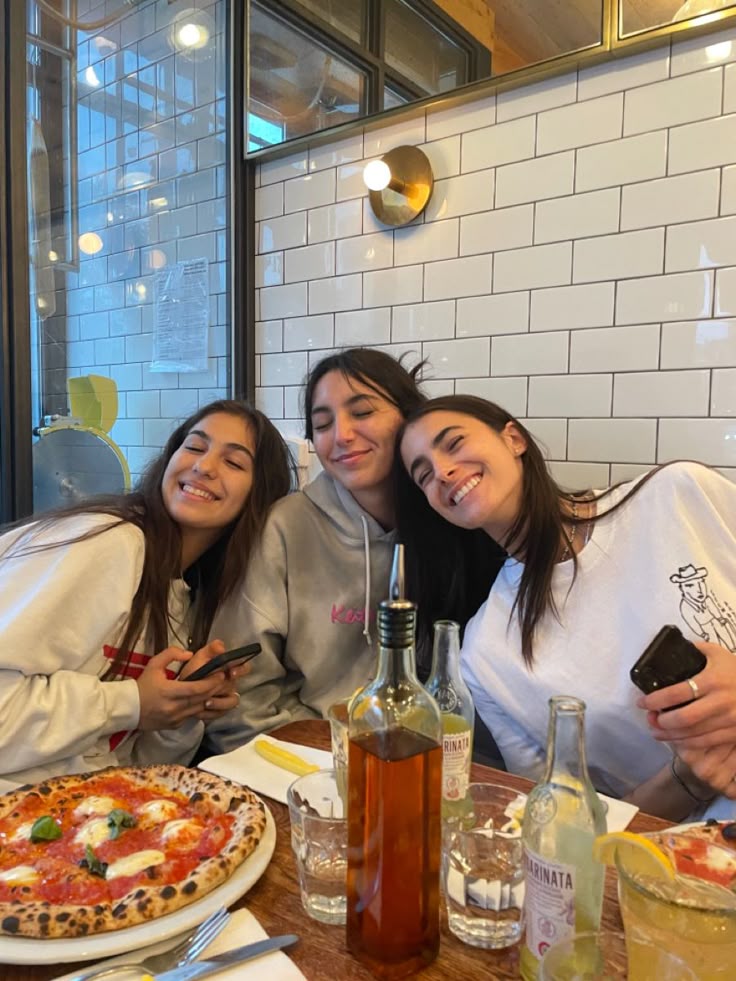
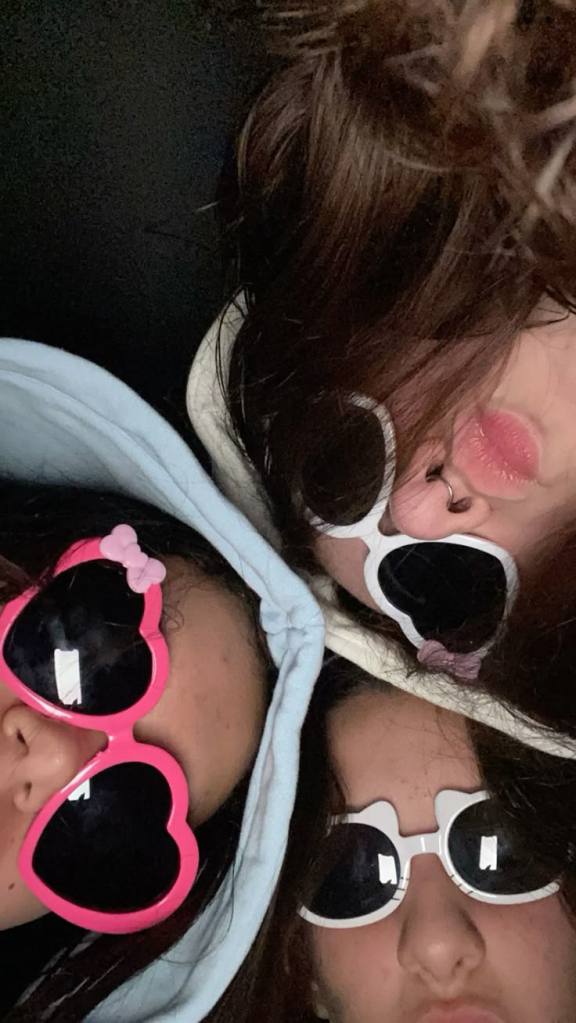
    And yet — in the middle of that chaos, a few rare friendships quietly held on. I made two best friends who are still with me to this day. We don’t fight much, we understand each other’s moods, and even when we argue (because hello, we’re human), it’s never destructive. We support each other like a little three-woman wolfpack. And honestly? That taught me everything I needed to know about real, adult friendships.

    Now, in my late 20s, I’ve realized that the way we connect with people — especially women — transforms completely. But instead of mourning that change, I’ve learned to embrace it.
    Why Do Friendships Change in Your Late 20s?

    Friendships don’t just disappear — they evolve. Your 20s are the emotional rollercoaster of adulthood: career moves, heartbreaks, identity crises, glow-ups, therapy, moving cities, and reevaluating everything you thought you knew.

    And all of that impacts how, when, and who you connect with.

    👣 Diverging Life Paths

    One of your besties might be getting married and buying a house. Another is in Bali starting a YouTube channel. You? You’re grinding a 9-to-5 and wondering if Mercury is in retrograde. Everyone’s on a different track — and that can stretch friendships.

    🧠 Increased Individual Focus

    Late 20s are the era of the inner glow-up. People are healing, switching careers, learning to budget — life gets busier. There’s less time for spontaneous brunches and endless texting.

    🔄 Shifting Priorities

    Friendships that once revolved around gossip and clubbing now crave depth. You want to talk about mental health, finances, and existential dread — not just who’s dating who.

    💔 Emotional Heaviness

    Real life gets heavier. Friends lose parents. Someone gets laid off. Someone else moves abroad. Friendships need emotional bandwidth — and not all survive that demand.

    📅 You Have to Schedule Everything

    Gone are the days of spontaneous hangouts. Making plans now feels like syncing calendars for a NASA launch.

    🌱 New Friendships Bloom

    And yet, new bonds form — with coworkers, gym buddies, or neighbors. They’re not “replacements.” They’re a reflection of the person you’re becoming.

    So… Is That a Bad Thing?

    Not at all. Shifting friendships = personal evolution. You’re learning what energizes you, what drains you, and who deserves your time.


    Why a Strong Girl Group Is ESSENTIAL in Your Late 20s

    Not 15-person brunch squads. Not flaky party friends. I’m talking about your ride-or-die, hype women, emotional support crew, and mirror-holders.

    💬 Shared Struggles, Real Talk

    Everyone gets the career anxiety, the dating dread, the “am I falling behind?” spiral. You talk. Cry. Laugh. Together.

    💗 Support Without Judgment

    They hype you up on your best days and hold space on the worst. No competition. Just love.

    💪 They Keep You Accountable

    They push you to apply for that job, remind you not to text your ex, and celebrate your wins like it’s Met Gala night.

    💅 Confidence Boosters

    Real queens fix each other’s crowns — and your late-20s girl group? They’re the whole royal council.

    🤝 Community = Survival

    Adulting is lonely. A tight circle makes the chaos bearable and the joy way more real.

    Why Is Friendship in Your Late 20s Important?

    Your 20s are when the plot really thickens. And when it does? You want friends who get it.

    1. Sanity Check Squad – The ones who remind you social media isn’t real life.

    2. Emotional Grounding – Better than your therapist knowing your coffee order? Your bestie who knows both.

    3. Life GPS – Helping you navigate job chaos, dating trauma, identity shifts, and everything in between.

    4. Mutual Growth Vibes – Real ones call you out and cheer you on.

    5. They’re Your Anchor – When life’s loud, they bring you back to yourself.
    Is It Possible to Survive Without Close Friendships?

    Technically? Yes.
    But spiritually? Emotionally? Energetically? Not really.

    You don’t need a whole village. Just one or two people who see you, get you, and stay.

    In Conclusion: Let It Change, But Don’t Let It Die

    Friendship in your teens is about quantity. Friendship in your late 20s? Pure quality.

    It’s not about who you talk to daily — it’s about who’s still there when life gets messy. Your circle might shrink. Your priorities might shift. But your need for connection? That never fades.

    So check in. Reconnect. Let go of what’s expired. And pour love into what still feels right.

    Because growing up doesn’t mean giving up on friendship. It just means learning how to carry it — more gently, more intentionally, and more beautifully.

    Let me know your thoughts below 👇🏻💕

  • Love, Likes & Lies: The Hidden Impact of Social Media on Self-Worth

    How Social Media is Messing with Our Self-Love and Relationships—And What to Do About It

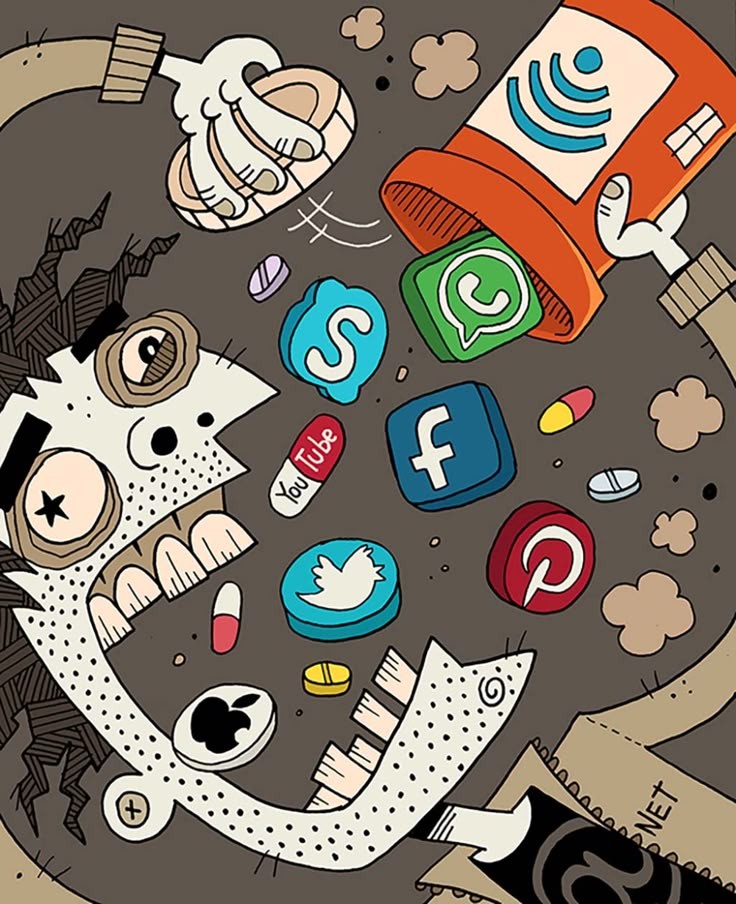
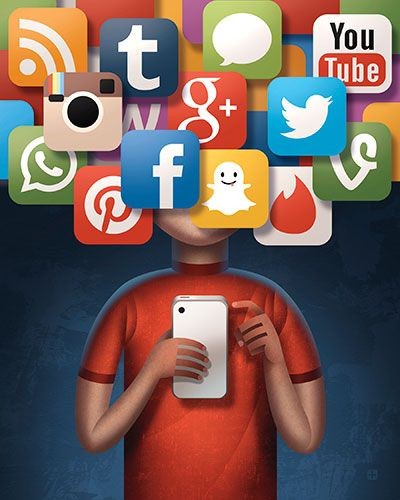
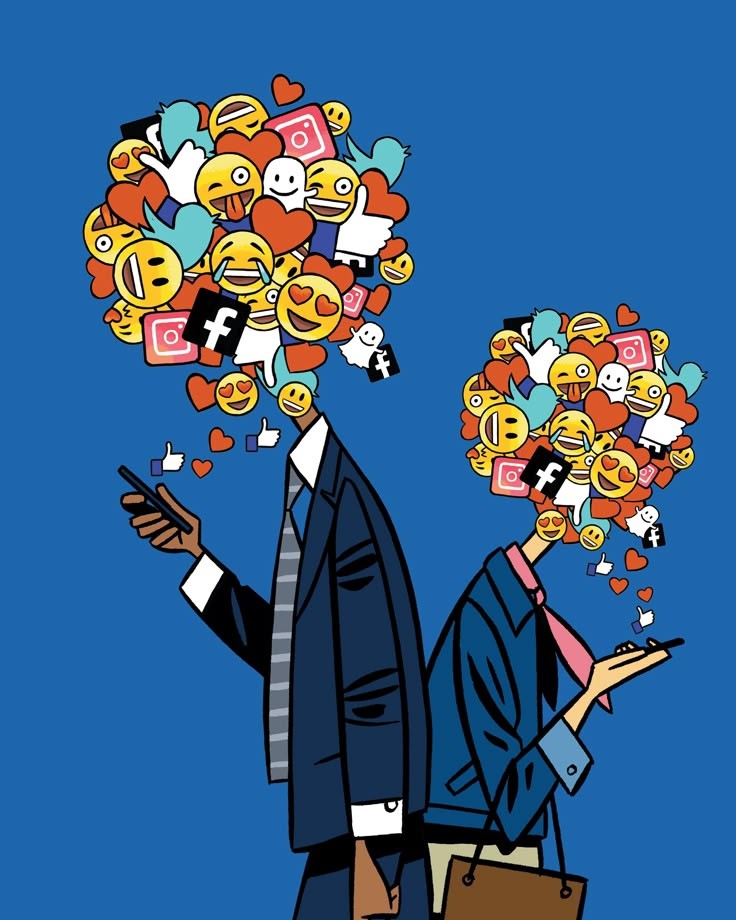
    Remember when social media was just about sharing pictures with friends? Today, it’s much more than that—it’s a lifestyle, a business, and for some, an addiction.

    When I think of social media, I see it as a way to connect with the world around me. That’s how I viewed it as a child, having Facebook to connect with friends, sharing pictures and tagging people to share the experience. It was nice.

    However, nowadays, social media has not only evolved but changed entirely. It’s now one of the important parts of our lives. Many people now depend on social media for their lives and livelihoods.

    We live in a world where social media is a huge part of our daily lives. Whether it’s waking up to check Instagram, scrolling through TikTok during lunch, or winding down with YouTube at night, it’s hard to escape the influence of these platforms. While social media has its perks, helping us stay connected, inspired, and entertained, it also has a darker side, especially when it comes to self-love and relationships.

    Have you ever felt like you’re not doing enough after seeing someone else’s seemingly perfect life online? Or maybe you’ve caught yourself wondering why your relationship doesn’t look as exciting as the ones you see on Instagram? That’s the silent impact of social media, shaping our perceptions in ways we don’t always realize.

    Let’s break down how this plays out for both women and men.

    For Women : the constant Pressure to Be “Perfect”

    For many women, scrolling through social media can feel like an unspoken competition. It’s not just about keeping up—it’s about standing out. The pressure to be effortlessly beautiful, successful, and in the perfect relationship is relentless.

    1. Unrealistic Beauty Standards

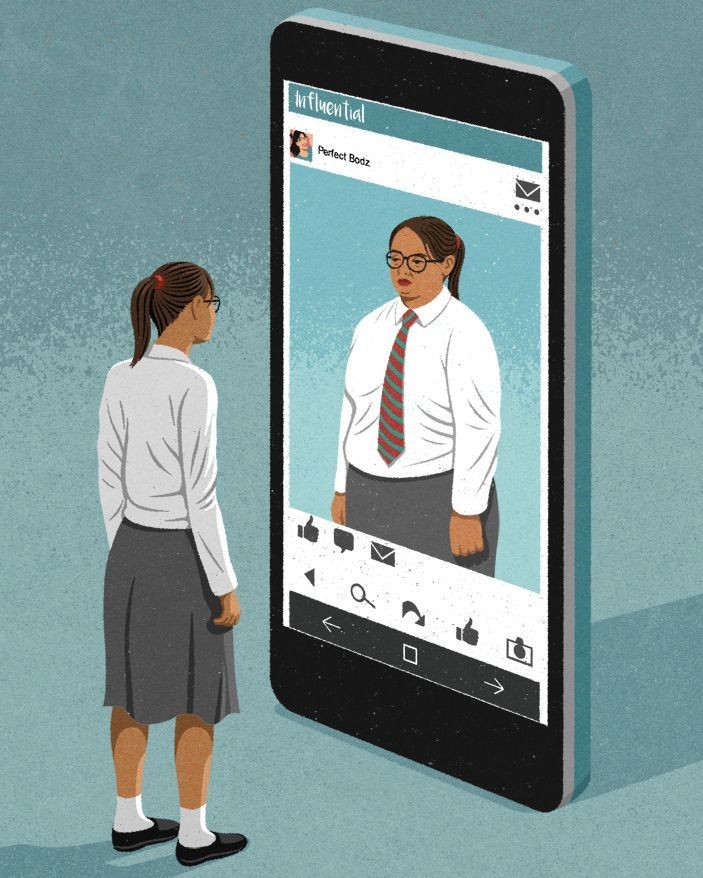
    Filters, FaceTune, AI-generated beauty—it’s everywhere. Social media has created a world where flawless skin, snatched waists, and perfectly contoured faces are the norm. The problem? It’s not real. But when you see it every day, it starts to feel like the standard you need to reach.

    Even influencers and celebrities struggle with this pressure. Many of them edit their pictures, use professional lighting, and pose in ways that highlight their best features. But when you don’t see the behind-the-scenes, you might start to feel like you’re falling short.

    This pressure doesn’t just affect self-esteem—it also fuels unhealthy behaviors. From excessive spending on beauty treatments to crash diets and cosmetic procedures, many women go to extreme lengths to fit an impossible mold.

    2. The Comparison Trap

    You could be having a great day, feeling confident and happy—until you open Instagram and see someone on a luxurious vacation, looking flawless in a bikini, with the caption: “Just a casual weekend getaway!”

    Suddenly, your day doesn’t seem so great anymore. Your vacation last year wasn’t as fancy. Your body doesn’t look as toned. Your life feels… less exciting.

    This is the comparison trap—and it’s dangerous. We forget that social media is a highlight reel. We see people’s best moments, not their struggles, insecurities, or everyday routines.

    3. Validation Through Likes and Comments

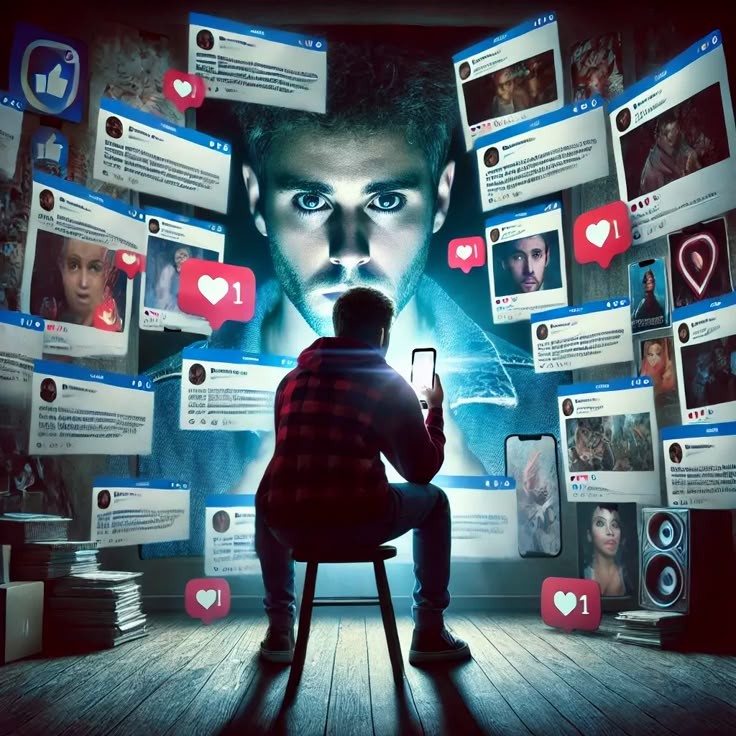
    Ever posted a picture and kept checking your phone to see how many likes it got? If it didn’t perform well, did you start questioning your appearance or self-worth?

    Many women unknowingly tie their confidence to social media validation. When likes and comments flood in, it feels like approval. But when engagement is low, it can feel like rejection. This cycle can make self-love feel conditional—only present when others validate it.

    4. Toxic Relationship Expectations

    Social media has romanticized relationships to an unrealistic degree. From extravagant proposals to daily love notes, everything looks like a fairytale. But what we don’t see are the arguments, the compromises, or the quiet, unglamorous moments that make real relationships work.

    Many women end up questioning their relationships, thinking, “Why isn’t my partner doing all these things?” But love isn’t about constant grand gestures—it’s about consistency, respect, and real emotional connection, things that don’t always make it to Instagram.

    5. The Hypersexualization Problem

    Let’s talk about the elephant in the room: the way social media rewards certain kinds of content.

    It’s no secret that the more revealing the post, the more engagement it gets. Whether it’s celebrities, influencers, or everyday users, many women feel pressured to present themselves in a way that’s desirable rather than authentic.

    While there’s nothing wrong with embracing confidence and body positivity, the issue arises when self-worth becomes tied to external validation. If engagement drops, does that mean you’re less attractive? Less valuable? Of course not—but social media can make it feel that way.

    It’s not just women, we also need to talk about the negative effects that social media have on men.

    For Men, the Pressure to “Have It All”

    While women face beauty and relationship pressures, men deal with their own struggles—ones that social media often reinforces.

    1. Toxic Masculinity Pressures

    Social media has a way of telling men what they should be. Strong. Dominant. Emotionally detached. The idea that men must always be providers, never show weakness, and always be in control is everywhere.

    This can be incredibly damaging. When men grow up believing that emotions are a sign of weakness, they suppress them. They struggle to express themselves in relationships. They bottle up stress instead of seeking support.

    But true self-love means embracing all parts of yourself—including vulnerability.

    2. The “Success = Self-Worth” Mentality

    Ever noticed how many male influencers preach about “grinding” and “hustling” 24/7? There’s this idea that unless you’re driving a luxury car, running a six-figure business, or hitting the gym religiously, you’re not enough.

    This mindset can make men feel like failures if they don’t measure up. Instead of valuing themselves for their character, kindness, or personal growth, they start to believe that their worth is based on how much they achieve.

    3. Unrealistic Relationship Expectations

    Just like women see romanticized love stories online, men are bombarded with an equally unrealistic narrative: that women should always look perfect, never complain, and be “low-maintenance.”

    This can lead to unhealthy expectations, where men feel disappointed when their real-life partner doesn’t match the fantasy version social media has conditioned them to expect.

    So, What Can We Do About It?

    We all know social media isn’t going anywhere, but we can change how we engage with it. Here are some ways to protect your self-love and relationships:

    1. Curate Your Feed Intentionally

    Unfollow accounts that make you feel insecure. Instead, follow people who promote authenticity, self-acceptance, and realistic portrayals of life and relationships.

    2. Take Social Media Breaks

    A weekend detox or even limiting your daily screen time can help reset your mindset.

    3. Remind Yourself: Social Media Is Not Real Life

    Behind every perfect post is effort, editing, and sometimes even complete fabrication. Keep that in mind next time you feel less than.

    4. Build Self-Worth Offline

    Your value doesn’t come from likes, followers, or social media engagement. It comes from who you are in real life—the way you treat people, your kindness, your personal growth.

    5. Redefine Relationships on Your Own Terms

    Love isn’t about Instagrammable moments—it’s about mutual respect, deep connection, and real-life effort. Instead of comparing, focus on what makes your relationship strong.

    At the end of the day, self-love isn’t about meeting social media’s standards, it’s about setting your own.

    And when it comes to relationships? The best ones happen in the moments that never make it to the feed.

    So, let’s take control of how we engage with it. What’s one step you’ll take today?

    Have you ever felt like social media affected your self-esteem or relationships?

    Let’s talk in the comments!