I always used to think, no one inspires me. I don’t admire anyone. There was no human dead or alive that made me look at them and think that I want to be like them.
I used to think admiration was about liking someone’s personality or being moved by their kindness. Turns out, that wasn’t true for me. When I really sat with the question, I realized the thing that sparks my admiration isn’t charm, talent, or even confidence.
It’s long-term consistency.
Not the glamorous version people post online. I’m talking about the unsexy kind: showing up when it’s inconvenient, boring, or emotionally heavy. The type of consistency that builds something bigger than the person who started it.
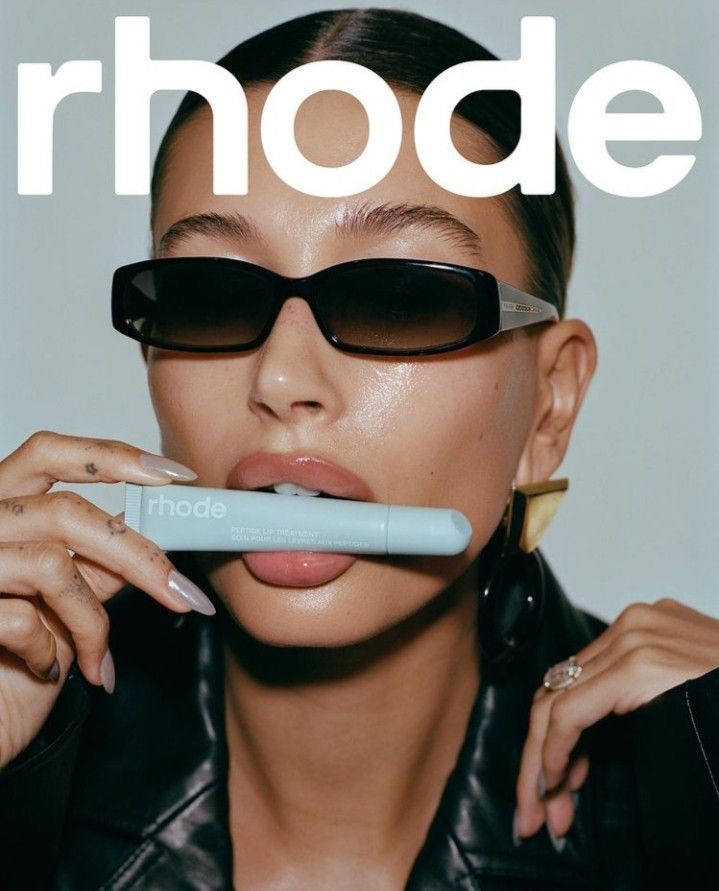
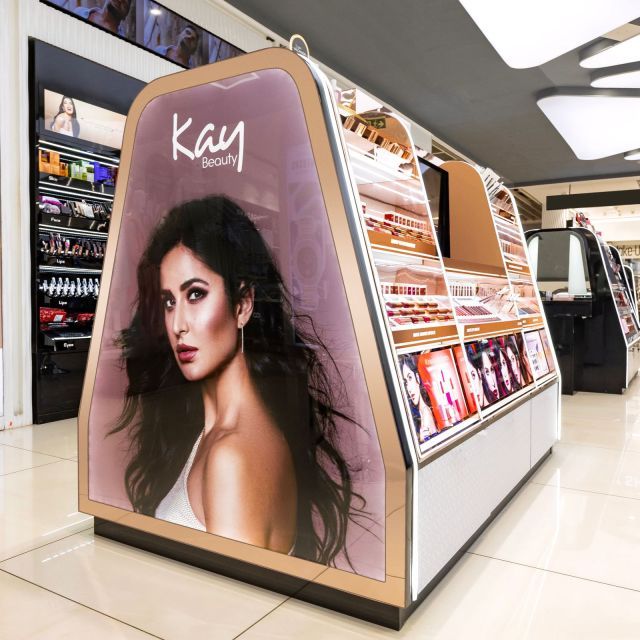
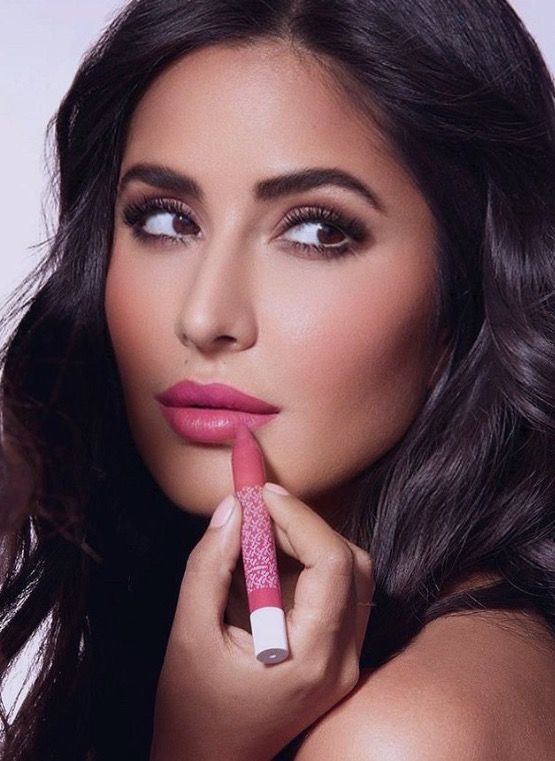
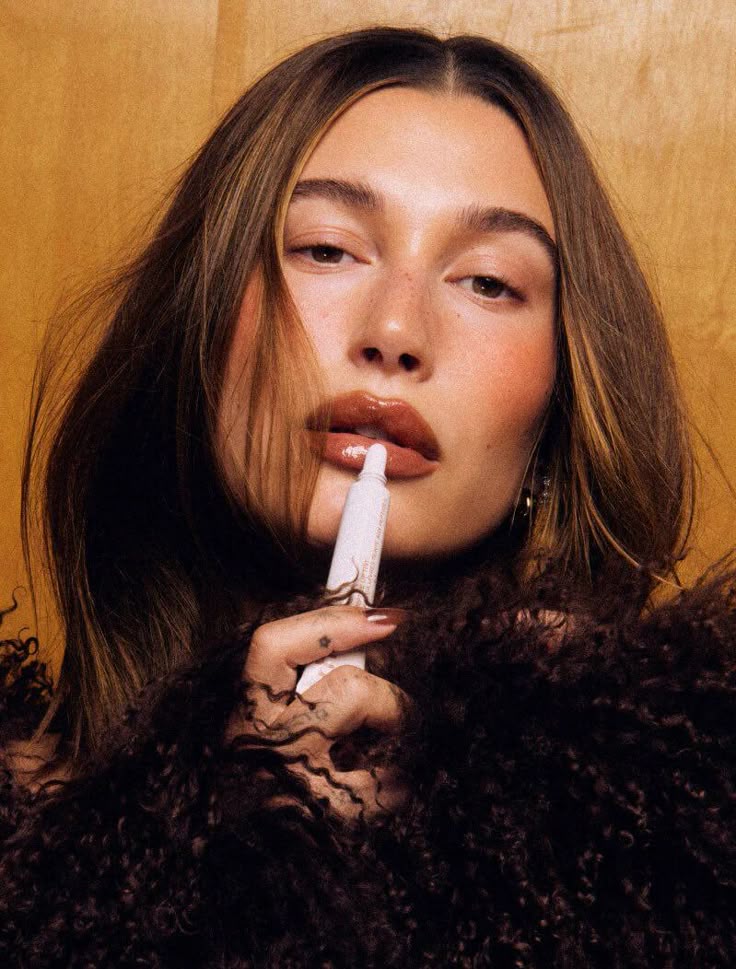
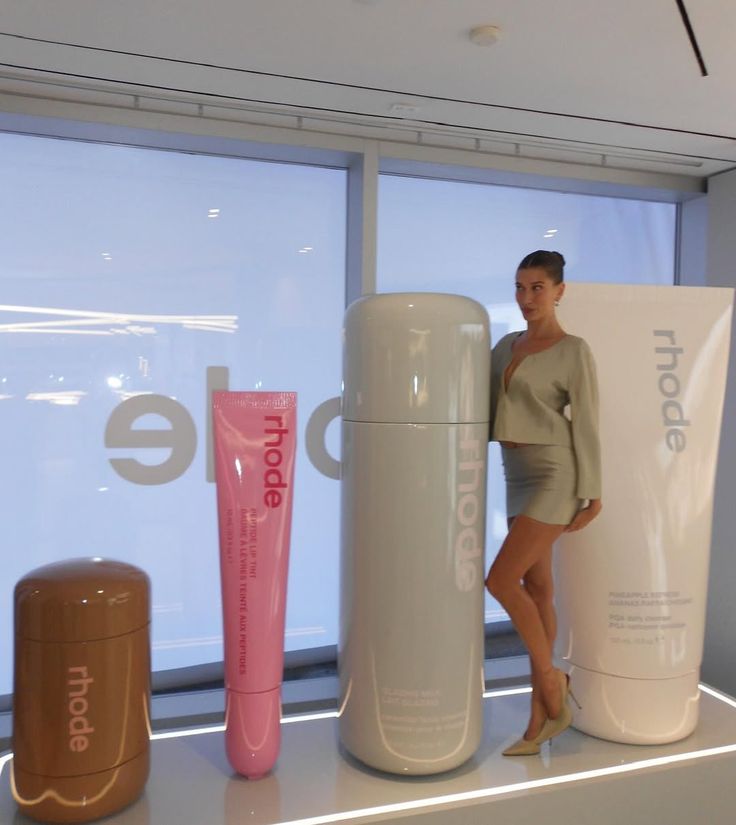
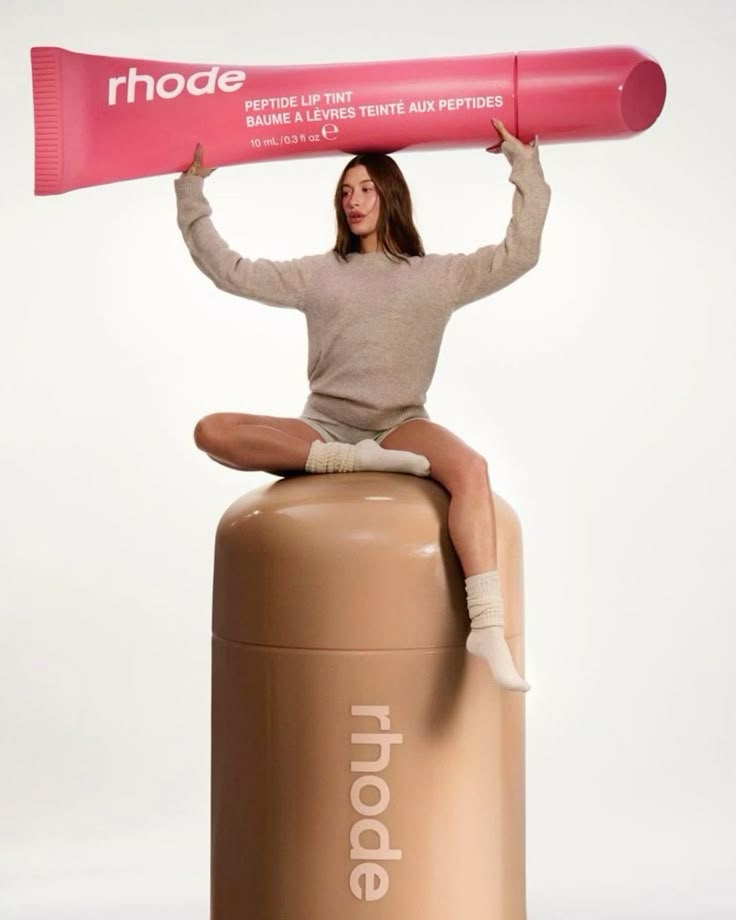
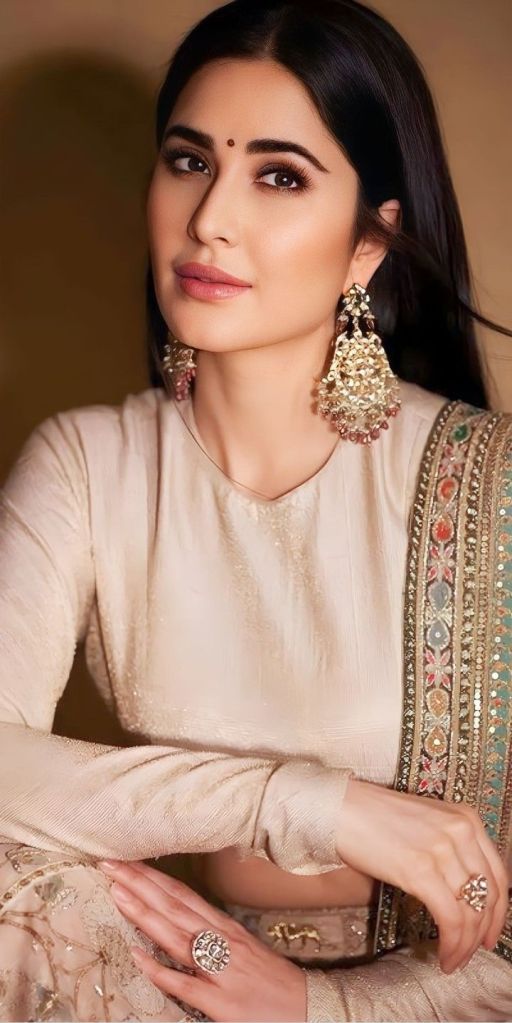
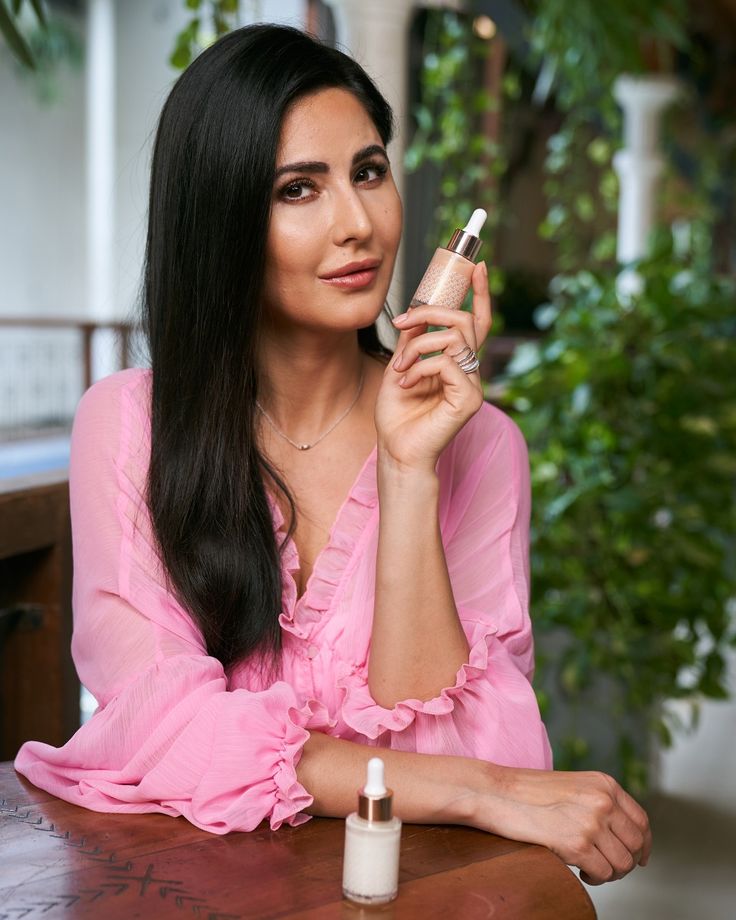
Two women make this painfully clear for me: Katrina Kaif and Hailey Bieber.
Both of them walked into industries that could have swallowed them whole. One was a nepo baby and the other was deemed as only a pretty face. Both were seen as not talented enought. Both had narratives attached to them that could have reduced their entire identity to someone else’s shadow. And they could have stayed there—pretty faces, famous boyfriends, famous husbands, easy stereotypes.
But they didn’t.
They built. They evolved. They stayed consistent long enough to create something that wasn’t dependent on anyone else.
Katrina built Kay Beauty with steady, methodical focus that took years, not months. Hailey built Rhode with the exact kind of discipline people underestimate until the results become impossible to ignore.
Here’s why that hits me so hard.
It’s not just admiration. It’s recognition.
What I admire in them is what I want from myself: the ability to build something that outlives phases, moods, relationships, or excuses. The ability to choose discipline even when life throws setbacks, sickness, or self-doubt into the mix. The ability to rely on myself as my own source of stability, identity, and growth.
Consistency isn’t glamorous, but it is powerful. And every time I admire it in someone else, it’s really a nudge toward the version of me I’m trying to grow into—someone who shows up for her work not only when she feels inspired, but especially when she doesn’t.
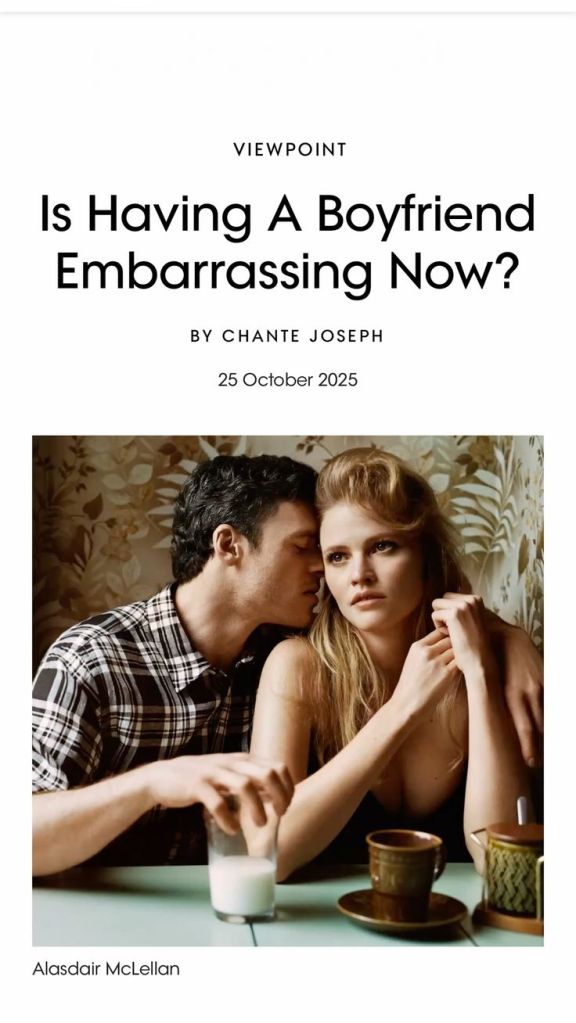
Is Having a Boyfriend Embarrassing Now? Or Are Women Just Finally Choosing Themselves?
I was scrolling Instagram (yes, again 😭) when reels about a new Vogue article started flooding my feed. The headline was loud enough: Is Having a Boyfriend Embarrassing Now? by Chanté Joseph. Women were stitching, reacting, and laughing about how “uncool” relationships suddenly feel.
And I’ll be honest — I understood it immediately. I used to feel embarrassed every time I had a boyfriend. I felt smaller, softer, less myself. Maybe that’s why I’ve been single for years and genuinely living my best life.
Chanté writes: “This is also happening alongside a wave of women reclaiming and romanticizing their single life. Where being single was once a cautionary tale (you’ll end up a “spinster” with loads of cats), it is now becoming a desirable and coveted status—another nail in the coffin of a centuries-old heterosexual fairytale that never really benefited women to begin with.”
She’s right. But that’s only the surface. There’s a deeper cultural shift happening, and it’s worth unpacking.
Let’s talk about it.
Is Having a Boyfriend Actually Embarrassing?
Not really. What’s embarrassing is dating someone who lowers your energy — or becoming a smaller version of yourself to keep the relationship alive.
Here’s why the idea has gained traction:
1. Many relationships look low-standard
A woman who’s driven and interesting ends up with a guy who looks lost, sloppy, or unambitious. The mismatch is what people cringe at.
2. Too many women lose themselves in relationships
When your entire personality turns into “my boyfriend,” it reads insecure, not romantic. Losing your edge isn’t aspirational.
3. Relationships became content
The curated TikToks, the performative affection, the need to prove happiness — it all looks forced.
4. Independence now looks aspirational
Freedom, standards, options — that’s the vibe. A relationship can look like giving that up, even when it’s not true.
5. Most couples aren’t inspiring
They’re settling for each other, not elevating each other. People pick up on that instantly.
6. Your partner reflects your taste
If he’s a mess, people silently assume you are too. The judgment falls on women, not men.
7. The “boyfriend” label still carries outdated baggage
Clinginess, predictability, emotional drama — a lot of people still associate the role with all that.
A relationship only feels embarrassing when it shrinks you instead of expanding you. And society is finally saying it out loud.
How Patriarchy Shaped This Feeling
Women aren’t rejecting relationships because it’s fashionable. They’re rejecting the blueprint patriarchy handed them.
1. The girlfriend role was designed to make women smaller
Be patient. Be sweet. Be forgiving. Be supportive. Men weren’t taught to reciprocate, so relationships felt like emotional labor camps for women.
2. Men weren’t raised to be good partners
Patriarchy didn’t teach them emotional intelligence, accountability, or how to care for someone. So a lot of modern relationships feel imbalanced and draining.
3. Women get judged harder for their partner’s flaws
If he embarrasses himself, it reflects on her. Patriarchy made women responsible for men’s behavior — and women know it.
4. Independence is finally real
Women used to need men to survive. Now they have money, careers, friendships, autonomy — so relationships are optional, not mandatory.
5. Being single signals power, not failure
It reads as self-respect, freedom, and individuality.
6. Men aren’t matching women’s growth
Ambition, emotional maturity, discipline — many men are behind. The gap is the embarrassment.
7. Women want to be met, not claimed
The old model of men “claiming” women doesn’t land anymore. Women want equals, not owners.
So no, the idea of a boyfriend isn’t uncool. The idea of stepping back into a patriarchal girlfriend role is.
How Women Are Breaking Free
This isn’t “girlboss energy.” This is women refusing to play roles that never served them.
1. Ambition over approval
Women are building lives that don’t revolve around being chosen. Money, career, lifestyle, identity — they come first.
2. No more lowering standards
One red flag and she’s gone. That’s autonomy, not coldness.
3. They’re done romanticizing struggle
No more mothering grown men. No more emotional heavy lifting.
4. Self-investment is the new norm
Skills, solo travel, fitness, career growth — women are investing in themselves the way men were once allowed to.
5. They’re more interesting single than with the wrong man
Being single lets their identity breathe.
6. Stronger female networks
Women now rely on each other for emotional grounding. That’s powerful.
7. Rejecting the “girlfriend aesthetic”
They don’t want to be accessories or caretakers. They want to be the protagonist.
8. Calling out mediocrity
“If he can’t meet me where I am, I’d rather be alone.” That’s not hostility. That’s clarity.
9. Redefining adulthood
Marriage and kids aren’t the finish line. Self-defined life is.
Bottom Line
Women are breaking free by finally living like they matter more than the roles patriarchy gave them. Not aesthetically. Not performatively. But in real, tangible ways.
Conclusion
Women aren’t embarrassed by love — they’re embarrassed by the outdated relationship model that required them to shrink, compromise, and center a man’s needs over their own. With independence, ambition, community, and financial autonomy, women no longer see the traditional girlfriend role as aspirational. A relationship is only worth having if it expands their life instead of minimizing it. Anything that pulls a woman back into a version of herself she’s outgrown feels uncool — not because she’s anti-love, but because she’s done disappearing into someone else’s story.
When I think about how I want people to see me, four things always comes to my mind, Confidence, Grace, Elegance and Mystery. And that’s how I would want people to think of me when they first meet me. This is what I want my impression to be. 😶
I’ve learned that confidence isn’t something you force. It’s not loud energy or trying to stand out. For me, confidence shows up in the way I hold myself when I walk into a room — steady, grounded, and unapologetically present. I don’t need to prove anything or compete for attention. My confidence comes from knowing who I am, trusting my own judgment, and standing by my decisions without second-guessing myself just because someone else hesitates. I don’t rush, I don’t overexplain, and I don’t shrink myself to make others comfortable. That quiet certainty is the base of the impression I choose to give.
And wrapped around that certainty is elegance — not perfection, but intention. The way I speak, the way I listen, the way I stay composed even when I’m under pressure. Elegance shows up in my tone, my timing, and my boundaries. It’s strength that doesn’t need to announce itself.
Mystery is something I’ve grown into rather than something I’ve chased. I don’t reveal everything I feel, think, or experience, and that’s not distance — it’s discernment. Not everyone earns full access to my inner world, and I don’t apologize for that. I like leaving space for people to wonder about me, to sense the layers without immediately understanding them. I share selectively, intentionally, and with people who actually deserve depth. I’m open where it matters, but I’m private where it protects my peace. That balance creates the kind of presence I want to project — warm enough to be relatable, but guarded enough to be intriguing. I want people to feel that there’s more to me than what I show at first glance, and that they have to earn the rest.
Grace is the element that holds everything together. I don’t aim to be perfect…. I aim to be steady. When things go wrong, I don’t crumble. When I’m wrong, I own it without shrinking. When life gets messy, I move through it with calm and clarity instead of chaos. Grace, to me, is emotional discipline — responding instead of reacting, choosing honesty without harshness, carrying myself with intention even when no one is watching. It softens my confidence and gives warmth to my mystery. When all of this comes together — confidence, elegance, mystery, and grace — I create the impression I truly want people to have of me. Not loud, not dramatic, not trying too hard. Just a presence that lingers. A presence that feels composed, intriguing, and unmistakably mine.
Ok….. Let’s get one thing straight: I’m not talking about some vintage thrift-store find or a lucky charm I stumbled upon in a pile of chaos. Nope. The coolest thing I’ve ever found—and actually kept—is me (yes, yes .. I am obsessed with myself. We all already know it). Not the “I love myself” Pinterest version, but the real, complicated, layered version that took years to uncover and even longer to stop dimming for other people.
For the longest time, I thought meaning lived in objects. I kept albums sealed in perfect condition, books lined up like little soldiers, and memories folded neatly in mental lockers. I guarded them like artifacts—each one representing a piece of me I wasn’t ready to show the world yet. But somewhere along the way, I realized those things weren’t just things. They were mirrors. Every unopened BTS album, every neatly stacked novel, every untouched trinket was proof that I had taste, depth, and patience.
I used to think being “lowkey” meant I didn’t care. Truth is, I cared too much. I cared about preserving beauty, meaning, and the feeling of being moved by something real. While everyone else rushed to show off their new obsessions, I was quietly building a collection of moments that actually mattered. It’s giving main-character energy—but make it subtle, sentimental, and self-aware.
And yeah, I’m not here for weak characters—fictional or real. I’ve had to hold my own too many times to idolize anyone who lets life walk all over them. Crying is fine. Crumbling isn’t. There’s a difference between being soft and being spineless, and I’ve learned how to be both vulnerable and unshakable. If strength had a scent, it’d probably smell like sandalwood and self-respect.
The wild part? Finding myself wasn’t some grand, cinematic revelation. It happened quietly. Between playlists that healed something, books that called me out, and late nights where I realized I’d been underestimating my own resilience. The “coolest thing” wasn’t hiding somewhere out there—it was sitting right here, waiting for me to finally stop looking for validation in everyone else’s reflection.
So yeah, when I finally get that warm, cozy, elegant library I’ve been dreaming about—with shelves of BTS vinyls and stacks of books that shaped me—it won’t just be décor. It’ll be a declaration. A room built by someone who found herself, kept herself, and never again apologized for doing so.
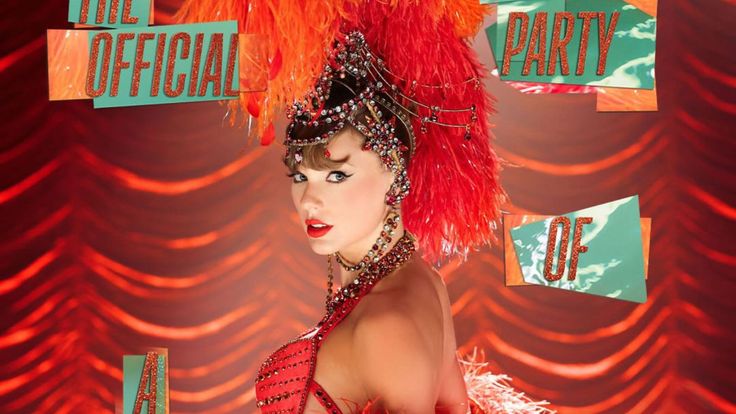
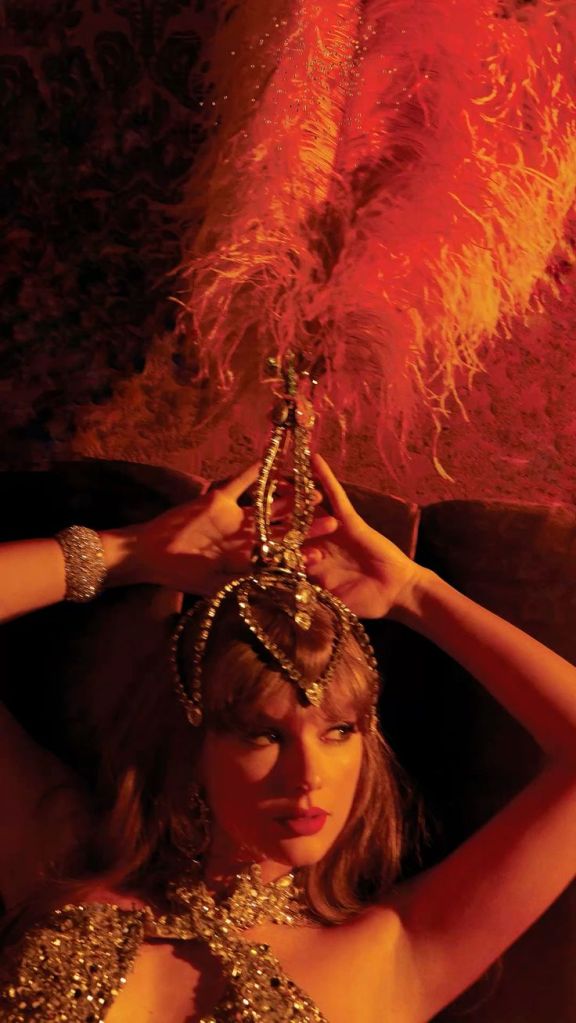
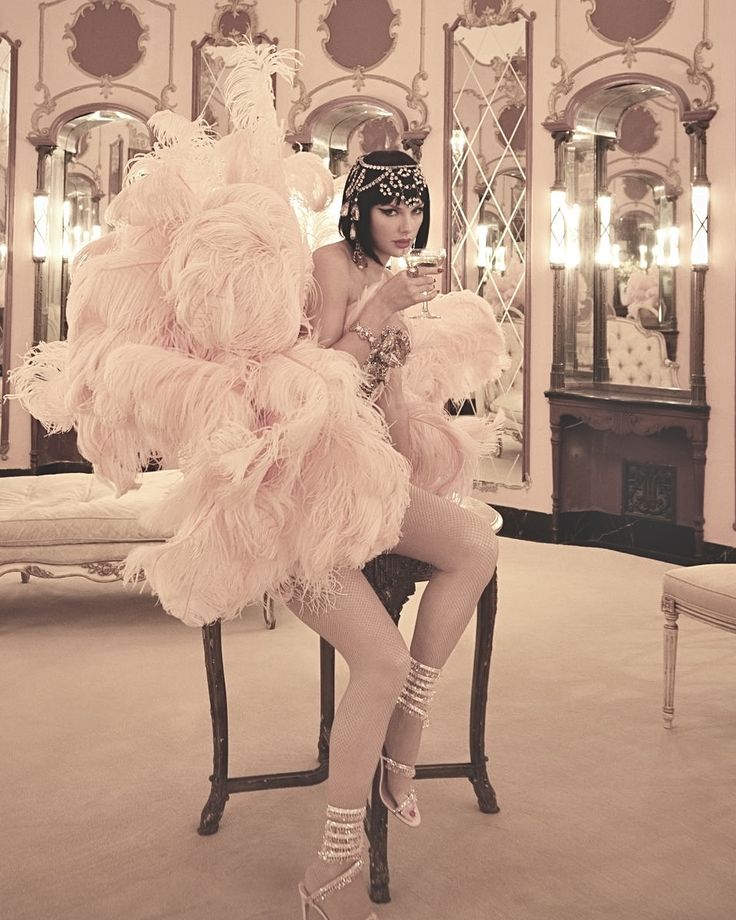
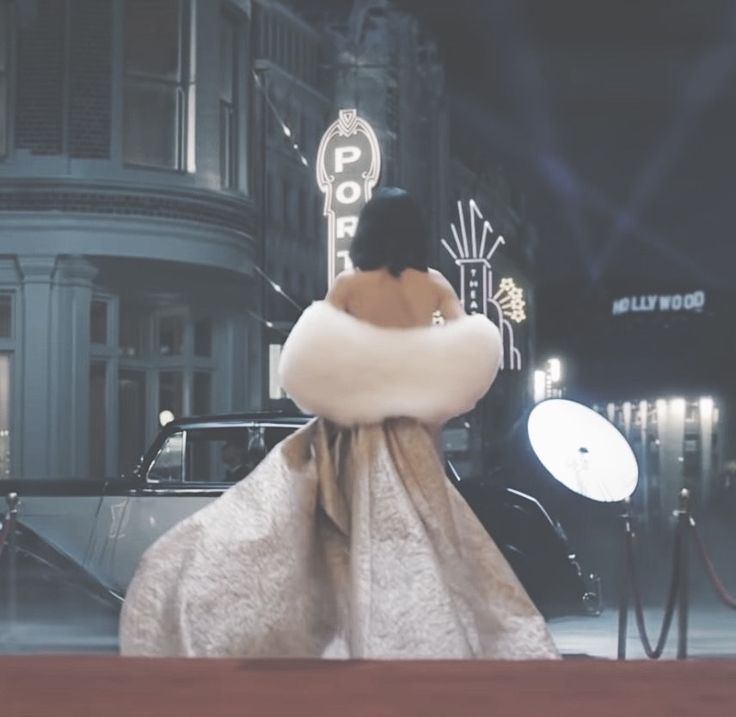
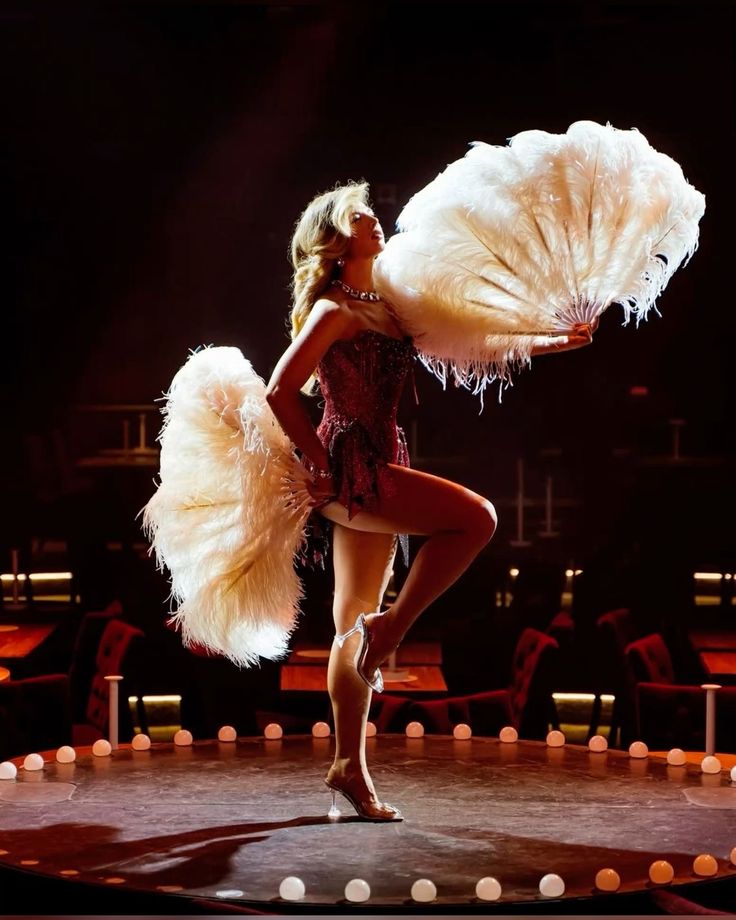
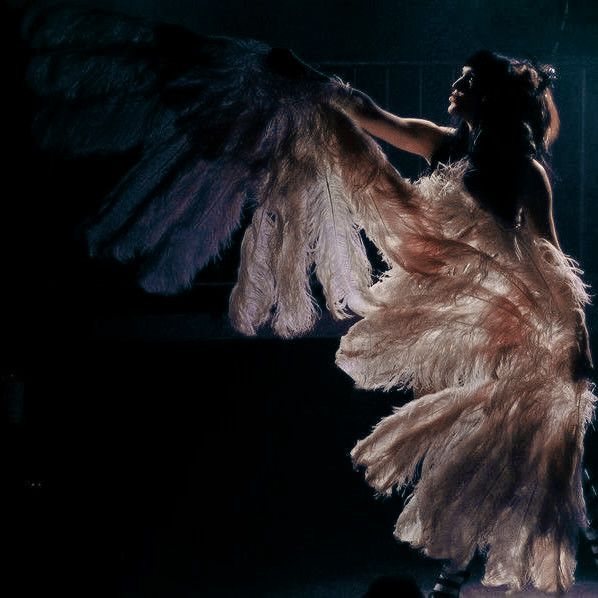
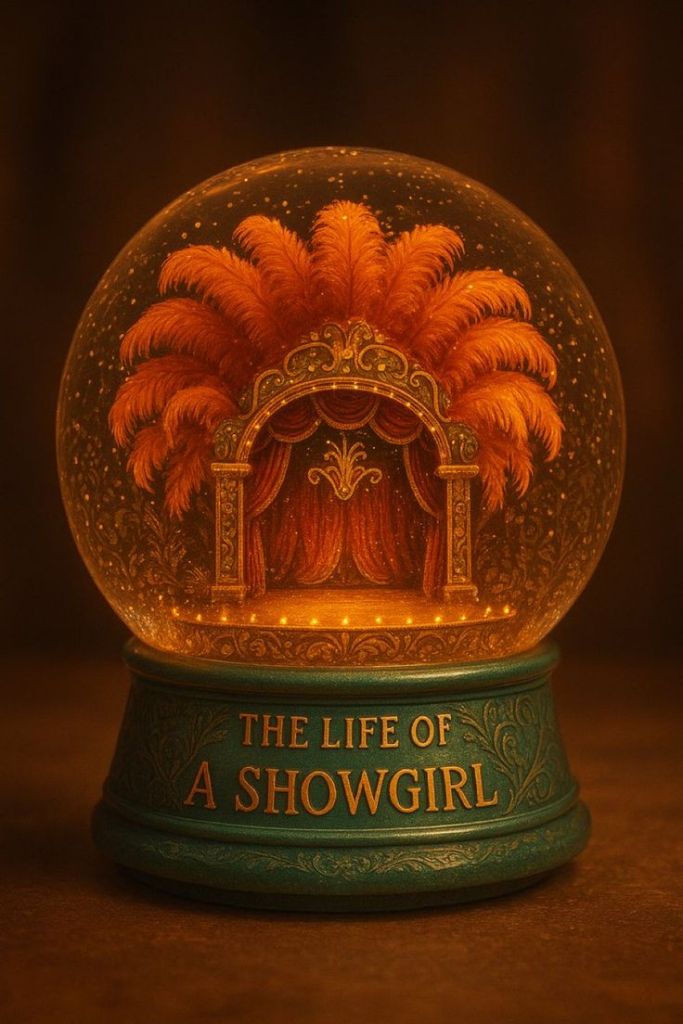
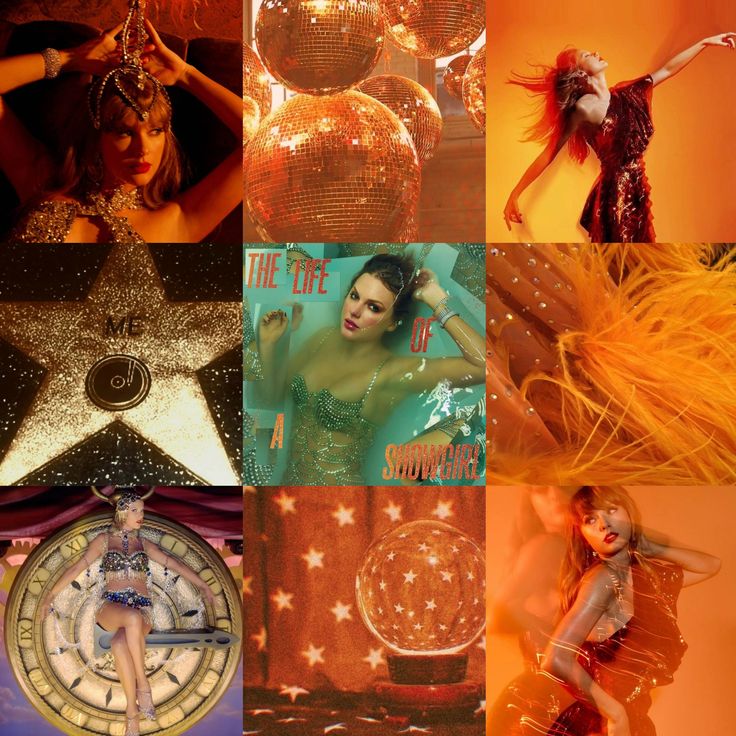
The Life of a Showgirl: When Performance Replaces Growth
Back in 2008, when I was 11, I saw this music video of a soft-spoken, Barbie-looking girl singing about Romeo and Juliet. The song was Love Story by Taylor Swift — and I fell in love instantly.
Then came Fearless. I listened to that album on my computer top to bottom. I had every song downloaded. My friends and I would sing You Belong With Me and songs from Red and 1989 in class like our lives depended on it. It was more than music — it was an era.
Taylor wasn’t just a pop star to me. She was the narrator of every teenage emotion I didn’t have the words for. I grew up with her — heartbreak to heartbreak, album to album.
But around 2020, something changed. Folklore was the last album that hit me right in the gut — poetic, mature, grounded. Evermore felt like her Folklore twin, Midnights was fine but forgettable, and then came The Tortured Poets Department… which I couldn’t finish without sighing. It felt like an artist trapped in her own reflection.
And now, with The Life of a Showgirl, I gave it time — a full week, actually — to sit with it before making up my mind.
Here’s the truth: as a lifelong Swiftie and a grown woman now, I’m not mad. I’m disappointed.
This is my honest review — no hype, no stan goggles, just me, 28 years old, trying to figure out what the hell happened to the artist I once worshipped.
1. The Fate of Ophelia
The album opens with The Fate of Ophelia — a poetic nod to Shakespeare’s tragic heroine. Ophelia, destroyed by manipulation and madness, drowned in a river after being broken by the men around her.
Taylor flips the story, singing about being saved from that same fate:
> “No longer drowning and deceived All because you came for me” “You dug me out of my grave and Saved my heart from the fate of Ophelia”
My Thoughts:
I actually like this one — it’s one of the better tracks. But let’s be real: the symbolism doesn’t land. Ophelia’s story is about the cost of patriarchal control, not some man coming to the rescue. Turning that tragedy into a “he saved me” moment feels regressive. As a woman, I don’t need a man to drag me out of a river. I’ve got my own damn boat.
2. Elizabeth Taylor
When I saw this title, I was so excited. Elizabeth Taylor was the original showgirl — glamorous, messy, iconic. And Taylor’s teased that comparison before with her “Burton to this Taylor” line in Ready For It.
This time, she takes it further, comparing herself to Liz and hinting at the chaos of loving under the spotlight.
My Thoughts:
I wanted a cinematic homage. What I got was a love song with Elizabeth Taylor’s name slapped on it. She sings,
> “Elizabeth Taylor / Do you think it’s forever?”
Girl. You named a song after the woman who got married eight times (cheated and got cheated on) The irony writes itself. The only real similarity is fame and flashing cameras — beyond that, it’s just Taylor being in love again, which is fine… but stop pretending it’s profound.
3. Opalite
This one’s clearly about her and Travis. Taylor’s even said Opalite represents “creating your own happiness” since it’s a man-made gem.
> “I had a bad habit of missing lovers past My brother used to call it ‘Eating out of the trash’”
My Thoughts:
Catchy, yes. But also insecure. It sounds like she’s low-key comparing herself to her man’s exes and feeling not “his type.” I don’t want to diagnose her through lyrics, but this reads more “jealous girlfriend on Instagram” than “grown woman in love.” It’s uncomfortable.
4. Father Figure
This one seems to reference her early career — maybe even Scott Borchetta and the Big Machine fallout. It’s about power, control, and being “taken care of” by someone in charge.
> “When I found you, you were young, wayward, lost in the cold This love is pure profit, just step into my office”
My Thoughts:
Good metaphor. Weird delivery. The whole “I can make deals with the devil because my dick’s bigger” line made me cringe. It’s meant to be satirical, but it comes off like bad fanfiction. I get what she’s trying to say — taking back power from men — but it’s written like a Tumblr post from 2012.
5. Eldest Daughter
She described this one as a song about the roles we play in public life — about sincerity and performance.
> “I’m never gonna let you down I’m never gonna leave you out.”
My Thoughts:
As an eldest daughter myself, I expected to feel this one. I didn’t. The lyrics throw in Gen Z internet slang — “memes,” “terminal uniqueness,” “not a bad bitch, this isn’t savage.” Why? Taylor, you’re 35, not 19. I can’t with millennials.😭 This feels like someone’s mom trying to be relatable.
6. Ruin The Friendship
This track is straightforward — it’s about wishing you’d made a move on a friend before it was too late.
> “Should’ve kissed you anyway And it was not convenient, no But your girlfriend was away”
My Thoughts:
Now this is the kind of Taylor I miss — emotional, confessional, messy in the best way. It’s nostalgic without being juvenile. Everyone’s had that moment where you think, “I should’ve said it when I had the chance.” Beautifully written, bittersweet, and honest. One of the best on the record.
7. Actually Romantic
Fans think this is Taylor’s response to Charli XCX’s Sympathy Is a Knife. The lyrics definitely have that energy:
> “I heard you call me ‘Boring Barbie’ when the coke’s got you brave High-fived my ex and said you’re glad he ghosted me.”
My Thoughts:
At first, I hated it. Then it grew on me. It’s petty in a fun way — very Reputation-era energy — but the corny lyrics hold it back from being great. Still, I can’t lie, it’s a banger once you stop taking it seriously.
8. Wi$h Li$t
She opens by listing what everyone else wants — yachts, awards, fame — and then flips it with what she wants:
> “I just want you Have a couple kids Got the whole block looking like you.”
My Thoughts:
I don’t know, honestly. It’s confusing. There was a time when Taylor pushed back against the “just a girl who dates” narrative—she made it clear she’s complex, capable, way more than a love interest. And now? She’s singing like she’s exactly the thing she spent years proving she wasn’t.
For someone who’s spent her career talking about women, empowerment, and being multidimensional, this track feels like a step backward.
There is nothing wrong in wanting to marry or have children. She’s allowed to want domestic life, sure. But don’t act like it’s revolutionary when it’s literally the same story she’s told since Speak Now.
Hard pass. As a complex woman myself, I can’t vibe with this one.
9. Wood
Let’s not sugarcoat it: this song is about her boyfriend’s “wood.”
> “Redwood tree, it ain’t hard to see His love was the key that opened my thighs.”
My Thoughts:
You have sex, okay. We get it.
I wanted to disappear when I first heard it. It’s not sexy — it’s awkward.
The wordplay isn’t clever, it’s cringey. Sabrina Carpenter can pull off cheeky and risqué because it’s her brand. Taylor can’t. It feels forced, like someone’s mom reading a Cosmo headline out loud.
10. CANCELLED!
A track about cancel culture — both personal and public.
> “Did you girl-boss too close to the sun? Did they catch you having far too much fun?”
My Thoughts:
This one gave me Reputation flashbacks in the best way. The lyrics are still flimsy, but the production carries it. It’s messy, but at least it has a heartbeat. I’ll take this over the bland love songs any day.
11. Honey
> “You can call me honey if you want.”
It’s a soft track about reclaiming affection — how pet names can mean something different when they come from love instead of condescension.
My Thoughts:
Cute. That’s it. Not great, not awful. It’s like filler on a decent playlist — fine in the background but nothing to replay.
12. The Life of a Showgirl (ft. Sabrina Carpenter)
This one’s cinematic. A fan idolizes a showgirl named Kitty, then becomes one herself.
> “Hey, thank you for the lovely bouquet You’re sweeter than a peach But you don’t know the life of a showgirl, babe And you’re never, ever gonna.”
My Thoughts:
Finally — a song that feels alive. It’s self-aware, theatrical, and layered. Sabrina Carpenter’s feature adds the sparkle Taylor’s been missing. The lyrics capture what the whole album should’ve been: the cost of fame, the illusion of perfection, the loneliness behind the glitter. Easily the best song here.
Favorites Ranked:
1. The Life of a Showgirl
2. Ruin the Friendship
3. The Fate of Ophelia
4. CANCELLED!
5. Actually Romantic
Final Thoughts: When Performance Becomes Prison
Showgirls are supposed to be dazzling — bold, magnetic, impossible to look away from. But The Life of a Showgirl doesn’t shine. It flickers.
This isn’t a terrible album. It’s a safe one. It’s Taylor refusing to evolve. The woman who once turned heartbreak into high art now writes like she’s still chasing the same high school crush.
At 35, with everything she’s lived through — fame, power, reinvention — I expected something deeper. Something uncomfortable, maybe even ugly. But instead, we got repetition wrapped in rhinestones.
Beyoncé at 35 made Lemonade. Madonna made True Blue. Michael Jackson at 37 made HIStory. Each of them grew up with their art. Taylor’s stuck in the act that made her famous.
She’s mastered the performance but lost the hunger. And that’s the real tragedy of the showgirl — when your whole identity becomes the stage, you forget who you are once the lights go out.
As someone who’s loved her since 2010, this hurts to say: she’s dancing beautifully, but she’s not moving forward.
If this is the life of a showgirl, it’s one spent under endless spotlights — adored, applauded, but never truly free.






 Ladyink with love