
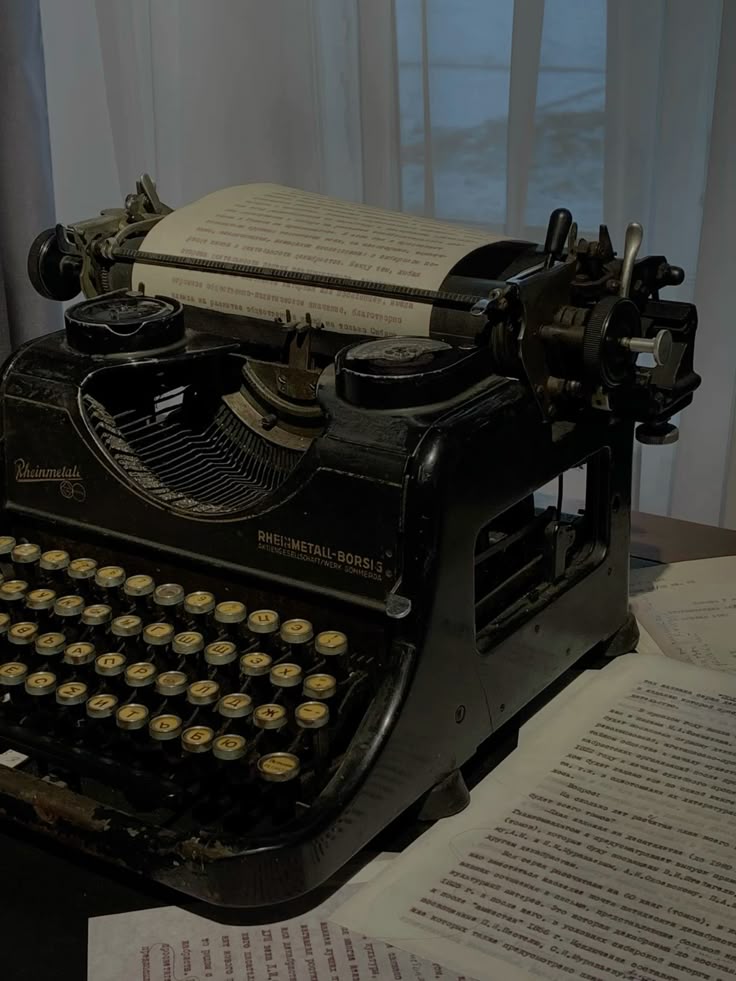
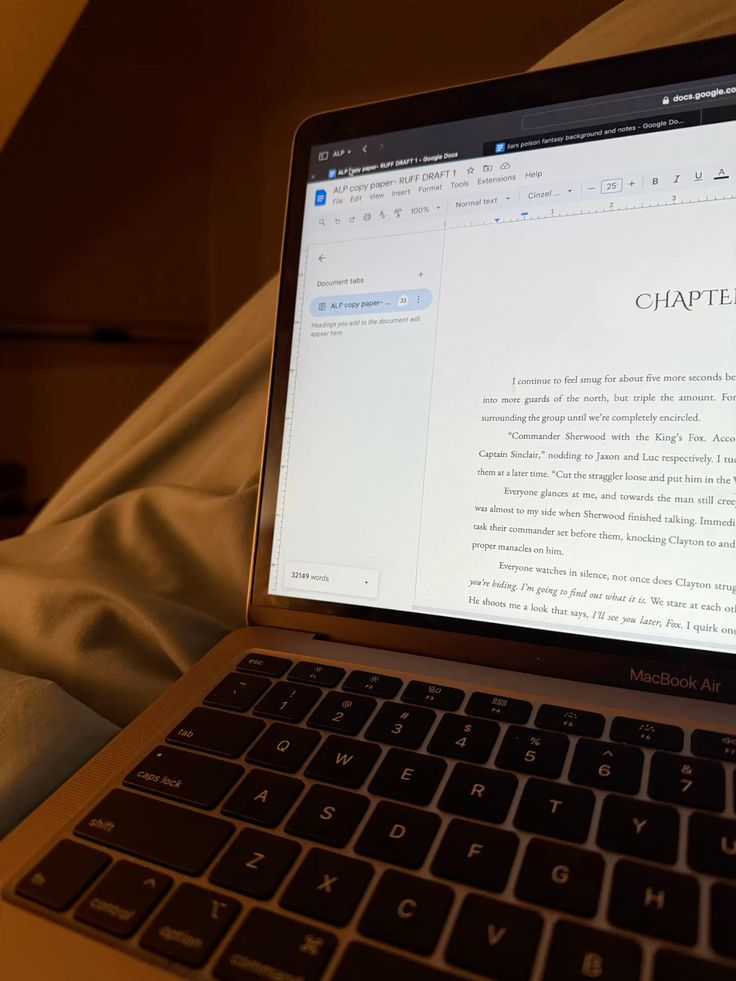
✍️ Writing vs Journaling: How They Both Help Me
When I first started putting words on paper, it wasn’t journaling—it was writing. I would scribble tiny poems, sometimes only a few lines long, just to capture a thought or a wave of emotion 🌊. Those little pieces weren’t perfect or polished, but they felt real. Writing gave me a way to make sense of my head when it felt too crowded.
Journaling, on the other hand, came later. I only picked it up last year, almost by accident. I was bored, restless, and looking for a way to reconnect with myself. I didn’t plan on “becoming a journaler”—I just wanted a place to let out my thoughts. Slowly, journaling became the bridge that pulled me back into writing, and now both live side by side in my life.
Here’s the thing: they look similar—pen, paper, words—but they serve different purposes. Writing is like reaching out; journaling is like reaching in. And both have been powerful in calming my anxiety, grounding me, and helping me grow 🌱.
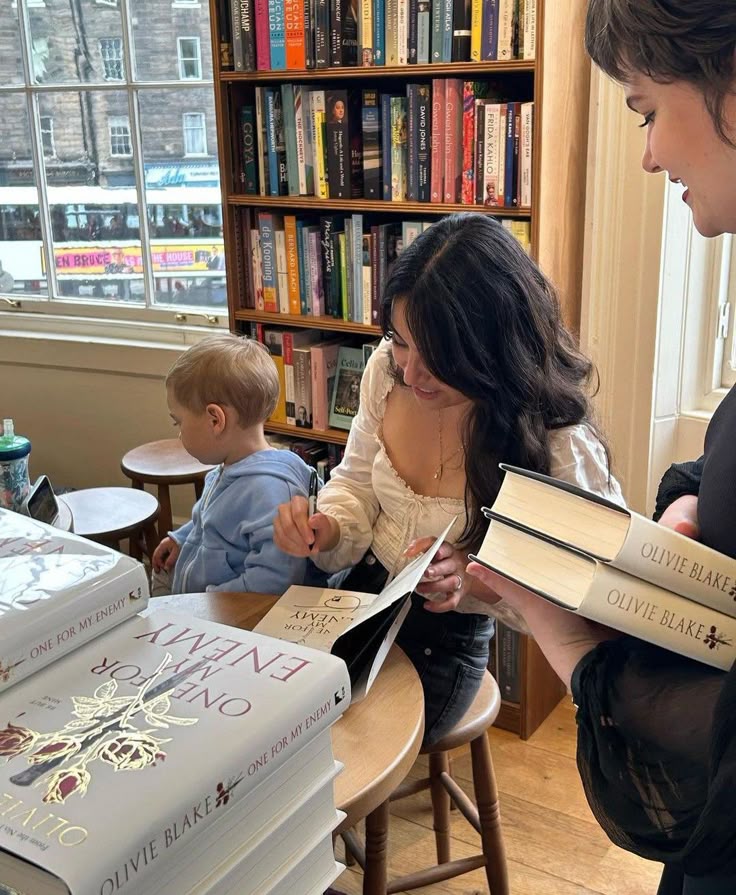
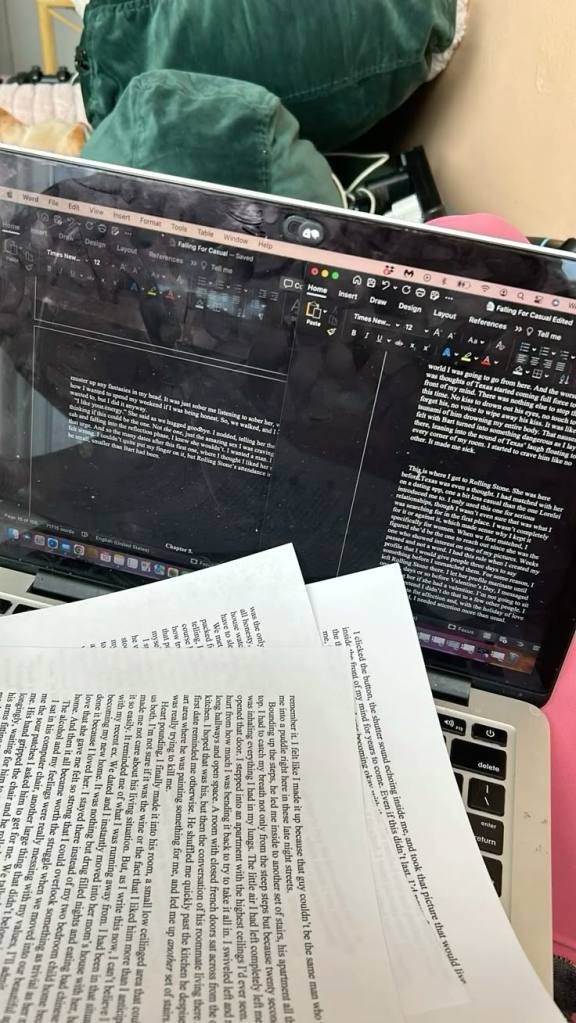
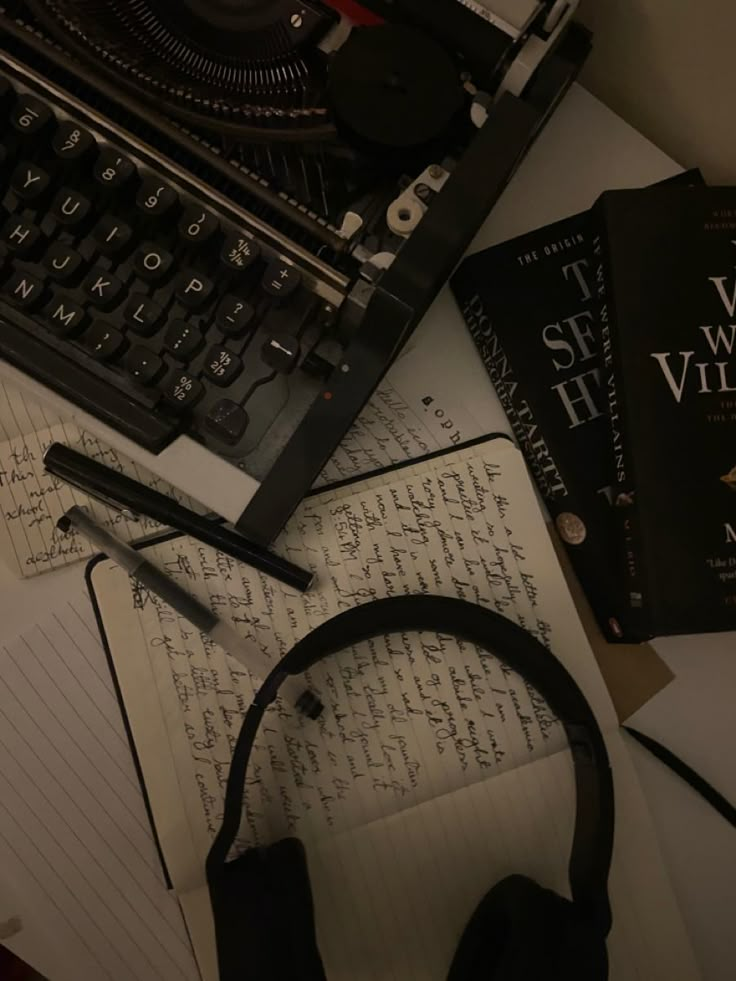
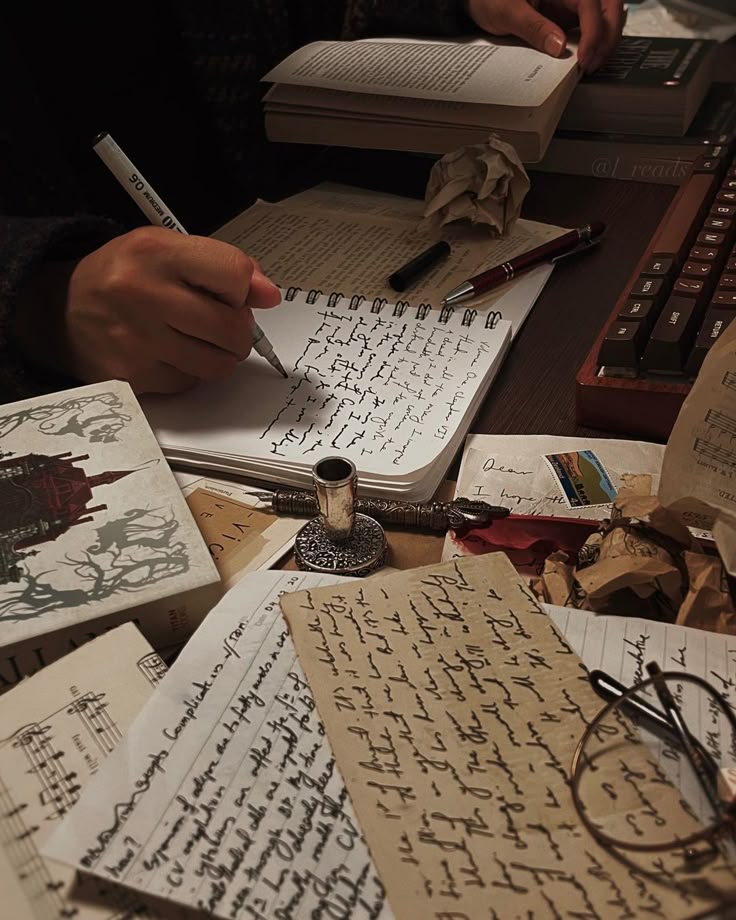
🖊️ Writing vs 📓 Journaling: What’s the Difference?
Yes, journaling is technically writing, but the heart of each practice is different.
✨ Writing
Purpose: To inform, persuade, entertain, or inspire.
Audience: Usually external—you’re speaking to someone (even if it’s future readers).
Format: Structured—essays, articles, poems, stories, reports.
Process: Drafting, editing, polishing until it shines.
Example: A blog post like this one, a novel, or even a heartfelt letter 💌.
🌸 Journaling
Purpose: To explore yourself—your thoughts, emotions, and growth.
Audience: You. That’s it.
Format: Loose, flexible, sometimes messy. Lists, doodles, bullet points, rants.
Process: Raw, unfiltered expression. No rules, no editing.
Example: Morning pages, a gratitude list, or venting after a stressful day 😮💨.


💡 Why They Matter
At first glance, journaling or writing might look like “just writing stuff down,” but both carry weight. They’re not chores or hobbies—they’re tools for mental clarity, creativity, and healing.
📓 Why Journaling Matters
1. 🧘 Clarity of mind – When your brain feels like a storm, journaling slows the chaos.
2. ❤️ Emotional release – Writing about stress or sadness keeps it from sitting heavy in your body.
3. 🔍 Self-awareness – You start noticing patterns: moods, habits, triggers.
4. 🧩 Problem-solving – On paper, problems become smaller and easier to dissect.
5. 🗂️ Tracking growth – You can look back and see how far you’ve come.
✍️ Why Writing Matters
1. 🪞 Clarifies your thoughts – Writing shapes vague feelings into clear words.
2. 📣 Communicates your voice – It’s how you’re understood by others.
3. 📚 Preserves knowledge – Notes, essays, stories become memory-keepers.
4. 🔥 Builds influence – Movements, laws, revolutions all began with words.
5. 🌈 Sparks creativity – Once you start writing, ideas multiply.
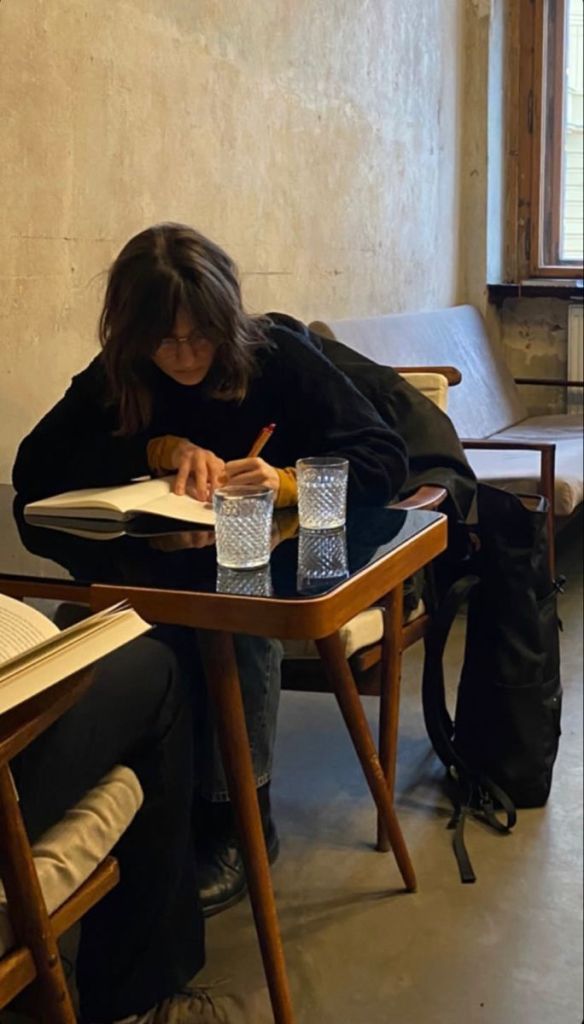
😌 How They Both Help with Anxiety
Both writing and journaling soothe anxiety, but they do it differently:
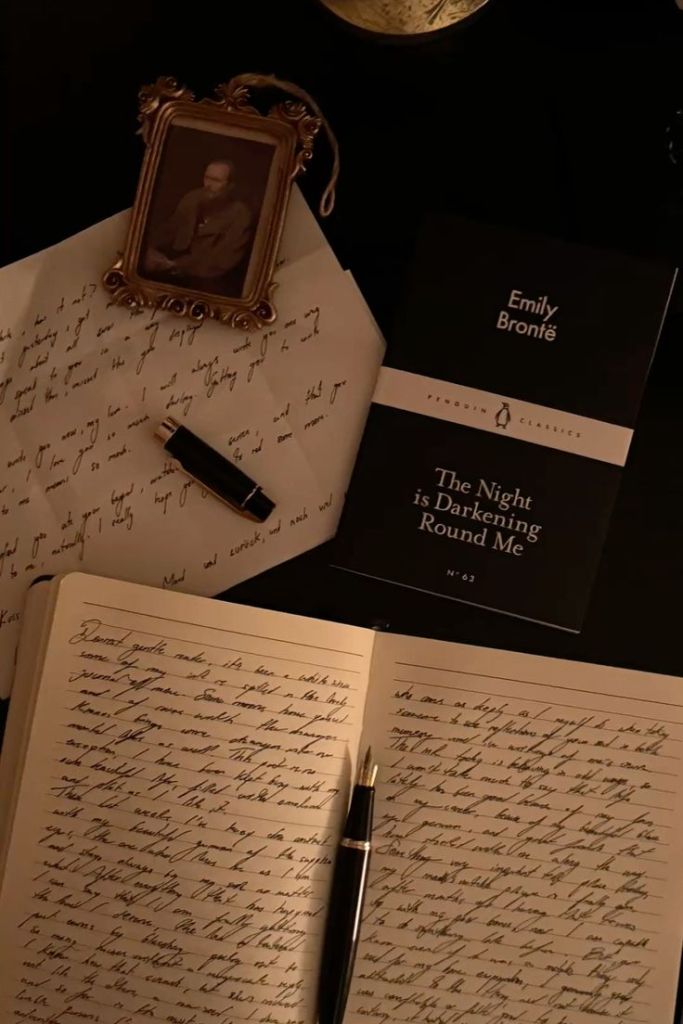
Journaling is inward. It’s a brain dump, a way to take swirling thoughts out of your head and trap them on the page. Gratitude journaling shifts focus from constant worry to small, grounding positives 🌼.
Writing is outward. It channels that nervous energy into something creative or structured. Poems, stories, or even essays let you express anxiety without naming it directly.
Here’s the subtle difference:
Journaling processes anxiety.
Writing transforms anxiety.
Together, they work beautifully—journal to clear the fog, write to create meaning from what’s left.


🌱 Where to Start if You’re New
The hardest part is starting. We think it needs to be profound or perfect. It doesn’t. You just need to start small and keep it light.
Beginner Journaling Tips
🕐 Keep it short: 5 minutes, half a page.
✨ Try formats:
Brain dump: write everything in your head.
3-sentence list: Today I feel… I need… I’m grateful for…
Prompt journaling: answer one guiding question.
📝 Pick your medium: notebook, app, or even voice notes.
Beginner Writing Tips
🎯 Write about what you care about—don’t force it.
🖋️ Set small word counts (100–200 words).
🚫 Don’t edit while writing—let it flow, polish later.
🎭 Experiment: letters, blog posts, micro-stories.



📅 A 7-Day Starter Plan
A gentle way to build the habit without pressure:
Day 1 – Brain Dump: Write nonstop for 5 minutes.
Day 2 – Gratitude Shift: List 3 things you’re grateful for + 1 win 🙏.
Day 3 – Describe a Moment: Use all your senses 🌸.
Day 4 – Anxiety Release: Write a letter to your anxiety.
Day 5 – Story Spark: Write a memory as a short story.
Day 6 – Self Check-In: What energized me? What drained me? What do I want more of?
Day 7 – Free Choice: Pick whichever style felt best.
💡 Tips for all 7 days:
Timebox it: 5–10 minutes ⏳.
Don’t reread right away—you’re not grading yourself.
Keep everything in one notebook/app so your progress feels real.

🌟 Conclusion
Taking care of yourself doesn’t require a grand, life-changing overhaul. It’s about showing up for yourself in small, consistent ways. Every line you write, every list you make, every page you fill is proof that you’re paying attention to your inner world 💖.
Journaling gives your thoughts a home. Writing gives them wings. One grounds you, the other expands you. Together, they become a practice of both self-reflection and self-expression—two sides of the same coin.
And here’s the beautiful part: you don’t have to be “good” at it. Your journal isn’t an Instagram feed, and your early writing doesn’t have to be a masterpiece. The act itself is what matters. The words are less about perfection and more about presence.
Piece by piece, page by page, you’re building a stronger, more authentic version of yourself. The kind that feels steady in uncertainty, expressive in silence, and confident in moving forward 🚀. That’s the quiet power of writing and journaling: not just tools, but companions on your path to clarity, calm, and growth.
Let’s me know your thoughts below 👇🏻💕
 Ladyink with love
Leave a comment