
Inferno to Love Island: The Messy Magic of Reality Dating🔥🩷
Why We’re All Low-Key Obsessed With Dating Shows 💘📺
I was recently minding my own business (like always 👀), when suddenly everyone around me was talking about Love Island. I thought, okay fine, let me see what the hype is about. And let me tell you — it was highly entertaining.
The last dating show I watched before that was Single’s Inferno, that spicy little Korean reality show on Netflix. Watching both made me realize: wow, Korean dating shows and Western dating shows are two completely different worlds. Same premise, totally different flavors.
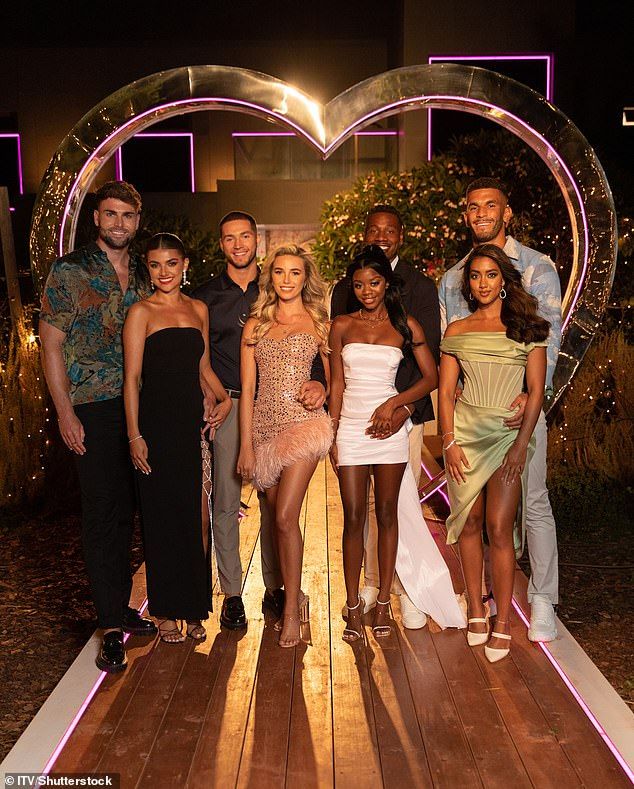
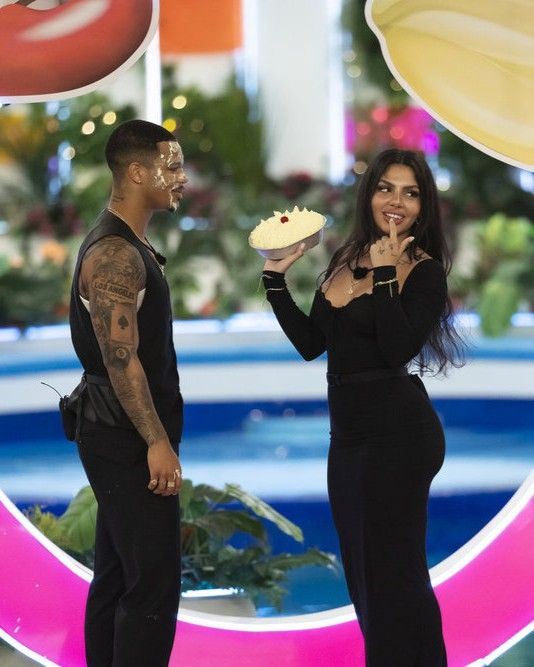
Love Island UK 🇬🇧🌴
Love Island UK is the most famous of them all — basically a cultural reset since it relaunched in 2015. Here’s the setup:
A bunch of singles, aka islanders, live in a luxury villa in Mallorca (sometimes South Africa for the winter edition).
They couple up from the jump — based on attraction, vibes, or just not wanting to be the awkward leftover.
New people arrive constantly (bombshells 💣), shaking things up. Islanders can ditch their partners and “re-couple” if they want.
The public gets to vote on who stays, who goes, and who wins. The last couple standing takes home £50,000.
The show thrives on drama: love triangles, messy loyalty tests, over-the-top challenges, and of course the iconic Casa Amor twist (where half the villa gets shipped off and tempted with new people).
But here’s the thing — Love Island isn’t just about love. It’s about rivalries, friendships, and how people handle pressure when the entire country is watching. Plus, it gave us iconic slang like “mugged off” and “it is what it is” — and launched a small army of influencers into the wild.
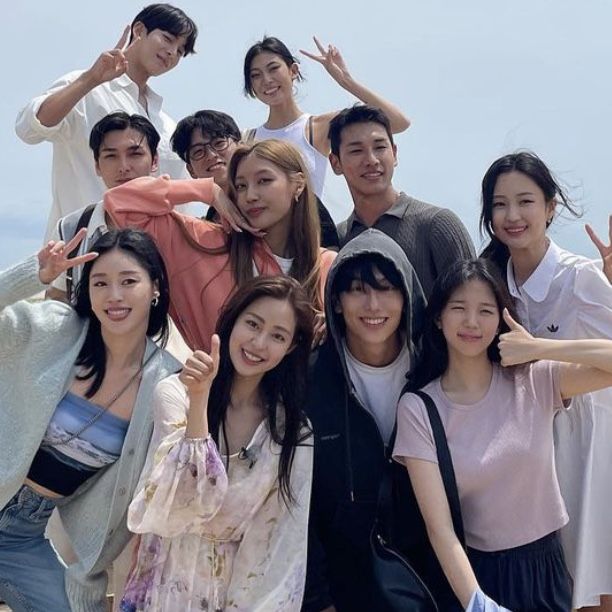
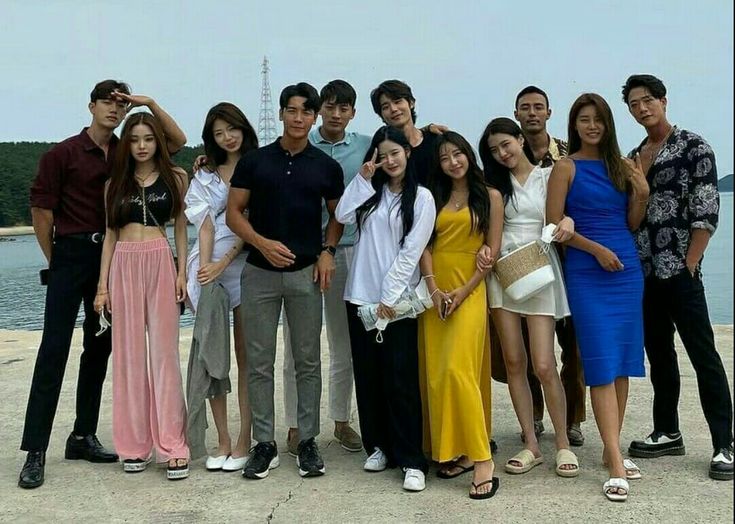
Single’s Inferno 🇰🇷🔥
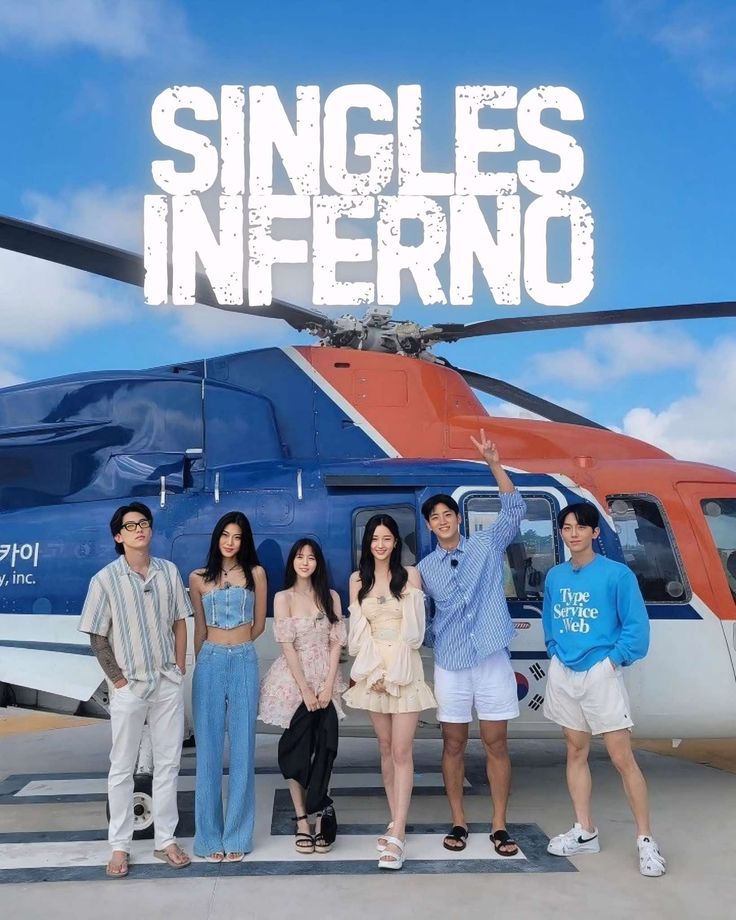
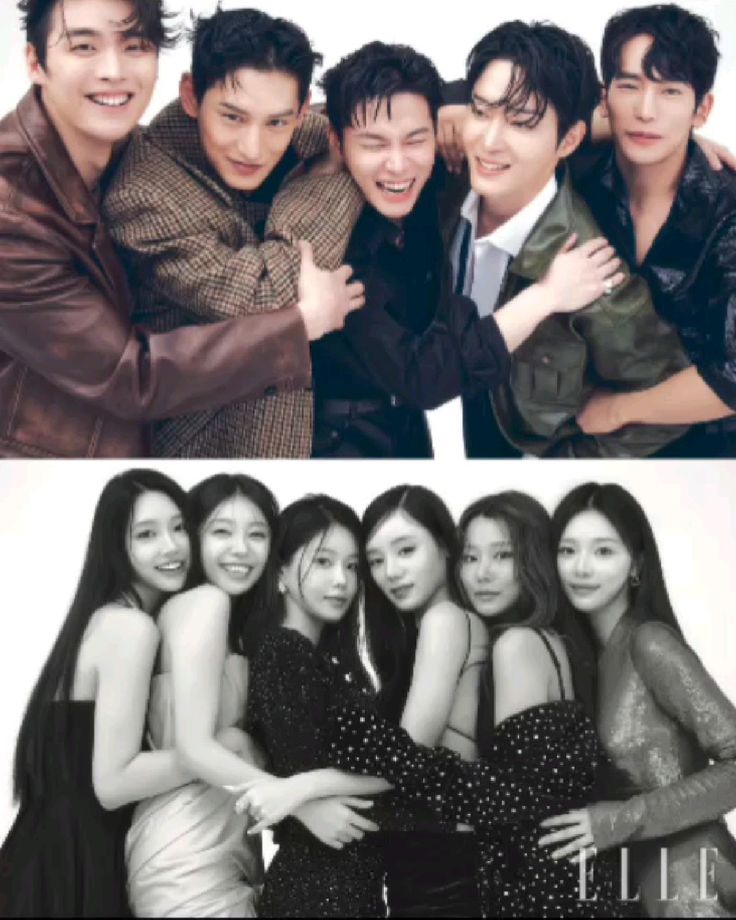
Now, switch gears to South Korea. Single’s Inferno is like Love Island’s quieter, mysterious cousin. Same idea: hot singles, stuck together, trying to find romance. But the execution? Totally different.
Here’s the twist:
Contestants live on a remote island called Inferno with very basic living conditions. No phones, limited food, and yes — they have to cook for themselves. 🍳
The only way to escape is to “couple up” and earn a ticket to Paradise — a luxury hotel with buffets, spa time, and privacy.
Oh, and one big rule: no one can reveal their age or job until they’re in Paradise. Suspense much? 👀
The fun is in the contrast. Inferno = survival, sweat, and awkward tension. Paradise = five-star getaway. And because it’s Korean reality TV, the drama isn’t loud fights or chaos — it’s shy confessions, jealous glances, and subtle power plays.
This slower, more mysterious approach is why Single’s Inferno exploded globally. It feels fresh, romantic, and less… chaotic than its Western counterparts.
Okay, But What Even Is a Dating Show? 💡
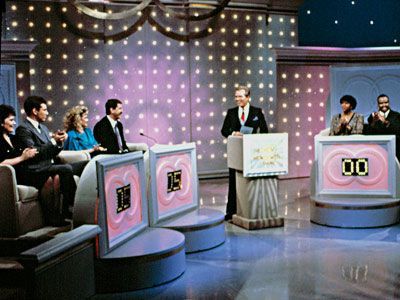
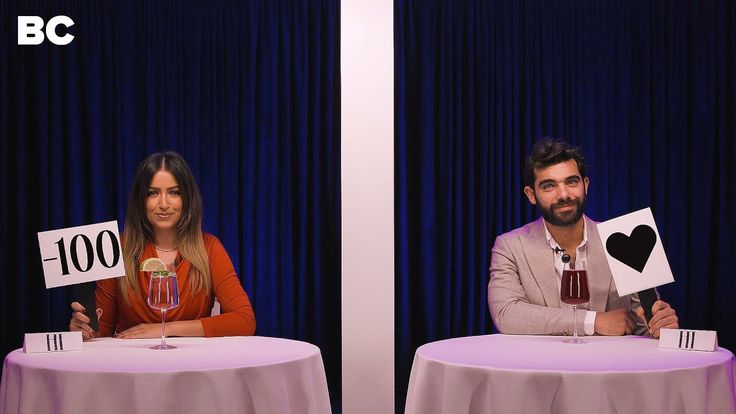
Simple: it’s reality TV where people look for love, a fling, or just attention. The formats differ, but the common denominator is romance + drama.
Some examples:
Elimination style (The Bachelor) – one person chooses from a group.
Competition-based (Love Island) – couples compete together.
Experiment-style (Love Is Blind, Married at First Sight) – wild concepts like dating without seeing each other.
Casual setups – speed dates, short flings, fun chaos.
Basically, they take the messiness of dating, turn the volume up, and put it on TV.

Korean vs Western Dating Shows: The Real Differences 🥢 vs 🍷
Dating shows across cultures look similar on the surface, but they feel very different. Here’s why:
1. Tone & Atmosphere
Korean: soft, suspenseful, subtle. Even sitting next to someone feels like a plot twist.
Western: bold, flashy, drama-packed. Fights, PDA, and shock twists are the norm.
2. Relationship Development
Korean: no fast hookups, just slow emotional build-up.
Western: attraction first, drama second, feelings… maybe later.
3. Rules & Mystique
Korean: restrictions (like hiding age/profession) add intrigue.
Western: rules exist, but chaos reigns — producers want maximum unpredictability.
4. Cultural Values
Korean: politeness, respect, indirect communication. Even rejection is gentle.
Western: loud, bold, confrontational. Tears and fights = entertainment.
5. Editing Style
Korean: cinematic, emotional music, panelists commenting like fans.
Western: cheeky narrators, fast cuts, cliffhangers.
6. End Goals
Korean: just two people choosing each other is enough.
Western: money, fame, brand deals — love is half the prize, clout is the other half.
So really:
✨ Korean shows = tension, yearning, emotional buildup.
🔥 Western shows = chaos, attraction, and drama.
Why Young Women Lean Toward Korean Dating Shows 💅
Here’s the tea: young women around the world often prefer Korean shows, and the reasons make perfect sense.
1. The pace feels real – no instant hook-ups, just slow burn crush vibes.
2. The mystery is addictive – not knowing someone’s job or age keeps it spicy.
3. Respect matters – no screaming matches or public humiliation.
4. The way desire is shown – care and attention, not just bikinis and snogging contests.
5. Safe escapism – dreamy romance without trashy chaos.
6. K-culture power – if you already love K-pop or K-dramas, these shows feel like the natural next step.
Bottom line: Korean shows sell the kind of romance many young women wish dating looked like.

The Unrealistic Side 🌈 vs 🧨
Of course, both styles set up expectations that don’t match reality:
Korean shows – everyone looks perfect, romance feels like a K-drama, conflict barely exists. Real life? Not so polished.
Western shows – dating happens at hyper-speed, cheating is normalized, and love is treated like a competition. Real life? Much slower, messier, and not always Instagram-ready.
Both glamorize dating in ways that can be fun to watch but tricky if you take it too literally.

Why We Still Watch (And Love It) 🤷♀️
Unrealistic or not, dating shows work. Here’s why:
1. Escapism – live vicariously through people hotter and messier than us.
2. Drama Without Consequences – we get the tea without the heartbreak.
3. Relatable Emotions – awkward flirting, jealousy, rejection — we’ve all been there.
4. Social Currency – memes, debates, “who should’ve picked who” convos.
5. Hope & Fantasy – dreamy romance (Korea) or messy chaos (West) — pick your flavor.
That’s the magic combo: escape, drama, relatability, community, and fantasy.

Conclusion ✨
Dating shows — whether Korean or Western — aren’t about showing us what real love looks like. They’re about keeping us hooked. They exaggerate, dramatize, and polish reality until it feels binge-worthy. And honestly? That’s why we love them.
Viewers, especially young women, aren’t watching because they believe it’s real. They’re watching because these shows deliver what actual dating rarely does: drama without risk, romance without awkwardness, and a safe space to dream about love in all its forms.
So yeah — enjoy them. Scream at the screen. Pick your faves. But remember: your love life doesn’t need a villa, a bombshell, or dramatic theme music to be real. 💖
Let me know your thoughts below 👇🏻💕
 Ladyink with love