
Tag: Feminism

  • Modern Feminism: Healing Tool or Weapon of Division?Who Really Benefits from the Gender Wars? (Hint: Not Us)

    The Evolution of Women’s Rights: Progress, Setbacks, and Future Fights

    I’ve always called myself a feminist.

    It felt obvious—why wouldn’t I believe women deserve equal rights, freedom, and opportunities? But lately, I’ve noticed a shift. People throwing around words like “radical,” “man-hater,” or “too much” when talking about modern women and feminism.

    So I had to stop and ask: Did feminism actually become radical, or is society just uncomfortable with women being loud, free, and unapologetic?

    This blog isn’t about red pill influencers or incel YouTube rants. It’s about us. Women. Feminists. The movement. The roots. The progress. The mess. And most importantly—the future.
    💬 So… What Are Women’s Rights, Really?

    Let’s get back to basics for a sec.

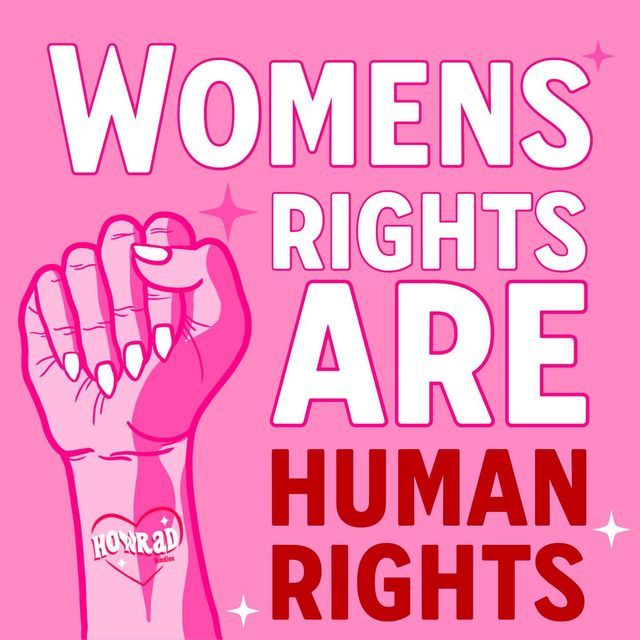
    Women’s rights = human rights. Period.

    They’re about giving women the same freedoms and protections as men—across politics, education, work, healthcare, family, safety, and their own damn bodies. These rights include:

    The right to vote and run for office

    Equal pay and access to jobs

    Freedom from violence and abuse

    Control over your reproductive health

    The ability to own property, make legal decisions, and live life on your terms

    We’re not asking for “special treatment.” We’re asking for the same dignity and autonomy every human deserves.
    📜 Where Did It All Begin?

    Let’s rewind to July 1848, Seneca Falls, New York.

    A bunch of bold women (and a few supportive men) gathered for the first women’s rights convention. The stars of the show? Elizabeth Cady Stanton and Lucretia Mott—two women who had just returned from the World Anti-Slavery Convention in London where, surprise surprise, they weren’t allowed to speak. Because they were women.

    They said: enough.

    At Seneca Falls, Stanton presented the Declaration of Sentiments, a radical-for-its-time document that declared:

    > “All men and women are created equal.”

    It listed 18 ways society was failing women—from denying us the right to vote to controlling our wages, bodies, and voices.

    People were shook. But they voted. And the movement officially began.
    ✊ Why Did the Women’s Rights Movement Matter?

    Because before it, women were treated like side characters in their own lives. Here’s what it changed:

    1. Political Power

    Women couldn’t vote. Couldn’t influence laws. Couldn’t speak for themselves in court.
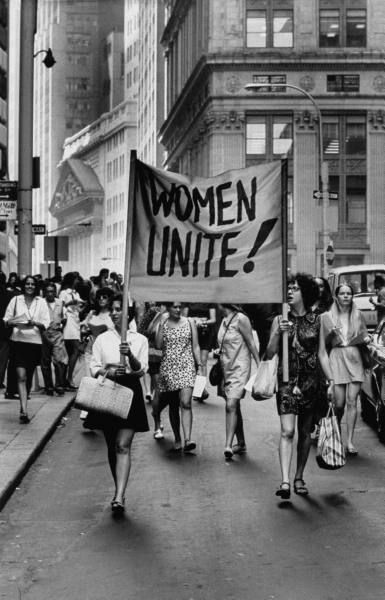
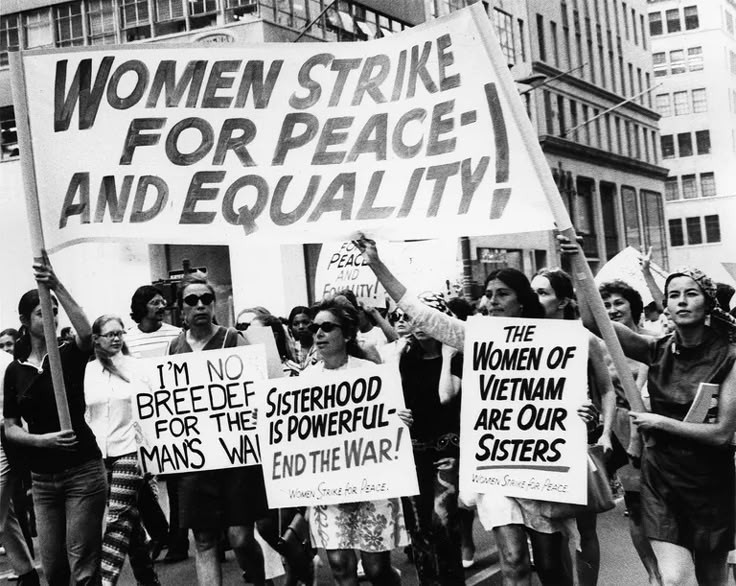
    ➡️ That changed in 1920 with the 19th Amendment in the U.S.—but only after decades of protests, jail time, and sacrifice.

    2. Education & Work

    Girls were told their place was in the kitchen. College? Careers? Not for you, sweetheart.
    ➡️ The movement demanded access to education and financial independence. And slowly, the doors opened.

    3. Workplace Rights

    Even when women worked, they were paid less, harassed, and shoved into “support roles.”
    ➡️ Feminists pushed for equal pay, maternity leave, and anti-discrimination laws.

    4. Safety & Autonomy

    Abuse used to be dismissed as “family matters.” Marital rape wasn’t even illegal.
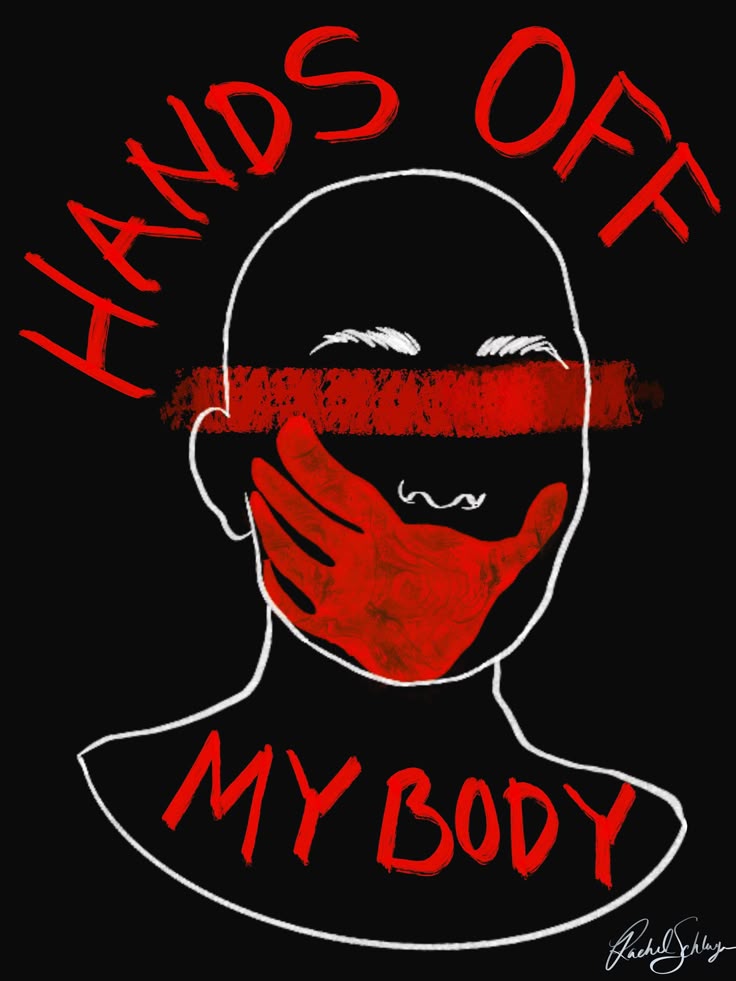
    ➡️ Feminism fought for shelters, laws, and the idea that your body = your choice.

    5. Bigger Movements Were Born

    The women’s rights movement sparked civil rights, LGBTQ+ advocacy, and disability justice.
    ➡️ It wasn’t just about women—it was about fighting any system that thrives on control and silence.
    💡 What Has It Actually Done for Women Today?

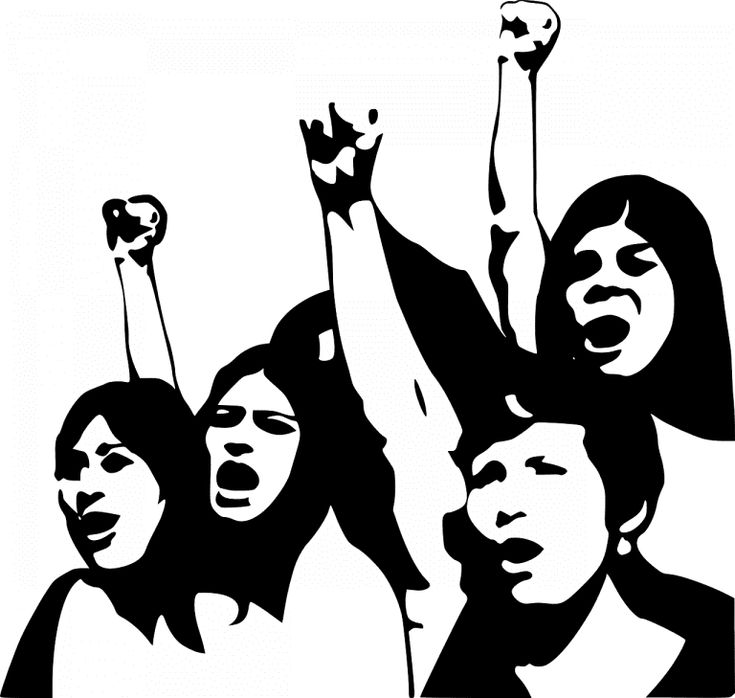
    Feminism isn’t a thing of the past. It’s still doing the damn work. Here’s how it’s showing up in 2025:

    ✅ Legal Rights

    You can now:

    Vote

    Open a bank account without a man

    Own property

    File harassment lawsuits

    Start a business

    These things seem normal now—but they were unthinkable just 50 years ago.

    📚 Education

    More women are:

    Graduating college

    Dominating in STEM, law, and medicine

    Becoming CEOs, astronauts, politicians, and authors

    The myth that women are too emotional or fragile for “big” jobs? Dead.

    💼 Workplace Protections

    While the gender pay gap isn’t fully closed, there are now:

    Laws against discrimination

    Policies for maternity leave

    More women in leadership

    We’re not just in the room. We’re calling the shots.

    🧠 Bodily Autonomy

    Women today (in most places) can:

    Choose birth control

    Access abortion

    Say NO and be heard

    Learn about consent, pleasure, and boundaries

    Health = freedom. And feminism fought for that.

    🗣️ A Voice That Matters

    From #MeToo to mental health to calling out everyday sexism, women are talking—and being heard.

    We’re in courtrooms, boardrooms, classrooms, and online spaces—leading, not begging to be included.

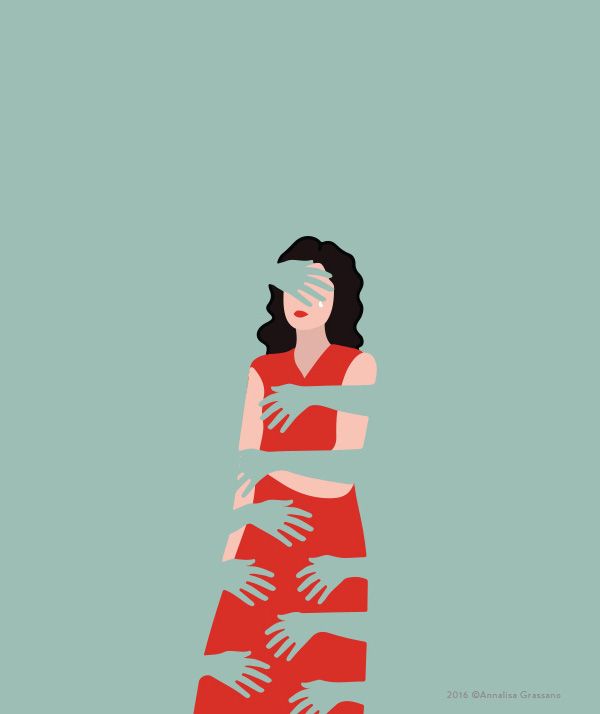
    👀 So… When Did Feminism Become “Radical”?

    Let’s break this down.

    First off:

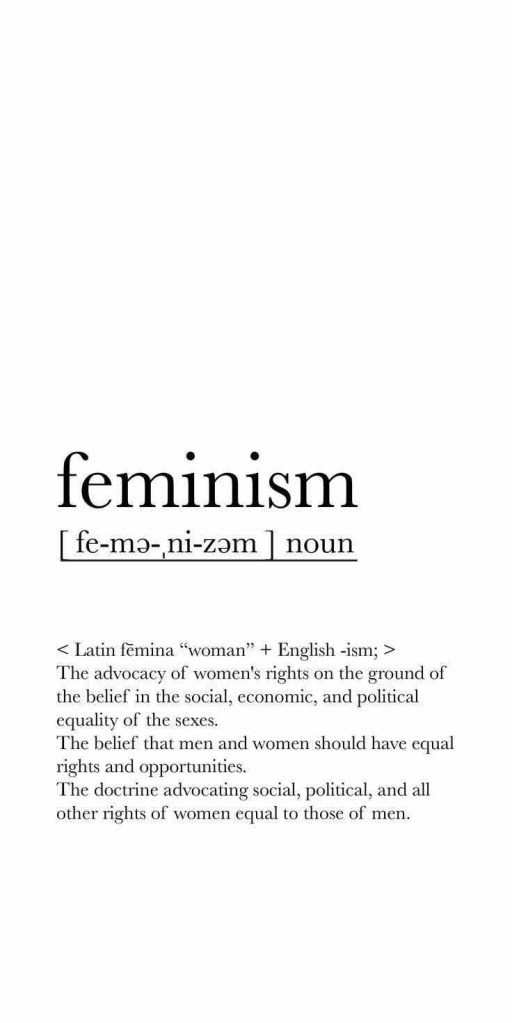
    Feminism = belief in gender equality.

    Radical feminism = a more aggressive take that says patriarchy is so baked into society, we need to tear it all down.

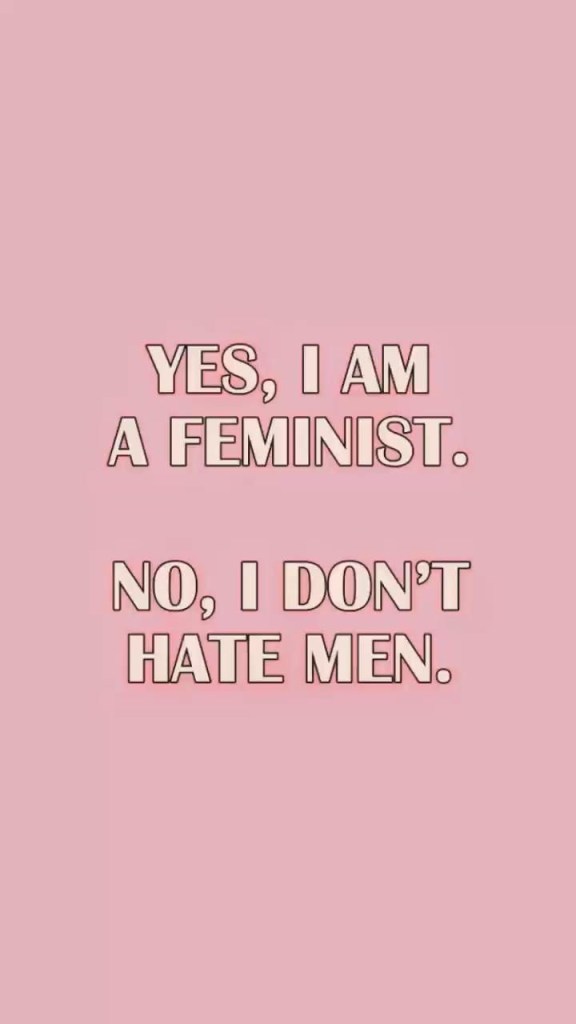
    Misandry = actual hatred of men.

    Now, is all radical feminism misandry? No. But let’s not pretend it never crosses the line.

    Some people have taken real women’s issues and twisted them into blanket hate:

    > “All men are trash.”
    “Heterosexuality is oppressive.”
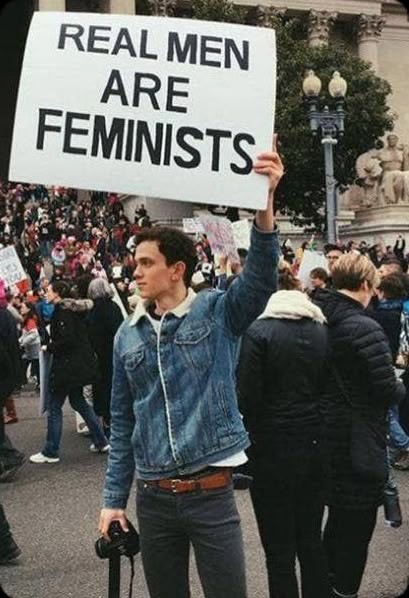
    “Men can’t be feminists.”

    That’s not feminism. That’s bitterness in a feminist outfit.

    You don’t fight inequality by flipping the power dynamic—you fight it by dismantling the system that traps everyone.
    🚩 Red Flags: When Feminism Becomes Something Else

    Let’s keep our BS detectors sharp. Here’s how to tell when the movement is losing the plot:

    1. Generalizing an Entire Gender

    > “Men are inherently violent.”
    “We don’t need men.”
    “Men can’t be victims.”

    Nope. Feminism is about nuance—not stereotypes.

    2. Silencing Male Allies

    If a guy speaks up about gender bias, mental health, or trauma, and he gets laughed off or called sexist for asking questions… that’s not it.

    Healthy feminism listens. Even when it’s uncomfortable.

    3. Outrage Overload

    Some influencers thrive on hot takes and performative rage.

    > “If you date a man, you’ve internalized misogyny.”
    “Men crying is manipulation.”

    Ask yourself: Is this educating or just escalating?

    4. One-Sided Echo Chambers

    Movements grow when they allow room for different voices—LGBTQ+ people, women of color, disabled folks, and yes, even men who want to help.

    Radical corners that cancel every differing view? 🚪 Bye.
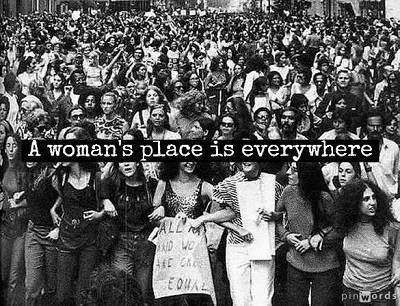
    ✅ So… What’s the Fix?

    Let’s bring it back to real feminism. The kind that:

    Uplifts women

    Welcomes male allies

    Makes space for healing

    Fights for everybody’s right to be seen, safe, and free

    Feminism should challenge power, not replace one hierarchy with another.

    Let’s be the kind of feminists who:

    > Call out injustice without becoming bitter
    Listen as much as we speak
    Build bridges, not walls

    Because the goal was never to make women more powerful than men.

    The goal is a world where power doesn’t depend on your gender at all.

    🧾 Final Thoughts

    Feminism isn’t dead. It’s evolving.

    But to protect its soul, we have to stay alert. Let’s celebrate the movement, challenge its extremes, and keep pushing for justice that lifts everyone.

    Ask yourself:

    > “Is this building something better—or just flipping the script on who gets hurt?”

    Feminism deserves better than to be hijacked by hate.

    So let’s keep the fire burning—for freedom, for equality, and for the generations that come next.

    Let me know your thoughts below 👇🏻💕


  • Selfish, Stubborn, and Damn Proud: Why Main Character Energy Isn’t a Crime!

    Why Society Fears a Woman Who Loves Herself. And Why You Should Love Yourself Even Louder

    I’ve been called selfish. Stubborn. Full of myself.
    And honestly? They’re right—and I’m damn proud of it.

    I put myself first. I say no without guilt. I choose my peace over people-pleasing. Somewhere along the way, that became a crime, especially for women. But here’s the thing: loving yourself isn’t narcissism—it’s resistance. It’s survival. It’s the plot twist no one saw coming.

    I’ve always thought self-love was important—necessary, even. I love myself. I treat myself well. I take care of my body, my peace, my boundaries, and my dreams. But the moment I started choosing myself, people around me started calling me self-obsessed.

    Apparently, putting yourself first is still a sin—if you’re a woman.

    And look, I’m stubborn (Capricorn Sun, what else do you expect?). I didn’t see it as a bad thing. But the constant criticism made me pause and wonder:
    Why does society hate women who love themselves?
    Why does it feel like prioritizing your own joy, goals, and mental health suddenly makes you “too much”?

    Let’s get into it. Buckle up.

    What Is Self-Love, Actually?

    Self-love isn’t posting selfies with captions like “self-love era” (although that can be part of it, and we support that too, queen). It’s much deeper.

    Self-love is a concept rooted in psychology—it means treating yourself with the same kindness, compassion, and respect you’d give to someone you deeply care about. It’s recognizing your own worth even when no one else claps for you. It’s accepting your flaws, honoring your boundaries, and refusing to apologize for your joy.

    Let’s break it down:

    Acceptance: Acknowledging your imperfections without shame or self-hate.

    Compassion: Being soft with yourself in tough moments instead of ripping yourself apart.

    Prioritizing Needs: Choosing what’s best for you, even when others expect you to shrink.

    Self-Respect: Not tolerating disrespect, toxicity, or situations that drain your soul.

    Forgiveness: Letting go of your past mistakes and giving yourself room to grow.

    Honesty: Facing your truth, even when it’s uncomfortable.

    Self-Worth: Knowing your value isn’t tied to your productivity, appearance, or relationship status.

    Why Is Self-Love Crucial for Women?

    Let’s get real: for women, self-love is radical. Society has trained us to be selfless to the point of self-erasure. We’re expected to nurture, accommodate, soften our tone, and serve. So when a woman says “No” or “I come first,” people flinch.

    Here’s why self-love matters even more for women:

    1. It Builds Real Confidence

    It’s not fake-it-till-you-make-it energy. It’s the kind of quiet power that says, “I know who I am.”

    You stop waiting for validation. You give it to yourself.

    2. It Improves Mental Health

    Loving yourself helps reduce anxiety, perfectionism, and self-loathing.

    It builds resilience—so when life throws punches, you bounce back faster.

    3. It Creates Healthier Relationships

    When you respect yourself, you attract people who do the same.

    You learn to say “no” without guilt and “yes” without fear.

    4. It Allows Authentic Living

    You stop performing and start living in alignment with who you actually are.

    You make decisions based on truth—not approval.

    5. It Encourages Self-Care

    You nourish your mind, body, and spirit because you know you’re worth it.

    Whether it’s therapy, journaling, dance classes, or just sleeping 8 hours—you show up for you.

    So… Why Does Society Hate That?

    Short answer? Control.

    Long answer? Well—

    1. It Challenges Patriarchal Norms

    Women are expected to serve others before themselves. A woman choosing her own path? She’s a threat. She’s “not feminine enough.” She’s “too ambitious.” But really—she’s just free.

    > Example: A woman turning down a marriage proposal to focus on her career is seen as selfish. But a man doing the same? Admirable.

    2. It Disrupts Power Dynamics

    A self-loving woman doesn’t settle. Not in relationships. Not in jobs. Not in society’s BS. That kind of independence is dangerous—to people who benefit from your silence.

    > Think of how often confident women in media are called “bossy,” “difficult,” or “too much.”

    3. It Triggers Internalized Misogyny

    Other women—conditioned to please, to play small—might see your confidence as arrogance. Why? Because we were all raised to believe we’re only lovable when we’re less.

    > You shine? Someone will try to dim it. That says more about them than you.

    4. It Exposes Double Standards

    Men with high self-worth are “leaders.” Women? “Narcissists.”
    Men are allowed to prioritize themselves. Women are expected to sacrifice and smile while doing it.

    > Reminder: Self-respect isn’t arrogance. And loving yourself doesn’t mean you hate others.

    Let’s Talk About the “Threat” Thing

    Some people genuinely see self-loving women as a threat. Let’s dissect that.

    You challenge outdated roles: You aren’t a quiet caretaker. You’re a force.

    You inspire others: Your confidence might wake up something powerful in another woman. That scares people.

    You disrupt entitlement: Especially in relationships. You won’t tolerate breadcrumbs. You want a feast.

    You call out BS: Misogyny, manipulation, performative allyship—you see it and name it. Loudly.

    Are you actually a threat?

    No. You’re progress. You’re the future. You’re healing generations of women who were told they weren’t enough unless they were suffering for someone else.

    So What Can You Do?

    Here’s how to love yourself loudly in a world that wants you to whisper:

    🧠 Build a Support System

    Find your people. Your sisterhood. Your soft space. The ones who don’t flinch when you shine.

    🌱 Practice Daily Self-Care

    Not just bubble baths—real care. Say no. Speak up. Sleep. Eat. Journal. Move. Heal.

    🗣️ Use Your Voice

    Write. Create. Dance. Speak. Stop asking for permission to exist loudly.

    🧘🏽‍♀️ Be Compassionate With Yourself

    Talk to yourself like you would your best friend. Kind. Loving. Real. Let your inner voice be your softest home.

    🔥 Be Unapologetic

    Take up space. Laugh loudly. Cry loudly. Exist as you are, not as they expect.

    Conclusion: Love Yourself Louder

    Here’s the truth:
    The world will always have a problem with a woman who knows her worth. But that doesn’t mean you should lower your volume.

    Your self-love is not a rebellion—it’s your birthright.
    Your joy is not selfish—it’s sacred.
    Your boundaries are not rude—they’re revolutionary.

    So if they call you “too much,” smile and say—“I wasn’t made to be less.”

    Because a woman who loves herself is unstoppable.
    And that scares them.
    Let it.

    Let me know what do you think about self love? And how do you practice it below! 👇🏻 💕


  • The Fight for Feminism: Confronting the Rise of Misogyny and Pseudo-Feminism—and Why It’s a Threat to Women Everywhere

    Why Feminism Is Still Necessary – A Personal Perspective

    I come from a third-world country where patriarchy isn’t a vague idea—it’s something we live and breathe every day. Here, men are not just seen as providers or protectors; they are considered the natural-born leaders of society. They are handed authority and respect by default, while women are often expected to shrink themselves to fit into roles of servitude—obedient, quiet, nurturing, and accommodating. In such a world, feminism isn’t a luxury or a Western ideology—it’s a lifeline. It’s the demand for what should already be a given: equality.

    A Childhood Framed by Subtle Contradictions

    Growing up as the eldest of three children, I was lucky in many ways. My family welcomed me as the firstborn daughter with love and joy. My mother recalls how thrilled everyone was at my birth. Being a girl didn’t seem to matter—until it did. When my sister was born, the excitement persisted, but the unspoken desire for a boy began to linger in conversations and glances. Eight years later, my brother arrived, and suddenly, that unspoken wish was fulfilled.

    Despite the subtle gender expectations that surrounded us, my parents made a conscious effort to raise us—my sister, my brother, and me—with the same values. We were taught to be strong, curious, and self-aware. We were given the same opportunities and encouraged to express ourselves freely. I am deeply grateful to my parents for focusing on education, personal growth, and individuality rather than conforming to societal norms. But the world outside our home wasn’t always so kind.

    The World Beyond Our Doorstep

    As soon as I stepped out into the wider world—into school, community functions, and family gatherings—I began to notice the difference in expectations. Relatives and neighbors would remind me to “act like a girl.” That meant dressing modestly, speaking softly, smiling more, and never questioning authority. I, being naturally outspoken and strong-willed, rarely complied. I questioned everything. I challenged adults. I stood my ground even when it made others uncomfortable.

    Even now, I am told that I’m “too much”—too difficult, too opinionated, too stubborn. I’ve lost count of how many times someone has asked, “How will you ever find someone to marry you?” As if a woman’s worth is ultimately measured by her marital status or ability to bear children. Why is that still the default marker of success for women?

    This, right here, is why feminism matters.

    Why Feminism Is Still Necessary

    Feminism remains crucial—especially in societies where gender-based inequality is still deeply rooted in everyday life. It’s not about man-hating or female superiority. It’s about fairness. It’s about creating a world where people of all genders have equal rights, opportunities, and freedoms. Feminism is a global movement grounded in justice.

    Here’s why it still matters:

    It combats sexism and oppression:

    Feminism calls out harmful stereotypes, policies, and social norms that limit people based on gender.

    It demands equal rights: In education, employment, healthcare, and politics, women and marginalized genders still face systemic disadvantages.

    It empowers women and girls : Feminism provides the tools and language for women to own their power and live life on their terms.

    It challenges rigid gender norms: Men, too, benefit when they’re freed from toxic expectations like emotional suppression or aggressive dominance.

    It drives social progress: From voting rights to workplace protections, nearly every legal gain for women was born out of feminist advocacy.

    It acknowledges intersectionality: Feminism recognizes that gender inequality doesn’t exist in a vacuum—it’s interconnected with racism, classism, ableism, and more.

    Feminism is not a trend. It’s not a phase. It’s a necessary, ongoing struggle for dignity, safety, and opportunity.

    The Rise of Online Misogyny

    While progress has been made, feminism today faces new and deeply troubling challenges—especially in the digital age. According to a recent UN Women report, the rise of online misogyny is pushing harmful ideologies into mainstream discourse. The report, titled “Online ‘manosphere’ is moving misogyny to the mainstream,” warns that declining democratic values and unchecked online platforms are fueling a backlash against gender equality.

    This backlash threatens the hard-won victories of past generations. Laws protecting women from domestic violence, workplace discrimination, and harassment are at risk of being undermined. The internet has become fertile ground for hate speech, misinformation, and harassment—often targeting women who dare to speak up.

    The report also notes that in a quarter of countries surveyed, there is active resistance to gender equality. And while legal and policy reforms are still being pushed forward, the fragile foundation of progress makes it all too easy for rights to be rolled back.

    The Problem with Pseudo-Feminism

    As if these challenges weren’t enough, feminism is also being misrepresented from within—by pseudo-feminism.Pseudo-feminists adopt the language of feminism but twist its purpose. They may promote a one-sided narrative, ignore individual choice, or even express outright disdain for men. This distorted view shifts feminism from a movement for equality to one of superiority or exclusion.

    Here’s how to tell the difference:

    Feminism is about equality; pseudo-feminism is about dominance.

    Feminism uplifts both women and men; pseudo-feminism often disregards or demonizes men.

    Feminism acknowledges biological and psychological differences without using them to justify inequality; pseudo-feminism often denies these differences altogether.

    Feminism invites collaboration; pseudo-feminism isolates and polarizes.

    Feminism aims for fairness; pseudo-feminism can become a tool for control or self-interest.

    This extremist mindset can easily slip into misandry—the hatred or prejudice against men—which is not and has never been a tenet of true feminism. Misandry undermines the very values feminism stands for: respect, justice, and unity.

    Feminism vs. Misandry vs. Pseudo-Feminism

    To clarify:

    Feminism: Advocates for equal rights, dignity, and opportunity for all genders.

    Misandry: Prejudice or hatred against men.

    Pseudo-feminism: A distorted version of feminism that promotes bias or superiority rather than equality.

    True feminism is about inclusion. It seeks to recognize and address the unique challenges that all people—men, women, and non-binary individuals—face due to outdated systems of power and inequality. It is not about flipping the scales, but about balancing them.

    Let’s Stand Together

    We need to end the illusion that feminism is a gender war. It’s not men versus women. It’s not tradition versus modernity. Feminism is a collective call for fairness, opportunity, and humanity. It’s a reminder that in 2025, girls are still being denied education, women are still being told to stay silent, and people of all genders are still being boxed into outdated roles.

    As someone who has grown up straddling tradition and progress, I see more clearly than ever: feminism is still a necessity. It is not a Western import. It is not an attack on culture. It is a movement that says we all deserve a life of dignity—free from fear, judgment, and suppression.

    So let’s keep questioning. Let’s keep growing. Let’s challenge what no longer serves us. And most of all, let’s support one another in building a more compassionate, just world—together.

    Feminism needs all of us.

    Tell me your thoughts below 👇🏻