To be honest,I never thought about it. Let me think 🤔
Hmmm… Ohhhh
My tagline will be “The Unseen Depths, the Unspoken Desire.”
You know why this suits me … People usually don’t get me at first glance. I’m more of a “don’t touch me, I bite” person at first glance. The one people never want to message with.
You won’t find all of me at first glance — I was never made to be read in a single chapter. I move quietly, but my silence isn’t emptiness; it’s power. There’s a whole world beneath what I choose to show. I carry storms inside me — of thought, of feeling, of intuition — and I don’t need to explain them. Those who are meant to understand, will.
There is a softness in me that’s rooted in strength. A grace that doesn’t perform for attention. I observe more than I speak, and when I speak, it’s because it matters. I don’t give myself away easily — not my energy, not my body, not my truth.
Desire lives in me, not in loud declarations but in glances, in pauses, in the tension between what I reveal and what I withhold. I am passion held with poise. I am warmth that doesn’t chase but attracts. I am not here to be figured out — I’m here to be felt.
There’s fire in my stillness and mystery in my every movement. I don’t seek to be understood by the world. I only seek to be deeply known by those who deserve to enter my depths.
Because I am the unseen depths — and the unspoken desire. 💕💕
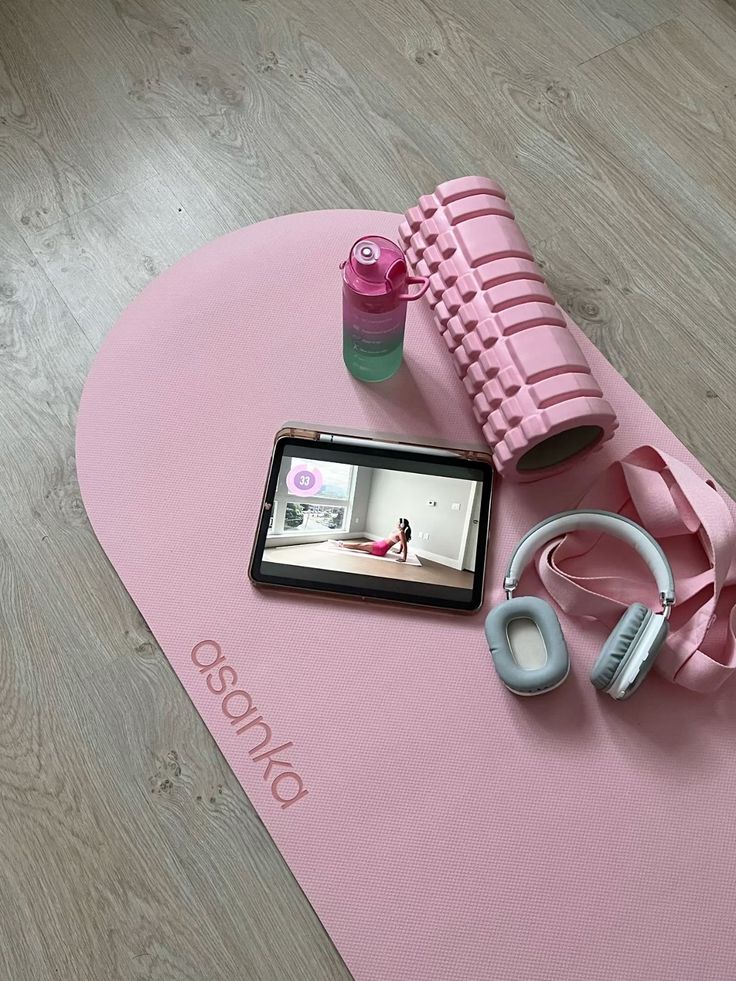
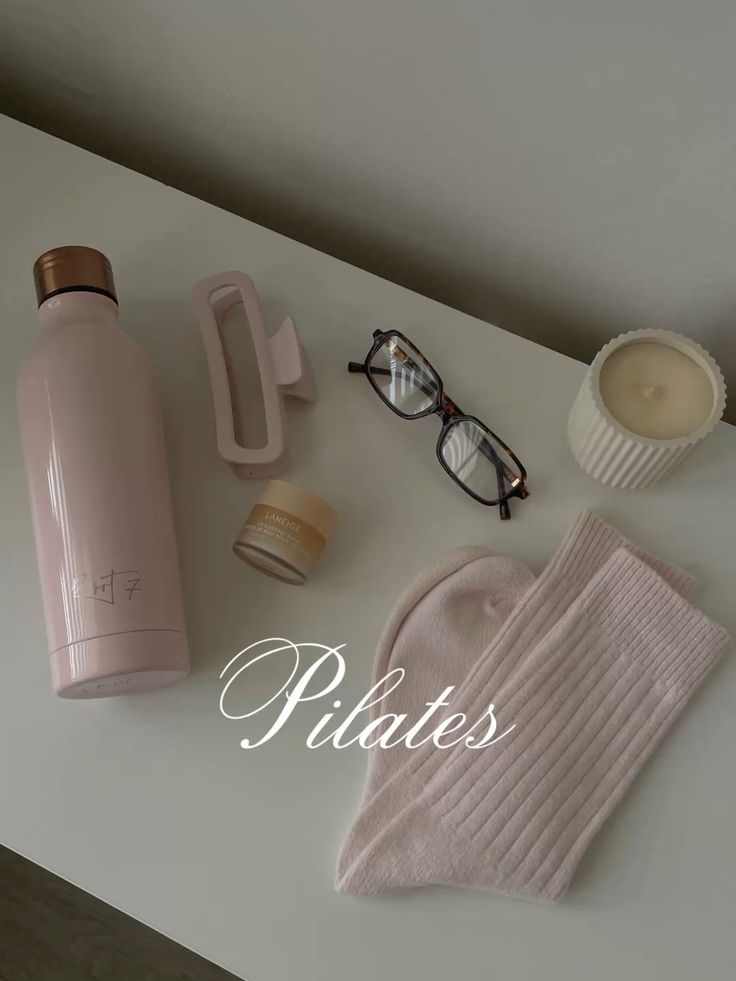
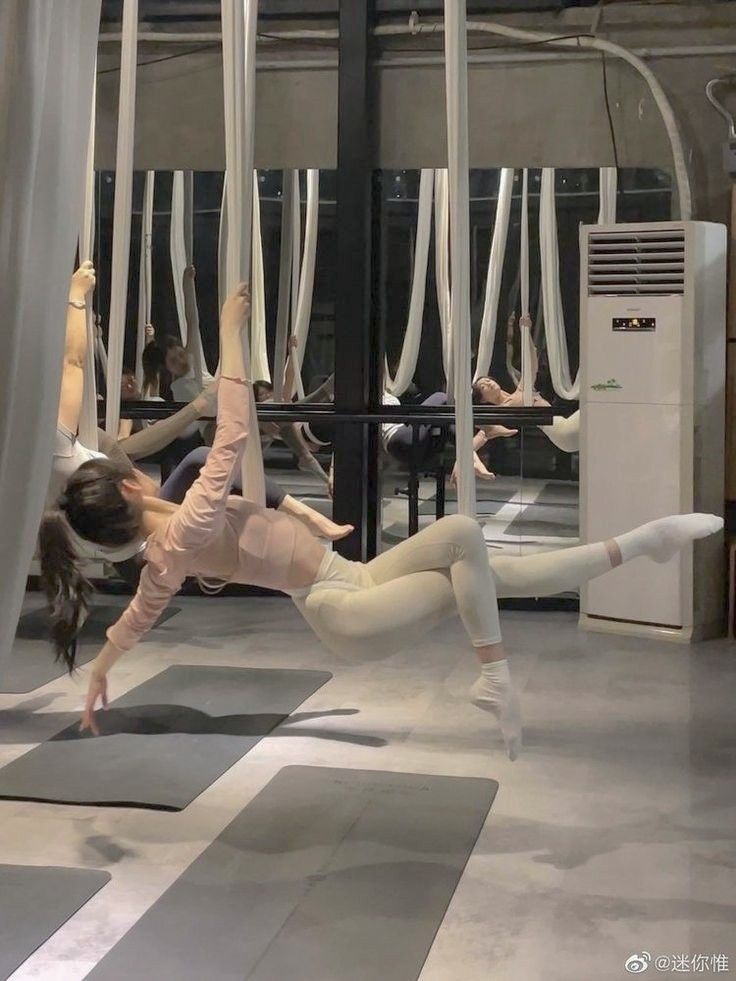
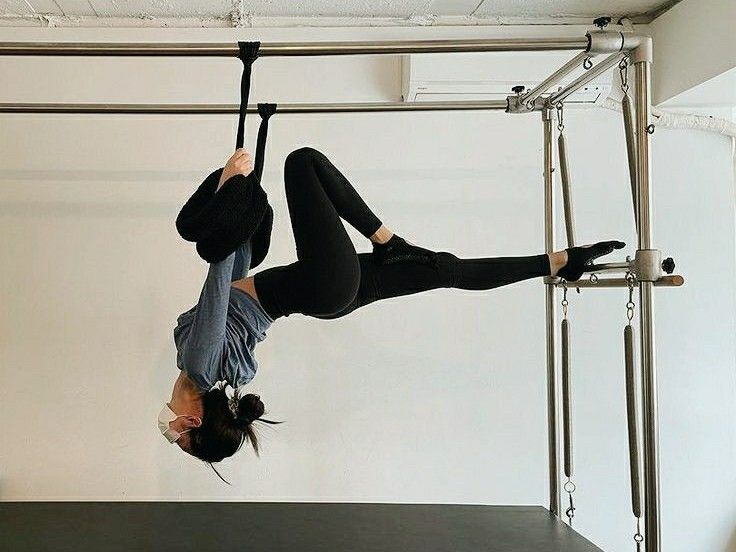
s Pilates Overhyped? A Deep Dive into the Myth, the Method, and the Media Machine
A Skincare Session, a Video, and a Question
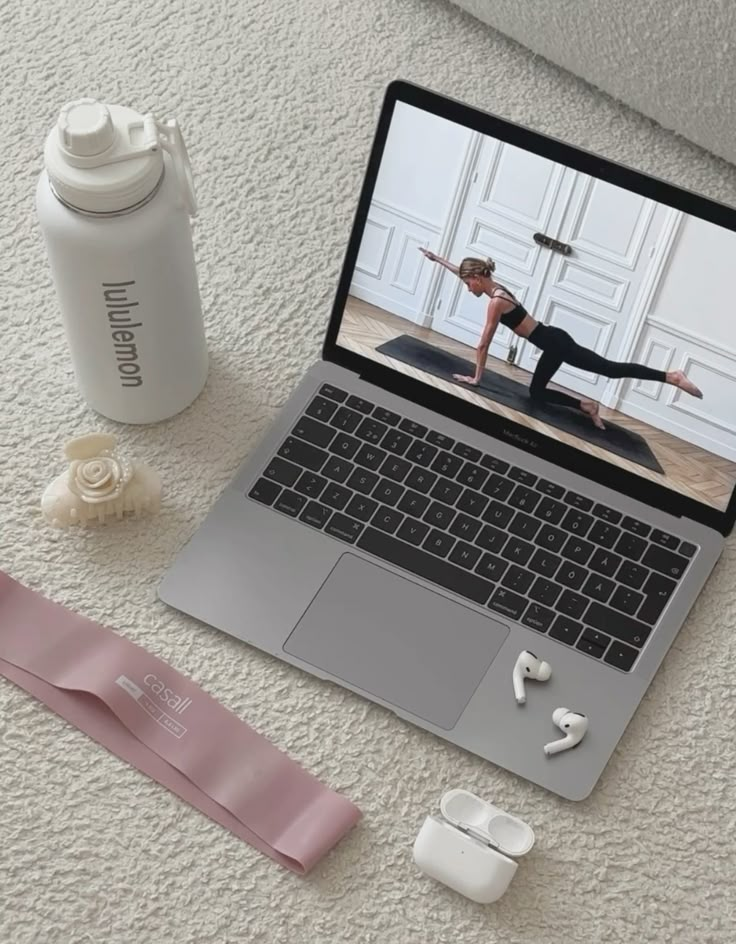
A few days ago, right after wrapping up my workout, I moved into my skincare routine—something I find meditative. As I massaged my face, I played a video by Mina Le titled “The Myth of the ‘Pilates Body’.” Right at the start, she mentioned that she’d be leaving Pilates in 2025.
That line stuck with me.
It wasn’t just what she said, but how much it made me reflect. I’ve done Pilates before—not regularly, not obsessively—but enough to say I gave it a fair shot. And you know what? It didn’t change my body in any groundbreaking way. It was a good exercise, sure. It made me feel stronger, helped me stay mindful of my posture, but that was about it.
So why is everyone obsessed with Pilates?
Why does it feel like suddenly everyone and their influencer cousin is raving about it? Why is it being hailed as the golden key to the “perfect body,” and more importantly—whose definition of perfect are we chasing?
What Is Pilates, Really?
The Method Behind the Movement
Before we get swept up in the aesthetics, let’s talk facts.
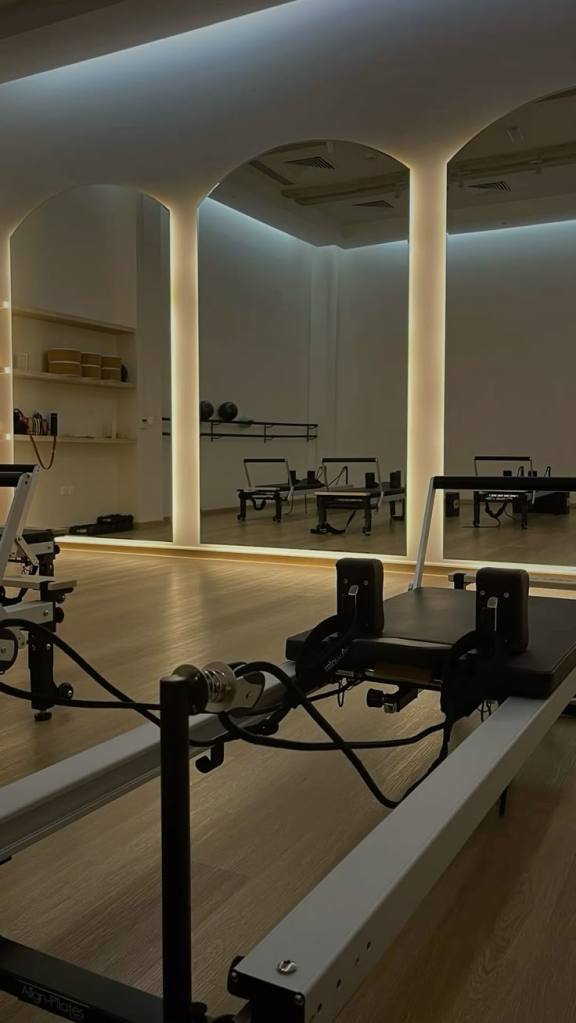
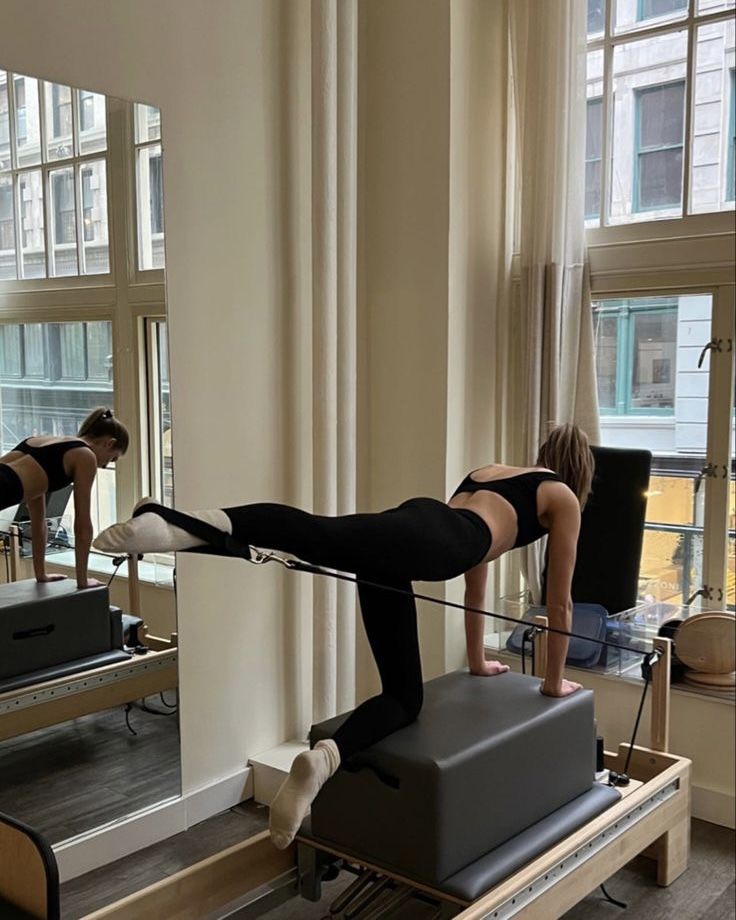
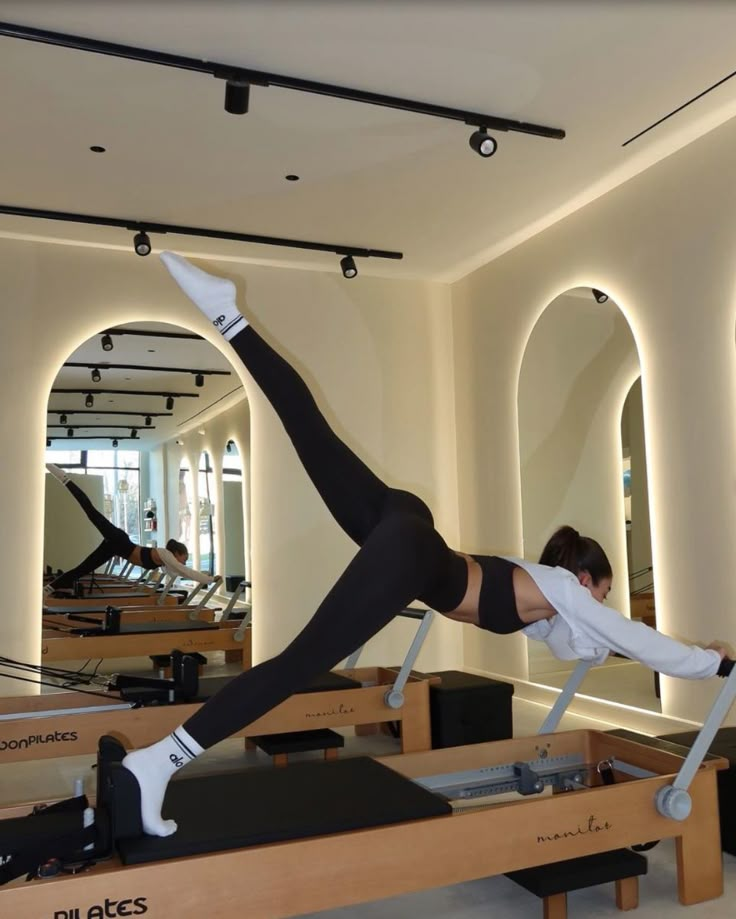
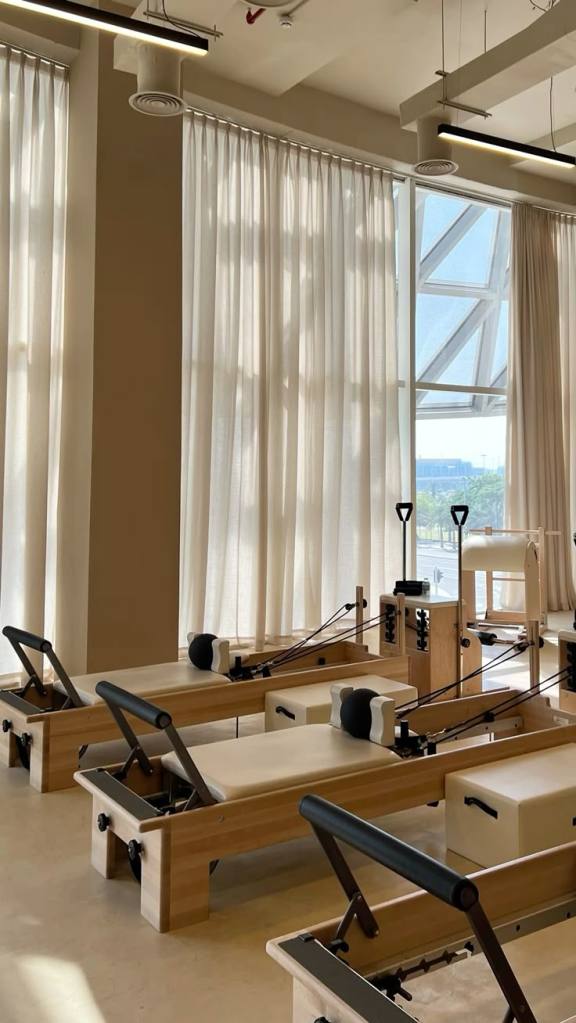
Pilates is a holistic mind-body exercise system focused on strengthening the core, improving posture, and enhancing body awareness. It emphasizes precision, control, and breathwork. It can be practiced on a mat or with specialized equipment like the reformer.
The History Behind the Hype
The method was created by Joseph Pilates, a German-born gymnast and bodybuilder. While interned in England during World War I, he began developing what he called “Contrology”—a system to help strengthen both mind and body. Influenced by physical culture, yoga, and even animal movement, his exercises were rooted in the belief that mental and physical health are deeply connected.
He wasn’t wrong. Pilates does help people—especially with posture, rehabilitation, and core control. It gained popularity among dancers for its emphasis on alignment and strength without bulk.
But here’s the thing—none of that explains why it’s become the aesthetic du jour of social media.
When Movement Meets Marketing
The Rise of the “Pilates Body”
Let’s be honest: if Pilates had remained a quiet, functional fitness practice for dancers and physical therapists, you wouldn’t be seeing “Pilates girl” content on your feed every other scroll.
So what happened?
1. Celebrity Endorsement and Lifestyle Branding Celebrities—Victoria’s Secret models, actresses, influencers—quickly picked up Pilates and began presenting it as their secret… to a long, lean, feminine figure. Add in sleek reformer studios, clean aesthetics, and monochrome activewear sets that mirror luxury skincare campaigns, and suddenly Pilates was less of a workout, more of a brand.
2. The “That Girl” Aesthetic It’s part of the larger wellness imagery: green juices, five-step skincare, a matcha latte in a glass cup, and now—Pilates. Reformer classes look clean, minimalist, soft. They photograph beautifully. And let’s face it: the algorithm loves that.
3. Influencer Economy and Unrealistic Expectations Here’s the danger. Influencers often suggest that Pilates is the reason they have their body type. But genetics, cosmetic procedures, strict diets, and access to personal chefs or trainers often play a huge role—things the average person doesn’t see or have. So when someone with a naturally slim frame credits Pilates for their physique, it can be misleading.
4. A Mirage of Accessibility While mat Pilates can be accessible, reformer Pilates is often expensive. Boutique studios, exclusive memberships, and sleek equipment can price out many. Yet, flaunting these sessions becomes a subtle flex—a symbol of status masked as wellness.
Is Pilates Overrated?
Honestly? It depends on what you’re expecting from it.
Pilates vs. Reality: What It Actually Does for Your Body
Here’s what Pilates is great for:
Core strengthening
Posture improvement
Injury rehabilitation
Low-impact muscle engagement
Body awareness and flexibility
Here’s what Pilates isn’t:
A magic bullet for fat loss
A shortcut to a specific body type
A replacement for intense cardio or heavy strength training
Immune to marketing hype
In truth, Pilates can be wonderful—but it’s not for everyone, and it’s certainly not a miracle method. When done consistently, it can absolutely improve your functional strength and posture. But if you’re looking for visible body transformation or major muscle gains, you’ll likely need more than just Pilates.
What We Need to Talk About More
It’s not that Pilates is bad—it’s the way it’s being sold.
When we turn wellness into aesthetic performance, we risk disconnecting from the actual benefits of movement. When we only see filtered, curated versions of fitness routines, we start to feel like something’s wrong with us for not seeing the same results. But movement is not a one-size-fits-all. And your worth is not measured by how “toned” your core is or whether you can afford a reformer class.
So, should you try Pilates? Absolutely—if your goal is to build core strength, improve posture, or simply try something new. But do it for you, not for an Instagrammable version of yourself.
And don’t forget: the most meaningful progress often happens off-camera—in messy ponytails, with real sweat, and zero pastel filters in sight
Have you tried Pilates? Did it live up to the hype for you—or not quite?
Personally I value loyalty a lot in friendshi. Not just in friendships, but also in my other relationshis.
In general I am a very loyal person, so it’s something I also expect from my friends and other people I love.
In friendships, loyalty isn’t loud. It doesn’t need constant proof or big declarations. It shows up in small, steady ways—the text that checks in when no one else does, the silence that listens without judgment, the presence that stays when life gets messy.
Loyalty is being there when it’s inconvenient. It’s defending your friend even when they’re not around to hear it. It’s knowing their flaws and still choosing them, again and again.
In a world that often confuses followers for friends, loyalty is rare—and real. And if you’ve got even one loyal friend, you’ve got something worth more than gold.
The Cruelty of the Blinking Cursor: A Conversation About Writer’s Block
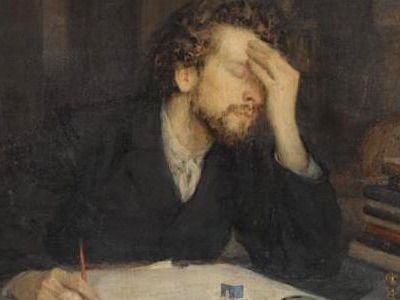
I recently had an idea for a short story I wanted to write. Everything was going fine—I even wrote the first chapter. But then… I wasn’t happy with it. I didn’t know where to go next.
Now I’m not even sure if I should write a blog. I don’t know how to start. There’s this creative block. I have ideas, but I don’t know how to begin—or if I even want to anymore.
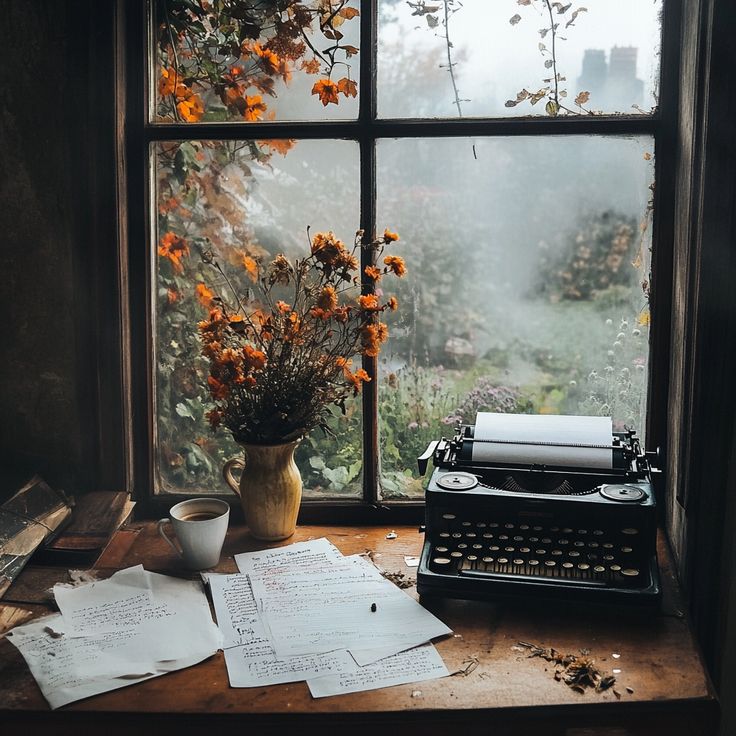
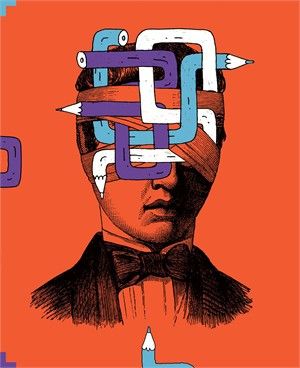
There’s something uniquely cruel about sitting in front of a blinking cursor, waiting for words that simply won’t come. A mind once bursting with imagery and plot twists now resembles a snow-covered road—quiet, empty, and directionless.
Writer’s block. We’ve all heard of it. Most of us have faced it. And yet, every time it hits, it feels brand new—like a betrayal.
So, let’s talk about it. Not with shame or frustration, but with curiosity. What is writer’s block? Is it something to fight against—or listen to? And how do we move through it without losing ourselves in the process?
What Is Writer’s Block?
Writer’s block is a non-medical condition primarily associated with writing, in which an author is either unable to produce new work or experiences a creative slowdown. Its severity ranges from struggling to come up with ideas to being unable to write for months—or even years.
But writer’s block isn’t just the absence of words. It’s the presence of doubt. Of fear. Of fatigue. Of perfectionism. And sometimes—plain old burnout.
It shows up differently for everyone:
For some, it’s not knowing how to begin.
For others, it’s being trapped halfway through a story.
And for many, it’s the terrifying thought: What if I never write again?
But here’s the truth: Writer’s block doesn’t mean you’ve lost your talent. It usually means you need a moment—to breathe, to reset, or to reconnect.
Should We Even Try to “Get Over” It?
This might sound controversial, but… sometimes, no. Not right away.
Writer’s block might be your mind’s way of asking you to slow down. Maybe you’ve been pushing too hard. Maybe you’re juggling deadlines, self-imposed pressure, or falling into the trap of comparison.
The block, then, isn’t a problem. It’s a signal.
Ask yourself:
Am I tired?
Am I afraid of failing?
Do I still love what I’m writing?
If the answer to any of these is yes, maybe the next step isn’t forcing the words out. Maybe it’s stepping back.
The most powerful writing doesn’t come from pressure. It comes from presence.
When You’re Ready to Write Again: How to Gently Start
If you’ve listened to yourself and you’re ready to return to the page—whether it’s been a few hours or a few months—here are a few ways to help the words find their way back.
1. Take the Pressure Off Write badly. Seriously. Write garbage. Write the messiest, most cliché, cringe-inducing paragraph of your life—and do it with pride. The goal isn’t brilliance. It’s momentum.
2. Change Your Scenery Sometimes, the block lives in your room. Or your desk. Or the dent in your couch. So get up. Go to a café. A library. A rooftop. A park bench. The shift in energy around you can unlock something within you.
3. Reread What You Love Return to the books that made you fall in love with writing. Let them remind you of the rhythm, the magic, the beauty of words. Not to compare—but to remember why you started.
4. Move Your Body, Clear Your Mind Writing isn’t just a mental act—it’s physical. Your brain needs oxygen. Your body needs flow. Dance. Walk. Do yoga. Take a long shower. Clarity often arrives after movement—not before.
5. Talk It Out Can’t write it? Say it. Talk to a friend. Explain the plot aloud. Vent about the block itself. Speaking engages a different part of the brain—and might just untangle your thoughts.
6. Try a Prompt or a Different Medium If your main project feels too heavy, set it aside. Write a poem. A letter to your future self. A random dialogue. Writing prompts or bite-sized creativity can reignite the spark.
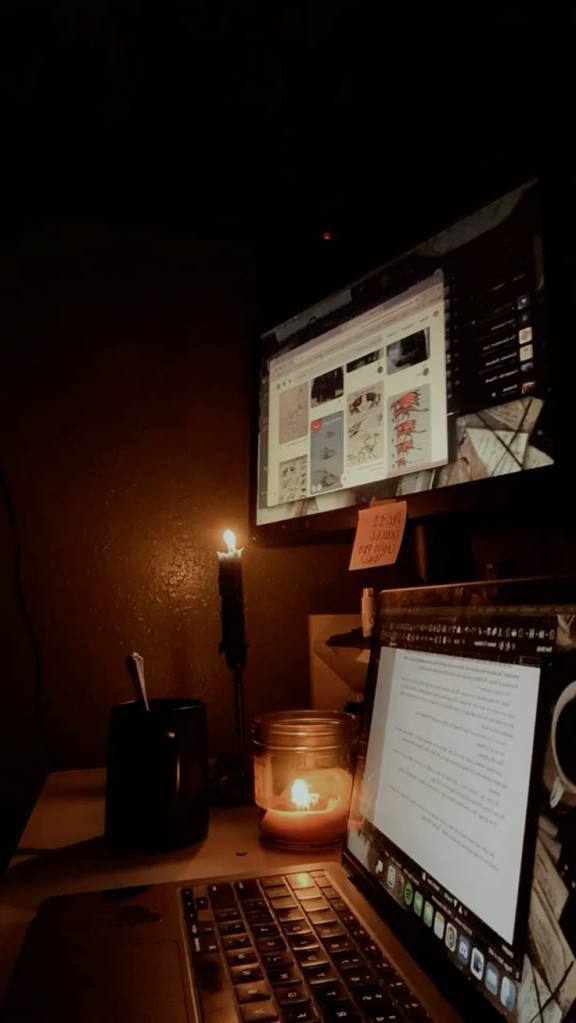
7. Create a Writing Ritual Make it something to look forward to. Light a candle. Brew your favorite tea. Play a special playlist. Turn writing into a sacred space—not a stressful one.
A Gentle Reminder: Your Worth Isn’t Measured by Productivity
One of the hardest truths for creatives to accept is this: You are still a writer—even when you’re not writing.
You’re allowed to pause. To go quiet. To feel stuck.
And you’re allowed to return. To try again. To trust that the words will come back—not because you forced them, but because they were never truly gone. Just hiding. Just waiting.
Final Thoughts: What Writer’s Block Teaches Us
In the end, writer’s block is not always an obstacle. Sometimes, it’s a teacher.
It asks us to slow down. To look inward. To reconsider how and why we write.
Maybe it’s not about “getting over” the block—but walking through it, gently.
So next time it visits, don’t panic. Don’t spiral.
Just breathe.
The story is still in you. And when it’s ready—it’ll find its way out.
Yes, I do. And also, no—I don’t. It’s a strange answer, I know. But it’s the most honest one I can give.
I wouldn’t call myself extremely religious or superstitious. Yet, I do follow my religion in ways that feel meaningful to me. Every Monday, I visit a Shiv temple. I wear a rudraksha in a chain around my neck—not as a fashion statement, but as a quiet shield, a source of peace.
Lately, though, something’s shifted. I’ve found myself deeply curious about the stories and history woven into my faith. I’ve been watching videos, reading articles, and listening to people who talk about the origins and philosophies of Hinduism. I’m planning to start reading the Bhagavad Gita—something I’ve been putting off due to work, but my curiosity has only grown stronger.
Oppenheimer’s reference to the Gita sparked something in me. It made me realize how ancient wisdom has quietly influenced some of the world’s greatest thinkers. That realization was humbling—and intriguing.
Growing up, my parents never forced religion or rituals on me or my siblings. We knew the stories of Mahabharata, Ramayan, Lord Shiva, and Vishnu. But they were more like background knowledge—just there, like the sky. Now, as an adult, I want to look up and really see the stars. I want to go deeper, understand more, and reconnect with what’s always been around me but never fully explored.
So yes, I follow religion. And no, not in the way people often expect. But I’m learning, and in that, I think I’m finding my own way.