Why Feminism Is Still Necessary – A Personal Perspective
I come from a third-world country where patriarchy isn’t a vague idea—it’s something we live and breathe every day. Here, men are not just seen as providers or protectors; they are considered the natural-born leaders of society. They are handed authority and respect by default, while women are often expected to shrink themselves to fit into roles of servitude—obedient, quiet, nurturing, and accommodating. In such a world, feminism isn’t a luxury or a Western ideology—it’s a lifeline. It’s the demand for what should already be a given: equality.
A Childhood Framed by Subtle Contradictions
Growing up as the eldest of three children, I was lucky in many ways. My family welcomed me as the firstborn daughter with love and joy. My mother recalls how thrilled everyone was at my birth. Being a girl didn’t seem to matter—until it did. When my sister was born, the excitement persisted, but the unspoken desire for a boy began to linger in conversations and glances. Eight years later, my brother arrived, and suddenly, that unspoken wish was fulfilled.
Despite the subtle gender expectations that surrounded us, my parents made a conscious effort to raise us—my sister, my brother, and me—with the same values. We were taught to be strong, curious, and self-aware. We were given the same opportunities and encouraged to express ourselves freely. I am deeply grateful to my parents for focusing on education, personal growth, and individuality rather than conforming to societal norms. But the world outside our home wasn’t always so kind.
The World Beyond Our Doorstep
As soon as I stepped out into the wider world—into school, community functions, and family gatherings—I began to notice the difference in expectations. Relatives and neighbors would remind me to “act like a girl.” That meant dressing modestly, speaking softly, smiling more, and never questioning authority. I, being naturally outspoken and strong-willed, rarely complied. I questioned everything. I challenged adults. I stood my ground even when it made others uncomfortable.
Even now, I am told that I’m “too much”—too difficult, too opinionated, too stubborn. I’ve lost count of how many times someone has asked, “How will you ever find someone to marry you?” As if a woman’s worth is ultimately measured by her marital status or ability to bear children. Why is that still the default marker of success for women?
This, right here, is why feminism matters.
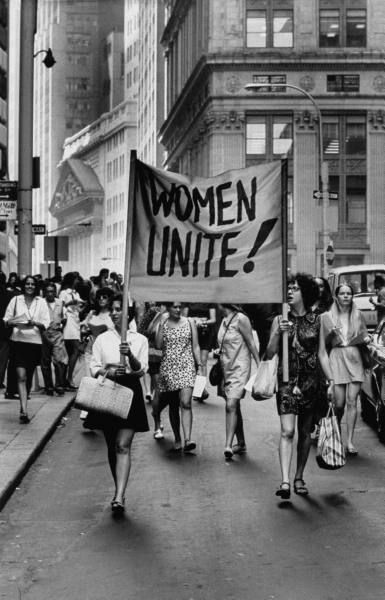
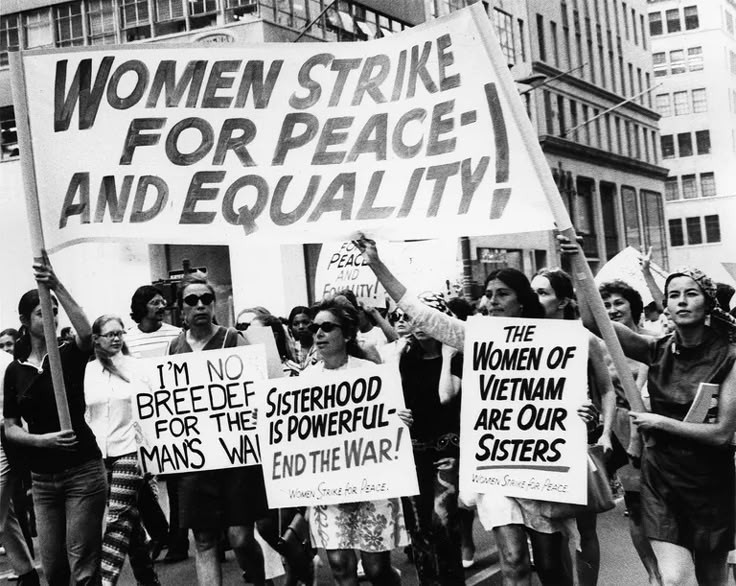
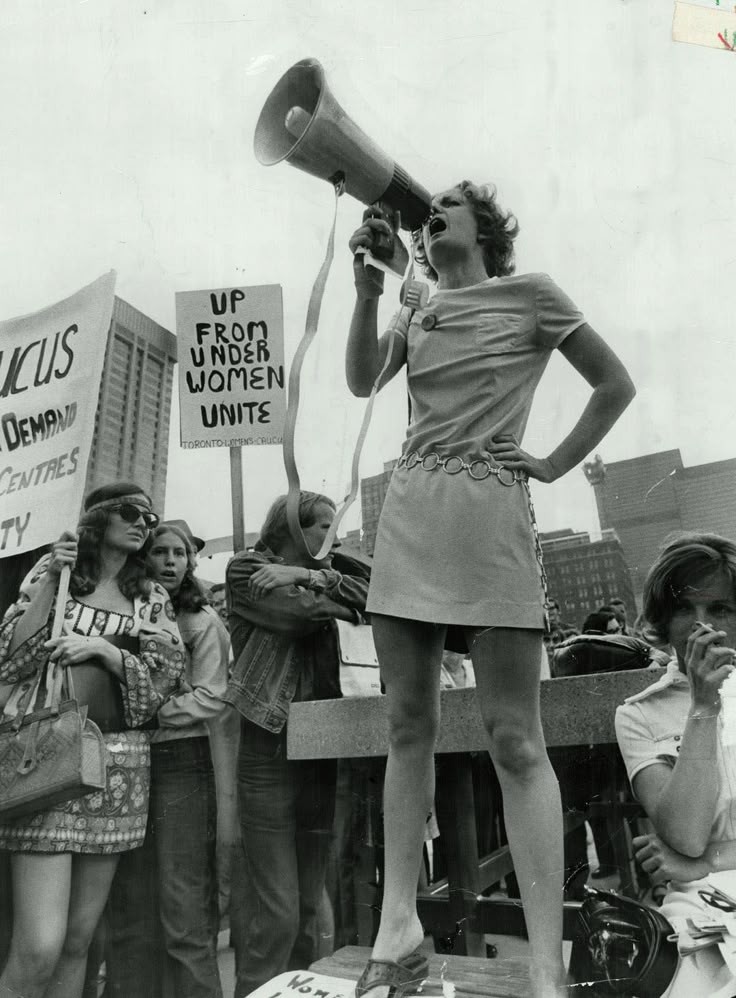
Why Feminism Is Still Necessary
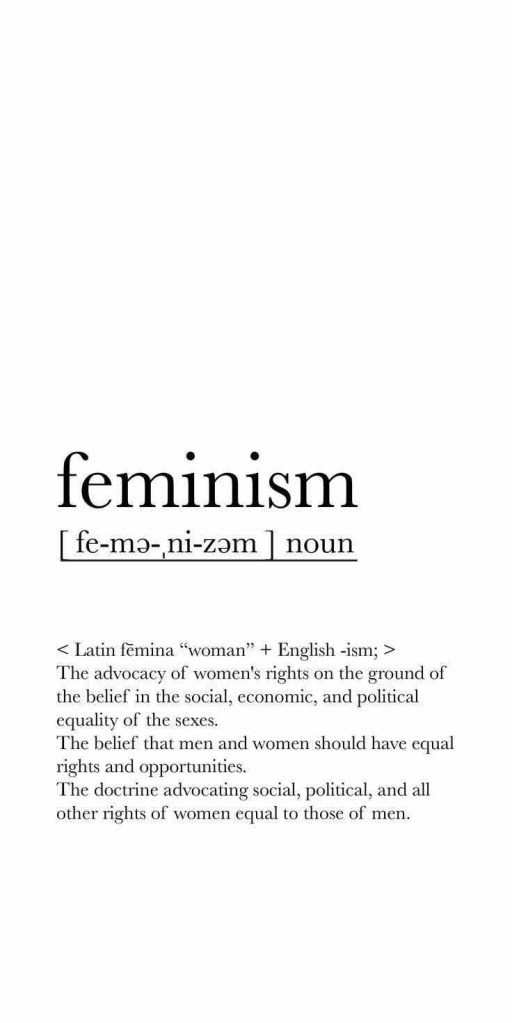
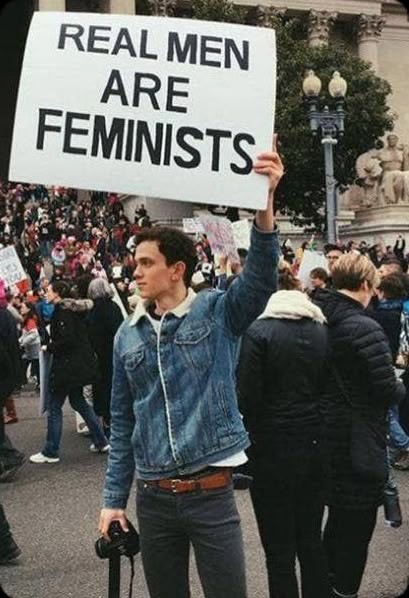
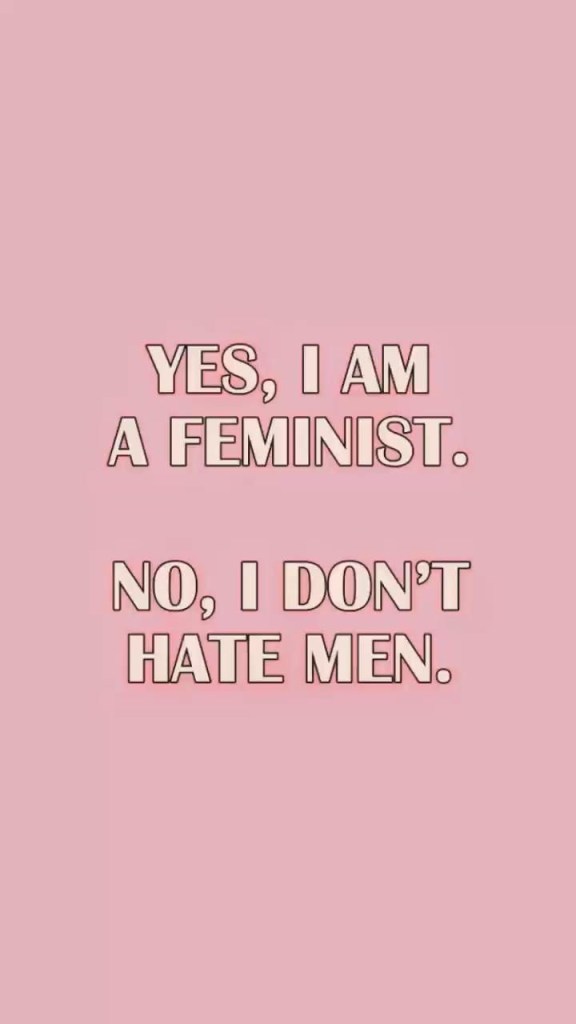
Feminism remains crucial—especially in societies where gender-based inequality is still deeply rooted in everyday life. It’s not about man-hating or female superiority. It’s about fairness. It’s about creating a world where people of all genders have equal rights, opportunities, and freedoms. Feminism is a global movement grounded in justice.
Here’s why it still matters:
It combats sexism and oppression:
Feminism calls out harmful stereotypes, policies, and social norms that limit people based on gender.
It demands equal rights: In education, employment, healthcare, and politics, women and marginalized genders still face systemic disadvantages.
It empowers women and girls : Feminism provides the tools and language for women to own their power and live life on their terms.
It challenges rigid gender norms: Men, too, benefit when they’re freed from toxic expectations like emotional suppression or aggressive dominance.
It drives social progress: From voting rights to workplace protections, nearly every legal gain for women was born out of feminist advocacy.
It acknowledges intersectionality: Feminism recognizes that gender inequality doesn’t exist in a vacuum—it’s interconnected with racism, classism, ableism, and more.
Feminism is not a trend. It’s not a phase. It’s a necessary, ongoing struggle for dignity, safety, and opportunity.
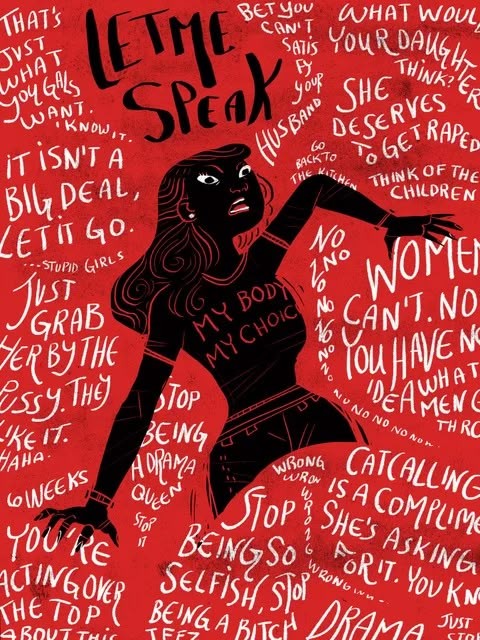
The Rise of Online Misogyny
While progress has been made, feminism today faces new and deeply troubling challenges—especially in the digital age. According to a recent UN Women report, the rise of online misogyny is pushing harmful ideologies into mainstream discourse. The report, titled “Online ‘manosphere’ is moving misogyny to the mainstream,” warns that declining democratic values and unchecked online platforms are fueling a backlash against gender equality.
This backlash threatens the hard-won victories of past generations. Laws protecting women from domestic violence, workplace discrimination, and harassment are at risk of being undermined. The internet has become fertile ground for hate speech, misinformation, and harassment—often targeting women who dare to speak up.
The report also notes that in a quarter of countries surveyed, there is active resistance to gender equality. And while legal and policy reforms are still being pushed forward, the fragile foundation of progress makes it all too easy for rights to be rolled back.
The Problem with Pseudo-Feminism
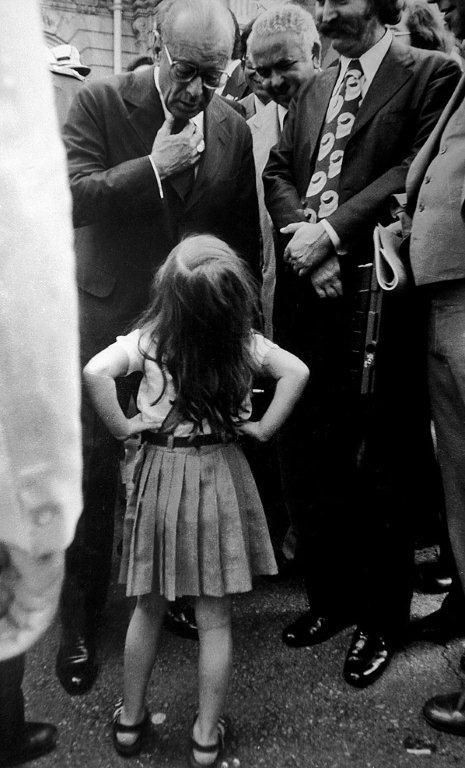
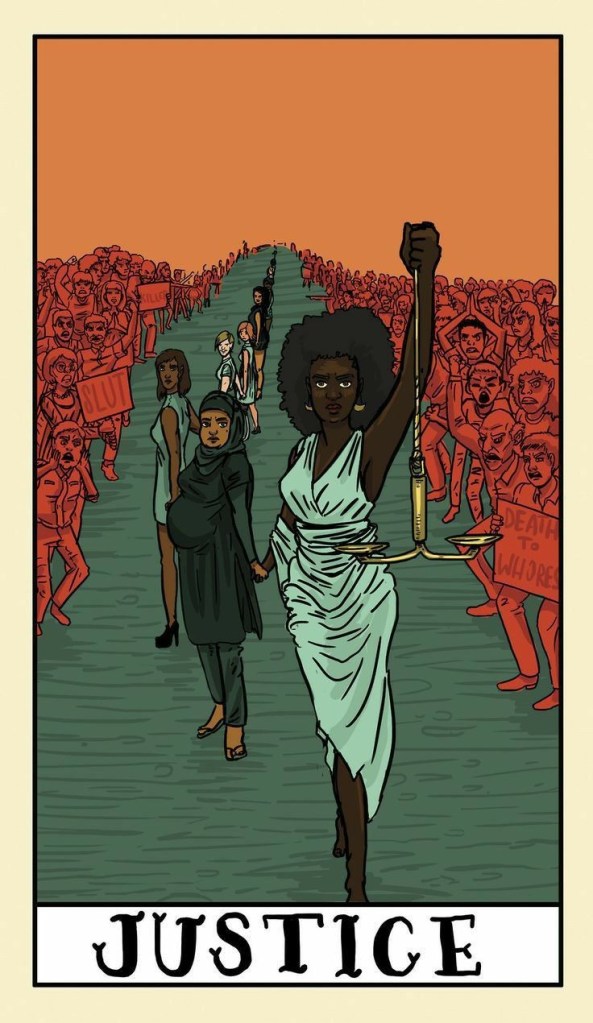
As if these challenges weren’t enough, feminism is also being misrepresented from within—by pseudo-feminism.Pseudo-feminists adopt the language of feminism but twist its purpose. They may promote a one-sided narrative, ignore individual choice, or even express outright disdain for men. This distorted view shifts feminism from a movement for equality to one of superiority or exclusion.
Here’s how to tell the difference:
Feminism is about equality; pseudo-feminism is about dominance.
Feminism uplifts both women and men; pseudo-feminism often disregards or demonizes men.
Feminism acknowledges biological and psychological differences without using them to justify inequality; pseudo-feminism often denies these differences altogether.
Feminism invites collaboration; pseudo-feminism isolates and polarizes.
Feminism aims for fairness; pseudo-feminism can become a tool for control or self-interest.
This extremist mindset can easily slip into misandry—the hatred or prejudice against men—which is not and has never been a tenet of true feminism. Misandry undermines the very values feminism stands for: respect, justice, and unity.
Feminism vs. Misandry vs. Pseudo-Feminism
To clarify:
Feminism: Advocates for equal rights, dignity, and opportunity for all genders.
Misandry: Prejudice or hatred against men.
Pseudo-feminism: A distorted version of feminism that promotes bias or superiority rather than equality.
True feminism is about inclusion. It seeks to recognize and address the unique challenges that all people—men, women, and non-binary individuals—face due to outdated systems of power and inequality. It is not about flipping the scales, but about balancing them.
Let’s Stand Together
We need to end the illusion that feminism is a gender war. It’s not men versus women. It’s not tradition versus modernity. Feminism is a collective call for fairness, opportunity, and humanity. It’s a reminder that in 2025, girls are still being denied education, women are still being told to stay silent, and people of all genders are still being boxed into outdated roles.
As someone who has grown up straddling tradition and progress, I see more clearly than ever: feminism is still a necessity. It is not a Western import. It is not an attack on culture. It is a movement that says we all deserve a life of dignity—free from fear, judgment, and suppression.
So let’s keep questioning. Let’s keep growing. Let’s challenge what no longer serves us. And most of all, let’s support one another in building a more compassionate, just world—together.
Feminism needs all of us.
Tell me your thoughts below 👇🏻

 Ladyink with love
Leave a reply to Joshx45 Cancel reply