The Meme-ification of Crime: Where Morality Slips Through the Cracks
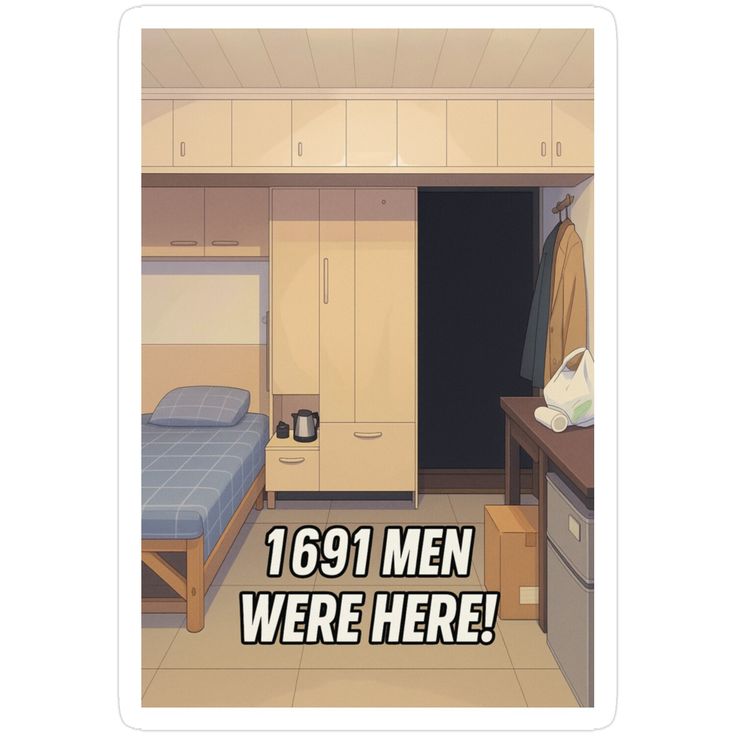
Just recently, I came across the case of Uncle Red (also called Sister Hong) in Nanjing, China. A man disguised himself as a woman, lured men into intimate encounters, secretly recorded them, and shared everything online.
When I first read about it, I was shocked. Then I watched a breakdown of the case by Stephanie Soo. She didn’t just unpack the crime—she pointed out how the memes were making more noise than the crime itself. People weren’t just processing the story. They were joking about it.
And it reminded me of another situation: the whole “baby oil Diddy” scandal. Again, people took a horrifying allegation and turned it into punchlines.
Why do we do this? Why is our first reflex to laugh?
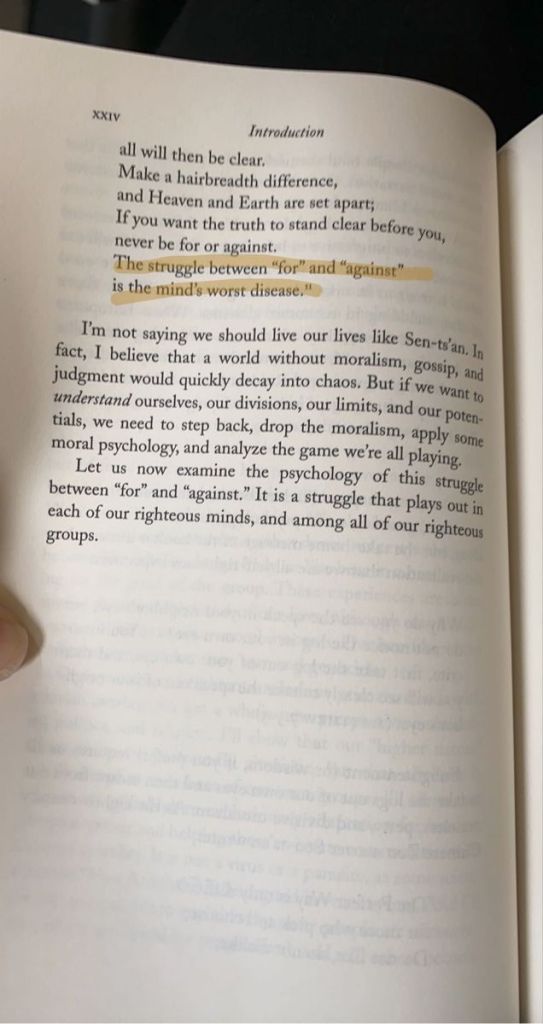
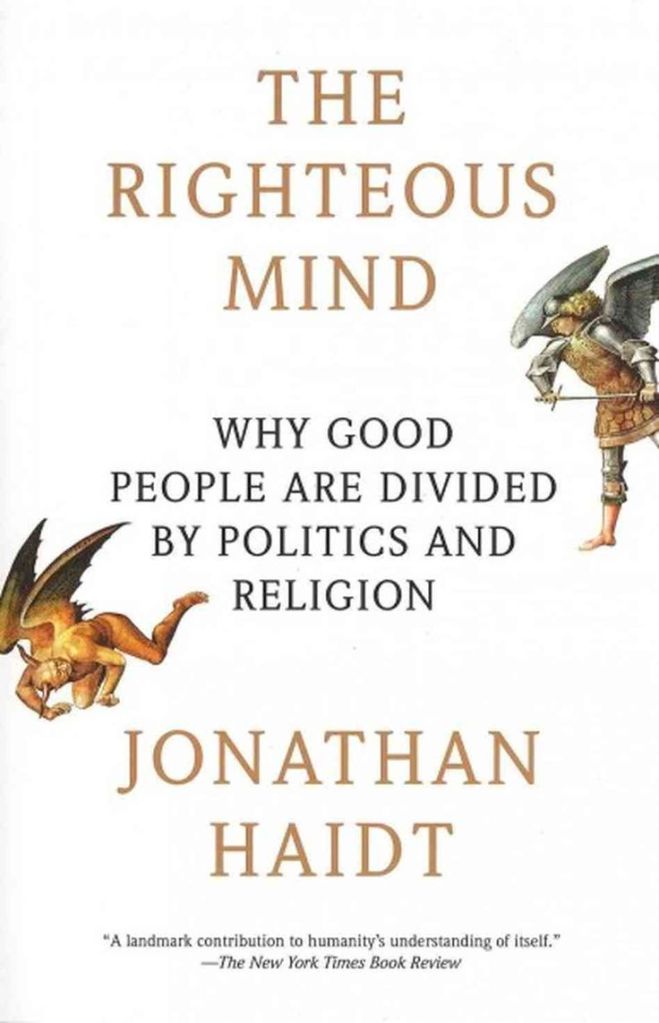
Stephanie also mentioned Jonathan Haidt’s The Righteous Mind: Why Good People Are Divided by Politics and Religion.
It’s a book that explores why morality feels so personal and yet so divided across groups. Haidt explains that morality isn’t one-size-fits-all—it’s rooted in psychological “taste buds” like care, loyalty, authority, and fairness. Depending on how you rank those values, you’ll see the same event very differently.
And that’s when I started asking: what are morals, really?
🤔What Are Morals, Really?
Morals are the principles we use to tell right from wrong. They’re not fixed laws; they’re flexible, shaped by culture, religion, upbringing, and personal experience. They act like an internal compass—sometimes pointing clearly north, sometimes spinning under the influence of the group around us.
At their core, morals are both survival tools and social glue.
Biologically: Early humans who shared, cooperated, and punished cheaters survived better than loners. Over time, instincts like fairness and empathy became hardwired.
Psychologically: We’re wired to feel guilt, shame, pride, and compassion. Those emotions steer our behavior toward keeping the group stable.
Culturally: Societies codify these instincts into norms, traditions, or laws—what’s “sacred” in one place might be trivial in another.
Identity-wise: Morals become part of who we are. They signal which tribe we belong to, what values we protect, and what boundaries we refuse to cross.
Without morals, no society could function. They keep us from living in chaos. But here’s the paradox: the same morals that bind one group together can also divide them from others.


👀Are Morals Really Necessary?
Yes—because they stop us from tearing each other apart. Laws punish after harm, but morals often stop harm before it happens. If you don’t steal because you’d feel guilty or ashamed, that’s morality doing its job.
But morals aren’t universal. One culture may prize freedom at all costs, another may prioritize obedience to authority. Both systems “work” for cohesion within that group. The tension arises when those different moral systems collide.
This is what Haidt highlights: morals unite, but they also polarize. They’re necessary, but they’re messy.
🗣️The Joke Problem : So what happens when morality meets meme culture?
When people turn a crime like Uncle Red into a meme, there’s a chilling disconnect: the victims’ trauma becomes everyone else’s entertainment.
The internet thrives on the bizarre. A man in a wig and red lipstick secretly filming hundreds of men feels like something out of a dark comedy script. That absurdity makes it easy to laugh at. But absurd doesn’t mean harmless. The victims didn’t consent. Their dignity and privacy were shattered. Seeing their humiliation reduced to a joke online adds another layer of harm.
And the same thing played out in the Diddy “baby oil” scandal. People latched onto the strangest detail—the oil—and built an entire comedy reel around it, while the actual allegations of abuse and exploitation got pushed to the background.
What gets erased in both cases? The victims. They vanish from the story. The accused becomes the spectacle, the memes spread, and the real harm gets buried under hashtags.

🔎Haidt’s Lens: Where Does This Stand?
Through Haidt’s framework, this is a perfect example of how morality bends in context.
Care/Harm: Joking about abuse dismisses victims’ suffering. But online distance makes it easy to ignore harm.
Loyalty/Ingroup: Sharing memes signals loyalty to your online “tribe.” You’re part of the trend, part of the in-joke.
Authority/Respect: Traditional norms about respecting victims or courts get eroded in digital spaces where irreverence rules.
Sanctity/Degradation: For some, the memes feel like “moral pollution,” crossing boundaries that should remain serious.
People aren’t carefully reasoning through this. They’re reacting with moral intuitions shaped by their group. On Twitter, Douyin, or TikTok, it feels right to laugh, because everyone else is laughing. Offline, those same people might say mocking victims is cruel.
That’s the real danger: morality isn’t absent here—it’s hijacked by group dynamics and the dopamine rush of virality.

💕Conclusion
The meme-ification of crimes like Uncle Red and the Baby Oil scandal shows us something uncomfortable: our morals are shakier than we think.
On the surface, jokes seem harmless—just a way to cope, to laugh at the absurd. But beneath that, they trivialize suffering and desensitize us to harm. They turn victims into background characters while elevating abusers into cultural punchlines.
Haidt would say this doesn’t mean people have “no morals.” It means different moral instincts are at war. The instinct to bond with your group and keep up with the trend can overpower the instinct to care for victims. The internet amplifies this imbalance until cruelty becomes content.
So are these memes morally wrong? Yes. Not because humor is evil, but because in these cases, humor tramples over human dignity. They reveal how fragile our empathy can be when laughter feels more rewarding than compassion.
And maybe that’s the final takeaway: morality isn’t just what we do when it’s easy—it’s how we respond when the world serves us a moment that’s absurd and tragic. Do we laugh, scroll, and share? Or do we pause long enough to remember there are real people behind the headline?
Let me know your thoughts below 👇🏻💕
 Ladyink with love