Tag: politics

  • Are We Laughing or Dehumanizing? The Morality of Internet Humor

    The Meme-ification of Crime: Where Morality Slips Through the Cracks

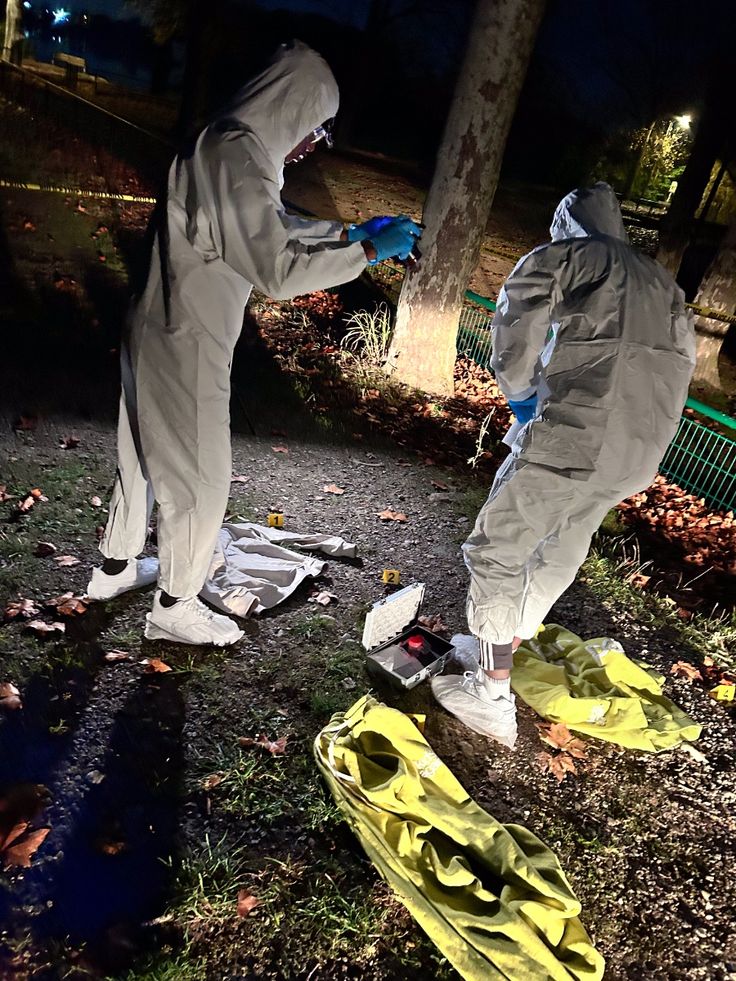
    Just recently, I came across the case of Uncle Red (also called Sister Hong) in Nanjing, China. A man disguised himself as a woman, lured men into intimate encounters, secretly recorded them, and shared everything online.

    When I first read about it, I was shocked. Then I watched a breakdown of the case by Stephanie Soo. She didn’t just unpack the crime—she pointed out how the memes were making more noise than the crime itself. People weren’t just processing the story. They were joking about it.

    And it reminded me of another situation: the whole “baby oil Diddy” scandal. Again, people took a horrifying allegation and turned it into punchlines.

    Why do we do this? Why is our first reflex to laugh?

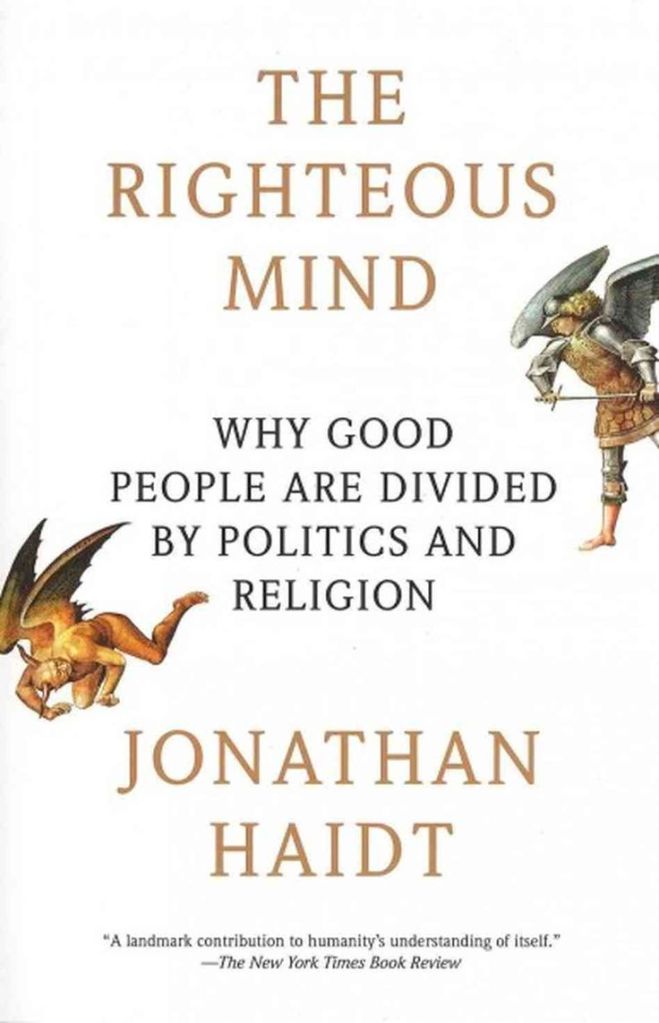
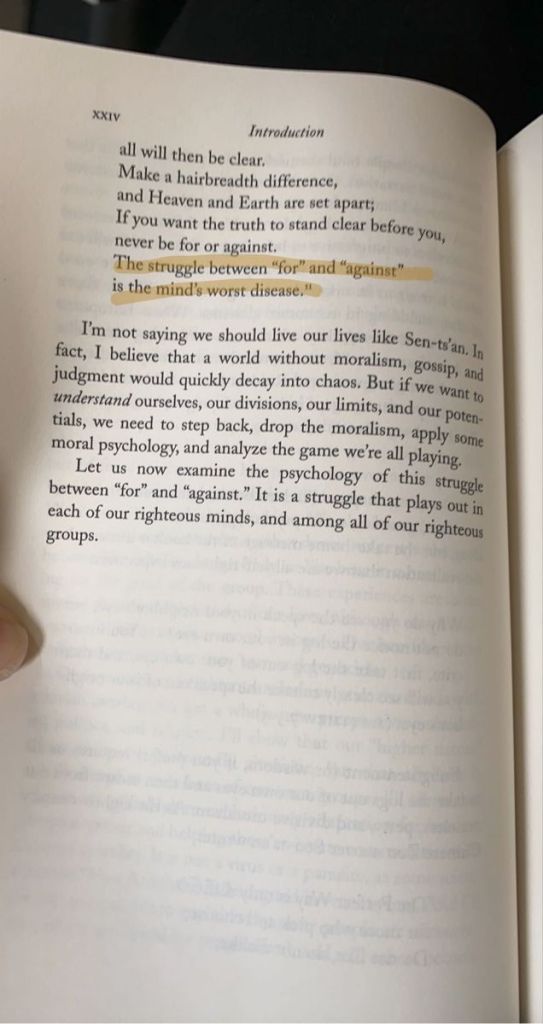
    Stephanie also mentioned Jonathan Haidt’s The Righteous Mind: Why Good People Are Divided by Politics and Religion.

    It’s a book that explores why morality feels so personal and yet so divided across groups. Haidt explains that morality isn’t one-size-fits-all—it’s rooted in psychological “taste buds” like care, loyalty, authority, and fairness. Depending on how you rank those values, you’ll see the same event very differently.

    And that’s when I started asking: what are morals, really?
    🤔What Are Morals, Really?

    Morals are the principles we use to tell right from wrong. They’re not fixed laws; they’re flexible, shaped by culture, religion, upbringing, and personal experience. They act like an internal compass—sometimes pointing clearly north, sometimes spinning under the influence of the group around us.

    At their core, morals are both survival tools and social glue.

    Biologically: Early humans who shared, cooperated, and punished cheaters survived better than loners. Over time, instincts like fairness and empathy became hardwired.

    Psychologically: We’re wired to feel guilt, shame, pride, and compassion. Those emotions steer our behavior toward keeping the group stable.

    Culturally: Societies codify these instincts into norms, traditions, or laws—what’s “sacred” in one place might be trivial in another.

    Identity-wise: Morals become part of who we are. They signal which tribe we belong to, what values we protect, and what boundaries we refuse to cross.

    Without morals, no society could function. They keep us from living in chaos. But here’s the paradox: the same morals that bind one group together can also divide them from others.

    👀Are Morals Really Necessary?

    Yes—because they stop us from tearing each other apart. Laws punish after harm, but morals often stop harm before it happens. If you don’t steal because you’d feel guilty or ashamed, that’s morality doing its job.

    But morals aren’t universal. One culture may prize freedom at all costs, another may prioritize obedience to authority. Both systems “work” for cohesion within that group. The tension arises when those different moral systems collide.

    This is what Haidt highlights: morals unite, but they also polarize. They’re necessary, but they’re messy.

    🗣️The Joke Problem : So what happens when morality meets meme culture?

    When people turn a crime like Uncle Red into a meme, there’s a chilling disconnect: the victims’ trauma becomes everyone else’s entertainment.

    The internet thrives on the bizarre. A man in a wig and red lipstick secretly filming hundreds of men feels like something out of a dark comedy script. That absurdity makes it easy to laugh at. But absurd doesn’t mean harmless. The victims didn’t consent. Their dignity and privacy were shattered. Seeing their humiliation reduced to a joke online adds another layer of harm.

    And the same thing played out in the Diddy “baby oil” scandal. People latched onto the strangest detail—the oil—and built an entire comedy reel around it, while the actual allegations of abuse and exploitation got pushed to the background.

    What gets erased in both cases? The victims. They vanish from the story. The accused becomes the spectacle, the memes spread, and the real harm gets buried under hashtags.

    🔎Haidt’s Lens: Where Does This Stand?

    Through Haidt’s framework, this is a perfect example of how morality bends in context.

    Care/Harm: Joking about abuse dismisses victims’ suffering. But online distance makes it easy to ignore harm.

    Loyalty/Ingroup: Sharing memes signals loyalty to your online “tribe.” You’re part of the trend, part of the in-joke.

    Authority/Respect: Traditional norms about respecting victims or courts get eroded in digital spaces where irreverence rules.

    Sanctity/Degradation: For some, the memes feel like “moral pollution,” crossing boundaries that should remain serious.

    People aren’t carefully reasoning through this. They’re reacting with moral intuitions shaped by their group. On Twitter, Douyin, or TikTok, it feels right to laugh, because everyone else is laughing. Offline, those same people might say mocking victims is cruel.

    That’s the real danger: morality isn’t absent here—it’s hijacked by group dynamics and the dopamine rush of virality.

    💕Conclusion

    The meme-ification of crimes like Uncle Red and the Baby Oil scandal shows us something uncomfortable: our morals are shakier than we think.

    On the surface, jokes seem harmless—just a way to cope, to laugh at the absurd. But beneath that, they trivialize suffering and desensitize us to harm. They turn victims into background characters while elevating abusers into cultural punchlines.

    Haidt would say this doesn’t mean people have “no morals.” It means different moral instincts are at war. The instinct to bond with your group and keep up with the trend can overpower the instinct to care for victims. The internet amplifies this imbalance until cruelty becomes content.

    So are these memes morally wrong? Yes. Not because humor is evil, but because in these cases, humor tramples over human dignity. They reveal how fragile our empathy can be when laughter feels more rewarding than compassion.

    And maybe that’s the final takeaway: morality isn’t just what we do when it’s easy—it’s how we respond when the world serves us a moment that’s absurd and tragic. Do we laugh, scroll, and share? Or do we pause long enough to remember there are real people behind the headline?

    Let me know your thoughts below 👇🏻💕

  • The Fight for Feminism: Confronting the Rise of Misogyny and Pseudo-Feminism—and Why It’s a Threat to Women Everywhere

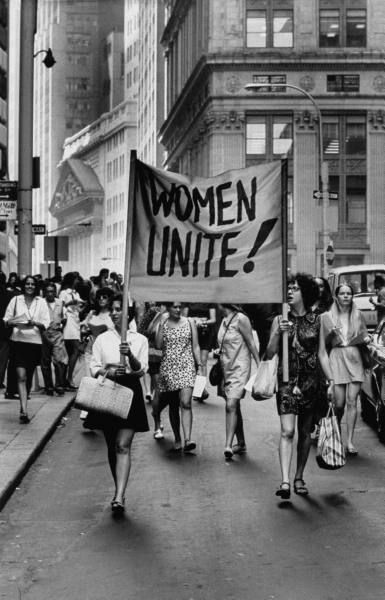
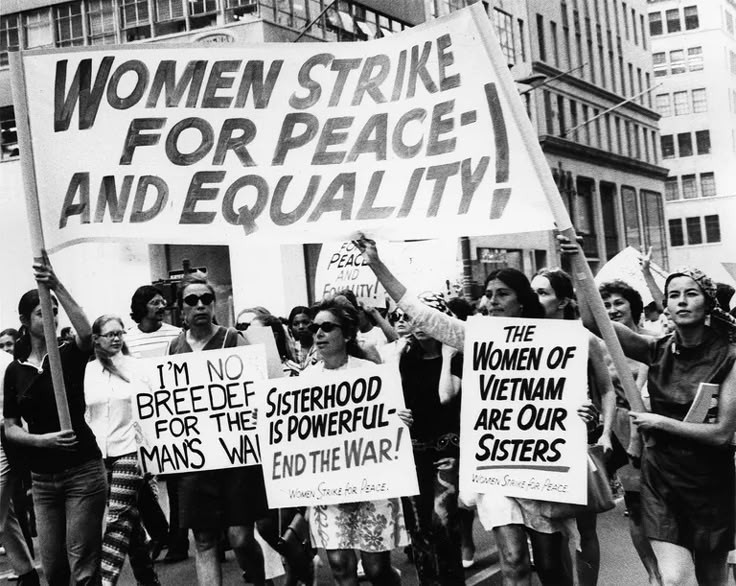
    Why Feminism Is Still Necessary – A Personal Perspective

    I come from a third-world country where patriarchy isn’t a vague idea—it’s something we live and breathe every day. Here, men are not just seen as providers or protectors; they are considered the natural-born leaders of society. They are handed authority and respect by default, while women are often expected to shrink themselves to fit into roles of servitude—obedient, quiet, nurturing, and accommodating. In such a world, feminism isn’t a luxury or a Western ideology—it’s a lifeline. It’s the demand for what should already be a given: equality.

    A Childhood Framed by Subtle Contradictions

    Growing up as the eldest of three children, I was lucky in many ways. My family welcomed me as the firstborn daughter with love and joy. My mother recalls how thrilled everyone was at my birth. Being a girl didn’t seem to matter—until it did. When my sister was born, the excitement persisted, but the unspoken desire for a boy began to linger in conversations and glances. Eight years later, my brother arrived, and suddenly, that unspoken wish was fulfilled.

    Despite the subtle gender expectations that surrounded us, my parents made a conscious effort to raise us—my sister, my brother, and me—with the same values. We were taught to be strong, curious, and self-aware. We were given the same opportunities and encouraged to express ourselves freely. I am deeply grateful to my parents for focusing on education, personal growth, and individuality rather than conforming to societal norms. But the world outside our home wasn’t always so kind.

    The World Beyond Our Doorstep

    As soon as I stepped out into the wider world—into school, community functions, and family gatherings—I began to notice the difference in expectations. Relatives and neighbors would remind me to “act like a girl.” That meant dressing modestly, speaking softly, smiling more, and never questioning authority. I, being naturally outspoken and strong-willed, rarely complied. I questioned everything. I challenged adults. I stood my ground even when it made others uncomfortable.

    Even now, I am told that I’m “too much”—too difficult, too opinionated, too stubborn. I’ve lost count of how many times someone has asked, “How will you ever find someone to marry you?” As if a woman’s worth is ultimately measured by her marital status or ability to bear children. Why is that still the default marker of success for women?

    This, right here, is why feminism matters.

    Why Feminism Is Still Necessary

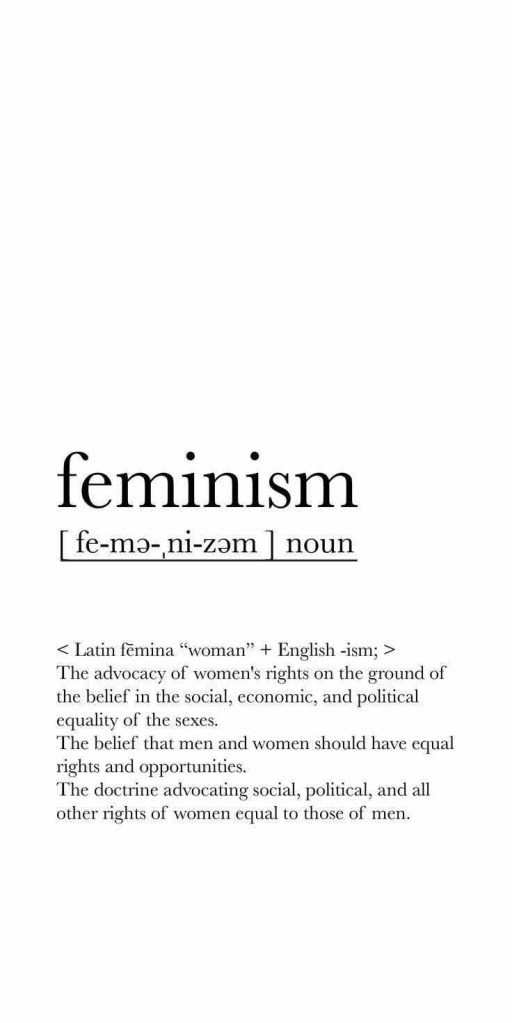
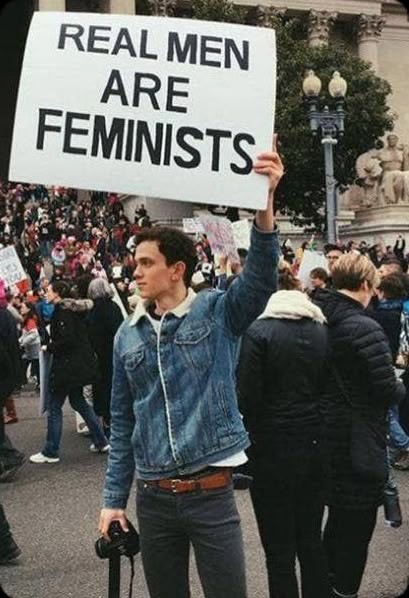
    Feminism remains crucial—especially in societies where gender-based inequality is still deeply rooted in everyday life. It’s not about man-hating or female superiority. It’s about fairness. It’s about creating a world where people of all genders have equal rights, opportunities, and freedoms. Feminism is a global movement grounded in justice.

    Here’s why it still matters:

    It combats sexism and oppression:

    Feminism calls out harmful stereotypes, policies, and social norms that limit people based on gender.

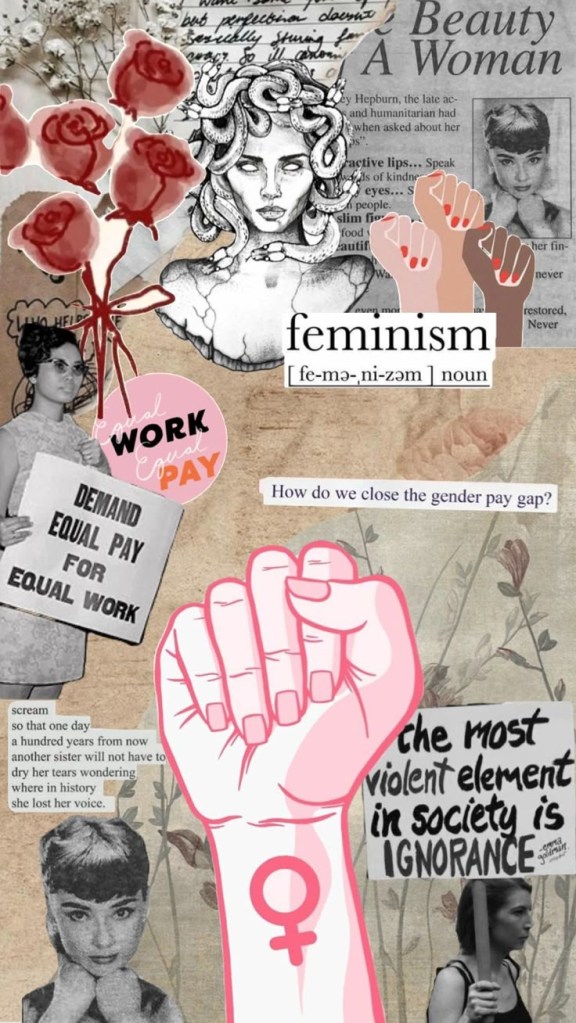
    It demands equal rights: In education, employment, healthcare, and politics, women and marginalized genders still face systemic disadvantages.

    It empowers women and girls : Feminism provides the tools and language for women to own their power and live life on their terms.

    It challenges rigid gender norms: Men, too, benefit when they’re freed from toxic expectations like emotional suppression or aggressive dominance.

    It drives social progress: From voting rights to workplace protections, nearly every legal gain for women was born out of feminist advocacy.

    It acknowledges intersectionality: Feminism recognizes that gender inequality doesn’t exist in a vacuum—it’s interconnected with racism, classism, ableism, and more.

    Feminism is not a trend. It’s not a phase. It’s a necessary, ongoing struggle for dignity, safety, and opportunity.

    The Rise of Online Misogyny

    While progress has been made, feminism today faces new and deeply troubling challenges—especially in the digital age. According to a recent UN Women report, the rise of online misogyny is pushing harmful ideologies into mainstream discourse. The report, titled “Online ‘manosphere’ is moving misogyny to the mainstream,” warns that declining democratic values and unchecked online platforms are fueling a backlash against gender equality.

    This backlash threatens the hard-won victories of past generations. Laws protecting women from domestic violence, workplace discrimination, and harassment are at risk of being undermined. The internet has become fertile ground for hate speech, misinformation, and harassment—often targeting women who dare to speak up.

    The report also notes that in a quarter of countries surveyed, there is active resistance to gender equality. And while legal and policy reforms are still being pushed forward, the fragile foundation of progress makes it all too easy for rights to be rolled back.

    The Problem with Pseudo-Feminism

    As if these challenges weren’t enough, feminism is also being misrepresented from within—by pseudo-feminism.Pseudo-feminists adopt the language of feminism but twist its purpose. They may promote a one-sided narrative, ignore individual choice, or even express outright disdain for men. This distorted view shifts feminism from a movement for equality to one of superiority or exclusion.

    Here’s how to tell the difference:

    Feminism is about equality; pseudo-feminism is about dominance.

    Feminism uplifts both women and men; pseudo-feminism often disregards or demonizes men.

    Feminism acknowledges biological and psychological differences without using them to justify inequality; pseudo-feminism often denies these differences altogether.

    Feminism invites collaboration; pseudo-feminism isolates and polarizes.

    Feminism aims for fairness; pseudo-feminism can become a tool for control or self-interest.

    This extremist mindset can easily slip into misandry—the hatred or prejudice against men—which is not and has never been a tenet of true feminism. Misandry undermines the very values feminism stands for: respect, justice, and unity.

    Feminism vs. Misandry vs. Pseudo-Feminism

    To clarify:

    Feminism: Advocates for equal rights, dignity, and opportunity for all genders.

    Misandry: Prejudice or hatred against men.

    Pseudo-feminism: A distorted version of feminism that promotes bias or superiority rather than equality.

    True feminism is about inclusion. It seeks to recognize and address the unique challenges that all people—men, women, and non-binary individuals—face due to outdated systems of power and inequality. It is not about flipping the scales, but about balancing them.

    Let’s Stand Together

    We need to end the illusion that feminism is a gender war. It’s not men versus women. It’s not tradition versus modernity. Feminism is a collective call for fairness, opportunity, and humanity. It’s a reminder that in 2025, girls are still being denied education, women are still being told to stay silent, and people of all genders are still being boxed into outdated roles.

    As someone who has grown up straddling tradition and progress, I see more clearly than ever: feminism is still a necessity. It is not a Western import. It is not an attack on culture. It is a movement that says we all deserve a life of dignity—free from fear, judgment, and suppression.

    So let’s keep questioning. Let’s keep growing. Let’s challenge what no longer serves us. And most of all, let’s support one another in building a more compassionate, just world—together.

    Feminism needs all of us.

    Tell me your thoughts below 👇🏻


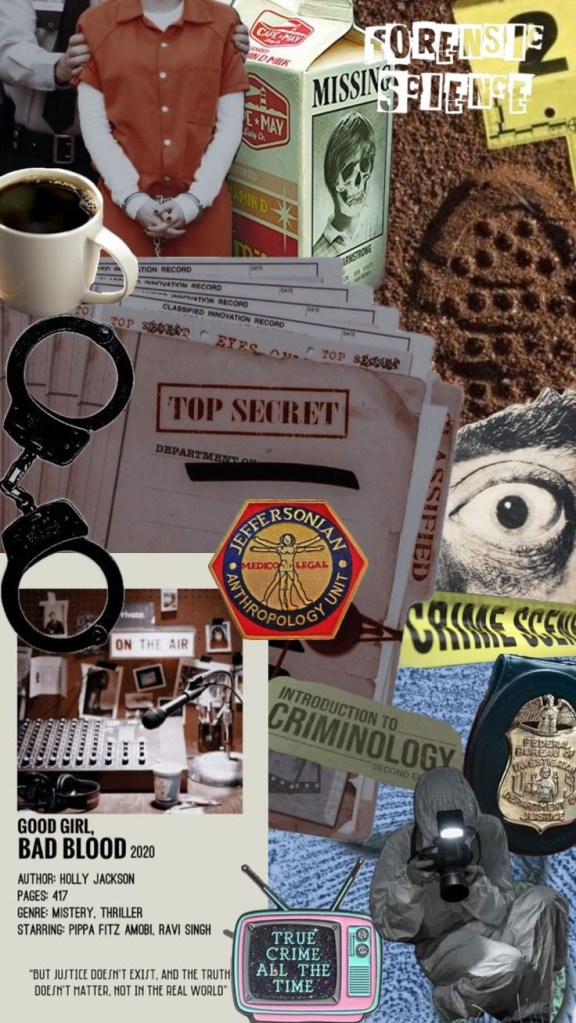
  • Women, Crime, and the Thrill of the Unknown — Why We Can’t Stop Watching?

    When I was a child I used to watch this show called “crime patrol”. It was a show that would show real-life crime cases from across India.

    I would watch it every night with my family, as it helped raise awareness about crimes.

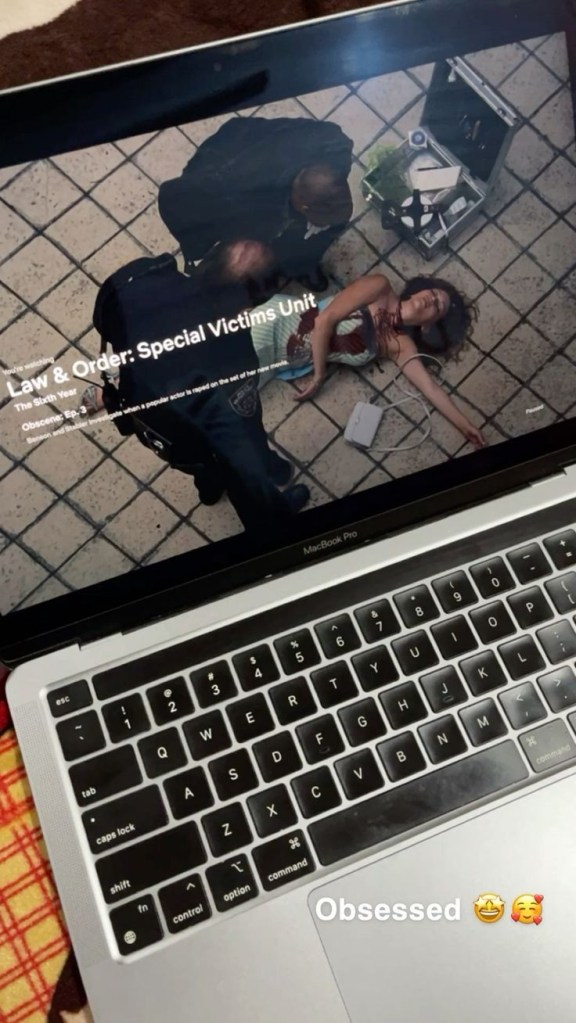
    And now that I am grown I watch a lot of crime shows and documentaries and even Youtubers who report crimes across the world. This made me think why exactly do I find these things so fascinating?

    I have talked to women in my friends and family and they also watch and find crime shows and documentaries fascinating.

    This made me research about this more and I realised that a lot of women in the world find it fascinating. The fascination many women have with crime shows and documentaries has been widely discussed and studied.

    But what is it about crime shows that keep us glued to the screen? Is it the drama, the mystery, or something deeper?

    Here’s a breakdown of possible reasons and what can be concluded from this interest:

    It helps women understand the threats a lot. Many crime shows depict the real-life dangers, such as stalking, abuse, or violent crime. This can be a way to understand and recognise the potential threats and it also helps in learning how to avoid or handle dangerous situations.

    Women are more empathetic and their empathy leads to feel deeply connected to the victims portrayed in these stories. This leads to women seeking justice for the victims and are drawn to narratives where justice is served, as this provides emotional closure. This empathy might also lead to a desire to prevent similar situations from happening in real life.

    Women have a problem-solving tendencies and crime shows often delve into the psychology of criminals and the investigative process. Women may enjoy the intellectual challenge of piecing together clues and understanding human behavior. That can mentally stimulate people in psychological perspective.

    Watching crime stories from the safety of your own homes might help in confronting fears about violence in a controlled environment.  Making them feel a lot more safer and allowing them to process these anxieties without real-world risk.

    Media has historically targeted women with true crime content, often marketed as both thrilling and informative. The narrative of questioning women victims making women sympathic towards the victims. This has created a cycle where the audience and industry reinforce each other.

    Crime shows can empower women by offering insights into patterns of criminal behavior and tools for personal safety.

    While women may disproportionately engage with crime media, the genre reflects universal human curiosity about morality, justice, and the darker aspects of human nature.

    In the end, crime media invites us to explore not just the darkness of human nature,like violence against women, the complexities of justice systems. but also our own relationship with justice and safety in the world.

    Do you think this resonates with why women (or people in general) are drawn to crime media?

    If you enjoyed this post, please subscribe to my blog for more updates as I share my blogging journey. Or, leave a comment below to tell me what tips you have for a new blogger like me!

    Good Day Lovelies!! 💞