But don’t get it twisted—I don’t mean I sit around plotting revenge or crying into my Chai. I’m not building a shrine to the past. I’m too busy for all that stupidity.
The thing is, I don’t forgive, and I don’t forget. But I do move on.
If you crossed me once, I won’t drag it around like baggage, I would just graceful collect myself and get out of there. But I also won’t hit reset like nothing happened. You showed me who you are, and I believed you. Lesson learned, chapter closed, next.
Forgiveness might be “holy,” but memory? Memory is power. It’s how I keep my peace, protect my energy, and never get burned twice. I am not looking to be holy or anything like that.
So yes, I hold grudges—but not like an anchor.
More like a mental sticky note: Do not repeat. And honestly? That’s just smart business.
The Meme-ification of Crime: Where Morality Slips Through the Cracks
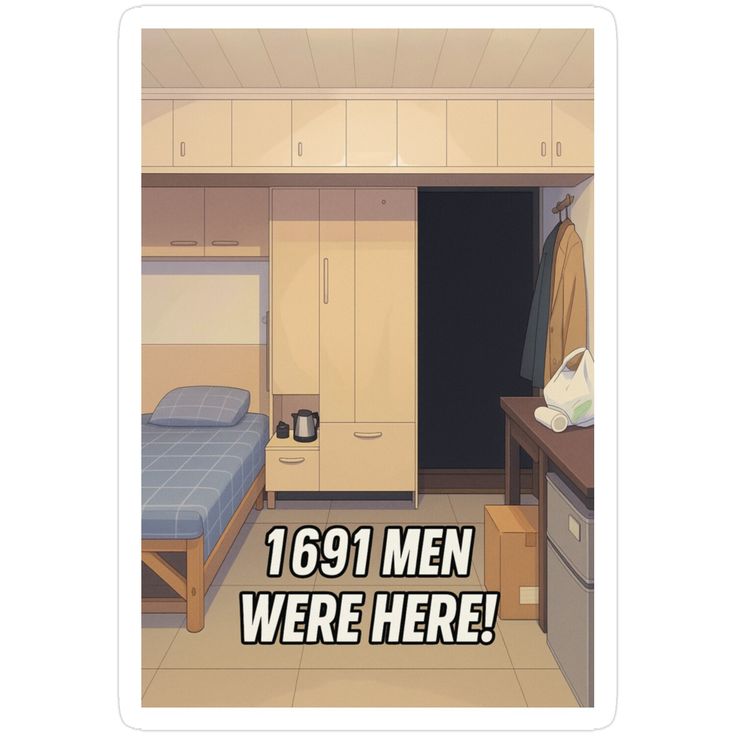
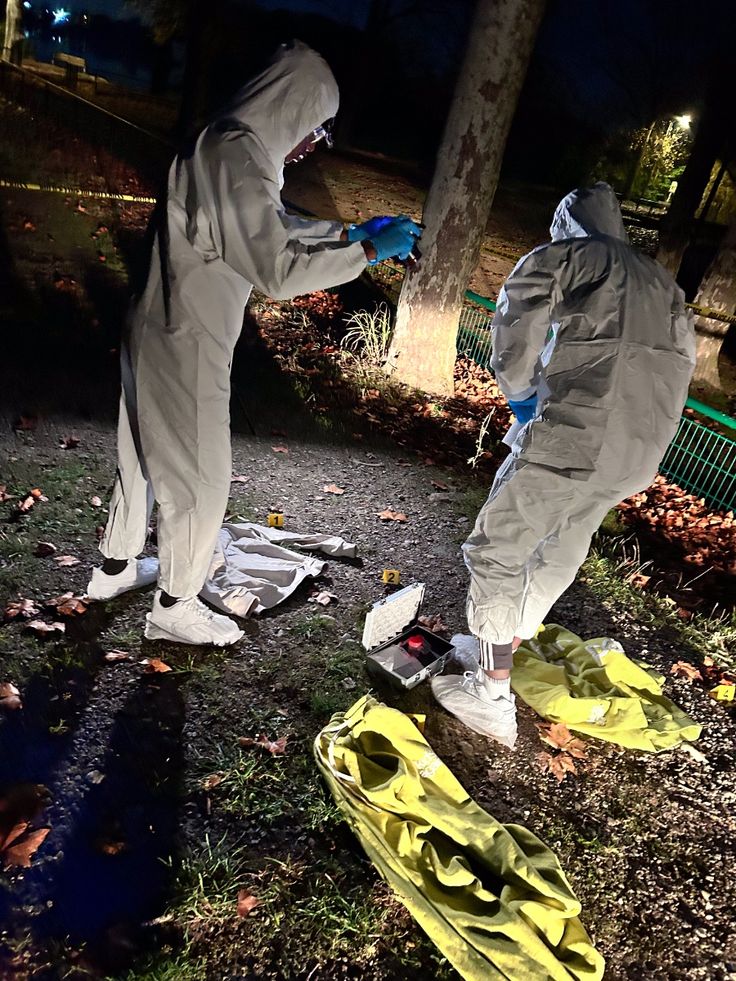
Just recently, I came across the case of Uncle Red (also called Sister Hong) in Nanjing, China. A man disguised himself as a woman, lured men into intimate encounters, secretly recorded them, and shared everything online.
When I first read about it, I was shocked. Then I watched a breakdown of the case by Stephanie Soo. She didn’t just unpack the crime—she pointed out how the memes were making more noise than the crime itself. People weren’t just processing the story. They were joking about it.
And it reminded me of another situation: the whole “baby oil Diddy” scandal. Again, people took a horrifying allegation and turned it into punchlines.
Why do we do this? Why is our first reflex to laugh?
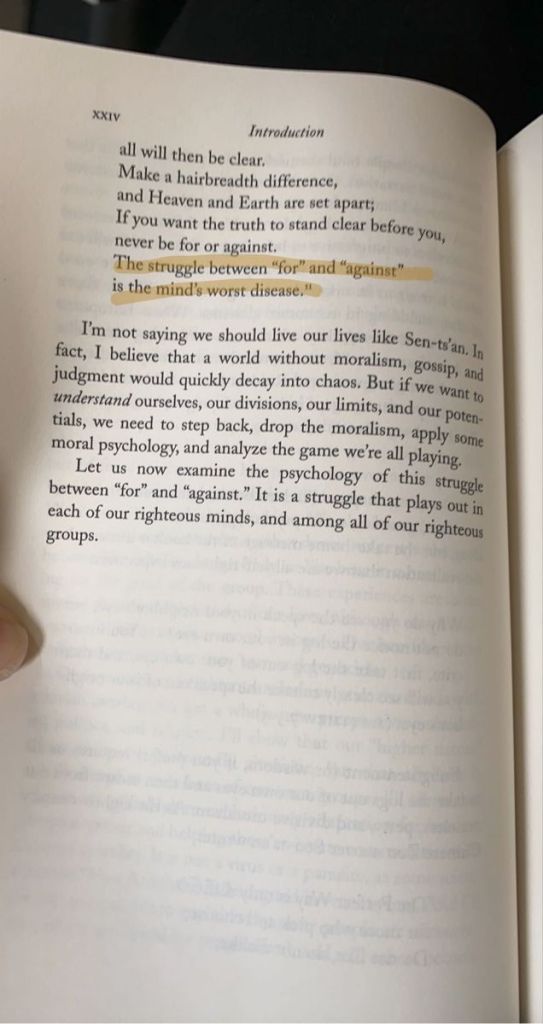
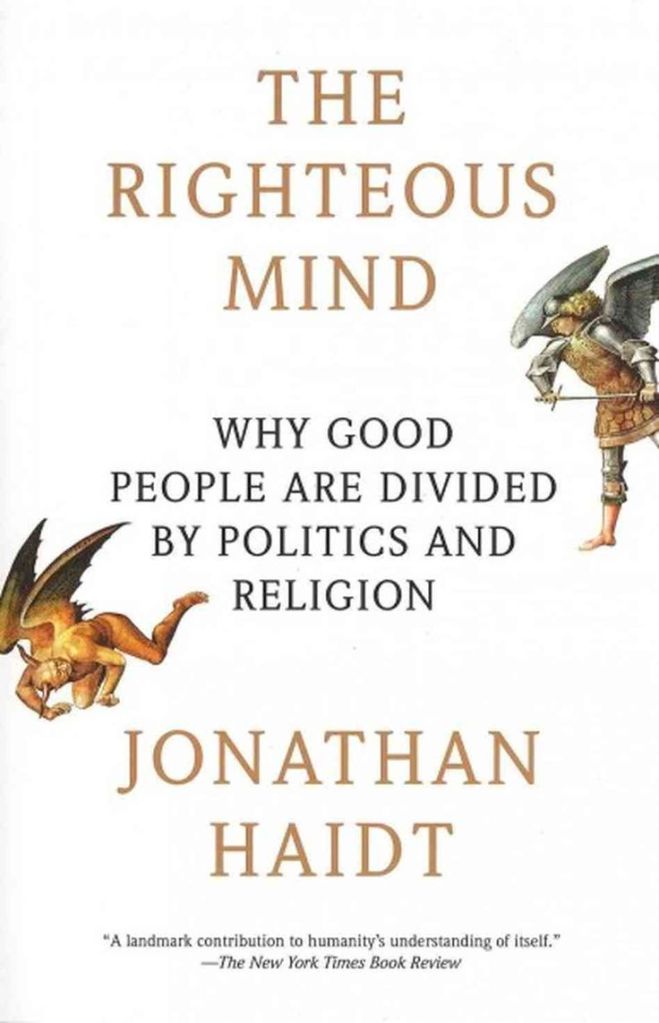
Stephanie also mentioned Jonathan Haidt’s The Righteous Mind: Why Good People Are Divided by Politics and Religion.
It’s a book that explores why morality feels so personal and yet so divided across groups. Haidt explains that morality isn’t one-size-fits-all—it’s rooted in psychological “taste buds” like care, loyalty, authority, and fairness. Depending on how you rank those values, you’ll see the same event very differently.
And that’s when I started asking: what are morals, really?
🤔What Are Morals, Really?
Morals are the principles we use to tell right from wrong. They’re not fixed laws; they’re flexible, shaped by culture, religion, upbringing, and personal experience. They act like an internal compass—sometimes pointing clearly north, sometimes spinning under the influence of the group around us.
At their core, morals are both survival tools and social glue.
Biologically: Early humans who shared, cooperated, and punished cheaters survived better than loners. Over time, instincts like fairness and empathy became hardwired.
Psychologically: We’re wired to feel guilt, shame, pride, and compassion. Those emotions steer our behavior toward keeping the group stable.
Culturally: Societies codify these instincts into norms, traditions, or laws—what’s “sacred” in one place might be trivial in another.
Identity-wise: Morals become part of who we are. They signal which tribe we belong to, what values we protect, and what boundaries we refuse to cross.
Without morals, no society could function. They keep us from living in chaos. But here’s the paradox: the same morals that bind one group together can also divide them from others.
👀Are Morals Really Necessary?
Yes—because they stop us from tearing each other apart. Laws punish after harm, but morals often stop harm before it happens. If you don’t steal because you’d feel guilty or ashamed, that’s morality doing its job.
But morals aren’t universal. One culture may prize freedom at all costs, another may prioritize obedience to authority. Both systems “work” for cohesion within that group. The tension arises when those different moral systems collide.
This is what Haidt highlights: morals unite, but they also polarize. They’re necessary, but they’re messy.
🗣️The Joke Problem : So what happens when morality meets meme culture?
When people turn a crime like Uncle Red into a meme, there’s a chilling disconnect: the victims’ trauma becomes everyone else’s entertainment.
The internet thrives on the bizarre. A man in a wig and red lipstick secretly filming hundreds of men feels like something out of a dark comedy script. That absurdity makes it easy to laugh at. But absurd doesn’t mean harmless. The victims didn’t consent. Their dignity and privacy were shattered. Seeing their humiliation reduced to a joke online adds another layer of harm.
And the same thing played out in the Diddy “baby oil” scandal. People latched onto the strangest detail—the oil—and built an entire comedy reel around it, while the actual allegations of abuse and exploitation got pushed to the background.
What gets erased in both cases? The victims. They vanish from the story. The accused becomes the spectacle, the memes spread, and the real harm gets buried under hashtags.
🔎Haidt’s Lens: Where Does This Stand?
Through Haidt’s framework, this is a perfect example of how morality bends in context.
Care/Harm: Joking about abuse dismisses victims’ suffering. But online distance makes it easy to ignore harm.
Loyalty/Ingroup: Sharing memes signals loyalty to your online “tribe.” You’re part of the trend, part of the in-joke.
Authority/Respect: Traditional norms about respecting victims or courts get eroded in digital spaces where irreverence rules.
Sanctity/Degradation: For some, the memes feel like “moral pollution,” crossing boundaries that should remain serious.
People aren’t carefully reasoning through this. They’re reacting with moral intuitions shaped by their group. On Twitter, Douyin, or TikTok, it feels right to laugh, because everyone else is laughing. Offline, those same people might say mocking victims is cruel.
That’s the real danger: morality isn’t absent here—it’s hijacked by group dynamics and the dopamine rush of virality.
💕Conclusion
The meme-ification of crimes like Uncle Red and the Baby Oil scandal shows us something uncomfortable: our morals are shakier than we think.
On the surface, jokes seem harmless—just a way to cope, to laugh at the absurd. But beneath that, they trivialize suffering and desensitize us to harm. They turn victims into background characters while elevating abusers into cultural punchlines.
Haidt would say this doesn’t mean people have “no morals.” It means different moral instincts are at war. The instinct to bond with your group and keep up with the trend can overpower the instinct to care for victims. The internet amplifies this imbalance until cruelty becomes content.
So are these memes morally wrong? Yes. Not because humor is evil, but because in these cases, humor tramples over human dignity. They reveal how fragile our empathy can be when laughter feels more rewarding than compassion.
And maybe that’s the final takeaway: morality isn’t just what we do when it’s easy—it’s how we respond when the world serves us a moment that’s absurd and tragic. Do we laugh, scroll, and share? Or do we pause long enough to remember there are real people behind the headline?
Why Everyone’s Obsessed With Labubu? How a $15 Plush Became Fashion’s Latest Flex
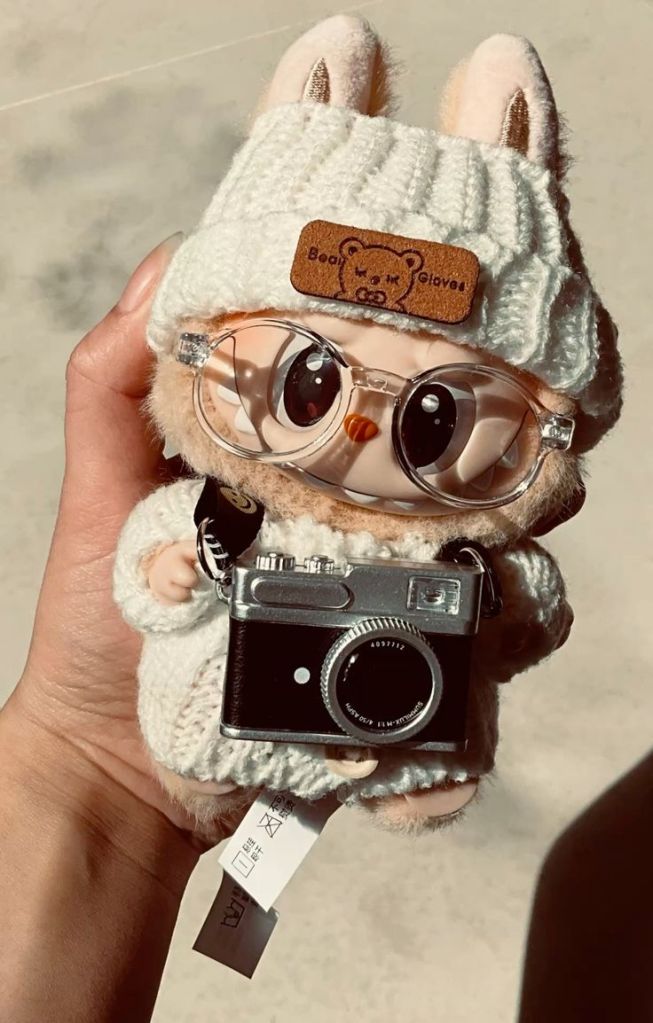
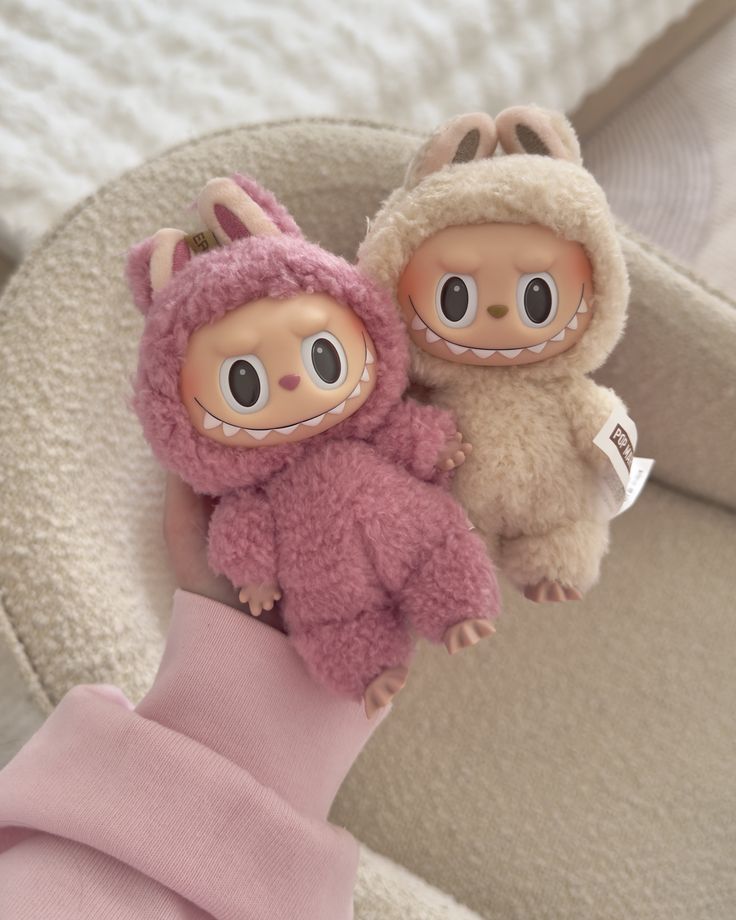
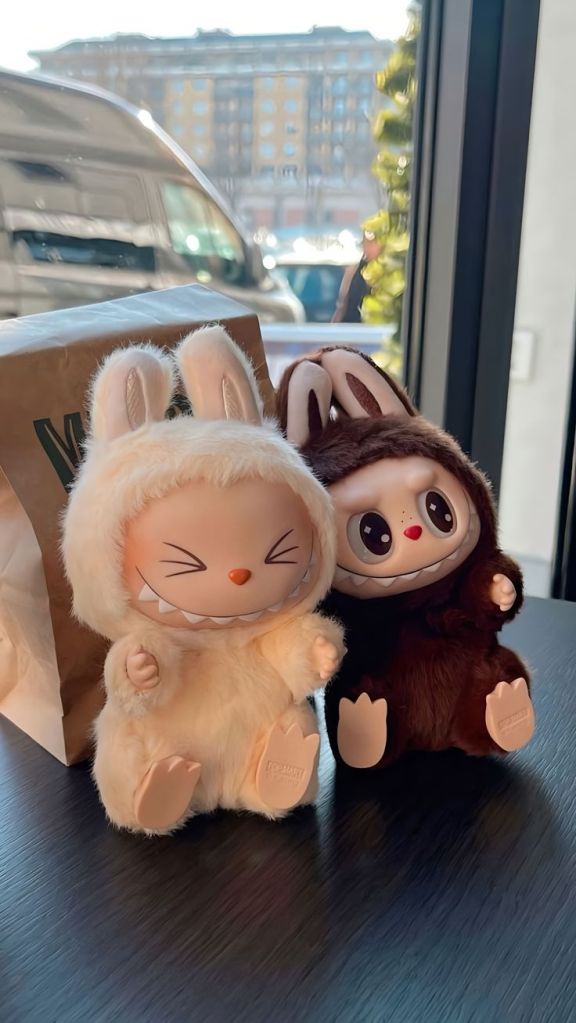
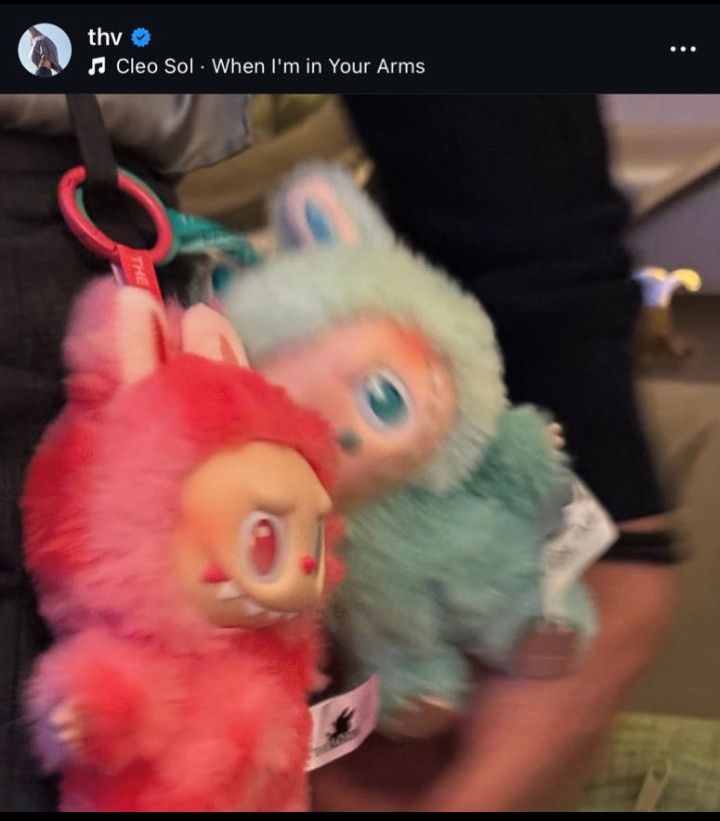
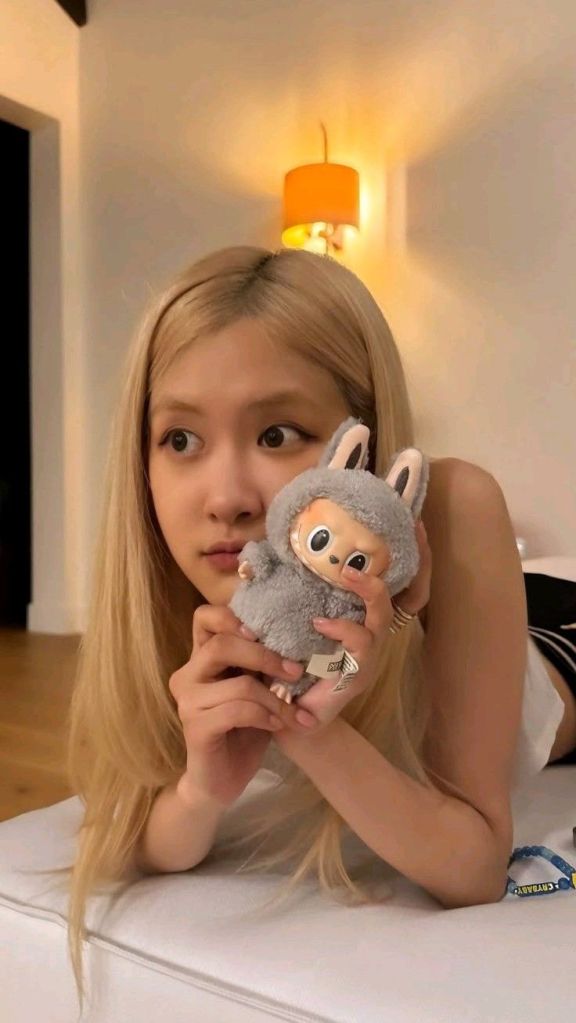
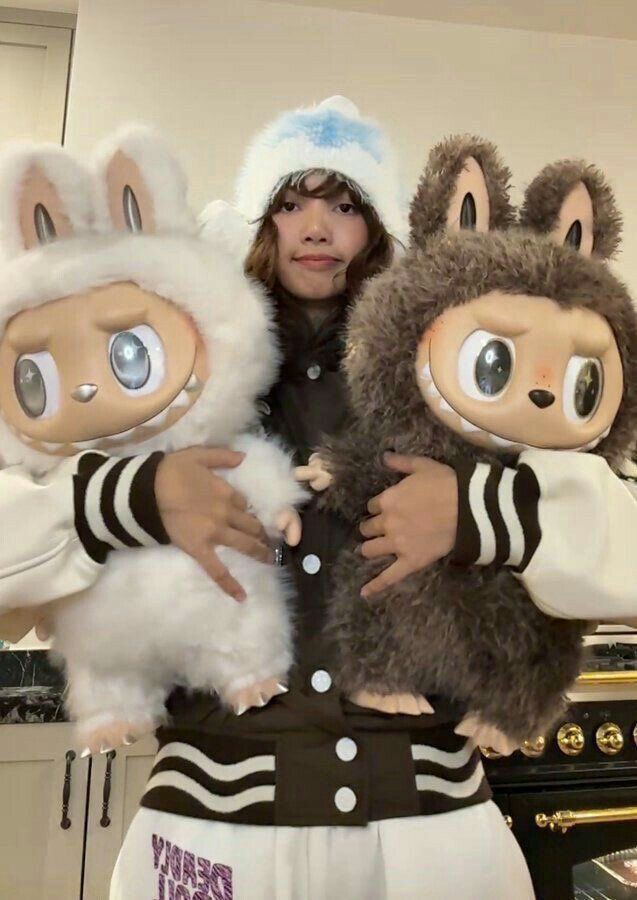
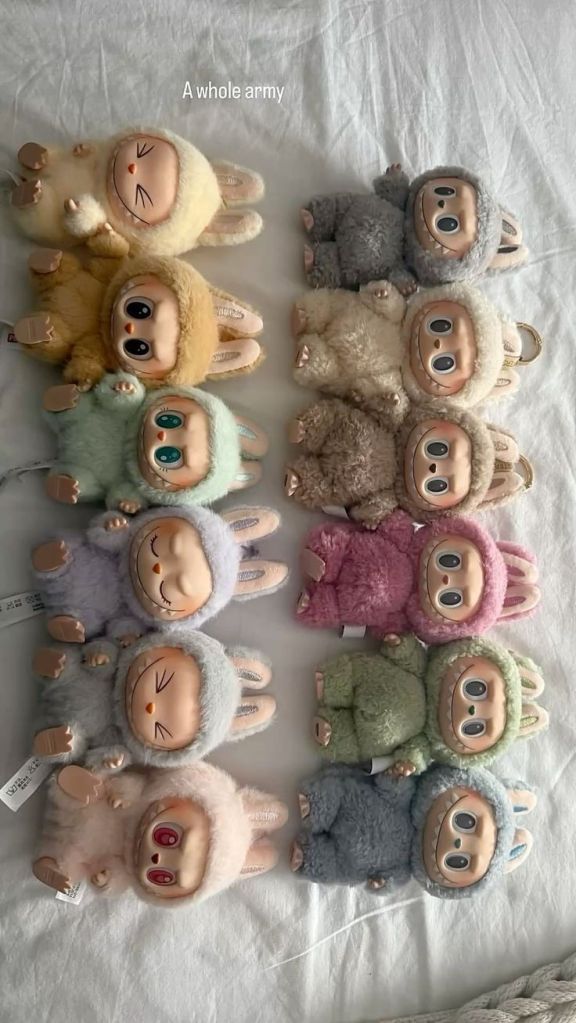
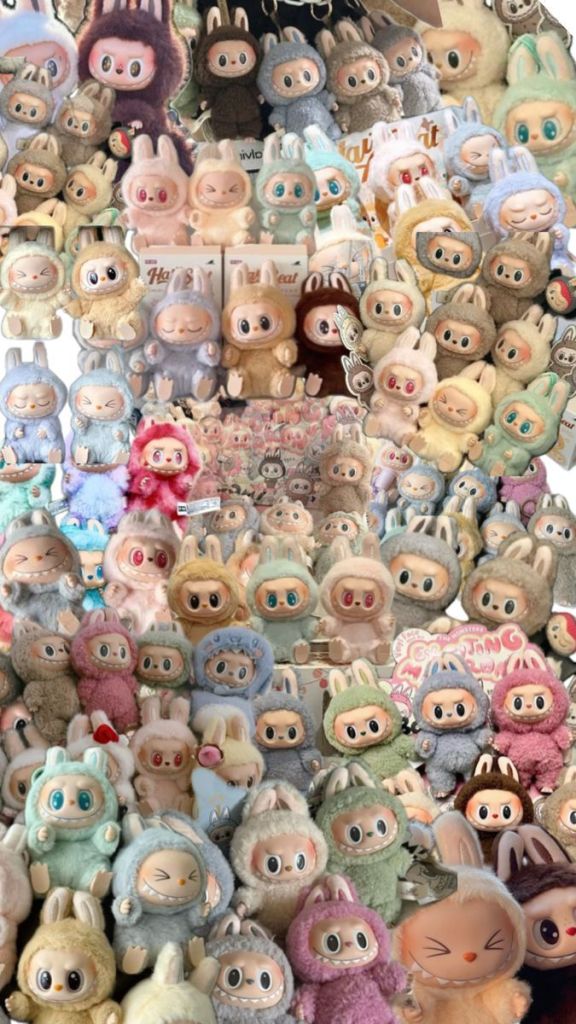
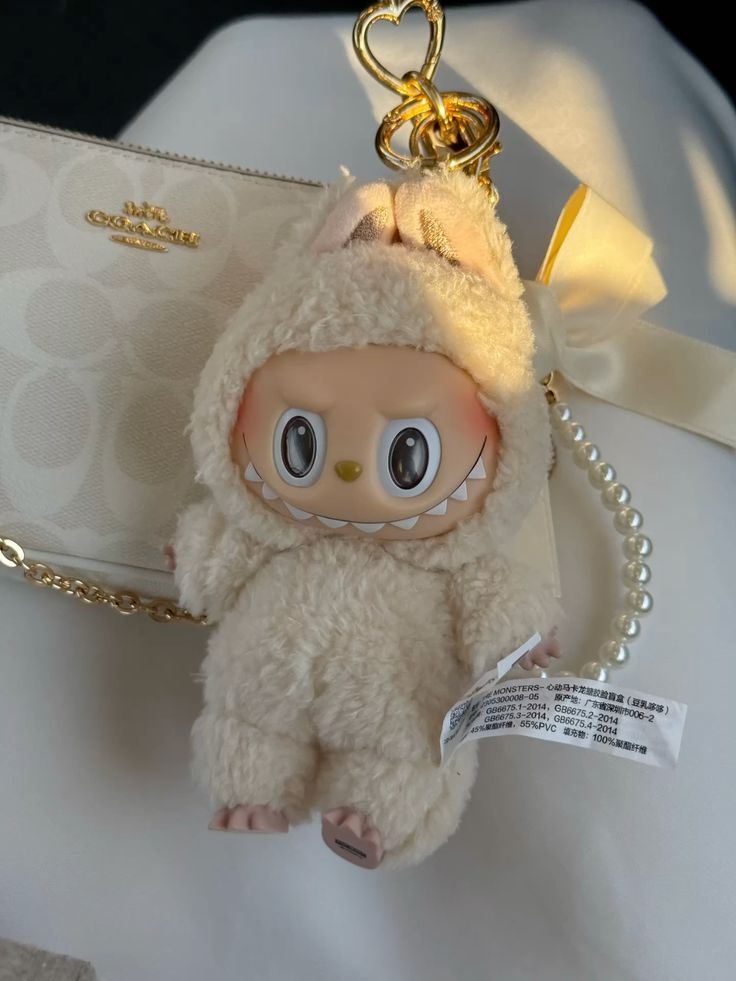
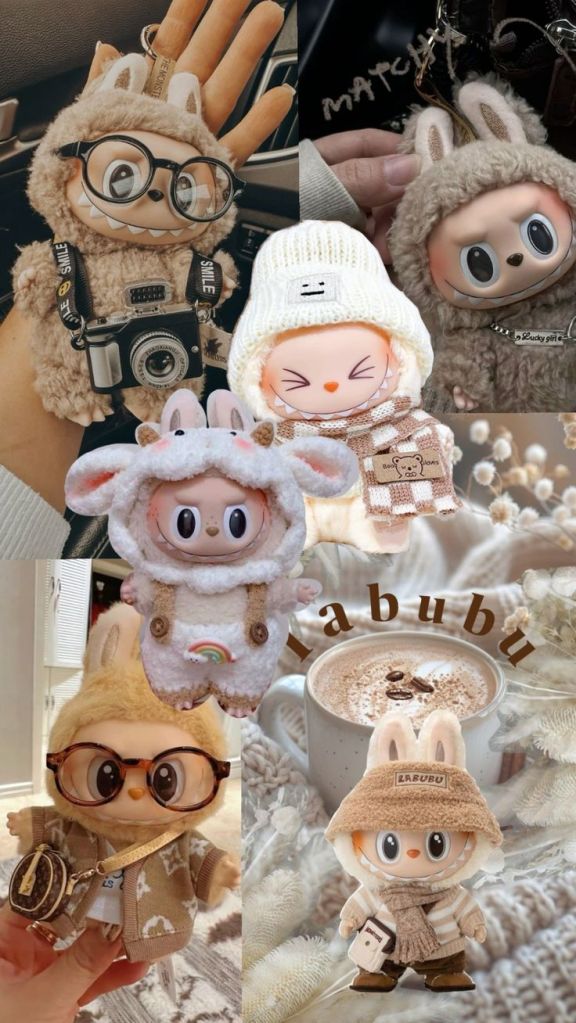
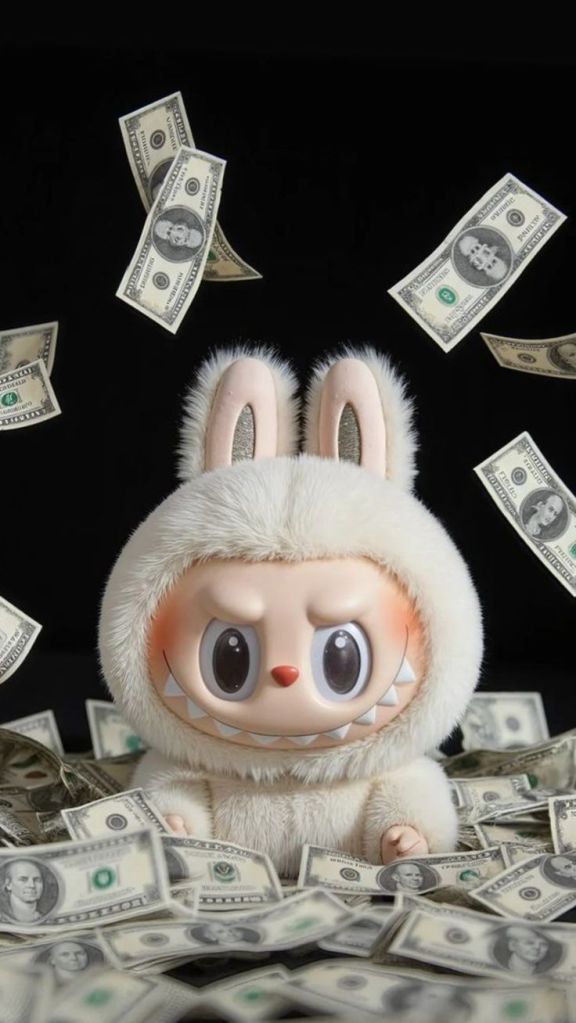
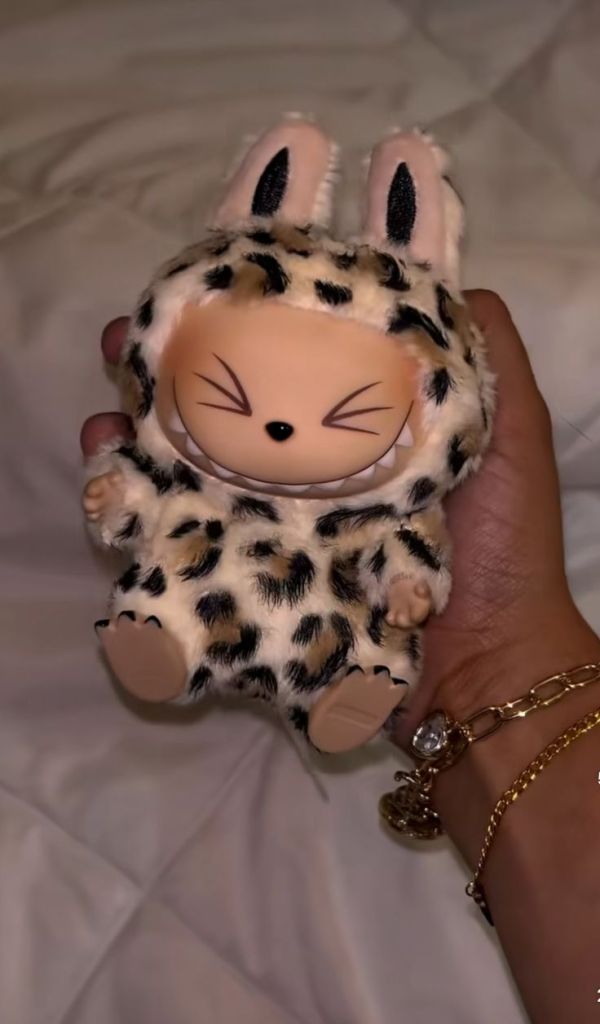
Recently, I’ve been seeing Labubus everywhere. Online, in stores, dangling from designer bags… you literally can’t escape them. They’ve invaded my feed and my city like an adorable, toothy little army.
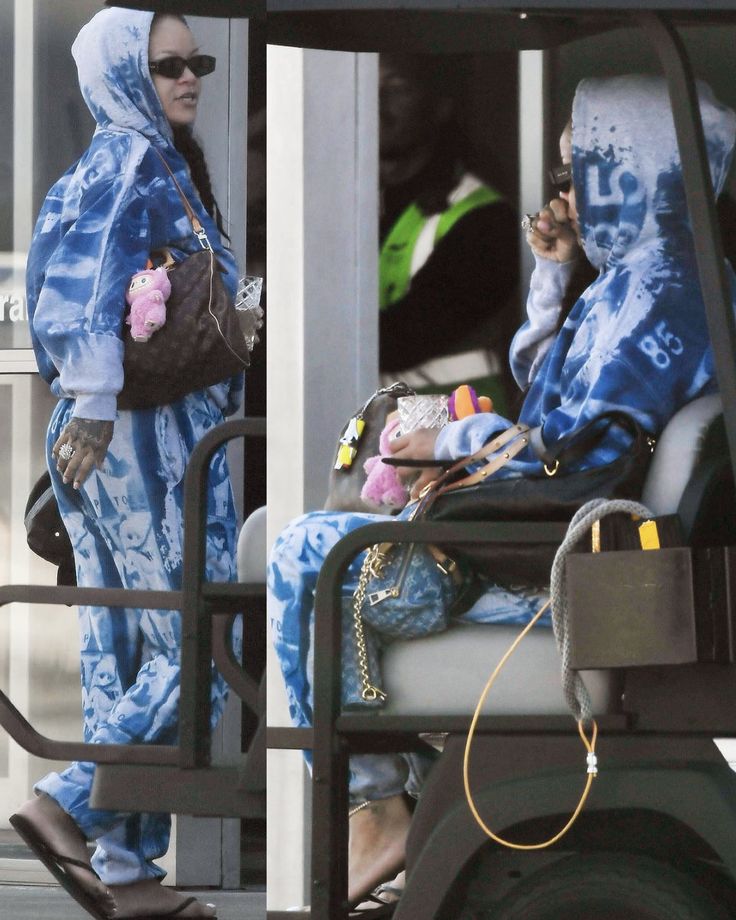
The first time I saw a Labubu was in a picture of Rihanna. She had one clipped to her bag like it was the hottest new accessory of the year. I thought, “Oh, cute—Rihanna’s carrying a plush toy.” But little did I know, that was the beginning of my Labubu nightmare.
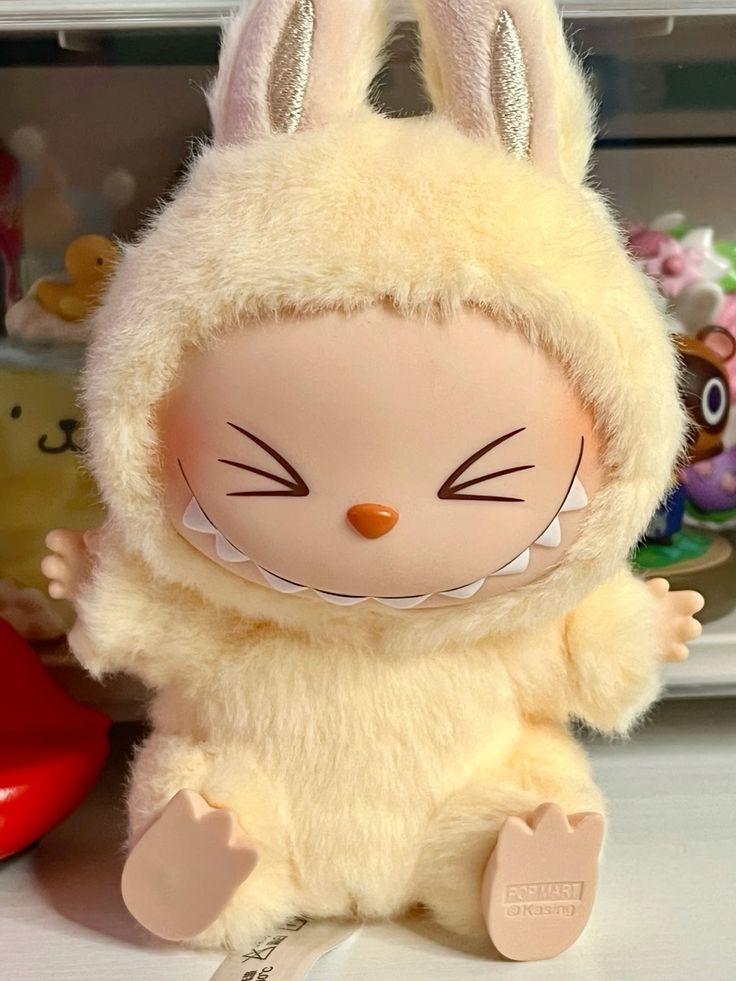
Ever since then, those evil little creatures have followed me around. I don’t even get the appeal. They are ugly. Ugly in a way that’s almost impressive. They look like the kind of doll I would personally put a curse on and gift to my worst enemy, just to watch chaos unfold.
And yet, the obsession is real. People are dropping thousands of dollars just to get one. If you don’t have a Labubu, apparently you’re not just missing a plush—you’re missing life. It’s become a bizarre high-status badge.
Personally? I don’t own a Labubu, and I never will. But I had to know: how did this wave even start?
🤔What is a Labubu?
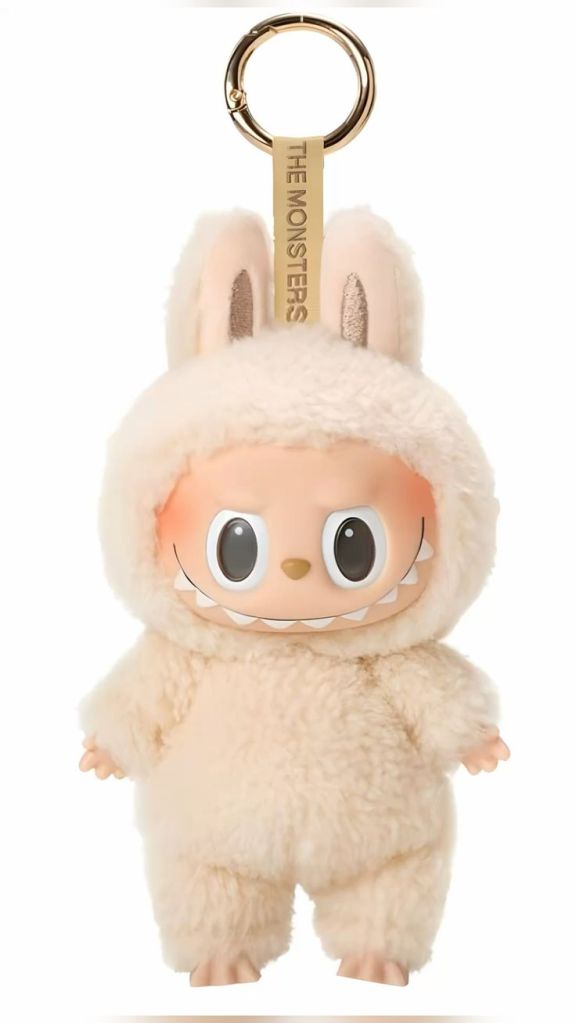
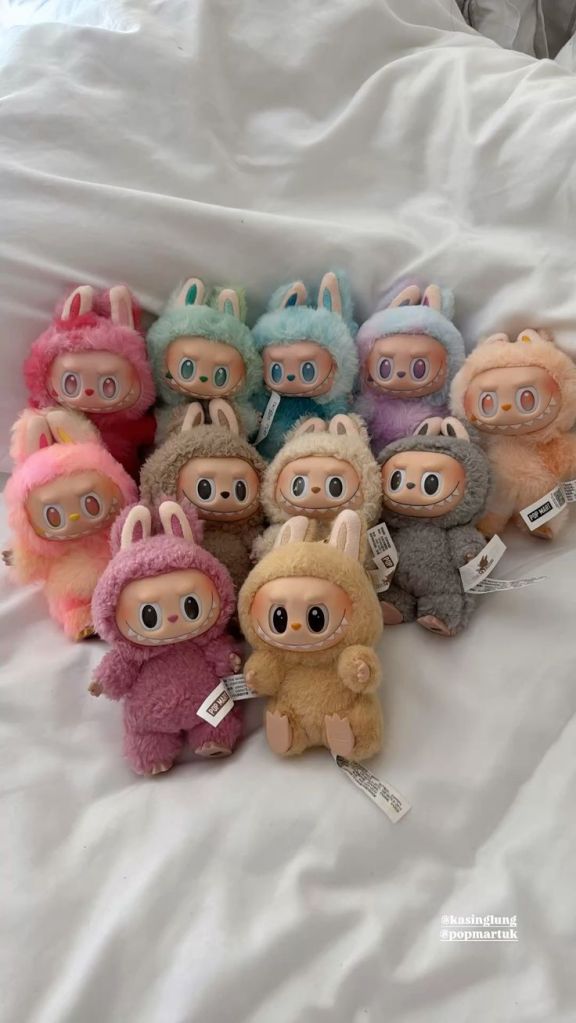
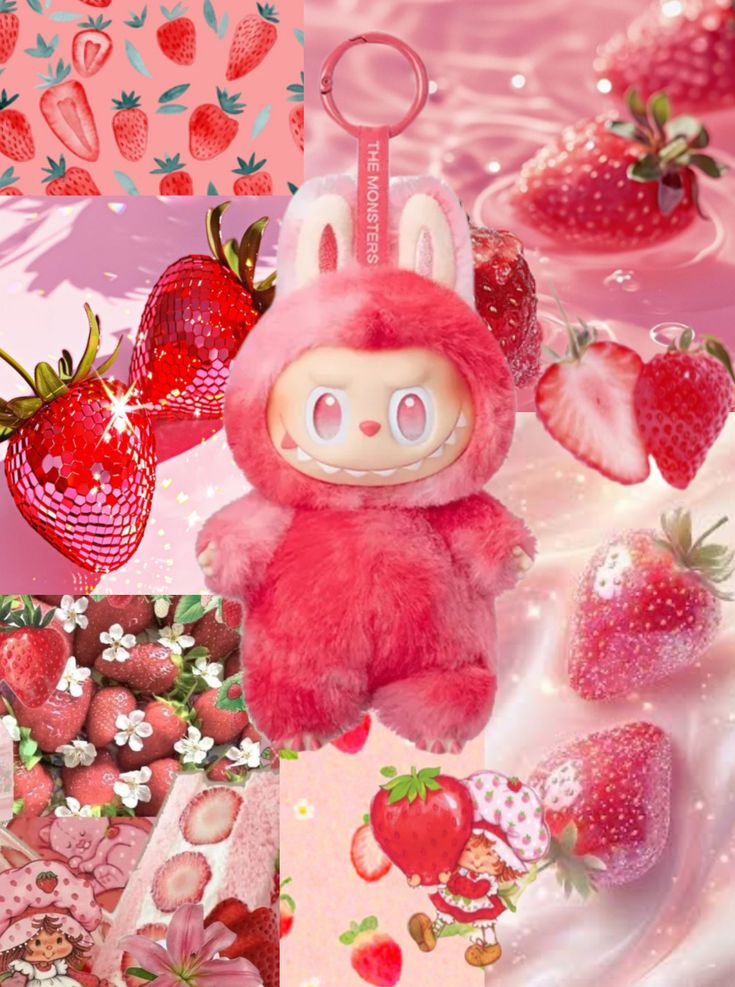
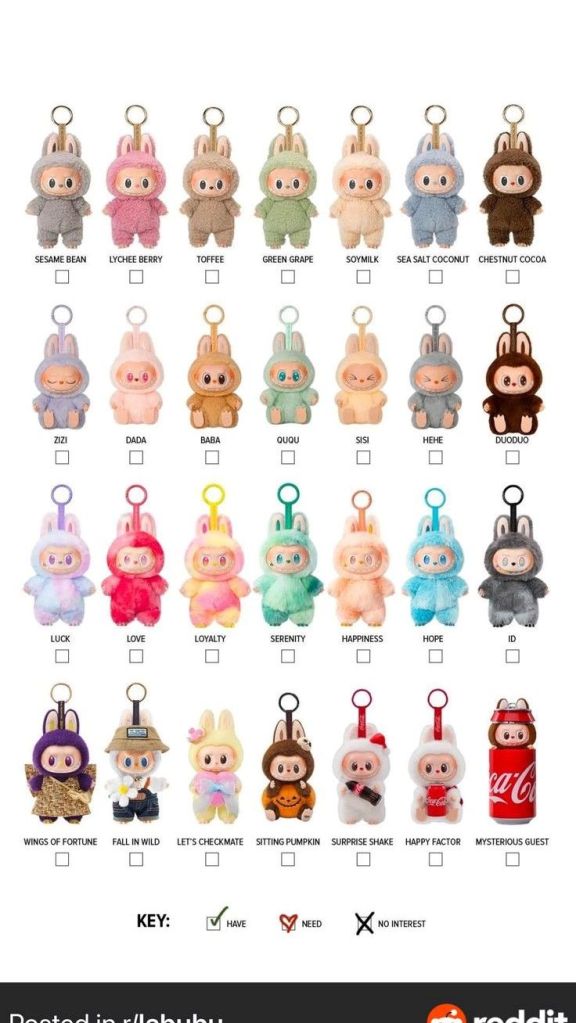
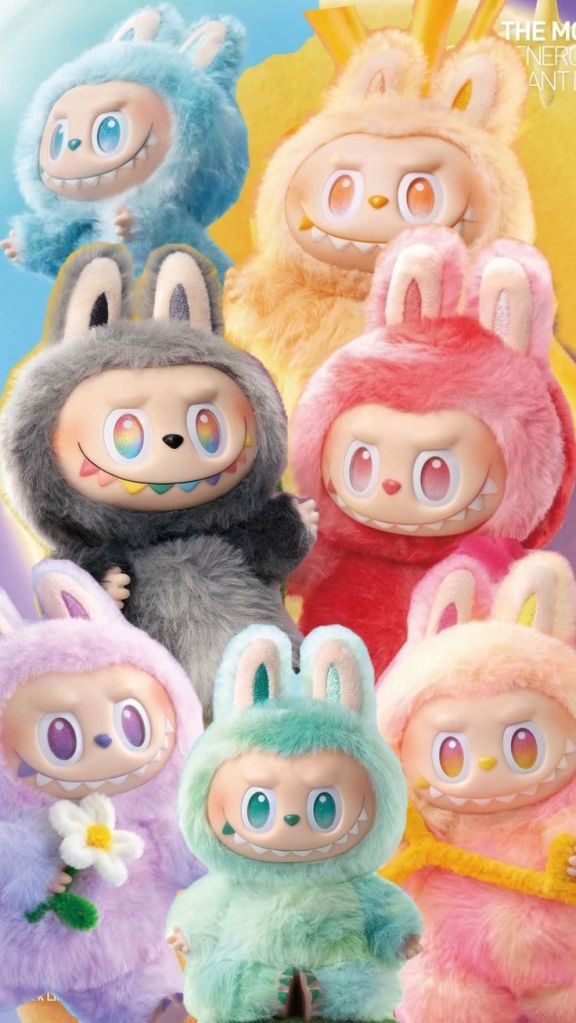
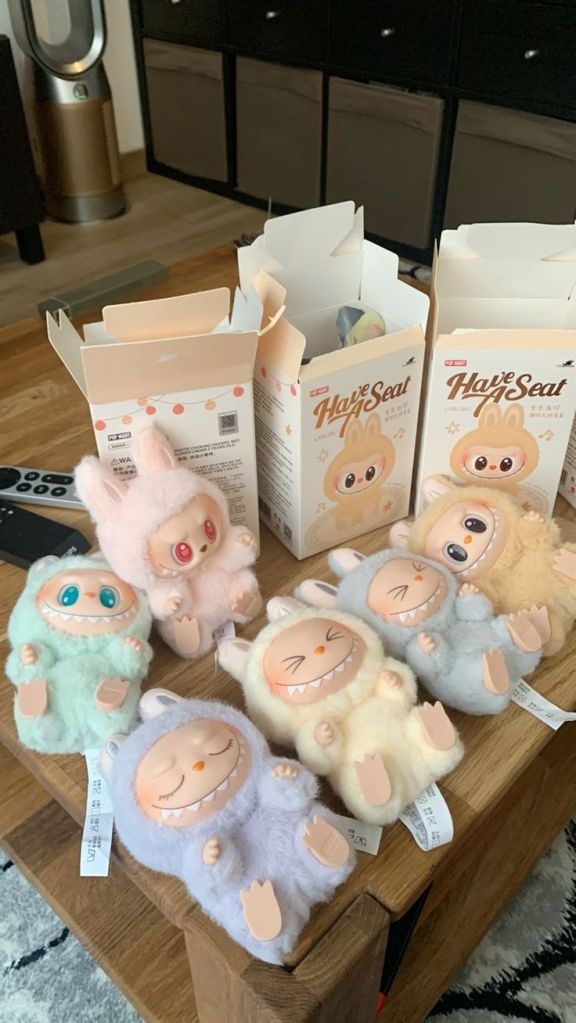
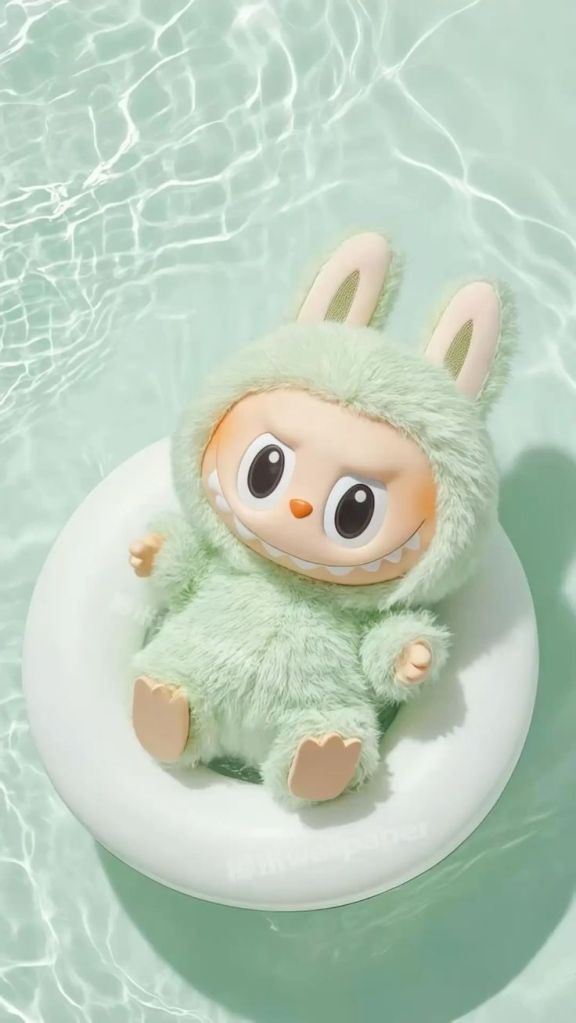
Labubu comes from the mind of Hong Kong illustrator Kasing Lung, part of his “The Monsters” series. The whole vibe is zoomorphic elves with exaggerated faces, but Labubu is the star—a scruffy, big-eared, sharp-toothed little monster inspired by Nordic folklore and forest spirits.
It started as an art toy back in 2015, living in the niche world of collectors and designer toy nerds. Then Pop Mart entered the scene, and everything changed.
✨How Pop Mart Turned Labubu into a Cultural Tsunami
Before Pop Mart, Labubu was a niche character. After Pop Mart? It was a marketing weapon. They put Labubu into their famous blind boxes—a genius move designed to keep people buying again and again just to “win” the one they wanted. Some boxes held rare “secret” editions, making them instant lottery tickets for collectors.
Labubu’s wide eyes, mischievous grin, and pointy ears translated perfectly into palm-sized vinyl. They looked great in photos. They looked even better in unboxing videos. Pop Mart cranked the hype machine with timed drops, limited runs, and no restocks—forcing people to act fast or pay absurd resale prices later.
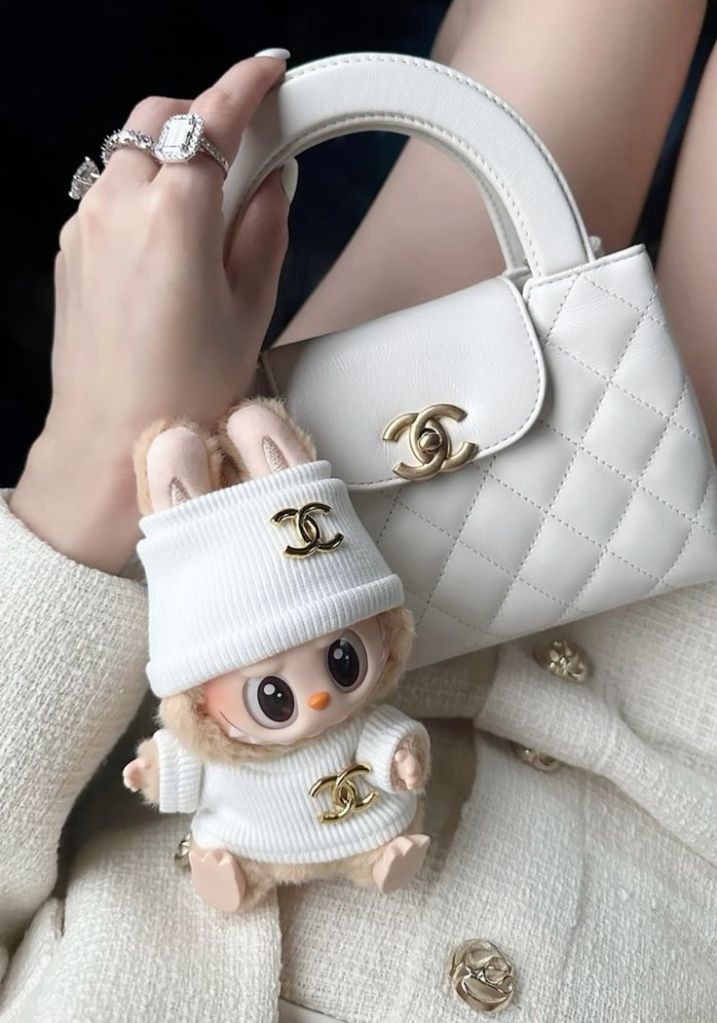
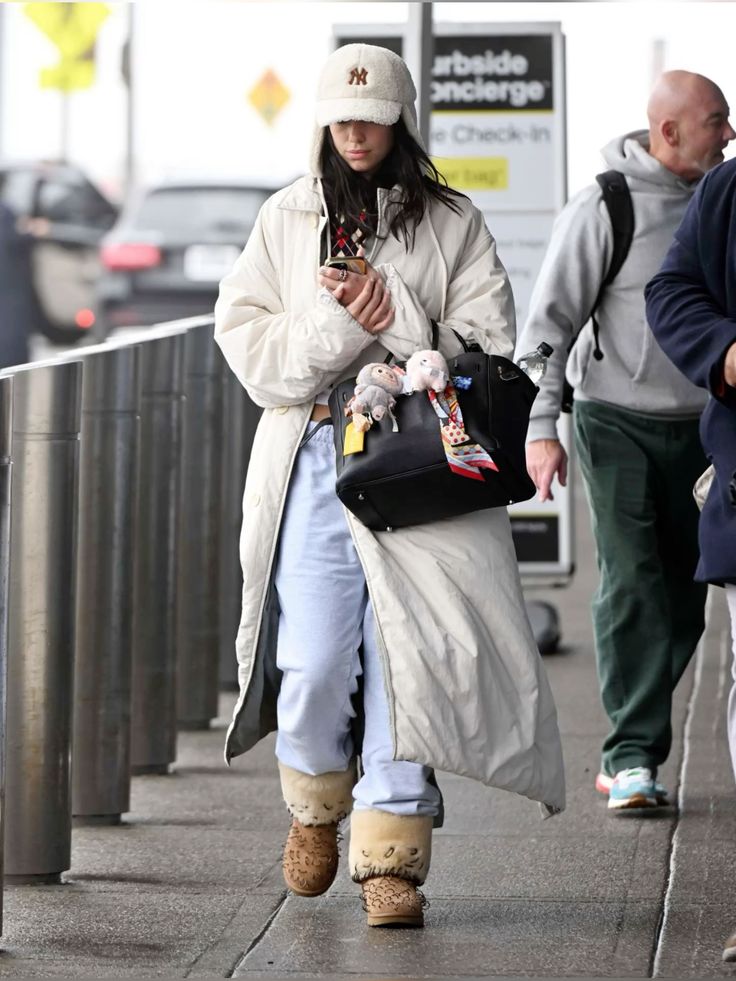
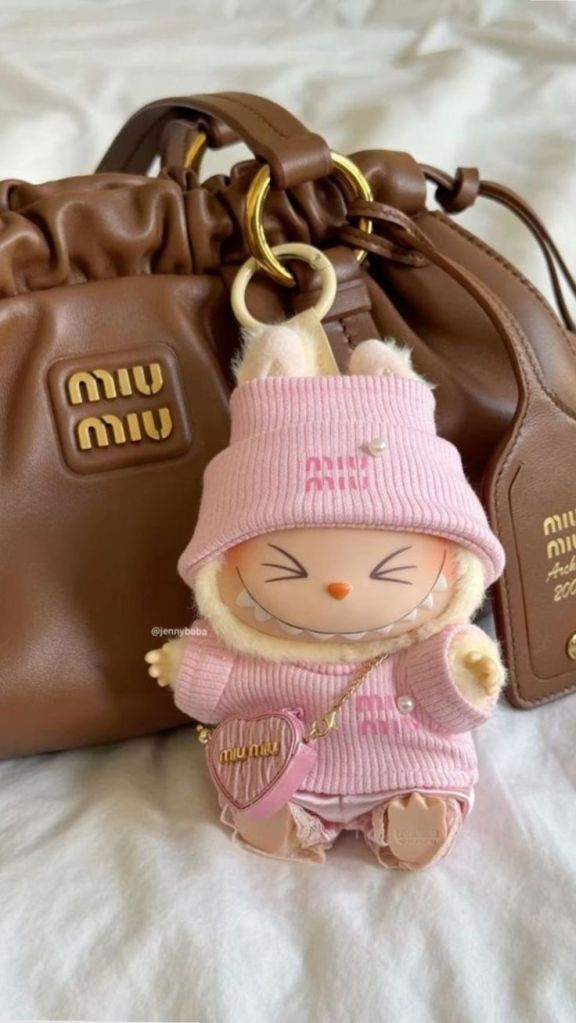
Then came the celebrity seeding. Pop Mart slipped Labubus into the hands of influencers, and before long, they weren’t just collectibles—they were fashion-adjacent status symbols. You could clip one to your Birkin and instantly signal that you were in on the trend.
💅🏻Celebrity Jet Fuel
Celebrity influence didn’t just boost Labubu—it launched it into the stratosphere. Lisa from Blackpink casually carried a Labubu plush on her designer bag, and that was it. Labubu crossed over from toy-world darling to global fashion accessory.
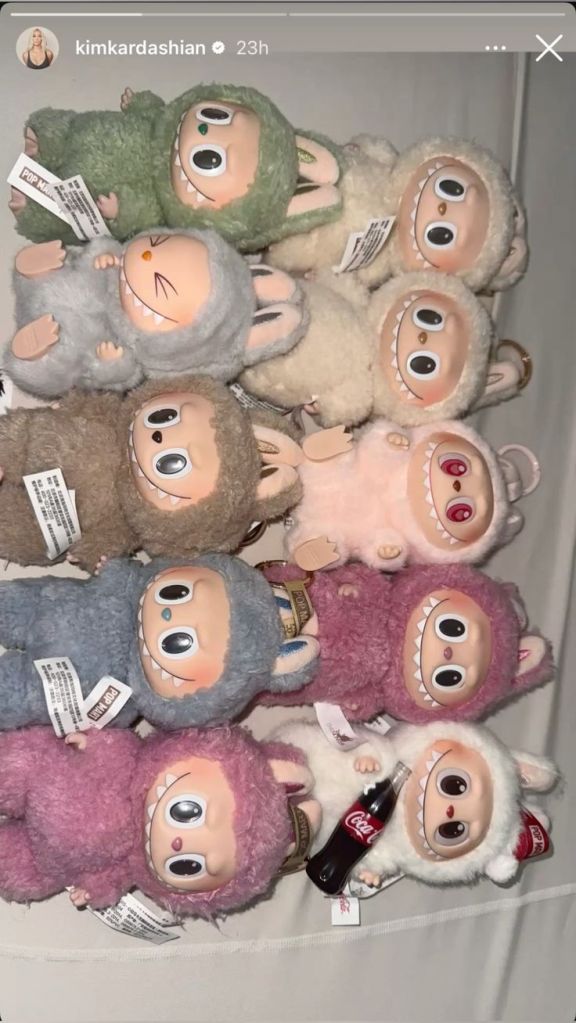
From there, it was a celebrity free-for-all. Rihanna gave it street-style credibility. Dua Lipa made it playful and luxe. Kim Kardashian turned it into a paparazzi-worthy prop. The effect? People started seeing Labubu as more than a toy. It was a signal. If you had one, you weren’t just a collector—you were part of a cultural moment.
👹From Cute to Cursed: The “Evil Doll” Rumors
With hype comes chaos. And in Labubu’s case, chaos came with a supernatural twist.
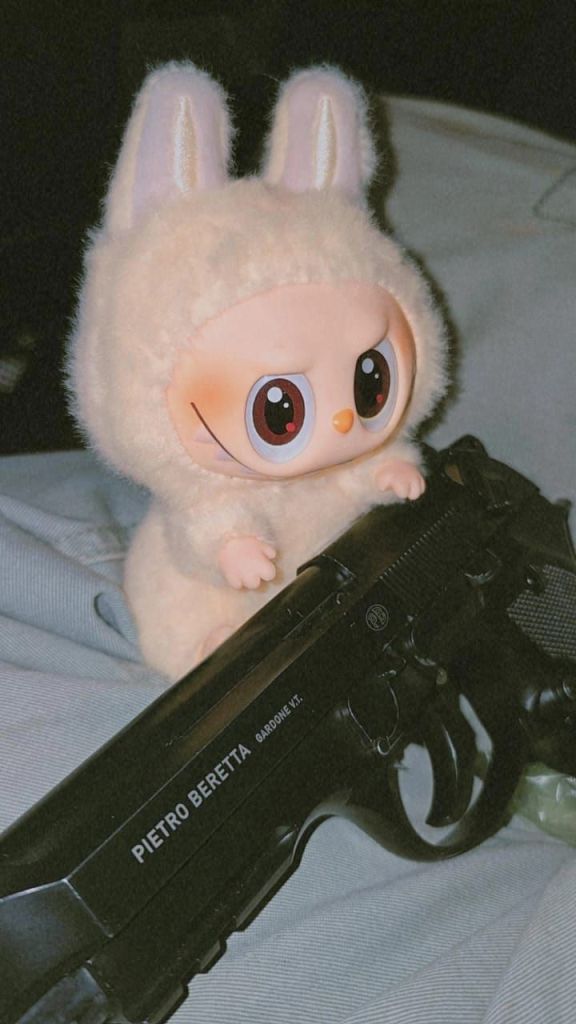
Some conspiracy-loving corners of TikTok decided Labubu looked suspiciously like the Mesopotamian demon Pazuzu—wide grin, bulging eyes, sharp teeth. Cue the spooky stories: nightmares, strange noises, bad luck, even “demonic possession” claims.
Pop Mart even leaned into it, posting a fake recall notice on April Fools’ Day about “supernatural activity,” which, of course, only made the rumors worse.
In India, comedian Bharti Singh burned her child’s Labubu on camera, calling it “Shaitaan Ka Roop” (a demonic form). In Pakistan, actress Mishi Khan warned it could attract evil spirits. Across social media, people posted stories of nosebleeds, accidents, and creepy “watchful” eyes—followed by dramatic videos of Labubus being drowned, burned, or banished.
Experts say it’s all textbook “uncanny valley” anxiety mixed with internet folklore. No actual evidence supports the idea that Labubu is evil—it’s literally inspired by Nordic fairy tales, not demons. But facts are no match for viral superstition.
👀Why People Feel FOMO
Labubu isn’t just a plush—it’s a status symbol wrapped in scarcity. Blind box culture, limited drops, and celebrity hype all work together to create a sense of urgency. People aren’t just buying the toy—they’re buying membership in a trend.
If your favorite celebrity has one and your feed is full of them, not owning one starts to feel like social exclusion. And once scarcity kicks in, the prices skyrocket, which only makes it more desirable.
🗣️The Good, the Bad, and the Ugly
The good: It’s a shared cultural moment. Fans connect over trades, unboxings, and styling. It fuels creativity, boosts Pop Mart’s business, and even supports indie creators making Labubu-inspired merch.
The bad: Resale market gouging, compulsive overspending, and trend burnout. Plus, the whole “evil doll” panic can actually cause anxiety and lead to bans, which is wild for something that’s basically a fuzzy goblin.
The ugly: One day, Labubu will be everywhere, and the same people who fought for one will pretend they never cared. That’s the internet for you.
🧠How to End the Madness
Want to kill the Labubu hysteria? Stop feeding it. Don’t share the cursed doll TikToks, stop paying scalper prices, and remember that no toy should dictate your social worth.
Also—maybe accept that not every plush with sharp teeth is a harbinger of doom. Sometimes it’s just a scruffy little monster from a Hong Kong illustrator’s imagination.
💓Conclusion
Labubu is the perfect storm: part art, part marketing genius, part internet fever dream. Pop Mart, celebrities, and social media made it unavoidable, and now it’s living rent-free in our cultural consciousness.
Enjoy it if you love it. Ignore it if you don’t. And if you really hate it? Well… you could always put a curse on it and gift it to your enemy.
I always think it’s just me, but I recently found out, people say the work “like” a lot.
People is either so much, “like” went from being a perfectly innocent word to the verbal glitter of our sentences. It sticks to everything, whether it belongs there or not.
People toss it into conversations like [….…see, there I go 😭] sprinkles on a cupcake. Except instead of making things better, it makes us sound like we’re buffering mid-sentence.
“Like, I was literally dying.” “Like, she was so rude.” “Like, I don’t even know.” “Like, thats real”
At this point, I could drink every time someone says “like” and need a liver transplant before brunch.
I’m not judging from a high horse here. I am a repeat offender. Sometimes I’ll catch myself talking and count six “likes” in a single breath. It’s humbling. And mildly horrifying.
Here’s the thing—when we strip “like” out, our sentences suddenly sound sharper. More confident. Less like we’re narrating a reality TV confessional.
So, here’s my challenge: next time you feel a “like” creeping in, pause. Replace it with… silence. Or, you know, an actual word. Your conversations will thank you. And so will your dignity. 🤭💕




 Ladyink with love