The Evolution of Women’s Rights: Progress, Setbacks, and Future Fights
I’ve always called myself a feminist.
It felt obvious—why wouldn’t I believe women deserve equal rights, freedom, and opportunities? But lately, I’ve noticed a shift. People throwing around words like “radical,” “man-hater,” or “too much” when talking about modern women and feminism.
So I had to stop and ask: Did feminism actually become radical, or is society just uncomfortable with women being loud, free, and unapologetic?
This blog isn’t about red pill influencers or incel YouTube rants. It’s about us. Women. Feminists. The movement. The roots. The progress. The mess. And most importantly—the future.
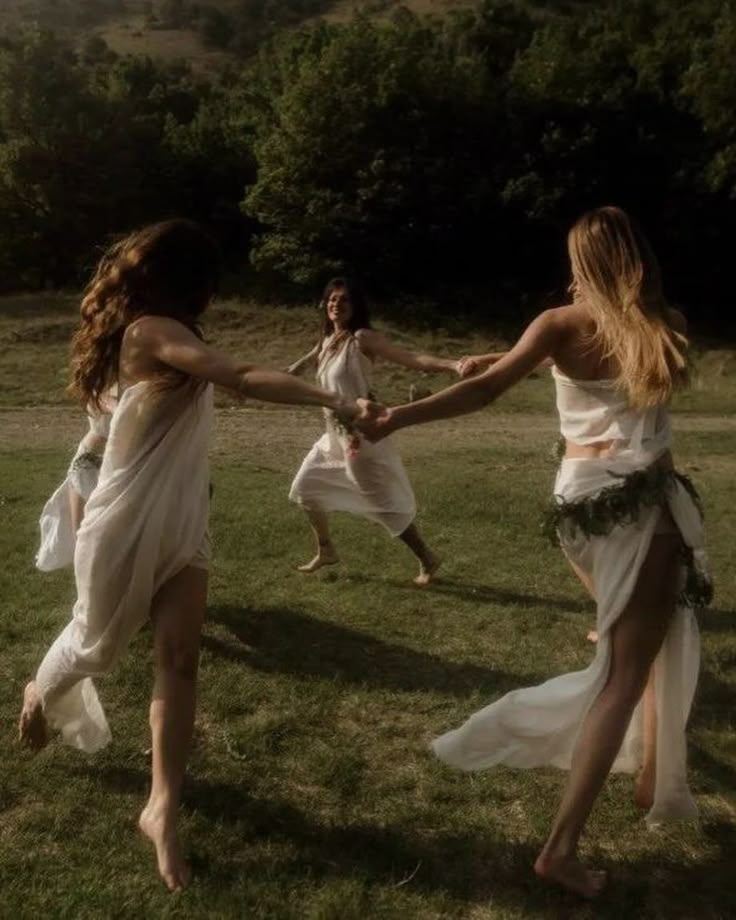
💬 So… What Are Women’s Rights, Really?
Let’s get back to basics for a sec.
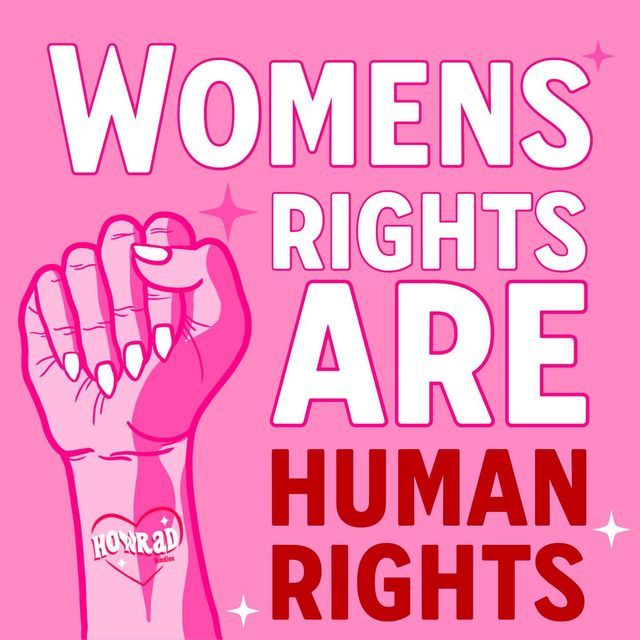
Women’s rights = human rights. Period.
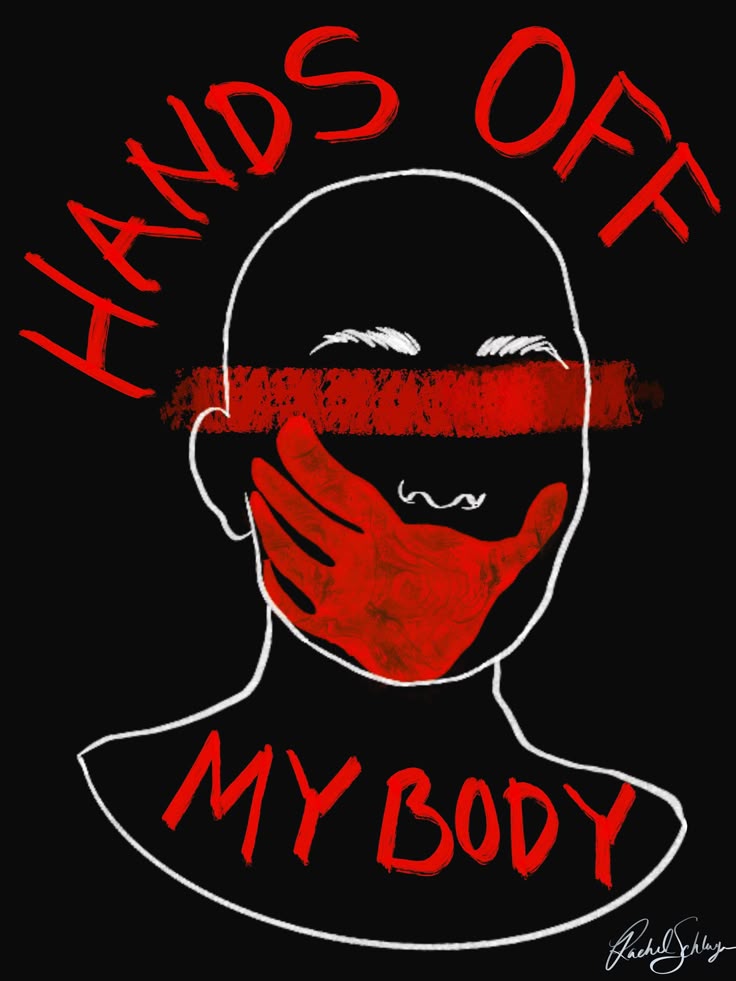
They’re about giving women the same freedoms and protections as men—across politics, education, work, healthcare, family, safety, and their own damn bodies. These rights include:
The right to vote and run for office
Equal pay and access to jobs
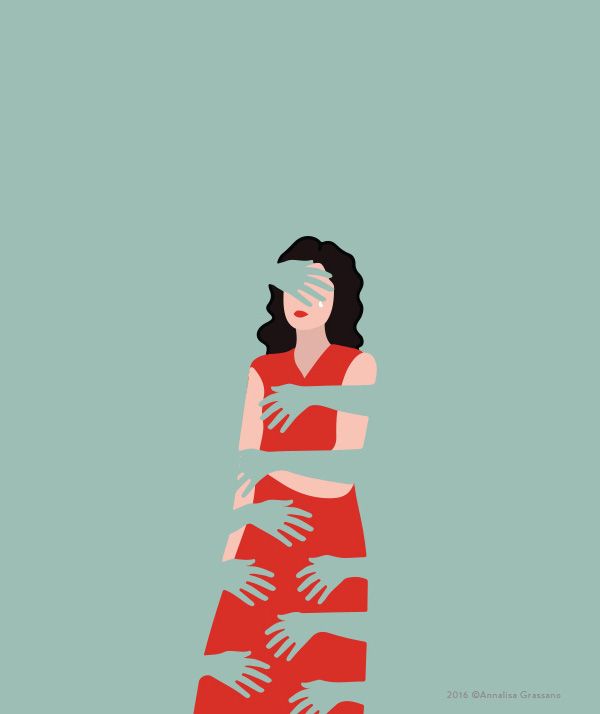
Freedom from violence and abuse
Control over your reproductive health
The ability to own property, make legal decisions, and live life on your terms
We’re not asking for “special treatment.” We’re asking for the same dignity and autonomy every human deserves.
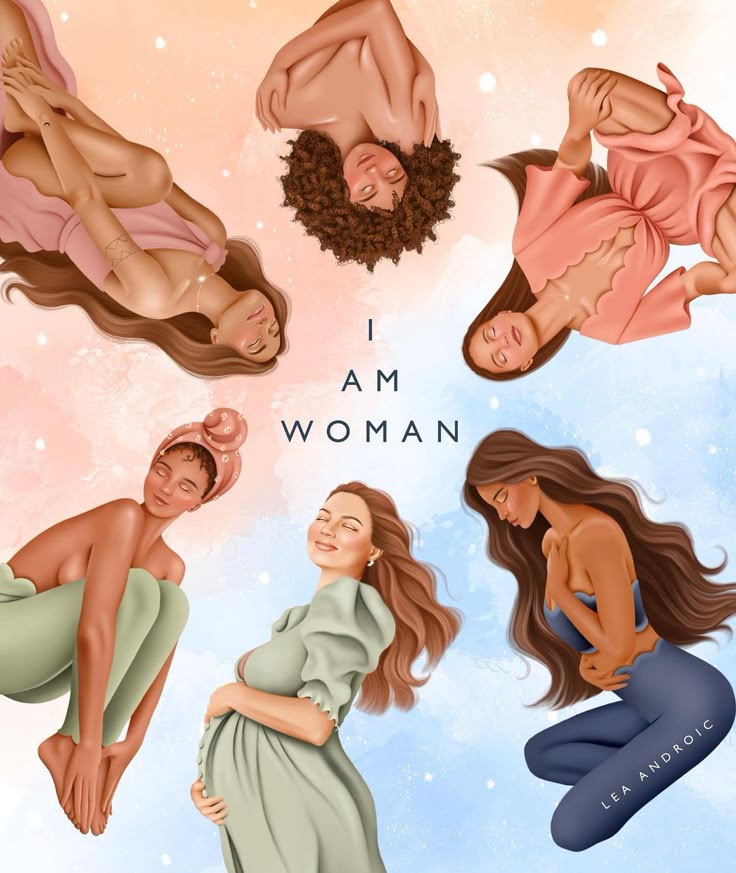
📜 Where Did It All Begin?
Let’s rewind to July 1848, Seneca Falls, New York.
A bunch of bold women (and a few supportive men) gathered for the first women’s rights convention. The stars of the show? Elizabeth Cady Stanton and Lucretia Mott—two women who had just returned from the World Anti-Slavery Convention in London where, surprise surprise, they weren’t allowed to speak. Because they were women.
They said: enough.
At Seneca Falls, Stanton presented the Declaration of Sentiments, a radical-for-its-time document that declared:
> “All men and women are created equal.”
It listed 18 ways society was failing women—from denying us the right to vote to controlling our wages, bodies, and voices.
People were shook. But they voted. And the movement officially began.
✊ Why Did the Women’s Rights Movement Matter?
Because before it, women were treated like side characters in their own lives. Here’s what it changed:
1. Political Power
Women couldn’t vote. Couldn’t influence laws. Couldn’t speak for themselves in court.
➡️ That changed in 1920 with the 19th Amendment in the U.S.—but only after decades of protests, jail time, and sacrifice.
2. Education & Work
Girls were told their place was in the kitchen. College? Careers? Not for you, sweetheart.
➡️ The movement demanded access to education and financial independence. And slowly, the doors opened.
3. Workplace Rights
Even when women worked, they were paid less, harassed, and shoved into “support roles.”
➡️ Feminists pushed for equal pay, maternity leave, and anti-discrimination laws.
4. Safety & Autonomy
Abuse used to be dismissed as “family matters.” Marital rape wasn’t even illegal.
➡️ Feminism fought for shelters, laws, and the idea that your body = your choice.
5. Bigger Movements Were Born
The women’s rights movement sparked civil rights, LGBTQ+ advocacy, and disability justice.
➡️ It wasn’t just about women—it was about fighting any system that thrives on control and silence.
💡 What Has It Actually Done for Women Today?
Feminism isn’t a thing of the past. It’s still doing the damn work. Here’s how it’s showing up in 2025:
✅ Legal Rights
You can now:
Vote
Open a bank account without a man
Own property
File harassment lawsuits
Start a business
These things seem normal now—but they were unthinkable just 50 years ago.
📚 Education
More women are:
Graduating college
Dominating in STEM, law, and medicine
Becoming CEOs, astronauts, politicians, and authors
The myth that women are too emotional or fragile for “big” jobs? Dead.
💼 Workplace Protections
While the gender pay gap isn’t fully closed, there are now:
Laws against discrimination
Policies for maternity leave
More women in leadership
We’re not just in the room. We’re calling the shots.
🧠 Bodily Autonomy
Women today (in most places) can:
Choose birth control
Access abortion
Say NO and be heard
Learn about consent, pleasure, and boundaries
Health = freedom. And feminism fought for that.
🗣️ A Voice That Matters
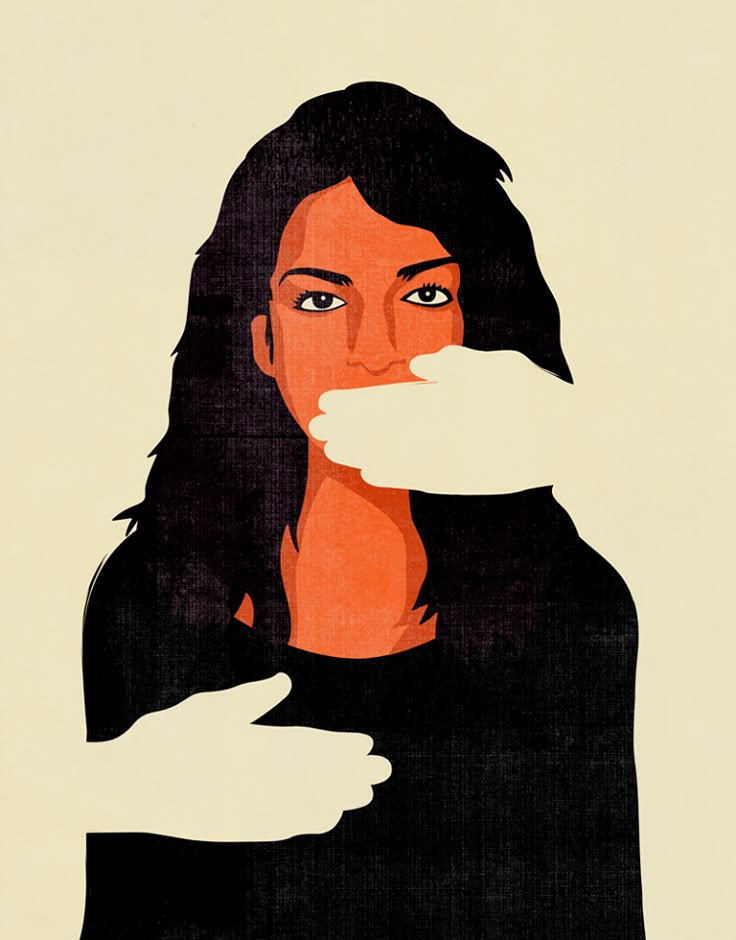
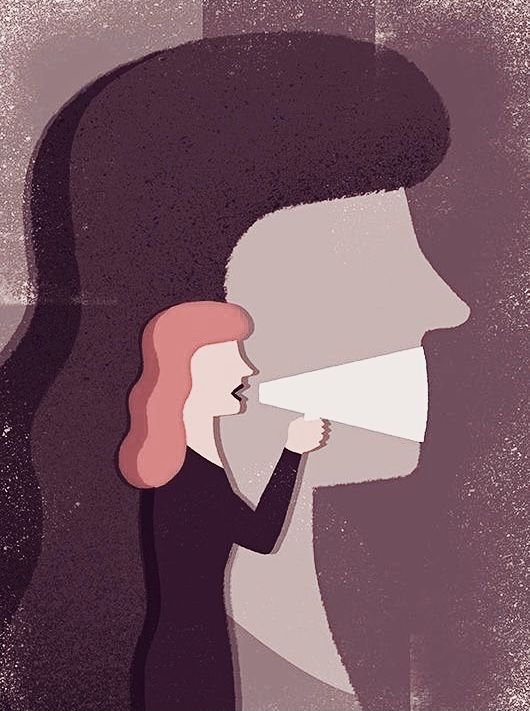
From #MeToo to mental health to calling out everyday sexism, women are talking—and being heard.
We’re in courtrooms, boardrooms, classrooms, and online spaces—leading, not begging to be included.
👀 So… When Did Feminism Become “Radical”?
Let’s break this down.
First off:
Feminism = belief in gender equality.
Radical feminism = a more aggressive take that says patriarchy is so baked into society, we need to tear it all down.
Misandry = actual hatred of men.
Now, is all radical feminism misandry? No. But let’s not pretend it never crosses the line.
Some people have taken real women’s issues and twisted them into blanket hate:
> “All men are trash.”
“Heterosexuality is oppressive.”
“Men can’t be feminists.”
That’s not feminism. That’s bitterness in a feminist outfit.
You don’t fight inequality by flipping the power dynamic—you fight it by dismantling the system that traps everyone.
🚩 Red Flags: When Feminism Becomes Something Else
Let’s keep our BS detectors sharp. Here’s how to tell when the movement is losing the plot:
1. Generalizing an Entire Gender
> “Men are inherently violent.”
“We don’t need men.”
“Men can’t be victims.”
Nope. Feminism is about nuance—not stereotypes.
2. Silencing Male Allies
If a guy speaks up about gender bias, mental health, or trauma, and he gets laughed off or called sexist for asking questions… that’s not it.
Healthy feminism listens. Even when it’s uncomfortable.
3. Outrage Overload
Some influencers thrive on hot takes and performative rage.
> “If you date a man, you’ve internalized misogyny.”
“Men crying is manipulation.”
Ask yourself: Is this educating or just escalating?
4. One-Sided Echo Chambers
Movements grow when they allow room for different voices—LGBTQ+ people, women of color, disabled folks, and yes, even men who want to help.
Radical corners that cancel every differing view? 🚪 Bye.
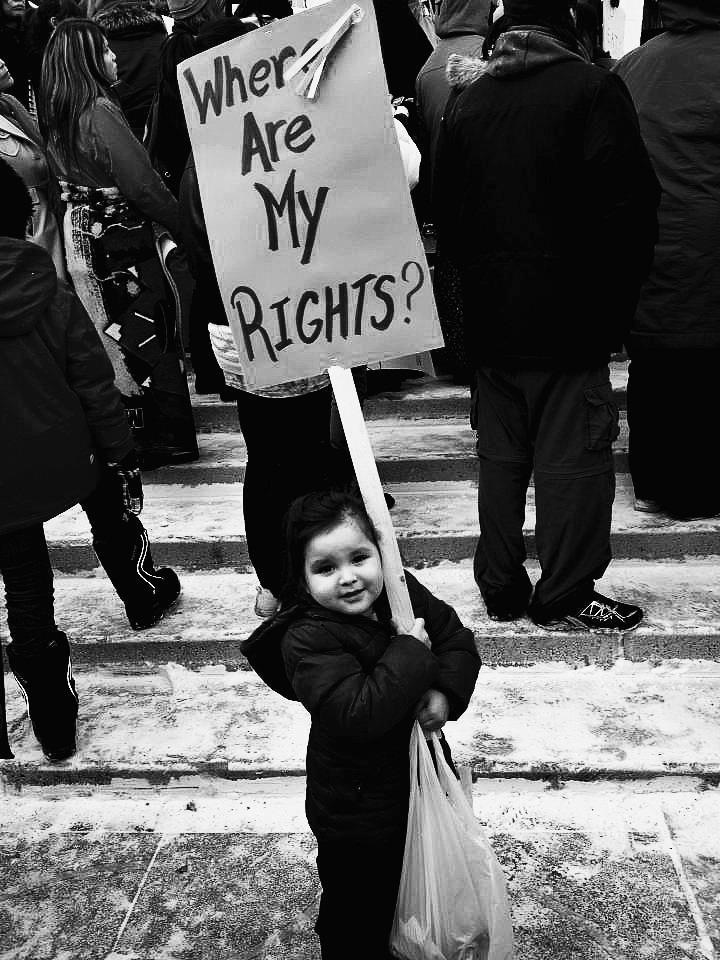
✅ So… What’s the Fix?
Let’s bring it back to real feminism. The kind that:
Uplifts women
Welcomes male allies
Makes space for healing
Fights for everybody’s right to be seen, safe, and free
Feminism should challenge power, not replace one hierarchy with another.
Let’s be the kind of feminists who:
> Call out injustice without becoming bitter
Listen as much as we speak
Build bridges, not walls
Because the goal was never to make women more powerful than men.
The goal is a world where power doesn’t depend on your gender at all.
🧾 Final Thoughts
Feminism isn’t dead. It’s evolving.
But to protect its soul, we have to stay alert. Let’s celebrate the movement, challenge its extremes, and keep pushing for justice that lifts everyone.
Ask yourself:
> “Is this building something better—or just flipping the script on who gets hurt?”
Feminism deserves better than to be hijacked by hate.
So let’s keep the fire burning—for freedom, for equality, and for the generations that come next.
Let me know your thoughts below 👇🏻💕
 Ladyink with love
Leave a comment