s Pilates Overhyped? A Deep Dive into the Myth, the Method, and the Media Machine
A Skincare Session, a Video, and a Question
A few days ago, right after wrapping up my workout, I moved into my skincare routine—something I find meditative. As I massaged my face, I played a video by Mina Le titled “The Myth of the ‘Pilates Body’.” Right at the start, she mentioned that she’d be leaving Pilates in 2025.
That line stuck with me.
It wasn’t just what she said, but how much it made me reflect. I’ve done Pilates before—not regularly, not obsessively—but enough to say I gave it a fair shot. And you know what? It didn’t change my body in any groundbreaking way. It was a good exercise, sure. It made me feel stronger, helped me stay mindful of my posture, but that was about it.
So why is everyone obsessed with Pilates?
Why does it feel like suddenly everyone and their influencer cousin is raving about it? Why is it being hailed as the golden key to the “perfect body,” and more importantly—whose definition of perfect are we chasing?
What Is Pilates, Really?
The Method Behind the Movement
Before we get swept up in the aesthetics, let’s talk facts.
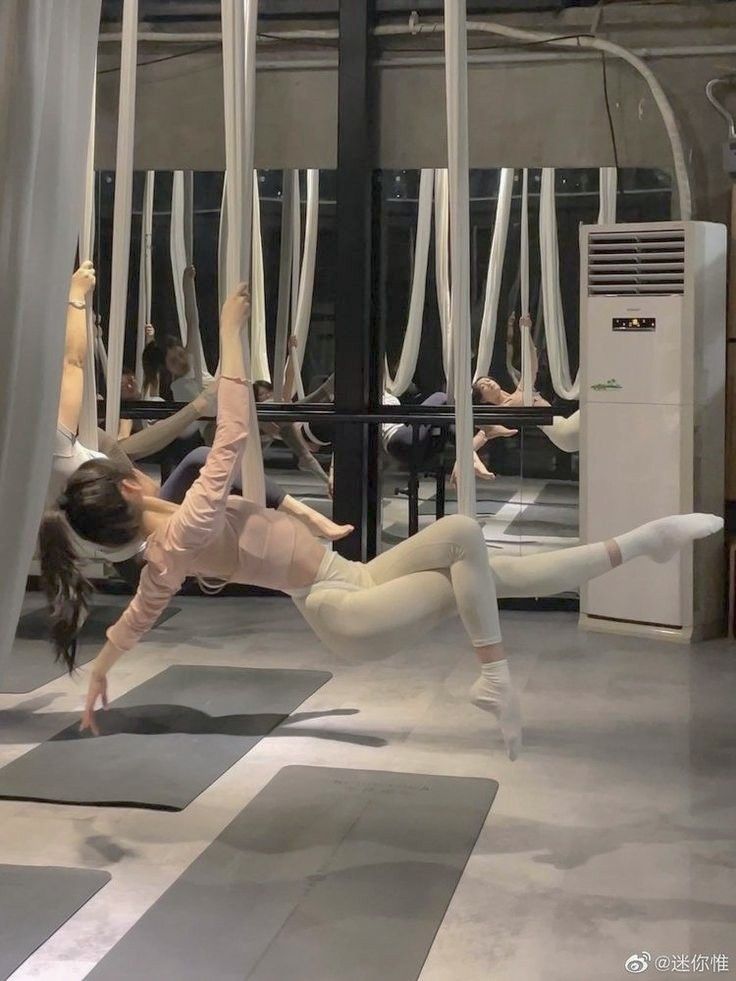
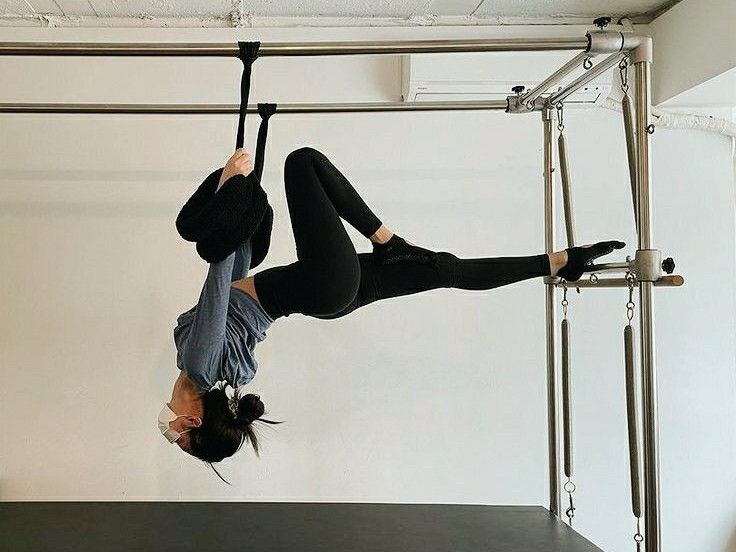
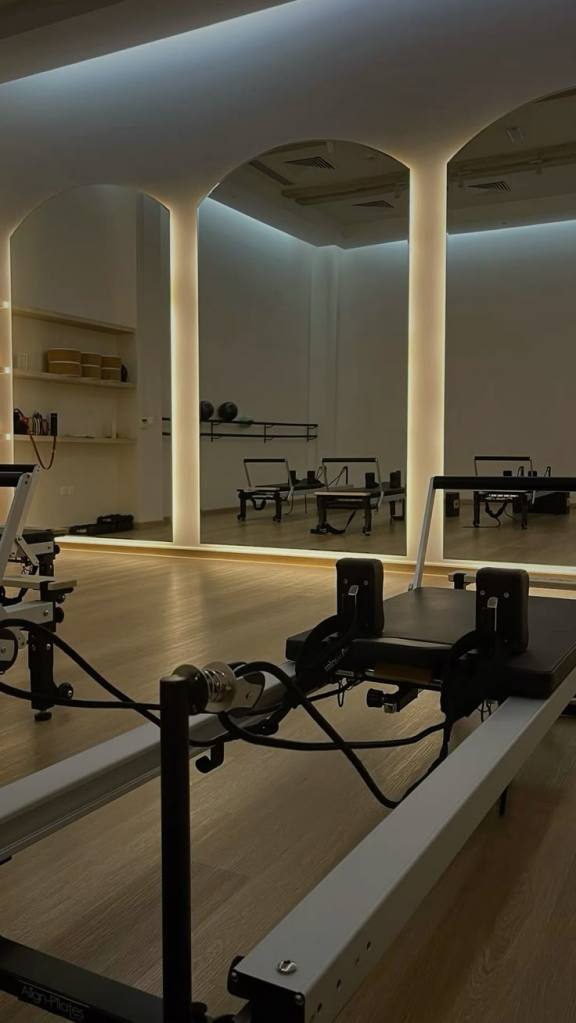
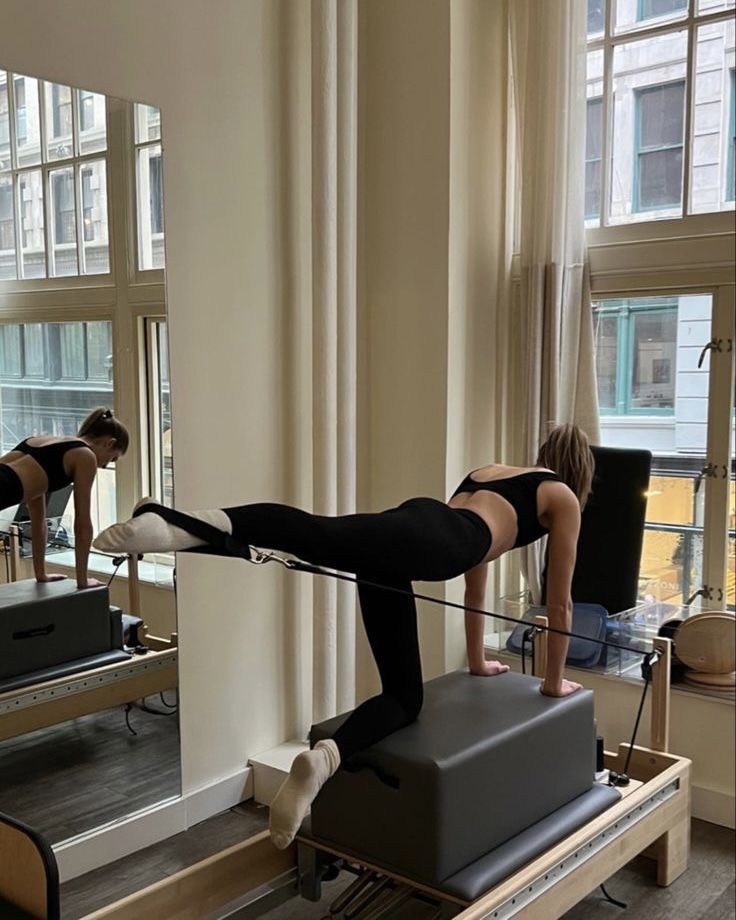
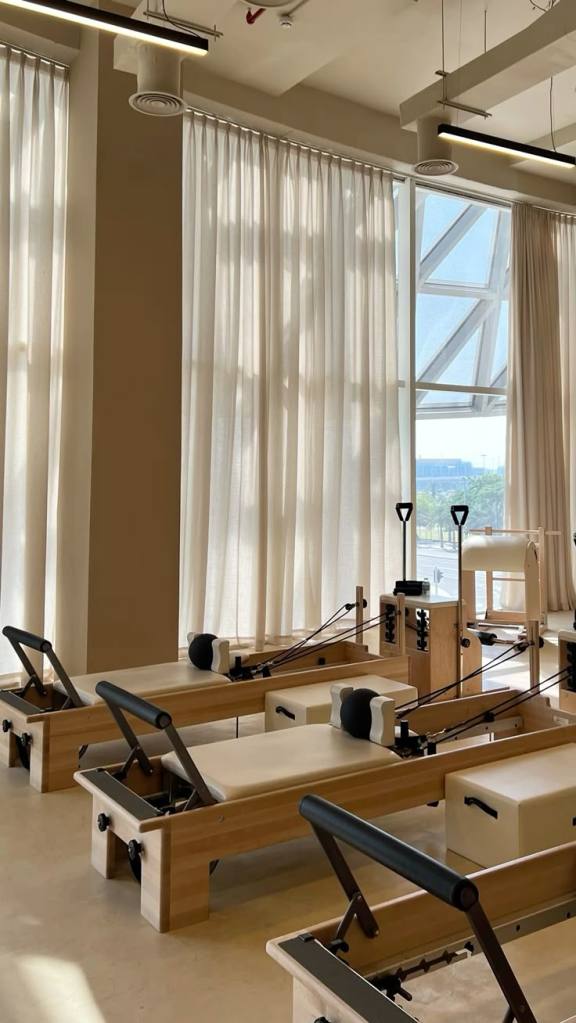
Pilates is a holistic mind-body exercise system focused on strengthening the core, improving posture, and enhancing body awareness. It emphasizes precision, control, and breathwork. It can be practiced on a mat or with specialized equipment like the reformer.
The History Behind the Hype
The method was created by Joseph Pilates, a German-born gymnast and bodybuilder. While interned in England during World War I, he began developing what he called “Contrology”—a system to help strengthen both mind and body. Influenced by physical culture, yoga, and even animal movement, his exercises were rooted in the belief that mental and physical health are deeply connected.
He wasn’t wrong. Pilates does help people—especially with posture, rehabilitation, and core control. It gained popularity among dancers for its emphasis on alignment and strength without bulk.
But here’s the thing—none of that explains why it’s become the aesthetic du jour of social media.
When Movement Meets Marketing
The Rise of the “Pilates Body”
Let’s be honest: if Pilates had remained a quiet, functional fitness practice for dancers and physical therapists, you wouldn’t be seeing “Pilates girl” content on your feed every other scroll.
So what happened?
1. Celebrity Endorsement and Lifestyle Branding
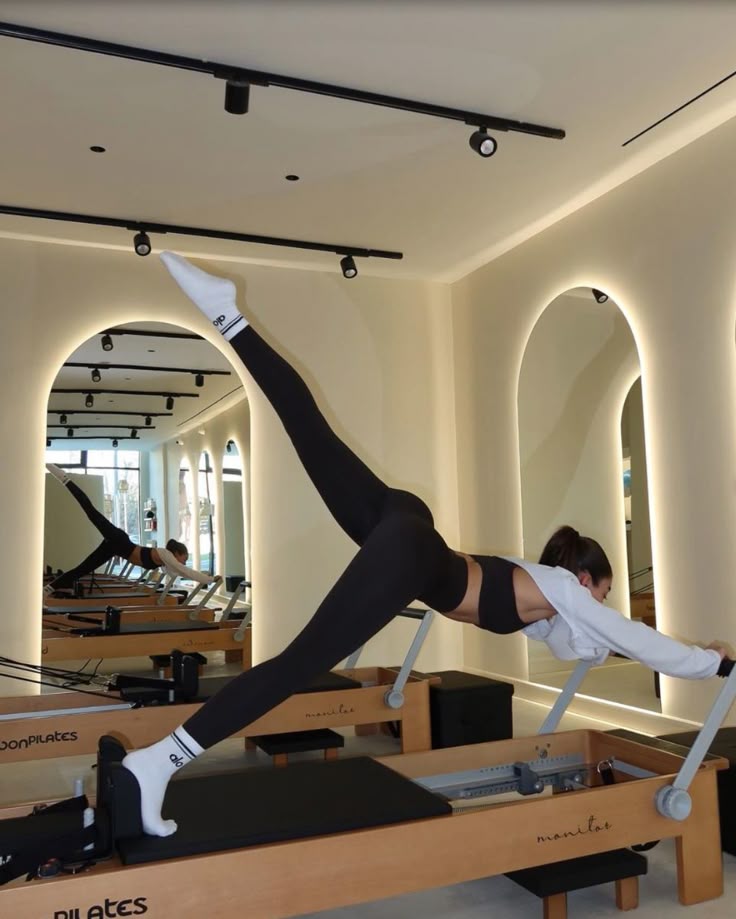
Celebrities—Victoria’s Secret models, actresses, influencers—quickly picked up Pilates and began presenting it as their secret… to a long, lean, feminine figure. Add in sleek reformer studios, clean aesthetics, and monochrome activewear sets that mirror luxury skincare campaigns, and suddenly Pilates was less of a workout, more of a brand.
2. The “That Girl” Aesthetic
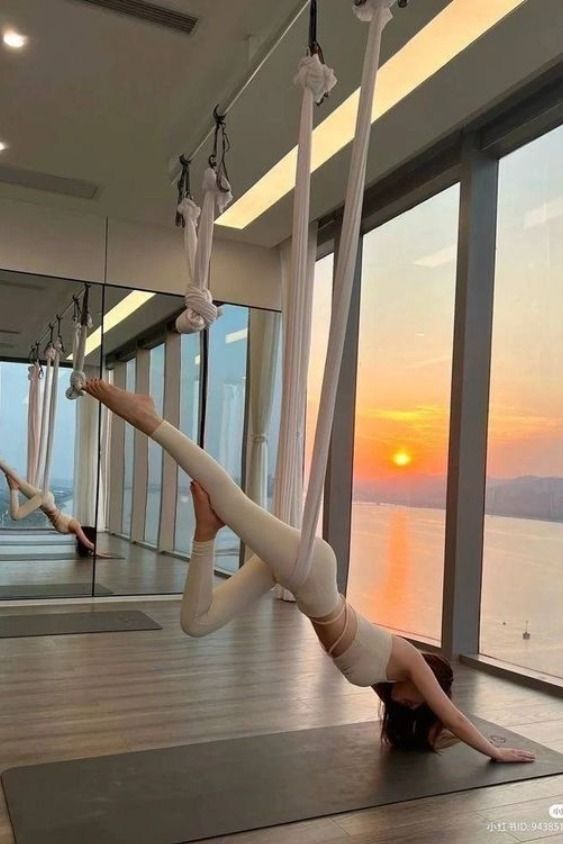
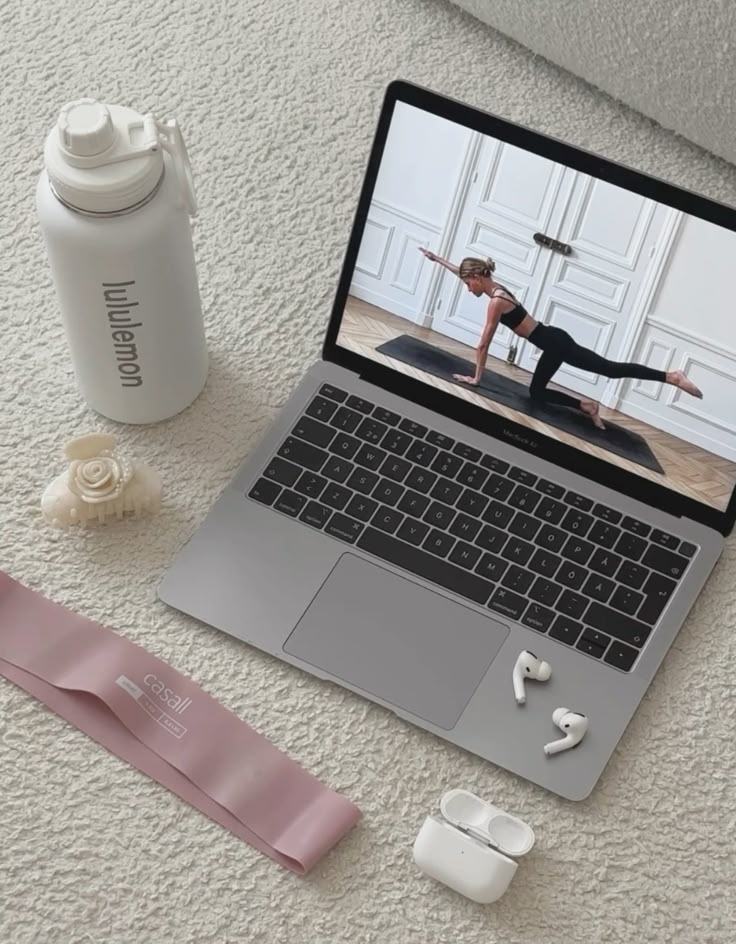
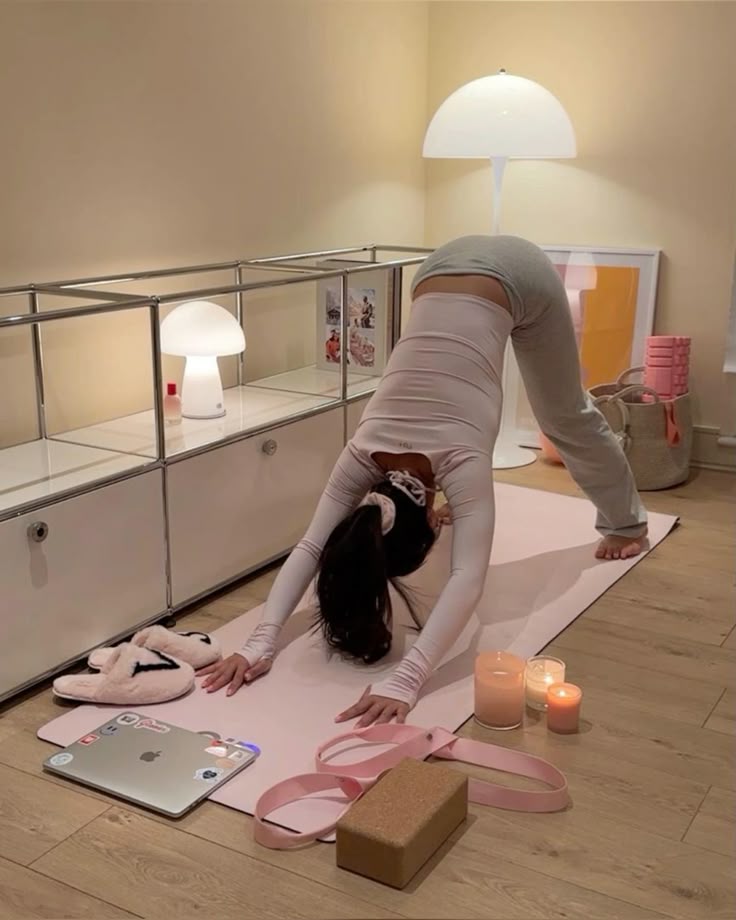
It’s part of the larger wellness imagery: green juices, five-step skincare, a matcha latte in a glass cup, and now—Pilates. Reformer classes look clean, minimalist, soft. They photograph beautifully. And let’s face it: the algorithm loves that.
3. Influencer Economy and Unrealistic Expectations
Here’s the danger. Influencers often suggest that Pilates is the reason they have their body type. But genetics, cosmetic procedures, strict diets, and access to personal chefs or trainers often play a huge role—things the average person doesn’t see or have. So when someone with a naturally slim frame credits Pilates for their physique, it can be misleading.
4. A Mirage of Accessibility
While mat Pilates can be accessible, reformer Pilates is often expensive. Boutique studios, exclusive memberships, and sleek equipment can price out many. Yet, flaunting these sessions becomes a subtle flex—a symbol of status masked as wellness.
Is Pilates Overrated?
Honestly? It depends on what you’re expecting from it.
Pilates vs. Reality: What It Actually Does for Your Body
Here’s what Pilates is great for:
Core strengthening
Posture improvement
Injury rehabilitation
Low-impact muscle engagement
Body awareness and flexibility
Here’s what Pilates isn’t:
A magic bullet for fat loss
A shortcut to a specific body type
A replacement for intense cardio or heavy strength training
Immune to marketing hype
In truth, Pilates can be wonderful—but it’s not for everyone, and it’s certainly not a miracle method. When done consistently, it can absolutely improve your functional strength and posture. But if you’re looking for visible body transformation or major muscle gains, you’ll likely need more than just Pilates.
What We Need to Talk About More
It’s not that Pilates is bad—it’s the way it’s being sold.
When we turn wellness into aesthetic performance, we risk disconnecting from the actual benefits of movement. When we only see filtered, curated versions of fitness routines, we start to feel like something’s wrong with us for not seeing the same results. But movement is not a one-size-fits-all. And your worth is not measured by how “toned” your core is or whether you can afford a reformer class.
So, should you try Pilates? Absolutely—if your goal is to build core strength, improve posture, or simply try something new. But do it for you, not for an Instagrammable version of yourself.
And don’t forget: the most meaningful progress often happens off-camera—in messy ponytails, with real sweat, and zero pastel filters in sight
Have you tried Pilates? Did it live up to the hype for you—or not quite?
Let me know your thoughts below 👇🏻
 Ladyink with love
Leave a comment