I am a January born, so I’m a winter kid…. But every since I was a child I absolutely loved rain and hated winters and still do. 🌧️
From childhood, I’d throw caution to the wind, dancing and standing in downpours, fully aware I’d probably catch a cold. It was worth it every time.
Now that I’m older, my love for rain hasn’t faded, though my rain dances are fewer and further between. Still, there are moments I crave to just stand there, letting the drops wash over me. It’s more than just cooling down; it’s a vital therapy. In those moments, under the natural shower, I find clarity. Thoughts about myself, my life, everything just seems to flow and make sense.
When I can’t have the rain, my own shower becomes my sanctuary. I’ve spent hours under the spray, finding the same calming connection. This profound bond with water has been with me since I can remember, and I’ve never understood why. I don’t know how to swim, yet the thought of drowning holds no fear for me. Water has always felt like an embrace, a place of peace, and a quiet confidant. 🌊🌊
Fanfiction, Dark Romance, and the Ethics We Overlook
🎤 From One Direction Fangirl to Ethical Awareness
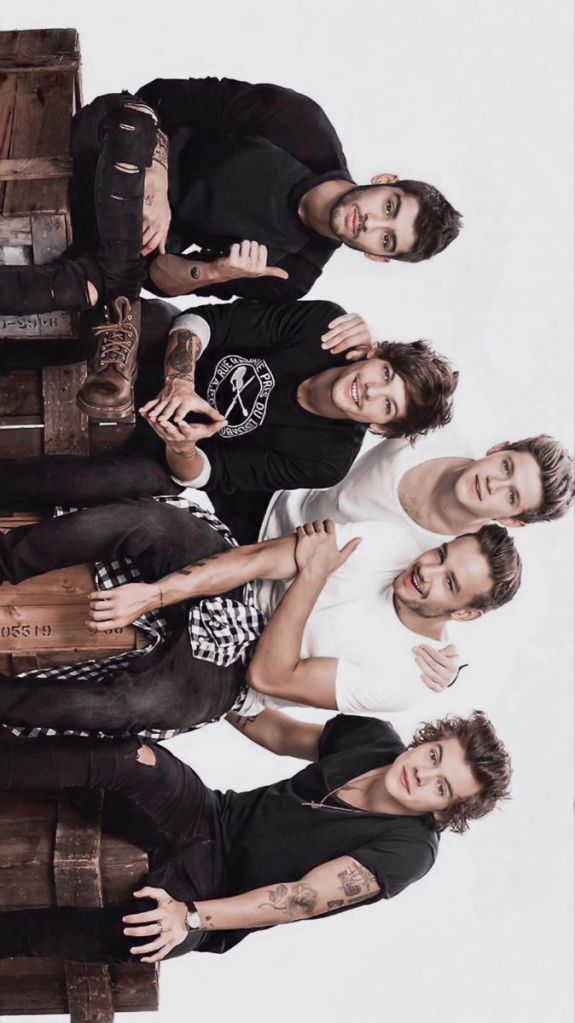
When I was a teenager, I was deep into the One Direction fandom. My favorite? Harry Styles. Their music, personalities, and charm made my teen years magical. I’d spend hours watching interviews, edits, and concert clips—it felt like home.
Then I discovered the rabbit hole that many fans fall into: fanfiction.
It started harmless—sweet “Y/N” stories where Harry loved you for who you were. But over time, I fell deeper, reading intense stories like After, Dark, and countless one-shots. They blurred the line between fantasy and reality.
Eventually, I moved on. I outgrew the band—and fanfiction. I began reading books that didn’t fictionalize real people’s lives. Only then did I realize the ethical dilemma that fanfiction, especially real-person fanfiction (RPF), presents—not just for readers, but more importantly, for the people being written about.
📚 What Is Fanfiction?
Fanfiction is fan-created storytelling using characters, settings, or plotlines from existing works like books, movies, or even video games. It exists in a gray zone—unauthorized, but beloved.
🧵 Fanfiction Usually:
Uses existing characters (fictional or real)
Is written by fans, not original creators
Lives mostly online on platforms like AO3, Wattpad, Tumblr, and FanFiction.Net
Explores “what if” ideas, alternate universes, or untold stories
It can be lighthearted, dark, romantic, funny, or deeply emotional.
But the question is: what happens when the “character” isn’t a character—but a real human being?
🚫 Why Some Fanfiction Crosses a Line
Fanfiction isn’t inherently wrong. It can be empowering, inclusive, and wildly imaginative. But some areas—especially RPF (Real Person Fiction)—raise serious concerns:
❌ Common Criticisms:
1. Lack of originality – It reuses others’ creations.
2. Poor quality – Anyone can publish, regardless of skill.
3. Overused clichés – Predictable tropes dominate many fics.
4. Fantasy projection – Self-inserts can feel like glorified wish fulfillment.
5. Toxic dynamics – Many fanfics romanticize abuse, trauma, or harmful behaviors.
6. Intellectual property issues – Some creators don’t want their worlds reimagined.
These are forgivable flaws. But when real people are involved, the consequences escalate.
🚷 The Ethical Problem with RPF (Real Person Fanfiction)
Celebrities may live public lives—but they’re not public property.
Writing fanfiction about their intimate, romantic, or sexual lives (often without consent) poses several problems:
💥 Impacts on Celebrities:
Privacy Invasion: Even public figures have emotional boundaries.
False Narratives: Fanfic can paint them as cruel, sexual, soft, or dangerous—distorting their real image.
Emotional Discomfort: Some celebrities have openly called RPF creepy or invasive.
Relationship Strain: “Shipping” two band members or actors can cause tension in real friendships.
Fan Delusion: Parasocial fantasies get stronger, leading to blurred lines and even stalking.
Reputational Damage: If explicit content spreads, it could harm their careers—especially those in youth-centric industries.
🔍 Example: The “Larry Stylinson” fanfic phenomenon caused real strain between Louis Tomlinson and Harry Styles. Both have denied the ship and expressed discomfort.
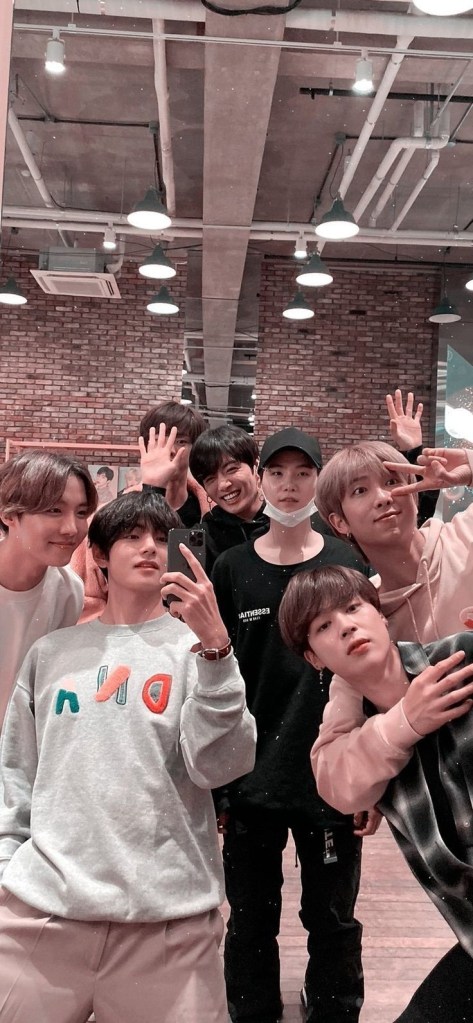
Even BTS members have admitted that some fan content feels too invasive.
💡 So… Why Do People Write Fanfiction About Real People?
I personally have never written a fanfiction….. But I have read them.
It’s easy to judge, but important to understand.
🧠 Common Reasons:
Escapism: A way to fantasize or cope with real-life stress.
Identity Exploration: Especially for queer or marginalized fans, it’s a safe space to explore love, acceptance, and identity.
Parasocial Attachment: Writing feels like a way to feel closer to a favorite celebrity.
Creativity and Practice: Celebrities become a familiar template for writing.
Wish Fulfillment: A dream scenario where you’re seen, loved, or saved.
Community Belonging: Fanfic communities offer validation, connection, and joy.
Fanfiction—at its heart—isn’t always about disrespect. Often, it’s about longing. But intentions don’t erase consequences.
🌈 What Good Can Come From Fanfiction?
Let’s not ignore the good side—when rooted in fiction, fanfiction can be amazing.
✨ Here’s What It Offers:
1. Writing Practice: Many authors—like Cassandra Clare and E.L. James—started with fanfiction.
2. Instant Feedback: Writers grow through community responses.
3. Emotional Catharsis: It allows processing of grief, anxiety, love, and trauma.
4. Representation: Fanfiction often gives space to LGBTQ+, POC, and neurodivergent voices missing in mainstream media.
5. Creative Freedom: With no publisher pressure, writers take bold risks.
6. Comfort Stories: Alternate endings, soft love stories, “fix-its”—fics heal both readers and writers.
Fanfiction is more than guilty pleasure—it’s often a way to survive, speak up, or be seen.
⚖️ The Middle Ground: Ethics + Empathy
So where do we draw the line?
✅ Healthy Fanfiction:
Stays within fictional universes
Celebrates rather than invades
Acknowledges boundaries
Prioritizes consent—even in creative expression
❌ Problematic Fanfiction:
Sexualizes real people
Pushes harmful ships
Feeds delusions or stalker fantasies
Is shared directly with the people involved
If you admire someone, ask: Would they feel respected if they read this?
💬 Admire, Don’t Objectify
Fanfiction gave me joy, comfort, and a safe space growing up. But I’ve also realized that real people—no matter how famous—deserve dignity and boundaries.
You can be a fan without fictionalizing someone’s personal life. You can write romance without using real names. You can create magic without crossing lines.
✨ Admire from afar. Respect up close. That’s true fandom.
📣 What Do You Think?
Have you read or written fanfiction?
Do you believe RPF can be done respectfully?
Where should the line be drawn?
👇 Let’s talk in the comments. Share your thoughts, your stories, or just drop a 💬 if this made you think.
To be honest,I never thought about it. Let me think 🤔
Hmmm… Ohhhh
My tagline will be “The Unseen Depths, the Unspoken Desire.”
You know why this suits me … People usually don’t get me at first glance. I’m more of a “don’t touch me, I bite” person at first glance. The one people never want to message with.
You won’t find all of me at first glance — I was never made to be read in a single chapter. I move quietly, but my silence isn’t emptiness; it’s power. There’s a whole world beneath what I choose to show. I carry storms inside me — of thought, of feeling, of intuition — and I don’t need to explain them. Those who are meant to understand, will.
There is a softness in me that’s rooted in strength. A grace that doesn’t perform for attention. I observe more than I speak, and when I speak, it’s because it matters. I don’t give myself away easily — not my energy, not my body, not my truth.
Desire lives in me, not in loud declarations but in glances, in pauses, in the tension between what I reveal and what I withhold. I am passion held with poise. I am warmth that doesn’t chase but attracts. I am not here to be figured out — I’m here to be felt.
There’s fire in my stillness and mystery in my every movement. I don’t seek to be understood by the world. I only seek to be deeply known by those who deserve to enter my depths.
Because I am the unseen depths — and the unspoken desire. 💕💕
s Pilates Overhyped? A Deep Dive into the Myth, the Method, and the Media Machine
A Skincare Session, a Video, and a Question
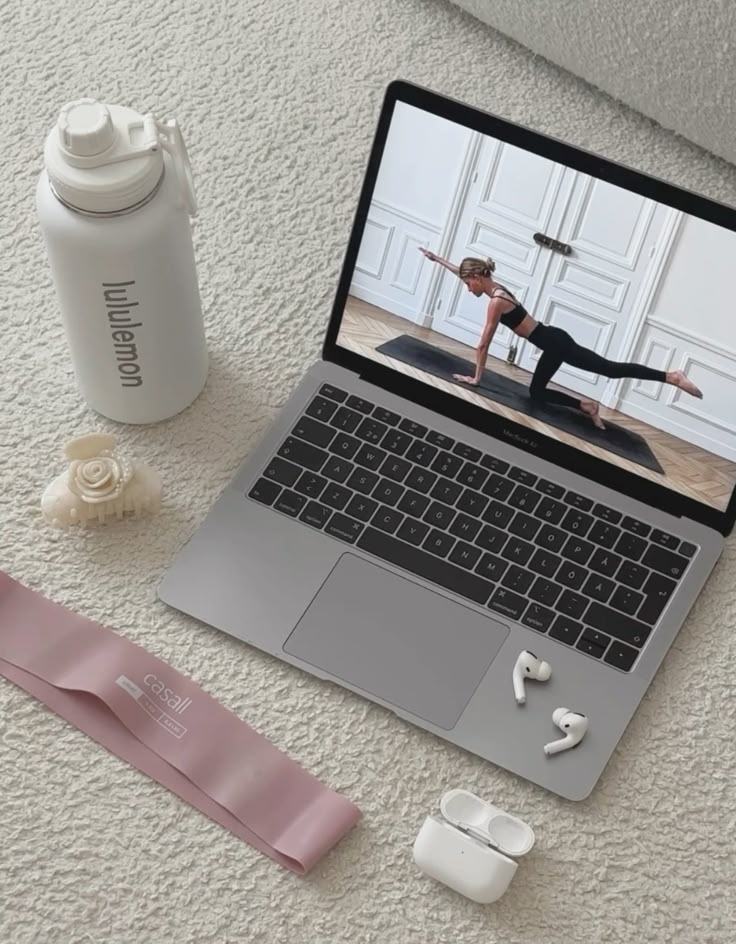
A few days ago, right after wrapping up my workout, I moved into my skincare routine—something I find meditative. As I massaged my face, I played a video by Mina Le titled “The Myth of the ‘Pilates Body’.” Right at the start, she mentioned that she’d be leaving Pilates in 2025.
That line stuck with me.
It wasn’t just what she said, but how much it made me reflect. I’ve done Pilates before—not regularly, not obsessively—but enough to say I gave it a fair shot. And you know what? It didn’t change my body in any groundbreaking way. It was a good exercise, sure. It made me feel stronger, helped me stay mindful of my posture, but that was about it.
So why is everyone obsessed with Pilates?
Why does it feel like suddenly everyone and their influencer cousin is raving about it? Why is it being hailed as the golden key to the “perfect body,” and more importantly—whose definition of perfect are we chasing?
What Is Pilates, Really?
The Method Behind the Movement
Before we get swept up in the aesthetics, let’s talk facts.
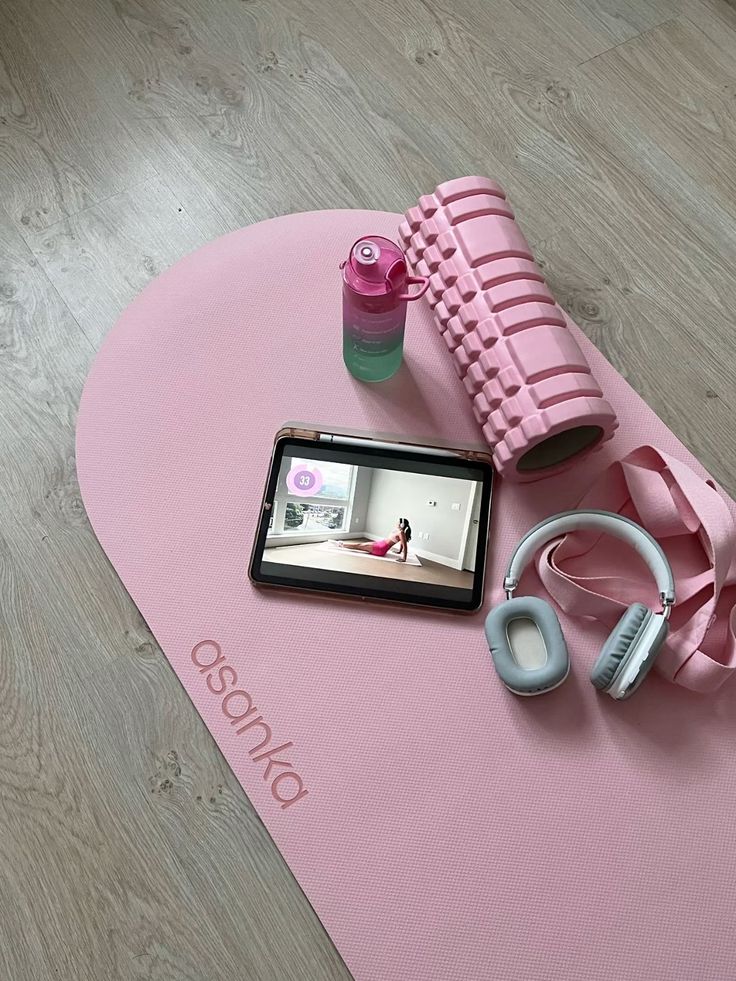
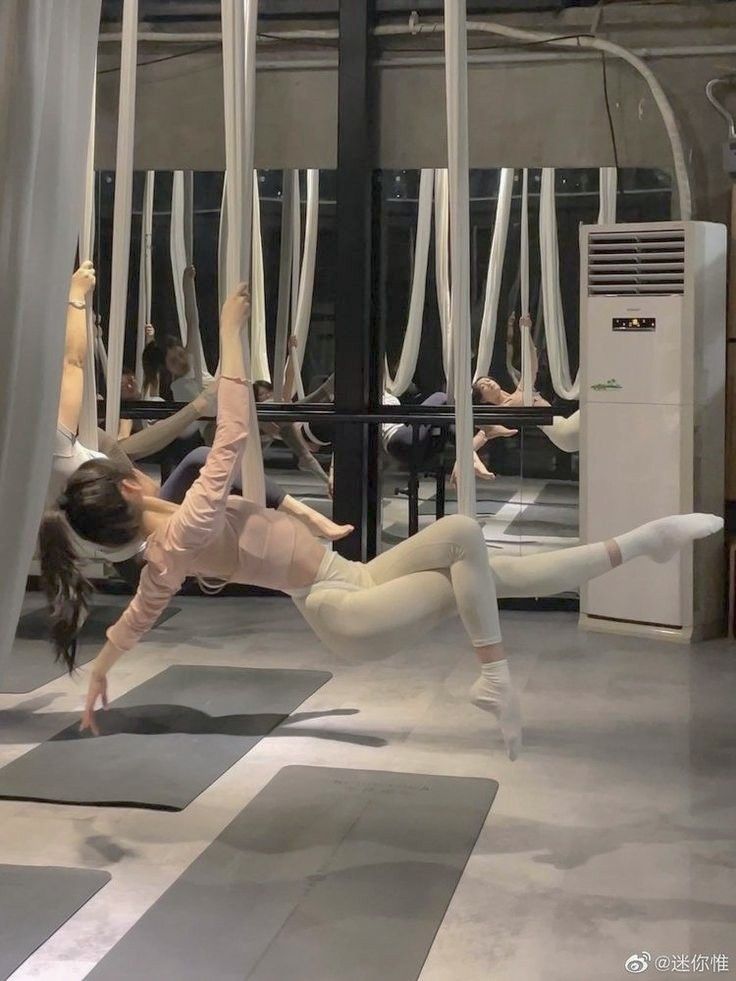
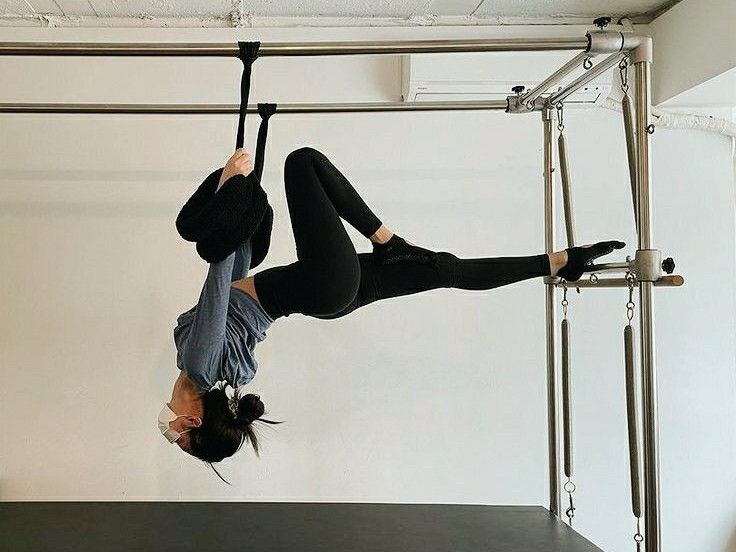
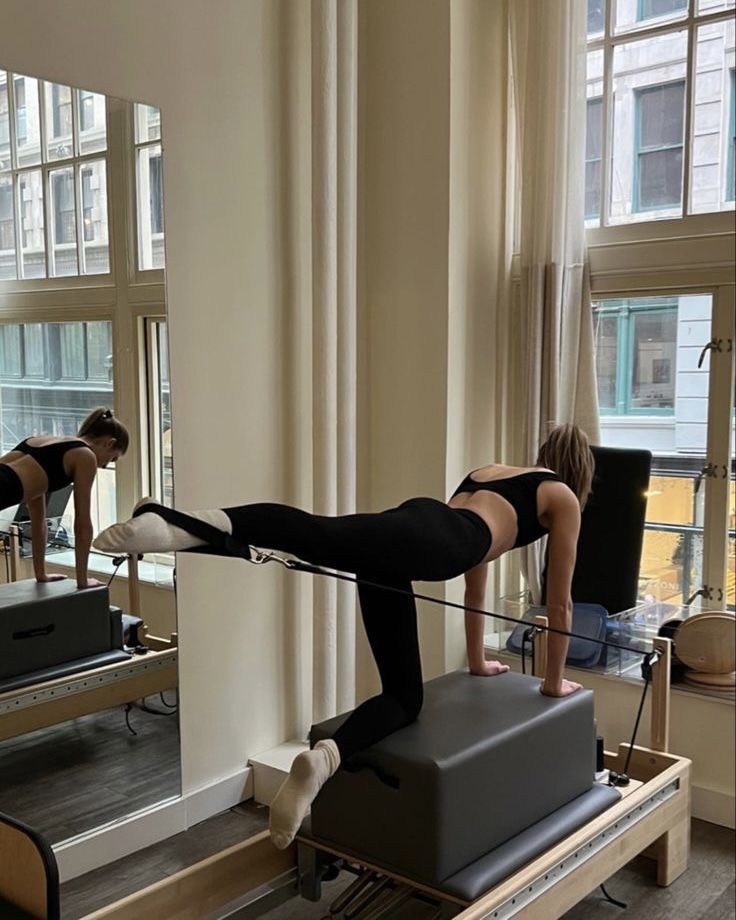
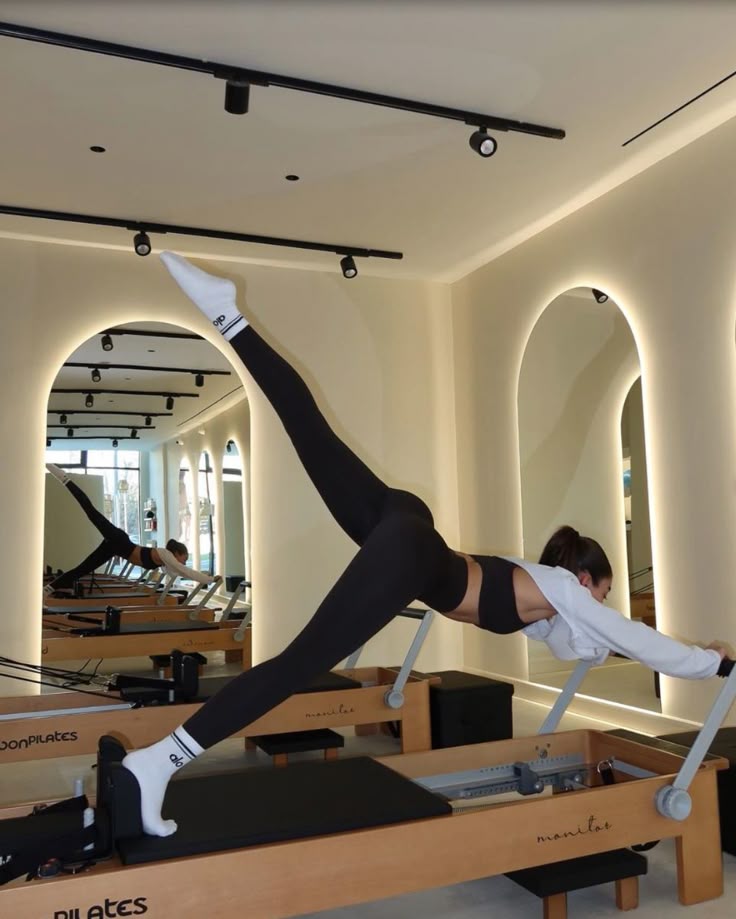
Pilates is a holistic mind-body exercise system focused on strengthening the core, improving posture, and enhancing body awareness. It emphasizes precision, control, and breathwork. It can be practiced on a mat or with specialized equipment like the reformer.
The History Behind the Hype
The method was created by Joseph Pilates, a German-born gymnast and bodybuilder. While interned in England during World War I, he began developing what he called “Contrology”—a system to help strengthen both mind and body. Influenced by physical culture, yoga, and even animal movement, his exercises were rooted in the belief that mental and physical health are deeply connected.
He wasn’t wrong. Pilates does help people—especially with posture, rehabilitation, and core control. It gained popularity among dancers for its emphasis on alignment and strength without bulk.
But here’s the thing—none of that explains why it’s become the aesthetic du jour of social media.
When Movement Meets Marketing
The Rise of the “Pilates Body”
Let’s be honest: if Pilates had remained a quiet, functional fitness practice for dancers and physical therapists, you wouldn’t be seeing “Pilates girl” content on your feed every other scroll.
So what happened?
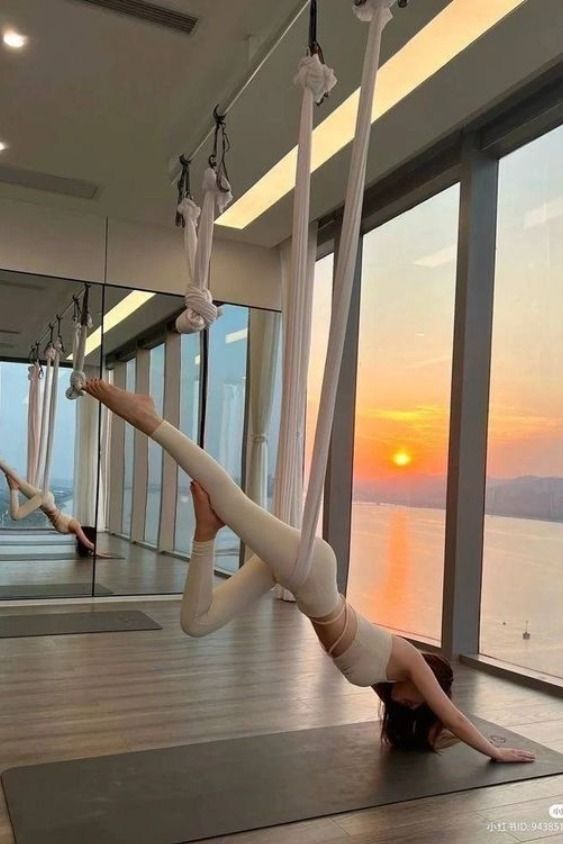
1. Celebrity Endorsement and Lifestyle Branding Celebrities—Victoria’s Secret models, actresses, influencers—quickly picked up Pilates and began presenting it as their secret… to a long, lean, feminine figure. Add in sleek reformer studios, clean aesthetics, and monochrome activewear sets that mirror luxury skincare campaigns, and suddenly Pilates was less of a workout, more of a brand.
2. The “That Girl” Aesthetic It’s part of the larger wellness imagery: green juices, five-step skincare, a matcha latte in a glass cup, and now—Pilates. Reformer classes look clean, minimalist, soft. They photograph beautifully. And let’s face it: the algorithm loves that.
3. Influencer Economy and Unrealistic Expectations Here’s the danger. Influencers often suggest that Pilates is the reason they have their body type. But genetics, cosmetic procedures, strict diets, and access to personal chefs or trainers often play a huge role—things the average person doesn’t see or have. So when someone with a naturally slim frame credits Pilates for their physique, it can be misleading.
4. A Mirage of Accessibility While mat Pilates can be accessible, reformer Pilates is often expensive. Boutique studios, exclusive memberships, and sleek equipment can price out many. Yet, flaunting these sessions becomes a subtle flex—a symbol of status masked as wellness.
Is Pilates Overrated?
Honestly? It depends on what you’re expecting from it.
Pilates vs. Reality: What It Actually Does for Your Body
Here’s what Pilates is great for:
Core strengthening
Posture improvement
Injury rehabilitation
Low-impact muscle engagement
Body awareness and flexibility
Here’s what Pilates isn’t:
A magic bullet for fat loss
A shortcut to a specific body type
A replacement for intense cardio or heavy strength training
Immune to marketing hype
In truth, Pilates can be wonderful—but it’s not for everyone, and it’s certainly not a miracle method. When done consistently, it can absolutely improve your functional strength and posture. But if you’re looking for visible body transformation or major muscle gains, you’ll likely need more than just Pilates.
What We Need to Talk About More
It’s not that Pilates is bad—it’s the way it’s being sold.
When we turn wellness into aesthetic performance, we risk disconnecting from the actual benefits of movement. When we only see filtered, curated versions of fitness routines, we start to feel like something’s wrong with us for not seeing the same results. But movement is not a one-size-fits-all. And your worth is not measured by how “toned” your core is or whether you can afford a reformer class.
So, should you try Pilates? Absolutely—if your goal is to build core strength, improve posture, or simply try something new. But do it for you, not for an Instagrammable version of yourself.
And don’t forget: the most meaningful progress often happens off-camera—in messy ponytails, with real sweat, and zero pastel filters in sight
Have you tried Pilates? Did it live up to the hype for you—or not quite?
Personally I value loyalty a lot in friendshi. Not just in friendships, but also in my other relationshis.
In general I am a very loyal person, so it’s something I also expect from my friends and other people I love.
In friendships, loyalty isn’t loud. It doesn’t need constant proof or big declarations. It shows up in small, steady ways—the text that checks in when no one else does, the silence that listens without judgment, the presence that stays when life gets messy.
Loyalty is being there when it’s inconvenient. It’s defending your friend even when they’re not around to hear it. It’s knowing their flaws and still choosing them, again and again.
In a world that often confuses followers for friends, loyalty is rare—and real. And if you’ve got even one loyal friend, you’ve got something worth more than gold.












 Ladyink with love