The Cruelty of the Blinking Cursor: A Conversation About Writer’s Block
I recently had an idea for a short story I wanted to write. Everything was going fine—I even wrote the first chapter.
But then… I wasn’t happy with it. I didn’t know where to go next.
Now I’m not even sure if I should write a blog.
I don’t know how to start. There’s this creative block. I have ideas, but I don’t know how to begin—or if I even want to anymore.
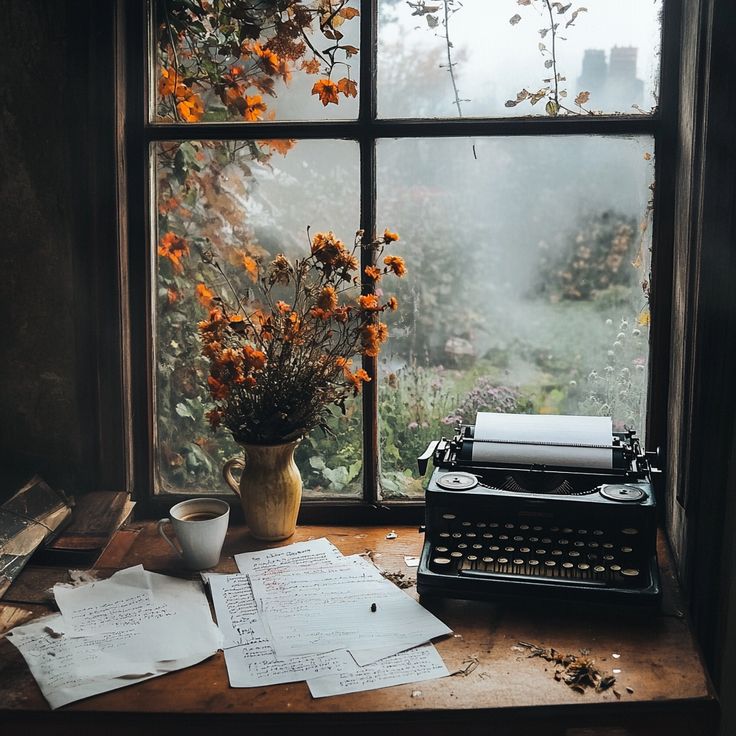
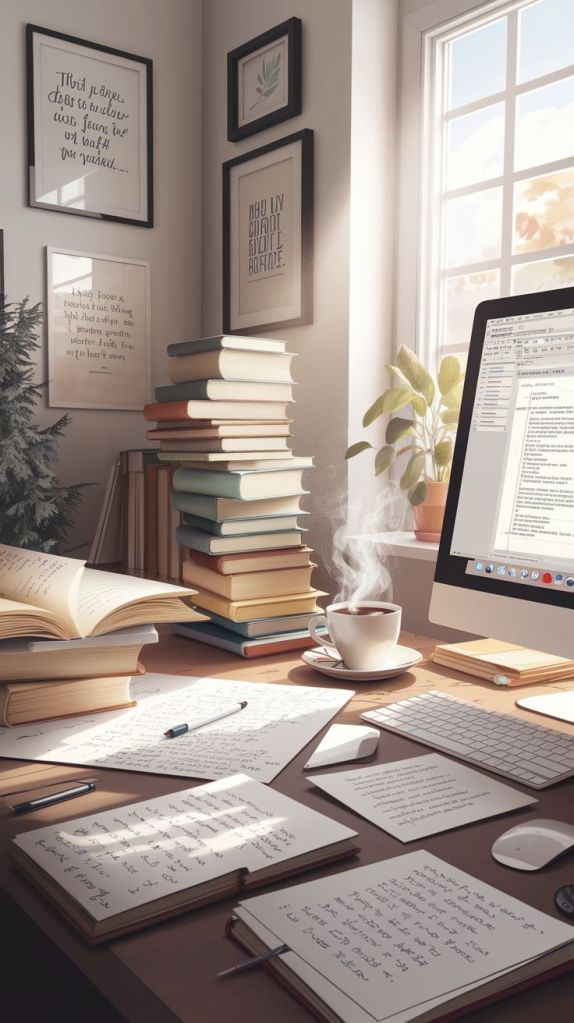
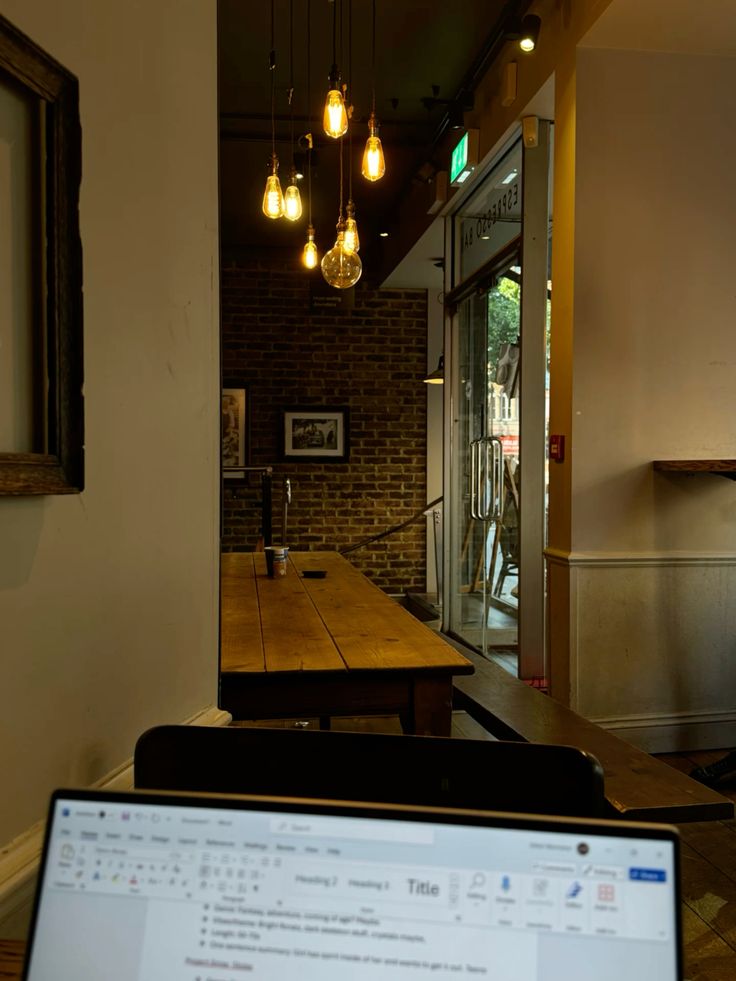
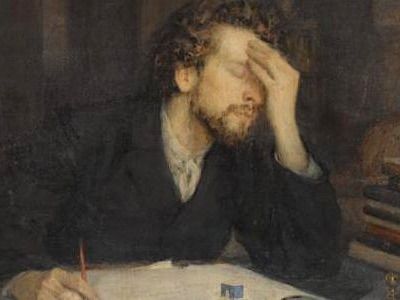
There’s something uniquely cruel about sitting in front of a blinking cursor, waiting for words that simply won’t come. A mind once bursting with imagery and plot twists now resembles a snow-covered road—quiet, empty, and directionless.
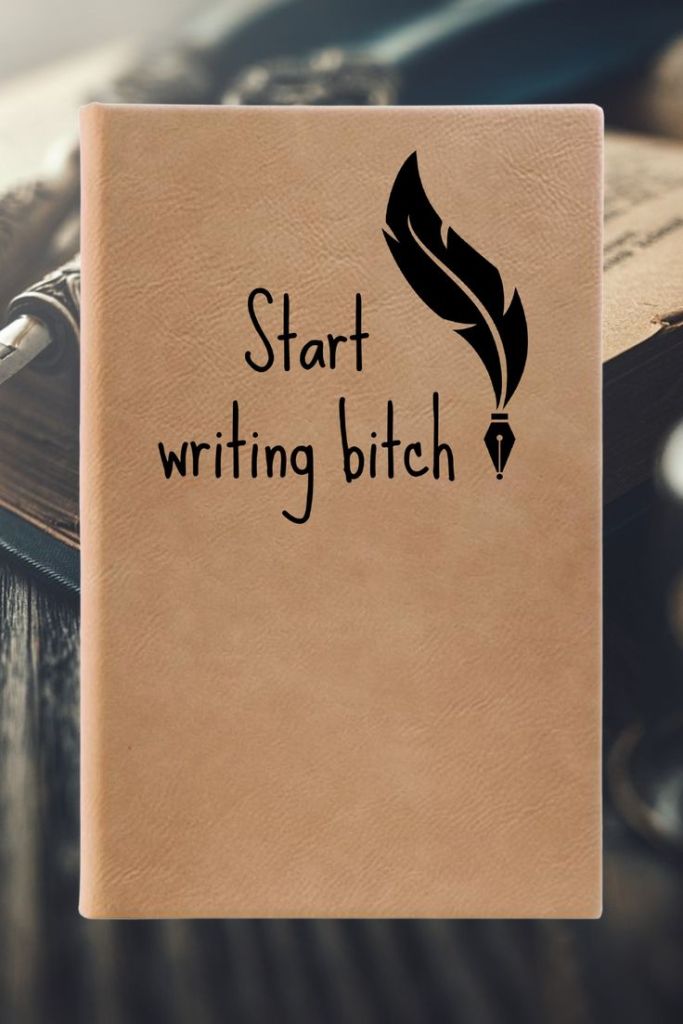
Writer’s block.
We’ve all heard of it. Most of us have faced it.
And yet, every time it hits, it feels brand new—like a betrayal.
So, let’s talk about it. Not with shame or frustration, but with curiosity.
What is writer’s block? Is it something to fight against—or listen to?
And how do we move through it without losing ourselves in the process?
What Is Writer’s Block?
Writer’s block is a non-medical condition primarily associated with writing, in which an author is either unable to produce new work or experiences a creative slowdown. Its severity ranges from struggling to come up with ideas to being unable to write for months—or even years.
But writer’s block isn’t just the absence of words.
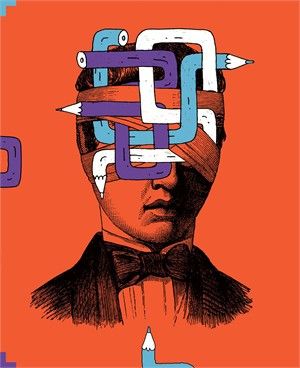
It’s the presence of doubt. Of fear. Of fatigue. Of perfectionism.
And sometimes—plain old burnout.
It shows up differently for everyone:
For some, it’s not knowing how to begin.
For others, it’s being trapped halfway through a story.
And for many, it’s the terrifying thought: What if I never write again?
But here’s the truth:
Writer’s block doesn’t mean you’ve lost your talent.
It usually means you need a moment—to breathe, to reset, or to reconnect.

Should We Even Try to “Get Over” It?
This might sound controversial, but… sometimes, no.
Not right away.
Writer’s block might be your mind’s way of asking you to slow down.
Maybe you’ve been pushing too hard. Maybe you’re juggling deadlines, self-imposed pressure, or falling into the trap of comparison.
The block, then, isn’t a problem. It’s a signal.
Ask yourself:
Am I tired?
Am I afraid of failing?
Do I still love what I’m writing?
If the answer to any of these is yes, maybe the next step isn’t forcing the words out.
Maybe it’s stepping back.
The most powerful writing doesn’t come from pressure.
It comes from presence.
When You’re Ready to Write Again: How to Gently Start
If you’ve listened to yourself and you’re ready to return to the page—whether it’s been a few hours or a few months—here are a few ways to help the words find their way back.
1. Take the Pressure Off
Write badly. Seriously. Write garbage. Write the messiest, most cliché, cringe-inducing paragraph of your life—and do it with pride.
The goal isn’t brilliance. It’s momentum.
2. Change Your Scenery
Sometimes, the block lives in your room. Or your desk. Or the dent in your couch.
So get up. Go to a café. A library. A rooftop. A park bench.
The shift in energy around you can unlock something within you.
3. Reread What You Love
Return to the books that made you fall in love with writing.
Let them remind you of the rhythm, the magic, the beauty of words.
Not to compare—but to remember why you started.
4. Move Your Body, Clear Your Mind
Writing isn’t just a mental act—it’s physical.
Your brain needs oxygen. Your body needs flow.
Dance. Walk. Do yoga. Take a long shower.
Clarity often arrives after movement—not before.
5. Talk It Out
Can’t write it? Say it. Talk to a friend. Explain the plot aloud.
Vent about the block itself.
Speaking engages a different part of the brain—and might just untangle your thoughts.
6. Try a Prompt or a Different Medium
If your main project feels too heavy, set it aside.
Write a poem. A letter to your future self. A random dialogue.
Writing prompts or bite-sized creativity can reignite the spark.
7. Create a Writing Ritual
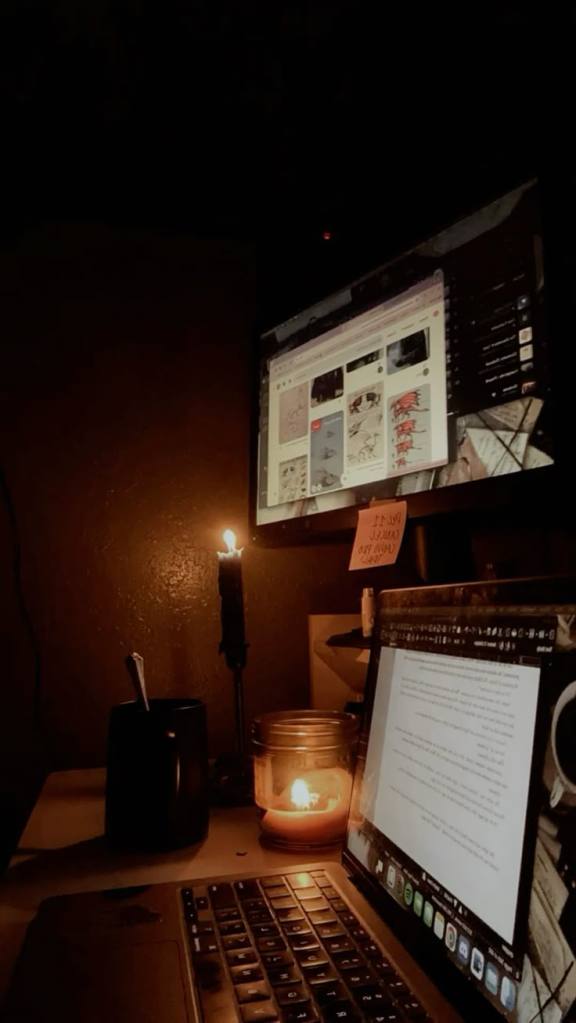
Make it something to look forward to. Light a candle. Brew your favorite tea.
Play a special playlist. Turn writing into a sacred space—not a stressful one.
A Gentle Reminder: Your Worth Isn’t Measured by Productivity
One of the hardest truths for creatives to accept is this:
You are still a writer—even when you’re not writing.
You’re allowed to pause.
To go quiet.
To feel stuck.
And you’re allowed to return.
To try again.
To trust that the words will come back—not because you forced them,
but because they were never truly gone. Just hiding.
Just waiting.

Final Thoughts: What Writer’s Block Teaches Us
In the end, writer’s block is not always an obstacle.
Sometimes, it’s a teacher.
It asks us to slow down.
To look inward.
To reconsider how and why we write.
Maybe it’s not about “getting over” the block—but walking through it, gently.
So next time it visits, don’t panic.
Don’t spiral.
Just breathe.
The story is still in you.
And when it’s ready—it’ll find its way out.
Let me know your thoughts below 👇🏻
 Ladyink with love
Leave a comment